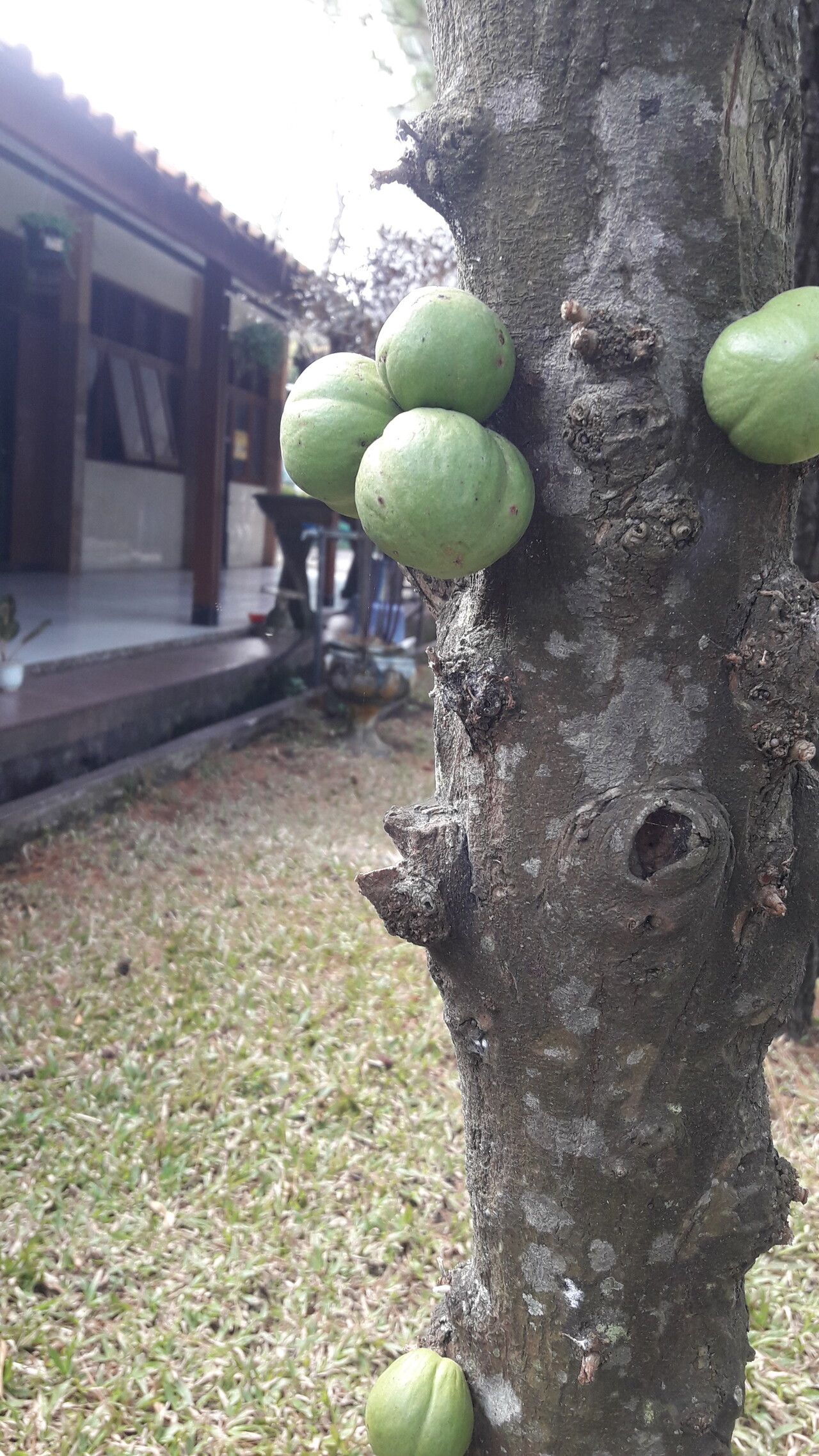
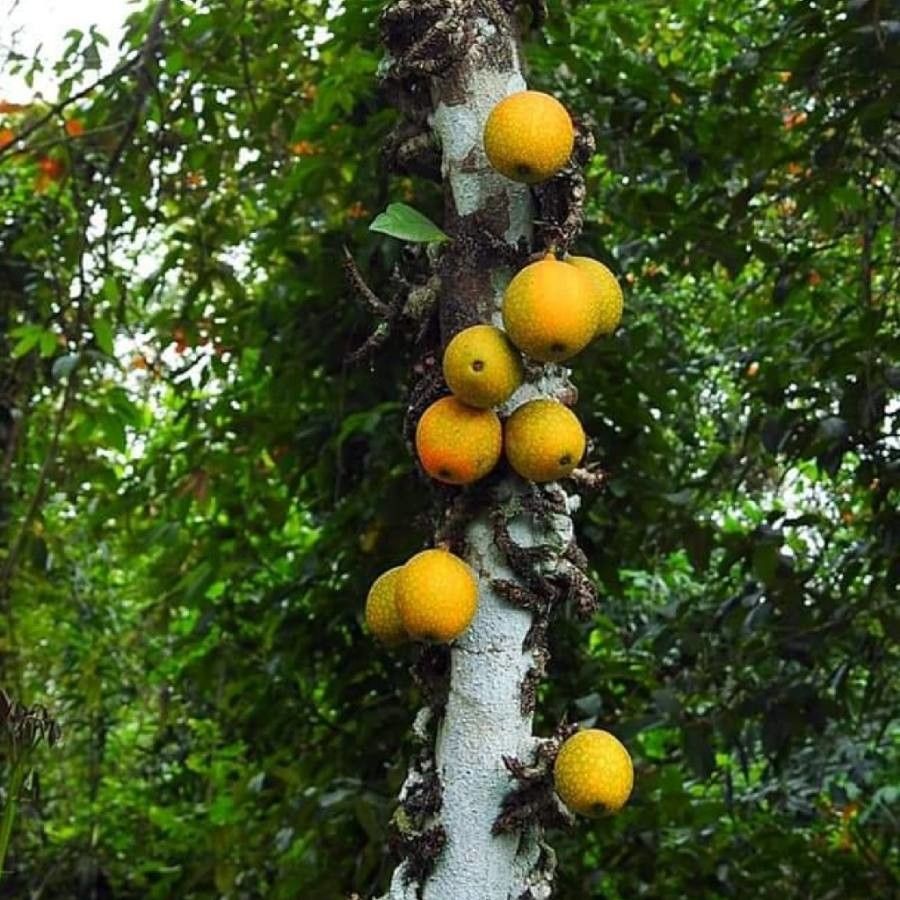
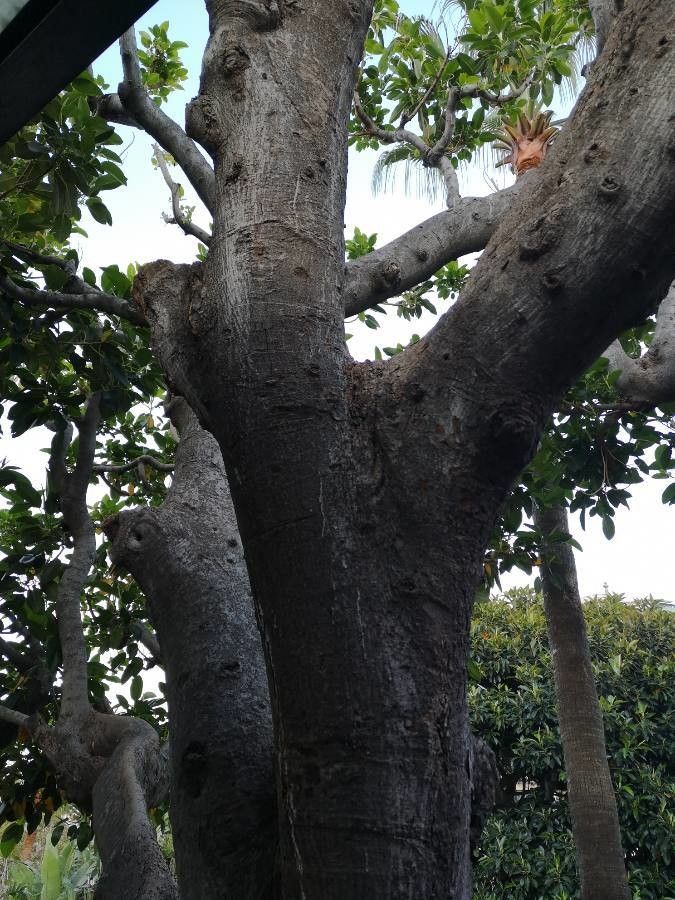
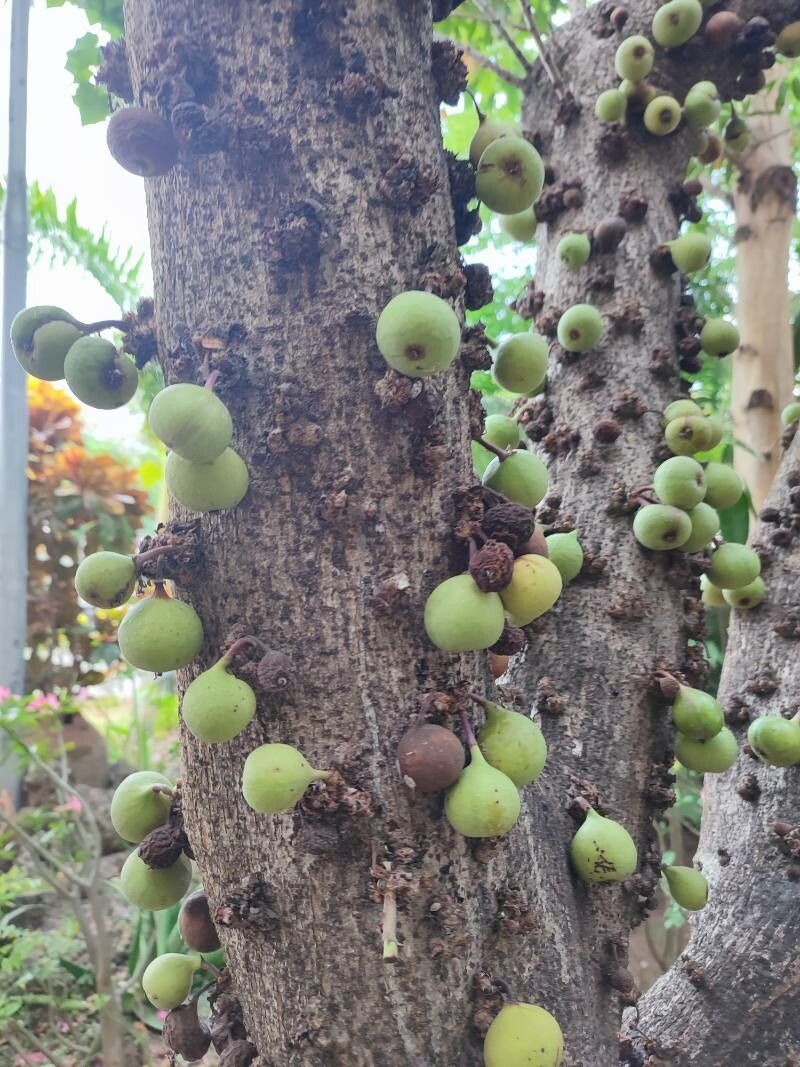
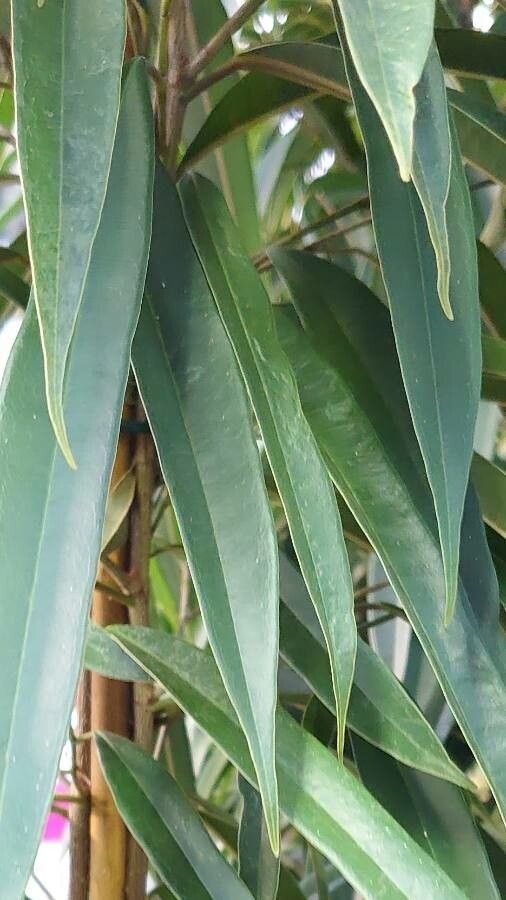
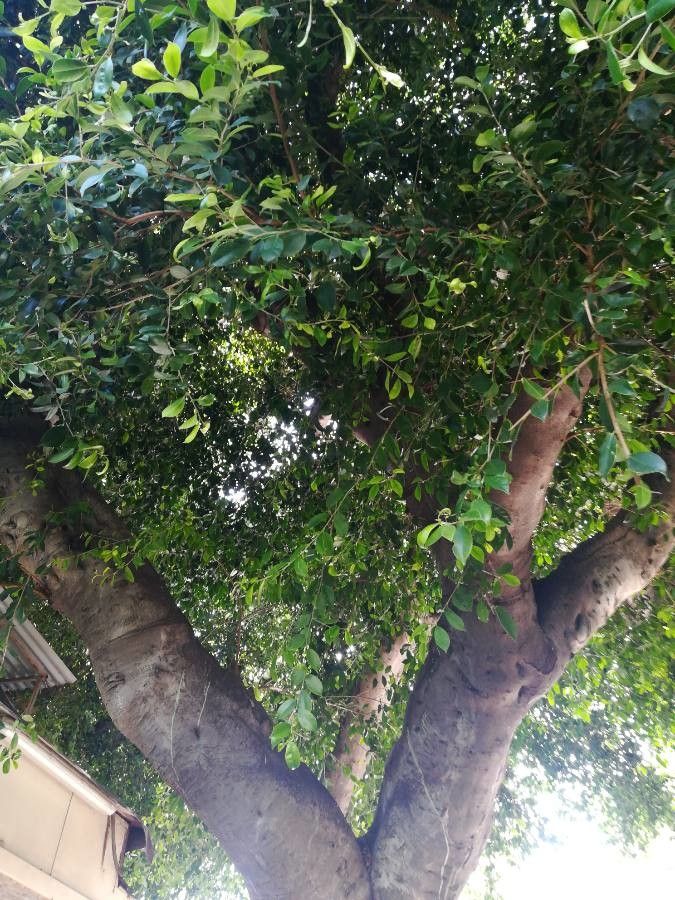
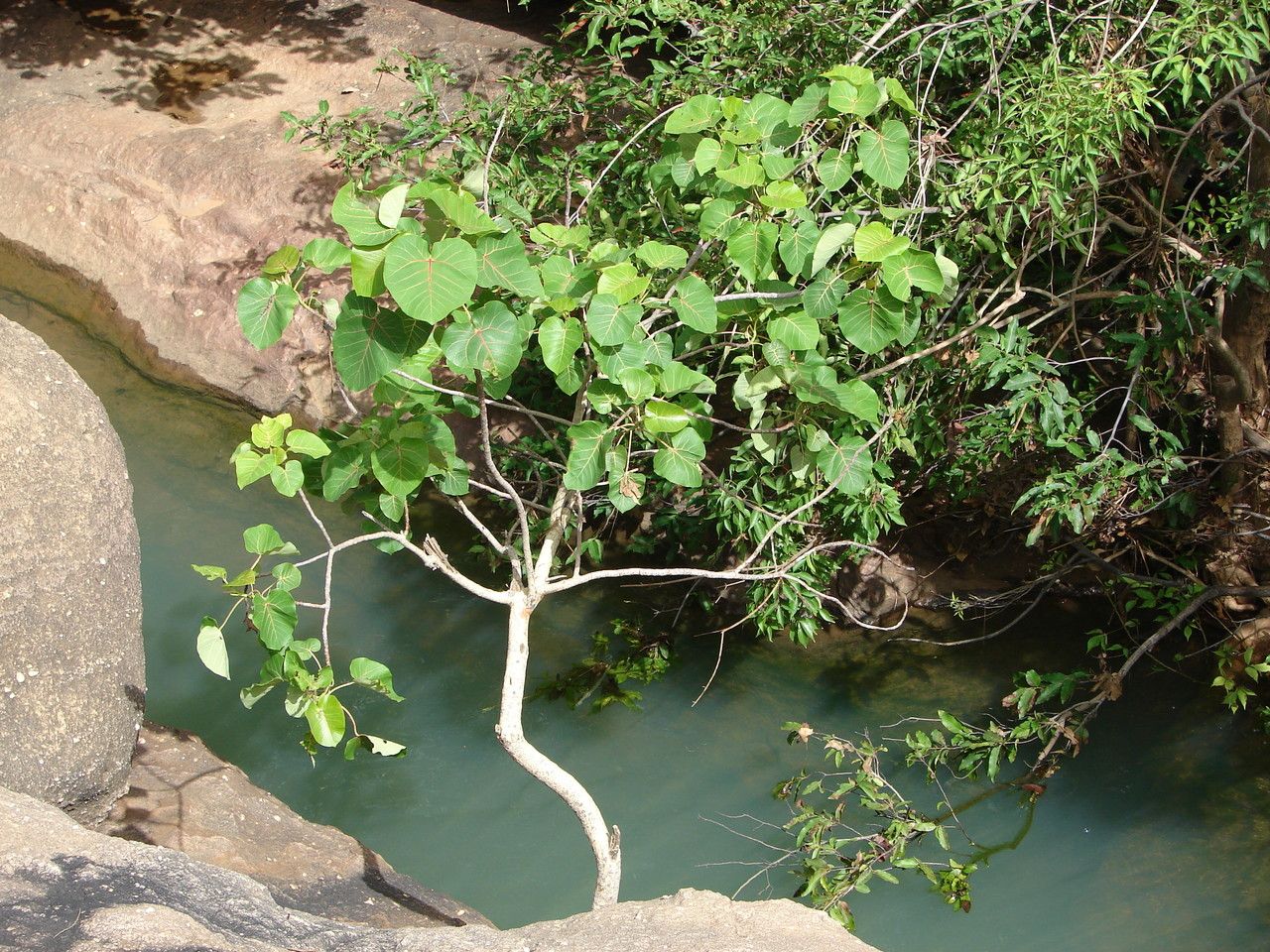
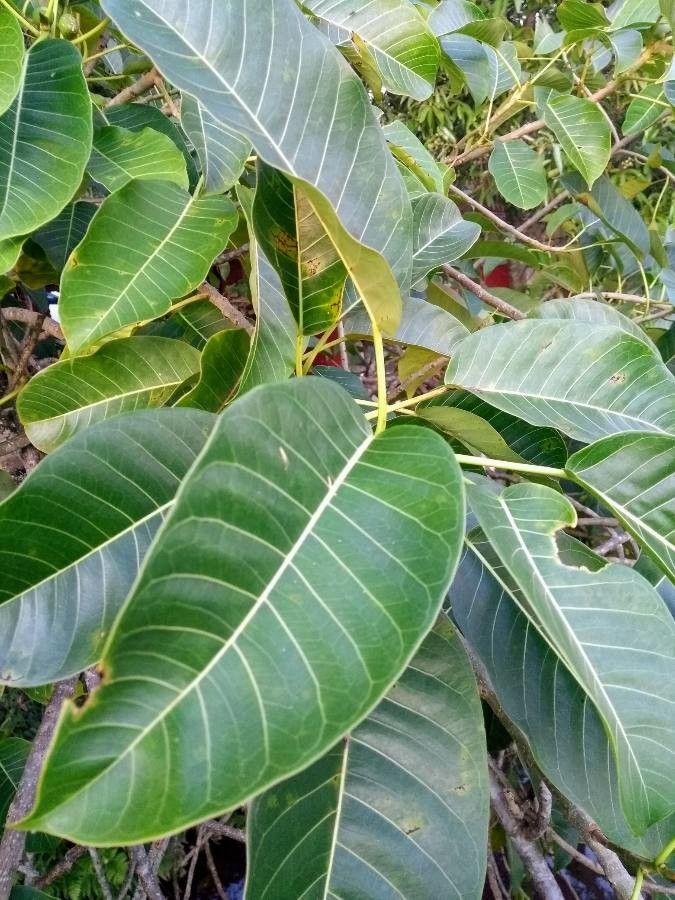
Ficus sansibarica, commonly known as the Zanzibar fig or East African wild fig, is a species of flowering plant in the family Moraceae. Native to East Africa, this plant can be found in countries like Tanzania, Kenya, and Uganda. It typically grows to a height of up to 20 meters, with a trunk diameter reaching as much as 1 meter. The leaves are large, glossy, and have a leathery texture, measuring up to 30 centimeters in length and 20 centimeters in width.
Ficus sansibarica is valued for its ornamental appeal due to its attractive foliage and the ability to mature into an impressive tree. It also has medicinal uses; traditionally, indigenous communities have used its bark to treat various ailments, including stomach problems.
This species prefers well-drained soils in either full sun or partial shade but is adaptable to a variety of soil types, including sandy soils. It requires regular watering during dry periods but should not be overwatered, as this may lead to root rot.
In summary, Ficus sansibarica is a remarkable tree that enhances beauty and offers medicinal benefits wherever it grows.
Botanical profile.
Other names.