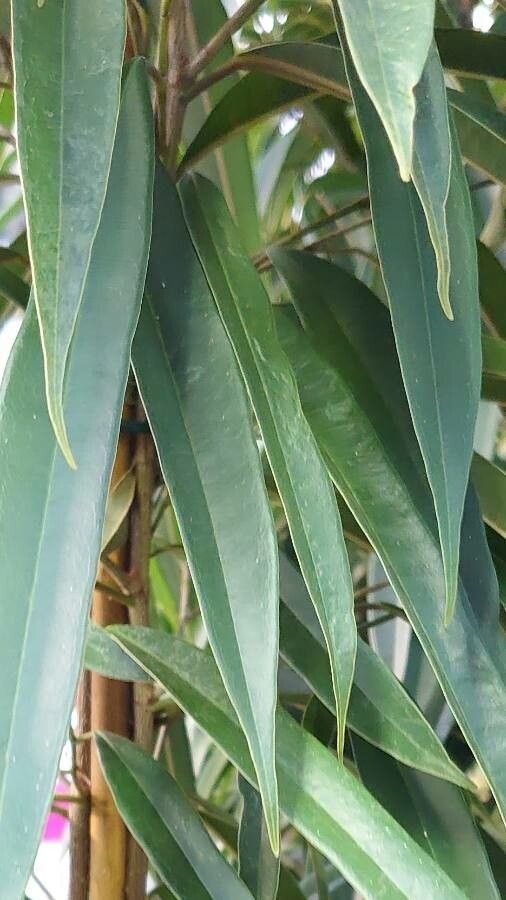
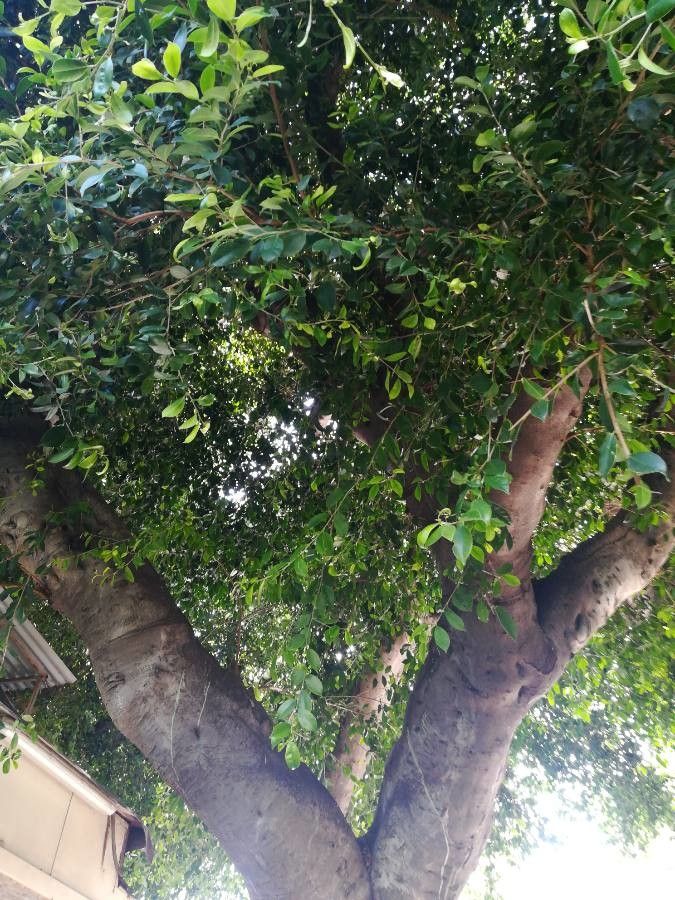
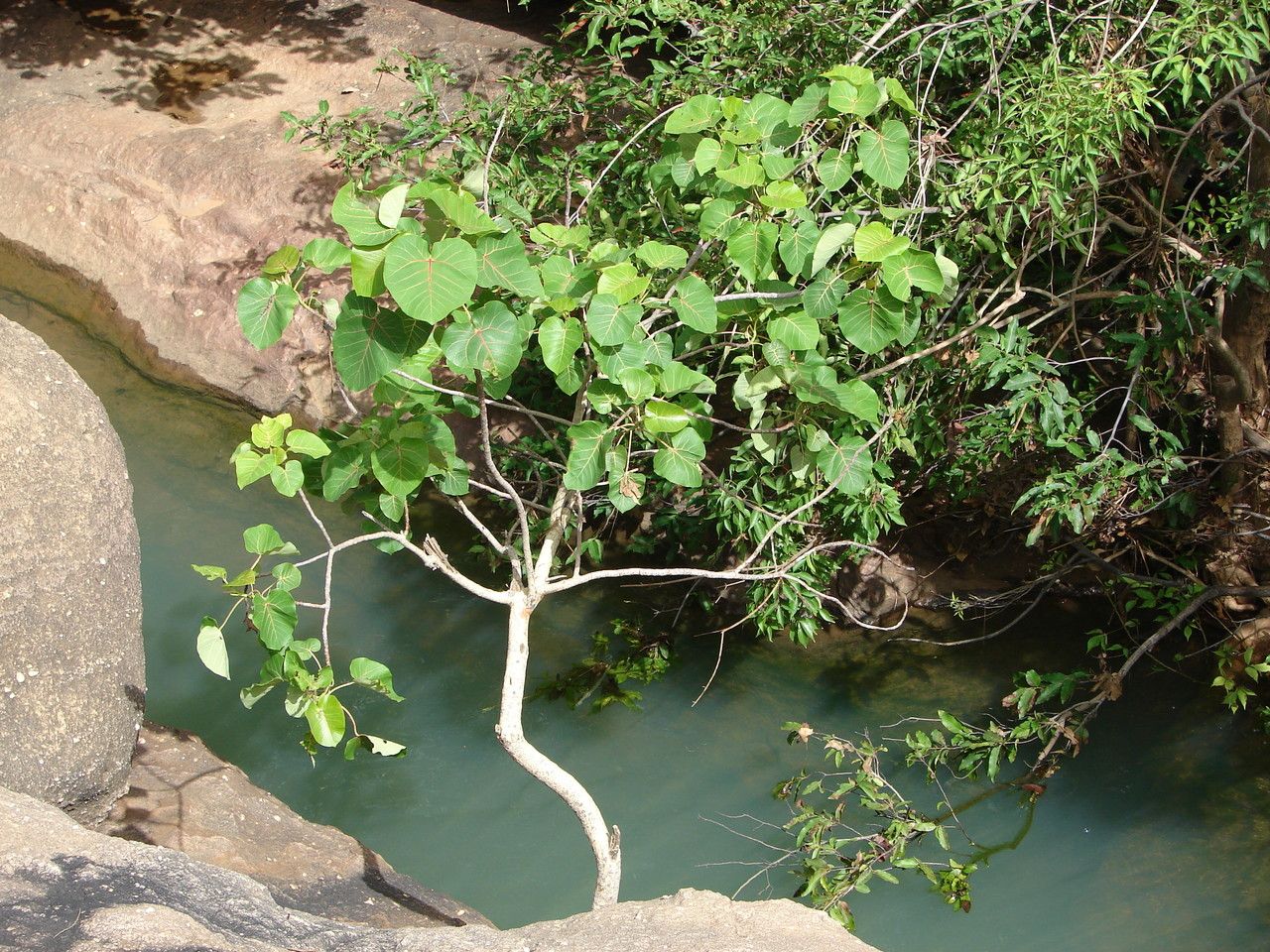
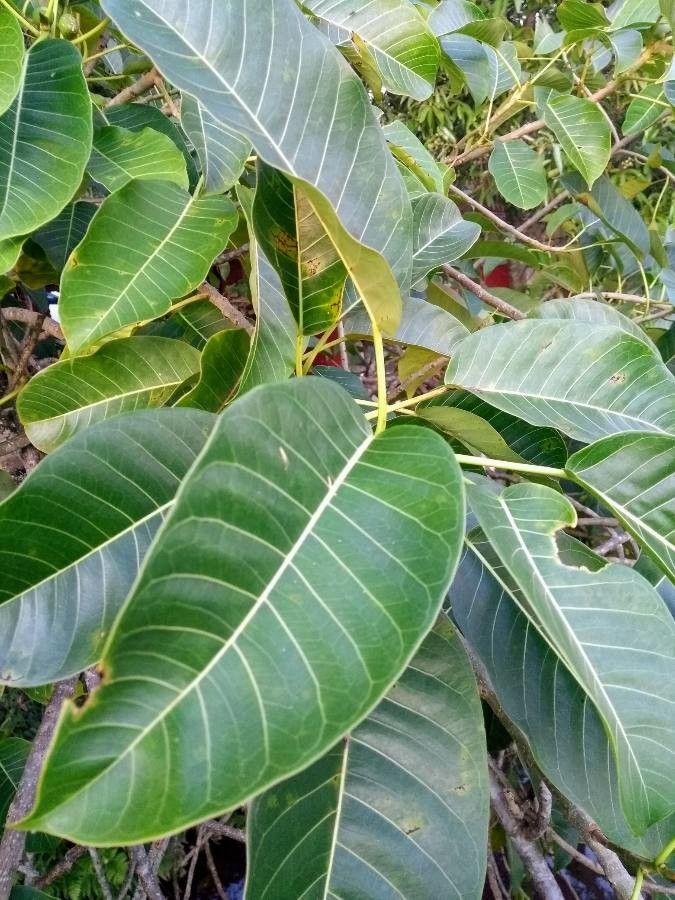
Ficus retusa, commonly known as the Chinese Banyan or Indian Laurel, is a popular indoor bonsai tree native to Southeast Asia. This evergreen tree, belonging to the Moraceae family, can reach up to 10 meters in height in its natural habitat. It has glossy, dark green, oval-shaped leaves with a leathery texture, arranged alternately on the stem, and can grow up to 10 centimeters long.
One of the distinctive features of Ficus retusa is its intriguing trunk structure, adorned with aerial roots that develop from its branches. Bonsai enthusiasts often train these roots into intricate shapes, making this plant an appealing choice for indoor decoration.
The Chinese Banyan thrives in bright, indirect light but can also tolerate low-light conditions, making it suitable for indoor environments with limited natural light. It requires moderate watering and should be allowed to dry out slightly between watering sessions.
Beyond its ornamental appeal, Ficus retusa possesses medicinal properties. Its bark contains compounds used in traditional medicine to treat various ailments, such as diarrhea and fever.
Overall, Ficus retusa is an attractive houseplant with unique features, making it suitable for both novice gardeners and experienced bonsai enthusiasts alike.
Malay bayan is resistant to disease and is generally not susceptible to illnesses. Carewise, this plant is fairly low-maintenance. When grown outdoors it needs little watering, and larger specimens typically do not require pruning. Smaller plants, however, should be pruned after they finish blooming. Malay bayan is suitable for anyone with an outdoor area, such as a garden or deck, and does not demand much gardening experience.
How to keep Ficus Retusa.
Light
Malay bayan is native to the understory of tropical forests, flourishing in full shade with occasional dappled sunlight, and can tolerate environments with minimal direct sun.
Water
Water your Retuse Fig one the soil begins to dry slightly but never allow it to dry out completely. Water it thoroughly until it runs through the drainage holes at the bottom.
Humidity
This plant will thrive in moderate humidity, which is probably the level in your home. However, misting it a few times a week can be very beneficial. Make sure the room has good ventilation.
Temperature
Malay bayan comes from tropical areas, where the weather is usually warm and humid. Consequently, it is adapted to high temperatures and humidity. It dislikes sudden temperature shifts and prefers a consistent thermal environment, so avoiding indoor temperature fluctuations is important. It generally does not tolerate cold and needs warmer conditions to grow. If the surrounding temperature falls too low, the plant may stop growing or even die.
Fertilizer
The best time to fertilize a Malay bayan is in early spring, when it breaks dormancy. This encourages overall growth and the development of flowers. Fertilizer improves the foliage, stems, and branches, and encourages flowers that are large, colorful, and long-lasting. It helps transport nutrients from the roots to the blooms and enhances the plant’s health and its resistance to disease.
Pruning
Regularly prune your Retuse Fig to maintain its form. Leaf pruning or defoliation will help reduce the leaf size in species that sprout naturally large leaves. If you want to cultivate a Ficus with a thick trunk, allow it to grow freely for about a year or two.
Toxicity
The Ginseng Ficus is toxic to pets. The leaves and bark contain a latex-like substance that will harm animals, so it is recommended you keep your pets away.
Further reading →
The toxicity and danger assessments provided are for reference only. We do not assure their accuracy, so it's crucial not to depend on them. Seek professional advice when necessary for accurate guidance.
Botanical profile.
- Plant Type
- Tree
- Life Cycle
- Perennial
- Genus
- Ficus
- Family
- Moraceae
- Hardiness Zone
- 10-12
- Mature Height
- 13.11 m
- Mature Spread
- 10.06 m
- Leaf Color
- Dark Green, Forest Green
- Leaf Type
- Evergreen
- Bloom Time
- All year round
- Planting Time
- Summer, Autumn
- Harvest Time
- All year round
- Native Area
- Indonesia, Singapore, Malaysia