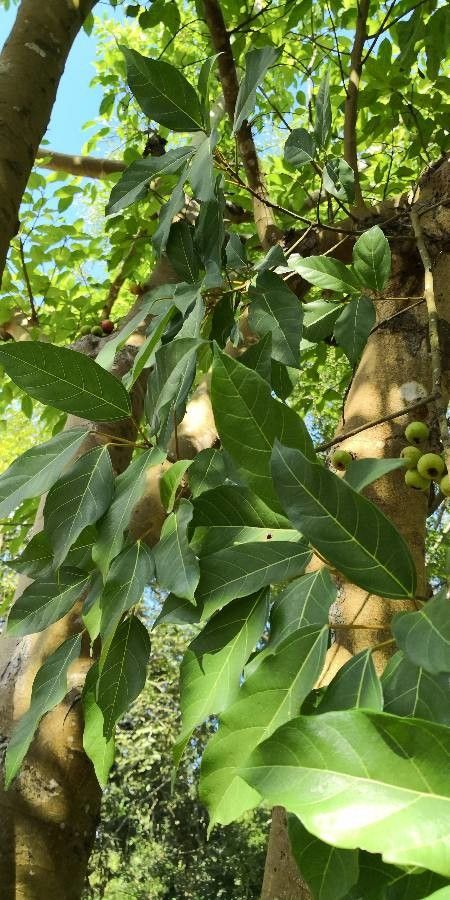
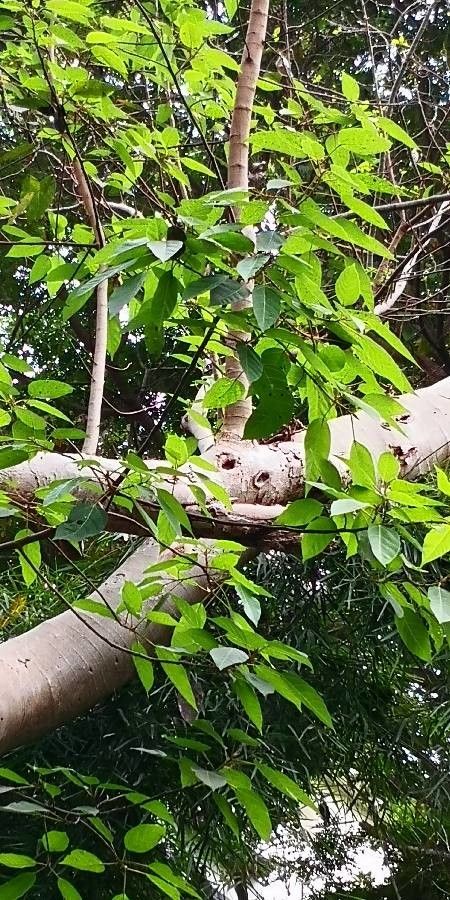
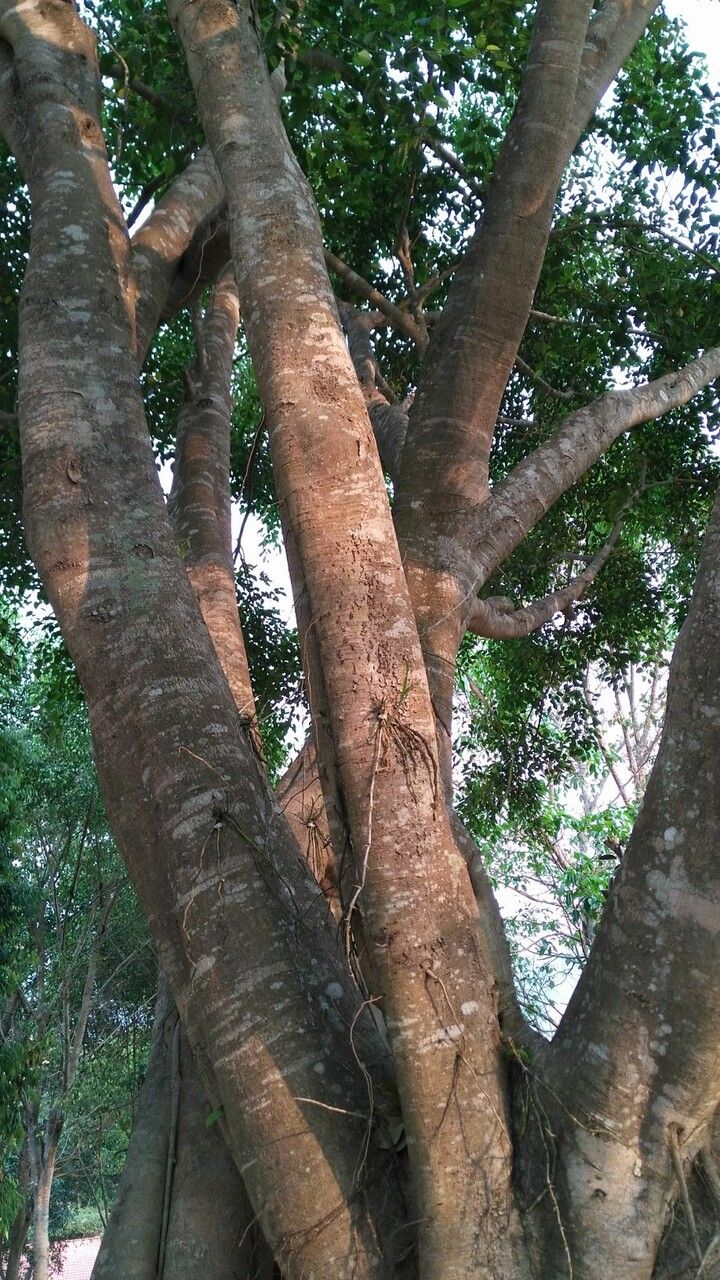
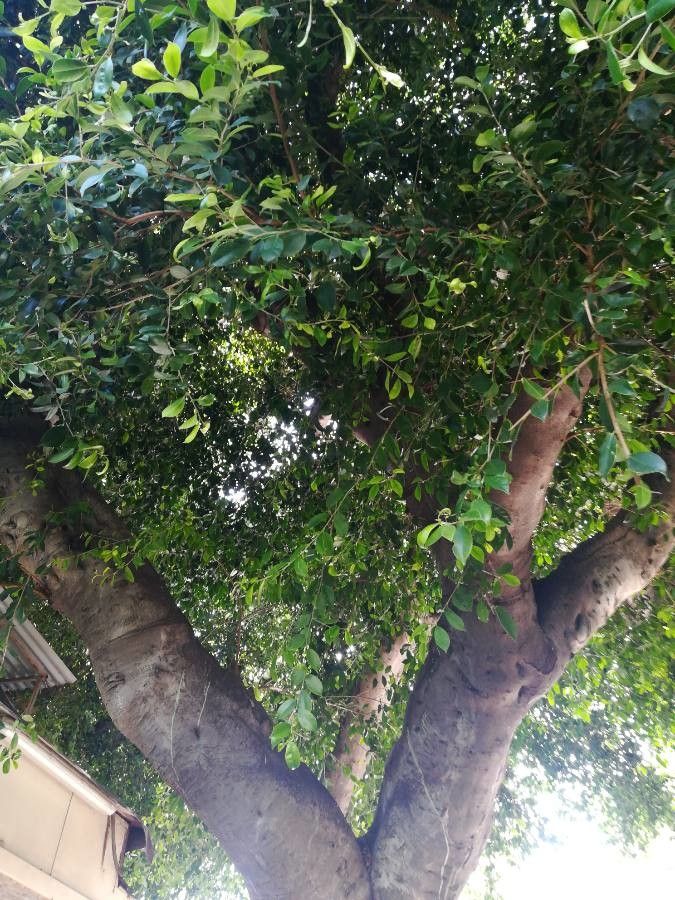
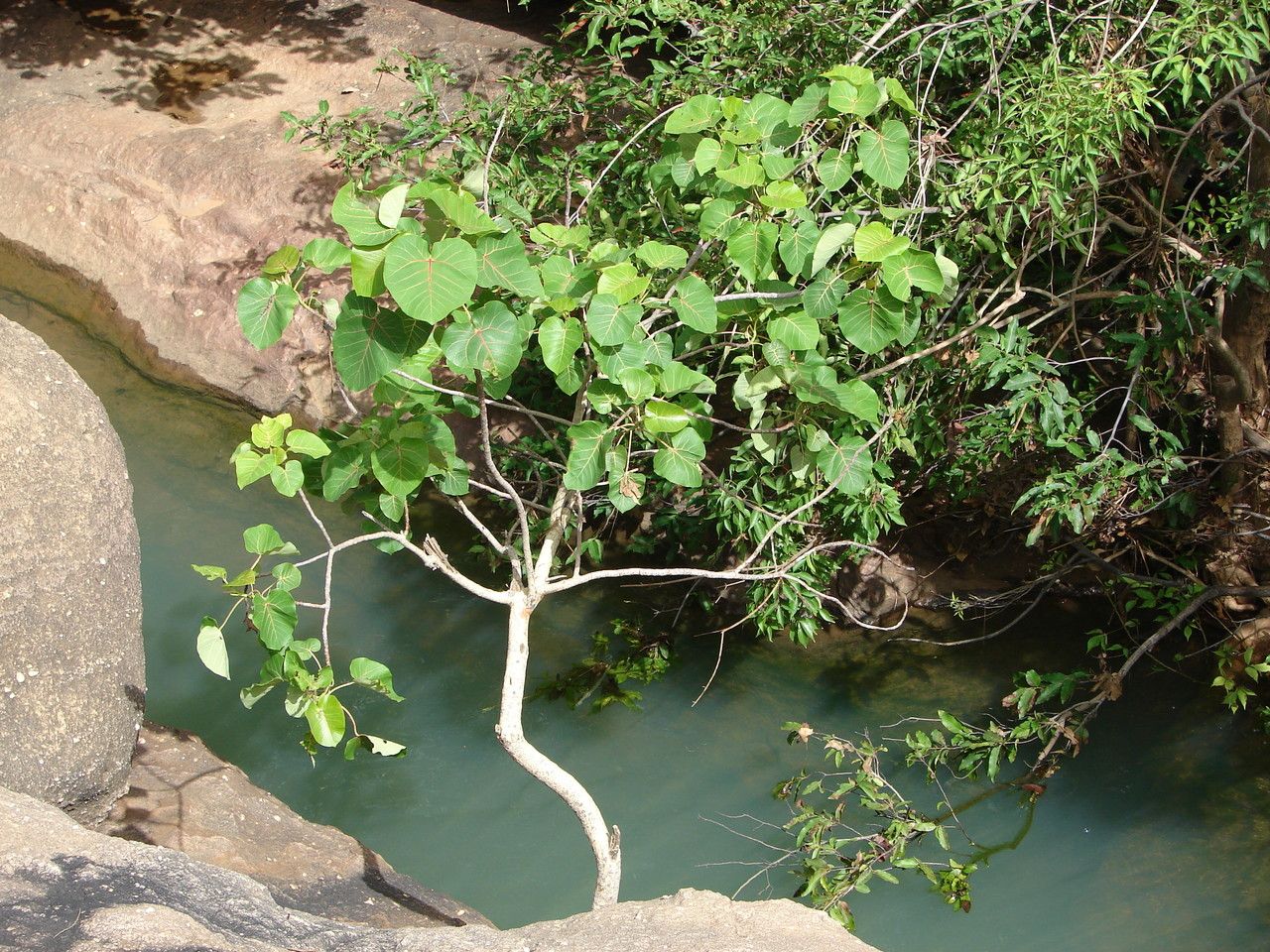
Ficus racemosa, commonly known as the cluster fig or gular fig, is a large and fast-growing tree belonging to the Moraceae family. Native to India and Southeast Asia, it is also found in other tropical regions worldwide. The tree can reach up to 30 meters in height and boasts a wide canopy that offers ample shade.
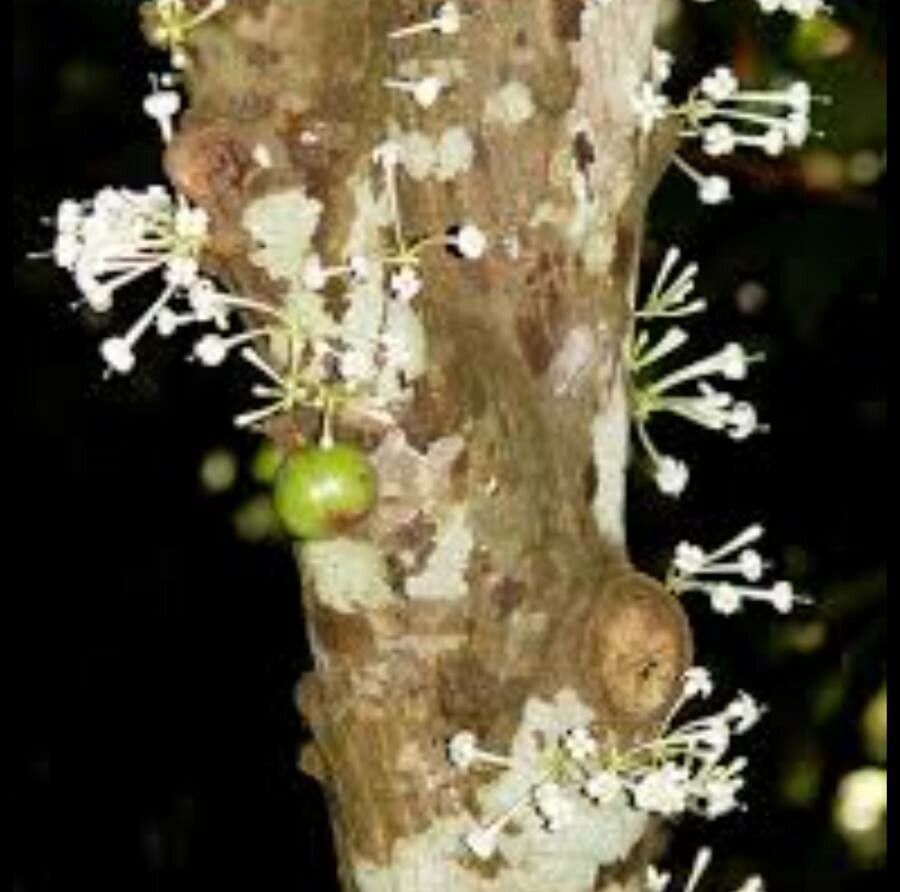
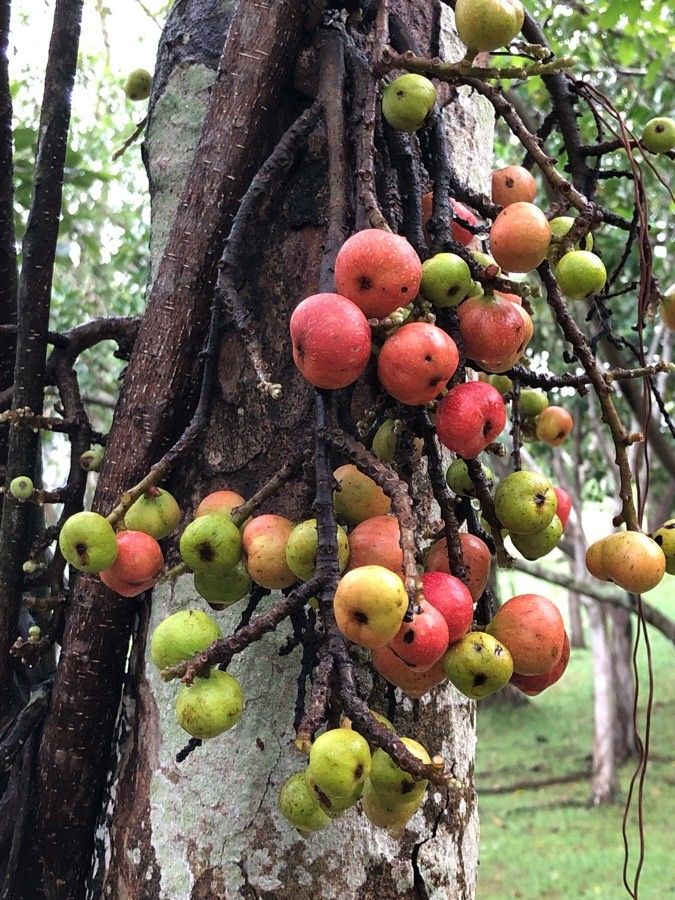
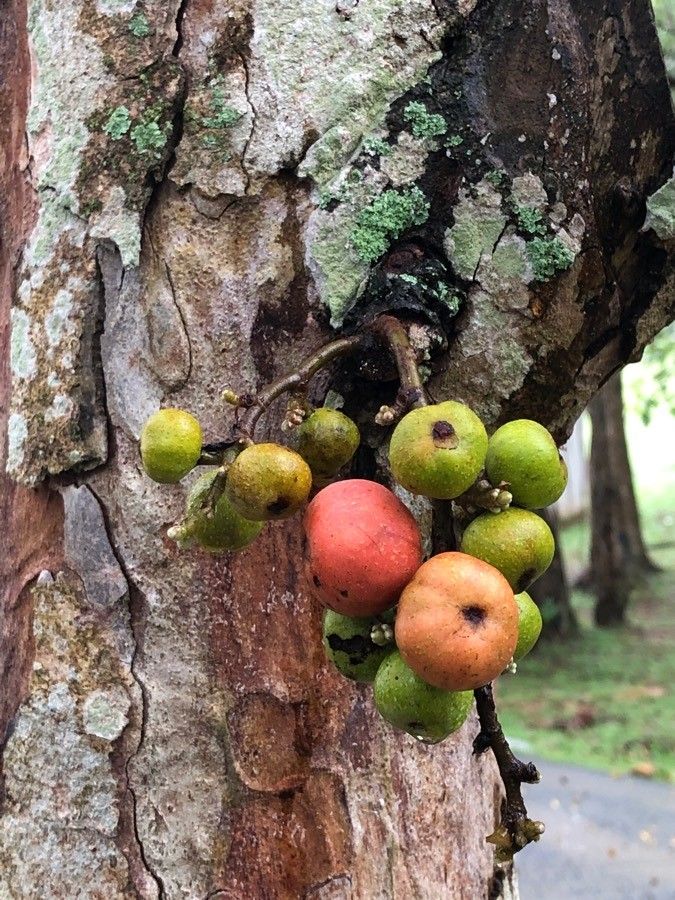
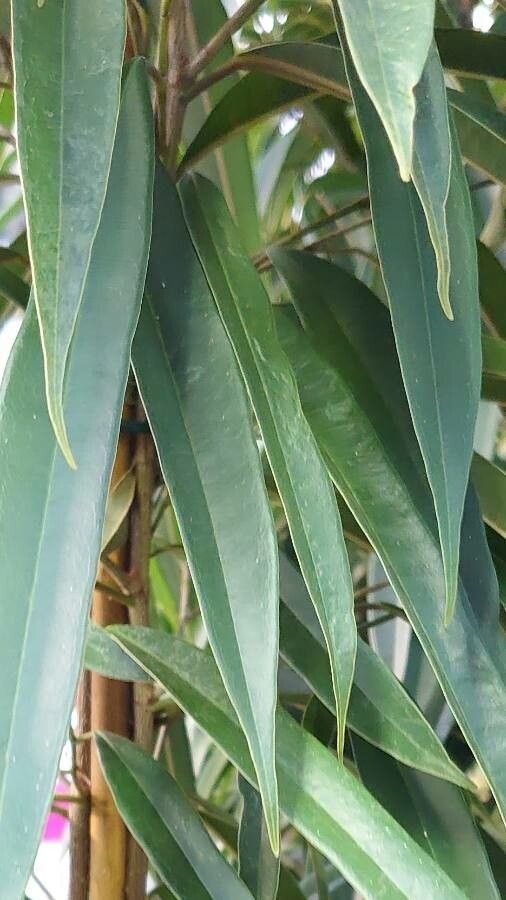
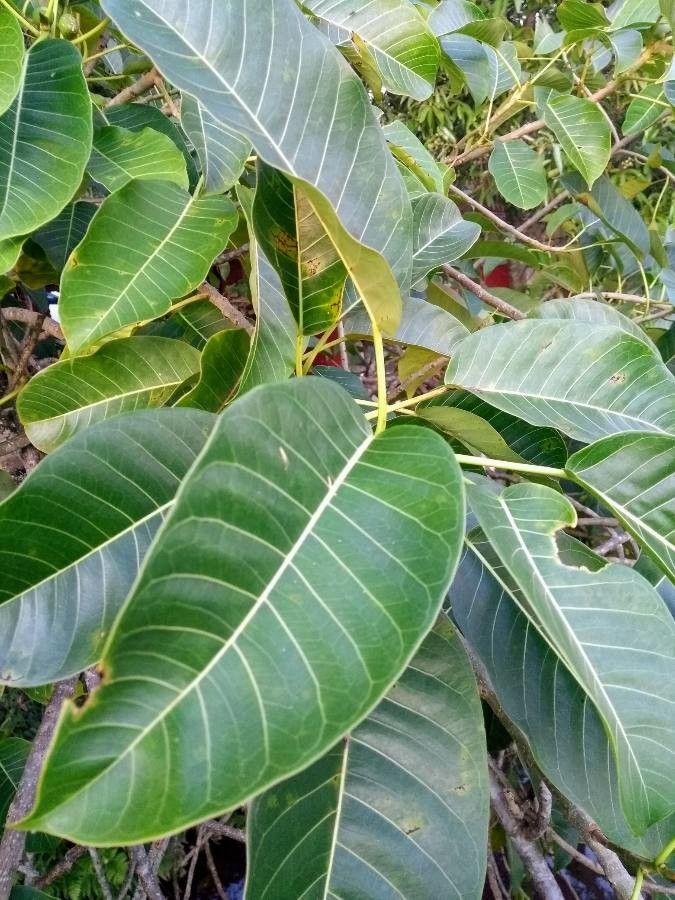
The leaves of Ficus racemosa are large, glossy, and leathery with prominent veins. Unlike most other figs, the fruit of this tree grows in clusters directly on the trunk or branches rather than at the tips. The fruit is small and green when unripe but turns yellow or red upon maturing.
Ficus racemosa has been utilized in traditional medicine for centuries. Its bark is known to treat diarrhea, dysentery, and skin diseases, while its leaves have been used to manage diabetes.
In Hindu mythology, the plant symbolizes fertility and prosperity. It is considered sacred by Hindus, who believe that Lord Vishnu resides within its branches.
Overall, Ficus racemosa is valuable both culturally and medicinally. It also provides effective shade from harsh sunlight, making it an excellent addition to any landscape design or garden setting where tropical plants thrive.
Cluster fig exhibits good resistance to disease and is typically not susceptible to illnesses. Regarding care, this plant is fairly low-maintenance. When grown outdoors it needs only light watering, and larger plants usually do not require pruning. Smaller plants, however, should be pruned after they have bloomed. Cluster figt is appropriate for anyone with an outdoor area, such as a garden or deck, and does not demand much prior care experience.
How to keep Ficus Racemosa.
Light
The cluster fig prefers ample light and does best in the full brightness of daylight. Occasional partial shade is acceptable, but it should not be constant. This preference comes from its native habitats, where it grows among abundant sunlit vegetation. Too much or too little light can impair its health and growth.
Water
Originating in tropical climates, the cluster fig flourishes in environments with high humidity and consistent moisture levels, although it also has moderate drought tolerance. Water the plant every 2-3 weeks, being careful not to over-saturate the soil. While cluster fig is best suited for outdoor growth, it can adapt to various climates, as long as it receives an adequate supply of water for healthy growth.
Temperature
The cluster fig is native to areas where temperatures range from 68 to 100 °F (20 to 38 °C). It favors a warm environment. To maintain healthy growth, try to adjust indoor temperatures as needed according to the season.
Fertilizer
Use organic fertilizers (e.g., fish emulsion or compost) rather than chemical fertilizers for Cluster fig. Supply higher nitrogen and phosphorus to young plants in spring. Incorporate compost or fertilizer into the soil before planting or after planting. For mature plants, supplement in spring with a balanced fertilizer or one targeted to specific deficiencies. Nutrient deficiency results in small leaves, short branches, yellow or bronze leaves, acidic fruits, premature fruit fall, and splitting.
Pruning
The Cluster fig is a tropical plant known for its aerial roots and distinctive fruit clusters. To promote healthy growth and maintain its shape, prune the plant from early to late spring. Focus on removing dead or weak branches during this time. Proper pruning enhances air circulation, increases sunlight exposure, and reduces the risk of disease. Always use sterilized tools to ensure safety.
Botanical profile.
- Plant Type
- Tree
- Life Cycle
- Perennial
- Genus
- Ficus
- Family
- Moraceae
- Hardiness Zone
- 9-12
- Mature Height
- 24.99 m to 29.87 m
- Mature Spread
- 61 cm to 91 cm
- Leaf Color
- Green, Blue
- Leaf Type
- Evergreen
- Bloom Time
- All year round
- Planting Time
- Summer, Autumn
- Harvest Time
- All year round
- Native Area
- Nepal, Sri Lanka, India, Malaysia, Indonesia, Cambodia, Vietnam, Myanmar, Bangladesh, Pakistan, Laos, Thailand, China
Other names.
Reader questions.
How should I water my Cluster fig tree?
Your Cluster fig is not picky about how you water it, so you can use any common watering tool. This includes watering cans, hoses, or even cups. When watering, be sure to apply the water directly to the soil and evenly moisten all areas. It is best to use filtered water to avoid harmful particles, and water that is at or slightly above room temperature to prevent shocking the plant. However, the Cluster fig will generally respond well to any kind of water you give it.
Why should I use fertilizer on my Cluster fig plant?
Cluster figs require regular fertilization due to their showy leaves, which require a significant amount of energy for production and maintenance. The challenge is that the plant needs to allocate enough energy not only to maintain its leaves, but also for the growth of its stems, branches, roots, and other vital structures. If fertilization is neglected, there are two likely outcomes. The first is that the leaves of the Cluster fig will lose their natural color and texture, making the plant appear unhealthy and less visually appealing. The second outcome is that the overall growth of the Cluster fig will slow down or produce weak growth, which could make it more susceptible to breakage.
What are the sunlight requirements for Cluster fig (Ficus racemosa)?
Cluster fig requires plenty of sunlight to thrive, ideally enjoying full sun for more than 6 hours a day. It can also tolerate partial sun, which means about 3-6 hours of sunlight daily. However, consistent exposure to partial sunlight should be avoided as it originates from regions abundant in sunlit foliage. It's essential to observe how sunlight moves through your garden to ensure you place your plants in locations that offer an ideal balance of light and shade, promoting their health and happiness.
What is the native climate for Cluster fig?
Cluster fig, scientifically known as Ficus racemosa, is native to regions where the temperature ranges between 68 to 100 °F (20 to 38 °C). It thrives in warm environments and is extremely heat-loving. Proper care involves adjusting room temperatures according to the season to promote healthy growth. During colder months, temperatures should be kept above 20°C, and exposure to temperatures around 0°C or below can be harmful to the plant.
What should I do if I give my Cluster fig plant too much or too little water?
Outdoor plants, especially newly planted ones or seedlings, are prone to not getting enough water. It's important to make sure they are well-watered for a few months while they are still small or newly planted. Once the roots are established, Cluster fig plants can rely on rain most of the time. However, when Cluster fig plants are planted in pots, overwatering is often a concern. If you accidentally overwater your Cluster fig, there are steps you can take to remedy the situation. First, stop watering the plant immediately to minimize the impact of overwatering. Then, remove the Cluster fig from its pot to check the roots. If no root rot is found, you can return the plant to its container. But if you do find signs of root rot, trim away the affected roots and consider using a fungicide to prevent further damage. Finally, repot the Cluster fig in well-draining soil. On the other hand, if you underwater your Cluster fig, the leaves may droop, dry out, and fall off. Simply water the plant more frequently to address underwatering. It's important to adjust your watering schedule promptly when you notice underwatering.
When should I fertilize my Cluster fig tree?
Cluster fig plants do not require a strict feeding schedule, making them low-maintenance. It is beneficial to feed them occasionally, ideally while watering. During the growing season, it is important to regularly water them and continue feeding them every two to three weeks to support their ongoing growth.
How can artificial lighting be used for Cluster fig indoors, and what are the recommendations?
When natural sunlight is not sufficient, especially during winter or in less sunny indoor spaces, artificial lighting becomes crucial for Cluster fig's growth. LED lights are recommended due to their ability to be customized to specific wavelengths needed by plants. For full sun plants, 30-50W/sq ft of artificial light is needed; partial sun plants require 20-30W/sq ft, and full shade plants need 10-20W/sq ft. The light source should be placed 12-36 inches above the plant, mimicking natural sunlight distance, and be left on for 8-12 hours per day to simulate natural daylight hours.
How should Cluster fig be cared for in autumn and winter?
In autumn, it's recommended to bring outdoor-grown Cluster fig plants indoors to protect them from the cold. Placing them near a bright window ensures they receive sufficient light, but they should be kept at a safe distance from heaters to avoid damage. During winter, maintaining a temperature above 20°C is beneficial for the plant's growth, as Cluster fig is not tolerant of cold temperatures.
How frequently should I water my Cluster fig tree?
Most outdoor plants can grow naturally with rainfall, but if your area lacks rainfall, you should water them every 2 weeks during spring and fall. In summer, you'll need to water them more frequently. In winter, when growth slows down and plants need less water, you can water them less often or not at all. However, if your Cluster fig is young or newly planted, you should water it more frequently to help it establish and grow. For potted plants, there are two main ways to determine watering frequency. The first way is to follow a set watering schedule of once every week or every other week. However, this may not always work as it doesn't consider the specific growing conditions of your Cluster fig. You should also adjust your watering frequency based on the season. In summer, when the plant's water needs are highest, a set schedule may not be enough. An alternative approach is to check the soil moisture before watering. Wait until the top 2 to 4 inches of soil in the pots have completely dried out before watering again.
When would it be best for me to not fertilize my Cluster fig?
For most of the year, you can fertilize your Cluster fig according to a regular schedule. This schedule applies during the growing season of spring, summer, and early fall. However, it is important to refrain from fertilizing during the winter. This is because the Cluster fig enters a dormant phase during the winter, where there is little to no new growth. This lack of active growth means that the plant requires less energy, which is why fertilizer is not necessary during this time.
What are the symptoms of light deficiency in Cluster fig?
When Cluster fig suffers from insufficient lighting, several symptoms can appear. New leaves may grow smaller, and the plant can become leggy or sparse, indicating a stretched-out appearance due to longer spaces between leaves or stems. There's also a risk of faster leaf drop as the plant sheds older leaves to conserve resources. Additionally, the plant may exhibit slower or no new growth, lighter-colored new leaves, chlorosis (leaves turning yellow), sunscald, leaf curling, wilting, and leaf scorching. These symptoms point to the plant struggling with either too little or too much sunlight.
How does low temperature affect Cluster fig and what are the solutions?
Cluster fig is sensitive to low temperatures and thrives best above 20°C. During winter, temperatures should not drop below 0°C. Exposure to temperatures below -5°C can cause the leaves to change color, and following frost damage, they may turn brown or black with signs of wilting and drooping. To address frost damage, it's advisable to trim off the damaged parts and move the plant to a warmer indoor environment, preferably near a south-facing window for sunlight. It's also important to avoid placing the plant near heaters or air vents to prevent air dryness.