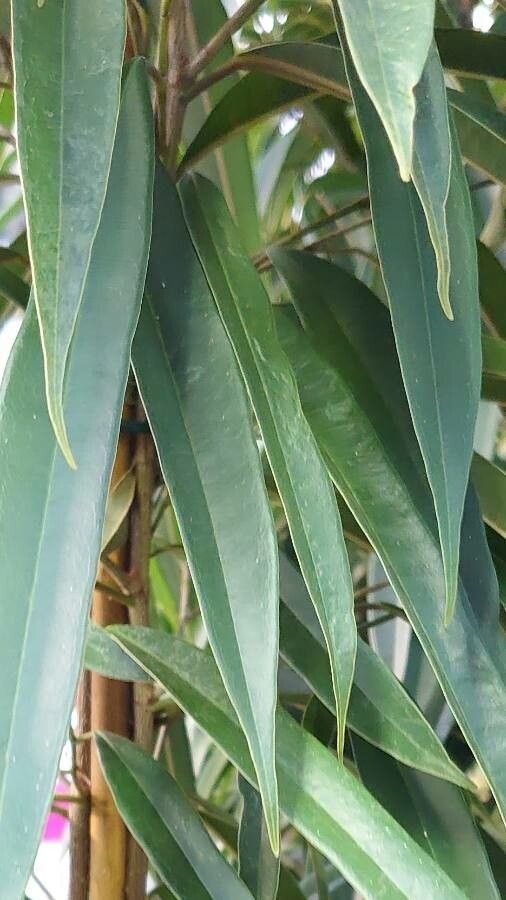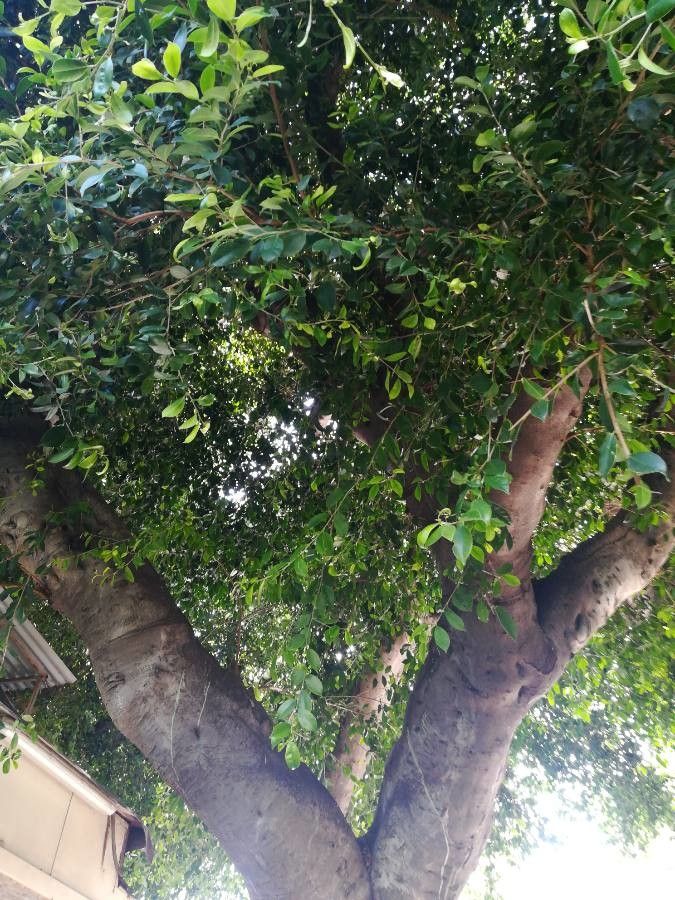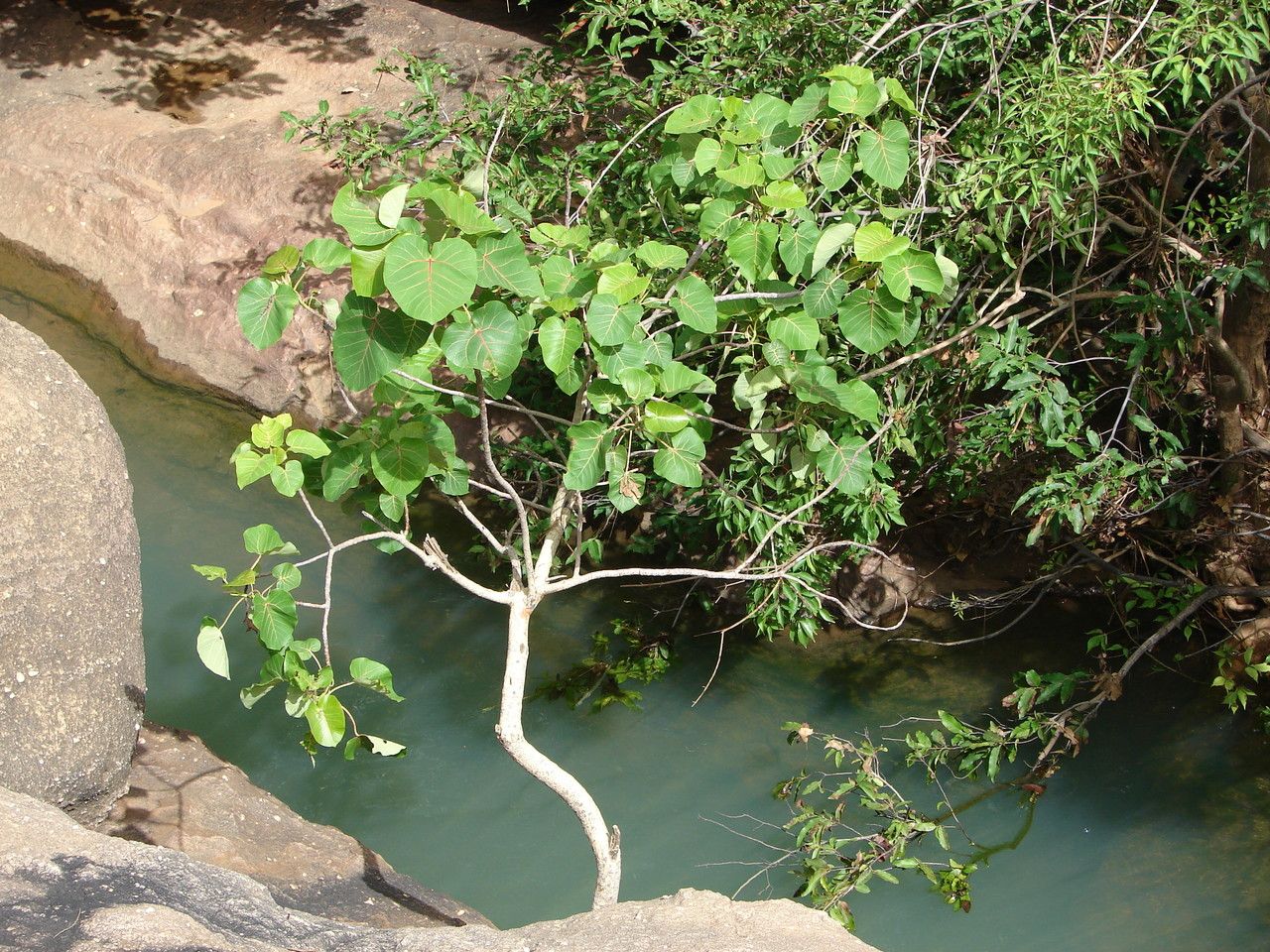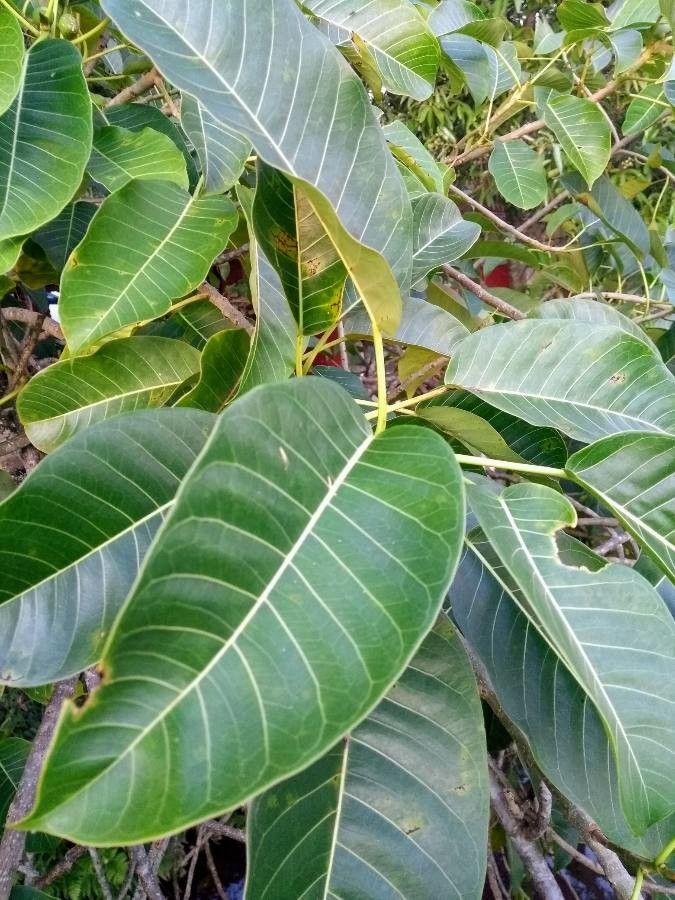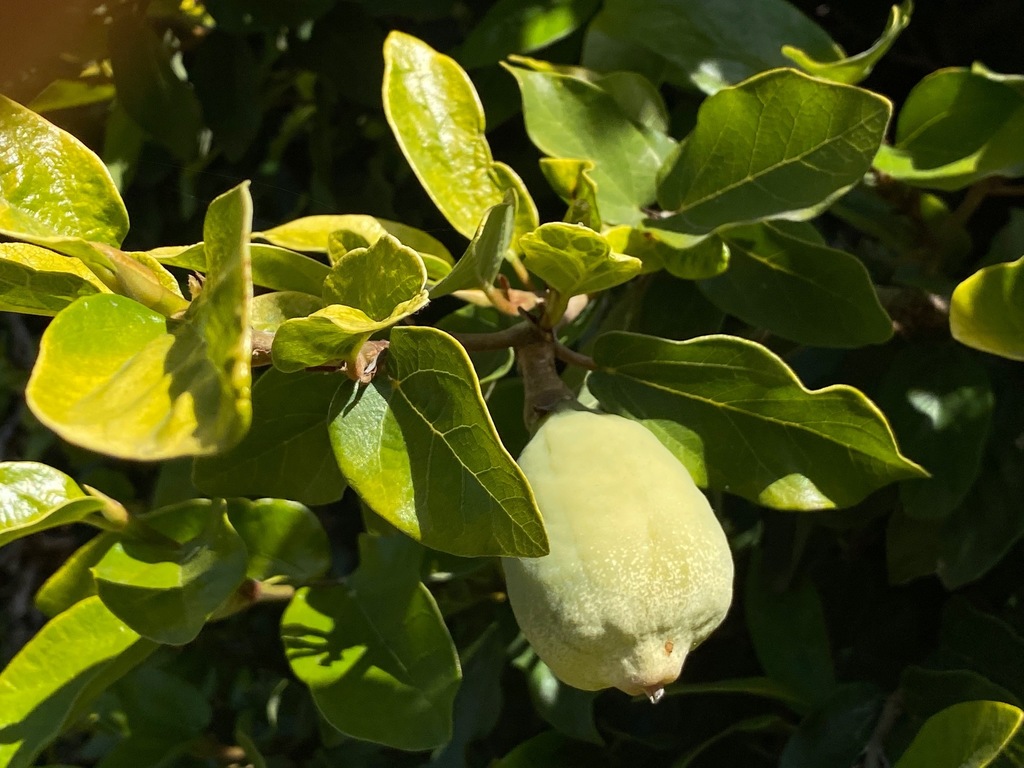
Ficus pumila, commonly known as creeping fig, is an evergreen vine that belongs to the Moraceae family. Native to East Asia, it has gained popularity worldwide as an ornamental plant due to its attractive foliage and ease of cultivation. The plant features small, glossy green, heart-shaped leaves that grow densely along its stems. It can climb walls or other structures using aerial roots that firmly attach to surfaces.
Ficus pumila thrives in bright, indirect light but can also tolerate low light conditions. It requires moderate watering and should be allowed to dry out slightly between waterings. The plant can be easily propagated through stem cuttings or by layering.
In addition to its ornamental value, Ficus pumila contains compounds such as flavonoids and tannins, which have antioxidant properties. However, it's important to note that some parts of the plant are toxic if ingested by humans or pets.
Overall, Ficus pumila is a versatile and attractive vine, ideal for both landscaping and indoor decoration, thanks to its easy care requirements and aesthetic appeal.
Creeping fig has strong disease resistance and is generally not likely to suffer from diseases. That said, if it is kept in poor conditions it can become more vulnerable to illness. It also faces relatively few insect pests. Regarding care, this plant has moderate needs. Adequate sunlight is important, because insufficient light can make it more disease-prone and cause sparse, leggy growth. Since it is frequently kept indoors, it may need to be moved periodically to a bright spot. It does not need to be watered often. Overall, Creeping fig is appropriate for most people, though it is best for those who can provide good light conditions.
How to keep Ficus Pumila.
Light
Creeping fig grows best with partial but steady sunlight, though it can tolerate very strong or very low light. Native to environments with a range of light conditions, it adapts readily. Nevertheless, excessive sun can stress the plant and scorch its leaves, while too little light can limit growth.
Water
The creeping fig flourishes in conditions of high humidity and consistent moisture, which reflect its tropical origins in East Asia. To keep its lush foliage healthy, it needs to be watered once a week. This plant is perfect for indoor growth, as it retains its hydration throughout the year due to its evergreen nature.
Humidity
This plant will thrive in moderate humidity, which is probably the level in your home. However, misting it a few times a week can be very beneficial. Make sure the room has good ventilation.
Temperature
The creeping fig comes from warmer-climate areas and prefers temperatures of 59 to 100 ℉ (15 to 38 ℃). It is adaptable and can withstand a variety of temperatures, but it fares best indoors where the temperature can be controlled. In colder seasons, it is advisable to keep the plant in a spot where temperatures stay above 50 ℉ (10 ℃).
Fertilizer
Fertilize your Creeping fig in early spring to encourage healthy growth. Regular fertilization boosts its overall health, producing vigorous growth, increased tolerance of harsh conditions, and enhanced resistance to pests and diseases. Follow a consistent fertilization schedule for your Creeping fig to keep the foliage vibrant, deeply colored, and lush.
Pruning
Pruning your creeping fig regularly in early spring helps promote dense growth, control its size, and enhance its appearance. Be sure to remove any damaged stems and thin out overcrowded areas to encourage new growth. Use clean tools to prevent disease, which will keep the plant looking attractive and well-contained, while also avoiding any structural damage.
Pot & Repot
Repot Creeping fig in early spring, selecting a pot only slightly bigger than the current one and with proper drainage. Use a well-draining potting mix, making sure the root ball sits at the same level as before. Gently loosen any root-bound roots. After repotting, water thoroughly and place the plant in a warm, shady spot. Regular pruning keeps its size under control and encourages new growth.
Botanical profile.
- Plant Type
- Vine
- Life Cycle
- Perennial
- Genus
- Ficus
- Family
- Moraceae
- Hardiness Zone
- 8-11
- Mature Height
- 2.44 m to 3.96 m
- Mature Spread
- 0.91 m to 1.83 m
- Leaf Color
- Green
- Leaf Type
- Evergreen
- Flower Color
- Green
- Flower Size
- 2.54 cm
- Bloom Time
- Mid summer
- Planting Time
- Spring, Autumn
- Harvest Time
- Mid summer, Late summer
- Native Area
- Nepal, Vietnam, Japan, Koppen, South Korea, China
Other names.
Reader questions.
How should I water my Creeping fig plant?
To ensure excellent root development for your plants, it is recommended to use a garden hose at the base of each plant. Avoid spraying the leaves directly and be mindful that outdoor plants exposed to direct sunlight will require more water for their leaves. You can also use bubblers or soaker hoses to moisten the roots effectively. When adding or removing plants, consider using soaker hoses that cover the entire garden or bed in order to push the roots deep into the soil. After watering, make sure to drain any excess water and allow the soil to dry before watering again. To prevent diseases, it is advisable to water at ground level. On a sunny day, it may be beneficial to spray the entire bush with water. Regardless of whether the plant is potted or in the ground, keep in mind that Creeping fig prefers deep watering rather than light sprinkling.
Why should I add fertilizer to my Creeping fig plant?
Regular fertilization is key to ensuring the health and resilience of your Creeping fig, regardless of the variety you have. When you provide the proper nutrients, your plant will grow more vigorously and be better equipped to handle tough growing conditions, as well as resist diseases and pests. One of the most appealing aspects of your Creeping fig is its foliage, so it's important to prioritize its preservation. This can be achieved by following a consistent fertilization schedule tailored to your specific Creeping fig, which will result in deeply colored and lush leaves.
What are the sunlight requirements for a creeping fig?
Creeping fig requires partial yet consistent sun exposure, around 3-6 hours of sunlight daily, and is also tolerant of both higher and lower light conditions. While it adapts well to varying light conditions due to its diverse habitats of origin, extreme sunlight exposure can cause leaf burn, and insufficient sunlight may inhibit its growth. It's crucial to observe the movement of sunlight in your garden to find spots that offer the right balance of light and shade, ensuring the plant's well-being.
What is the native climate of the Creeping fig?
The creeping fig, or Ficus pumila, is native to warmer climate areas and prefers a temperature range of 59 to 100°F (15 to 38°C). It is adaptable to a variety of temperatures but thrives best in controlled indoor environments. During colder seasons, maintaining a temperature above 50°F (10°C) is recommended to ensure the plant's health. The creeping fig has some cold tolerance, generally not requiring additional cold protection measures if the temperature stays above -5°C. However, below this temperature, it's important to temporarily protect the plant using insulation materials such as plastic film or fabric, which should be removed once temperatures rise.
What should I do if I give too much or too little water to Creeping fig?
If a Creeping fig is overwatered, its leaves can turn yellow, drop off, and wilt. The plant may appear dull and unhealthy, with mushy stems. When these signs appear, it's best to adjust your watering schedule. Wilting can also indicate under watering, where leaves become crispy and dry. In this case, check the soil moisture level and provide a thorough watering when dry. While sufficient water will help the Creeping fig recover, it may still have dry and yellow leaves for a few days due to root damage. Once it returns to normal, the yellowing will cease. Indoors, always check the pot's moisture levels and avoid overwatering. Look for black spots, and if present, allow the soil to dry out for a few days before watering again. Overwatering can lead to root rot, especially if discolored and slimy roots are observed. Prevent root rot by avoiding excessively soggy soil and consider transferring the plant to a different pot if needed. When planting a Creeping fig outdoors, ensure the soil is adequately watered if it feels too dry when checked with your fingers.
When should I fertilize my Creeping fig for the best results?
To keep your Creeping fig healthy and growing well, it is recommended to fertilize it once in late winter or early spring. This will provide the necessary nutrients for it to thrive as the weather warms up. If you live in a warm climate region, it is beneficial to give your Creeping fig an additional fertilizer feeding in early fall. This will provide extra nutrients for the following growing season and help it withstand the winter cold without damage to its foliage. By fertilizing earlier, you give the new branches enough time to grow and become more resistant to the cold winter.
How do you provide artificial lighting for indoor creeping fig plants?
Indoor creeping fig plants need adequate lighting for optimal growth, especially when natural sunlight is scarce during winter or in less sunny spaces. Artificial lights can be a great solution, encouraging faster and healthier growth. LED lights are recommended as they can provide specific wavelengths needed by plants. The required wattage depends on the plant type: 30-50W/sq ft for full sun plants, 20-30W/sq ft for partial sun plants, and 10-20W/sq ft for full shade plants. The light source should be positioned 12-36 inches above the plant to mimic natural light, and the duration should match the natural daylight hours applicable to the plant species, typically 8-12 hours per day.
How does low temperature affect Creeping fig and what solutions are recommended?
Creeping fig exhibits moderate tolerance to low temperatures, flourishing best when the temperature remains above 15°C. During winter, it's advised to keep the plant above -5°C to prevent damage. Exposure to temperatures below -10°C may cause the leaves to droop, and while mild effects can be reversible, severe cold can lead to leaves wilting and falling off. To mitigate frost damage, trimming the frost-damaged parts and taking preventive measures such as wrapping the plant with non-woven fabric or cloth and constructing a wind barrier for protection against cold winds are recommended.
How much water does my Creeping fig need?
The Creeping fig plant prefers deep and infrequent watering, especially when planted in pots. The limited water storage in pots makes the soil dry out faster, so it's important to soak them in a gallon of water each time. In colder regions, watering is needed every 3 to 5 days. Water the plant early in the morning, either outdoors or indoors, when the soil is dry. To check if watering is necessary, see if the top 2-3 inches of soil are dry. If so, give the plant a thorough watering. On hot days, check the moisture daily as the soil in the pot can dry out quickly due to heat. If you have a garden, irrigation of the soil is also necessary. In hot climates, water once a week when you notice the top 2 to 3 inches of soil becoming excessively dry. Take into account the amount of rainfall to prevent root rot and avoid adding unnecessary water. Creeping fig typically grows during spring and fall. Outdoors, apply a layer of mulch about 3 to 4 inches deep to conserve water. In sandy soil, water more frequently as it drains faster. However, with clay soil, water less often, allowing the plant to dry out for 2-3 days to prevent root rot. Keep track of when you water the plant by marking it on a calendar. If you notice the leaves drooping, it could mean you're a day late for watering.
When is it not a good time to add fertilizer to my Creeping fig?
There are a few specific times of the year when you should avoid fertilizing your Creeping fig. The first time is in the early and mid-winter months when the plant is dormant and doesn't need any additional nutrients. It is also not recommended to fertilize during late spring and all of summer because the weather is hotter and drier during this period, which can have a negative impact on the plant if fed. To prevent any problems, it's best to only fertilize your Creeping fig in early spring and early fall.
What symptoms indicate a creeping fig is receiving insufficient light when grown indoors?
When a creeping fig is grown indoors and receives insufficient light, several symptoms may appear. These include leggy or sparse growth, where spaces between leaves or stems elongate, making the plant look thin and stretched. The growth of the plant may slow down or stop entirely, and it may begin to shed older leaves early to conserve resources. Chlorosis can occur, leading to yellowing leaves due to a breakdown of chlorophyll from excessive sunlight, negatively affecting photosynthesis. Other symptoms include sunscald, leaf curling, wilting, and leaf scorching, all of which can damage the plant's health.
What impact does high temperature have on Creeping fig and how can it be managed?
During the summer, it's critical to maintain the creeping fig's environment below 38°C to prevent stress caused by high temperatures. When temperatures soar above 43°C, you may notice the leaves' color lightening, leaf tips drying and withering, leaves curling, and increased susceptibility to sunburn. To address these issues, trim away any sunburned or dry parts of the plant and relocate it to a shaded area, especially away from the harsh midday and afternoon sun. Employing a shade cloth may also be beneficial. Additionally, watering the plant in the morning and evening will help keep the soil moist, aiding in temperature stress recovery.