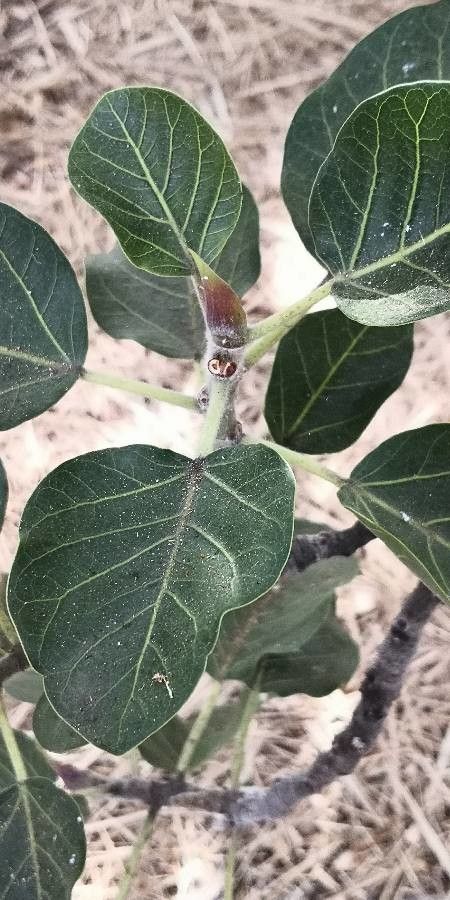
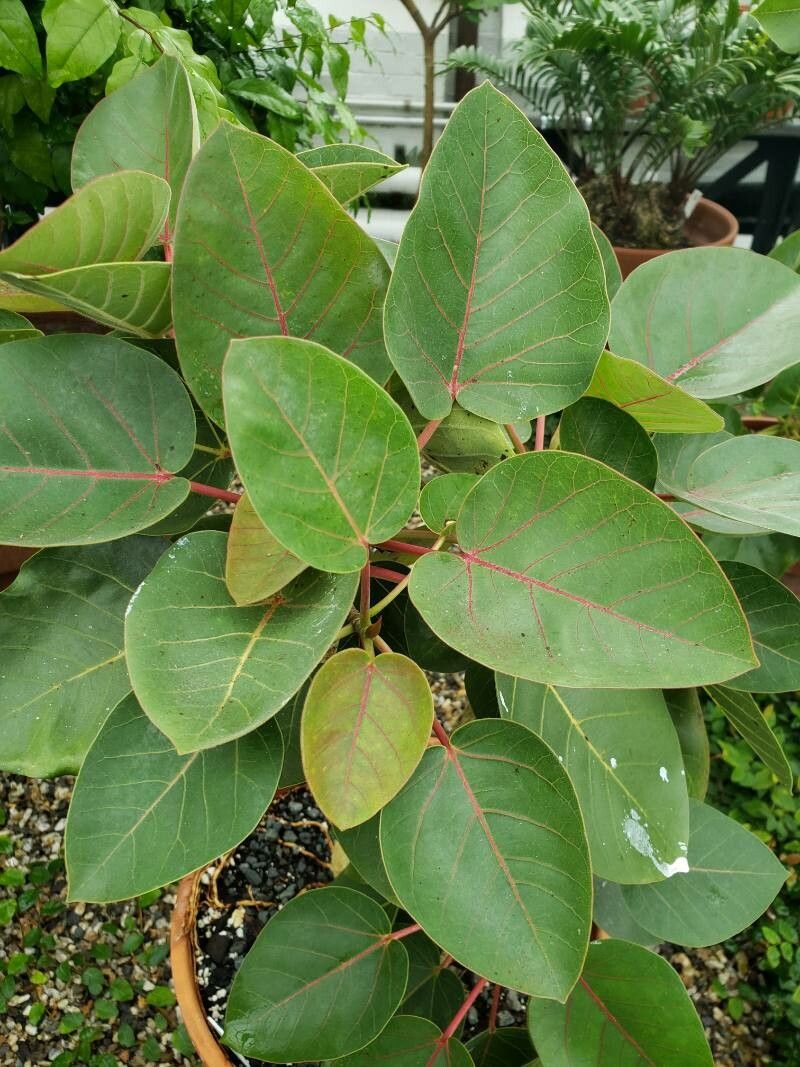
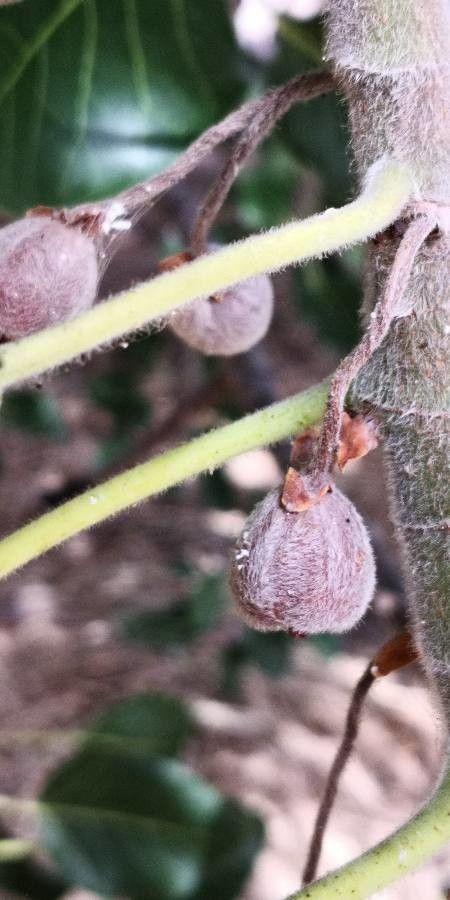
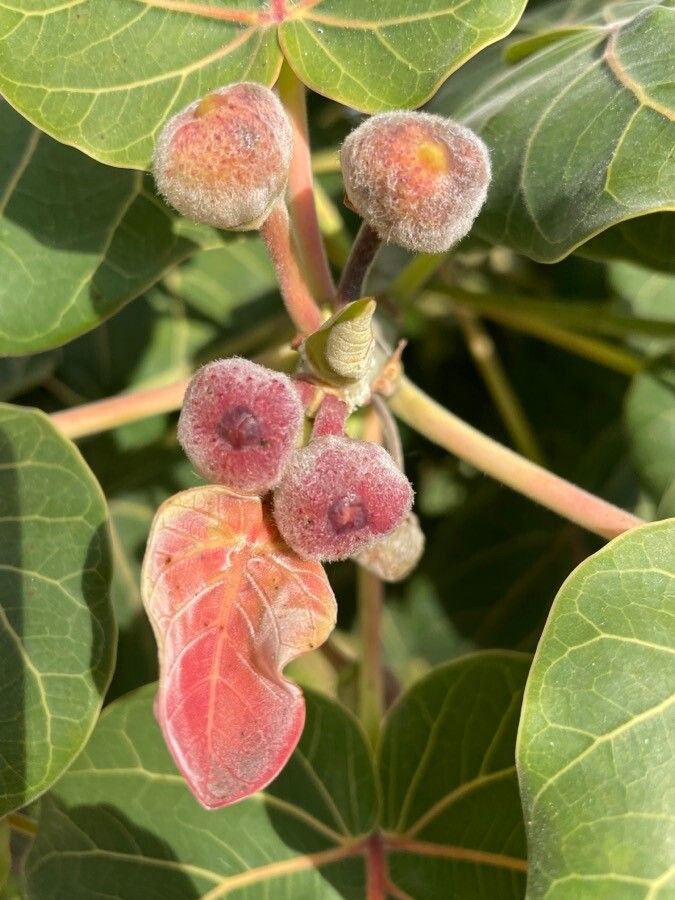
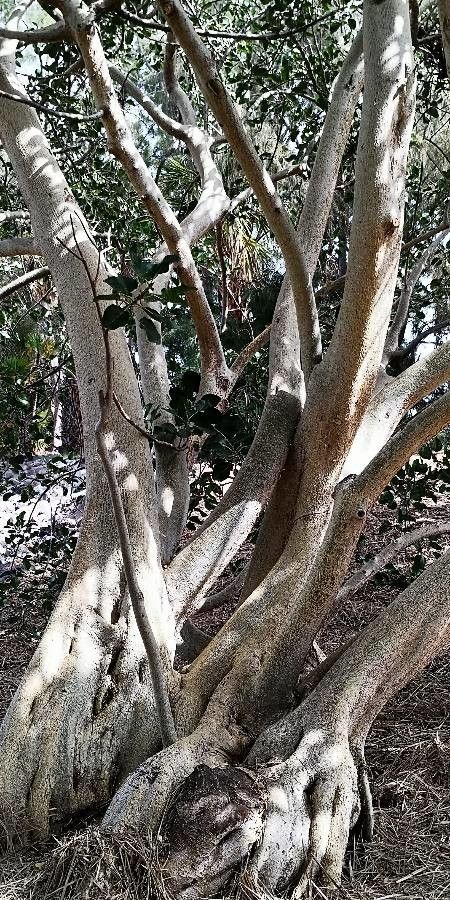
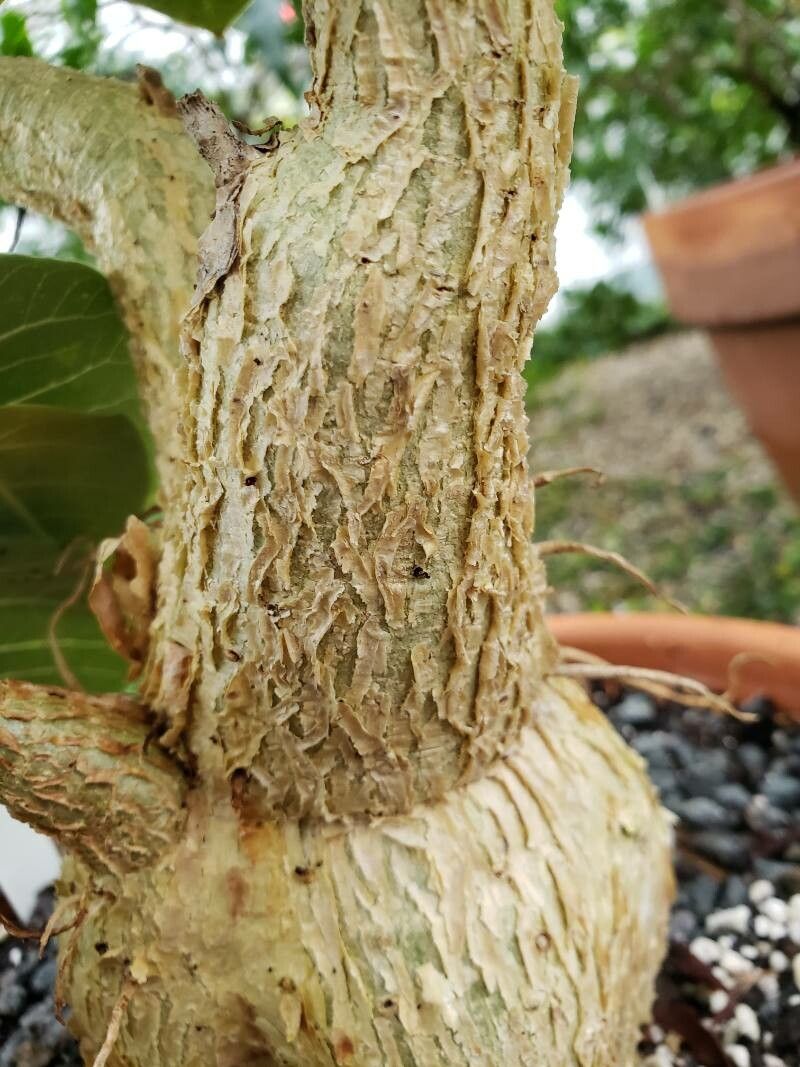
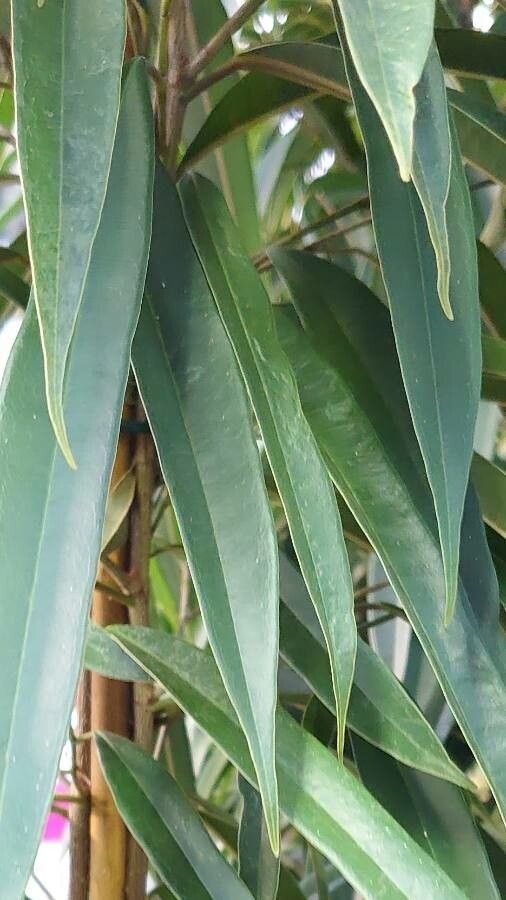
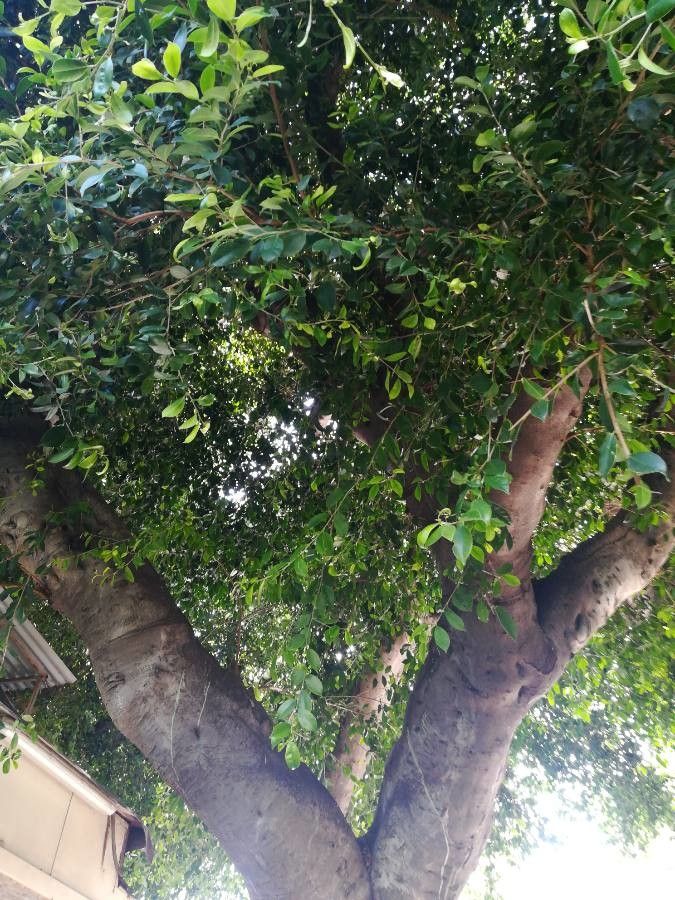
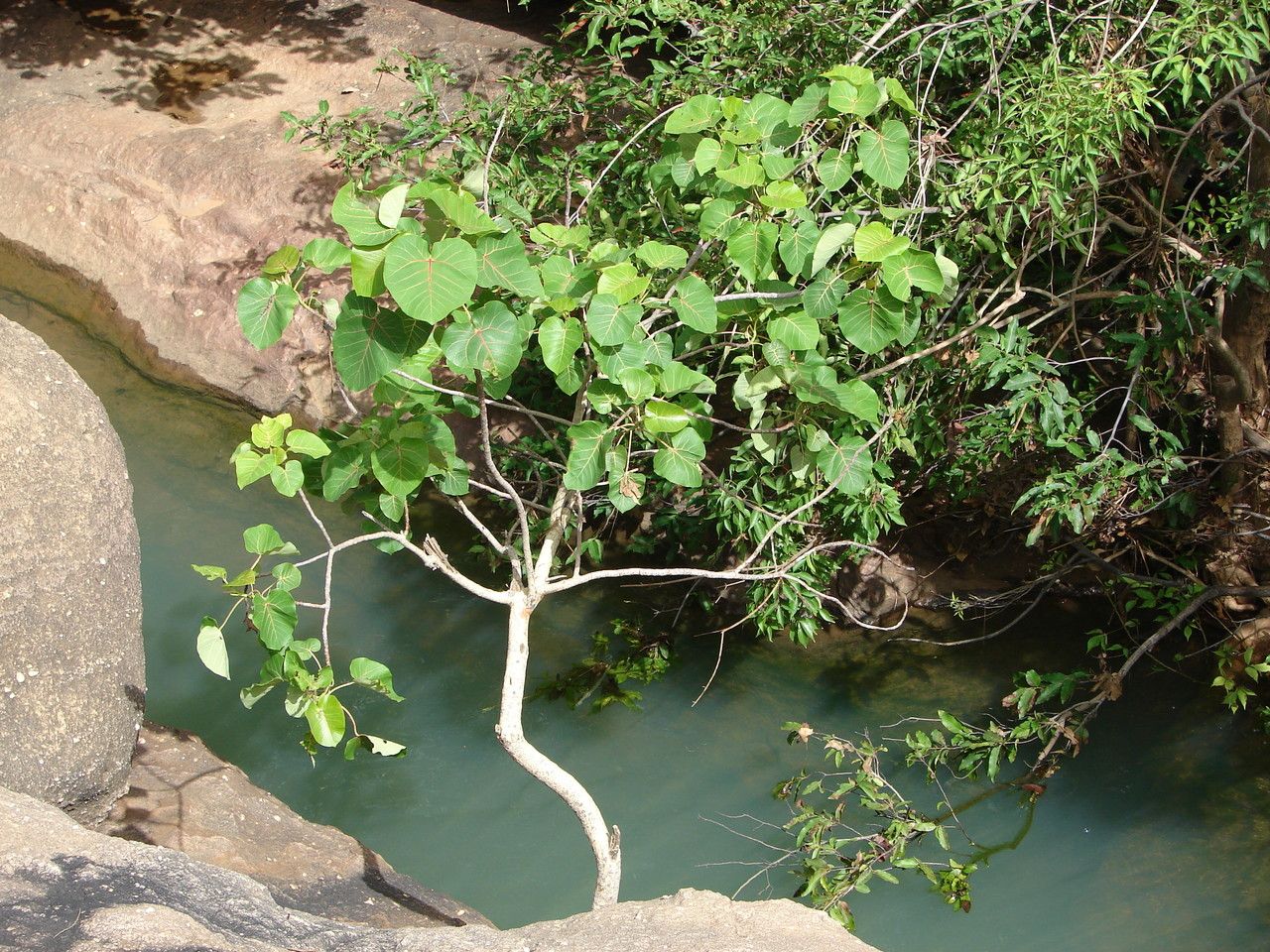
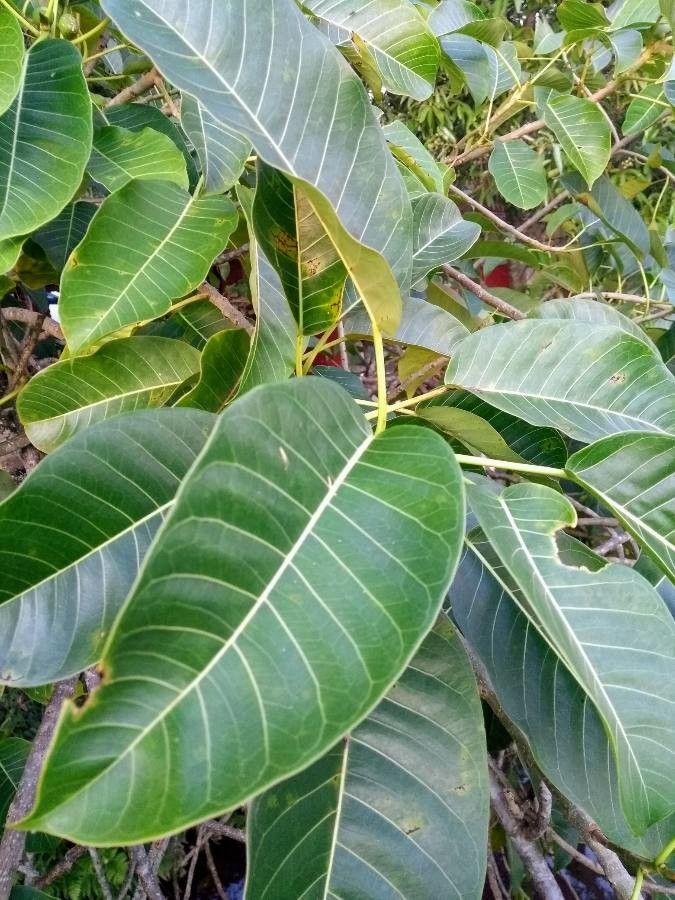
Ficus petiolaris, commonly known as the petiolate fig and rock fig, is a fig that is endemic to Mexico from Baja California and Sonora south to Oaxaca. It grows from 10–20 feet high. It grows best with moderate water and partial shade. A unique feature is white hairs on the vein axils. Other common names include the Baja California rock fig, Palmer wild fig, and Brandegee wild fig.
Rock fig is highly resistant to disease and typically not susceptible to illnesses. Regarding maintenance, this plant is fairly low-maintenance. When grown outdoors it needs only light watering, and larger specimens usually do not require pruning. Smaller specimens, however, should be pruned after they have finished blooming. Rock figt is suitable for anyone with an outdoor area, such as a garden or deck, and does not demand much prior care experience.
How to keep Ficus Petiolaris.
Light
Rock fig is native to habitats like forest understories and rocky areas, where it grows in natural shade. It prefers partial sun but can adapt to both full sun and full shade, demonstrating its versatile and hardy nature.
Water
The rock fig is well-suited for arid environments, as it efficiently stores water and displays strong drought tolerance. It typically needs to be watered once a week, which mirrors its natural habitat. Ideally grown outdoors, the rock fig thrives in well-draining soil that mimics rocky conditions. This type of soil helps promote healthy root growth and prevents excess moisture.
Humidity
This plant needs special care because it loves high humidity levels of 60-80% or more. The best way to achieve this is by placing a humidifier near the plant. Daily misting is also essential! Make sure the room has good ventilation.
Temperature
Rock fig comes from tropical areas, where the weather is generally warm and humid. Consequently, it is adapted to high heat and humidity. It does not tolerate sudden temperature changes and prefers a consistent temperature, so avoiding indoor temperature fluctuations is important. It typically cannot withstand cold and needs warmer conditions to grow. If the surrounding temperature falls too low, the plant may stop growing or even die.
Fertilizer
The best time to fertilize a Rock fig is in early spring, as it breaks dormancy. This encourages overall growth and flower development. Fertilization improves the foliage, stems, and branches, while encouraging flowers that are large, vibrant, and long-lasting. It helps transfer nutrients from the roots to the flowers and enhances the plant's health and resistance to disease.
Pruning
For optimal growth, the rock fig should be pruned from early to late winter. Focus on removing any dead or damaged branches to enhance its shape and minimize stress on the plant. Be sure to use clean, sharp tools to maintain the fig's health and prevent disease. Consistent pruning encourages a compact form and improves air circulation, which are essential for preventing pests and maintaining the plant's overall vitality.
Botanical profile.
- Plant Type
- Tree
- Life Cycle
- Perennial
- Genus
- Ficus
- Family
- Moraceae
- Hardiness Zone
- 10-12
- Mature Height
- 6.1 m to 9.14 m
- Mature Spread
- 7.92 m to 11.89 m
- Leaf Color
- Dark Green, Forest Green
- Leaf Type
- Evergreen
- Bloom Time
- Late spring, Summer, Early fall, Mid fall
- Planting Time
- Autumn
- Harvest Time
- Late summer, Fall, Early winter, Mid winter
Other names.