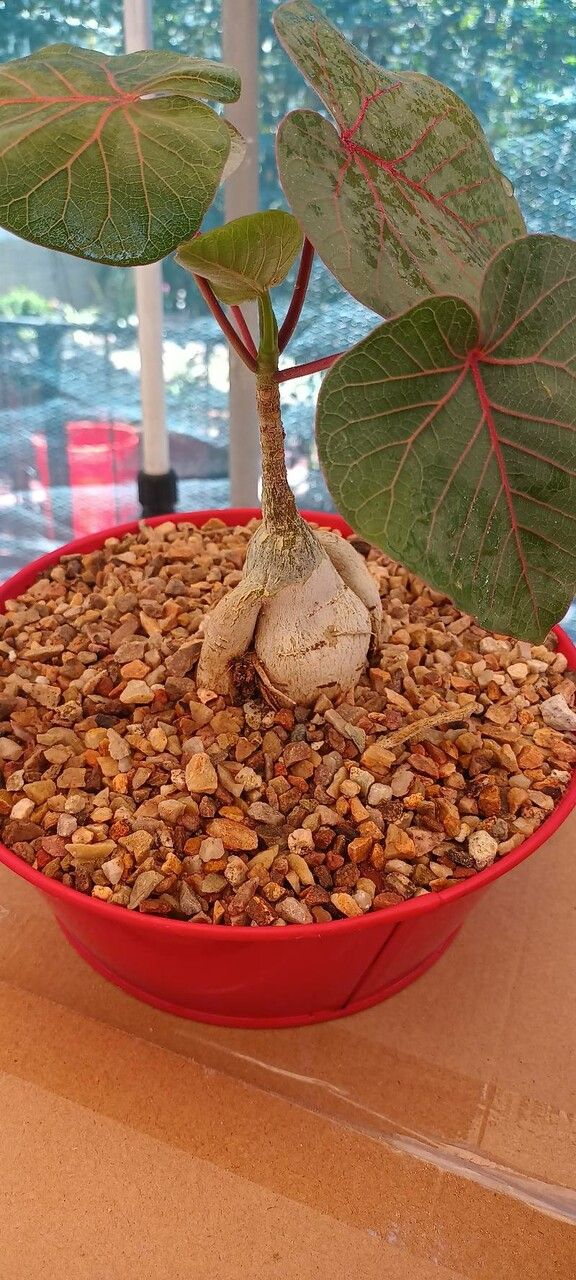
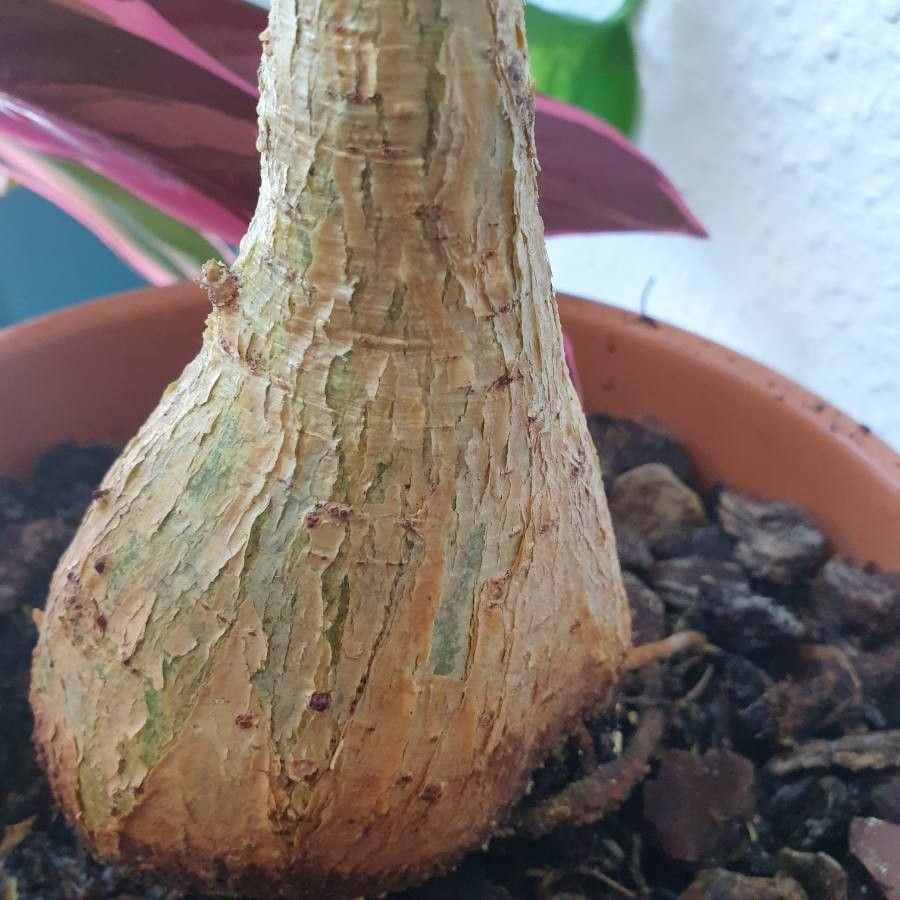
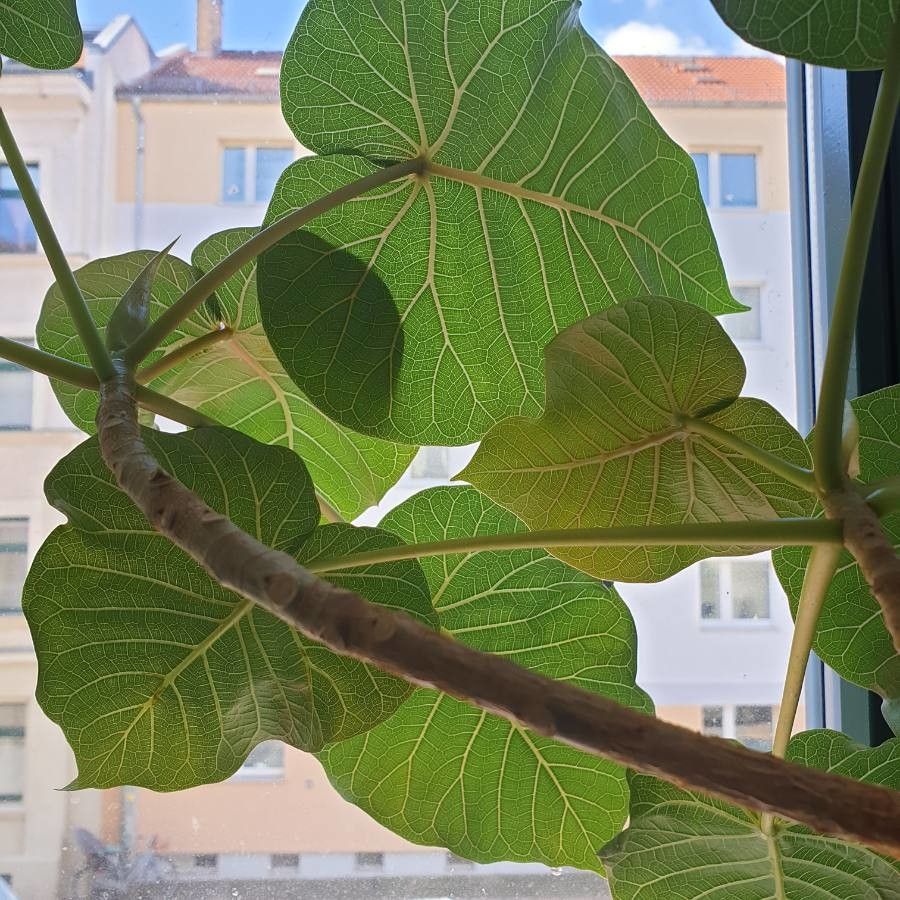
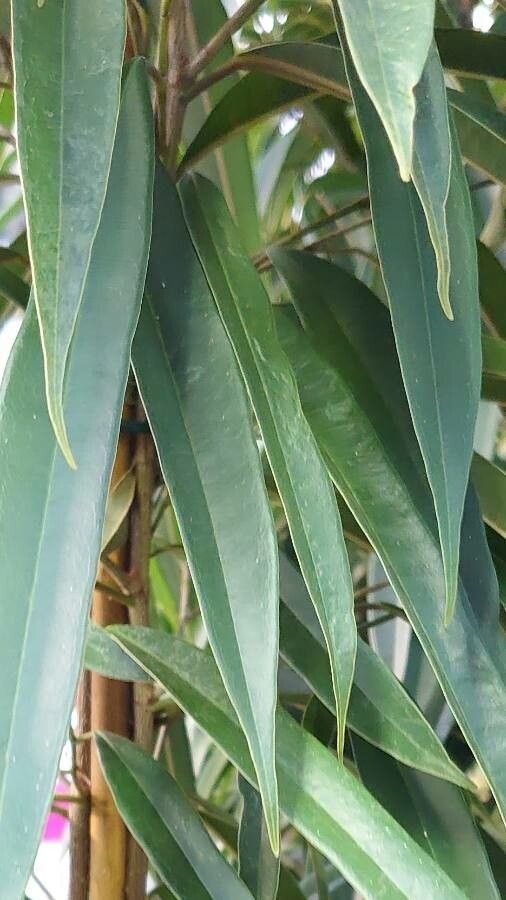
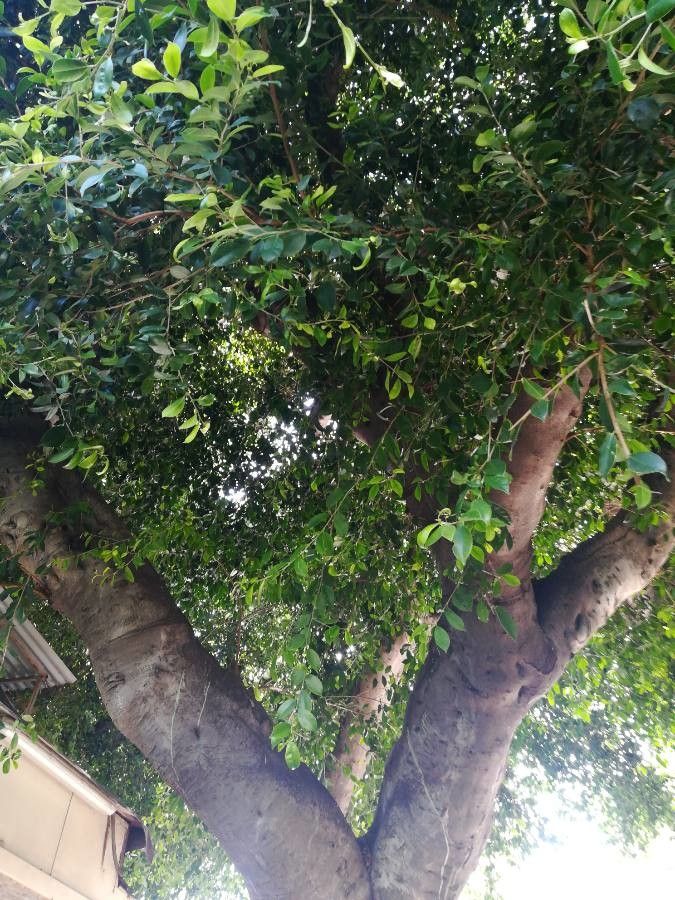
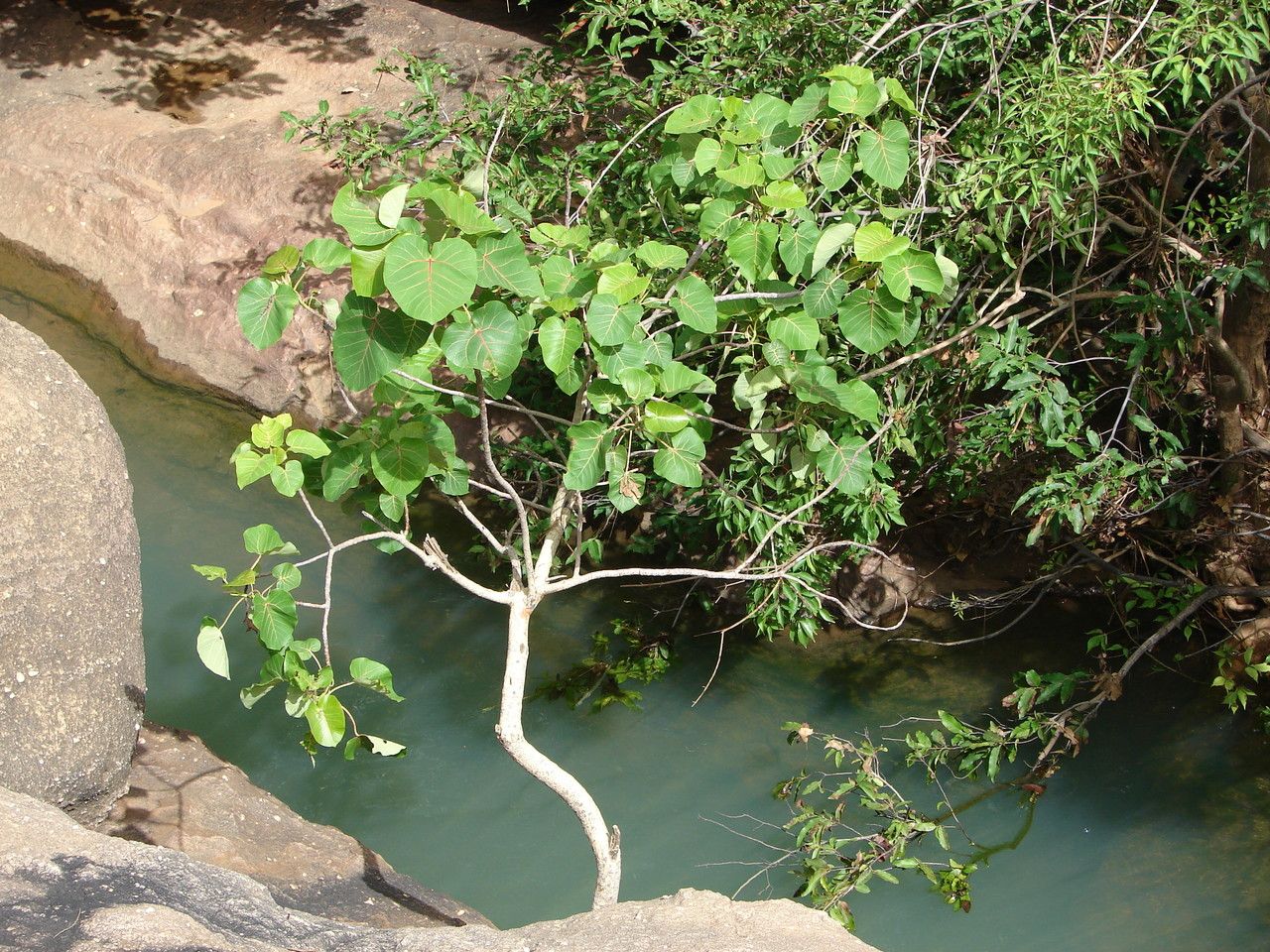
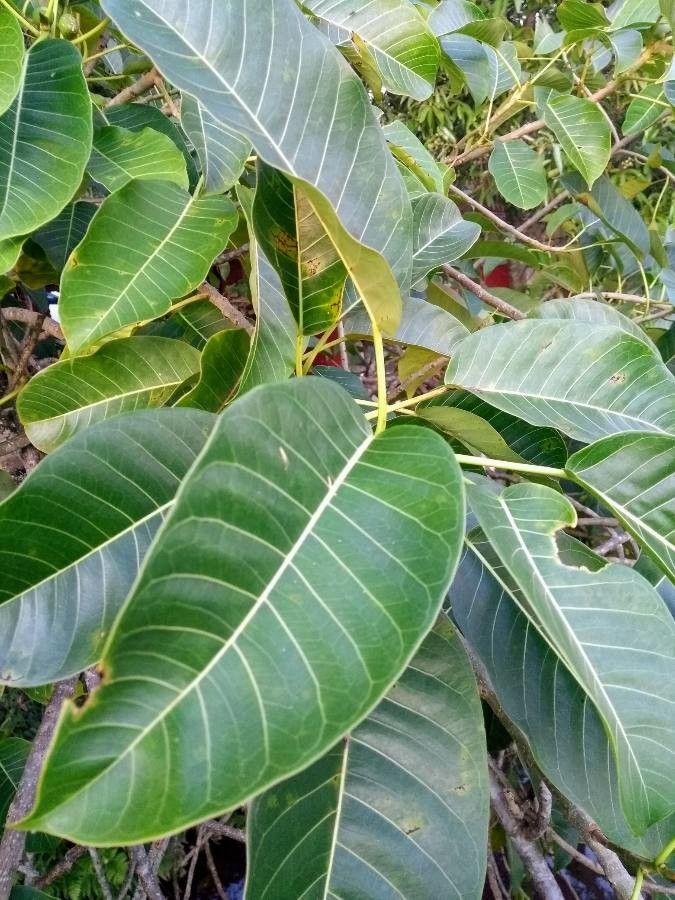
Ficus palmeri, commonly known as Palmer's fig, is a species of fig tree native to the southwestern United States and northern Mexico. This small to medium-sized tree can reach heights of up to 30 feet and features a dense canopy of dark green leaves. The leaves are oval-shaped with pointed tips, measuring approximately 2 to 4 inches in length. The bark of the tree is smooth and grayish-brown.
Ficus palmeri produces small, greenish-yellow flowers that bloom in spring or early summer. These flowers develop into small, edible figs that ripen in late summer or early fall. The fruit is roughly 1 inch long and has a sweet flavor.
This plant prefers well-drained soils with moderate moisture levels but can tolerate some drought conditions once established. It thrives in full sun but can also adapt to partial shade.
Native American tribes have traditionally used Ficus palmeri for medicinal purposes, including treating skin conditions, respiratory problems, and digestive issues. The plant also provides food for wildlife such as birds and mammals.
Overall, Ficus palmeri is an attractive plant with ornamental value due to its dense foliage. It is an excellent choice for landscaping or as an indoor plant, provided it receives proper care, including adequate sunlight and regular watering, depending on whether it is located indoors or outdoors.
Botanical profile.
Other names.