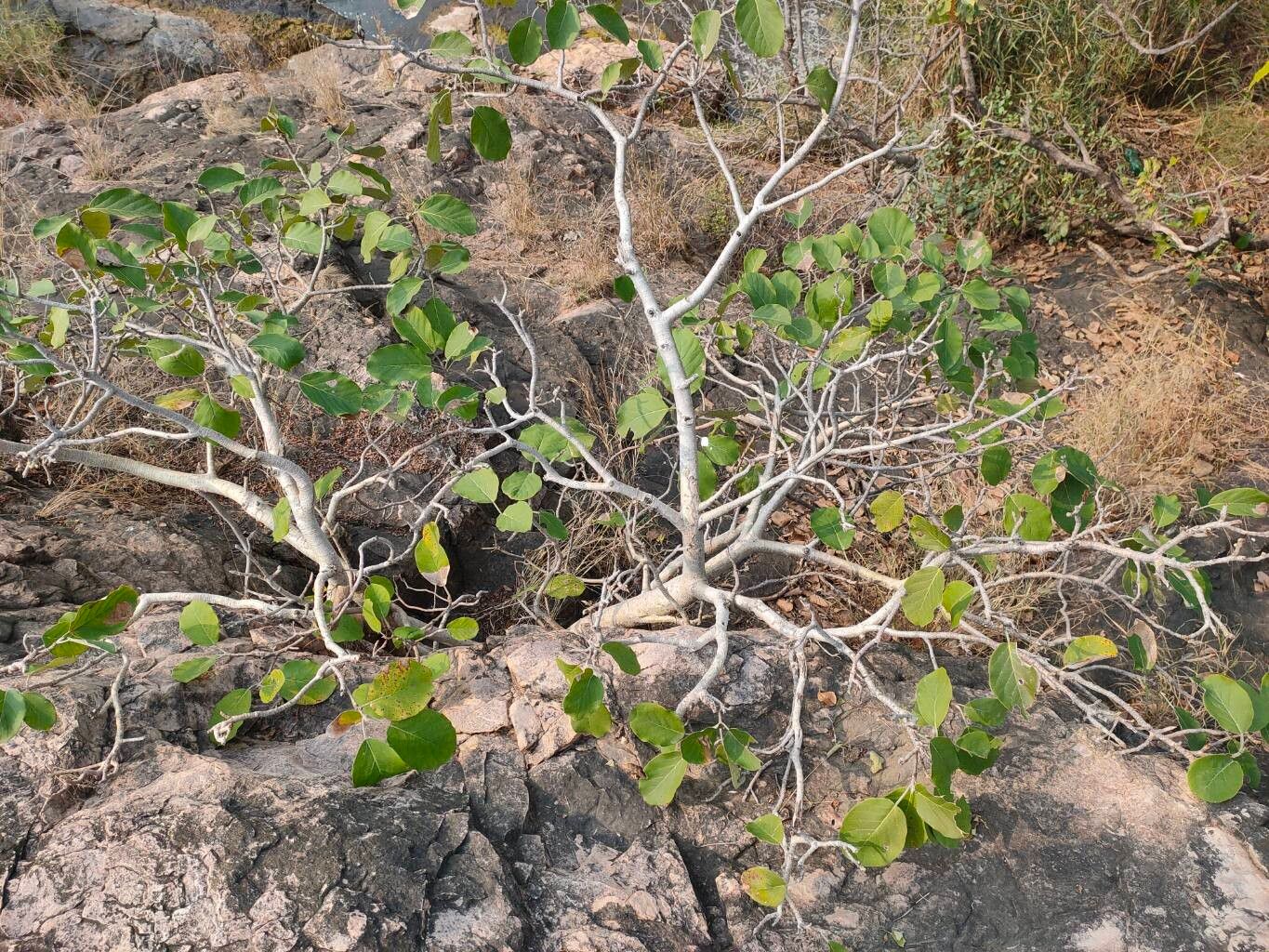
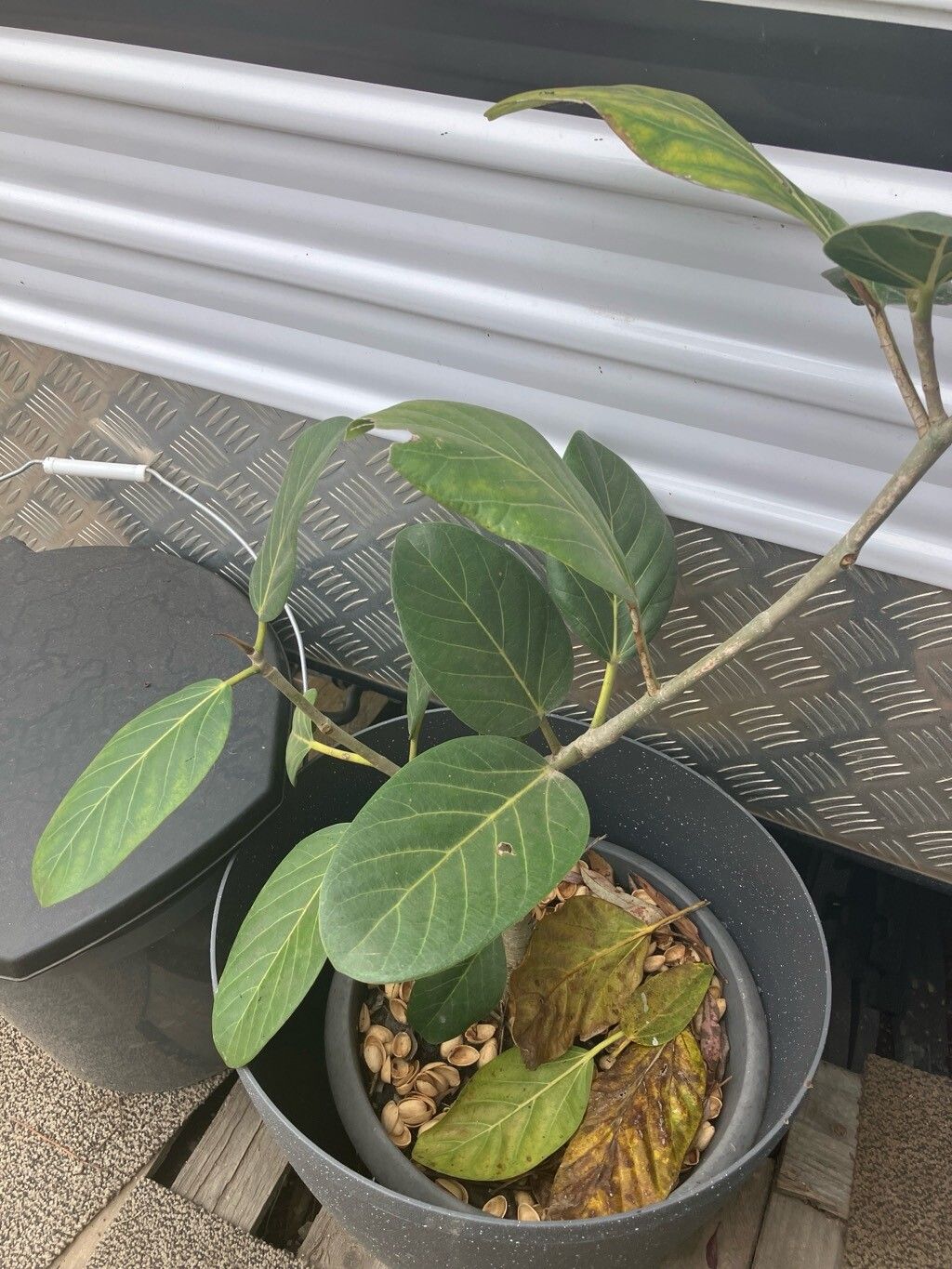
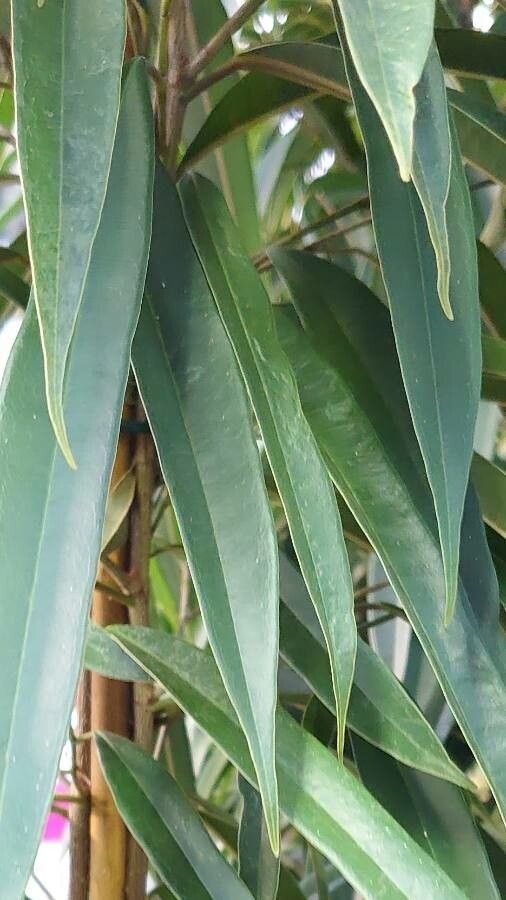
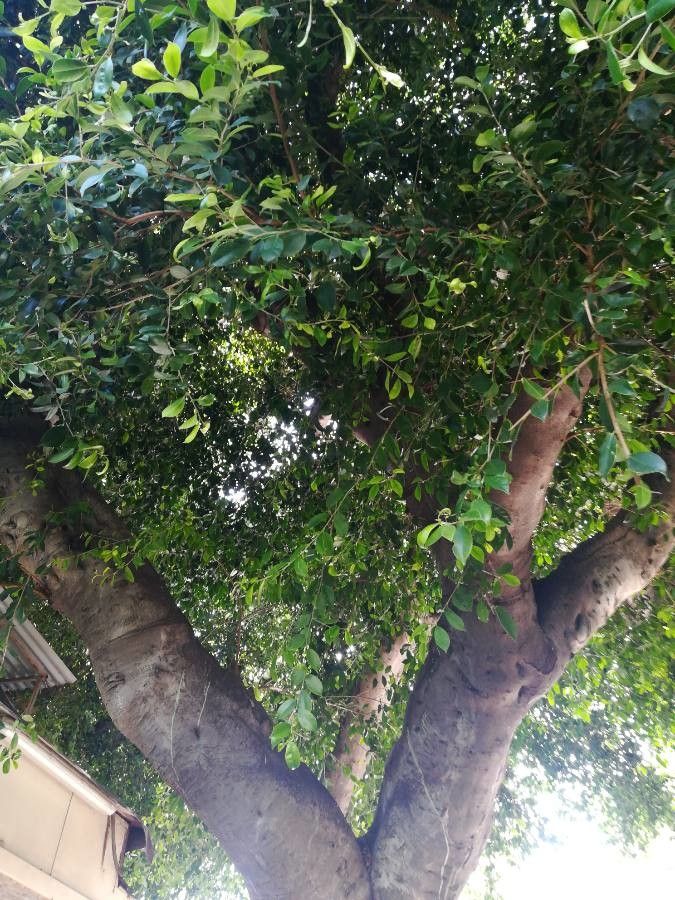
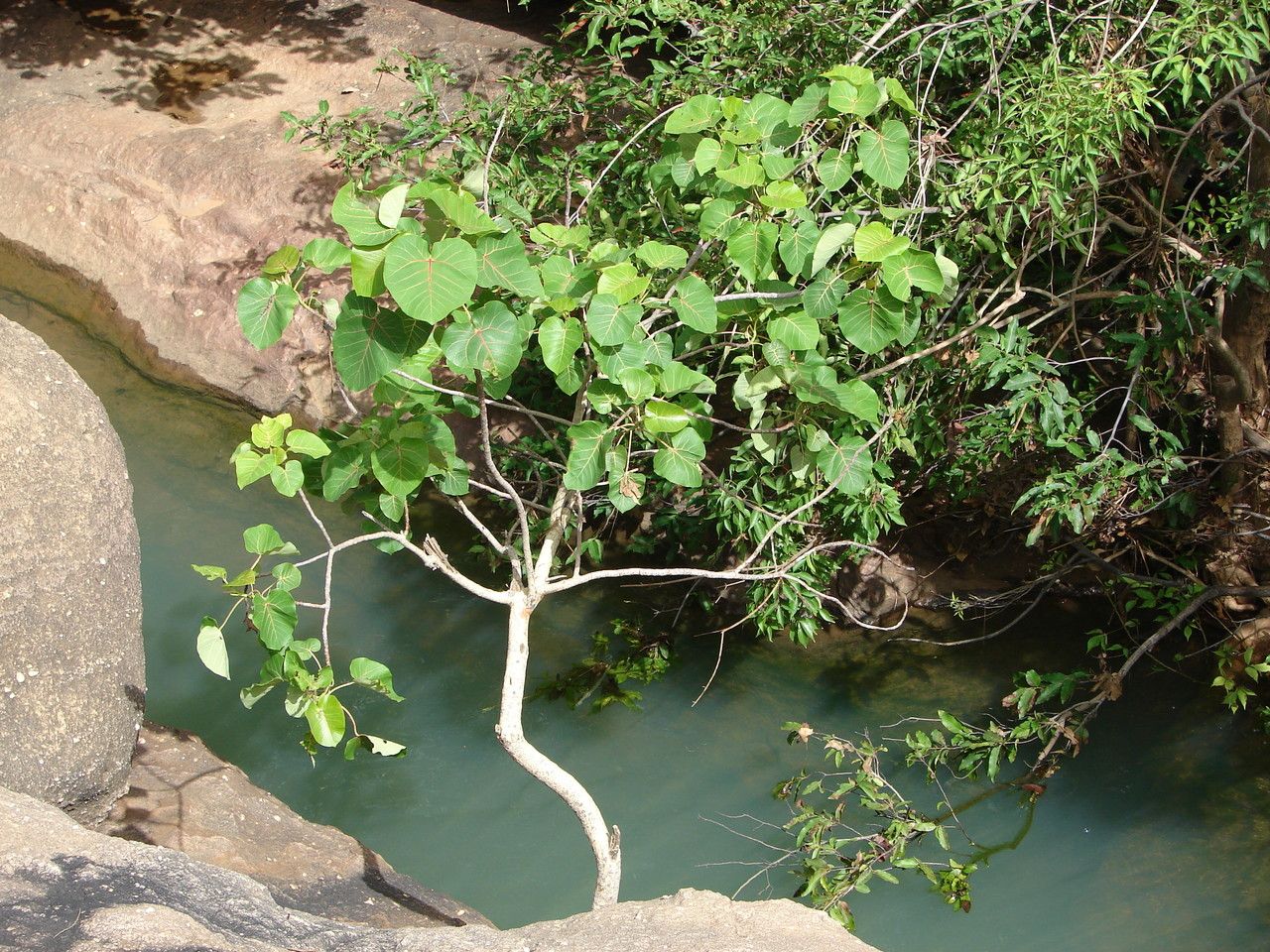
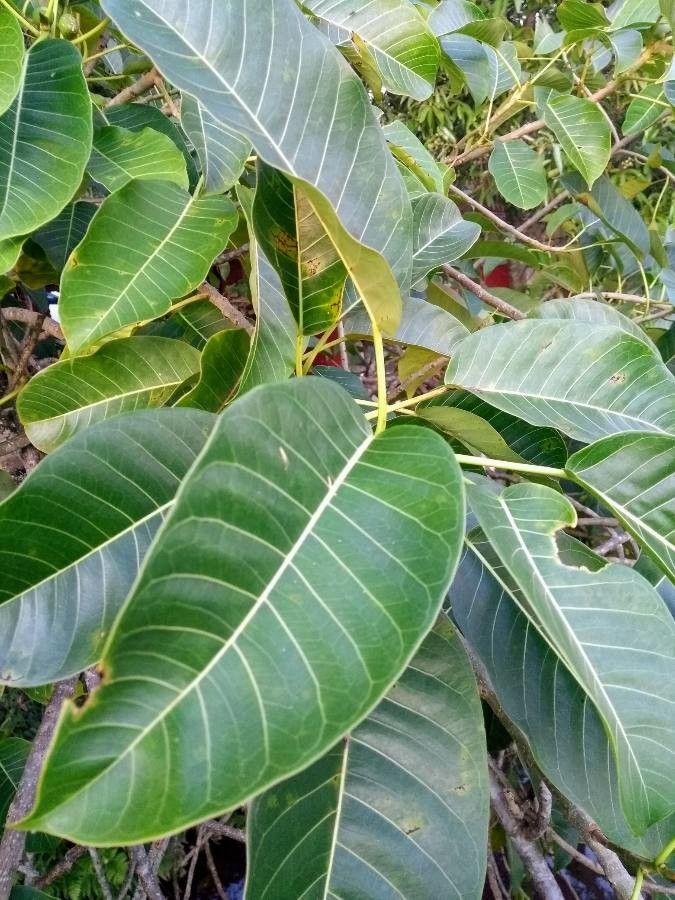
Cluster fig exhibits good resistance to disease and is typically not susceptible to illnesses. Regarding care, this plant is fairly low-maintenance. When grown outdoors it needs only light watering, and larger plants usually do not require pruning. Smaller plants, however, should be pruned after they have bloomed. Cluster figt is appropriate for anyone with an outdoor area, such as a garden or deck, and does not demand much prior care experience.
How to keep Ficus Mollis.
Light
The cluster fig prefers ample light and does best in the full brightness of daylight. Occasional partial shade is acceptable, but it should not be constant. This preference comes from its native habitats, where it grows among abundant sunlit vegetation. Too much or too little light can impair its health and growth.
Temperature
The cluster fig is native to areas where temperatures range from 68 to 100 °F (20 to 38 °C). It favors a warm environment. To maintain healthy growth, try to adjust indoor temperatures as needed according to the season.
Fertilizer
Use organic fertilizers (e.g., fish emulsion or compost) rather than chemical fertilizers for Cluster fig. Supply higher nitrogen and phosphorus to young plants in spring. Incorporate compost or fertilizer into the soil before planting or after planting. For mature plants, supplement in spring with a balanced fertilizer or one targeted to specific deficiencies. Nutrient deficiency results in small leaves, short branches, yellow or bronze leaves, acidic fruits, premature fruit fall, and splitting.
Botanical profile.
- Plant Type
- Tree
- Life Cycle
- Perennial
- Hardiness Zone
- 9-12
- Mature Height
- 24.99 m to 29.87 m
- Mature Spread
- 61 cm to 91 cm
- Leaf Color
- Green, Blue
- Leaf Type
- Evergreen
- Bloom Time
- All year round
- Planting Time
- Summer, Autumn
- Harvest Time
- All year round
- Native Area
- Nepal, Sri Lanka, India, Malaysia, Indonesia, Cambodia, Vietnam, Myanmar, Bangladesh, Pakistan, Laos, Thailand, China