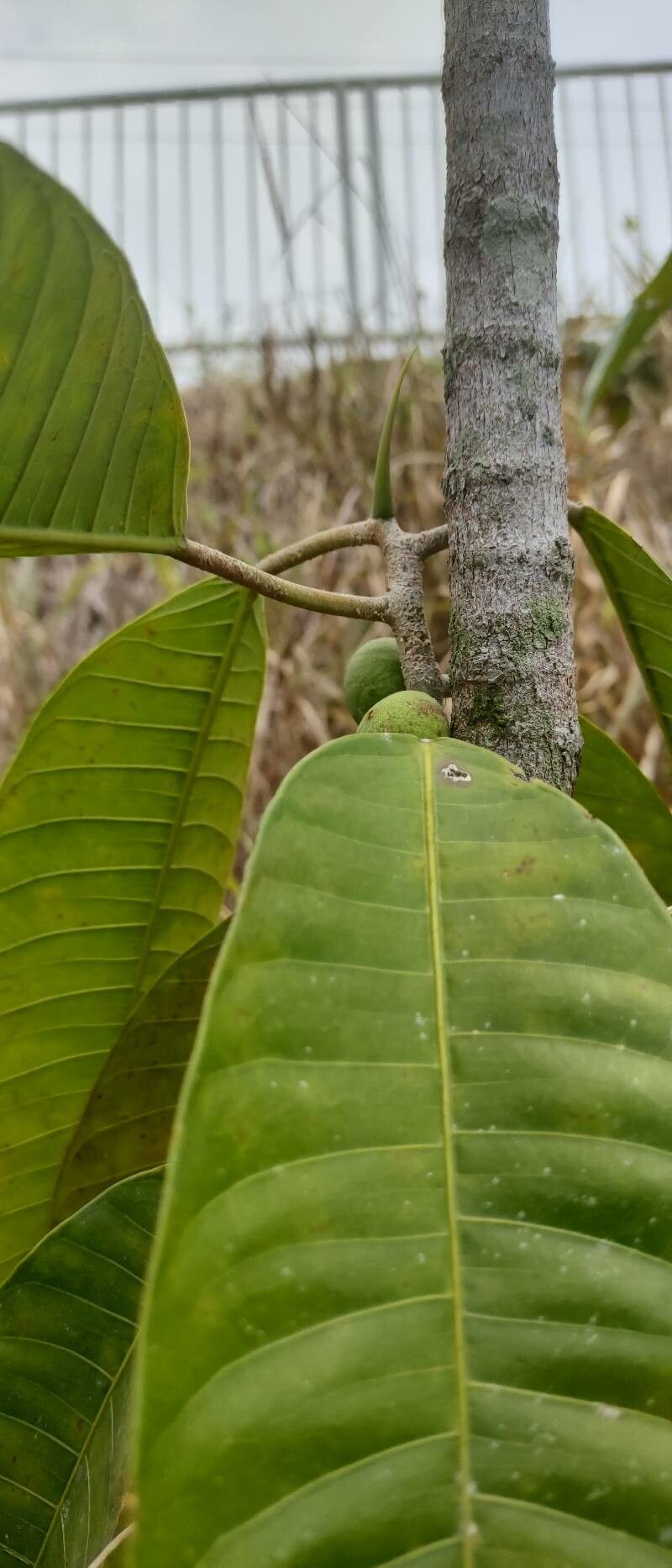
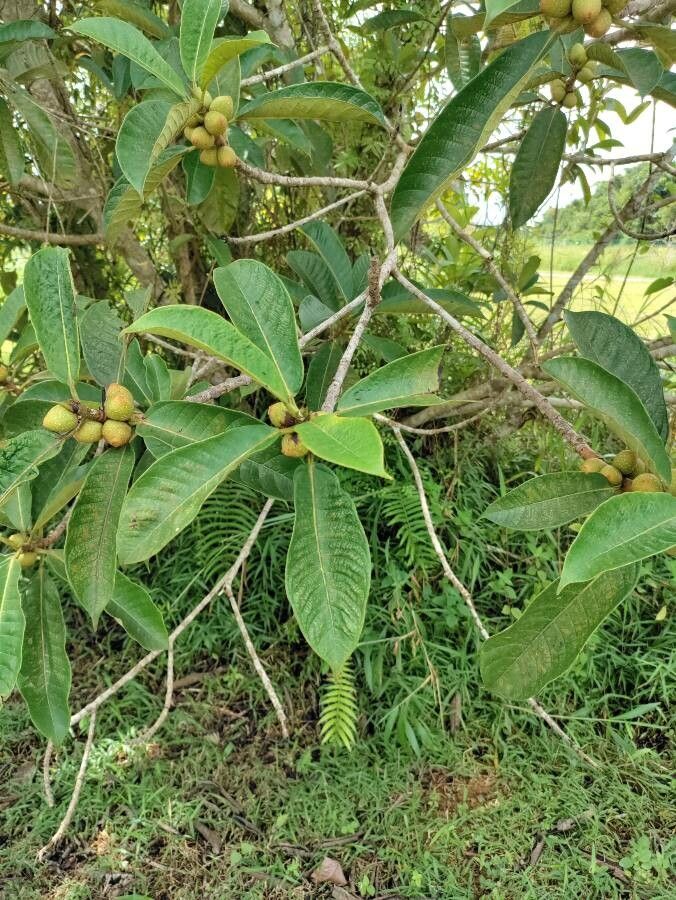
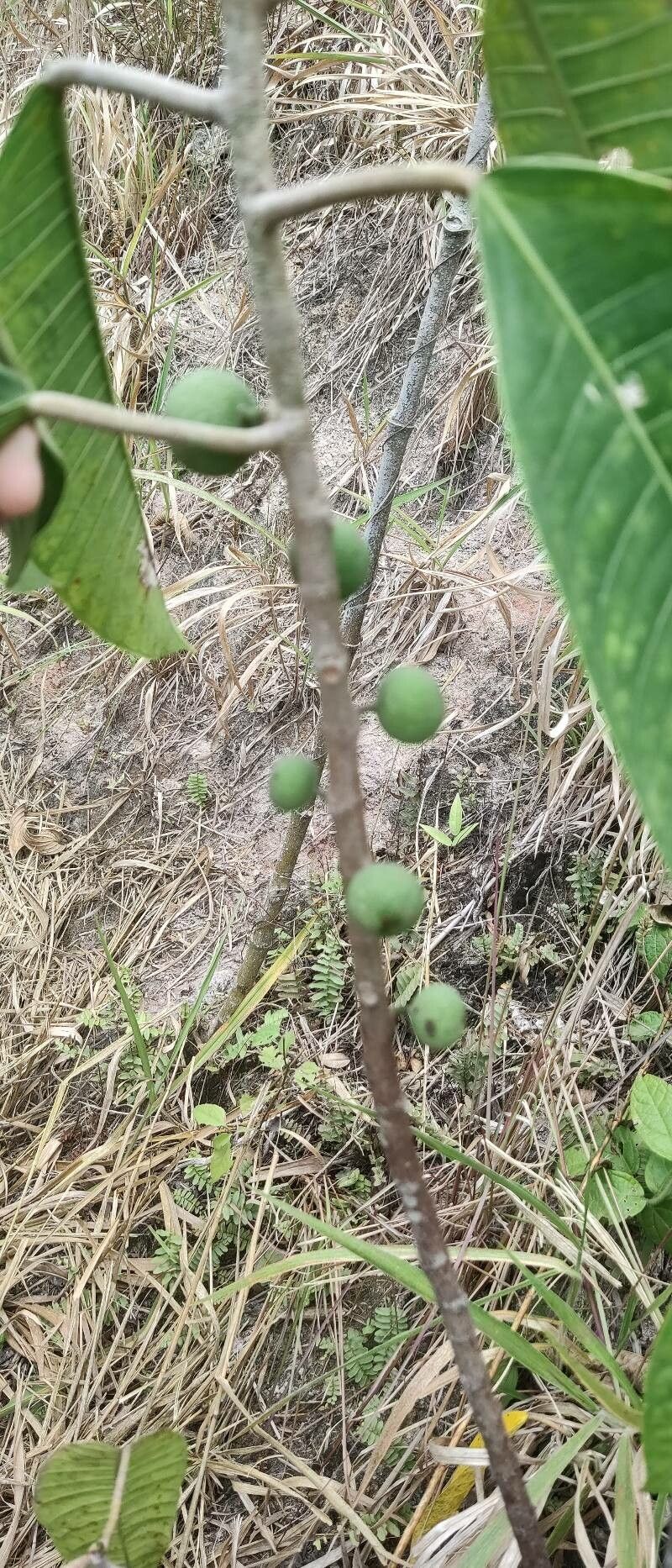
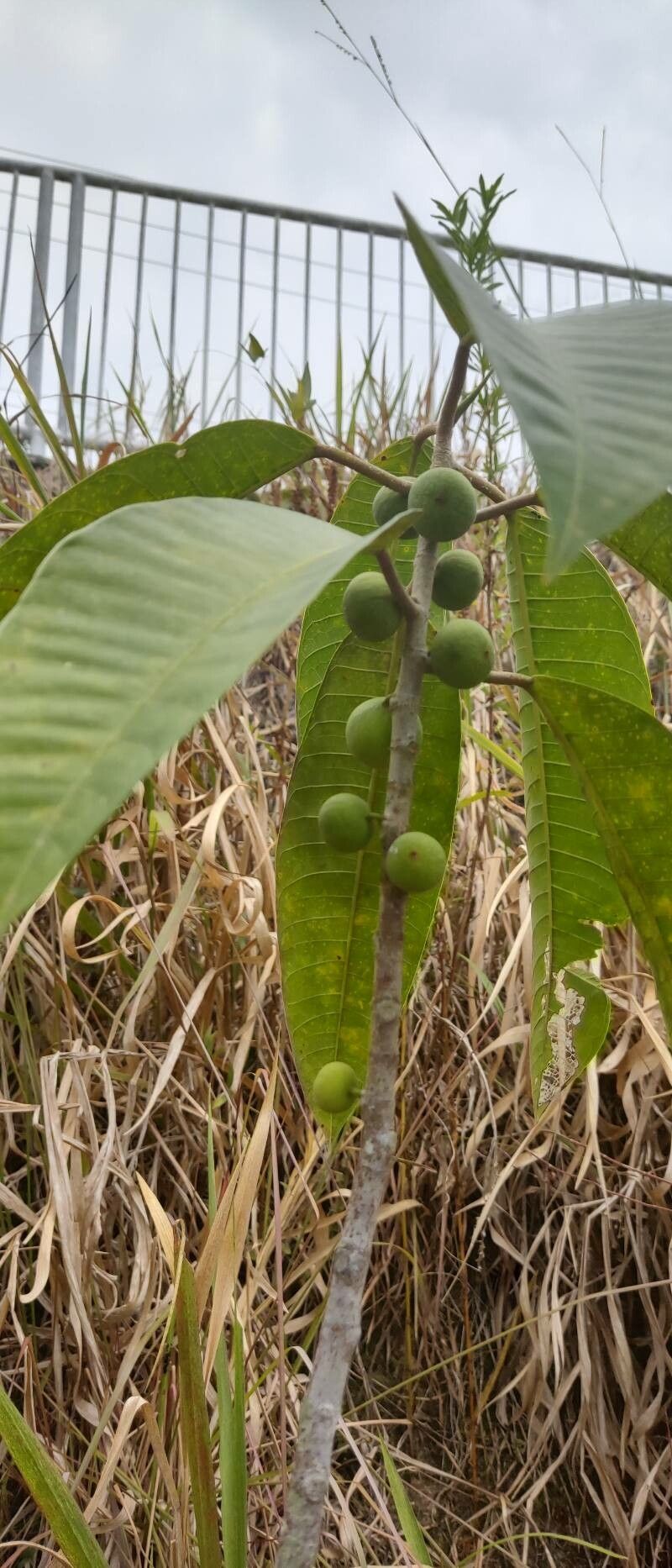
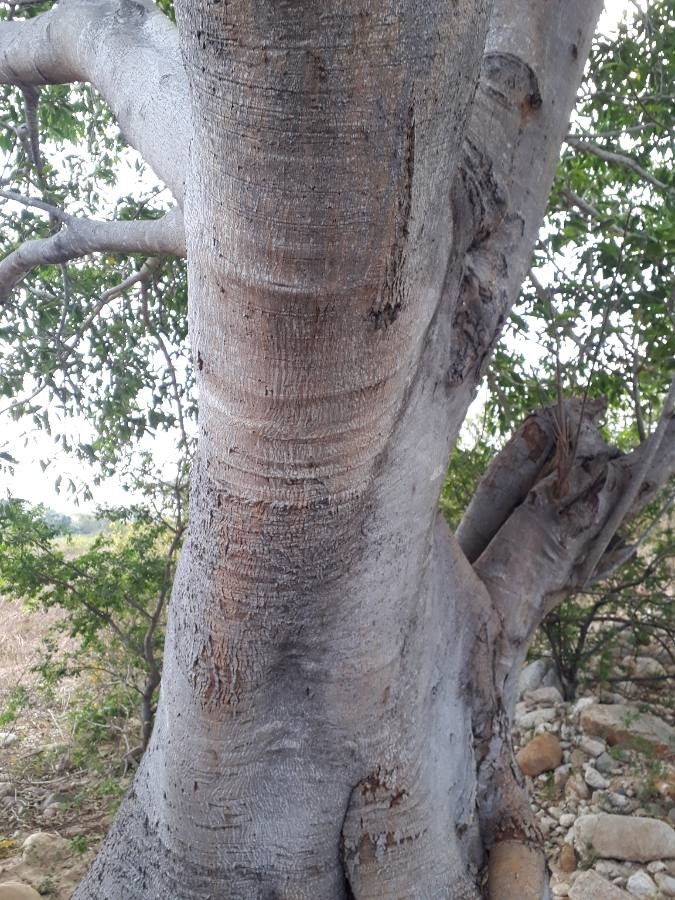
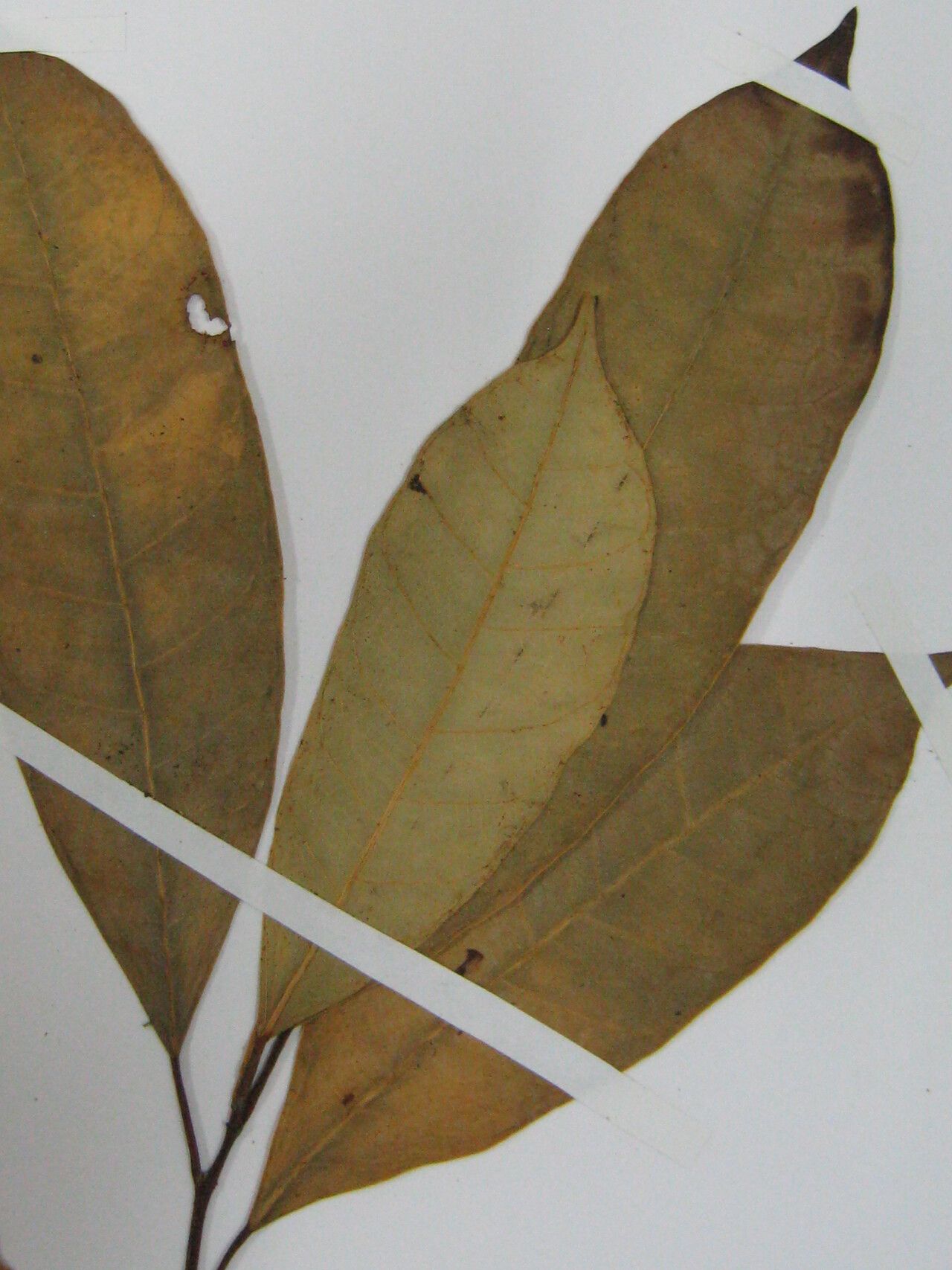
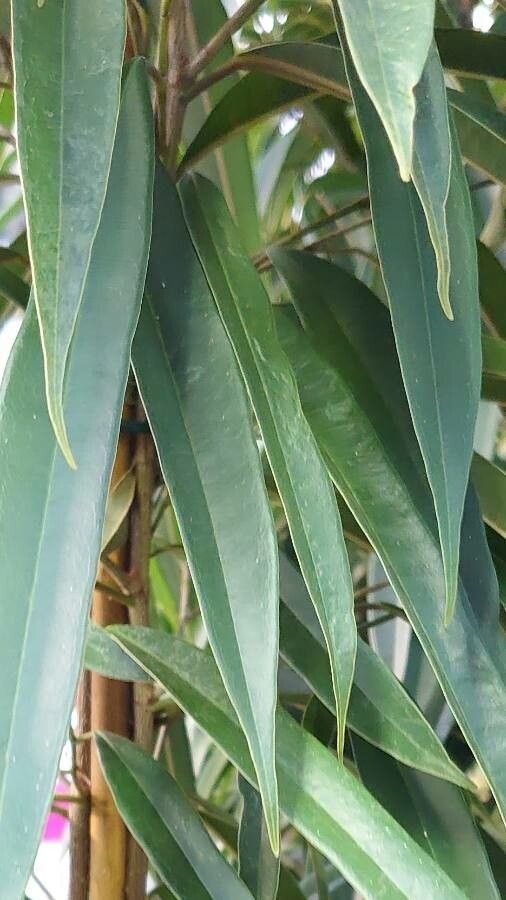
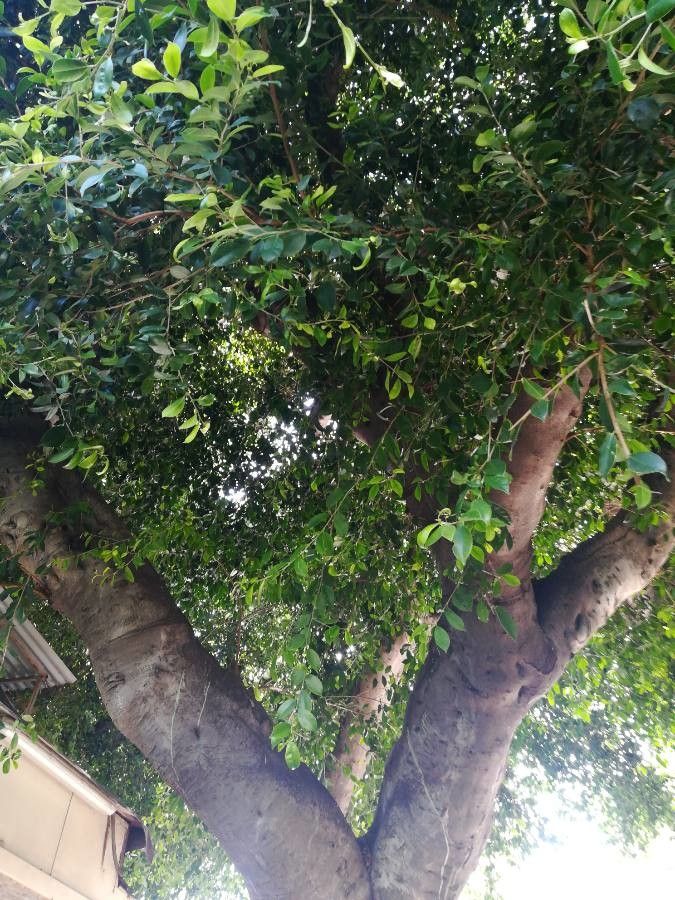
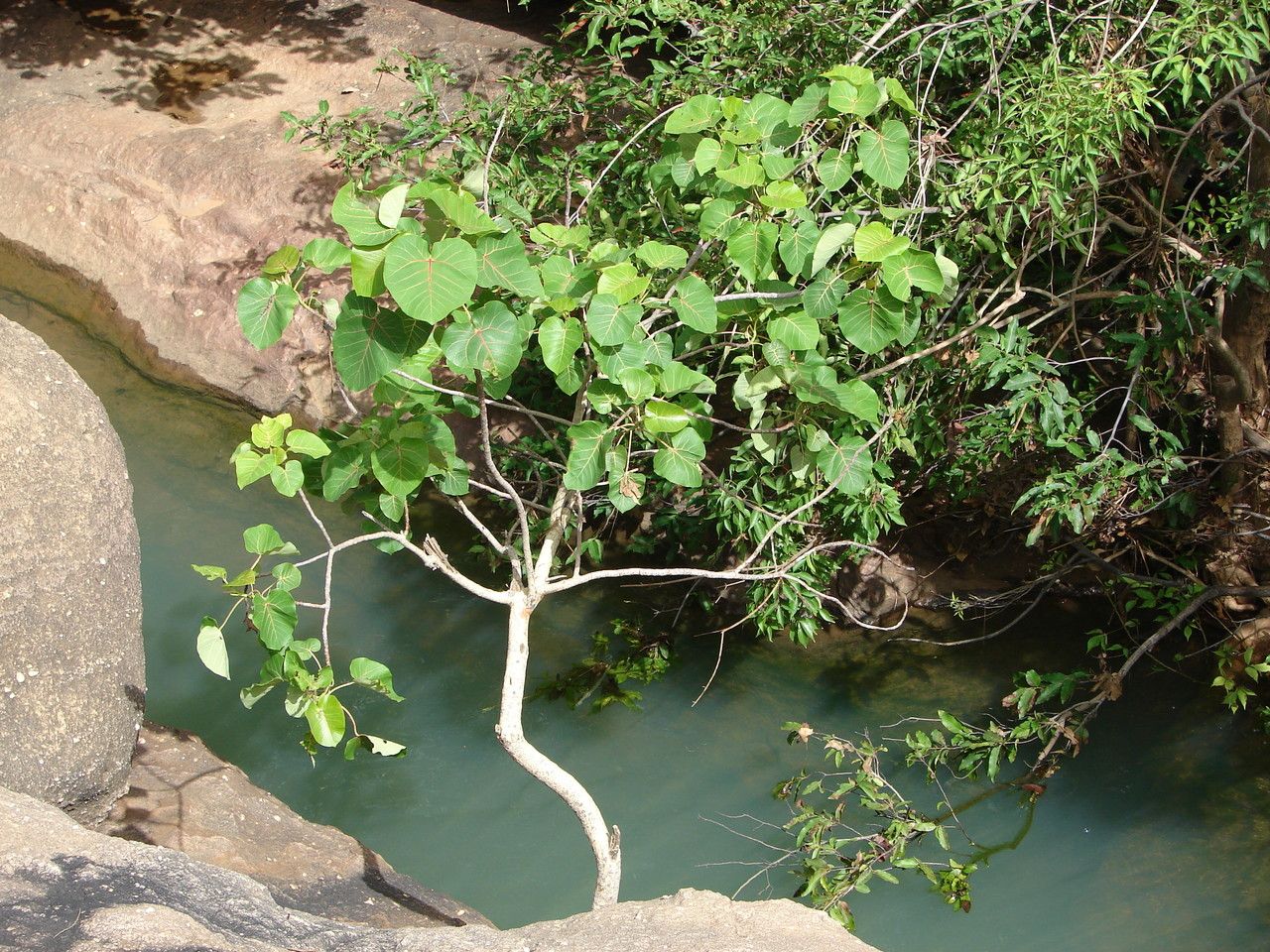
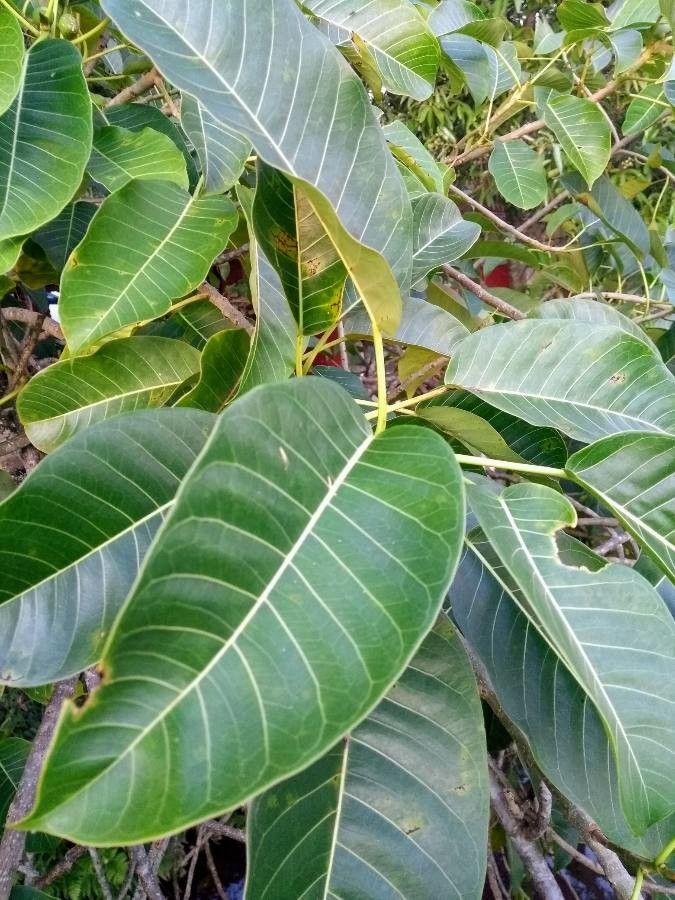
Ficus maxima is a fig tree which is native to Mexico, Central America, the Caribbean and South America south to Paraguay. Figs belong to the family Moraceae. The specific epithet maxima was coined by Scottish botanist Philip Miller in 1768; Miller's name was applied to this species in the Flora of Jamaica, but it was later determined that Miller's description was actually of the species now known as Ficus aurea. To avoid confusion, Cornelis Berg proposed that the name should be conserved for this species. Berg's proposal was accepted in 2005. Individuals may reach heights of 30 m (98 ft). Like all figs it has an obligate mutualism with fig wasps; F. maxima is only pollinated by the fig wasp Tetrapus americanus, and T. americanus only reproduces in its flowers. F. maxima fruit and leaves are important food resources for a variety of birds and mammals. It is used in a number of herbal medicines across its range.
hicatee fig has strong resistance to disease and is typically not prone to illnesses. In terms of care, this plant is fairly low-maintenance. When grown outdoors it needs minimal watering, and larger specimens usually do not require pruning. Smaller plants, however, should be pruned after they finish blooming. hicatee figt is suitable for anyone with outdoor space, such as a garden or a deck, and does not demand much gardening experience.
How to keep Ficus Maxima.
Light
Hicatee fig is native to habitats like forest understories or rocky sites, where it grows under natural shade. It prefers partial sun but can tolerate both full sun and full shade, showing its versatile, hardy nature.
Water
Ficus maxima needs minimal watering, particularly during droughts. For potted ficus maxima, water weekly in the spring, summer, and fall. In the winter, reduce watering to every two weeks. During hot and dry periods, increase the amount of water and raise the humidity if the air is dry.
Temperature
The hicatee fig comes from tropical areas, where the climate is generally warm and humid. As a result, it is adapted to high temperatures and humidity. It is not fond of sudden shifts in temperature and prefers a steady thermal environment, so avoiding indoor temperature fluctuations is important. It typically cannot tolerate cold and requires higher temperatures for growth. If the surrounding temperature falls too low, the plant may stop growing or even die.
Fertilizer
Fertilization is essential for the care of the hicatee fig. Regular feeding during the growing season preserves the energy needed for its showy leaves and promotes overall growth. Failing to fertilize can cause unhealthy foliage, reduced ornamental appeal, and stunted or weak growth that is prone to breakage.
Pruning
Ficus maxima is known for its dense foliage and large, glossy leaves. To maintain its shape and encourage new growth, prune the plant in early spring, removing any damaged branches. Always use clean, sharp tools to prevent the spread of disease. Regular pruning improves the plant's health and visual appeal by enhancing air circulation and allowing more sunlight to reach the leaves.
Botanical profile.
- Plant Type
- Tree
- Life Cycle
- Perennial
- Genus
- Ficus
- Family
- Moraceae
- Hardiness Zone
- 10-12
- Mature Height
- 20.12 m to 29.87 m
- Mature Spread
- 14.94 m to 24.99 m
- Leaf Color
- Dark Green, Forest Green
- Leaf Type
- Evergreen
- Bloom Time
- All year round
- Planting Time
- Spring, Summer, Autumn
- Harvest Time
- All year round
- Native Area
- Belize, Honduras, Mexico, Guatemala, Peru, Panama, Jamaica, Colombia, Cuba, Bolivia, Venezuela, Guyana, El Salvador, Nicaragua, Brazil, Ecuador, Costa Rica