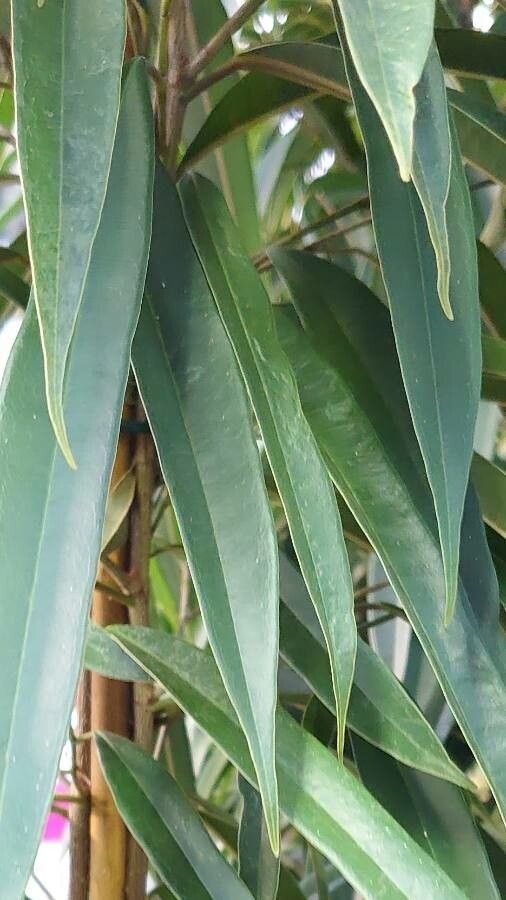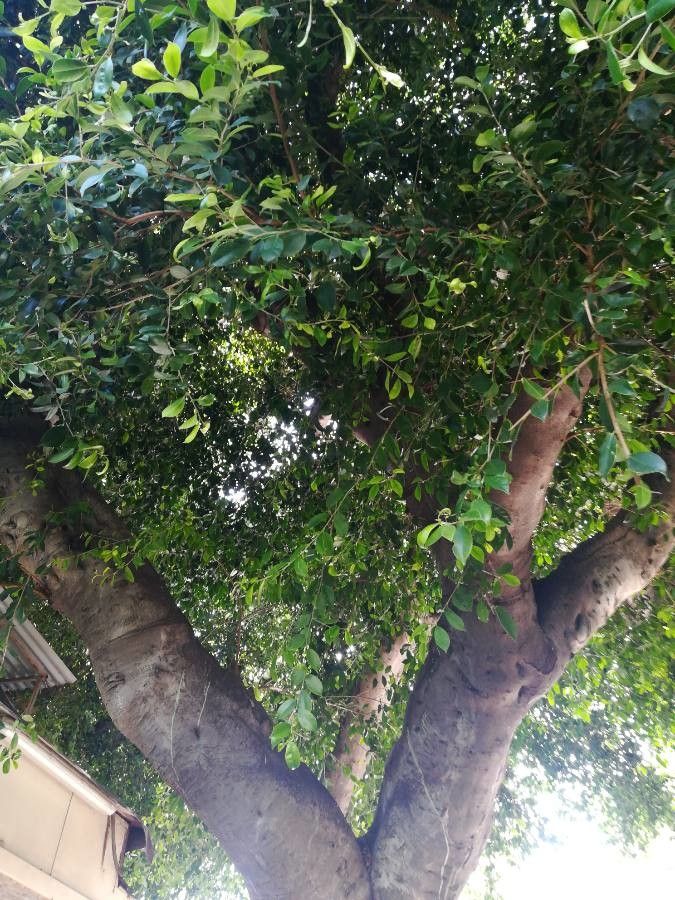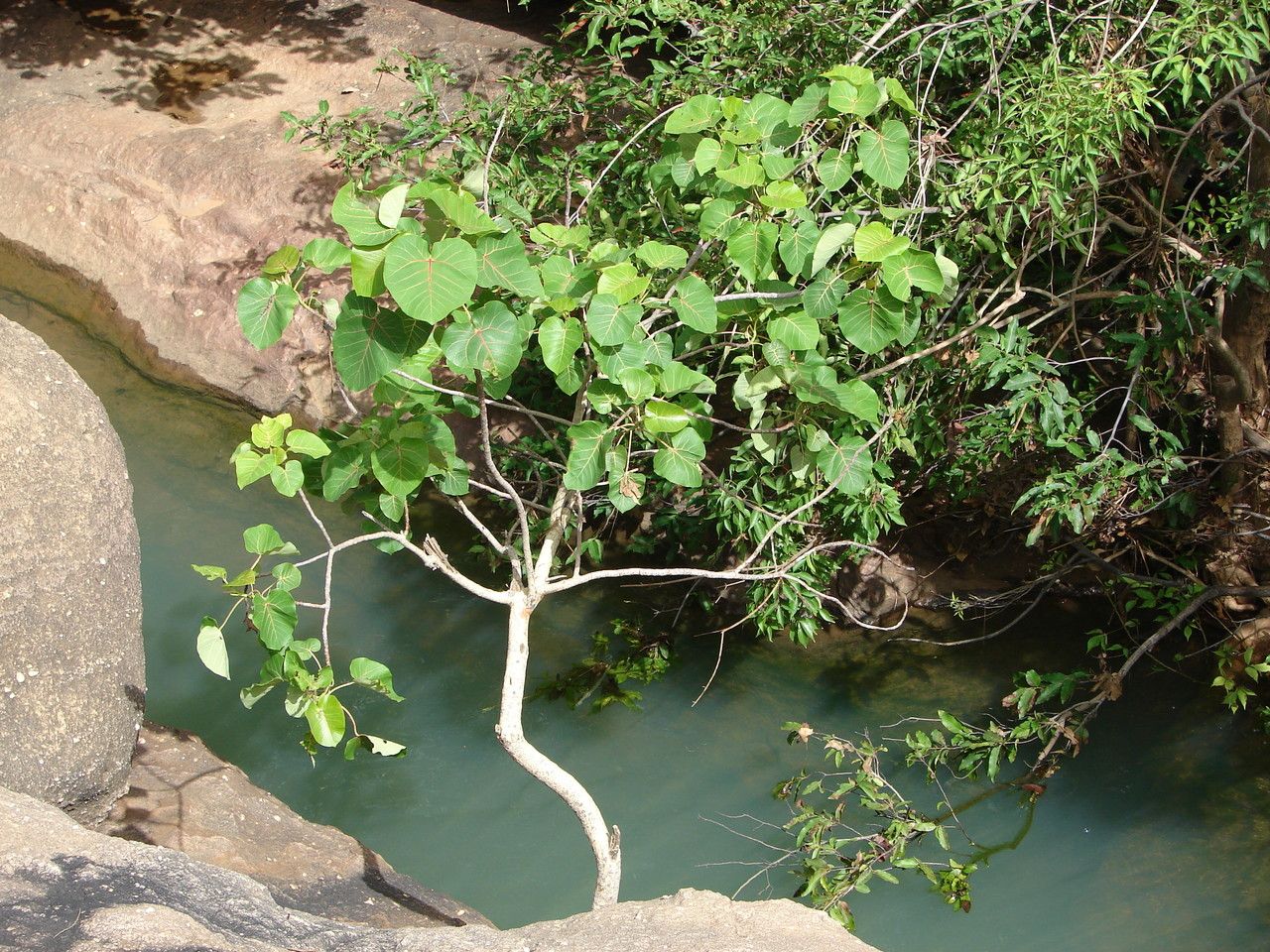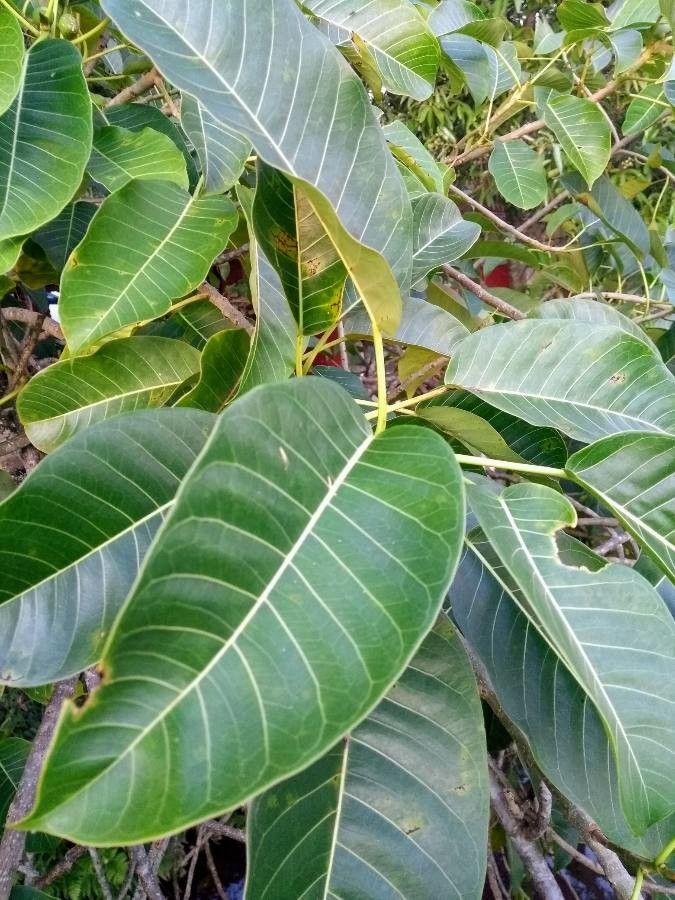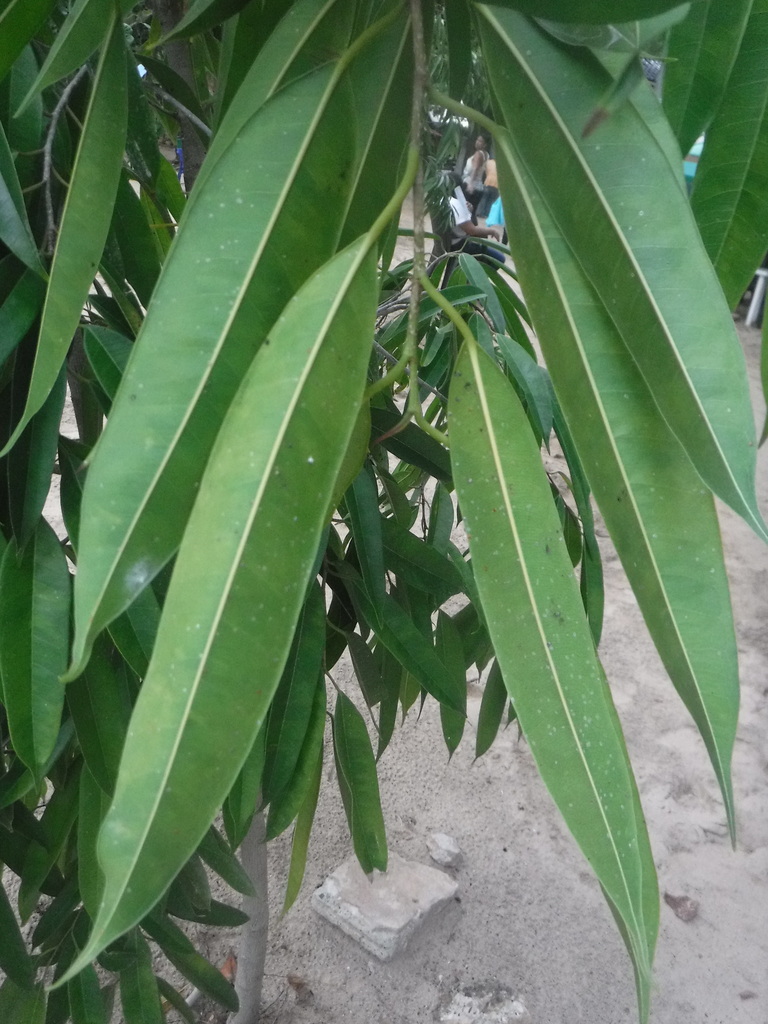
Ficus maclellandii, commonly known as Alii fig or Banana-leaf fig, is a popular ornamental plant in the Moraceae family. Native to Southeast Asia and India, it is widely cultivated for its attractive foliage. The plant features long, narrow, dark green leaves with a glossy texture. These leaves, which can grow up to 30 cm in length, are arranged alternately on the stem.
In its natural habitat, Ficus maclellandii can reach heights of up to 10 meters, though it typically grows to a more manageable 2-3 meters when cultivated as an indoor plant. It thrives in bright but indirect sunlight and requires well-draining soil with regular watering.
The Alii fig also possesses air-purifying properties, making it an excellent choice for homes or offices. It helps remove harmful toxins from the air, including formaldehyde, benzene, xylene, and trichloroethylene.
Propagation of Ficus maclellandii can be achieved through stem cuttings or by layering branches on the soil surface, which will eventually develop roots.
Overall, Ficus maclellandii is a low-maintenance houseplant with attractive foliage. It not only enhances the beauty of any space but also provides health benefits by purifying indoor air. This makes it an excellent choice for any home or office environment.
Long leaf fig has a high degree of disease resistance and is generally not vulnerable to illnesses. Still, if it is grown in a poor environment, it can become more prone to disease. The plant also faces few insect pests. Regarding care, this plant has moderate needs. It requires ample sunlight, since inadequate light can make it more susceptible to disease and cause it to grow spindly. Because it is commonly kept indoors, it may need to be moved regularly to a bright spot. It does not need frequent watering. In general, Long leaf fig is appropriate for most people, though it is especially well-suited to those who can provide strong light conditions.
How to keep Ficus Maclellandii.
Light
The long-leaf fig prefers partial sunlight but can withstand low-light situations. Adjusting care with the seasons is important, particularly for plants grown in containers. Insufficient light can restrict growth, causing sparse leaves and diminished vigor.
Water
The long leaf fig thrives with moderate watering, needing hydration every 1-2 weeks to remain evenly moist. As an evergreen plant, it benefits from regular misting to replicate its natural tropical humidity, making it an ideal choice for indoor settings.
Humidity
This plant needs special care because it loves high humidity levels of 60-80% or more. The best way to achieve this is by placing a humidifier near the plant. Daily misting is also essential! Make sure the room has good ventilation.
Temperature
Long leaf fig comes from tropical areas, where the climate is generally warm and humid. Consequently, it is well suited to high temperatures and moisture. It does not tolerate abrupt temperature changes and prefers a consistent temperature, so avoiding indoor temperature swings is important. It typically cannot endure cold and needs relatively high temperatures to grow. If the ambient temperature falls too low, the plant may stop growing or even die.
Fertilizer
Fertilizing is essential for the care of the Long leaf fig. Regular feeding during the growing season preserves the energy needed for its showy leaves and supports overall growth. Failing to fertilize can lead to unhealthy leaves, reduced ornamental appeal, and stunted or weak growth that is prone to breakage.
Pruning
Pruning your long leaf fig during the dormant season, from early to late winter, helps minimize stress on the plant. Be sure to remove any dead branches and thin out densely packed areas to improve airflow and light penetration. Regular pruning helps maintain the plant's shape and encourages healthy growth. Use clean and sharp tools to prevent disease and maintain the plant's aesthetic appeal.
Pot & Repot
When repotting Long leaf fig, choose a pot 1–2 inches (2.5–5.1 cm) larger with ample drainage. Use a well-draining potting mix. Repot in spring or fall, ensuring that the root ball is slightly lower than the rim of the flower pot. Water thoroughly after repotting and place in a warm spot with indirect sunlight.
Botanical profile.
- Plant Type
- Tree
- Life Cycle
- Perennial
- Genus
- Ficus
- Family
- Moraceae
- Hardiness Zone
- 10-12
- Mature Height
- 0 cm to 12 cm
- Mature Spread
- 3.05 m to 4.88 m
- Leaf Color
- Green
- Leaf Type
- Evergreen
- Bloom Time
- All year round
- Planting Time
- Summer, Autumn
- Harvest Time
- All year round
- Native Area
- India, Malaysia, Cambodia, Vietnam, Myanmar, Bhutan, Bangladesh, Laos, Thailand, China