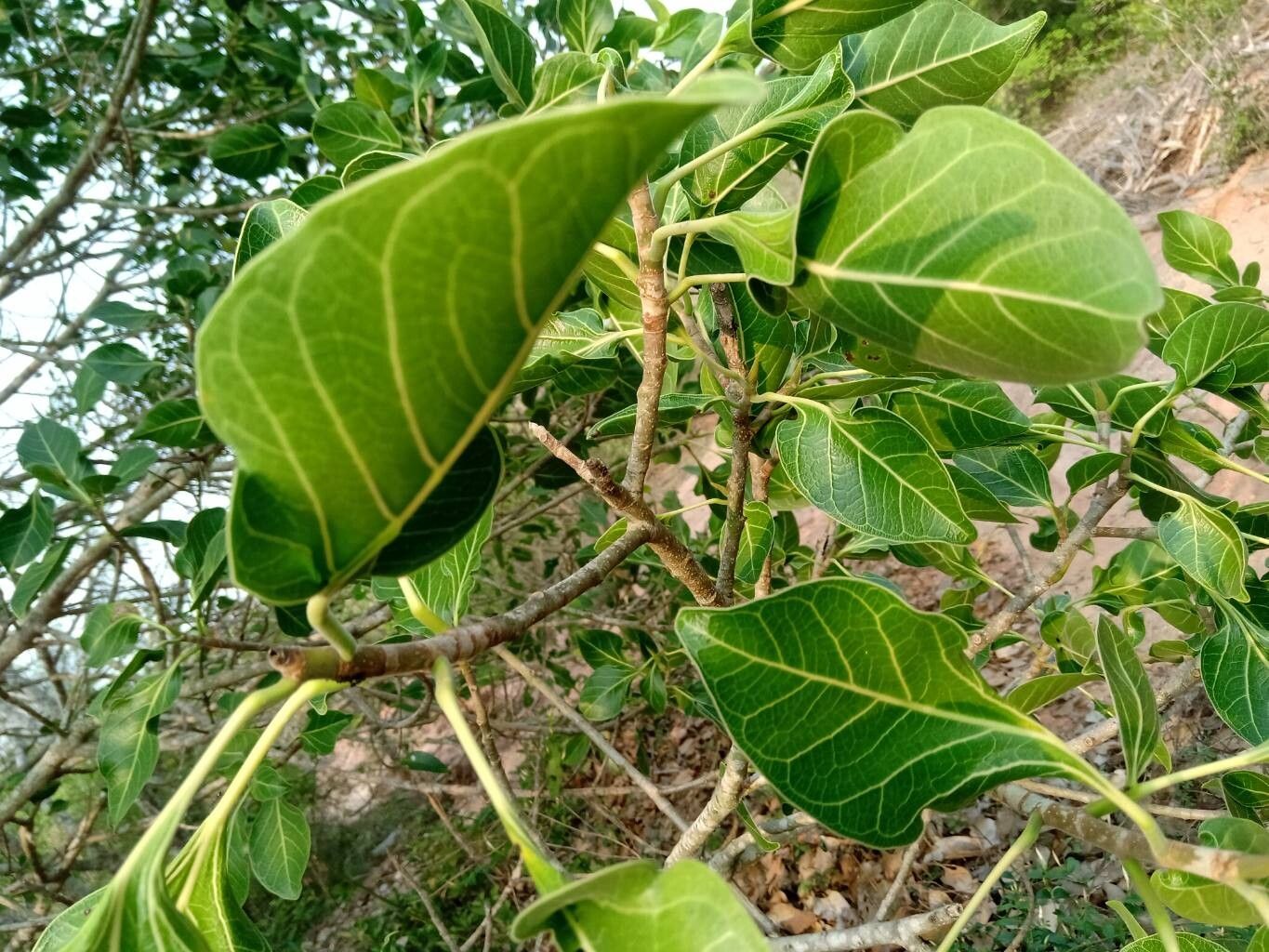
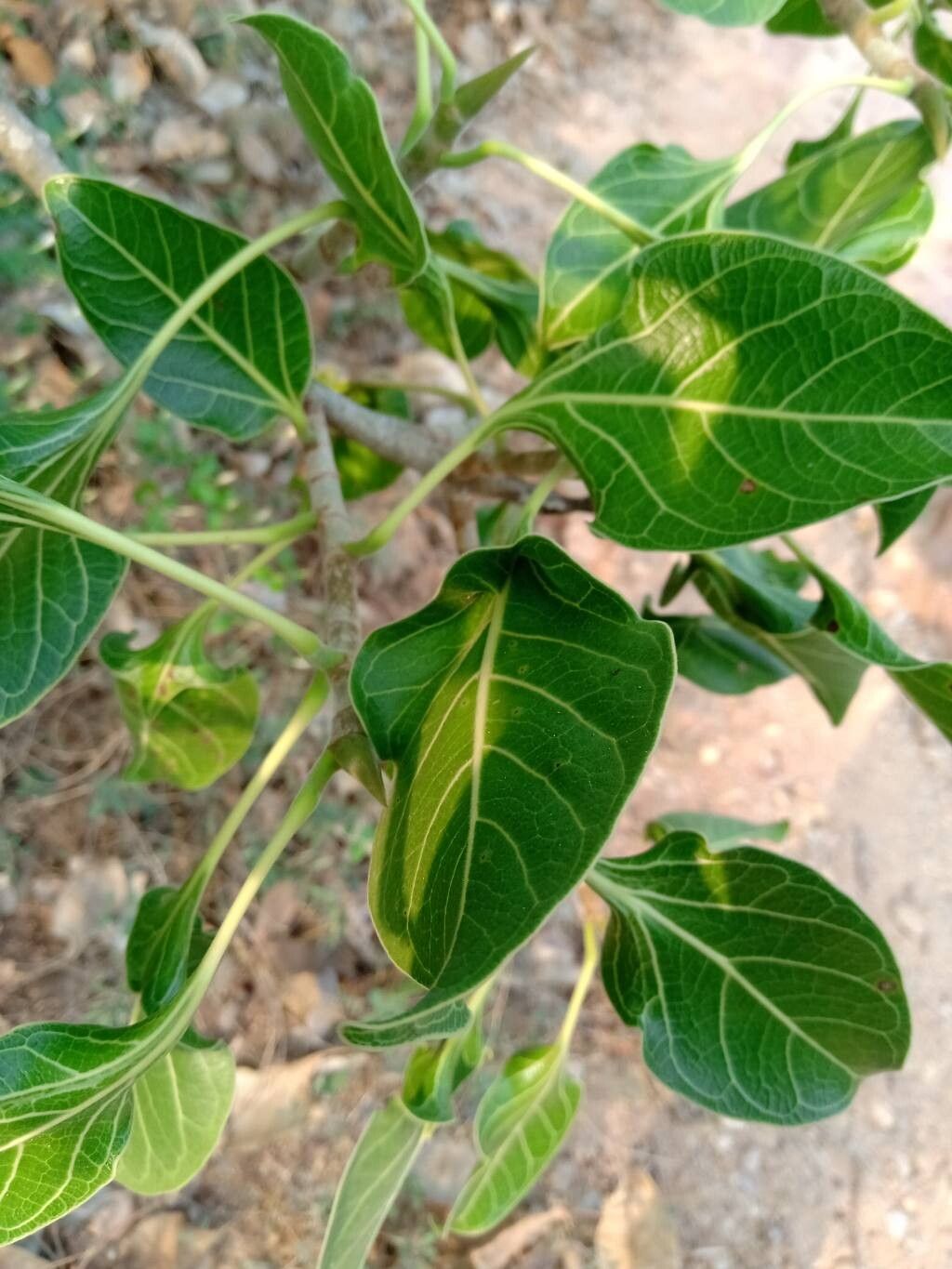
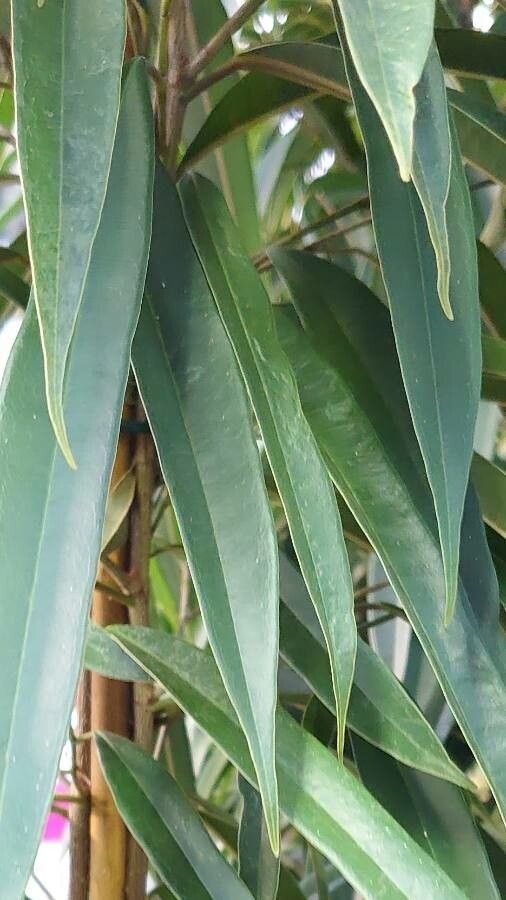
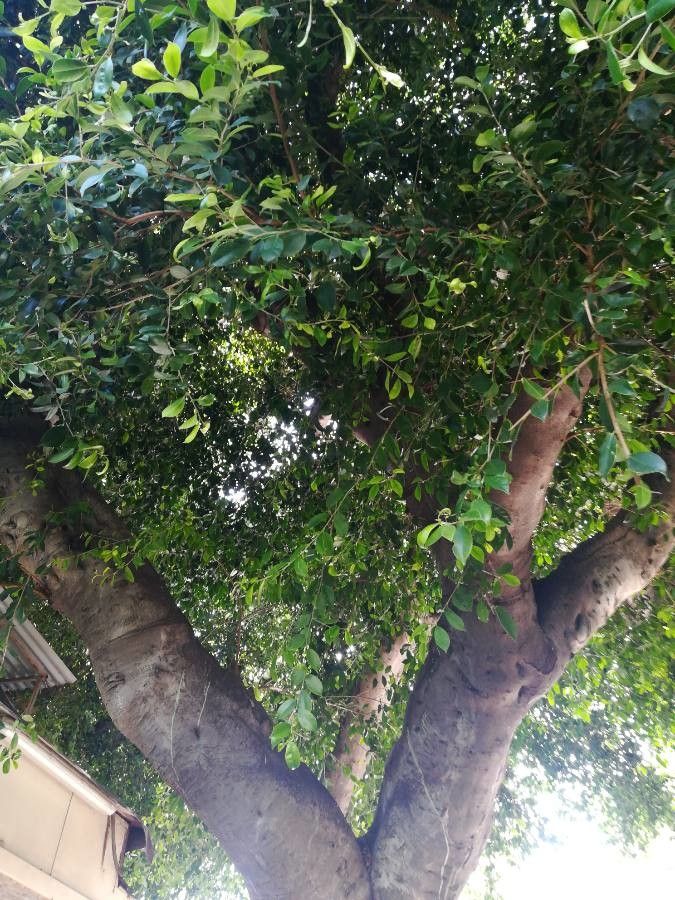
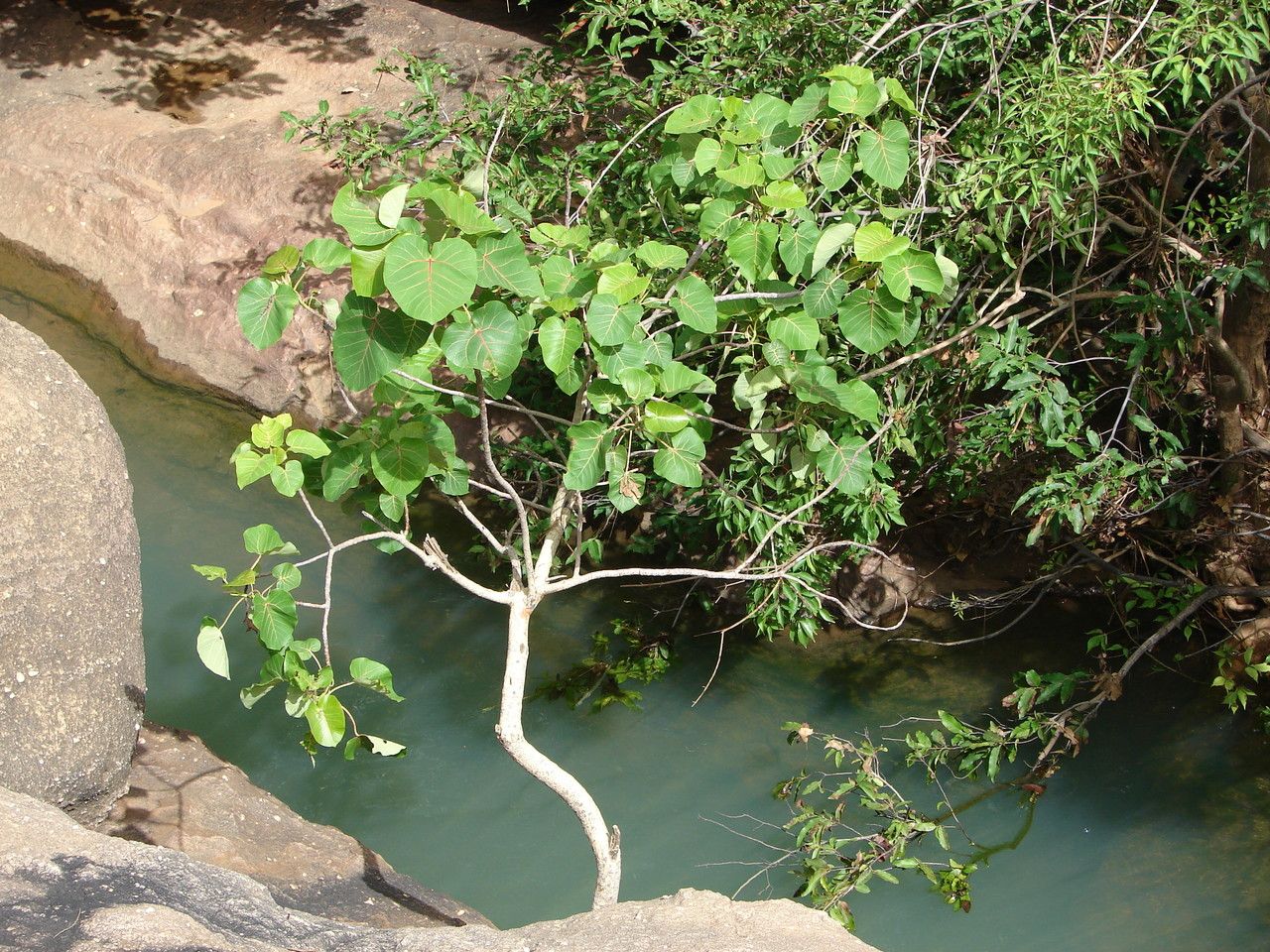
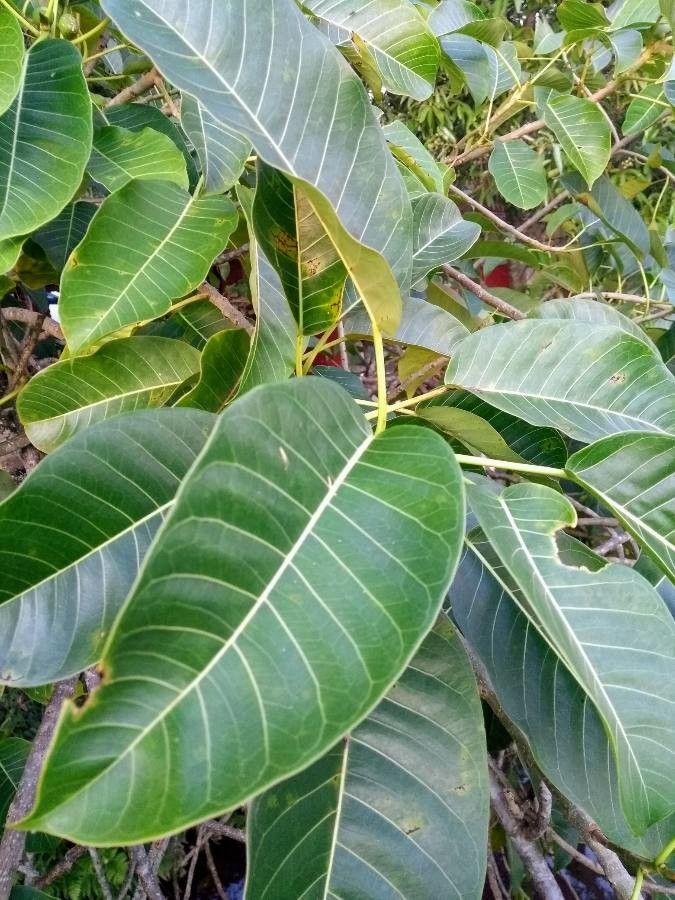
Ficus krishnae, commonly known as Krishna's buttercup or Krishna fig, is a species of fig tree belonging to the family Moraceae. It is closely related to Ficus benghalensis and is often considered a variety of it. This tree is known for its distinctive cup-shaped leaves, which, according to Hindu mythology, were used by Lord Krishna to store butter. It is native to India and has been introduced to Sri Lanka.
Banyan tree has relatively strong resistance to disease and is usually not prone to illnesses. Still, if it is grown in a poor environment it can become more vulnerable to disease. The plant also faces few insect pest problems. Regarding care, this plant has moderate needs. It requires plenty of sunlight, since insufficient light can make it more susceptible to disease and lead to thin growth. As it is often kept indoors, it may need to be moved periodically to a well-lit spot. The plant does not need frequent watering. Overall, Banyan tree is suitable for most people, though it is best for those who can provide it with good light conditions.
How to keep Ficus Krishnae.
Light
The banyan tree prefers intermediate sun exposure, yet it can tolerate a full day of sunlight or a completely shaded day. Originating from environments with fluctuating sunlight, its growth may be affected by excessive or insufficient light, which could potentially result in lagging growth or wilting.
Temperature
The banyan tree typically grows in humid subtropical and tropical regions where temperatures range from 20 to 38 ℃ (68 to 100.4 ℉). It prefers warm conditions and can tolerate some cold, but temperatures below 10 ℃ (50 ℉) may harm the plant. During hot summer months, providing partial shade is recommended to prevent heat stress.
Fertilizer
Banyan tree care is fundamentally dependent on fertilization. Routine nourishment throughout the growth period facilitates energy needs for attractive foliage and promotes general development. If fertilization is overlooked, it could lead to unhealthy foliage, reduced aesthetic value, and growth that is underdeveloped or frail, making it susceptible to snapping.
Pot & Repot
When repotting a Banyan tree, select a pot 1-2 inches (2.5–5.1 cm) larger with ample drainage. Use a well-draining potting mix. Repot in spring or fall, making sure the root ball is slightly lower than the rim of the flower pot. Water thoroughly after repotting and place it in a warm spot with indirect sunlight.
Botanical profile.
- Plant Type
- Tree
- Life Cycle
- Perennial
- Hardiness Zone
- 10-12
- Mature Height
- 20.12 m to 29.87 m
- Mature Spread
- 35.05 m
- Leaf Color
- Green, Blue
- Leaf Type
- Evergreen
- Flower Color
- Yellow
- Flower Size
- 2.54 cm
- Bloom Time
- All year round
- Planting Time
- Spring, Autumn
- Harvest Time
- All year round
- Native Area
- Nepal, India, Malaysia, Indonesia, Vietnam, Myanmar, Bhutan, Bangladesh, Pakistan, Thailand