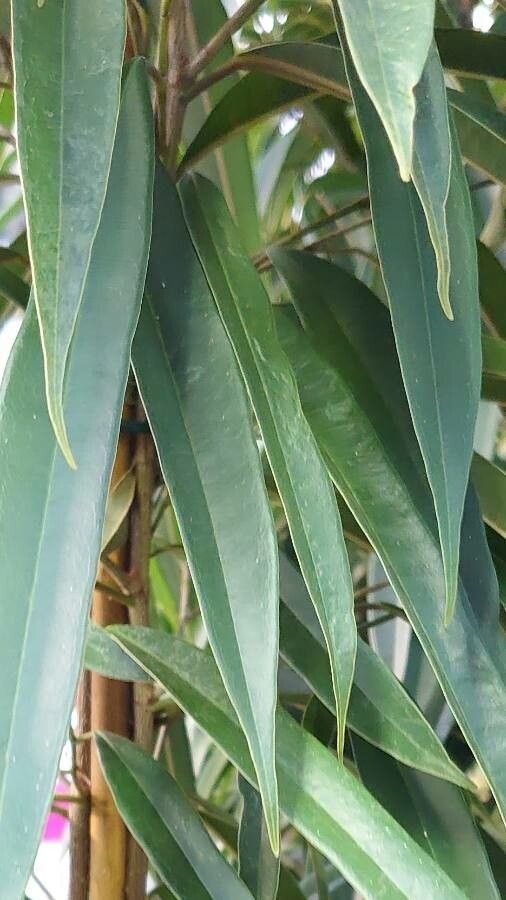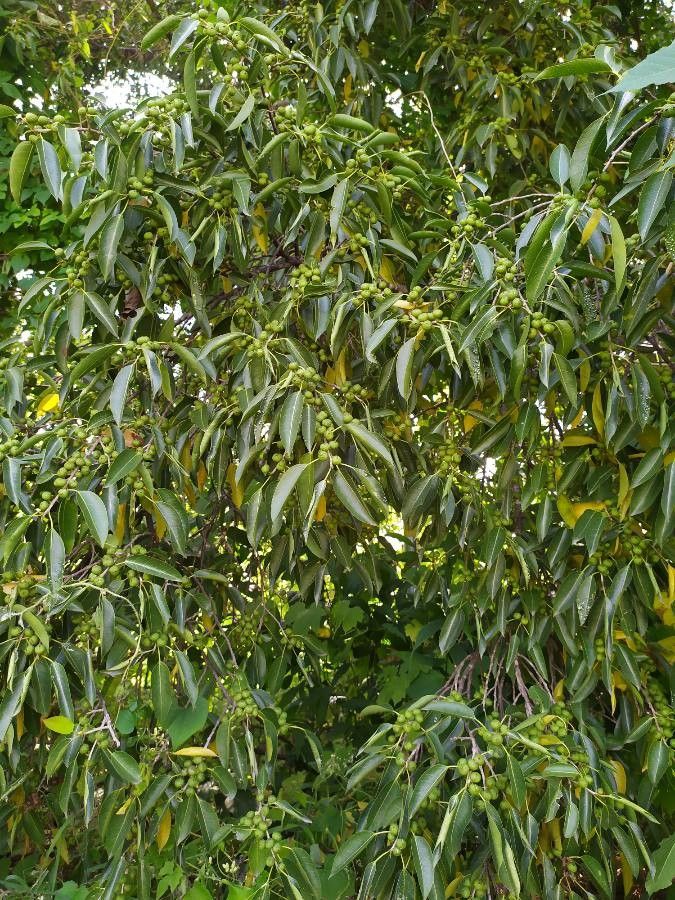
Ficus cotinifolia, the alamo tree, is a species of flowering plant in the family Moraceae, native to seasonally dry tropical areas of Mexico and Central America. It often sends roots down to cenotes and other underground water sources.
nacapul has good resistance to disease and is generally not susceptible to illnesses. Regarding care, this plant is fairly low-maintenance. When grown outdoors it needs minimal watering, and larger plants usually do not require pruning. Smaller plants, however, should be pruned after they have bloomed. nacapult is appropriate for anyone with an outdoor area, such as a garden or deck, and does not require a lot of care experience.
How to keep Ficus Cotinifolia.
Light
nacapul comes from open habitats, such as sunny meadows and forest margins, that provide abundant light. It flourishes in Full Sun but can also tolerate Partial Sun, adapting well to different sunlight conditions.
Water
Ficus cotinifolia requires minimal watering, particularly during drought conditions. For potted Ficus cotinifolia, water the plant when the surface of the soil feels dry—about once a week during warmer months and every two weeks during winter. Increase the watering frequency during the hot summer months, and maintain adequate humidity levels in dry air to support healthy growth.
Temperature
nacapul comes from tropical areas, where the climate is generally warm and humid. Consequently, it is adapted to high temperatures and humidity. It does not tolerate sudden temperature changes and prefers a stable thermal environment, so indoor temperature fluctuations should be avoided. It typically cannot withstand cold and needs warmer conditions to grow. If the ambient temperature falls too low, the plant may stop growing or even die.
Fertilizer
The best time to fertilize a nacapul is in early spring, as it emerges from dormancy. This stimulates general growth and flower development. Fertilizing improves the foliage, stems, and branches, while encouraging flowers that are large, vibrant, and long-lasting. It also helps move nutrients from the roots to the flowers and enhances the plant's health and resistance to disease.
Pruning
Ficus cotinifolia is a hardy tree with shiny leaves that thrives in warm climates. To keep it healthy and attractive, prune it in early spring. This helps remove damaged branches, enhance its shape, and promote new growth. Make sure to thin out crowded areas to improve light and air circulation. Always use clean tools, and try to avoid heavy pruning when the tree is actively growing.