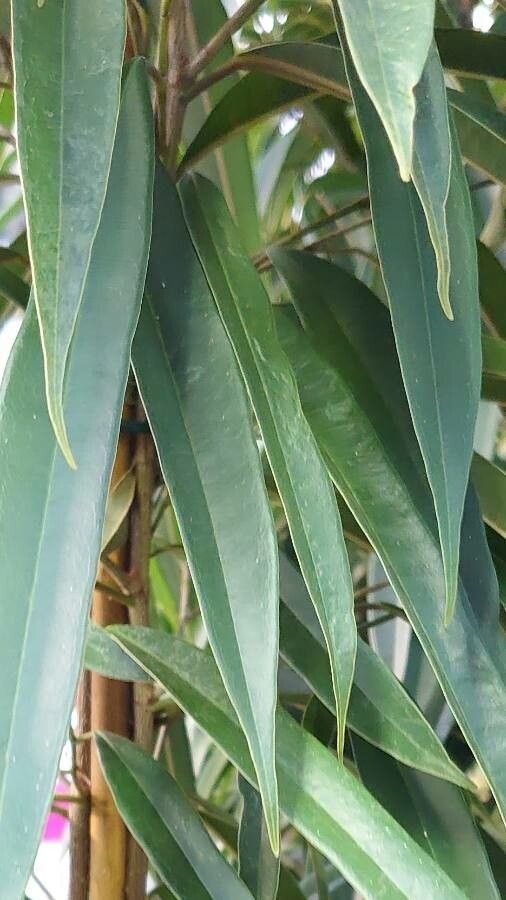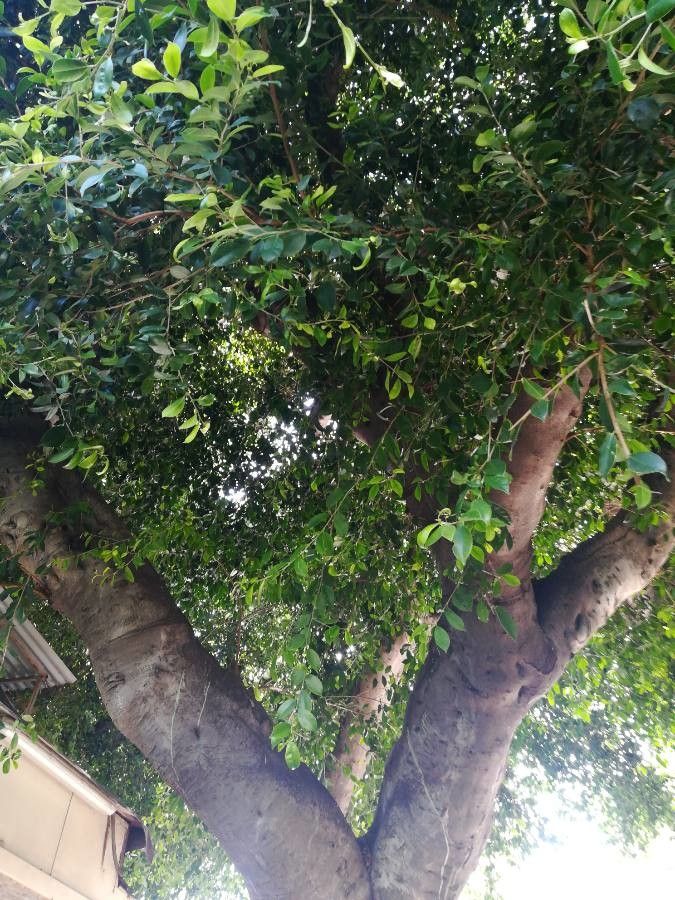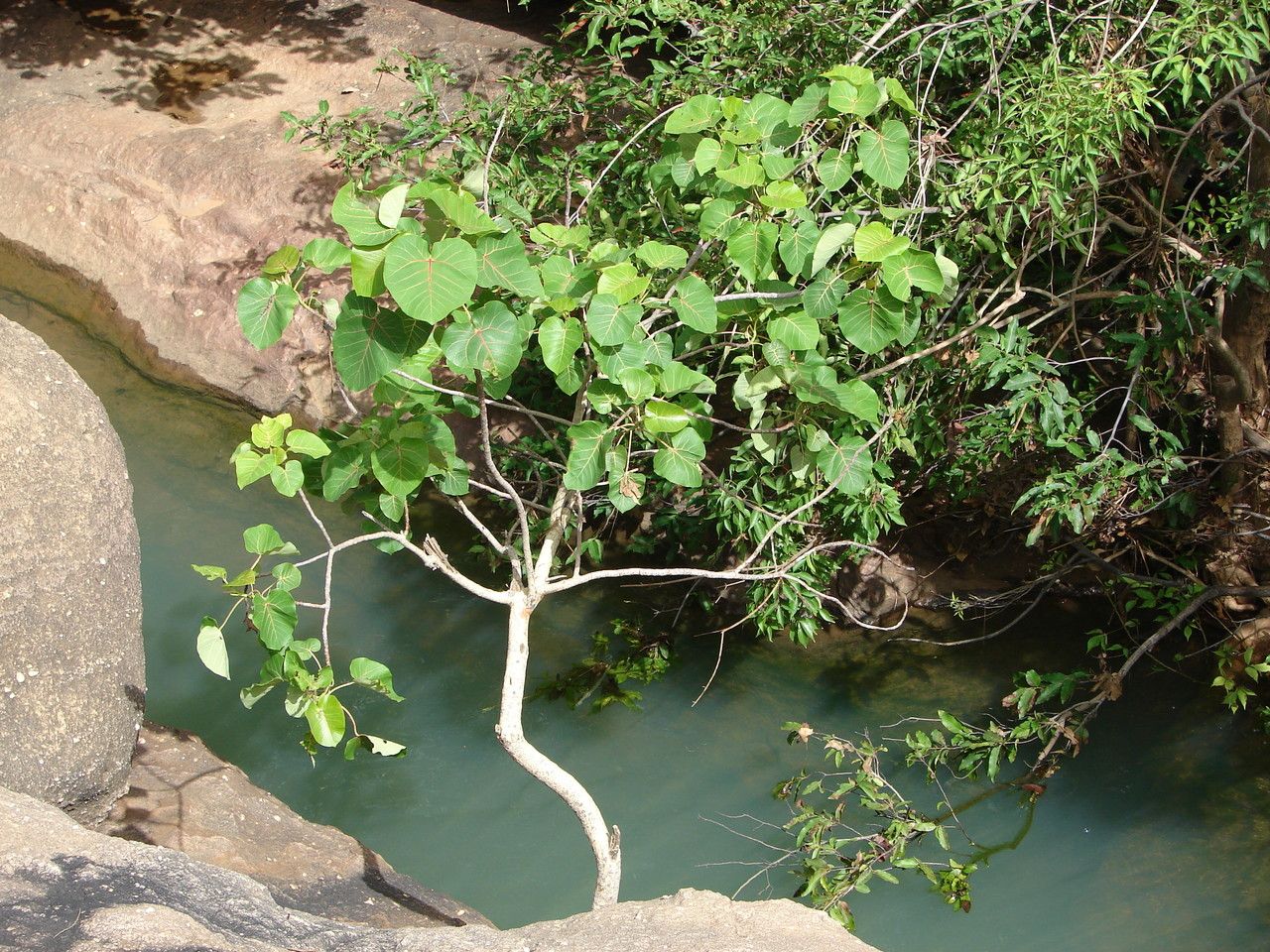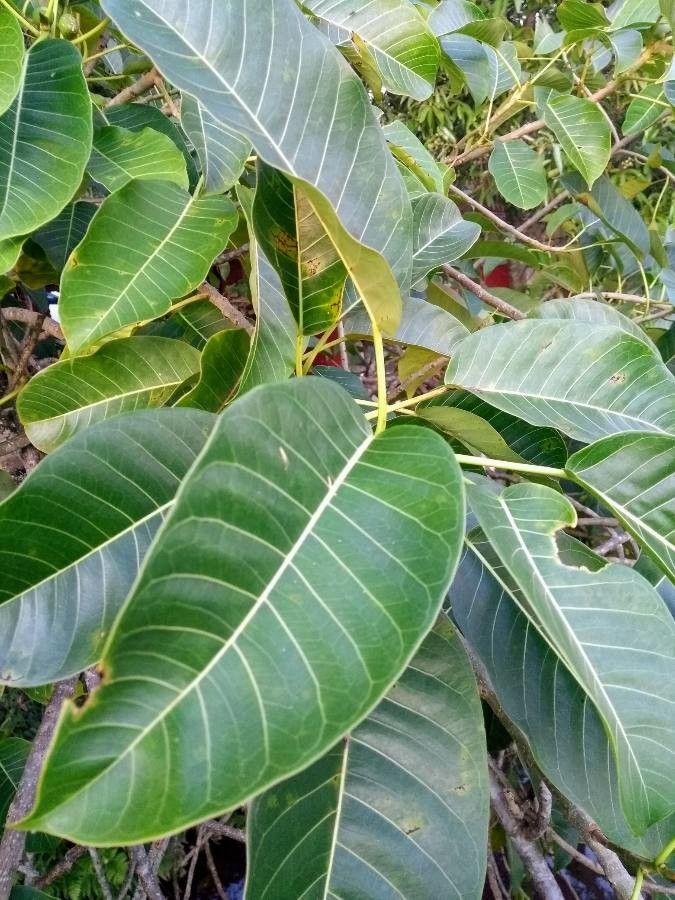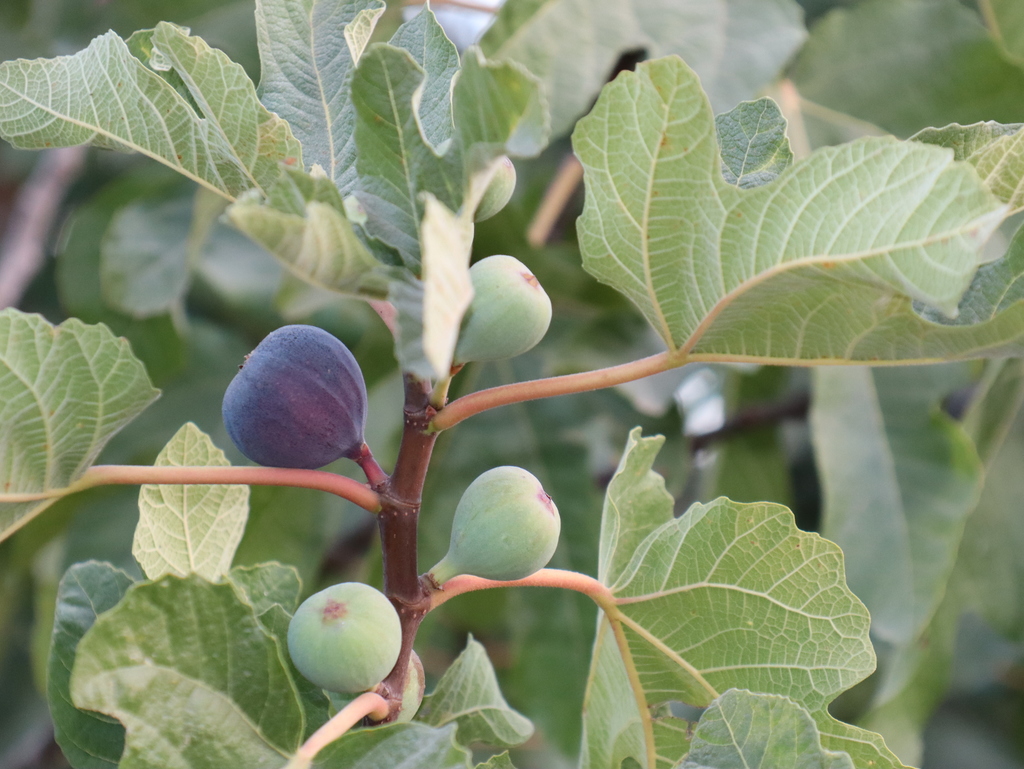
Ficus carica, commonly known as the fig tree, is a deciduous tree belonging to the Moraceae family. Native to the Middle East and Western Asia, it has been widely cultivated across the globe for its edible fruit. The fig tree can reach heights of up to 10 meters and features a spreading canopy adorned with large, lobed green leaves. The fruit of Ficus carica is either pear-shaped or round, with a tough skin that varies in color from green to purple. Inside, the fruit contains numerous small seeds embedded in sweet flesh, which can range in color from pinkish-white to deep red. The fig tree thrives in warm climates with well-drained soil and ample sunlight. It is often grown not only for its ornamental appeal but also for its delicious fruits, which are enjoyed fresh or dried in various culinary dishes. Beyond its role as a food source, Ficus carica holds medicinal properties. Traditionally, its leaves have been used for their anti-inflammatory benefits, while extracts from its bark have shown anti-diabetic effects. In summary, Ficus carica is a significant plant species both culturally and economically, thanks to its culinary applications and medicinal advantages.
Common fig displays a high level of disease resistance and is generally not susceptible to many illnesses. Still, when grown in a poor environment it can become more vulnerable to disease. It also encounters relatively few insect pests. Regarding care, it has moderate needs. Adequate sunlight is important, since insufficient light can make it more disease-prone and cause spindly growth. Because it is frequently kept indoors, it may need to be relocated regularly to a brighter spot. It does not need to be watered often. Overall, Common fig is appropriate for most people, though it is best for those able to provide strong light conditions.
How to keep Ficus Carica.
Light
The common fig prospers in locations that receive steady, plentiful sunlight throughout the day. Its native environment, which featured similar conditions, shaped this preference. Still, it can adjust reasonably well to places with somewhat less sun. Too much or too little sunlight disrupts its growth and reduces its vigor.
Water
The common fig thrives in warm, dry climates and is moderately tolerant of drought. It should be watered every 1-2 weeks, allowing the soil to dry out between waterings. Ensuring proper hydration during the growing season is essential for maximizing both the quality and quantity of fruit yield.
Humidity
This plant will thrive in moderate humidity, which is probably the level in your home. However, misting it a few times a week can be very beneficial. Make sure the room has good ventilation.
Temperature
The common fig originates in the Middle East, where it flourishes in warm, dry climates. It prefers temperatures of 41 to 100 ℉ (5 to 38 ℃) and, if given protection, can tolerate lows as low as 15 ℉ (-9 ℃). In the summer, it can benefit from afternoon shade to prevent leaf scorch.
Fertilizer
The common fig plant needs adequate nutrients to produce fruit at its best. Fertilize in early spring to encourage new growth and flower development. Regular feeding keeps the plant healthy, yields tastier fruit, and prevents nutrient-deficiency problems like yellowing leaves and poor fruit set.
Pruning
The common fig benefits greatly from strategic pruning, ideally carried out in early to late winter while the tree is dormant. Focus on removing weak branches, thinning the canopy to improve air circulation, and achieving a balanced shape. This approach enhances fruit production and reduces the risk of disease. For specific pruning techniques, it's a good idea to consult horticultural sources.
Pot & Repot
When repotting Common fig, choose a pot 1-2 inches (2.5–5.1 cm) larger with ample drainage. Use a well-draining potting mix. Repot in spring or fall, ensuring that the root ball is positioned slightly lower than the rim of the flower pot. Water thoroughly after repotting and place it in a warm spot with indirect sunlight.
Botanical profile.
- Plant Type
- Shrub, Tree
- Life Cycle
- Perennial
- Genus
- Ficus
- Family
- Moraceae
- Hardiness Zone
- 5-12
- Mature Height
- 3.05 m to 10.06 m
- Mature Spread
- 3.05 m
- Leaf Color
- Green
- Leaf Type
- Deciduous
- Flower Color
- Green, Yellow
- Flower Size
- 2.54 cm
- Bloom Time
- Late spring, Early summer, Mid summer
- Planting Time
- Spring, Autumn
- Harvest Time
- Mid summer, Late summer, Early fall
- Native Area
- Tajikistan, Turkey, Tunisia, Cyprus, Pakistan, Greece, Morocco, China, Lebanon, Afghanistan, Iraq, Syria, Jordan, Italy, Israel, Iran, Azerbaijan, Algeria, Turkmenistan, France
Other names.
Reader questions.
When Should I Water My Common Fig?
To ensure the health and development of your common fig (Ficus carica), it's crucial to water it properly, which means recognizing when it needs water. Dryness of the soil, indicated by the top 1 to 2 inches feeling dry, is a clear sign that your common fig needs water. Additionally, look out for signs in the leaves, such as wilting, drooping, or yellowing, as these suggest the plant is under-watered. Pay close attention during the fruit development stage, as adequate watering is essential for fruit sizing. Warmer temperatures and increased sunlight exposure also elevate the plant’s water needs. Be aware of the risks of both over-watering, which can cause root rot, and under-watering, which can stress the plant and lead to stunted growth or even death. Regular monitoring of soil moisture, leaf condition, and environmental factors will help ensure your common fig is watered optimally.
Why should I put fertilizer on my Common fig?
Regular fertilization is important for the growth and health of plants, particularly fast-growing types like the Common fig. This is because plants use up nutrients from the soil as they grow. By providing the Common fig with extra nutrients through fertilization, not only will it stay healthy, but it will also produce more delicious fruit. If plants are not fertilized regularly, they can experience various problems. One common issue is nutrient deficiency, which can result in yellow leaves, reddish coloration, deformed shapes, withered tips, or dieback of large parts of the plant. Bark disorders, slow growth, poor shoot development, and reduced fruit production are also potential consequences of nutrient deficiency.
What are the sunlight requirements for a common fig?
The common fig (Ficus carica) thrives in full sun, requiring above 6 hours of sunlight daily to flourish. It can also adapt to partial sun conditions, which means about 3-6 hours of sunlight. However, it's essential to monitor the sunlight movement through your garden to find spots that offer the ideal balance of light and shade, ensuring the plants' health and happiness.
Where is the common fig native to and what climate does it prefer?
The common fig, known botanically as Ficus carica, is native to the Middle East and thrives best in a warm and dry climate. It favors temperatures ranging from 41 to 100 °F (5 to 38 °C) and can withstand low temperatures down to 15 °F (-9 °C) with appropriate protection. During the summer, the common fig appreciates afternoon shade to prevent leaf scorch, indicating its strong resistance to cold. Special frost protection measures are often unnecessary, although precautions should be taken if winter temperatures are expected to fall below -25°C, such as wrapping the trunk and branches in non-woven fabric or cloth. Additionally, it's advised to water the plant abundantly before the first freeze of autumn to keep the soil moist, helping the plant through winter and early spring.
How Should I Water My Common Fig?
Watering your common fig appropriately involves understanding its needs and avoiding over-watering or under-watering. Due to its Mediterranean origin, the common fig prefers sporadic rainfall conditions and can be prone to root rot if over-watered. A bottom-watering technique can be effective, where the plant draws up moisture from a dish of water. This helps avoid over-saturating the soil's surface. Utilizing a moisture meter and a watering can with a long, narrow spout helps in providing just the right amount of water directly to the base of the plant without wetting the foliage. Be cautious to avoid saturating the soil to prevent root rot, focusing water application at the plant base and ensuring good drainage.
When should I fertilize my Common fig tree?
Fertilizing the Common fig in early spring, before the buds emerge, is the best time. During this period, the plant uses the stored reserves to grow. To support the development of blooms, it is recommended to fertilize about 2 to 4 weeks before the expected blooming time. This allows enough time for the nutrients to soak into the soil and be absorbed by the plant. It's possible to continue feeding the Common fig throughout spring, but it's not advisable to fertilize in the autumn. Doing so can cause excessive foliage growth late in the season, making the leaves susceptible to damage in winter.
How does the original habitat of common fig influence its sunlight preference?
The common fig's preference for continuous, ample sunlight throughout the day is heavily influenced by its original habitat, which presented similar conditions. This adaptation enables the fig to thrive optimally in areas with abundant sunlight. However, it can still adjust to somewhat less sunny locations, although too much or too little sun can affect its growth and diminish its vitality.
How does low temperature affect the common fig and what are the solutions?
The common fig is quite cold-tolerant, flourishing when temperatures remain above 5°C. Nevertheless, during winter, it's crucial for the temperature to stay above -20°C. If temperatures plummet below -25°C, there might not be visible changes during winter, but come spring, the branches may turn brittle and dry, with no new shoots emerging. The solution to this problem is relatively straightforward: prune away any dead branches that fail to produce new leaves in the spring. This method helps in stimulating new growth and maintaining the health of the plant.
How Much Water Does Common Fig Really Need?
The common fig, adapted to warm and dry climates, prefers a watering regime that mimics its natural habitat. This involves allowing the top 2-3 inches of soil to dry out before watering again. The exact amount of water needed depends on factors like pot size and plant size, but it's crucial to avoid over-watering to prevent root rot. Signs of adequate hydration include healthy, green, glossy leaves and slightly moist soil. Conversely, yellowing leaves and wilting can indicate over-watering or under-watering. To avoid root rot and promote healthy growth, ensure good drainage and allow the soil to dry between waterings. Adding organic mulch can also help maintain soil moisture levels optimally.
When is it not a good idea to fertilize my Common fig?
Here are some tips to follow when fertilizing Common fig trees. 1. In the first year of growth, avoid fertilizing altogether. If it's not necessary, be cautious about providing fertilizer. 2. If you pruned 20% or more of the plant the previous year, refrain from fertilizing. 3. Avoid fertilizing diseased or damaged plants, as it can do more harm than good. Instead, address the root cause of the issue. 4. After the peak of summer, don't fertilize as it can cause excessive growth before winter. 5. During hot and dry times of the year, refrain from fertilizing as dry soil is less effective in delivering fertilizer to the plant. Additionally, stimulating growth at this time may require more water that might not be available. 6. It's best to fertilize earlier in the season when temperatures are cooler. 7. Be cautious about inadvertently giving nearby plants or lawns a double-dose of fertilizer, as Common fig trees can absorb it.
What is the role of artificial lighting for common figs grown indoors?
For indoor common fig plants, adequate lighting is crucial, especially when natural sunlight is insufficient, like during winter or in less sunny spaces. Artificial lights, such as LEDs, provide a vital solution by offering the specific wavelengths needed for optimal growth. The general guideline recommends 30-50W/sq ft for full sun plants, 20-30W/sq ft for partial sun plants, and 10-20W/sq ft for full shade plants. It's important to place the light source 12-36 inches above the plant and mimic natural daylight hours, typically ensuring 8-12 hours of light per day.
What happens to the common fig at high temperatures and how can these issues be addressed?
In the summer, the common fig should ideally be kept below 38°C to ensure optimal growth. Exceeding 43°C, however, can lead to lighter-colored leaves, with the tips becoming dry and withered, making the plant more prone to sunburn. To mitigate these issues, trim away the affected sunburned and dried parts to encourage healthy new growth. Moving the plant to a shaded area during the peak sun hours of the day or using a shade cloth can also protect it from direct sunlight. Regular watering in the morning and evening is crucial to keep the soil moist and support the plant's well-being despite the high temperatures.