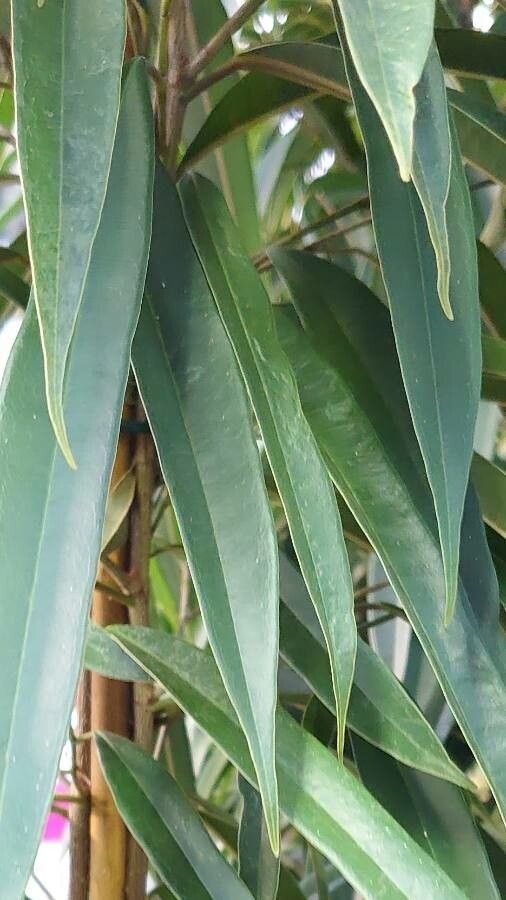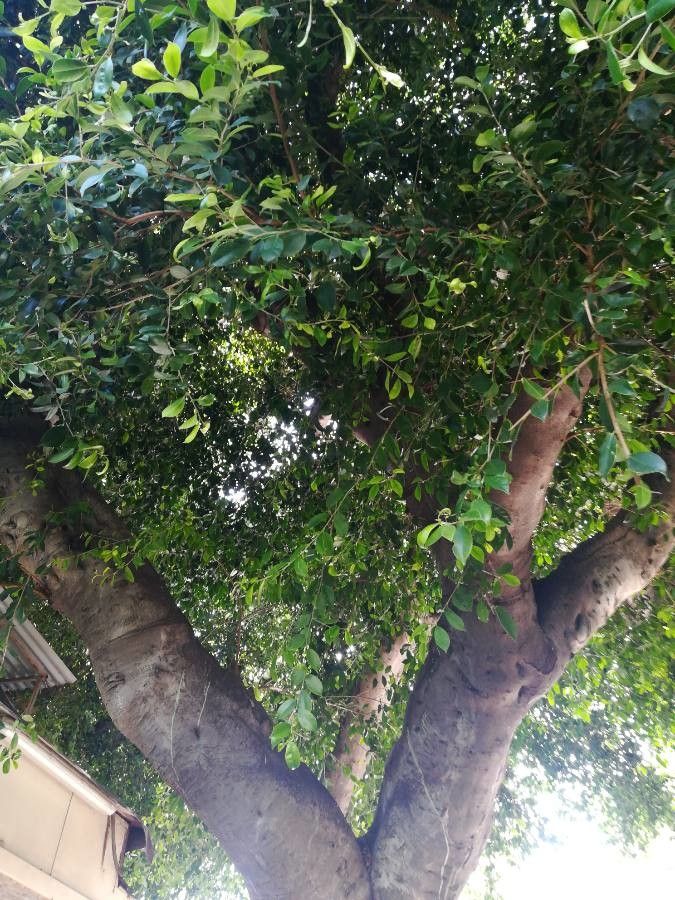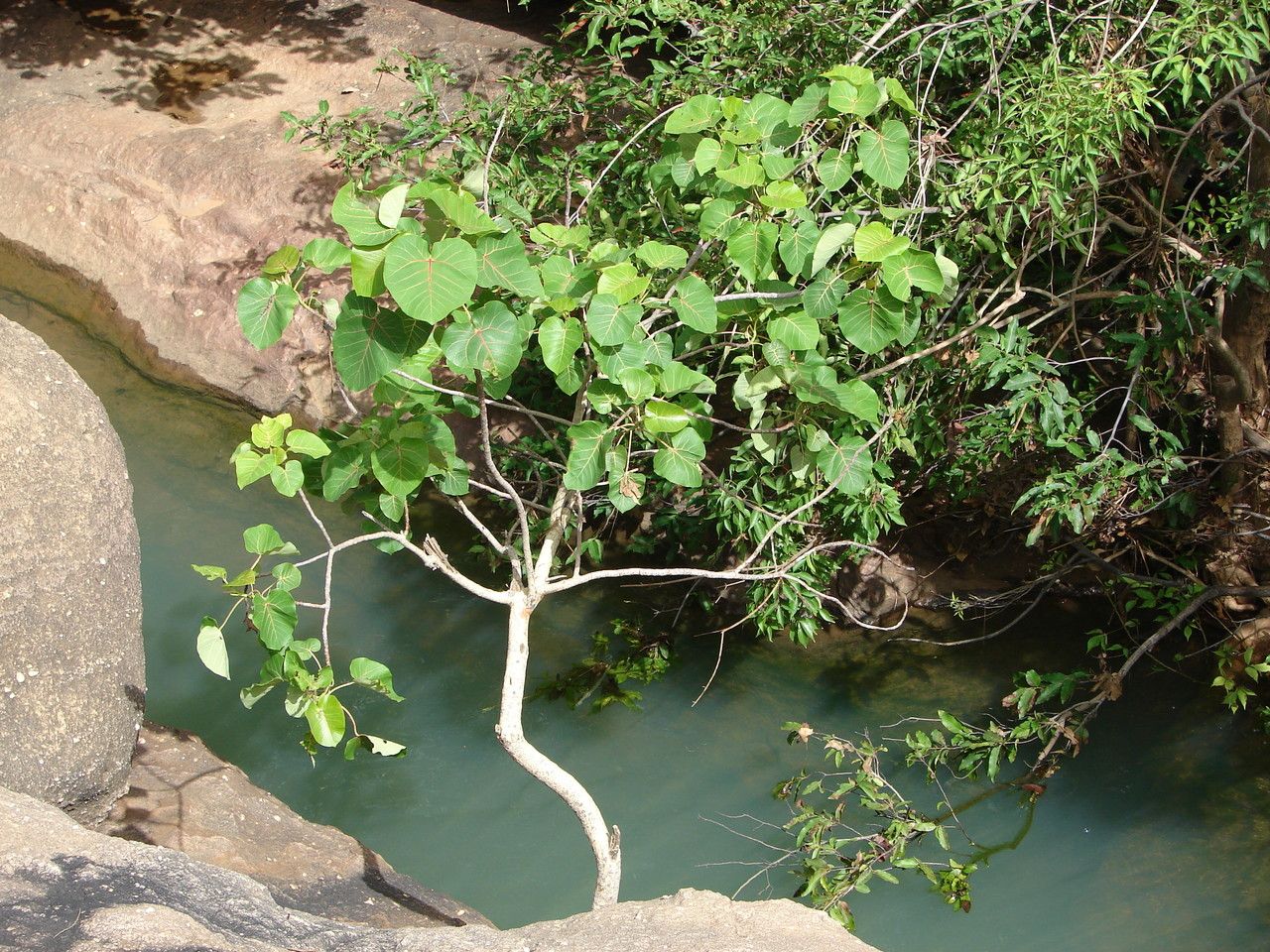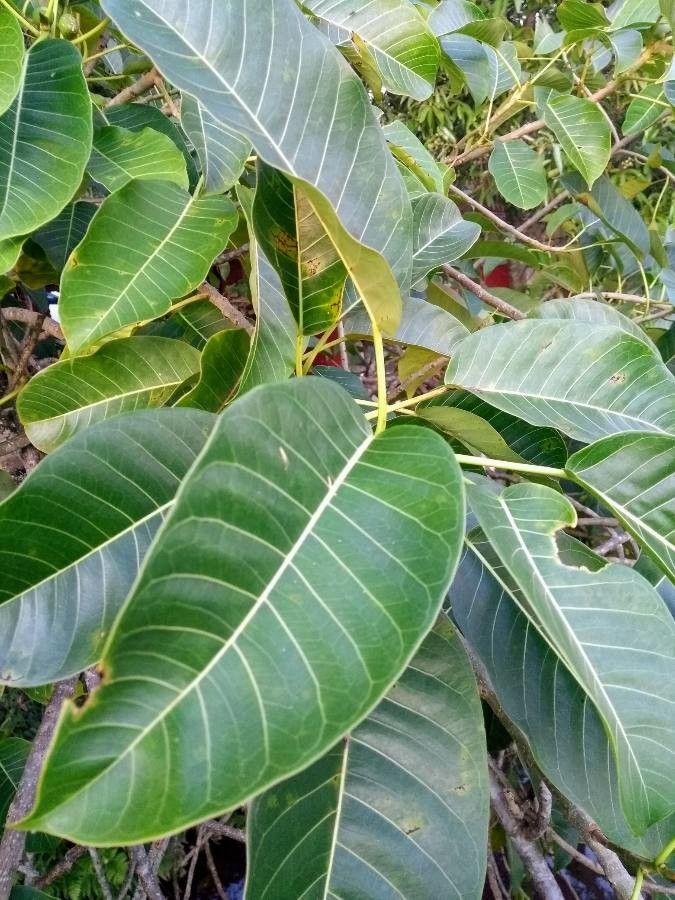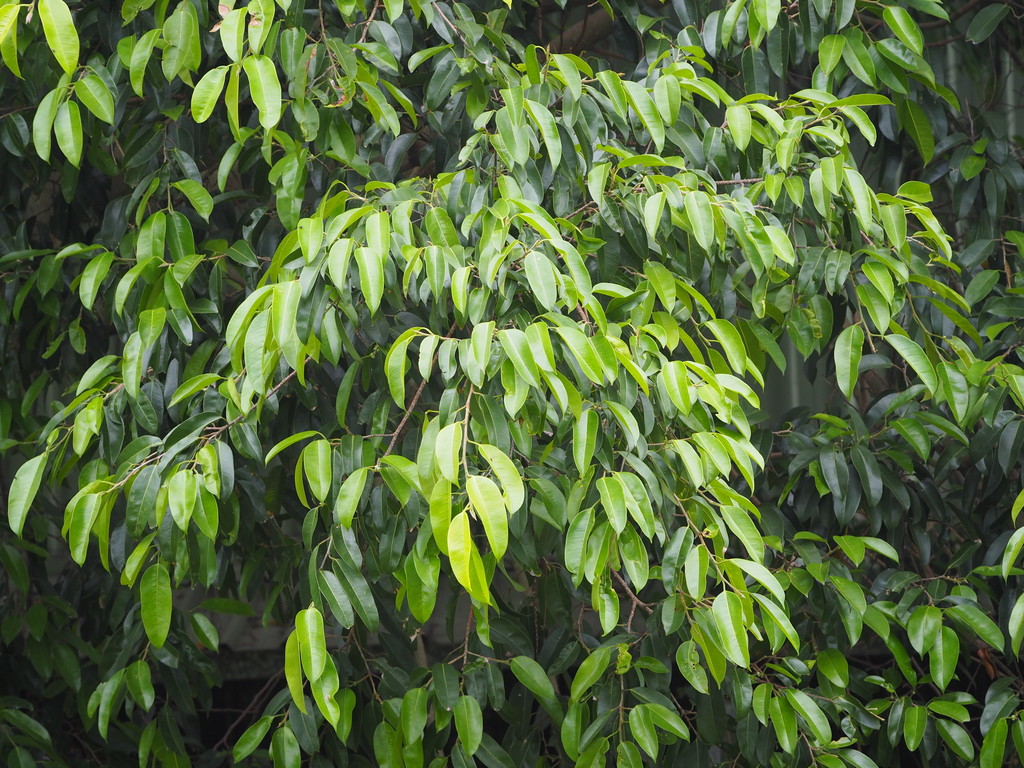
Ficus benjamina, commonly known as the weeping fig, is a popular indoor plant belonging to the family Moraceae. Native to Southeast Asia and Australia, it can reach up to 30 meters in height in its natural habitat. The plant features glossy green, oval-shaped leaves with pointed tips, arranged alternately on the stem, creating a symmetrical appearance.
The weeping fig is a low-maintenance plant that thrives in various lighting conditions, though it prefers bright, indirect light. It requires moderate watering and should be allowed to dry out slightly between waterings.
Ficus benjamina possesses air-purifying properties, effectively removing toxins such as formaldehyde, benzene, and trichloroethylene from indoor air. Additionally, it contributes to reducing stress levels by creating a calming atmosphere.
Propagation of Ficus benjamina can be achieved through stem cuttings or air layering methods. Occasional pruning is necessary to maintain the plant's shape and size.
Overall, Ficus benjamina is an attractive indoor plant that offers numerous benefits for both physical health and mental well-being, making it a great addition to homes and office spaces.
The weeping fig is the official tree of Bangkok, known for its branches that arch downwards like those of a willow. In some cases, these branches and stems grow so far downward that they touch the aerial roots. The name "fig" comes from the genus name "Ficus," which means fig tree. This is why it is called the weeping fig.
Weeping fig has a fairly high level of disease resistance and is generally not susceptible to many illnesses. However, if it is grown in a poor environment, it can become more prone to disease. The plant also faces few insect pests. Regarding care, its needs are moderate. It should receive ample sunlight, since insufficient light can make it more vulnerable to disease and cause sparse growth. Because it is commonly kept indoors, it may need to be relocated to a brighter spot on a regular basis. It does not need frequent watering. In summary, Weeping fig is appropriate for most people, though it is best for those who can provide strong light conditions.
How to keep Ficus Benjamina.
Light
The weeping fig prefers a spot that gets light for part of the day but also benefits from occasional shade. While it can tolerate constant light or persistent shade, either extreme can affect its health, appearing as leaf burn from too much light or stunted growth from too little. Originating from habitats with fluctuating light levels, a balanced exposure is important for optimal growth.
Water
The weeping fig thrives in high humidity and with consistent soil moisture, making it ideal to water it every 1–2 weeks. Occasionally mist the plant to replicate its tropical habitat, which helps maintain its lush foliage. While it is mainly an indoor plant, it can tolerate moderate drought and adapt to slightly drier conditions.
Humidity
This plant needs special care because it loves high humidity levels of 60-80% or more. The best way to achieve this is by placing a humidifier near the plant. Daily misting is also essential! Make sure the room has good ventilation.
Temperature
The weeping fig thrives at temperatures from 68 to 100°F (20 to 38°C), matching the tropical and subtropical conditions of its native habitat. It can endure small temperature variations, but sudden shifts may cause leaves to drop. In winter, avoid placing it near cold drafts or exposing it to temperatures below 50°F (10°C).
Fertilizer
Fertilizing is essential for caring for a Weeping fig. Consistent feeding throughout the growing season helps maintain vigor for its showy leaves and encourages overall growth. Failing to fertilize can lead to unhealthy foliage, reduced ornamental value, and stunted or weak growth that is more likely to break.
Pruning
The weeping fig is known for its lush, arching branches and glossy leaves. To encourage healthier growth, minimize pests, and improve its shape, it is best to prune the plant regularly from early to late winter. Make sure to use clean, sharp tools to prevent disease, and refer to reliable guides for the best pruning practices.
Pot & Repot
When repotting a Weeping fig, select a pot 1–2 inches (2.5–5.1 cm) larger that provides good drainage. Use a well-draining potting mix. Repot in spring or fall, making sure the root ball sits slightly below the rim of the flower pot. Water thoroughly after repotting and keep it in a warm spot with indirect sunlight.
Botanical profile.
- Plant Type
- Tree
- Life Cycle
- Perennial
- Genus
- Ficus
- Family
- Moraceae
- Hardiness Zone
- 9-11
- Mature Height
- 7.01 m to 29.87 m
- Mature Spread
- 1.52 m
- Leaf Color
- Green
- Leaf Type
- Evergreen
- Flower Color
- Green, Purple, Red, Orange, Black
- Flower Size
- 2.54 cm
- Bloom Time
- Mid summer
- Planting Time
- Spring, Summer, Autumn, Winter
- Harvest Time
- Mid summer, Late summer
- Native Area
- Nepal, Solomon Islands, India, Malaysia, Indonesia, Cambodia, Vietnam, Myanmar, Philippines, Bhutan, Bangladesh, Laos, Thailand, China
Other names.
Reader questions.
When Should I Water My Weeping Fig?
Timely watering of the weeping fig, scientifically known as Ficus benjamina, is pivotal for its health, aiding in nutrient uptake and photosynthesis, while guarding against diseases. Assess the soil's dryness, ideally watering when the top 1-2 inches feel dry, and observe the plant's foliage for signs of necessary hydration, such as darkening of leaves, wilting, or excessive leaf drop. Too early or late watering risks root rot or dehydration, respectively. Optimal watering time is late morning or early afternoon, promoting deep soil absorption and nutrient uptake.
Why do I have to give my Weeping fig plant fertilizer?
The Weeping fig needs regular fertilization primarily because its showy leaves require a lot of energy to grow and stay healthy. This is challenging because the plant not only needs energy for its leaves, but also for its stems, branches, roots, and other important structures. If you neglect fertilization, two things are likely to happen. First, the leaves will lose their natural color and texture, making the plant look unhealthy and less attractive. Second, the overall growth of the Weeping fig may slow down, and the new growth could be weak and easily prone to breaking.
What are the sunlight requirements for plants?
Plants have varying sunlight needs categorized mainly as partial sun, requiring about 3-6 hours of sunlight, and full sun or full shade, needing above 6 hours of sunlight. It is crucial to observe the sunlight movement in your garden to ensure plants receive the right balance of light and shade, enhancing their growth and health.
What is the preferred temperature range for a weeping fig?
The weeping fig, or Ficus benjamina, thrives in temperatures ranging from 68 to 100°F (20 to 38°C), reflecting its native habitat in tropical and subtropical regions. It can handle minor temperature fluctuations but reacts poorly to sudden changes by dropping leaves. In winter, the weeping fig should not be exposed to cold drafts or temperatures below 50°F (10°C). The plant loves heat, and cold temperatures are harmful. It's advised to move outdoor weeping figs indoors in autumn, placing them near a bright window but away from heaters, ensuring the temperature remains above the minimum suitable growth temperature to prevent damage.
How Should I Water My Weeping Fig?
Watering your weeping fig, or Ficus benjamina, with suitable methods and awareness can significantly benefit plant health. Bottom-watering is highly effective, allowing roots to absorb moisture adequately without over-saturating the surface, thus minimizing fungal disease risks. When using a watering can, opt for one with a narrow spout to direct water to the soil's base, away from foliage, offering targeted hydration at the root level without excessive moisture on leaves.
When should I fertilize my Weeping fig tree?
Weeping fig plants should be occasionally fed, so there's no need for a specific feeding schedule when you first plant them. One simple way to fertilize your Weeping fig is to apply fertilizer while watering the plant every now and then. During the growing season, your Weeping fig will require a good amount of water. You can feed the plant once every two to three weeks, consistently providing it with nourishment as it continues to grow.
What are the essential light conditions for weeping figs?
Weeping figs thrive in environments that provide light exposure for part of the day but also benefit from occasional shade. While they can survive in constant light or continuous shade, such conditions might affect their health, manifesting as leaf burn from too much exposure or stunted growth due to insufficient light. Achieving a balance, reminiscent of their natural habitat where light levels fluctuate, is essential for their optimum growth.
How does low temperature affect weeping figs, and what are the solutions?
Weeping figs are sensitive to cold and thrive in warm conditions, preferably above the minimum suitable growth temperature. If temperatures drop below the minimum tolerable growth temperature during winter, the leaves may lighten in color. Frost can turn leaves brown or black, causing wilting and drooping. To mitigate frost damage, remove the damaged parts of the plant and move it to a warm indoor spot. Positioning the plant near a south-facing window ensures it gets enough sunlight while avoiding locations near heaters or air conditioning vents to prevent air dryness.
How Much Water Does Weeping Fig Really Need?
The weeping fig's water needs depend on factors like pot size, root depth, and plant age. Ensuring the right amount involves well-draining soil and pots with drainage holes. Typically, a large, mature plant requires about 2 to 3 liters per watering session, adjusted for younger, smaller plants. Consistent soil moisture without waterlogging is crucial for plant health, with conditions such as lush leaves and sturdy stems indicating proper hydration. Over or under-watering can lead to yellowing leaves, mold growth, or wilting, so monitoring soil moisture and adjusting watering accordingly is essential.
When is it better not to fertilize my Weeping fig plant?
For most of the year, you can fertilize your Weeping fig on a regular schedule. This includes the active growing season of spring, summer, and early fall. However, during winter, it is important to refrain from fertilizing the plant. In the winter, the Weeping fig enters a dormant growth phase, leading to little or no new growth. Since the plant is using less energy during this time, fertilization is not necessary.
How can artificial lighting benefit indoor plants?
Indoor plants require sufficient lighting for robust growth, especially when natural sunlight is lacking, such as in winter or in less sunny locations. Artificial lighting, like LED lights tailored to provide specific light wavelengths, is an excellent solution. For optimal growth, full sun plants need 30-50W/sq ft, partial sun plants 20-30W/sq ft, and full shade plants 10-20W/sq ft of artificial light. The light source should be positioned 12-36 inches above the plant to simulate natural sunlight, ensuring plants receive 8-12 hours of light daily.
How do high temperatures affect weeping figs, and what solutions can mitigate these effects?
During the summer, it's important to keep weeping figs below the maximum suitable growth temperature to avoid stress. Exceeding the maximum tolerable growth temperature can cause the leaves to lighten and increase the risk of sunburn. To address issues caused by too much heat, trim away sunburned and dry parts, and relocate the plant to a shaded area during the hottest parts of the day. Watering the plant in the morning and evening helps maintain soil moisture, protecting the plant from heat stress.