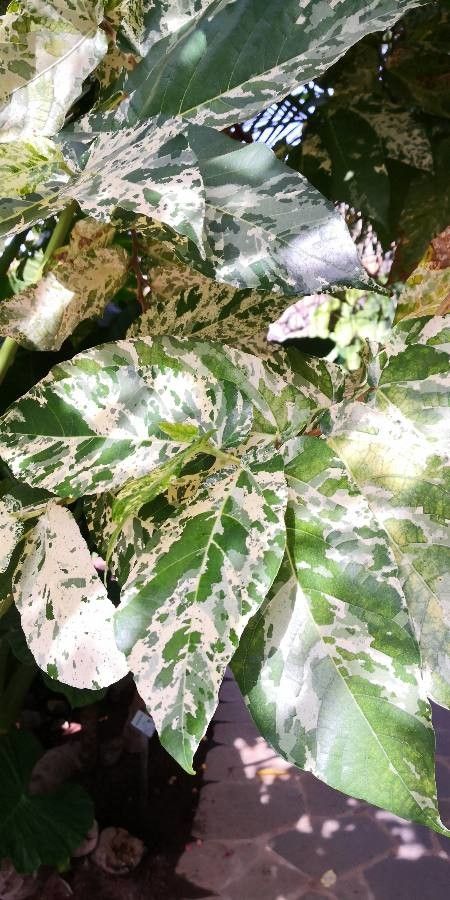
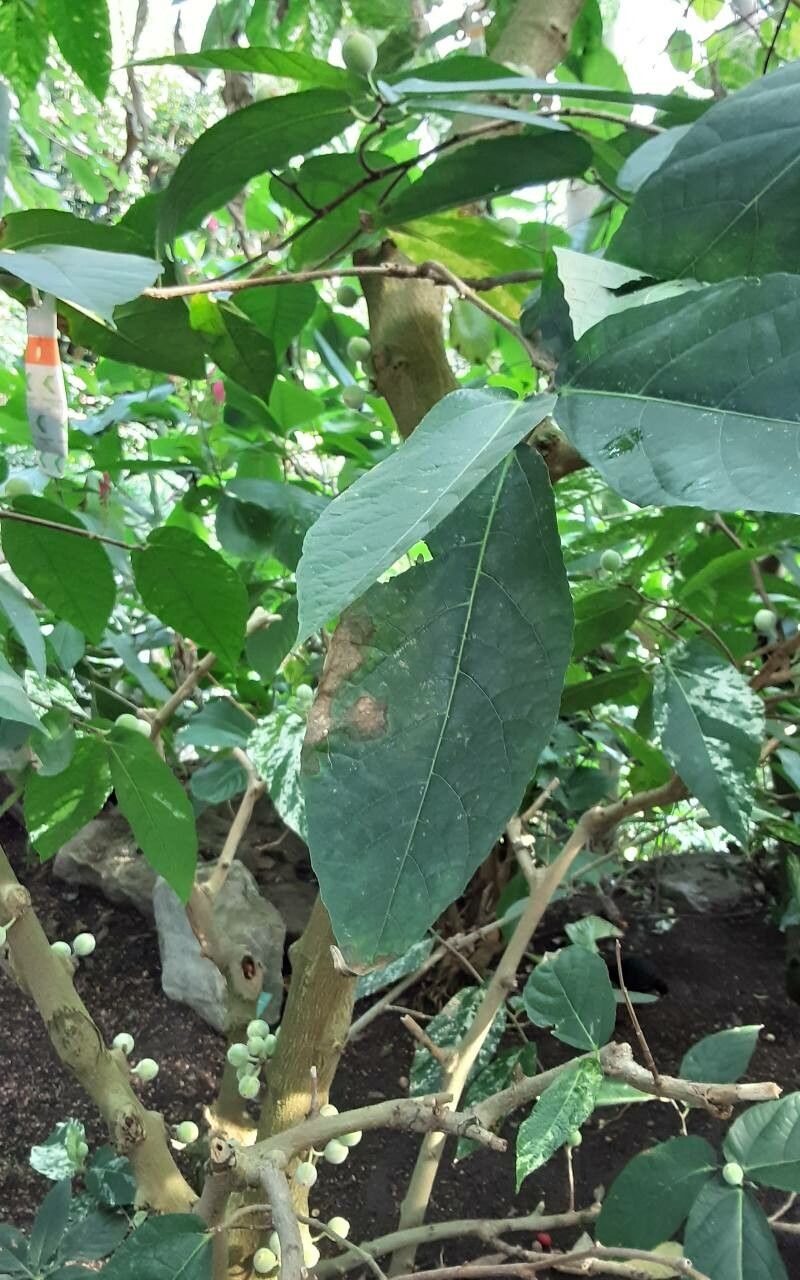
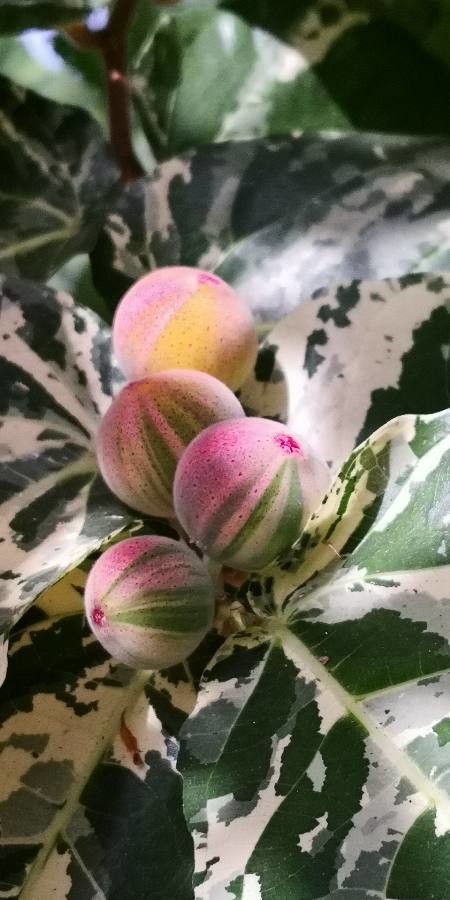
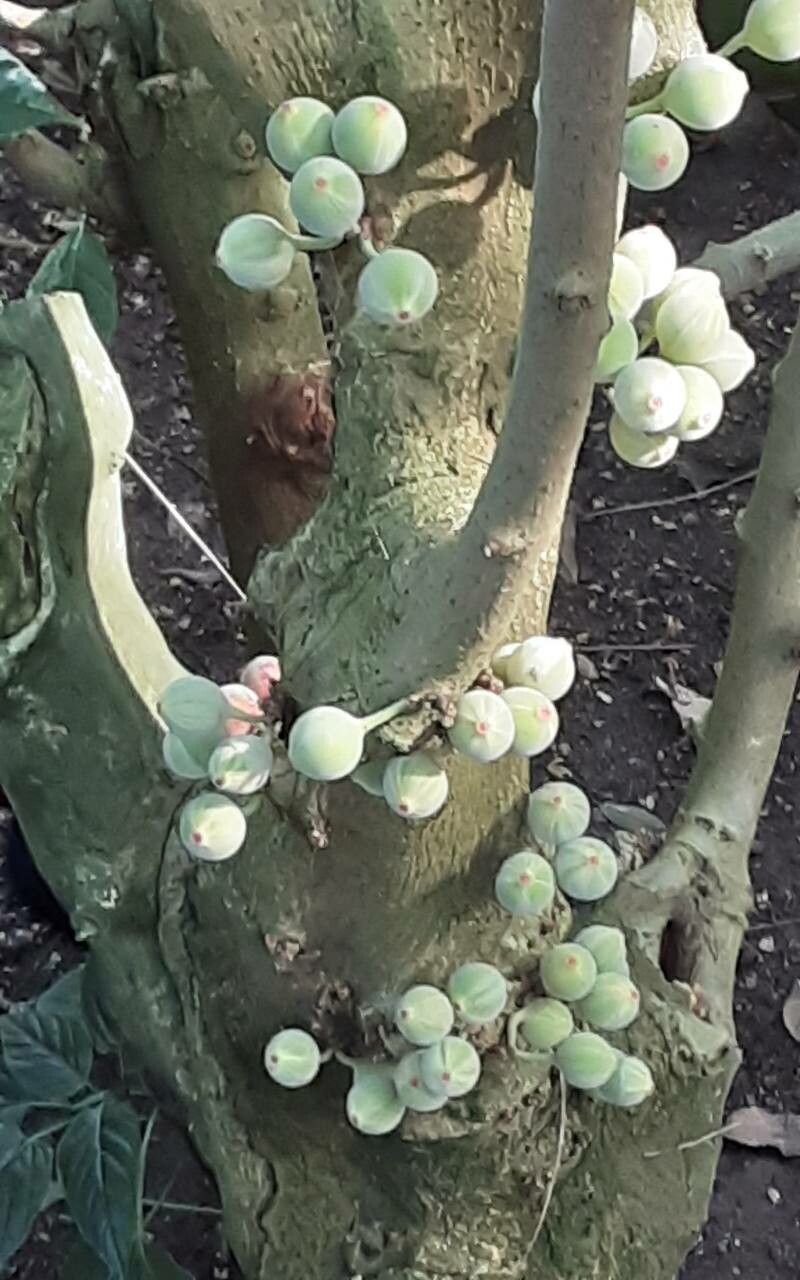
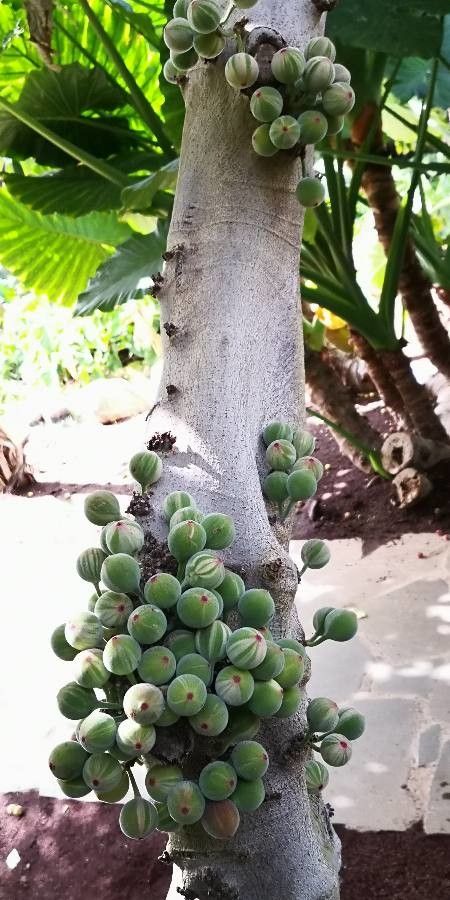
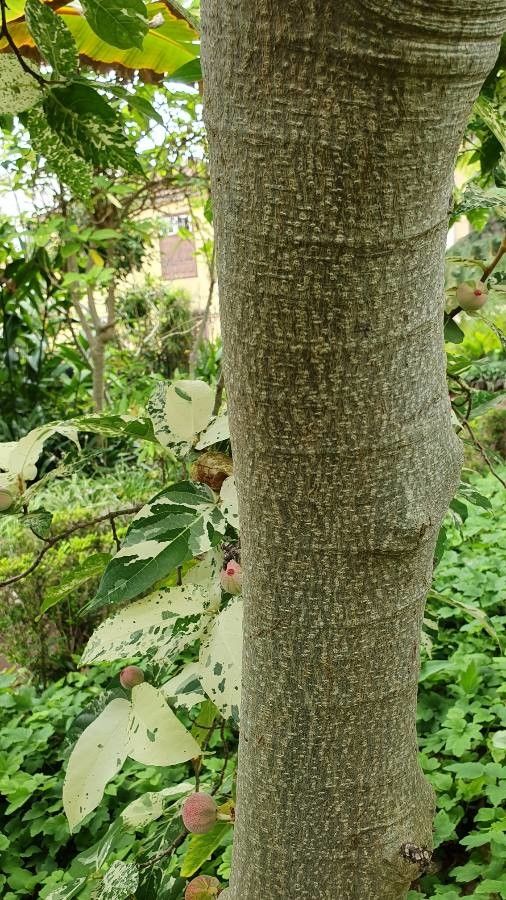
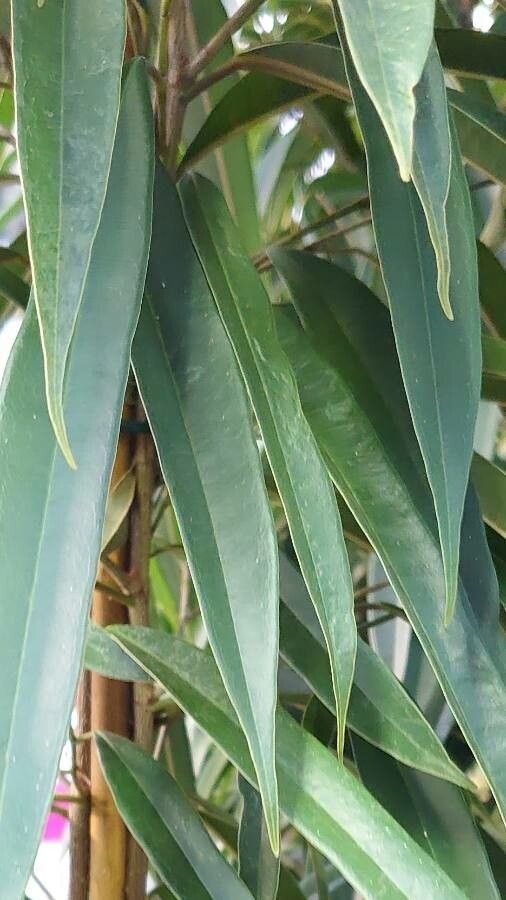
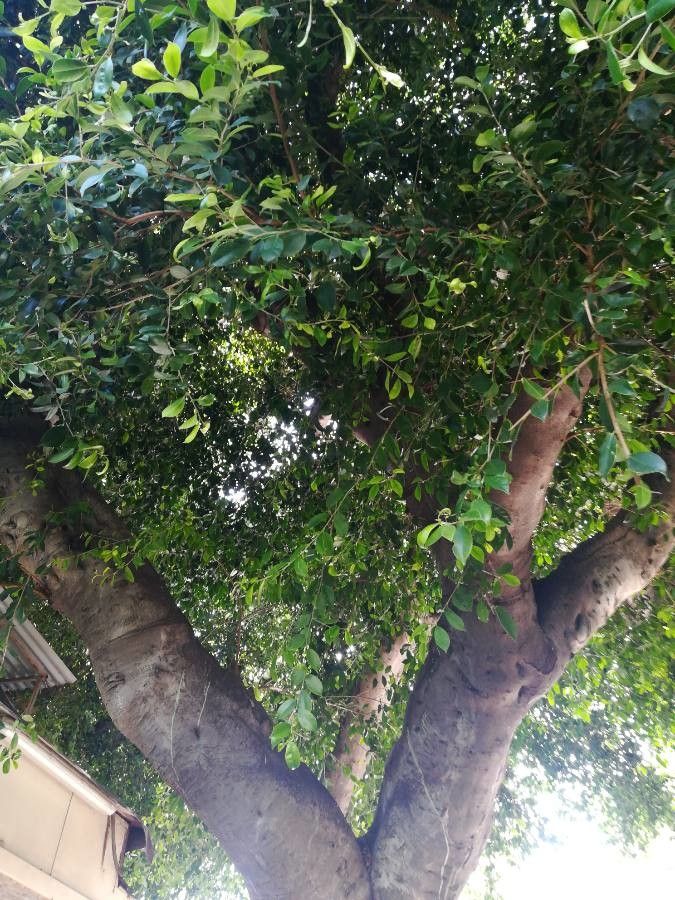
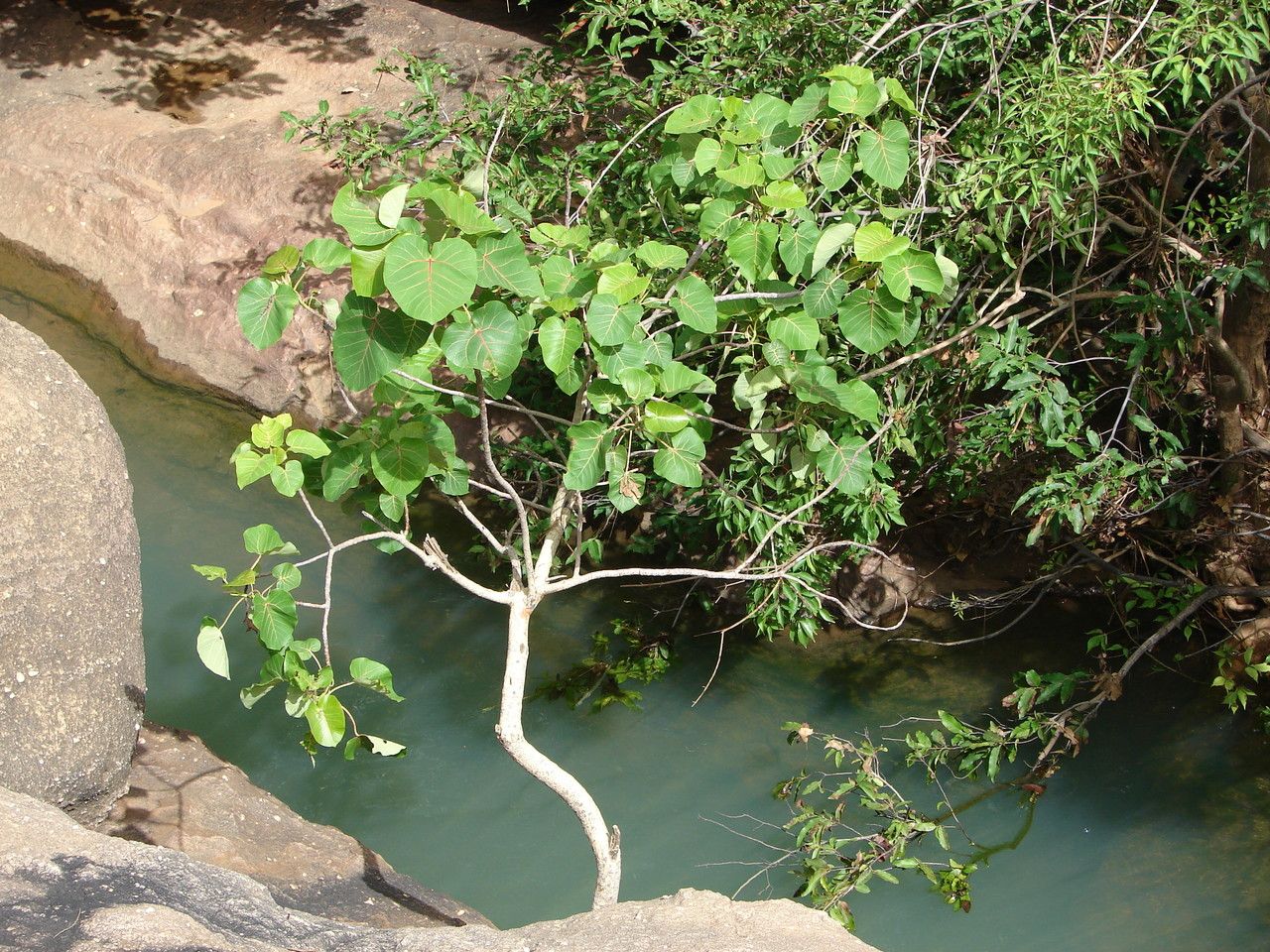
The Ficus aspera, commonly known as the rough-leaved fig, is a species of fig tree belonging to the Moraceae family. Native to Southeast Asia, it is found in countries such as Thailand, Malaysia, Indonesia, and the Philippines.
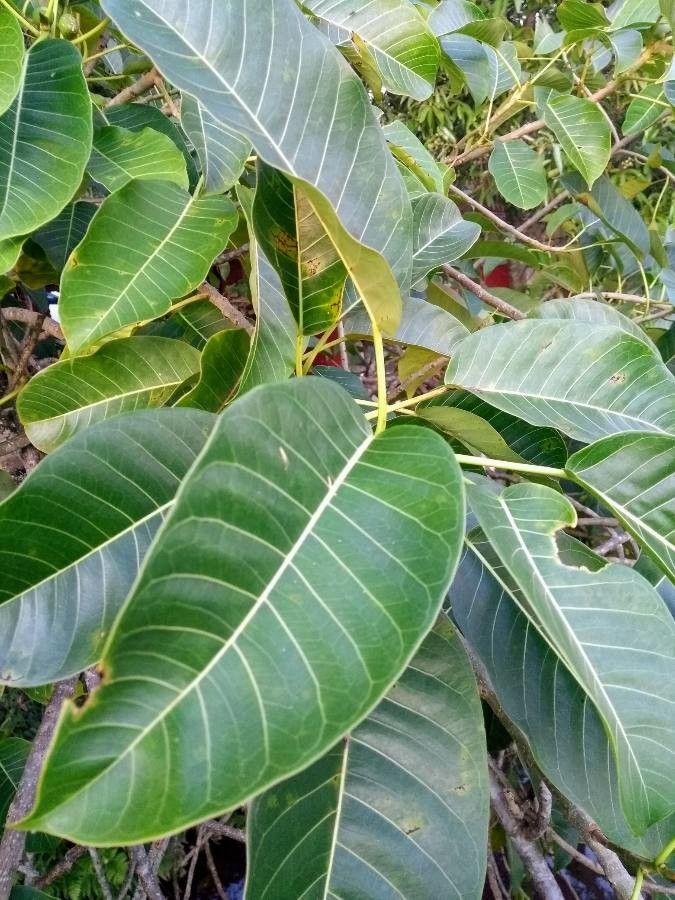
The Ficus aspera can grow up to 20 meters tall, with a trunk diameter reaching up to 60 centimeters. It features rough, greyish-brown bark and large leaves, which can be up to 30 centimeters long. These leaves are dark green on the upper side and lighter green underneath, with prominent veins.
The plant produces small flowers on its branches, which later develop into small, edible fruits known as figs. Although these figs are edible, they are not commonly consumed by humans.
In traditional Southeast Asian medicine, various parts of the Ficus aspera, such as its bark and leaves, have been used for their medicinal properties, including treating skin diseases like eczema and psoriasis.
This species plays an important ecological role by providing food for wildlife such as birds and monkeys, which feed on its fruit. Additionally, its large canopy offers shade to other plants growing beneath it, making it a vital part of many ecosystems throughout Southeast Asia where it naturally thrives.
The Mosaic fig is fairly disease-resistant and typically not susceptible to many illnesses. As for care, this plant is relatively low-maintenance. When grown outdoors it needs only light watering, and larger plants usually do not require pruning. Smaller plants, however, should be pruned after they have finished blooming. The Mosaic fig is suitable for anyone with an outdoor area, such as a garden or deck, and does not demand extensive experience in plant care.
How to keep Ficus Aspera.
Light
The mosaic fig is native to habitats like forest understories and rocky areas, where it grows in natural shade. It prefers partial sun but can tolerate full sun or full shade, showing its versatile and hardy nature.
Temperature
The mosaic fig comes from tropical areas, which usually have warm, humid climates. Consequently, it is well suited to high heat and humidity. It does not tolerate abrupt shifts in temperature and favors a consistent thermal environment, so avoiding indoor temperature swings is important. It generally cannot withstand cold and needs warmer conditions to grow. If temperatures in its surroundings fall too far, the plant may stop growing or may die.
Fertilizer
The best time to fertilize a Mosaic fig is in early spring as it breaks dormancy. Fertilizing at this time stimulates overall growth and flower development. It improves the foliage, stems, and branches and encourages flowers that are larger, more vibrant, and longer-lasting. It also helps transport nutrients from the roots to the flowers and enhances the plant’s health and resistance to disease.
Botanical profile.
- Plant Type
- Tree, Shrub
- Life Cycle
- Perennial
- Genus
- Ficus
- Family
- Moraceae
- Hardiness Zone
- 10-12
- Mature Height
- 7.92 m to 14.94 m
- Mature Spread
- 4.88 m to 10.06 m
- Leaf Color
- Dark Green, Forest Green
- Leaf Type
- Evergreen
- Bloom Time
- All year round
- Planting Time
- Spring, Summer, Autumn
- Harvest Time
- All year round
- Native Area
- Vanuatu
Other names.