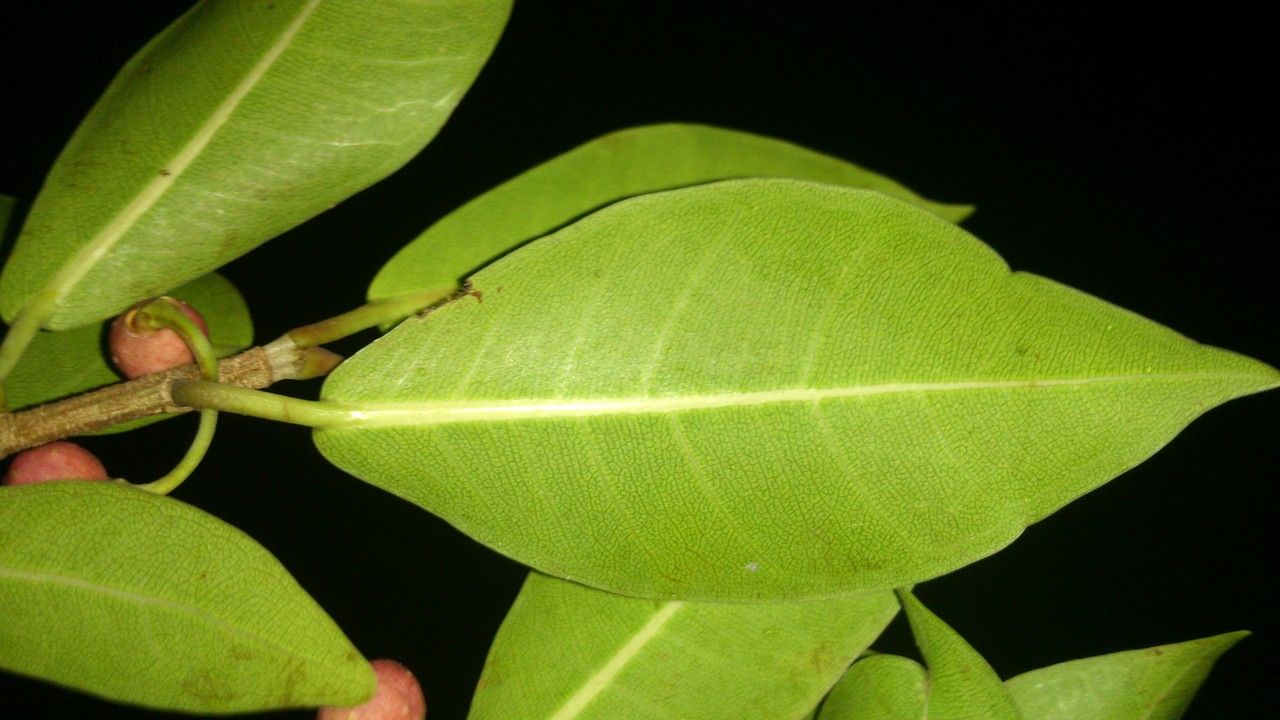
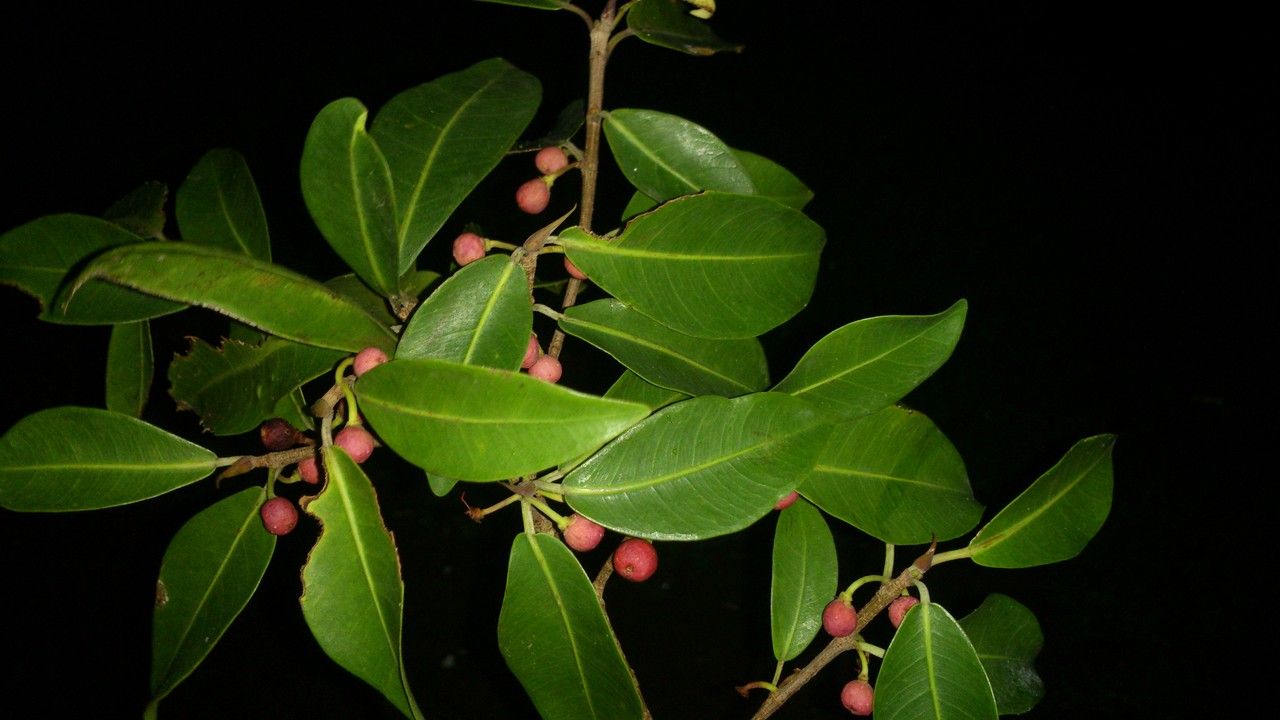
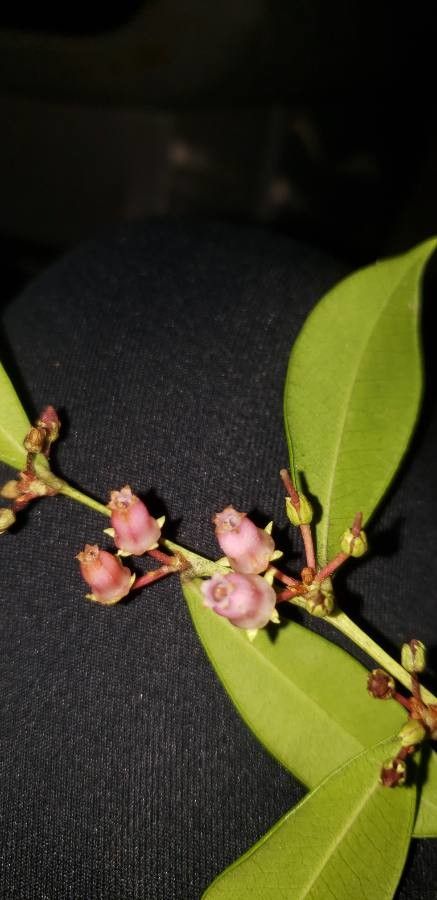
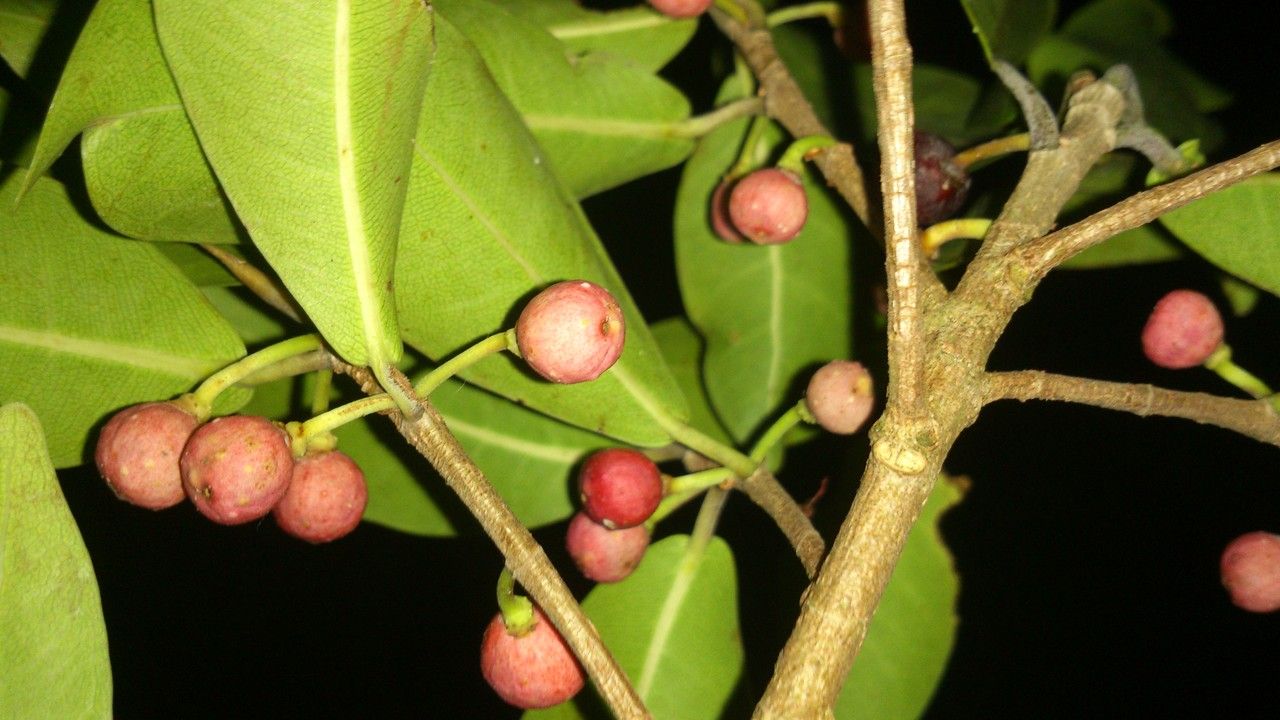
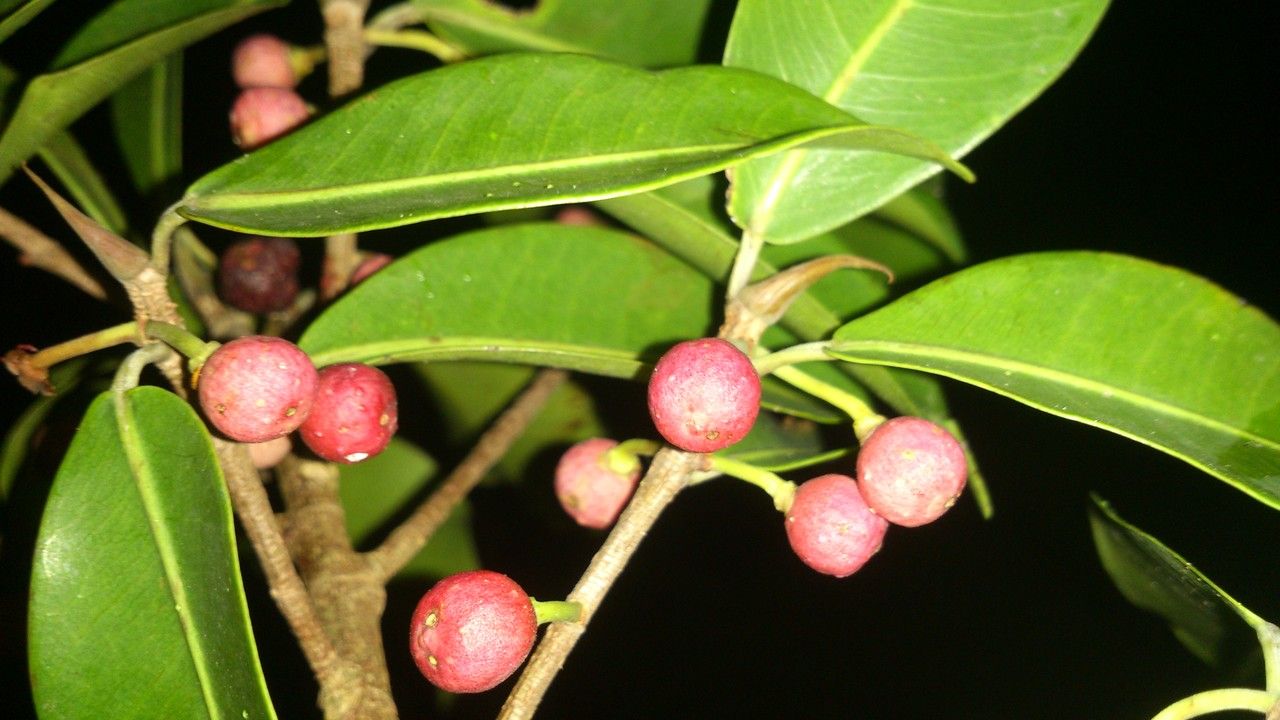
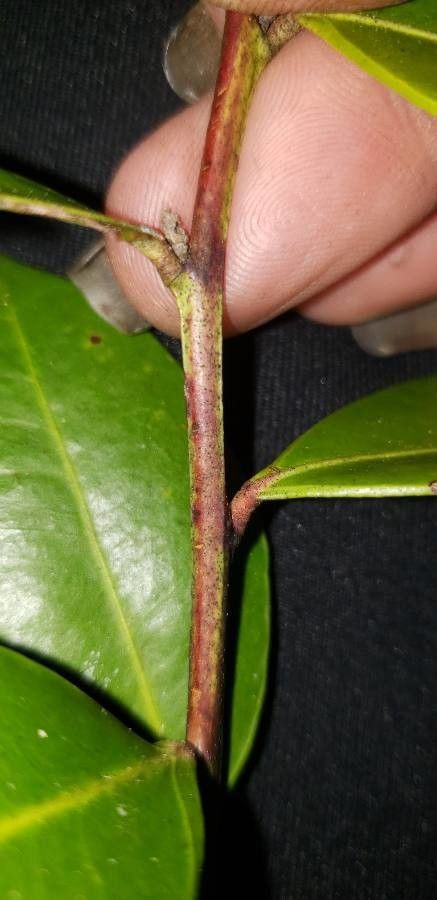
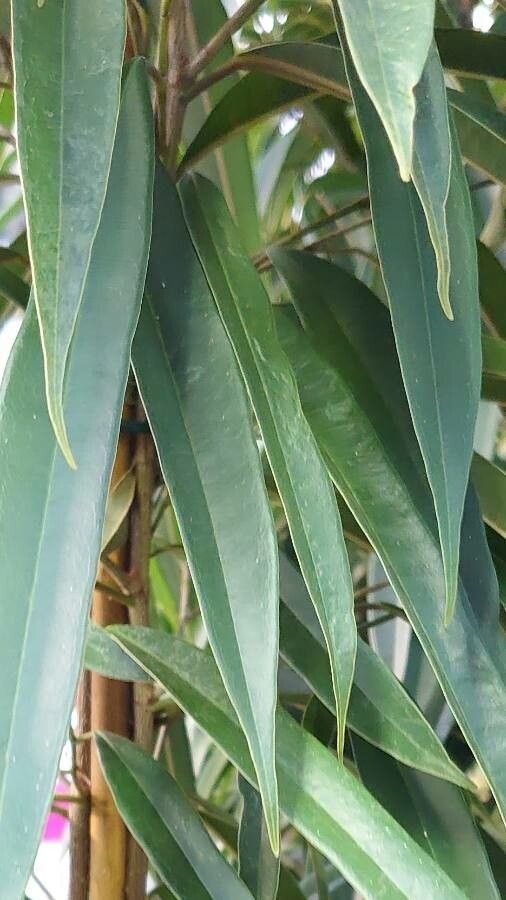
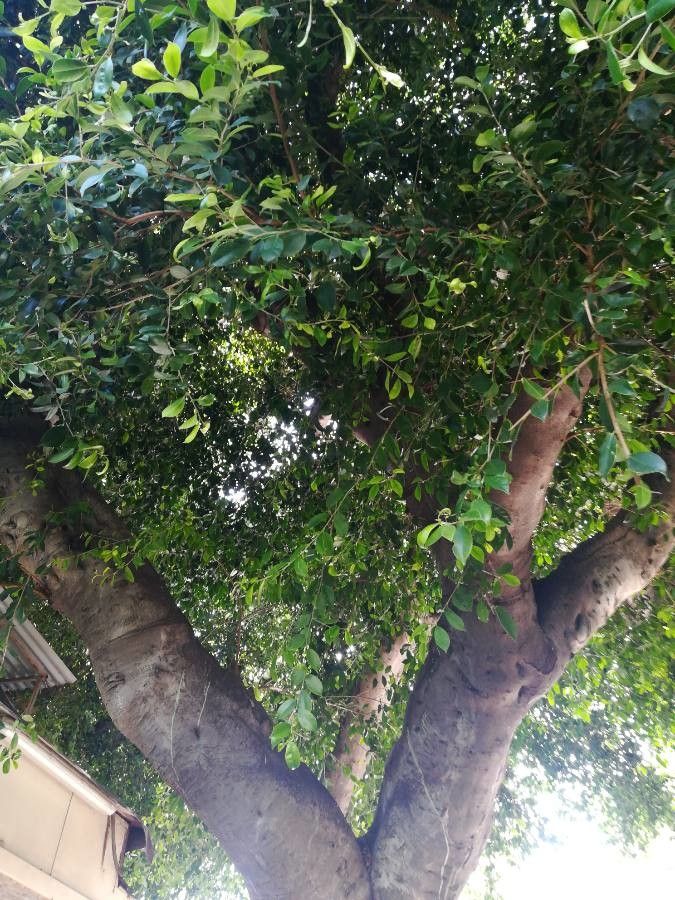
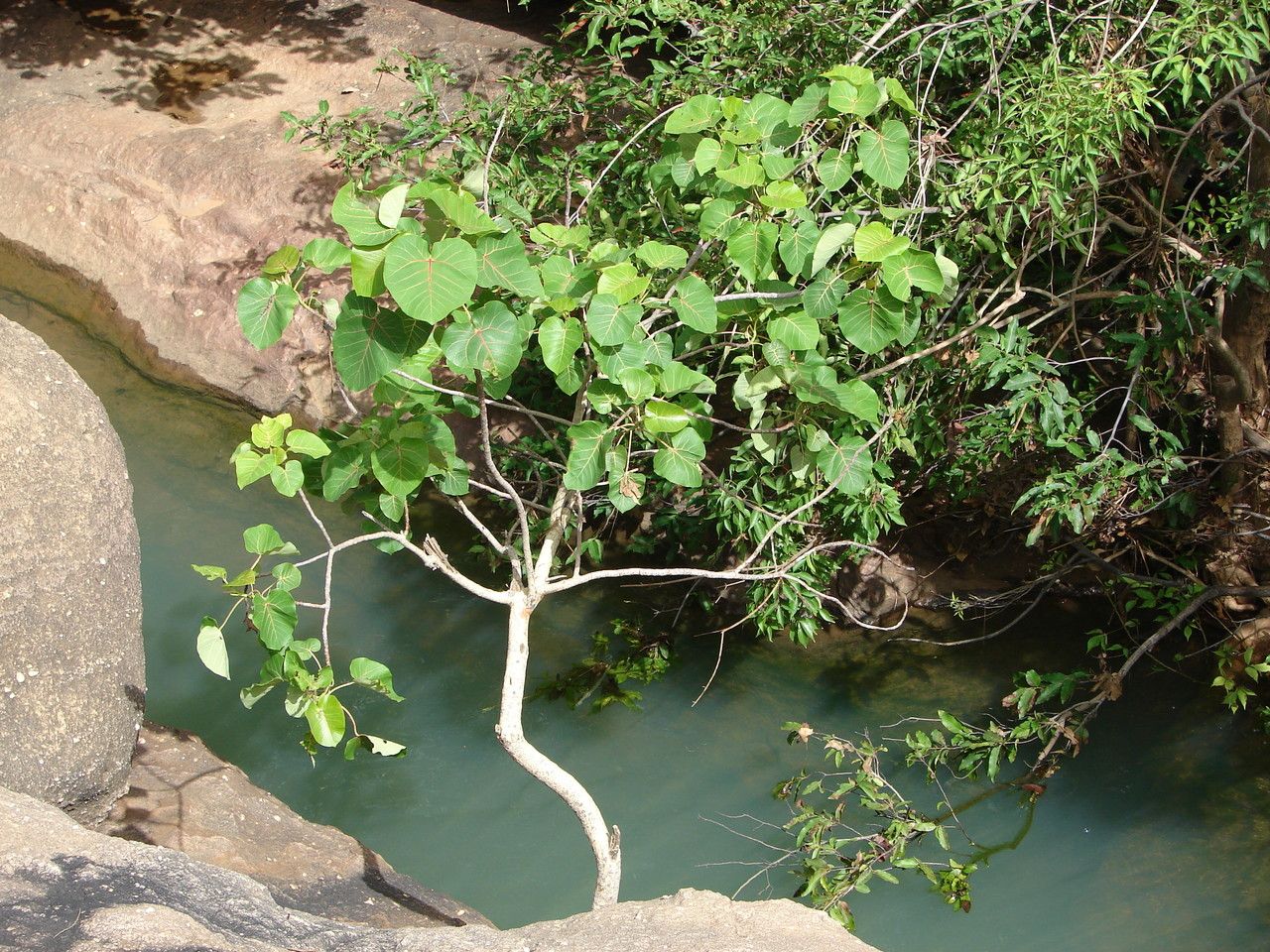
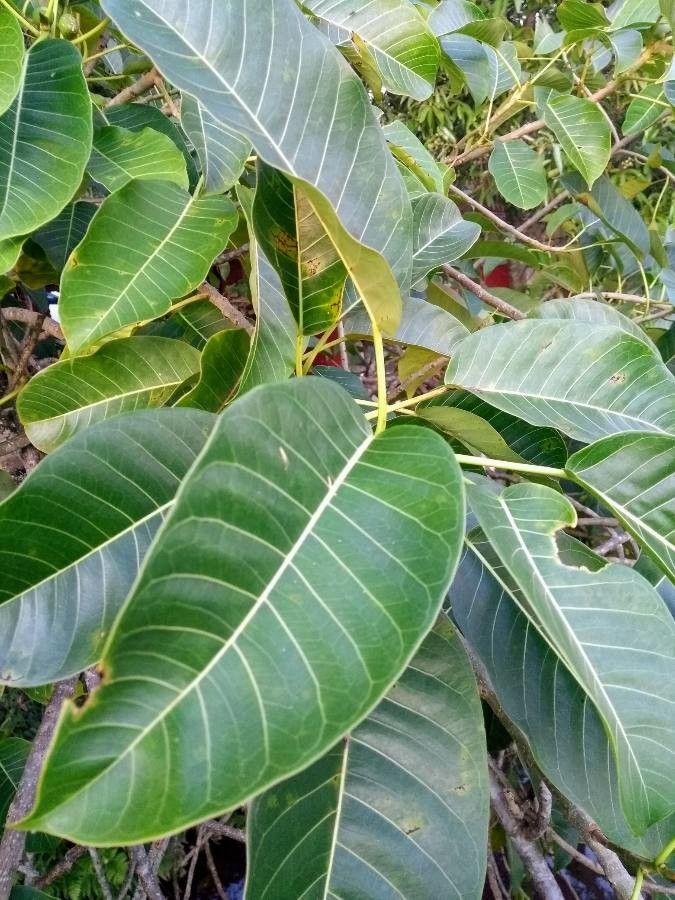
Ficus americana, commonly known as the American fig or the Florida strangler fig, is a species of flowering plant in the Moraceae family. It is native to tropical and subtropical regions of the Americas, including Florida and the Caribbean. This plant can grow up to 30 meters tall, with a trunk diameter of up to 2 meters. Its large, glossy leaves have a leathery texture, and its small fruit is greenish-yellow in color.
One of the most remarkable aspects of Ficus americana is its growth habit. It begins life as an epiphyte on another tree or structure and later sends down aerial roots that eventually strangle the host tree. This process can take several years until the fig completely overtakes its host.
Ficus americana has several applications, notably in traditional medicine. Extracts from its leaves are used to treat various ailments such as diabetes, high blood pressure, and inflammation. Although its fruit is edible, it is not commonly consumed due to its small size.
Overall, Ficus americana is a fascinating species that plays a vital role in tropical ecosystems and offers several medicinal and nutritional benefits for humans.
Jamaican cherry fig has strong disease resistance and is generally not susceptible to diseases. Regarding care, this plant is fairly low-maintenance. When grown outdoors it needs minimal watering, and larger specimens usually do not require pruning. However, smaller plants should be pruned after they finish blooming. Jamaican cherry figt is appropriate for anyone with outdoor space, such as a garden or deck, and does not demand extensive care experience.
How to keep Ficus Americana.
Light
Jamaican cherry fig is native to habitats like forest understories and rocky areas, where it is naturally shaded. It prefers partial sun but can adapt to full sun or full shade, showing its versatile and hardy nature.
Water
The Jamaican cherry fig, native to tropical regions, thrives in humid climates and prefers evenly moist soil. It has moderate drought tolerance, so watering once a week is typically sufficient to keep it hydrated. When grown outdoors, the Jamaican cherry fig benefits significantly from rainwater, which promotes better growth and health compared to tap water.
Temperature
The Jamaican cherry fig is fairly adaptable to temperature, able to handle higher heat and considerable temperature swings. In hot weather, attention should be paid to watering and to providing suitable shade to avoid sunburn. However, the Jamaican cherry fig has limited tolerance for low temperatures. While it can tolerate some cold, very low temperatures can cause frost damage.
Fertilizer
The timing of fertilizing the Jamaican cherry fig is important. Apply fertilizer in early spring and continue once a month until early summer. Fertilizer encourages attractive blooms and supplies energy both during dormancy and in active growth periods.
Pruning
The Jamaican cherry fig benefits greatly from early spring pruning. By removing dead or diseased branches, you can enhance the plant's health and manage its size effectively. Thinning out crowded areas also improves air circulation, which reduces the risk of disease. Regular pruning encourages denser foliage and enhances the plant's attractiveness, ensuring optimal health and productivity for gardeners.
Botanical profile.
Other names.
Reader questions.
What is the Jamaican cherry fig's botanical name?
The botanical name of the Jamaican cherry fig is Ficus americana.