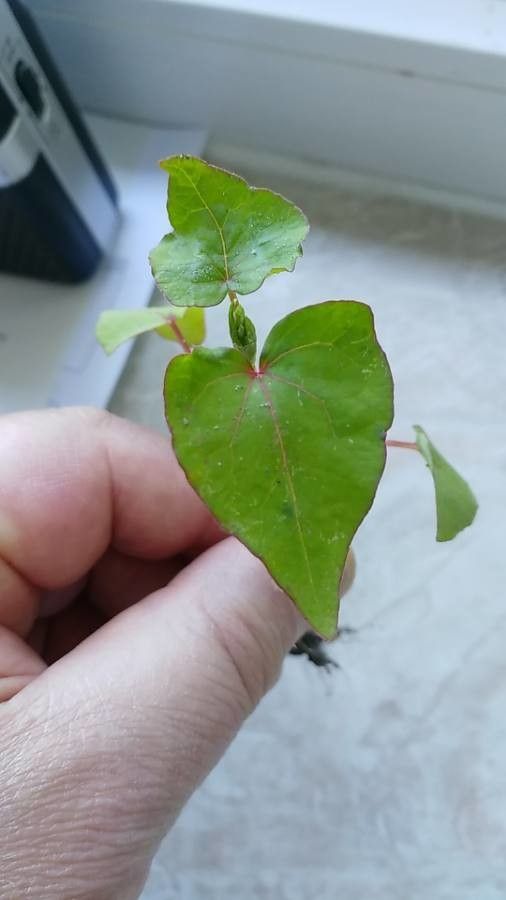
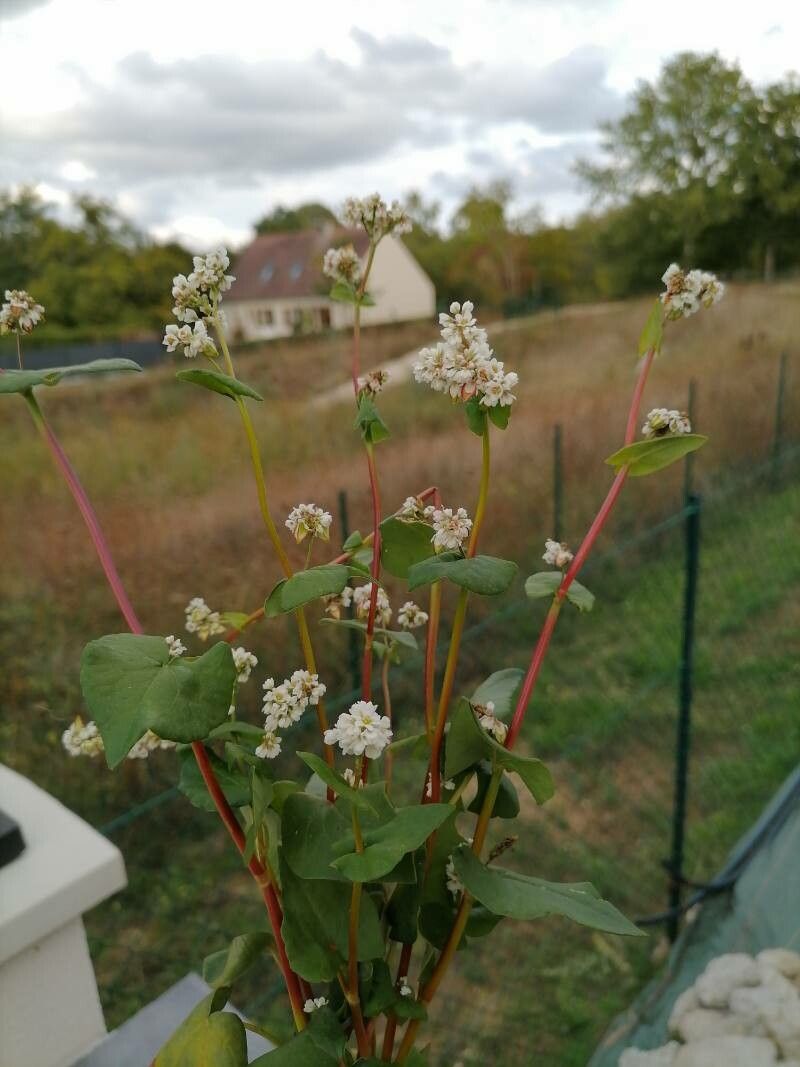
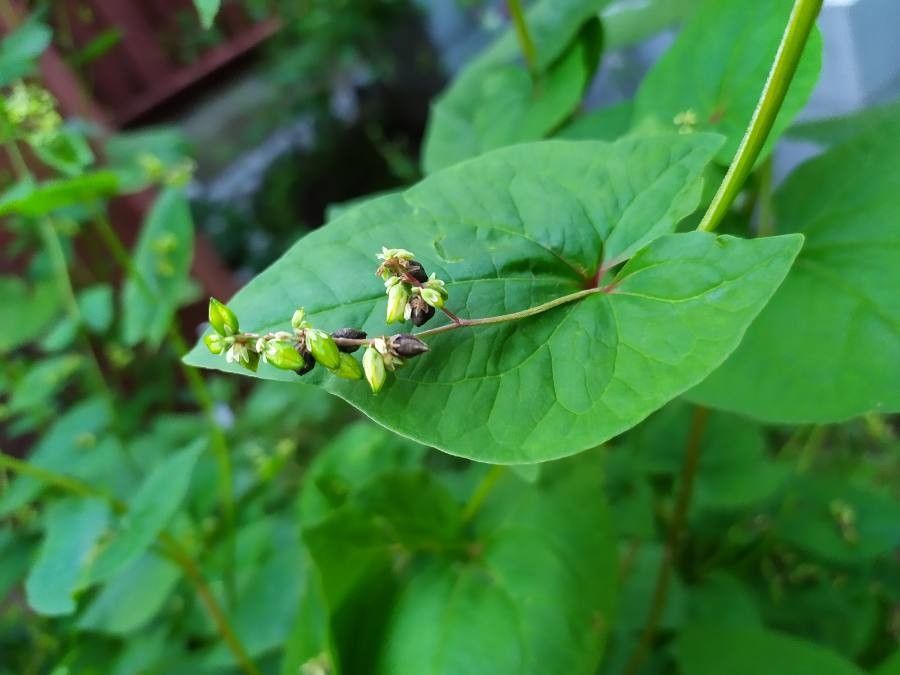
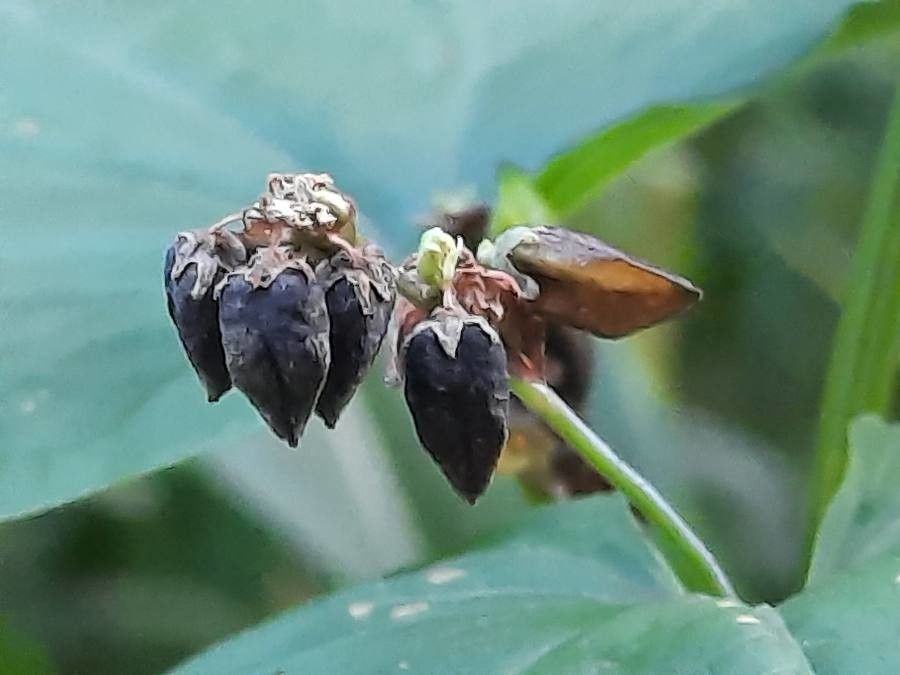
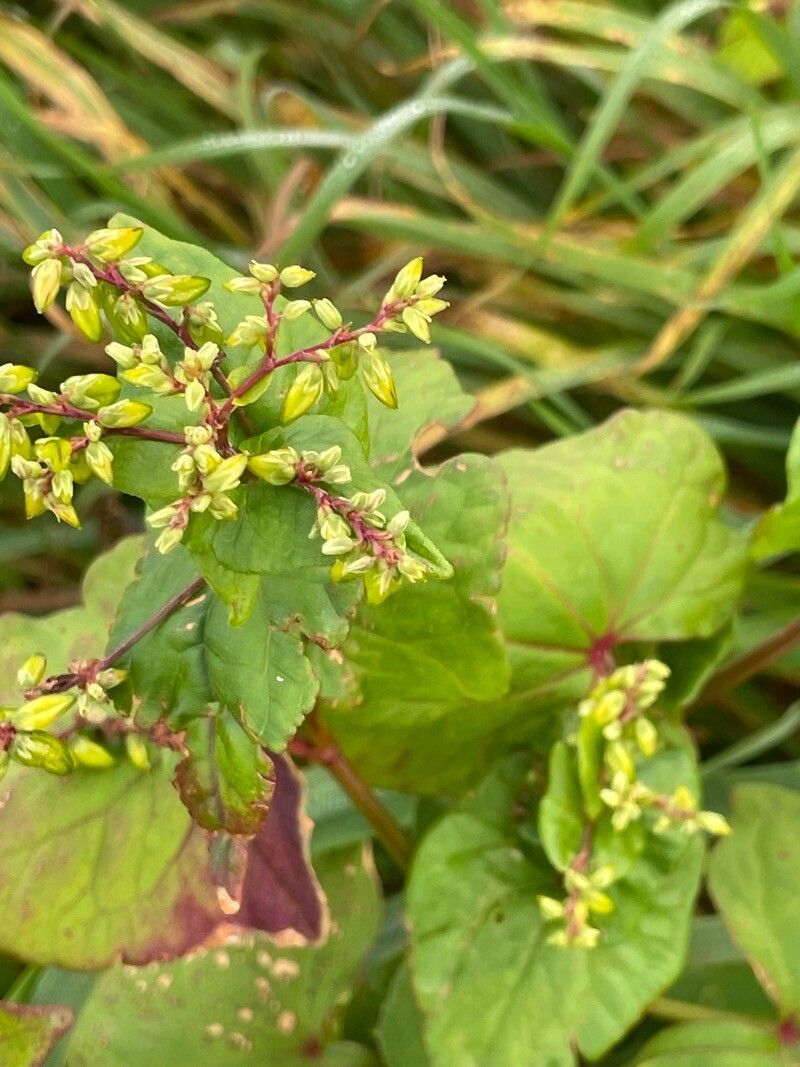
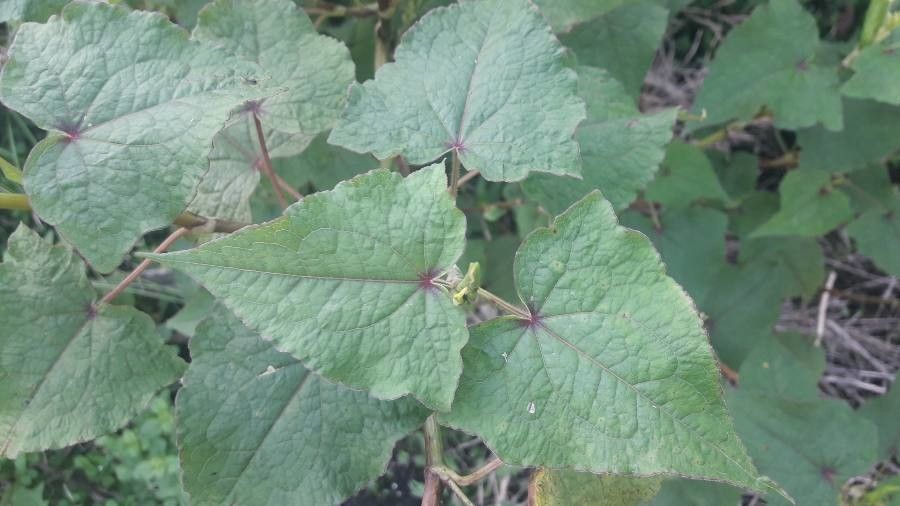
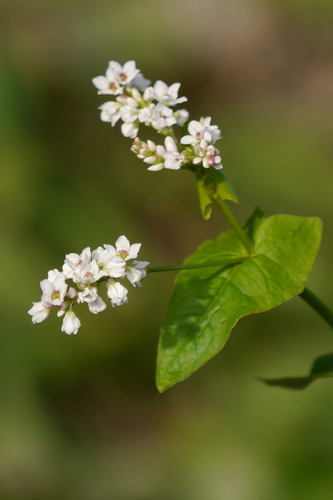
Fagopyrum tataricum, also known as Tartary buckwheat, green buckwheat, ku qiao, Tatar buckwheat, or bitter buckwheat, is a domesticated food plant in the genus Fagopyrum in the family Polygonaceae. With another species in the same genus, common buckwheat, it is often counted as a cereal, but the buckwheats are not closely related to true cereals. Tartary buckwheat is more bitter and contains more rutin than common buckwheat. It also contains other bioactive components such as flavonoids, phenolic acids, 2-hydroxybenzylamine and quercitrin.Tartary buckwheat was domesticated in East Asia and is also cultivated in Europe and North America. While it is an unfamiliar food in the West, it is common in the Himalayan region today, as well as other regions in Southwest China such as Sichuan province.
The plant has been cultivated in many parts of the world; however, when found among other crops it is considered a weed.
Tartary buckwheat is fairly disease-resistant and typically not prone to illnesses. However, it can be affected by pests and diseases present in its surroundings. These problems are usually mild. For care, this plant needs a moderate level of maintenance. It should be pruned regularly to maintain a neat appearance and healthy growth. Fertilizing can also help encourage flowering. Tartary buckwheat is well suited to anyone with outdoor space, such as a garden or patio, and does not demand extensive gardening experience. It may need more attention if grown indoors.
How to keep Fagopyrum Tataricum.
Light
Tartary buckwheat grows best when given plenty of light all day and can tolerate locations without shade. At its various growth stages it requires abundant light energy. Insufficient light can impede its growth, while excessive exposure may cause slight stress.
Water
Tartary buckwheat thrives with moderate moisture and should be watered weekly to maintain consistent soil moisture without causing waterlogging. It is adaptable to various climates, but its growth is influenced by rainfall patterns. Therefore, watering practices should be adjusted based on regional precipitation levels.
Temperature
Tartary buckwheat can adjust to a broad range of temperatures, but its distribution can still be constrained by particular combinations of moisture and heat. It grows best in warm summer conditions with sufficient rainfall or irrigation. Extended periods of cloudy, rainy weather or prolonged high temperatures increase the risk of the plant dying. During winter, appropriate protection from cold can raise its survival rate.
Fertilizer
To achieve optimal growth, Tartary buckwheat should receive three fertilizer applications: before planting, about one month after the seedlings emerge, and a final application 1 to 1.5 months after the second. Some Tartary buckwheat varieties also benefit from an extra dose of fertilizer at planting to support rapid growth.
Pruning
Tartary buckwheat is characterized by its small, heart-shaped leaves and edible seeds. To encourage growth and increase yields, it should be pruned between early and late spring. This involves removing damaged stems and thinning out crowded areas. These steps improve air circulation and the plant's overall structure, while also enhancing flowering and seed production in line with its natural growth cycle.
Botanical profile.
- Plant Type
- Herb
- Life Cycle
- Annual
- Genus
- Fagopyrum
- Family
- Polygonaceae
- Hardiness Zone
- 3-9
- Mature Height
- 30 cm to 61 cm
- Mature Spread
- 20 cm to 40 cm
- Leaf Color
- Green, Dark Green
- Leaf Type
- Deciduous
- Flower Color
- White, Pink
- Flower Size
- 0.20 cm to 0.25 cm
- Bloom Time
- Summer
- Planting Time
- Spring, Summer
- Harvest Time
- Late summer, Early fall, Mid fall
- Native Area
- Russia, Afghanistan, Tajikistan, Kazakhstan, Mongolia, China
Other names.
Reader questions.
How should I water my Tartary buckwheat?
To water Tartary buckwheat, you have several options. You can use a garden hose with a spray nozzle, a watering can, or any other common watering tool. Tartary buckwheat is not picky about the type of water it receives – rainwater, tap water, or filtered water all work fine. However, it's best not to water this plant from overhead as it can damage the leaves and flowers and even cause disease. Instead, a drip irrigation system is often the most effective method for watering. These systems apply water evenly and directly to the soil. If you have a container-grown Tartary buckwheat, you can use a cup, watering can, or tap to water it directly into the soil.
What are the sunlight requirements for Tartary buckwheat?
Tartary buckwheat requires full sun, meaning it should receive above 6 hours of sunlight daily. It's crucial to observe how sunlight moves through your garden to find spots that offer a balance of light and shade, ensuring your plants thrive. The plant thrives best with abundant light throughout the day and can even withstand locations without much shade. However, too little light can hinder its growth, whereas too much exposure might stress the plant.
What is Tartary buckwheat?
Tartary buckwheat refers to a plant known scientifically as Fagopyrum tataricum. It is distinct from common buckwheat, offering unique nutritional and health benefits. Despite its name, Tartary buckwheat is not related to wheat and is instead a part of the rhubarb and sorrel family, making it a suitable grain alternative for those with wheat sensitivities or adhering to gluten-free diets.
What should I do if I give my Tartary buckwheat too much or too little water?
If you notice that your Tartary buckwheat lacks moisture, you can easily fix the problem by watering it more regularly. However, overwatering can be much more serious if not addressed early. This can lead to diseases and ultimately the decline and death of your plant. To prevent this, choose a suitable location with plenty of sunlight to help dry the soil and ensure good drainage to prevent water from pooling and causing waterlogged soil. If you have overwatered your potted Tartary buckwheat, you should consider transferring it to a new pot with better drainage. Make sure to use loose soil and a pot that drains efficiently when repotting it.
How important is light for the growth of Tartary buckwheat, and what are the recommendations for artificial lighting?
Light is essential for the growth of Tartary buckwheat at all its growth stages. For indoor plants, when natural sunlight is insufficient, especially in winter or less sunny spaces, artificial lighting becomes crucial. It is recommended to choose LED lights as they can provide specific wavelengths needed by plants. Full sun plants require 30-50W/sq ft, partial sun plants 20-30W/sq ft, and full shade plants 10-20W/sq ft of artificial light. The light source should be placed 12-36 inches above the plant, mimicking natural sunlight as closely as possible. Most plants will need 8-12 hours of artificial light per day.
How frequently do I need to water my Tartary buckwheat?
Tartary buckwheat requires regular watering throughout its growing season. In spring, you should water it about once per week. As the season progresses and it gets warmer, you may need to increase watering to two to three times per week. However, exceeding this rate can harm the plant. It's important to keep the soil moist but not overly wet, regardless of how often you water. When growing Tartary buckwheat in a pot, you'll need to water more frequently compared to when it's planted in the ground. Generally, watering a container-grown Tartary buckwheat a few times per week is recommended, while an in-ground plant only needs watering once per week.
What symptoms indicate Tartary buckwheat is not receiving enough light?
Symptoms of insufficient light in Tartary buckwheat include smaller new leaves, leggy or sparse growth, faster leaf drop, slower or no new growth, lighter-colored new leaves, and conditions such as chlorosis (leaves turning yellow), sunscald, leaf curling, wilting, and leaf scorching. These symptoms suggest the plant is struggling due to inadequate light exposure.
How much water does my Tartary buckwheat require?
Determining how much water to give your Tartary buckwheat can be approached in a few different ways. Some gardeners prefer to assess the moisture of the soil by feeling it, and they recommend watering until the top six inches feel moist. Alternatively, you can use a standardized amount of water, such as around two gallons per week, adjusting based on temperature and soil dryness. However, strictly following this guideline may lead to overwatering if your plant requires less. For container-grown Tartary buckwheat, a different method is necessary. In this case, you should water enough to moisten all layers of dry soil, which can be verified by testing with your finger or observing a slight trickle of excess water from drainage holes.
What solutions can address Tartary buckwheat's light deficiency?
To address light deficiency in Tartary buckwheat, gradually move the plant to sunnier locations, ensuring at least 6 hours of direct sunlight daily, and utilize south-facing windows. For indoor plants that are large or difficult to move, consider providing additional light with artificial sources for at least 8 hours a day. Outdoors, avoid sudden changes in light intensity to prevent sunburn. If trees block sunlight, prune them to allow more light through. For small plants with sunlight obstruction, transplant them during their dormant period to a location with ample sunlight and good drainage. Note that parts of the plant already affected by insufficient sunlight may not recover, but new growth should be healthy with increased light exposure.
How do I know if I'm giving enough water to my Tartary buckwheat?
Avoiding overwatering your Tartary buckwheat can be a little tricky. It's important to keep in mind that these plants have deep roots that need to be watered weekly. However, Tartary buckwheat is also prone to root rot and browning if overwatered. Underwatering is unlikely to be a problem as these plants can survive without extra watering for a while. But if you wait too long, they may start to wilt and the leaves may become dry.
How do I water my Tartary buckwheat throughout the year?
As the season progresses, your Tartary buckwheat will require more water. In spring, watering once per week is sufficient. However, as the summer heat arrives, it is likely that you will need to increase watering to about three times per week. This is particularly important for Tartary buckwheat grown in containers, as container soil tends to dry out quickly in warm weather. In autumn, when your Tartary buckwheat is still flowering, you may reduce watering slightly as the temperature cools down and the sun becomes less intense than it was in summer.
How do I water my Tartary buckwheat as it grows?
Throughout the year, Tartary buckwheat goes through different growth stages, with varying water requirements. When starting from seed, you should provide more water than necessary, ensuring consistent soil moisture. After a few weeks, the water needs decrease slightly as the plant grows above the soil. Once mature, regular watering once a week is sufficient. During flower development, a slightly higher amount of water may be needed to support the process.