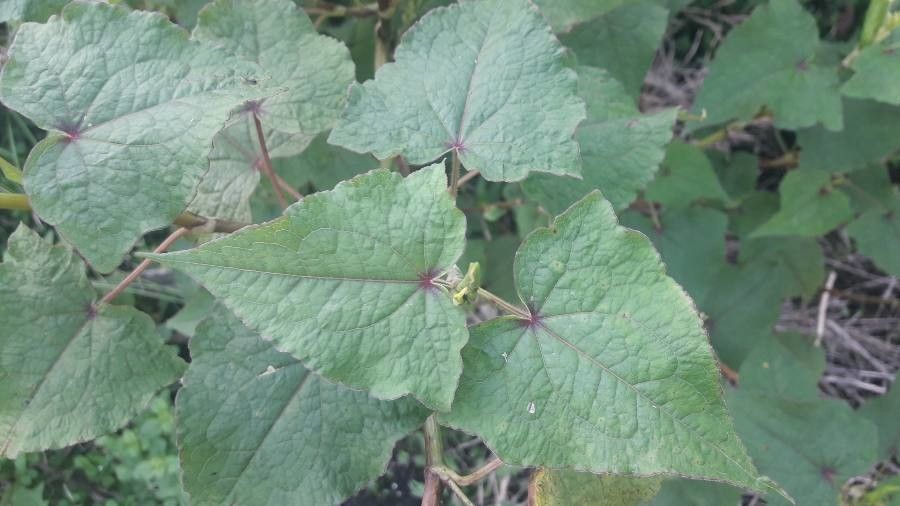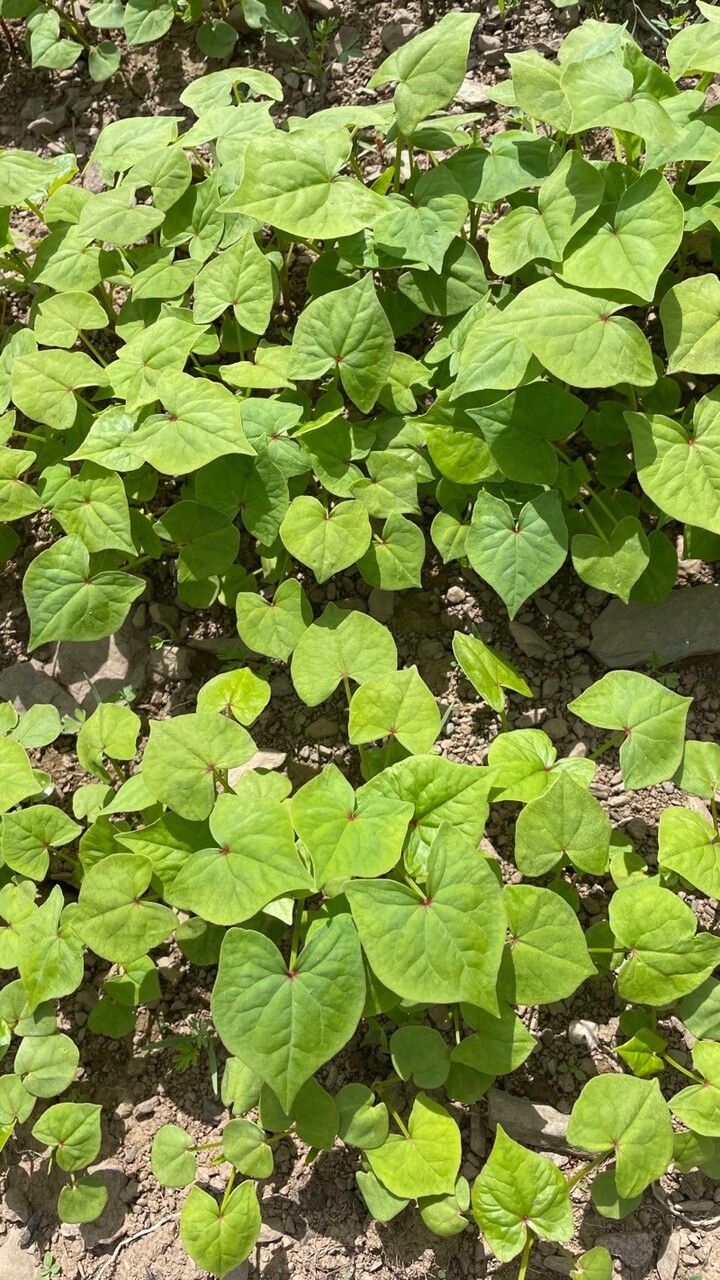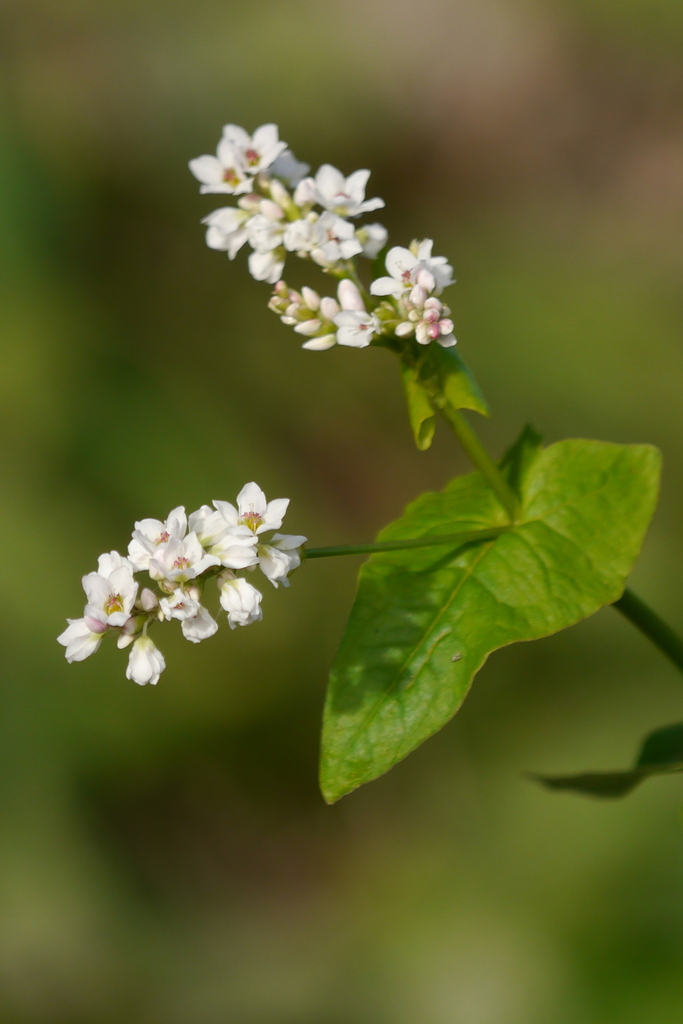
Buckwheat (Fagopyrum esculentum), or common buckwheat, is a flowering plant in the knotweed family Polygonaceae cultivated for its grain-like seeds and as a cover crop. The name "buckwheat" is used for several other species, such as Fagopyrum tataricum, a domesticated food plant raised in Asia. Despite its name, buckwheat is not closely related to wheat. It is not a cereal, nor is it even a member of the grass family. Buckwheat is related to sorrel, knotweed, and rhubarb, and is known as a pseudocereal because its seeds' culinary use is the same as cereals, owing to their high starch content.
Common buckwheat is fairly disease-resistant and is not commonly affected by illnesses. However, it can be vulnerable to pests and pathogens present in its surroundings. Such infections are generally mild. In terms of care, the plant needs moderate maintenance. Regular pruning is necessary to preserve its appearance and encourage healthy growth. Applying fertilizer can also help boost flowering. Common buckwheat is suitable for people with outdoor spaces like a garden or patio and does not require extensive care experience. Grown indoors, it may need more attention.
How to keep Fagopyrum Esculentum.
Light
Common buckwheat needs plenty of sunlight to grow well. Its native environment, usually open fields, provides abundant sun exposure. However, excessive sunlight can stress the plants and lead to stunted growth, while too little light causes slow, poor development. Every stage of growth depends heavily on adequate sunlight.
Water
Common buckwheat grows best in temperate climates with moderate moisture levels. It prefers soil that remains consistently hydrated but not waterlogged. To achieve this, water the plants weekly, adjusting the amount during peak growth periods when they require more moisture due to increased transpiration. Keep the entire growing season in mind to optimize your irrigation practices.
Humidity
This plant will thrive in moderate humidity, which is probably the level in your home. However, misting it a few times a week can be very beneficial. Make sure the room has good ventilation.
Temperature
Common buckwheat originates from temperate regions and prefers temperatures between 68 and 100.4 °F (20 to 38 ℃). Seasonal temperature adjustments may be required, especially in cooler areas, to ensure optimal growth.
Fertilizer
For optimal development, Common buckwheat needs three fertilizer applications: one before planting, one about one month after seedlings appear, and a final one 1 to 1.5 months after the second application. Some Common buckwheat varieties also benefit from an extra dose of fertilizer at planting to promote rapid growth.
Botanical profile.
- Plant Type
- Herb
- Life Cycle
- Annual
- Genus
- Fagopyrum
- Family
- Polygonaceae
- Hardiness Zone
- 6-12
- Mature Height
- 20 cm to 61 cm
- Mature Spread
- 30 cm
- Leaf Color
- Green
- Leaf Type
- Deciduous
- Flower Color
- White
- Flower Size
- 1.02 cm to 4.06 cm
- Bloom Time
- Early summer, Mid summer
- Planting Time
- Spring
- Harvest Time
- Mid summer
- Native Area
- China
Other names.
Reader questions.
What is the most effective way to water my Common buckwheat?
Common buckwheat can be watered using various tools such as a garden hose with a spray nozzle or a watering can. They are not too particular about the type of water they receive, whether it's rainwater, tap water, or filtered water. It's generally advised not to water this plant from above, as it can harm the leaves and flowers and potentially cause disease. A recommended watering method is to use a drip irrigation system, which evenly and directly applies water to the soil. If you have Common buckwheat in a container, you can follow a similar approach but use tools like a cup, watering can, or your tap to water the soil directly.
Why should I put fertilizer on my Common buckwheat?
Some plants can get all the nutrients they need without any additional fertilizer. However, Common buckwheat benefits from fertilizing because it helps increase the amount of harvest. Like other plants, Common buckwheat uses nutrients to grow, support internal processes, and produce edible seeds or grains. Nutrients are essential for plants to thrive and perform important functions like photosynthesis and seed or fruit production. Without enough nutrients, Common buckwheat may have fewer branches, smaller seeds, and lower protein content.
What are the sunlight requirements for Common Buckwheat?
Common Buckwheat (Fagopyrum esculentum) thrives in full sun, requiring more than 6 hours of sunlight daily for optimal growth. It's important to observe the movement of sunlight through your garden to find spots that offer a balance of light and shade, ensuring the plants are happy and healthy. Excessive sunlight can cause stress and stunted growth in buckwheat, while inadequate light can lead to slow and poor development. Each growth stage of the plant heavily relies on sufficient sunlight.
What is the native climate for Common buckwheat?
Common buckwheat, botanically known as Fagopyrum esculentum, thrives in temperate climates. It prefers a temperature range of 68 to 100.4 °F (20 to 38 °C). Given its strong cold resistance, it usually doesn't require special frost protection measures during winter. However, in regions where winter temperatures might drop below -25°C, it's advisable to provide cold protection by covering the plant with soil or straw. Before the onset of winter's first freeze, watering the plant abundantly helps keep the soil moist, ensuring the plant remains hydrated during colder months.
What should I do if I give my Common buckwheat too much or too little water?
If your Common buckwheat is not getting enough water, the solution is simple. Just make sure to water it more regularly when you notice that it lacks moisture. However, overwatering can be a bigger problem that needs to be caught early. Overwatered Common buckwheat can develop diseases that can cause it to decline and eventually die. To prevent this, choose a suitable growing location with plenty of sunlight to help dry the soil and ensure good drainage to prevent water from pooling. If your potted Common buckwheat is overwatered, you may need to transfer it to a new pot. The previous container might have had poor soil drainage or insufficient drainage holes. When repotting, use loose soil and a pot that drains water efficiently.
When should I put fertilizer on my Common buckwheat?
Spring is generally the best time to fertilize Common buckwheat. For the growing season, it is recommended to schedule three major fertilizer treatments. The first treatment should be applied before planting the seeds, the second treatment about a month after the seedlings emerge, and the final treatment about 1 to 1.5 months after the second treatment. Some types of Common buckwheat also benefit from a fertilizer boost at the time of planting. Nutrients are essential for all stages of the growth cycle. Since certain types of Common buckwheat can mature from seed to harvest in as little as a month, it is crucial for them to receive enough nutrients to grow to their full size quickly.
How can artificial lighting benefit indoor Common Buckwheat plants?
For Common Buckwheat plants grown indoors, artificial lighting is essential, especially when natural sunlight is insufficient. This is common in winter or less sunny spaces. Artificial lights, such as LED lights, can provide the specific wavelengths of light needed by plants, promoting faster and healthier growth. For full sun plants, 30-50W/sq ft of artificial light is recommended, for partial sun plants 20-30W/sq ft, and for full shade plants 10-20W/sq ft. The light source should be placed 12-36 inches above the plant, mimicking natural sunlight, and most plants will need 8-12 hours of light per day.
How does low temperature affect Common buckwheat and what are the solutions?
Common buckwheat is quite tolerant to cold, flourishing best when temperatures are above 20°C and typically surviving well in conditions above 0°C. Nonetheless, if temperatures plummet below -25°C, you might not observe immediate damage during winter, but the plant may experience reduced sprouting or fail to sprout at all come springtime. In such cases, it's advised to remove any parts of the plant that have failed to sprout as a response to the temperature stress.
How many times should I water my Common buckwheat?
To ensure the healthy growth of common buckwheat, it is important to water it regularly throughout the growing season. In spring, watering once a week is sufficient. However, as the season progresses and becomes warmer, the watering frequency should be increased to two to three times a week. It's crucial not to exceed this rate as it can harm the plant. Additionally, it is important to keep the soil relatively moist but not overly wet regardless of the watering frequency. When it comes to common buckwheat grown in pots, the watering approach differs. Potted plants require more frequent watering since the soil in pots can heat up and dry out faster compared to ground soil. Generally, watering container-grown common buckwheat a few times per week is recommended, whereas for an in-ground plant, once a week is sufficient.
When is the best time to not use fertilizer on Common buckwheat?
To keep Common buckwheat healthy and strong, regular feeding is important. However, there are some things to be cautious about when fertilizing. One risk is over-fertilizing or fertilizing at the wrong time of year. Avoid fertilizing when the soil is too dry or when the weather is excessively warm or cold. It's also important to be mindful of the fertilizers coming into indirect contact with the seeds, as this can prevent them from germinating. Additionally, make sure to check if the fertilizer can safely touch the plant directly, and if it won't harm the leaves and fruits. Some fertilizers are safe to use near the plants in the soil, while others should not be applied on top of actively growing plants.
What are the symptoms of light deficiency in Common Buckwheat?
Common Buckwheat plants showing signs of light deficiency may exhibit various symptoms. New leaves might grow smaller, the plant could display leggy or sparse growth, and there might be faster leaf drop as the plant conserves resources. Growth might also slow down or stop entirely, with newer leaves appearing lighter in color or chlorotic, indicating a scarcity of chlorophyll and essentials nutrients. Other symptoms include sunscald, leaf curling, wilting, and leaf scorching, which are responses to unfavorable light conditions.
How does high temperature affect Common buckwheat and what are the solutions?
During the warmer months, it's crucial to ensure that Common buckwheat's surrounding temperature stays below 38°C. Exposure to temperatures above 43°C can cause the plant's leaves to lighten in color, curl, and become prone to sunburn, which in severe cases might lead to the entire plant wilting and drying out. To mitigate these effects, it's recommended to trim away the sunburned and dried parts of the plant. Additionally, providing shade during the peak sunshine hours of midday and afternoon, either by relocating the plant or using a shade cloth, along with watering the plant in the morning and evening, can help maintain the necessary soil moisture to support its health.