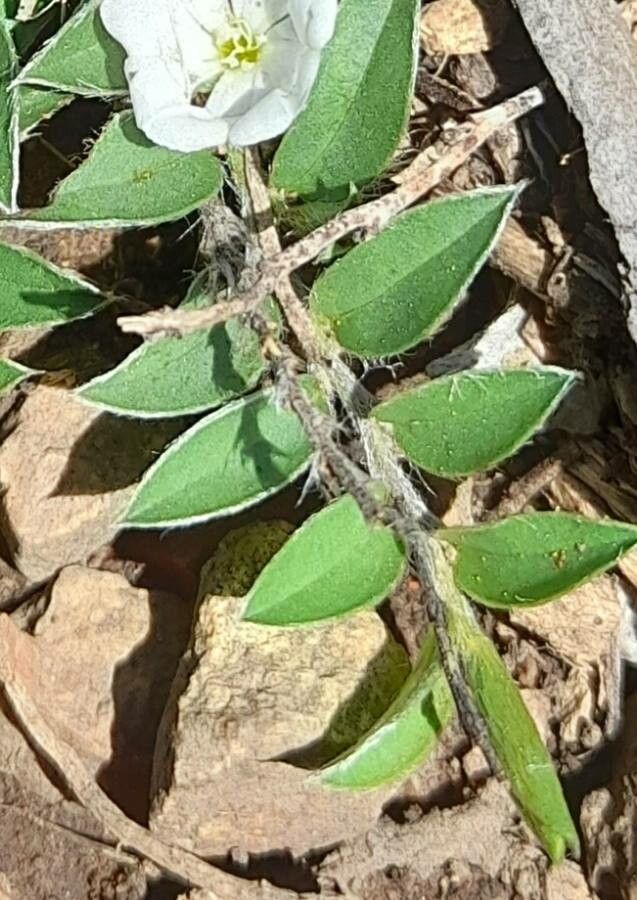
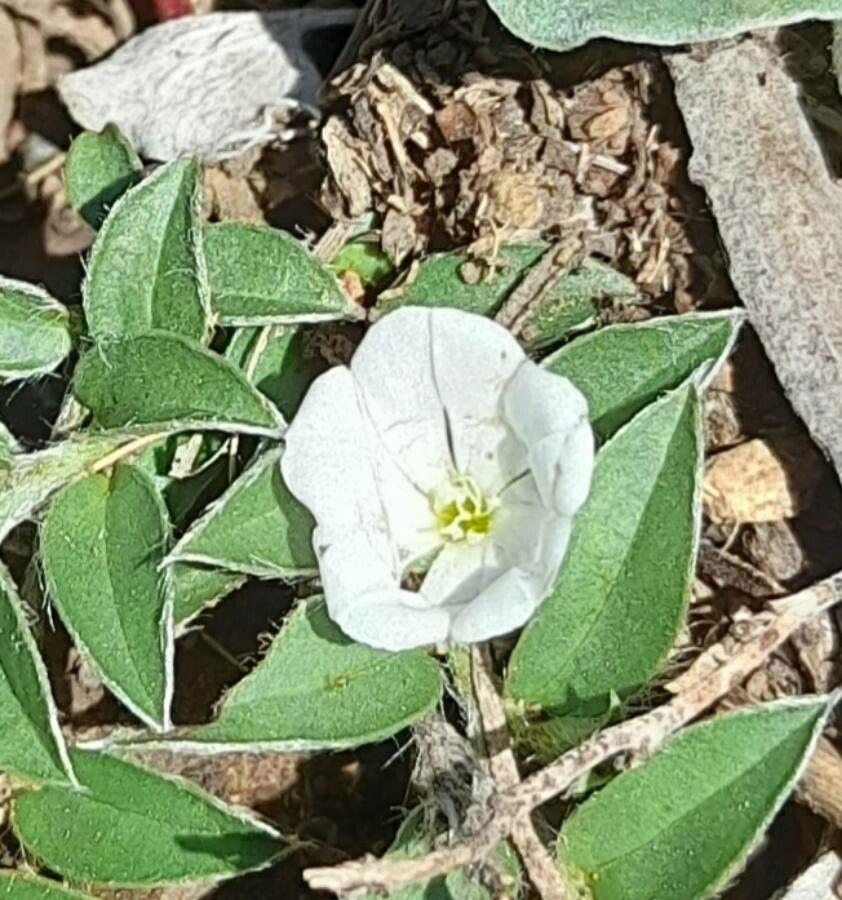
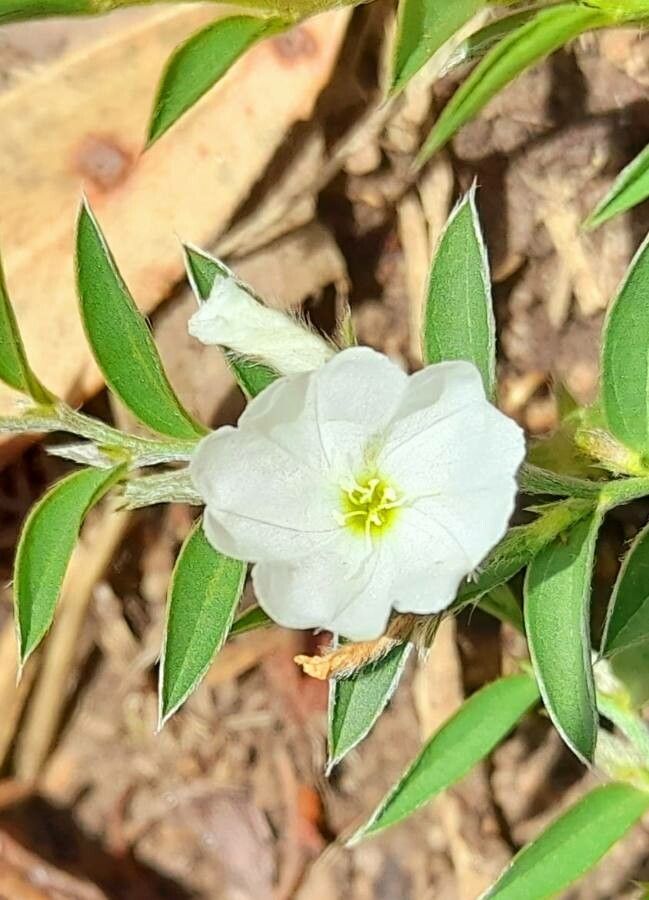
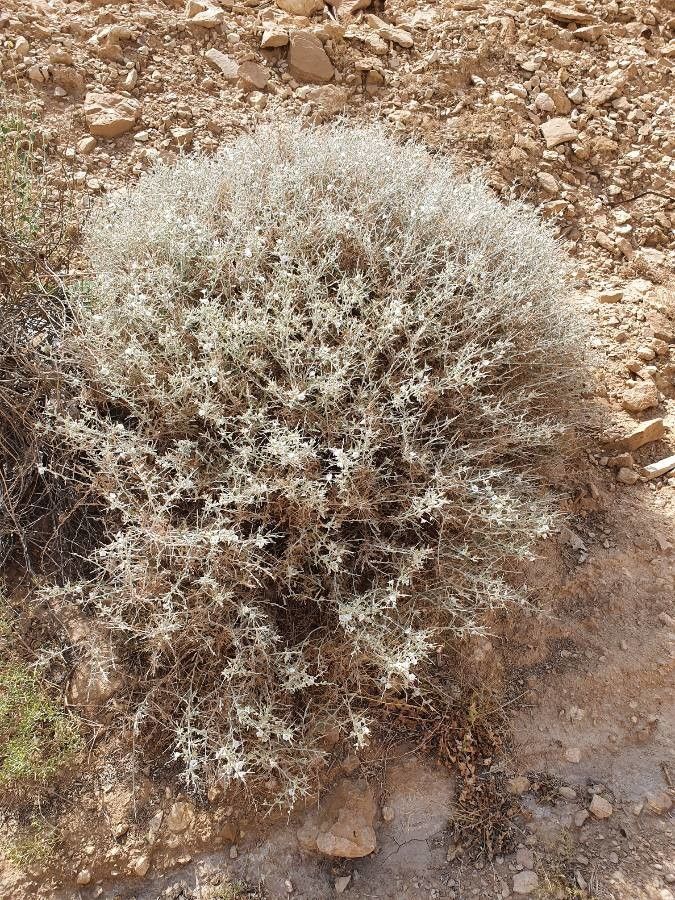
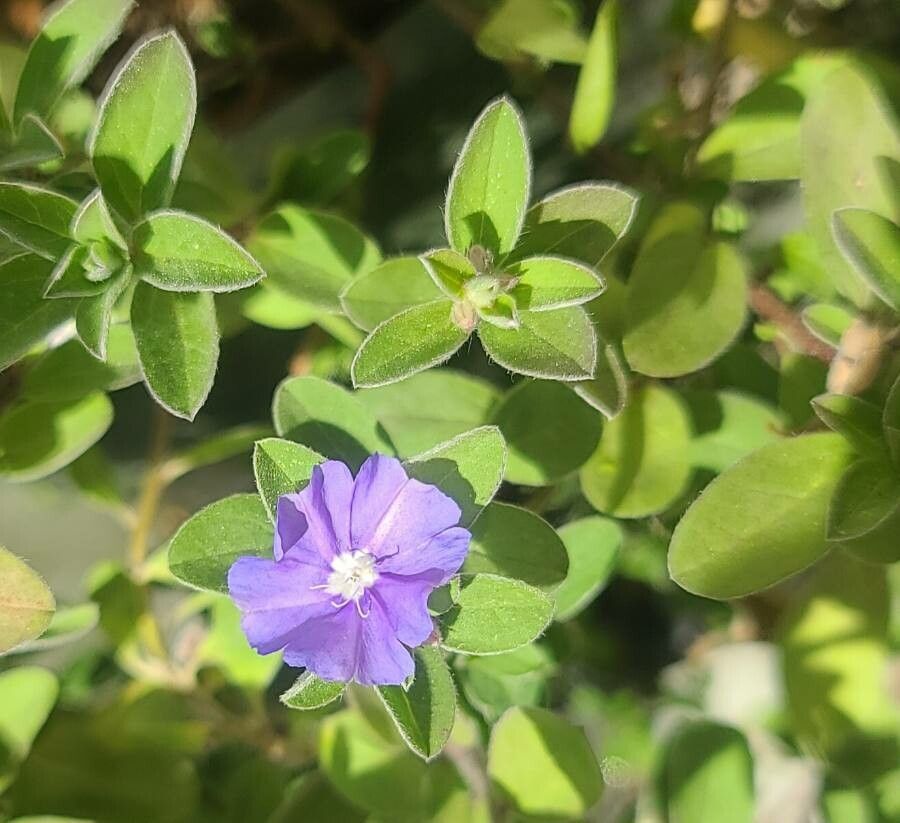
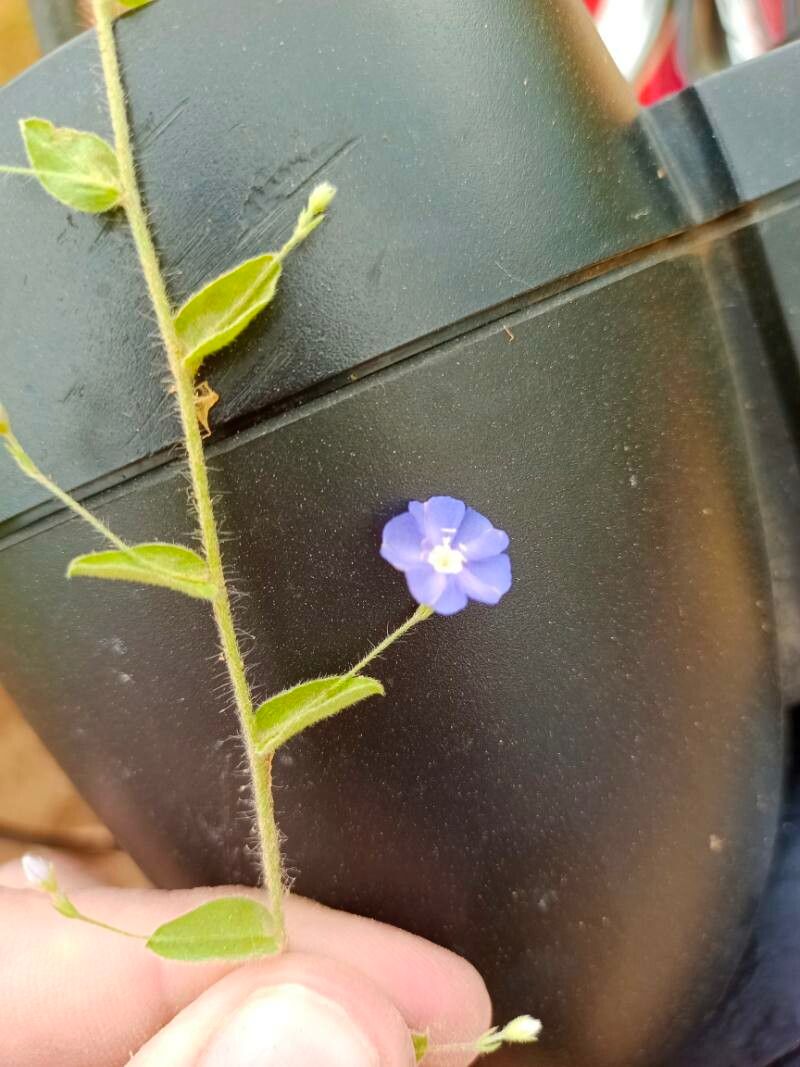
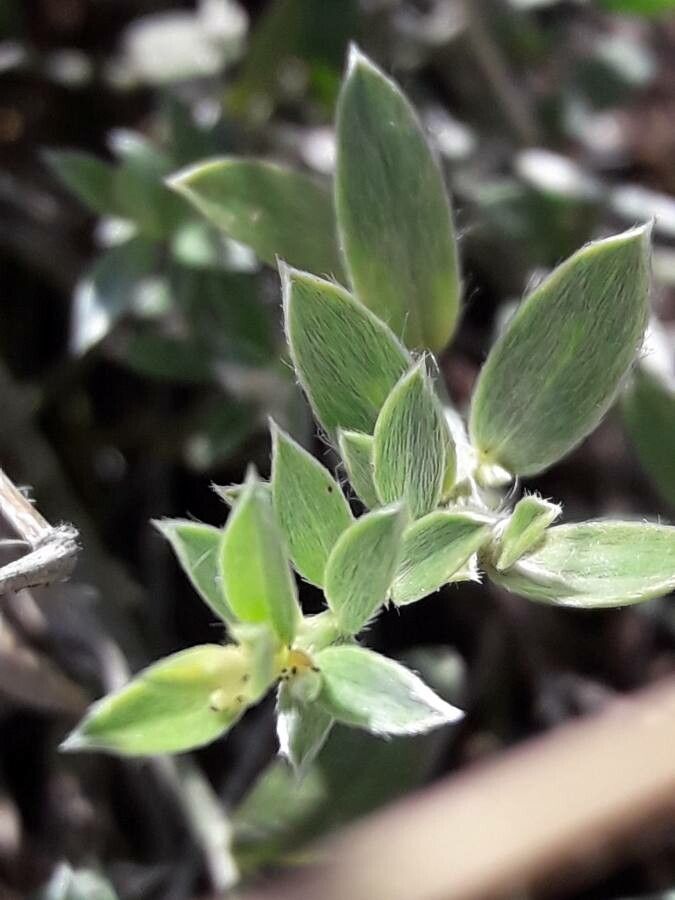
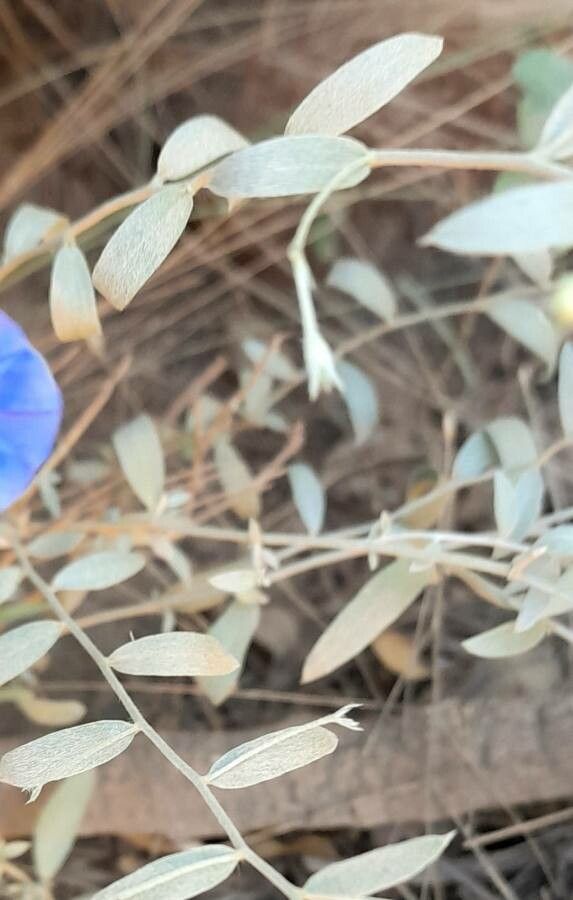
Dwarf Morning Glory (Evolvulus) is a one-of-a-kind plant with blue blossoms, one of the most uncommon colors among blooming plants. Evolvulus is an excellent choice for any garden bed or container. This low-growing, spreading plant will produce a sea of ocean-blue flowers above green leaves with hints of a silvery sheen when planted in a sunny location.
Dwarf morning glory is fairly disease-resistant and typically not prone to illnesses. However, it can be affected by pests and diseases present in the surrounding area. Such infections are usually mild. In terms of care, the plant needs moderate maintenance. It should be pruned regularly to maintain a neat appearance and healthy growth. Fertilizing can also help encourage flowering. Dwarf morning glory is suitable for anyone with outdoor space, like a garden or patio, and does not require extensive care experience. It may need more attention when grown indoors.
How to keep Evolvulus Sericeus.
Light
Dwarf morning glory performs best with plenty of sunlight but can tolerate lower light conditions. Native to bright, sunlit areas, it needs ample illumination for optimal growth. If it receives insufficient light, its growth can be stunted and its health may suffer. Conversely, too much sun can cause the plant stress and physical harm.
Water
Silky evolvulus grows best in well-drained soil and prefers moderate moisture, though it is tolerant of drought conditions. For optimal health, water the plant weekly. Typically grown outdoors, silky evolvulus benefits from natural rainfall during the growing season, which boosts its ability to flower and maintain a lush appearance.
Temperature
Dwarf morning glory thrives in warm, temperate conditions. It comes from areas with temperatures ranging from 20 to 38 ℃ (68 to 100.4 ℉). During colder seasons, it is advisable to regulate the temperature by positioning it near a heat source or a sunny window.
Fertilizer
Dwarf morning glory needs the most fertilizer during its active growth period, which occurs mainly in spring, summer, and early fall. Fertilization supplies essential nutrients that the soil may be missing, supporting healthy root and stem growth and enhancing the attractive foliage that is a notable feature of this plant.
Pruning
Silky evolvulus, known for its silvery foliage and abundant blooms, thrives with regular pruning. To keep the plant healthy, remove spent flowers and thin out stems to improve airflow. The best time to prune is from early to late spring. This not only improves the plant's shape but also encourages vigorous flowering, controls excessive spreading, and prevents the growth of long, thin stems.
Toxicity
The dwarf morning glory has no known toxic trait.
Further reading →
The toxicity and danger assessments provided are for reference only. We do not assure their accuracy, so it's crucial not to depend on them. Seek professional advice when necessary for accurate guidance.
Botanical profile.
- Plant Type
- Herb
- Life Cycle
- Perennial
- Genus
- Evolvulus
- Family
- Convolvulaceae
- Hardiness Zone
- 9-11
- Mature Height
- 25 cm
- Mature Spread
- 20 cm to 40 cm
- Leaf Color
- Green
- Leaf Type
- Deciduous, Evergreen
- Flower Color
- Purple, Blue
- Flower Size
- 0.51 cm to 0.76 cm
- Bloom Time
- All year round
- Planting Time
- Autumn
- Harvest Time
- All year round
- Native Area
- Sri Lanka, Burkina Faso, Belize, India, Mexico, Guatemala, Madagascar, Pakistan, Guinea-Bissau, Uganda, Tanzania, Fiji, Benin, Indonesia, Cameroon, Mozambique, Ethiopia, Central African Republic, Saudi Arabia, Malawi, Honduras, Peru, Philippines, Bangladesh, Laos, Panama, Chad, China, Colombia, Afghanistan, Japan, Togo, El Salvador, Senegal, Eswatini, Côte d'Ivoire, Ecuador, Costa Rica, Gambia, Egypt, Angola, Malaysia, Namibia, Eritrea, Yemen, Kenya, Jamaica, Zimbabwe, Mali, Cuba, Cambodia, Venezuela, Ghana, Botswana, Nepal, South Africa, Zambia, Sudan, Mauritania, Guinea, Bahamas, Bolivia, Vietnam, Myanmar, Guyana, Bhutan, Nicaragua, Singapore, Thailand
Other names.
Reader questions.
How should I water my Silky evolvulus plant?
When watering the Silky evolvulus, it is recommended to use filtered water at room temperature to ensure the plant's health. Tap water may contain harmful particles, so filtering it is preferable. The water should be at room temperature or slightly warmer since the Silky evolvulus is accustomed to a warm environment and cold water can be a shock to its system. It is important to avoid overhead watering as it can lead to foliage complications. Instead, simply soak the soil with filtered room temperature water until it is entirely saturated. This method benefits the plant by providing moisture to the roots and allowing them to spread and collect nutrients in the soil.
What are the sunlight requirements for Silky evolvulus?
Silky evolvulus thrives in full sunlight, requiring more than 6 hours of sunlight daily for optimal growth. Originating from habitats with generous sunlight, it is crucial to provide similar conditions to ensure its health and well-being. When selecting a planting spot, consider the movement of sunlight through the garden to achieve a balance of light and shade that suits the plant's needs.
What temperature range is ideal for growing Silky evolvulus?
Silky evolvulus thrives best in temperature ranges from 32 to 95 °F (0 to 35 °C). It is a plant adaptable to a wide range of temperatures but performs optimally within this specific range. Although it has strong cold resistance and does not typically require seasonal temperature adjustments, providing protection when temperatures are expected to fall below -35°C is crucial to prevent damage.
What should I do if I give my Silky evolvulus too much or too little water?
Overwatering is a more common issue than underwatering for the health of your Silky evolvulus. When this plant gets too much water, its stems and leaves wilt and turn yellow. Overwatering can also lead to diseases like root rot, mold, and mildew, which can kill your plant. Underwatering is less common because the Silky evolvulus can tolerate drought. However, it can still happen, and you'll notice brittle and brown leaves. When caring for your Silky evolvulus, it's important to notice signs of overwatering early. Some diseases like root rot can't be fixed if you wait too long. If you see early signs, reduce watering immediately and check the soil quality. If it drains poorly, replace it with a well-draining potting mix. If you notice signs of underwatering, water more regularly until the signs go away.
Can Silky evolvulus be grown indoors, and how can I provide adequate light?
Yes, Silky evolvulus can be grown indoors, but it needs adequate lighting to flourish. During winter or in less sunny spaces where natural sunlight might be insufficient, artificial lighting such as LED lights can be employed to provide the necessary wavelengths for plant growth. Optimal artificial lighting settings for full sun plants include 30-50W per square foot. Ensure the artificial light source is placed 12-36 inches above the plant and mimic natural daylight hours, generally 8-12 hours of light per day.
How do you protect Silky evolvulus during winter?
To protect Silky evolvulus during winter, especially if temperatures are anticipated to drop below -35°C, it is advisable to cover the plant with insulating materials like soil or straw. Additionally, watering the plant abundantly before the first freeze in autumn helps ensure the soil around it remains moist and enters a frozen state. This preparation helps to prevent drought and water scarcity for the plant during the chillier winter and early spring months.
How frequently should I water my Silky evolvulus?
If your Silky evolvulus plant is in a pot, the easiest way to know if it needs water is to check the soil. Stick your finger into the soil about two to three inches deep. If it feels dry at that level, it's time to water it. If you have planted your Silky evolvulus outdoors in the ground, you can use the same method. When the top few inches of soil are dry, it's a sign that you should water the plant. Usually, during the spring and early fall, you'll need to water this plant about once a week using this method. But in very hot weather, you might have to increase the frequency to twice or more per week. However, it's worth mentioning that mature and well-established Silky evolvulus plants are quite resilient and can tolerate dry conditions well.
What are the signs of inadequate lighting in Silky evolvulus, and how can it affect the plant?
Inadequate lighting can lead to several symptoms in Silky evolvulus, including smaller new leaves, leggy or sparse growth, faster leaf drop, slower or halted growth, lighter-colored new leaves, chlorosis, sunscald, leaf curling and wilting, and leaf scorching. These signs indicate a lack of sufficient light, which is critical for the plant's ability to photosynthesize and maintain overall health.
What are the symptoms of Silky evolvulus being affected by low temperatures?
Silky evolvulus shows notable resilience to cold weather and ideally should be kept above -30°C during winter. However, when temperatures fall below -35°C, the plant may experience a lack of sprouting in the spring. Although there might not be visible changes during the winter, a significant decrease in sprouting or complete absence of sprouting can occur.
How much water does my Silky evolvulus plant need?
To properly water your Silky evolvulus, don't hesitate to give it a generous amount of water. Wait until the top two to three inches of soil are dry, then water the plant thoroughly. Make sure the soil is completely soaked and allow the excess water to drain out from the bottom of the pot. If there is no excess water draining, it means you haven't given enough water. However, be careful not to let the water accumulate in the soil, as this can harm the plant. If there is no water draining from the pot, it might indicate that the soil doesn't drain well, which is not good for the plant's health. If the plant is outdoors, it generally needs about 1 inch of rain per week.
How can I address light deficiency issues for indoor and outdoor Silky evolvulus plants?
To address light deficiency in indoor Silky evolvulus, gradually move the plant to a sunnier location each week until it receives at least 6 hours of direct sunlight daily, utilizing south-facing windows for maximum exposure. Consider using artificial light for additional support. For outdoor plants, also move them progressively to sunnier spots to prevent sunburn, and for either setting, ensure that new placements do not abruptly change light conditions. Understanding that parts affected by insufficient sunlight may not recover is important, yet new, healthy growth can emerge with improved light access.
What should you do if Silky evolvulus doesn't sprout in the spring due to cold damage?
If Silky evolvulus fails to sprout in spring following cold damage, it is recommended to remove any parts of the plant that have not sprouted. This action helps the plant to focus energy on the growth of new shoots and leaves, facilitating recovery and rejuvenation after the cold stress.