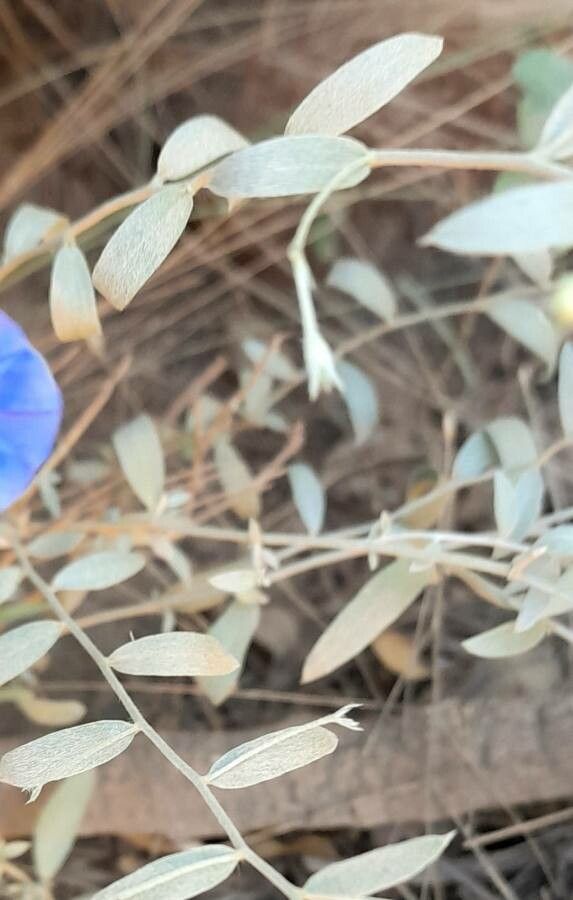
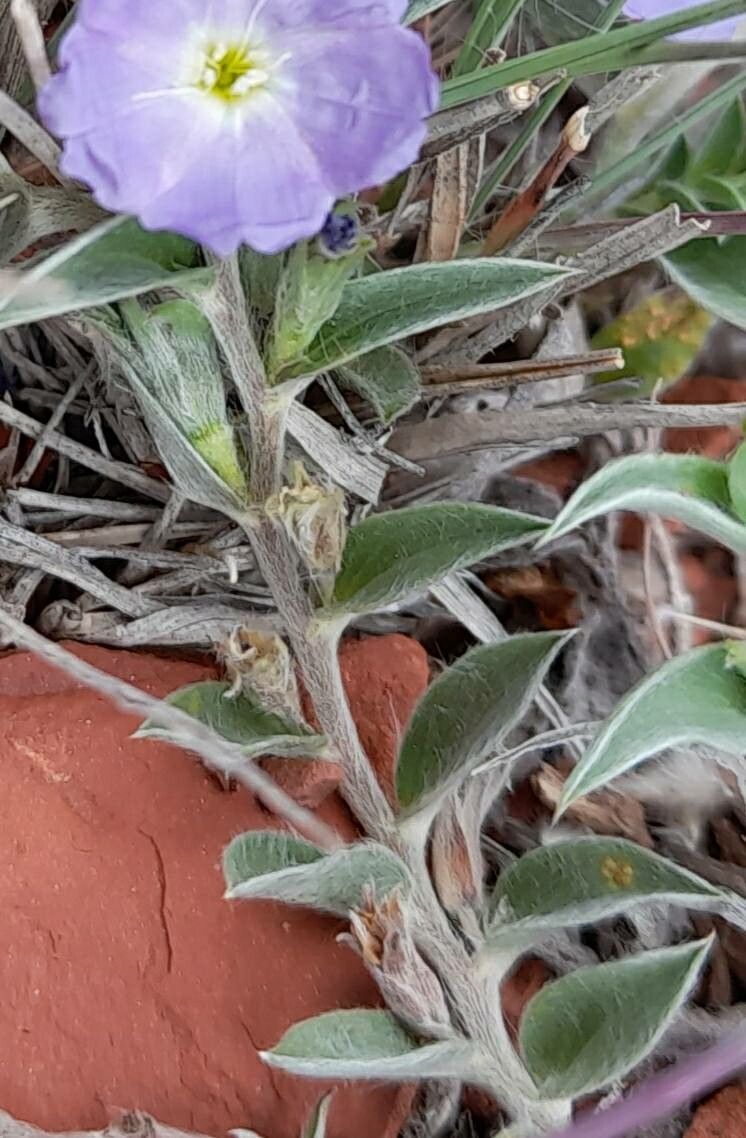
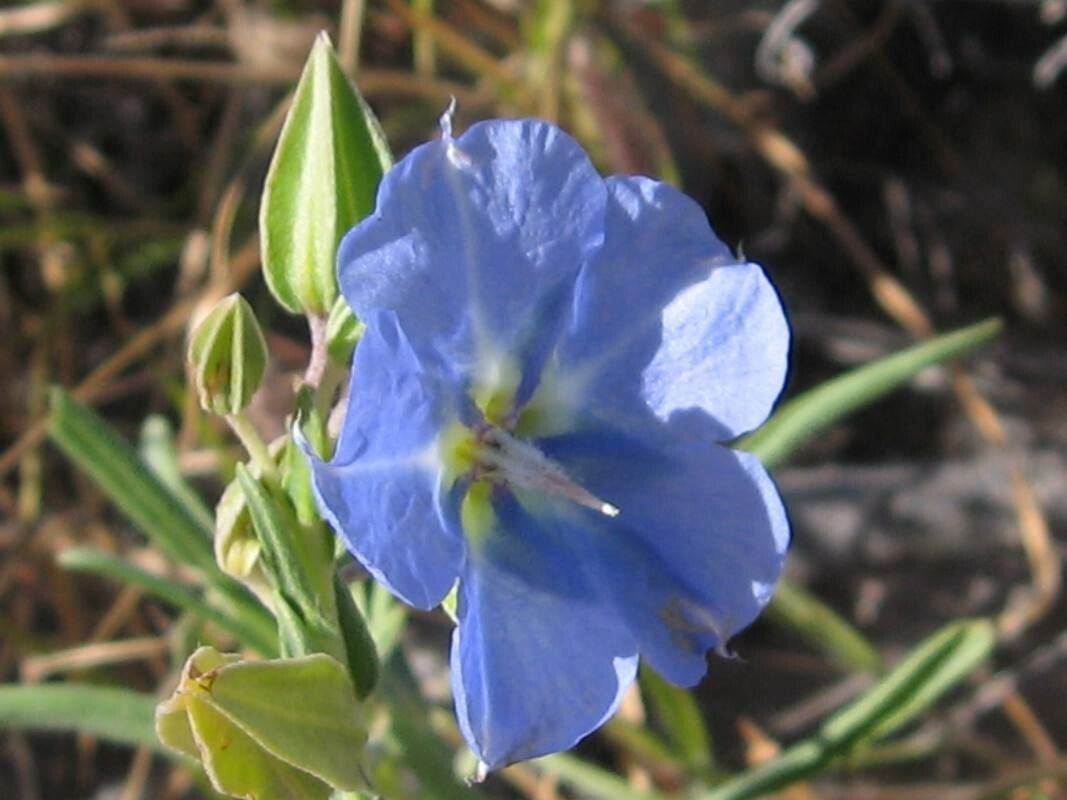
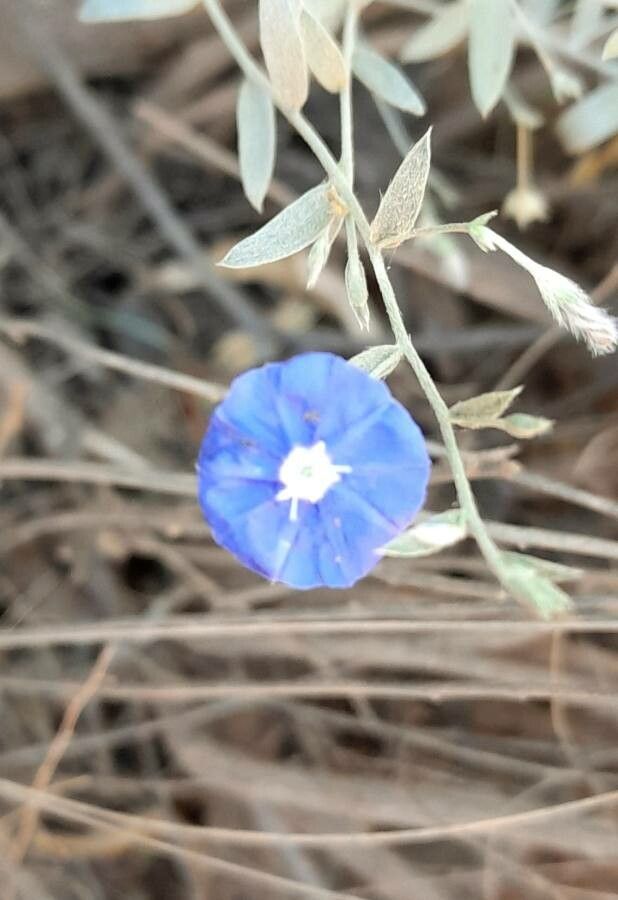
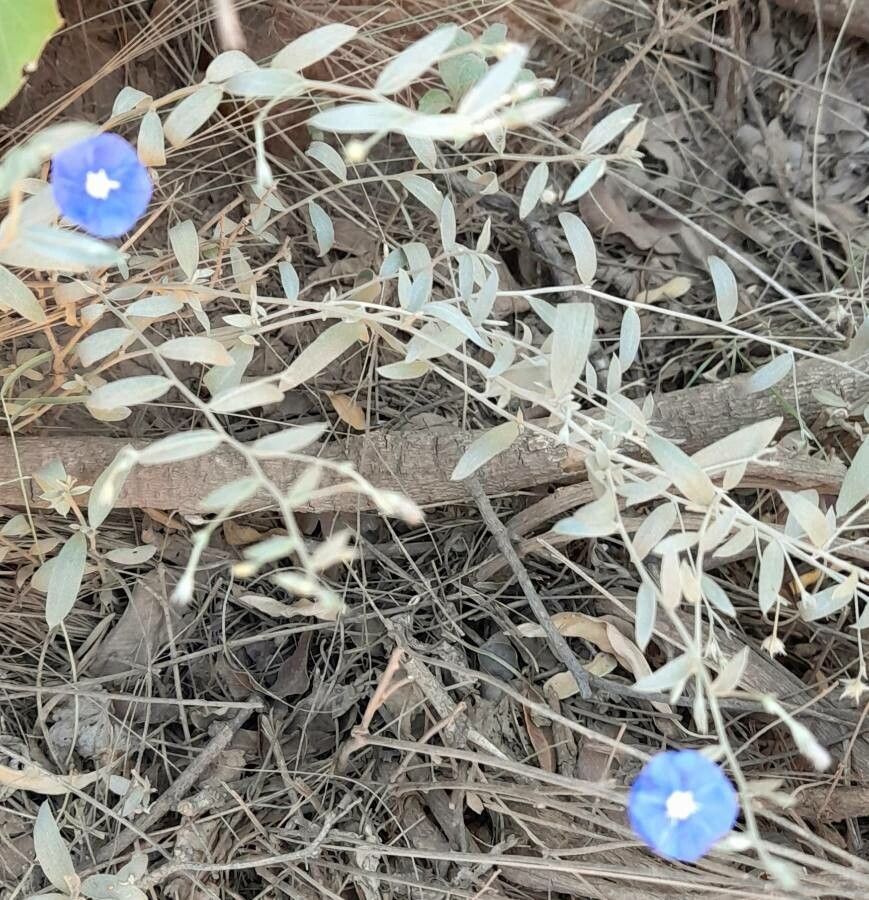
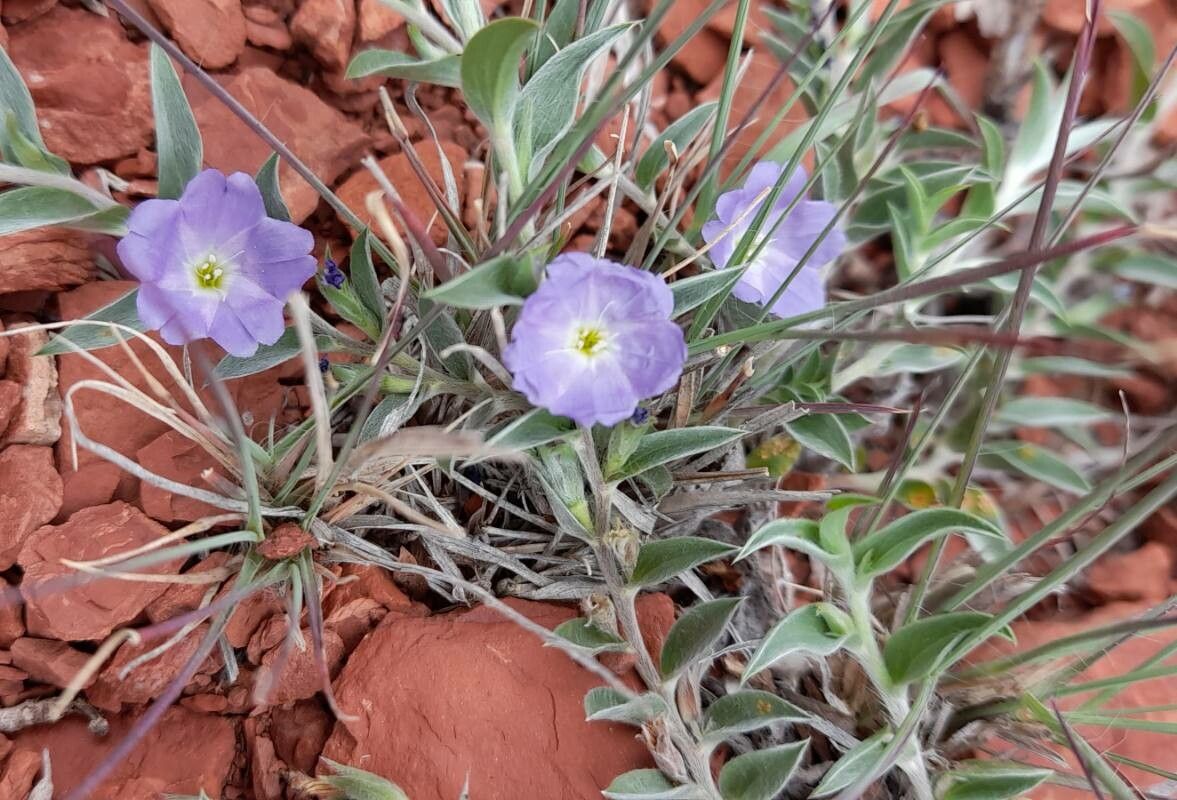
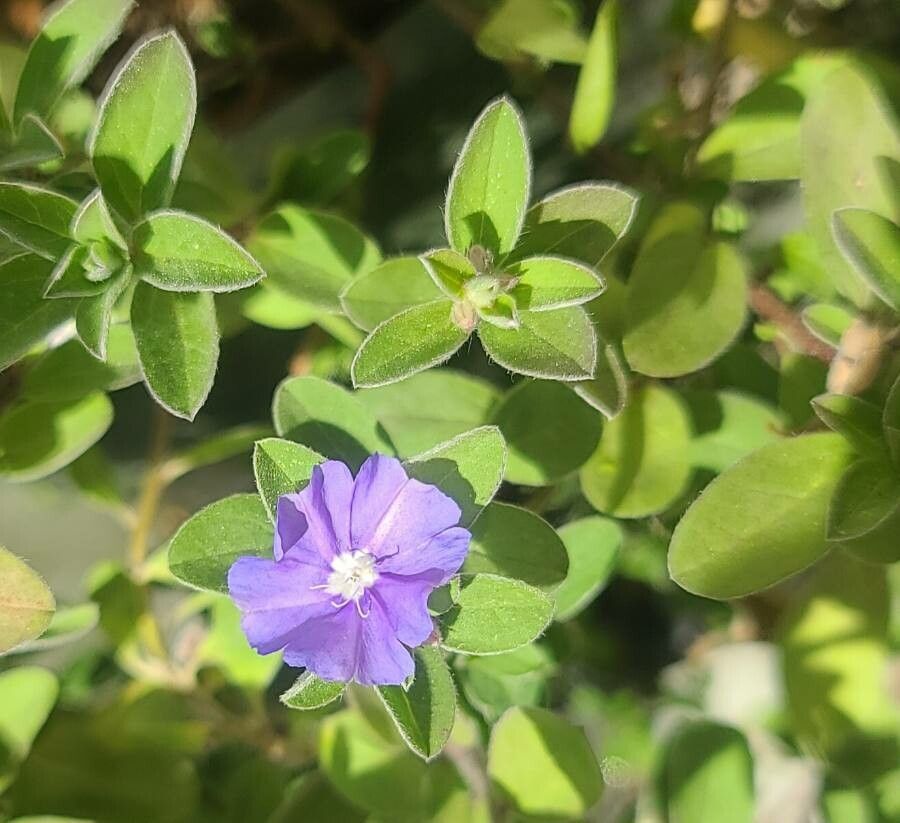
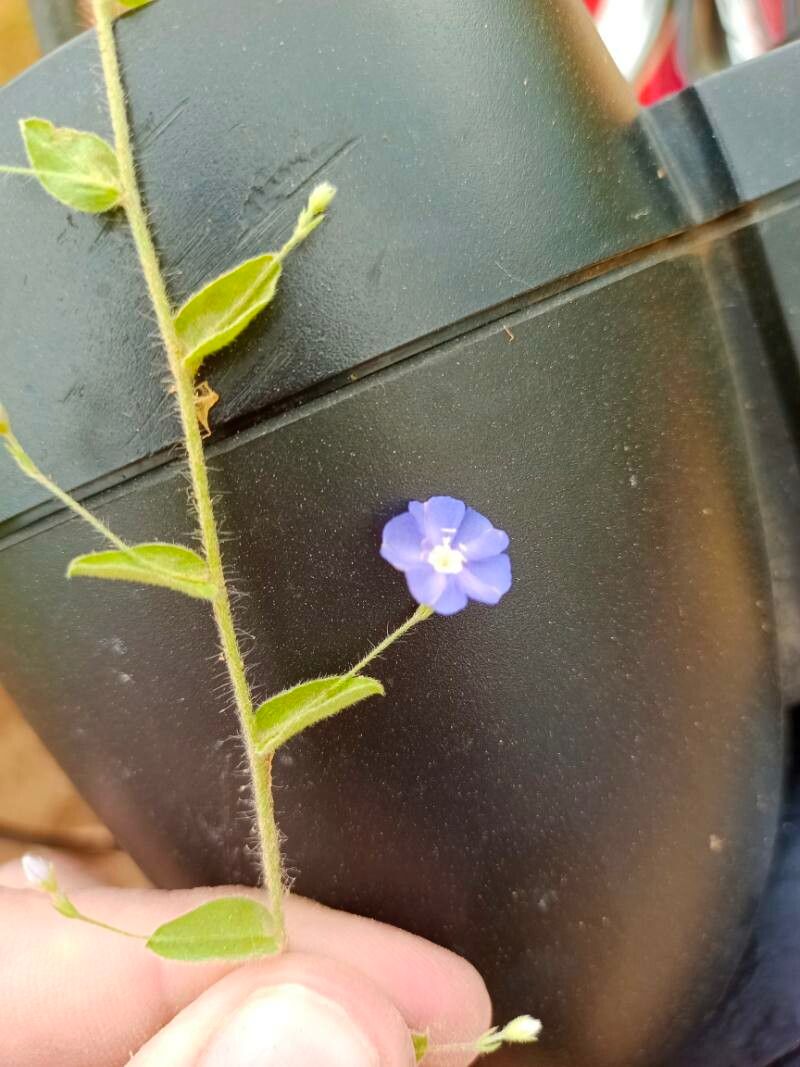
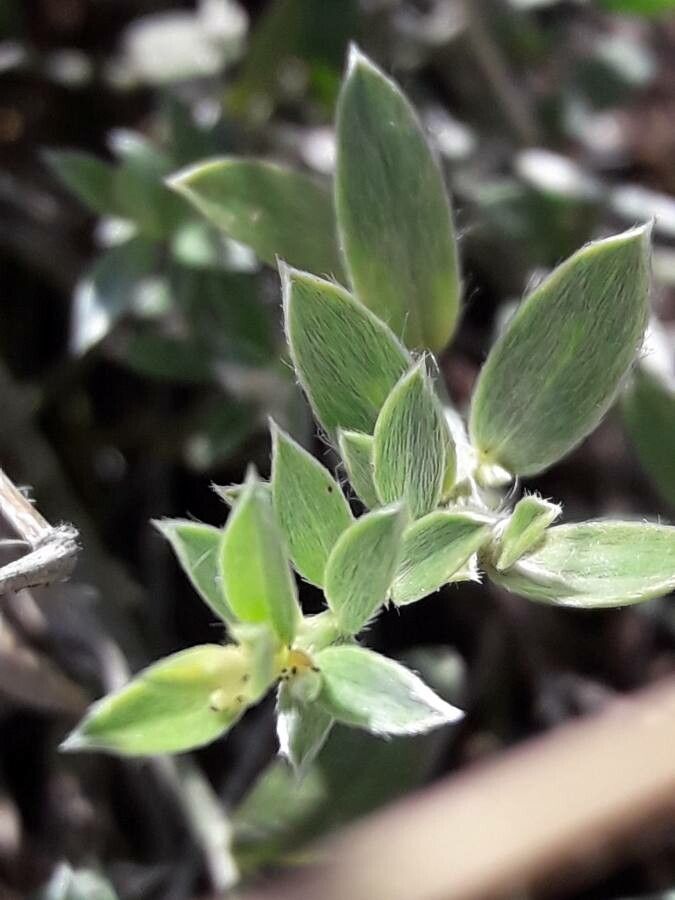
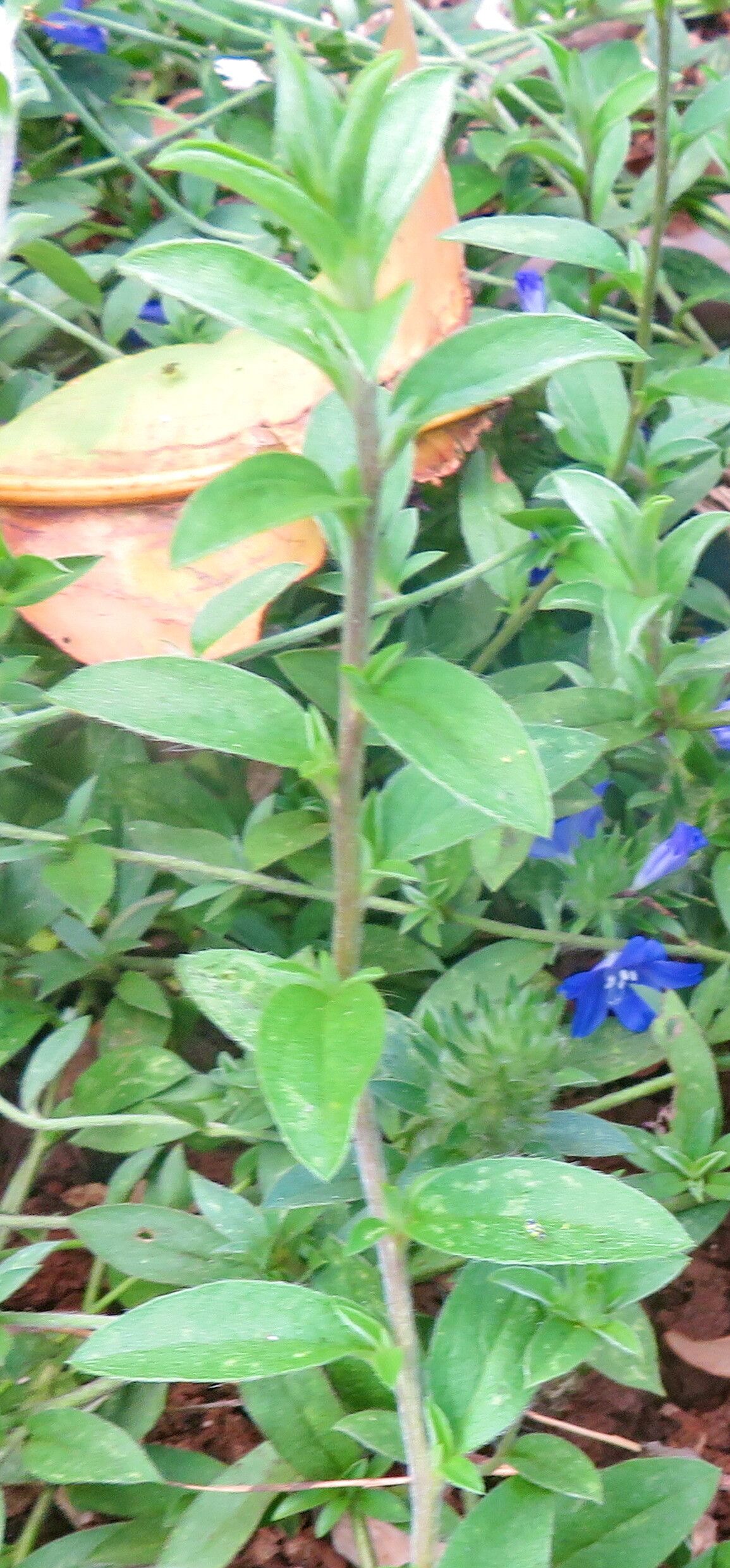
Dwarf Morning Glory (Evolvulus) is a one-of-a-kind plant with blue blossoms, one of the most uncommon colors among blooming plants. Evolvulus is an excellent choice for any garden bed or container. This low-growing, spreading plant will produce a sea of ocean-blue flowers above green leaves with hints of a silvery sheen when planted in a sunny location.
Wild dwarf morning-glory is fairly resistant to disease and typically does not suffer from major health problems. Still, it can be affected by pests and diseases that exist in its environment. Such infections are generally mild. Care-wise, this plant needs a moderate level of attention. Regular pruning is necessary to preserve an attractive appearance and support healthy growth. Applying fertilizer can also encourage better flowering. This plant is well suited for anyone who has outdoor space like a garden or a patio and does not demand extensive gardening experience. It may need more attention if cultivated indoors.
How to keep Evolvulus Arizonicus.
Light
Wild dwarf morning-glory is a sun-loving, perennial herbaceous plant native to open habitats and commonly found in meadows and grasslands. It prefers full sun but can also tolerate partial sunlight.
Water
Evolvulus thrives when it gets continuous, even hydration, but it hates sitting in wet soil. It tolerates drought after it has established itself. Because of its drought tolerance, this plant is a good choice for neglected regions of your garden or pots that don't get enough water. Overwatering evolvulus, which can cause root rot, is one of the quickest ways to kill it.
Temperature
Wild dwarf morning-glory can tolerate a wide range of temperatures, but its distribution may still be constrained by various combinations of water and heat conditions. It grows best in warm summer climates with sufficient rainfall or watering. Extended stretches of cloudy, rainy weather or sustained high temperatures can increase the chance of Wild dwarf morning-glory dying. In winter, protecting it from cold can improve the plant's chances of survival.
Fertilizer
The optimal time to fertilize a Wild dwarf morning-glory is in early spring, as it breaks dormancy and begins active growth. Fertilizing supplies essential nutrients for healthy growth. Although Wild dwarf morning-glory has relatively low fertilizer requirements, annual feeding can improve its survival and encourage better, longer-lasting flowers.
Pruning
The wild dwarf morning-glory thrives in well-drained soil and full sunlight, showcasing small blue flowers. To encourage healthy growth and maintain a compact shape, prune the plant from early to late spring to remove any dead stems. Regular, minimal pruning not only enhances blooming but also promotes overall plant health, ensuring a vibrant growing season.
Toxicity
The dwarf morning glory has no known toxic trait.
Further reading →
The toxicity and danger assessments provided are for reference only. We do not assure their accuracy, so it's crucial not to depend on them. Seek professional advice when necessary for accurate guidance.
Botanical profile.
- Plant Type
- Herb
- Life Cycle
- Perennial
- Genus
- Evolvulus
- Family
- Convolvulaceae
- Hardiness Zone
- 8-11
- Mature Height
- 10 cm to 30 cm
- Mature Spread
- 15 cm to 46 cm
- Leaf Color
- Green
- Leaf Type
- Evergreen
- Flower Size
- 1.02 cm to 2.03 cm
- Bloom Time
- Mid spring, Late spring, Summer, Early fall
- Planting Time
- Spring, Summer
- Harvest Time
- Summer, Fall
- Native Area
- Mexico, Bolivia
Other names.