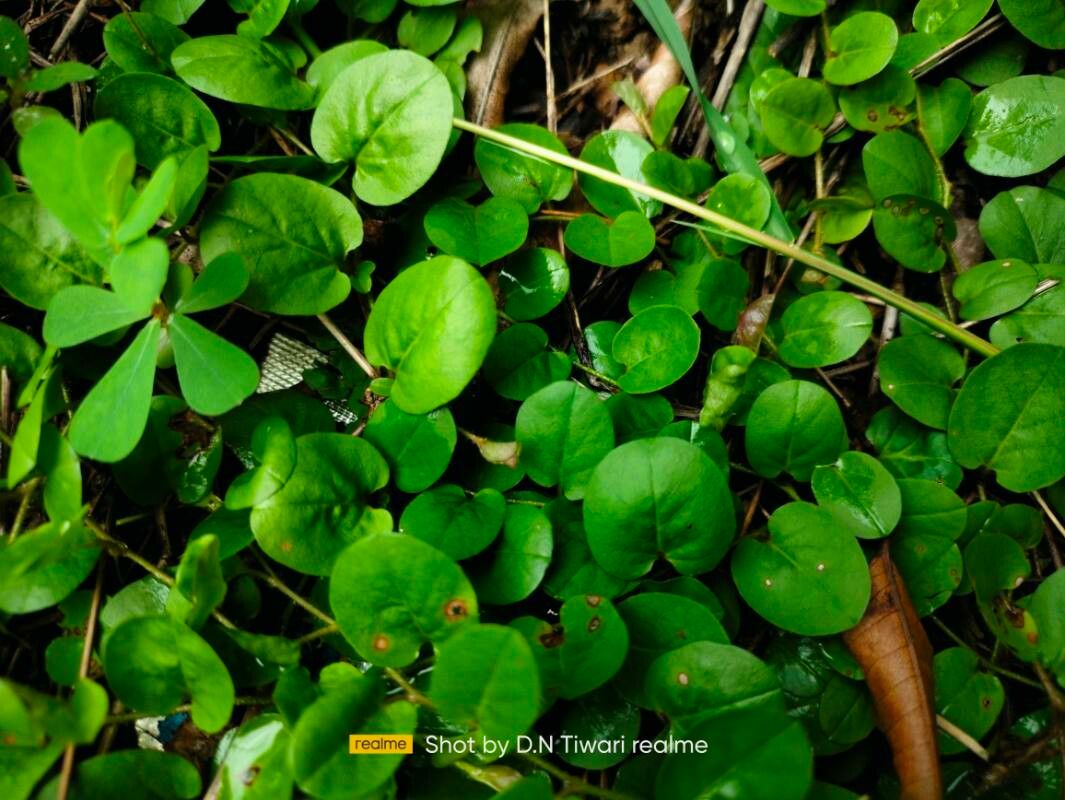
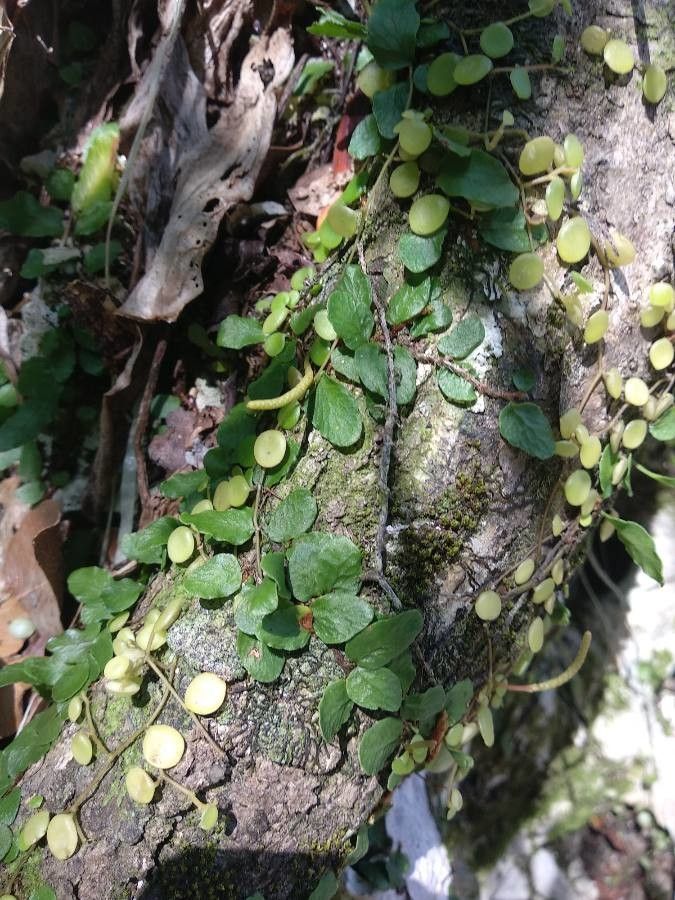
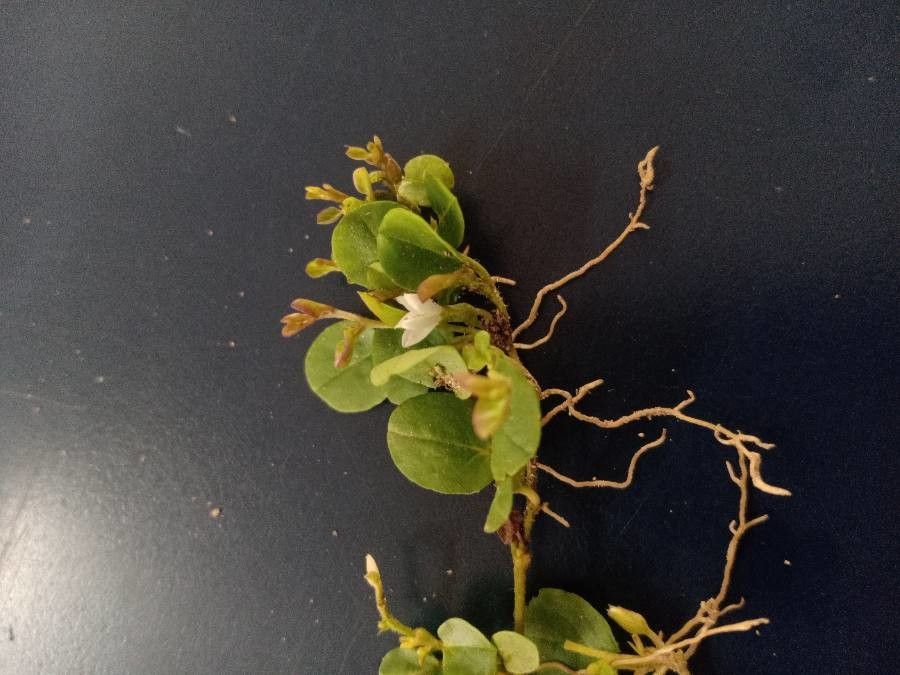
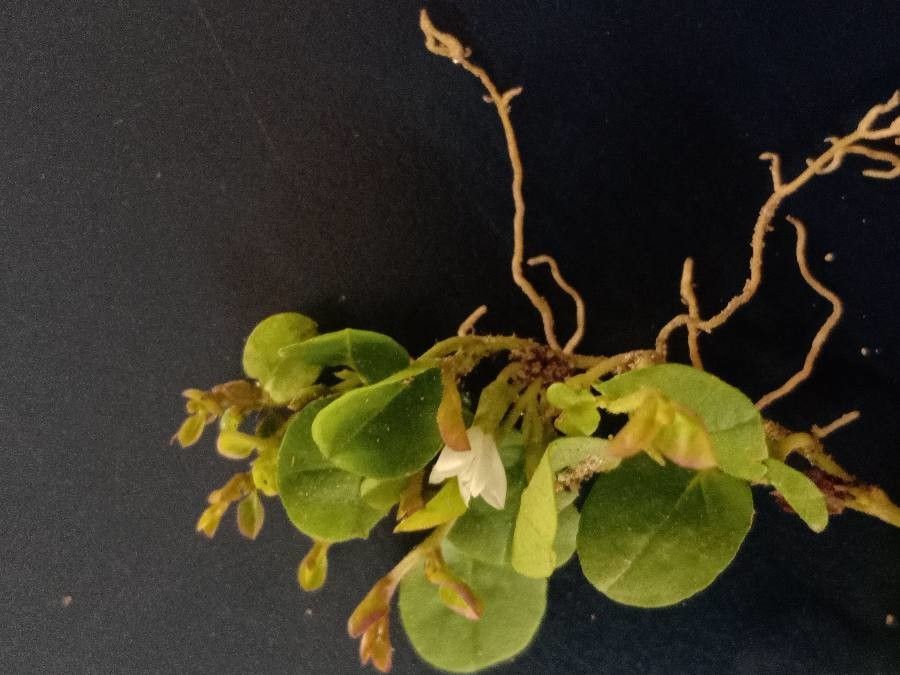
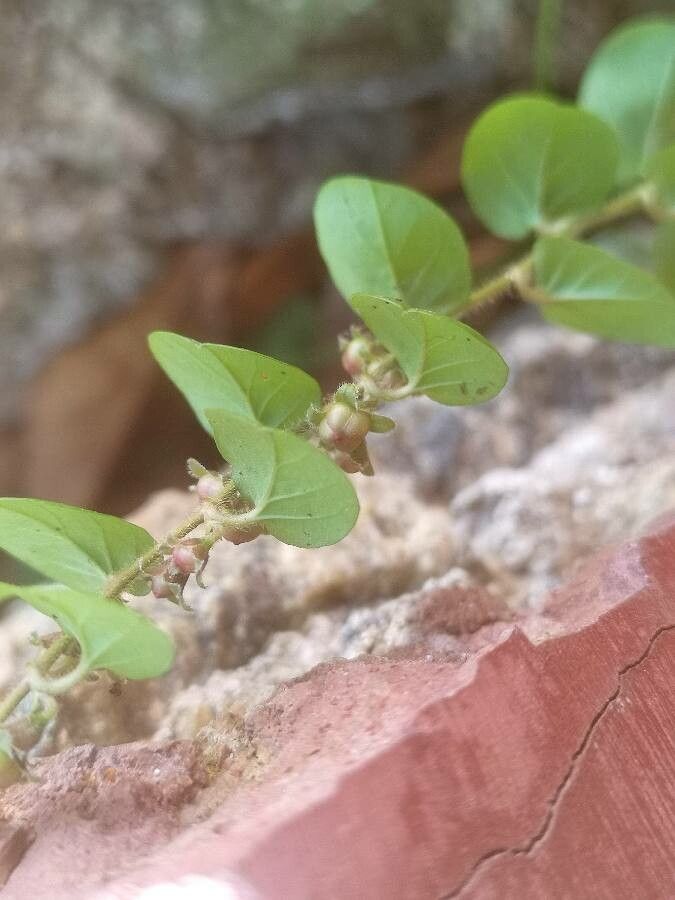
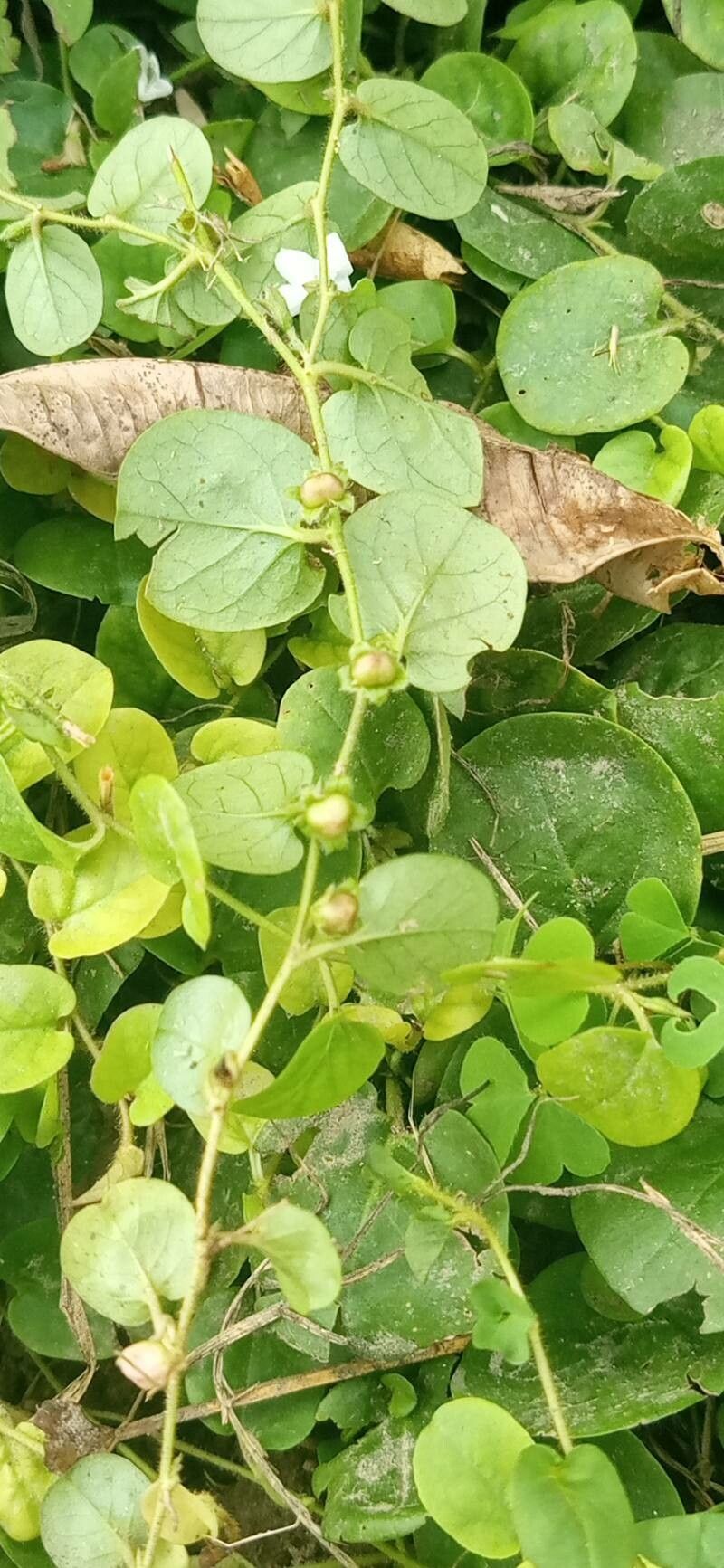
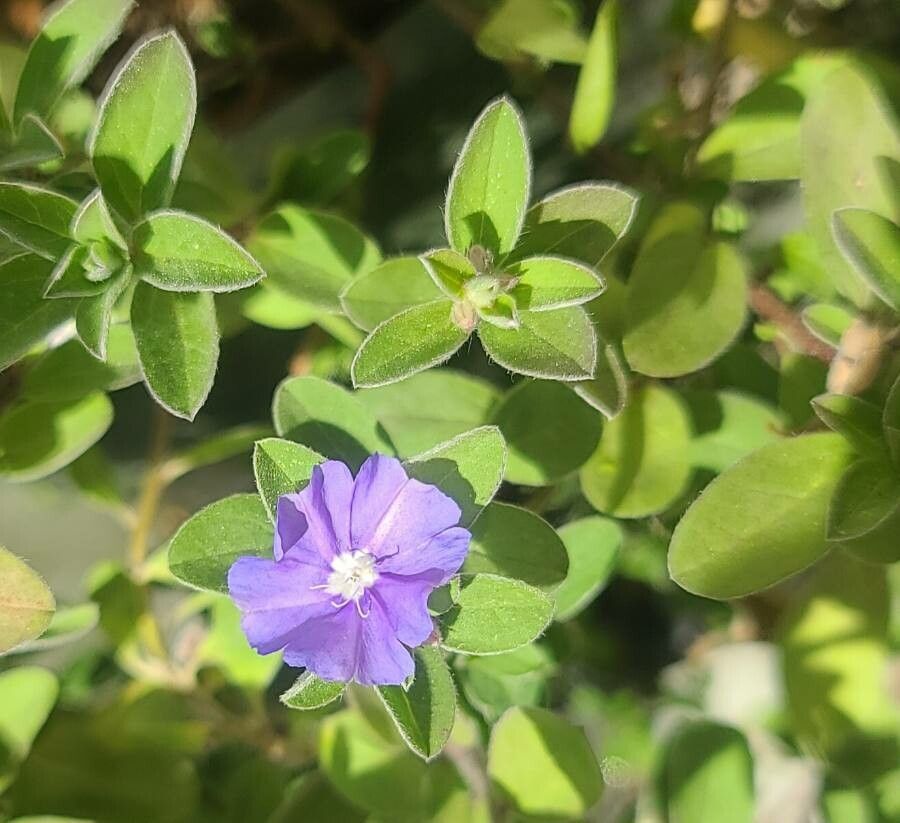
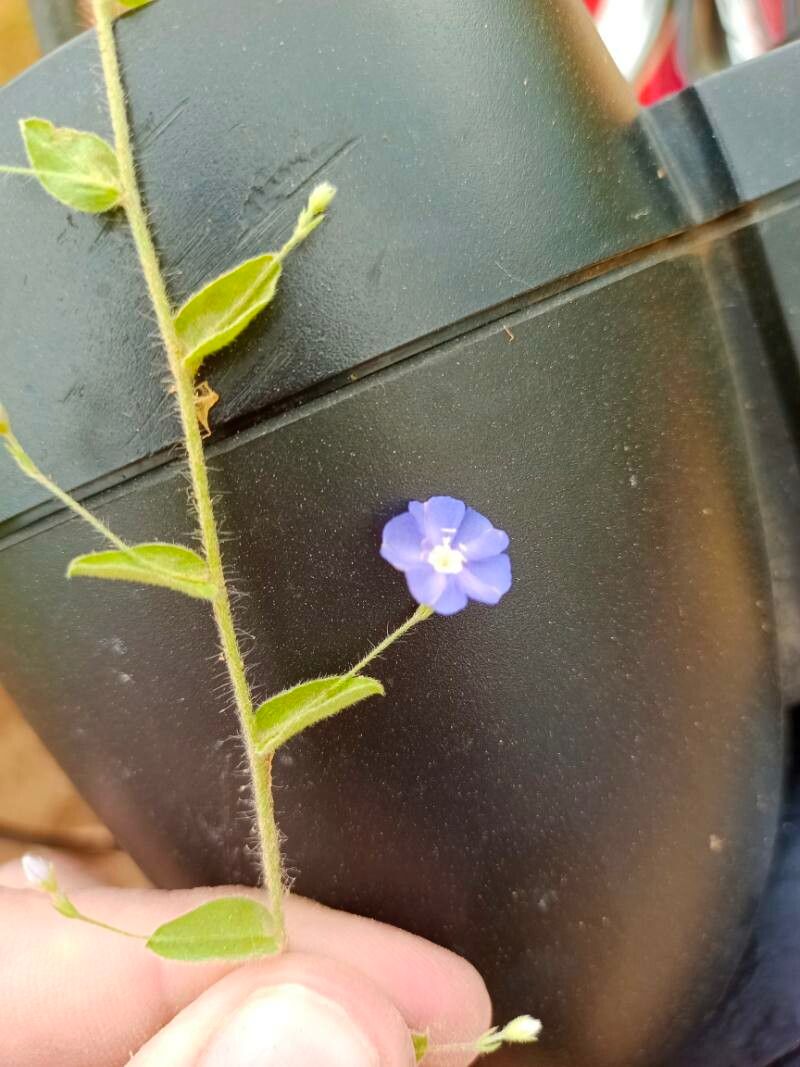
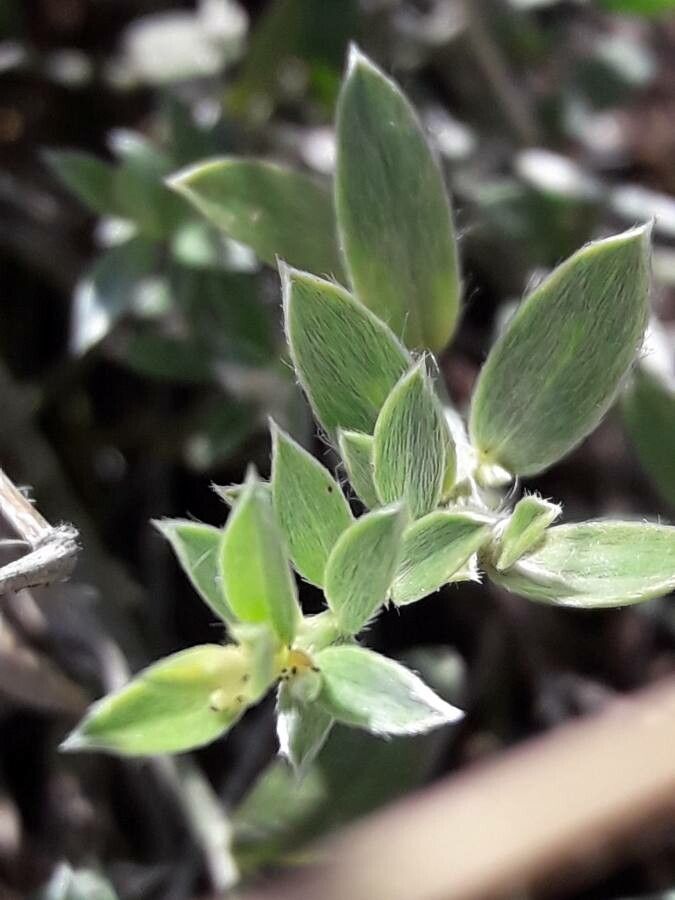
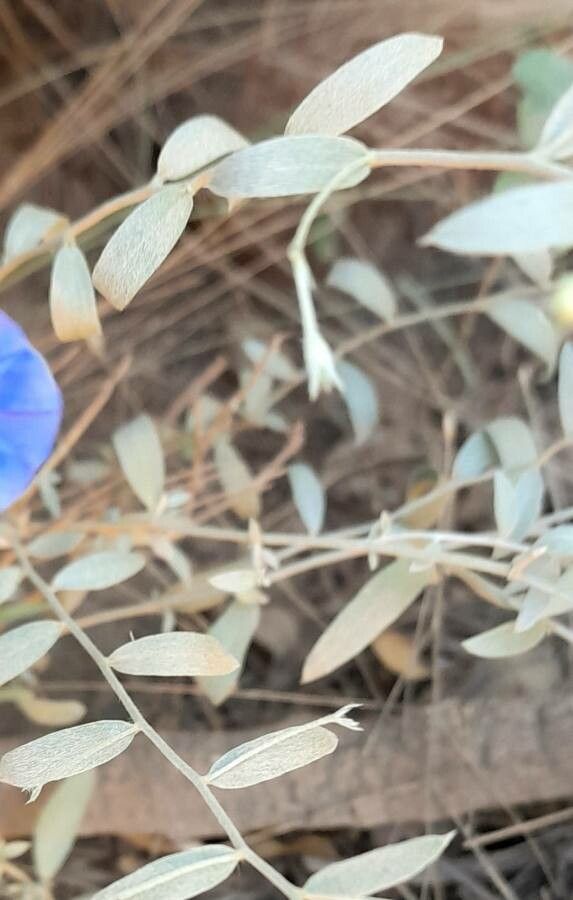
Evolvulus nummularius, also known as the dwarf morning glory, is a species of flowering plant in the morning-glory family. It is an annual or perennial plant.
El agracejo rastrero tiene buena resistencia a las enfermedades y, en general, no suele ser propenso a ellas. Sin embargo, puede ser susceptible a plagas y enfermedades presentes en su entorno. Estas afecciones por lo general no son graves. En cuanto a los cuidados, esta planta necesita un mantenimiento medio. Requiere poda regular para mantener una buena apariencia y un crecimiento saludable. La fertilización también puede ayudar a estimular la floración. El agracejo rastrero es apto para quienes disponen de un espacio exterior, como un jardín o un patio, y no demanda mucha experiencia en cuidados. Cultivado en interior puede necesitar más atenciones.
How to keep Evolvulus Nummularius.
Light
Agracejo rastrero does best when placed where it gets plenty of sun. Receiving a lot of sunlight supports its healthy growth. Although it is hardy and can tolerate various lighting conditions, a lack of sufficient sunlight can hinder its growth. Excessive exposure to light may not harm this species.
Water
Agracejo rastrero flourishes in tropical environments, where it prefers humidity and regular moisture. Watering it weekly helps sustain its lush, evergreen leaves, though it can withstand short periods of dryness. Consistent hydration is crucial for healthy leaf production and overall well-being.
Temperature
Agracejo rastrero comes from tropical areas, where the climate is usually warm and humid. Consequently, it is well adapted to high heat and moisture. It does not tolerate sudden temperature shifts and prefers a consistent thermal environment, so avoiding temperature fluctuations indoors is important. It generally cannot endure cold conditions and needs higher temperatures to grow. If the ambient temperature falls too low, the plant may stop growing or even die.
Fertilizer
Adequate fertilization is essential for Agracejo rastrero's health and appearance. Apply fertilizer to Agracejo rastrero in summer, repeating the application monthly throughout the season. Nutrients fuel growth and support the plant's parts. Fertilization improves Agracejo rastrero's flowering, ensuring the best blooms.
Pruning
The agracejo rastrero is a low-growing, trailing herbaceous plant that features small blue flowers. To encourage dense growth and more blooms, prune up to one-third of the plant from early to late spring. Regular pruning helps maintain the plant's shape, improves airflow, reduces the risk of disease, and enhances its overall health and appearance.
Botanical profile.
- Plant Type
- Herb
- Life Cycle
- Perennial, Annual
- Genus
- Evolvulus
- Family
- Convolvulaceae
- Hardiness Zone
- 9-11
- Mature Height
- 20 cm to 40 cm
- Mature Spread
- 30 cm to 61 cm
- Leaf Color
- Green
- Leaf Type
- Evergreen
- Flower Color
- White, Pink, Purple
- Flower Size
- 0.76 cm to 0.76 cm
- Bloom Time
- All year round
- Planting Time
- Spring, Summer, Autumn
- Harvest Time
- All year round
- Native Area
- Burkina Faso, Egypt, Belize, Angola, Mexico, Guatemala, Madagascar, Kenya, Uganda, Jamaica, Tanzania, Benin, Cuba, Cameroon, Mozambique, Venezuela, Ghana, Ethiopia, Central African Republic, Malawi, Honduras, Peru, South Africa, Zambia, Sudan, Panama, Colombia, Bahamas, Bolivia, Togo, El Salvador, Nicaragua, Eswatini, Guyana, Ecuador, Côte d'Ivoire, Costa Rica
Other names.
Reader questions.
How should I water my Agracejo rastrero to ensure it's well hydrated?
To ensure the health of the Agracejo rastrero plant, it is best to use filtered water at room temperature for watering. Tap water may contain harmful particles that can affect the plant's well-being. Since the Agracejo rastrero comes from a warm environment, it is important to avoid using cold water as it can shock the plant. Additionally, it is recommended to refrain from overhead watering to prevent issues with the foliage. Instead, gently pour the filtered room temperature water onto the soil until it is completely soaked. This practice is beneficial as it helps moisten the roots and enables them to expand through the soil and absorb necessary nutrients.
What are the sunlight requirements for Agracejo rastrero?
Agracejo rastrero requires above 6 hours of sunlight daily to thrive. It's essential to observe the sunlight's movement through your garden to select spots offering the right balance of light and shade. This ensures the plants receive the optimal conditions for healthy growth. Ample sunlight is crucial for its well-being, as insufficient light may hinder growth, while excessive light usually does not negatively impact this species.
What should I do if I give my low-growing barberry plant too much or too little water?
When caring for your Agracejo rastrero, it's important to avoid both overwatering and underwatering. Overwatering is a more common issue and can cause wilting, yellowing leaves, and diseases like root rot, mold, and mildew. Underwatering is less common but can result in brittle, brown leaves. It's crucial to notice the signs of overwatering early and reduce watering immediately. If the soil drains poorly, replace it with a well-draining mix. If your plant lacks water, increase watering until the signs improve.
How can artificial lighting support Agracejo rastrero's growth indoors?
When natural sunlight is insufficient, especially during winter or in areas that receive less sunlight, artificial lighting can be a valuable alternative for Agracejo rastrero's growth. Adequate artificial lighting promotes faster, healthier growth. LED lights are recommended because they can be tailored to provide specific light wavelengths needed by plants. For full sun plants like Agracejo rastrero, 30-50W/sq ft of artificial light is advisable. The light source should be placed 12-36 inches above the plant, simulating natural sunlight conditions. Most plants will benefit from 8-12 hours of artificial light daily.
How much should I water my Agracejo rastrero plant?
When your plant is in a pot, the most precise way to determine if your Agracejo rastrero needs water is by checking the soil with your finger. If the top two to three inches of soil are dry, it's time to water it. For plants grown outdoors in the ground, you can use a similar method to test the soil. Again, if the top few inches of soil have dried out, it's time to water. During spring and early fall, you will usually need to water this plant about once a week using this method. However, during extremely hot weather, you may need to water it twice or more per week. It's worth noting that mature, well-established Agracejo rastrero plants can withstand drought well.
What are the symptoms of inadequate lighting in Agracejo rastrero?
Agracejo rastrero, when receiving insufficient sunlight, may exhibit various symptoms indicating light deficiency. These include new leaves growing smaller than mature ones, leggy or sparse growth, faster leaf drop, slower or halted growth, leaves developing pale or irregular color and chlorosis, leading to leaves losing their green color. Excessive sunlight exposure can cause symptoms such as sunscald, leaf curling, wilting, and leaf scorching, which are harmful to the plant's health.
How much water does my Low-growing Agracejo need?
When watering your Agracejo rastrero, it's important to be generous with the amount of water you give. Make sure the first two to three inches of soil are dry before watering, and then give the plant a thorough watering, enough to completely soak the soil. You'll know you've given enough water when you see excess water flowing out of the drainage holes at the bottom of the pot. If you don't see any excess water draining, you likely haven't watered enough, but be careful not to let the water accumulate inside the soil, as this can be harmful to the plant. On the other hand, if water doesn't drain well through the pot, it could be a sign of poorly draining soil, which is not good for the plant's health. If the plant is outside, 1 inch of rain per week should be sufficient.
What solutions can help Agracejo rastrero overcome insufficient sunlight?
To address insufficient sunlight, gradually move Agracejo rastrero to sunnier locations, ensuring at least 6 hours of direct sunlight daily. Indoors, use a south-facing window or artificial lighting, like desk lamps or professional plant grow lights, for at least 8 hours a day. Outdoors, avoid sudden light intensity changes to prevent sunburn. For plants grounded in less sunny spots, consider pruning nearby trees or transplanting the plant during its dormant period to a sunnier location with good drainage. Note that parts of the plant affected by previous insufficient sunlight may not recover, but new growth should be healthy with increased light exposure.
How should I water my low-growing Barberry at different stages of growth?
The water needs of the Agracejo rastrero can vary depending on different growth stages. In the first few years or after transplanting to a new location, it will require more water. During these stages, the plant focuses on developing new roots to support future growth, so they need extra moisture. As the plant matures, its water needs decrease. Additionally, during the bloom period, when flowers are developing, more water may be necessary to meet the increased demand.
How should I water my Dwarf Barberry throughout the year?
The Agracejo rastrero has higher water needs during the hottest months of the year, especially in summer. You may need to water it more than once a week depending on how quickly the soil dries out. However, during the winter, the plant enters a dormant phase and requires much less water. In fact, you may not need to water it at all during winter. If you choose to water it, limit it to about once per month as watering too much during this time increases the risk of disease for the Agracejo rastrero.
How is watering my low-growing barberry plant different inside and outside?
If you don't live in temperate or tropical regions, it's common to grow the Agracejo rastrero indoors. However, it's important to know that soil in a container can dry out faster than ground soil. If you have air conditioning units, they can also dry out your Agracejo rastrero and make it need water more often. The situation is different if you plant it outside. In that case, you probably won't need to water it much because rainfall can be enough to keep it alive. But if you grow this plant indoors, you will need to water it more often because rainwater won't be able to soak the soil.