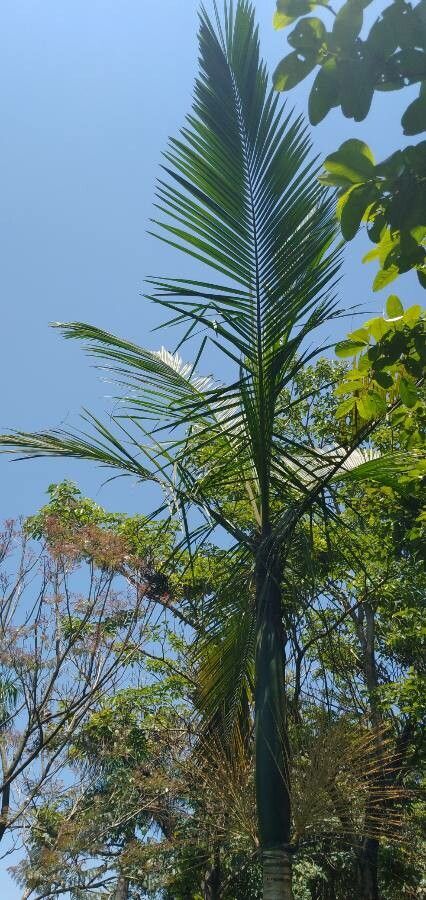
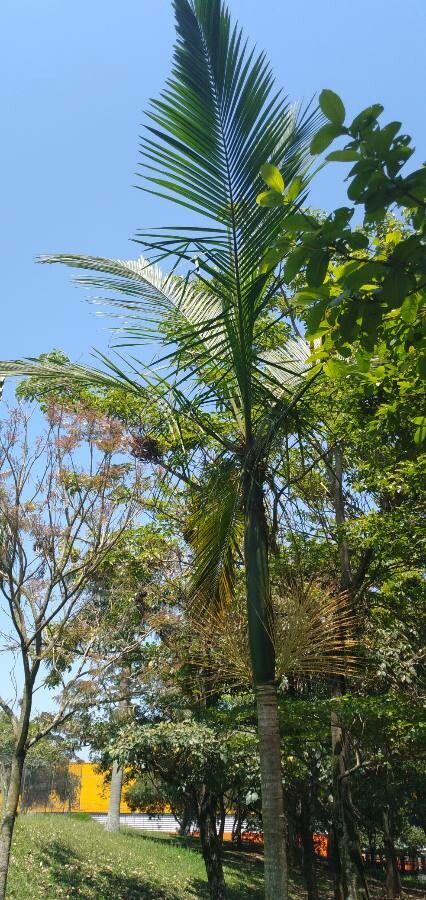
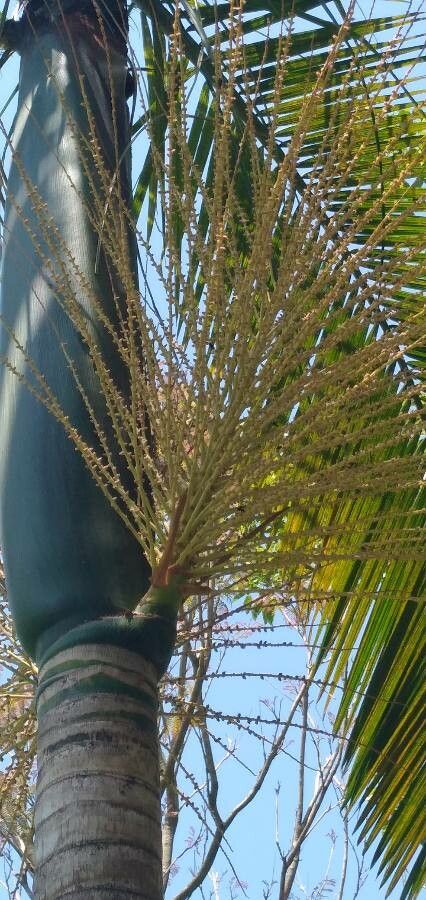
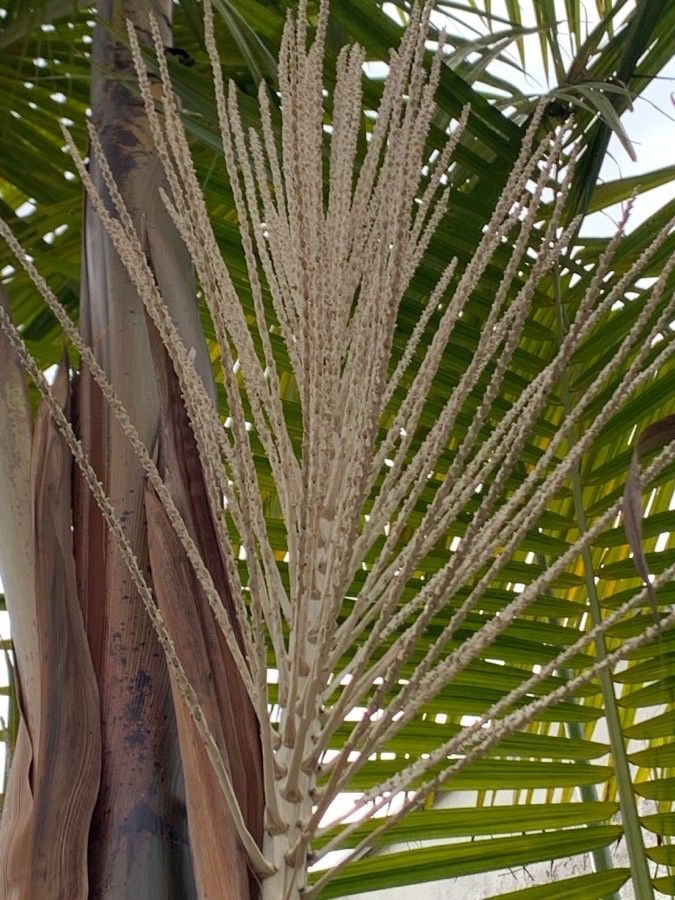
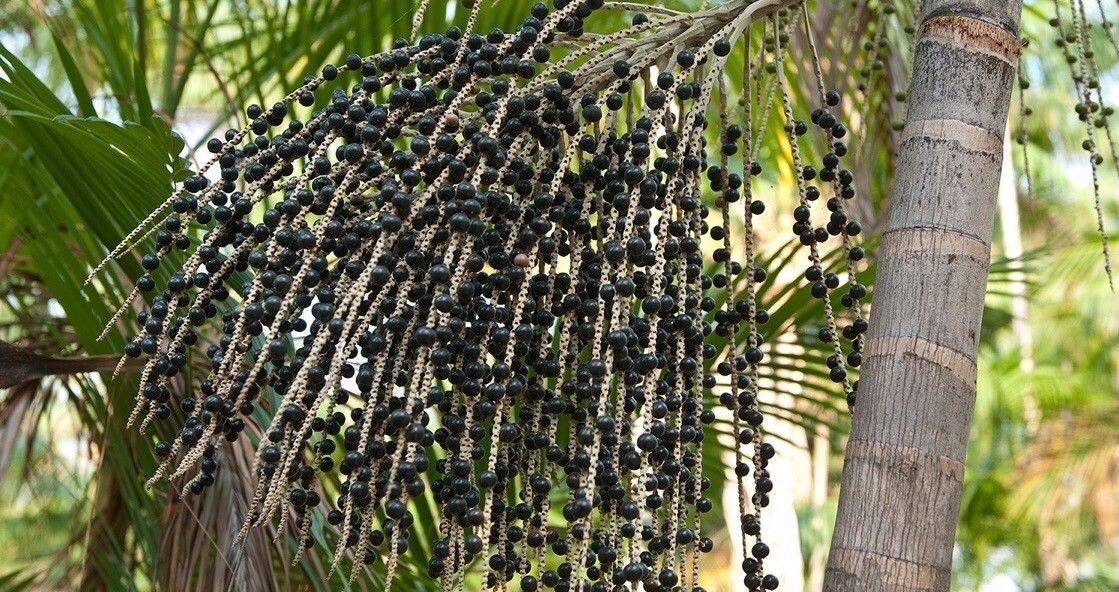
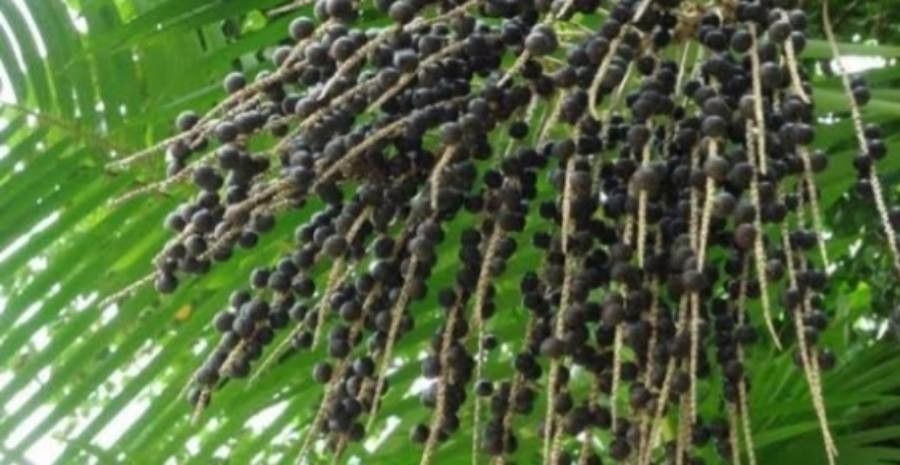
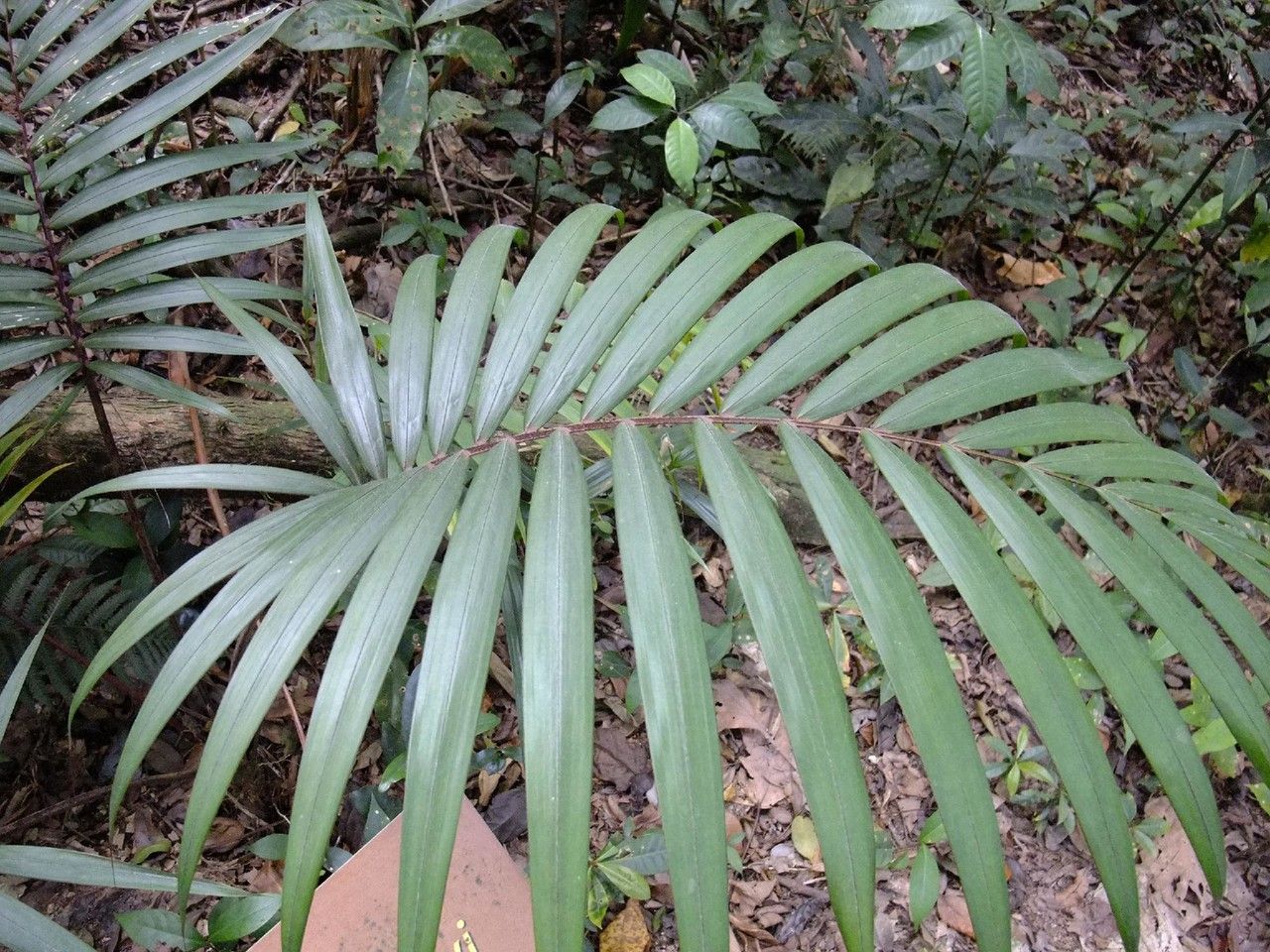
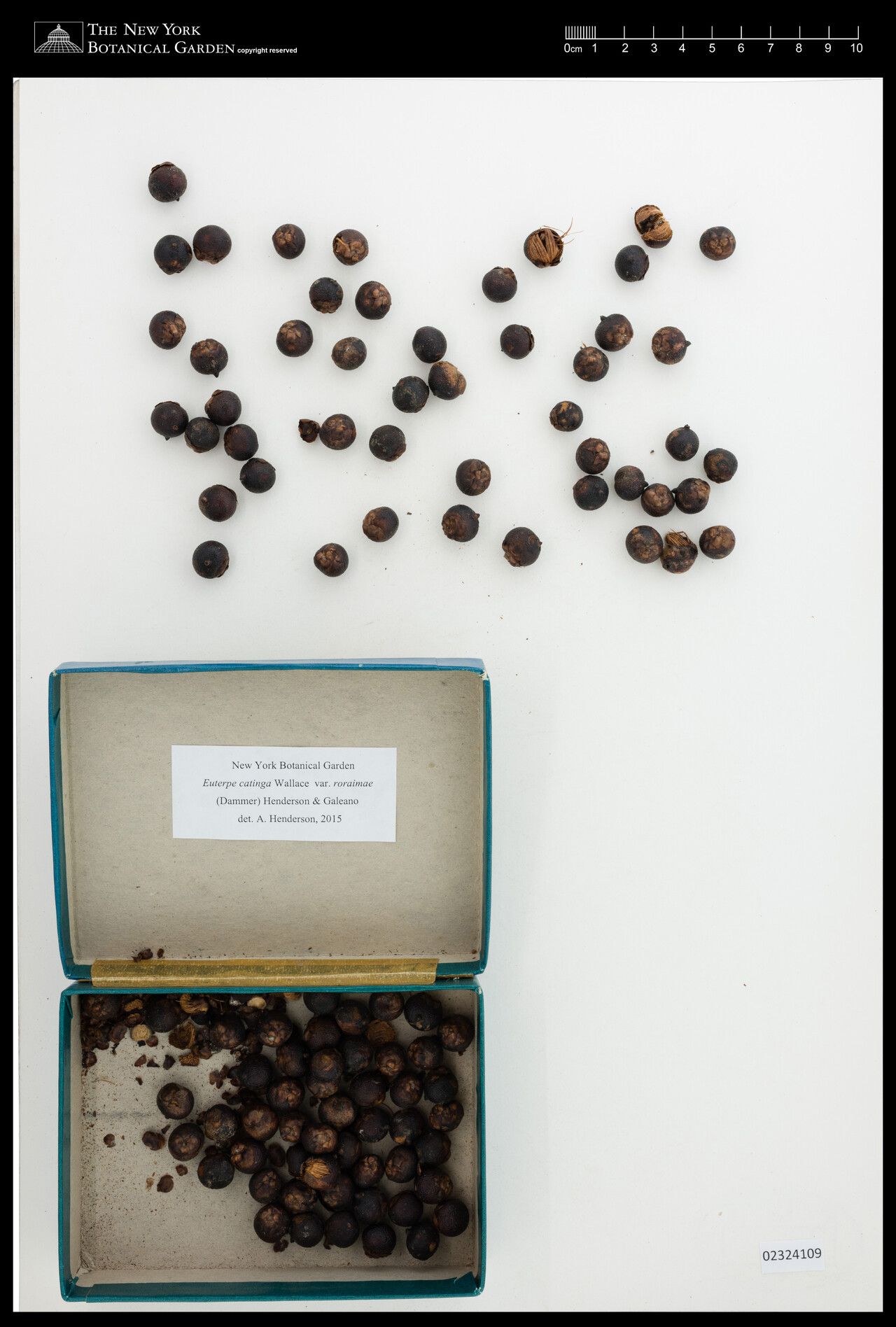
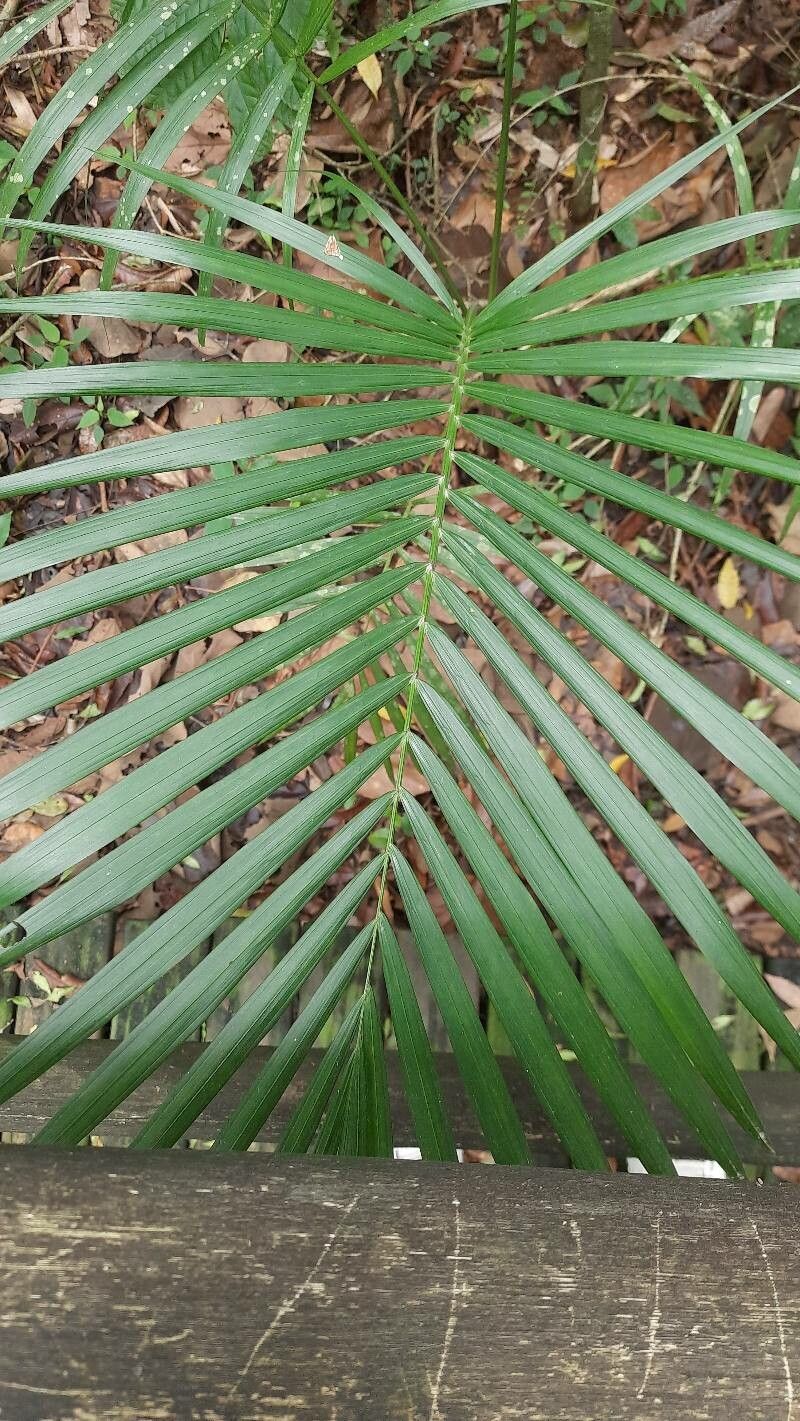
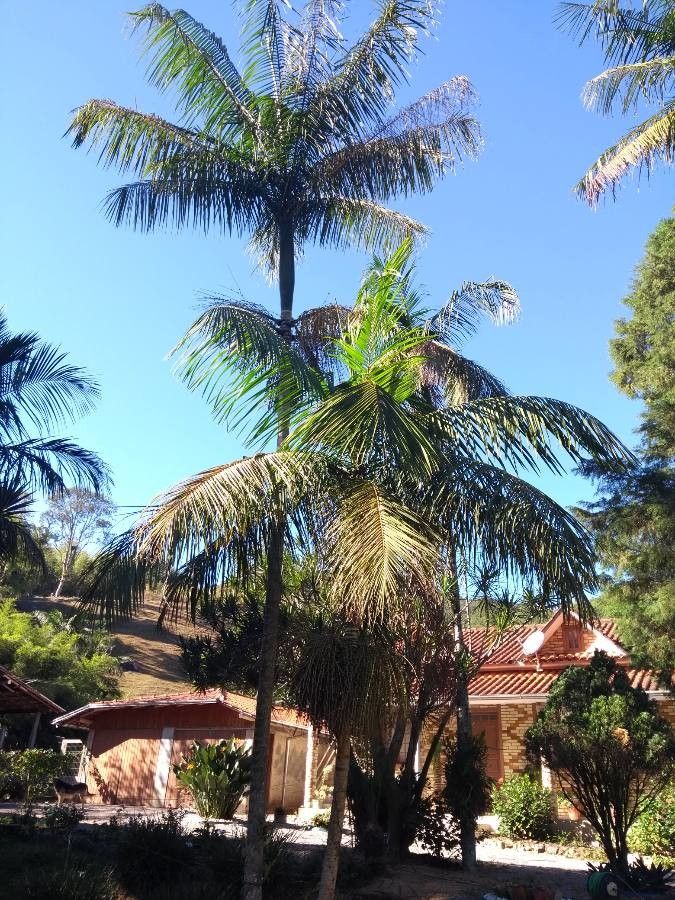
The açaí palm (, Portuguese: [asaˈi] (listen), from Nheengatu asai), Euterpe oleracea, is a species of palm tree (Arecaceae) cultivated for its fruit (açaí berries, or simply açaí), hearts of palm (a vegetable), leaves, and trunk wood. Global demand for the fruit has expanded rapidly in the 21st century, and the tree is cultivated for that purpose primarily. The species is native to eastern Amazonia, especially in Brazil, mainly in swamps and floodplains. Açaí palms are tall, slender trees growing to more than 25 m (82 ft) tall, with pinnate leaves up to 3 m (9.8 ft) long. The fruit is small, round, and black-purple in color. The fruit became a staple food in floodplain areas around the 18th century, but its consumption in urban areas and promotion as a health food only began in the mid 1990s along with the popularization of other Amazonian fruits outside the region.
The assai palm is highly resistant to disease and, overall, is not prone to health problems. In terms of care, the plant is fairly low-maintenance. When grown outdoors it needs minimal watering, and larger specimens typically do not require pruning. Smaller plants, however, should be pruned after they finish blooming. The assai palm is appropriate for anyone with an outdoor area, such as a garden or deck, and does not demand much experience to care for.
How to keep Euterpe Oleracea.
Light
The assai palm originates in habitats like forest understories and rocky areas, where it grows in natural shade. It prefers partial sun but can adapt to full sun or full shade, demonstrating its versatile, hardy nature.
Humidity
This plant will thrive in moderate humidity, which is probably the level in your home. However, misting it a few times a week can be very beneficial. Make sure the room has good ventilation.
Temperature
Assai palm comes from tropical areas where the climate is usually warm and humid. Consequently, it is adapted to high temperatures and moisture. It does not cope well with sudden temperature shifts and prefers a consistent thermal environment, so avoiding temperature fluctuations indoors is important. It generally cannot tolerate cold and needs relatively warm conditions to grow. If the ambient temperature becomes too low, the plant may stop growing or even die.
Fertilizer
Select organic fertilizer (e.g., fish emulsion, compost) instead of chemical fertilizers for Assai palm. Provide higher amounts of nitrogen and phosphorus to young plants in spring. Incorporate compost or fertilizer into the soil before or after planting. For mature plants, supplement in spring with a balanced fertilizer or one targeted to specific deficiencies. Nutrient deficiency causes small leaves, short branches, yellow/bronze leaves, acidic fruits, premature fruit fall, and splitting.
Botanical profile.
- Plant Type
- Palm
- Life Cycle
- Perennial
- Genus
- Euterpe
- Family
- Arecaceae
- Hardiness Zone
- 10-12
- Mature Height
- 14.94 m to 24.99 m
- Mature Spread
- 3.05 m to 4.88 m
- Leaf Color
- Dark Green
- Leaf Type
- Evergreen
- Flower Color
- White
- Flower Size
- 0.25 cm to 0.51 cm
- Bloom Time
- All year round
- Planting Time
- Spring, Summer, Autumn, Winter
- Harvest Time
- All year round
- Native Area
- Colombia, Venezuela, Guyana, Brazil, Ecuador
Other names.