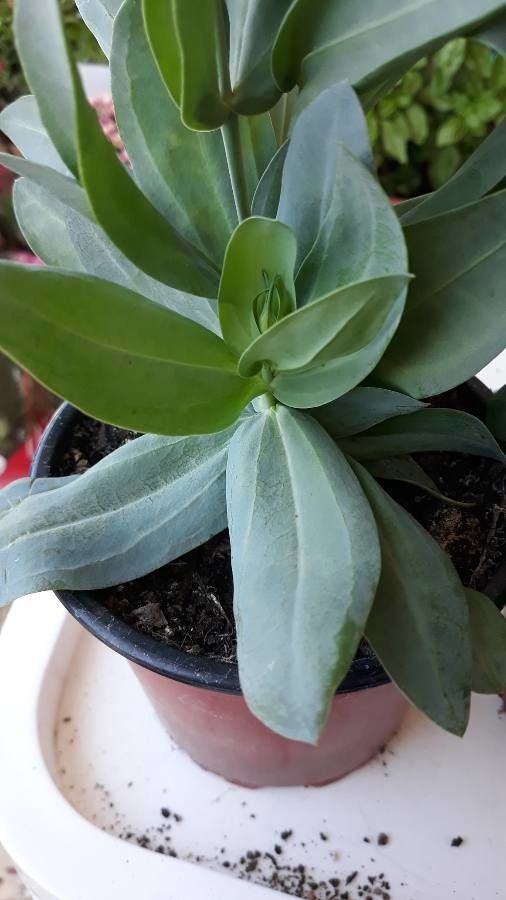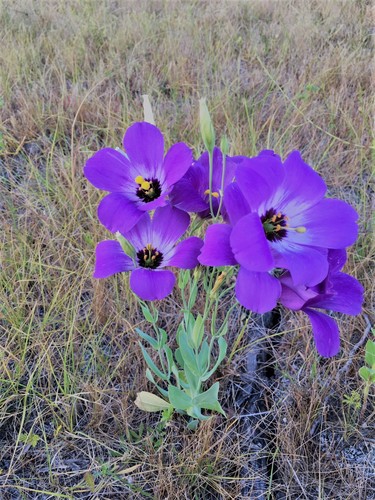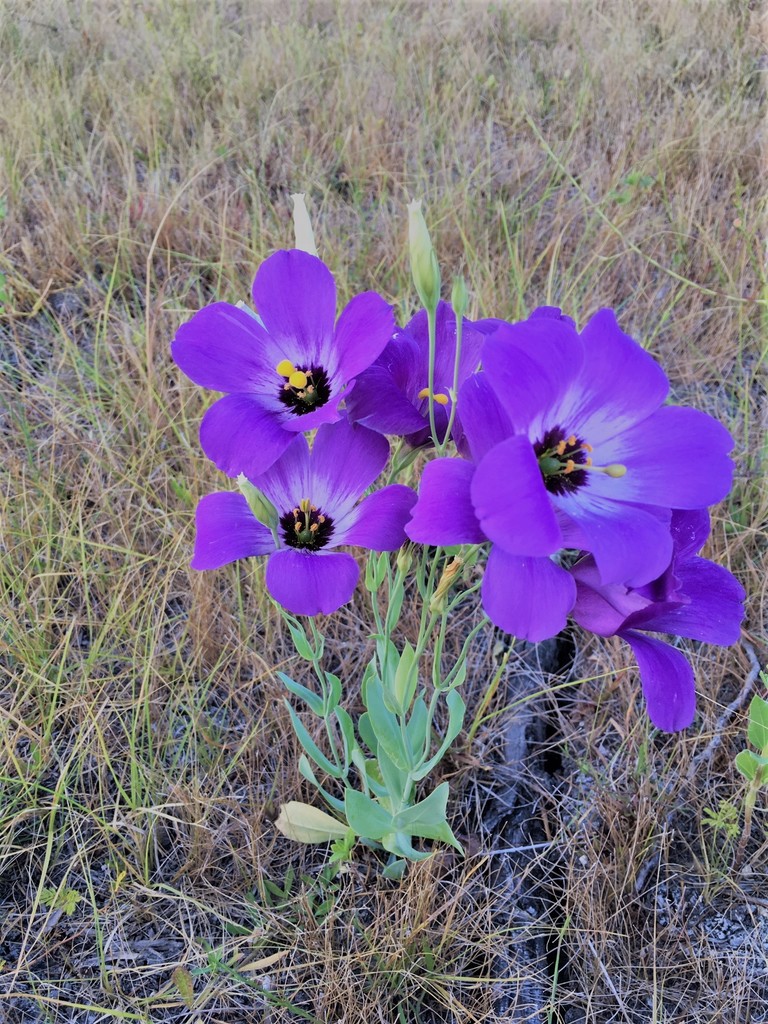
Eustoma grandiflorum, commonly known as Lisianthus or Prairie Gentian, is a flowering plant native to North America. It belongs to the family Gentianaceae and is a popular ornamental plant due to its attractive and delicate appearance. The plant produces large, showy flowers in various colors such as white, pink, purple, and blue. Each flower features five petals arranged in a trumpet-like shape with a yellow center.
Lisianthus plants are typically grown as annuals or biennials, although they can also be cultivated as perennials in warmer climates. They thrive in well-drained soil with moderate moisture levels and full sun exposure for optimal growth.
Lisianthus has been cultivated for centuries due to its beauty and versatility. It can be used in cut flower arrangements or planted in gardens for ornamental purposes. Florists worldwide value Lisianthus for its long vase life.
Overall, Eustoma grandiflorum is an excellent choice if you are looking for an attractive flowering plant that is easy to grow and requires minimal maintenance.
Texas bluebell is fairly disease-resistant and usually not prone to illnesses. Still, it can be affected by pests and diseases present in the surrounding area. Those problems are typically minor. For care, the plant requires moderate maintenance. It should be pruned regularly to preserve a tidy appearance and healthy growth. Fertilizing can also help encourage flowering. Texas bluebell is well suited for anyone with outdoor space, such as a garden or patio, and does not need extensive care experience. It may demand more attention when grown indoors.
How to keep Eustoma Grandiflorum.
Light
Texas bluebell thrives with abundant sunlight during the day and can tolerate somewhat milder light occasionally. Native to areas with long periods of sunshine, this plant’s growth may be slowed in overly shaded spots and it can become bleached if exposed to excessively intense light.
Water
Weekly watering your Lisianthus with about a half-inch of rainfall or irrigation is sufficient. Aim to keep your plants in moist but not soggy soil. Allow the soil to dry in between watering to prevent overwatering and the development of fungal disease.
Humidity
This plant will thrive in moderate humidity, which is probably the level in your home. However, misting it a few times a week can be very beneficial. Make sure the room has good ventilation.
Temperature
In its natural habitat, texas bluebell thrives in temperatures of 68 to 95 °F (20 to 35 ℃). It is recommended to mimic these conditions for optimal growth.
Fertilizer
When most of a Texas bluebell's blooms have opened to their full size, resume fertilizing. At the time the blooms are at peak production, apply fertilizer every three to four weeks, as weather allows. Then, once the Texas bluebell begins to produce fewer new blooms, stop fertilizing; there is no reason to fertilize when the plant can no longer produce more blooms.
Pruning
After the initial bloom, cut back the plant's stems until the basal rosette of the foliage. This will stimulate a second round of blooming in the fall. Remove any weeds creeping in on your Lisianthus so that they aren't competing with your plant's nutrients.
Toxicity
Lisianthus plants are non-toxic to humans and are pet-friendly.
Further reading →
The toxicity and danger assessments provided are for reference only. We do not assure their accuracy, so it's crucial not to depend on them. Seek professional advice when necessary for accurate guidance.
Botanical profile.
- Plant Type
- Herb
- Life Cycle
- Annual, Perennial
- Genus
- Eustoma
- Family
- Gentianaceae
- Hardiness Zone
- 8-10
- Mature Height
- 15 cm to 46 cm
- Mature Spread
- 15 cm to 30 cm
- Leaf Color
- Green
- Leaf Type
- Semi-evergreen
- Flower Color
- Purple
- Flower Size
- 2.54 cm to 7.62 cm
- Bloom Time
- Early summer, Mid summer
- Planting Time
- Spring, Summer
- Harvest Time
- Mid summer
- Native Area
- Mexico