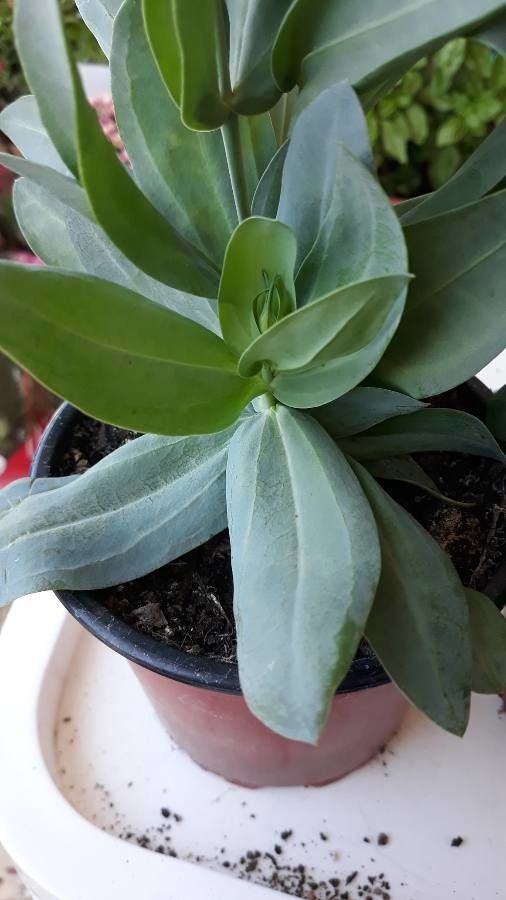
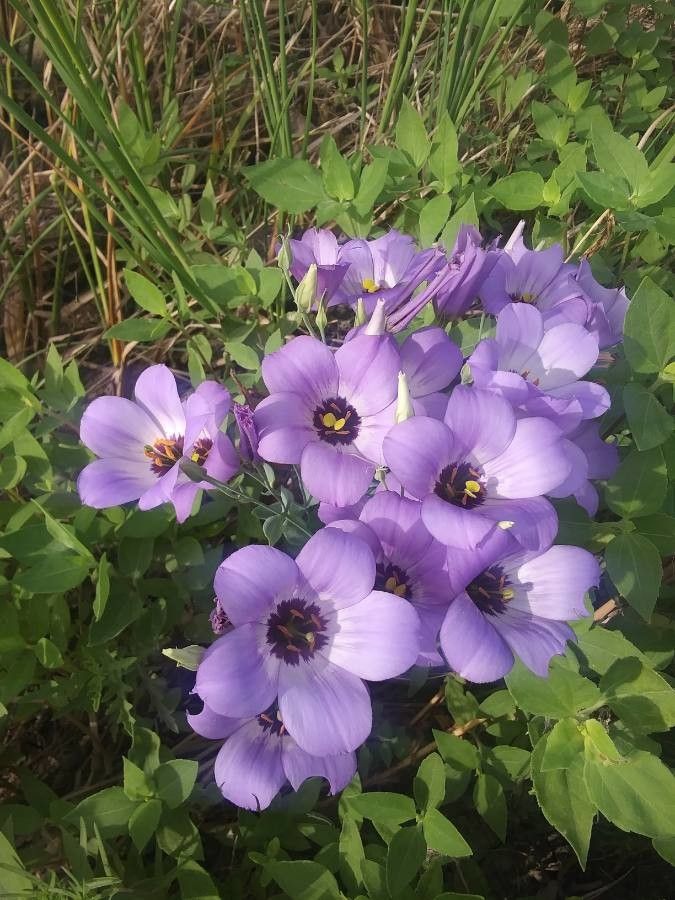
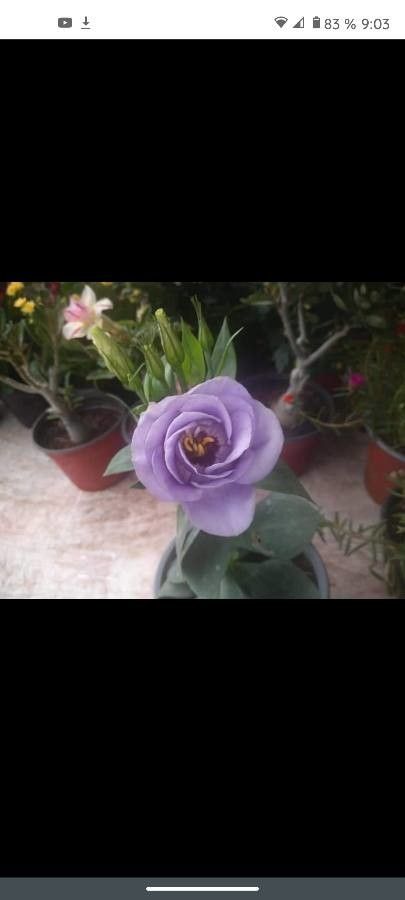
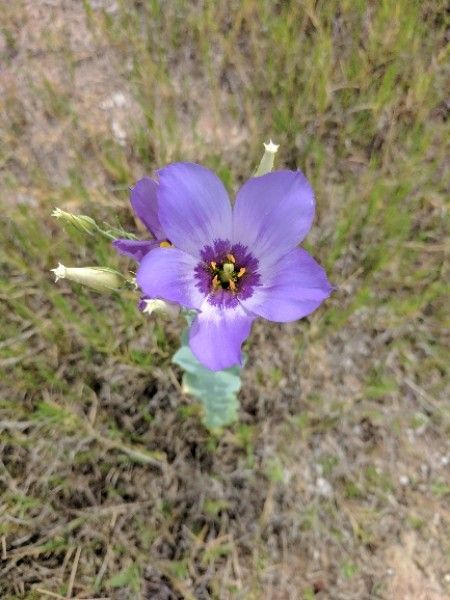
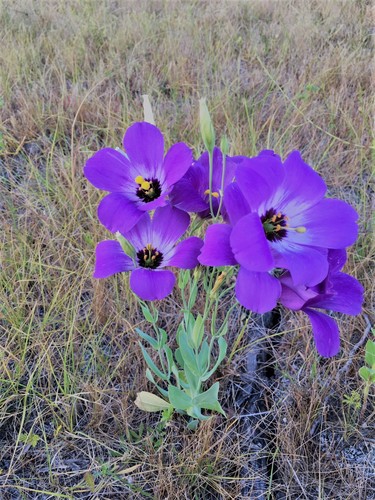
Eustoma exaltatum, commonly called seaside gentian, is a species of flowering plant in the gentian family (Gentianaceae).
Catchfly prairie gentian has strong disease resistance and is generally unlikely to develop illnesses. That said, it can be vulnerable to pests and diseases present in its environment. When infections do occur, they are typically mild. Regarding care, this plant requires moderate maintenance. It should be pruned regularly to keep an attractive appearance and support healthy growth. Applying fertilizer can also encourage blooming. Catchfly prairie gentian is appropriate for anyone with outdoor space, such as a garden or patio, and does not demand extensive gardening experience. It may need more attentive care when cultivated indoors.
How to keep Eustoma Exaltatum.
Light
Catchfly prairie gentian grows best when it receives abundant sunlight, which promotes its development and flowering. It can, however, also survive with moderate light. Too much or too little sun can negatively affect its health, mirroring the light conditions of its native habitat.
Water
Catchfly prairie gentian, native to humid environments, needs regular watering—ideally once a week—but can withstand short periods of dryness. Commonly grown indoors, this plant flourishes in high humidity. To promote abundant flowering and optimal growth, it's important to carefully monitor both soil moisture and atmospheric conditions.
Temperature
Catchfly prairie gentian is native to areas where temperatures fall between 68 and 95 °F (20 to 35 ℃). It performs best under these warm conditions. To maintain ideal growth across seasons, prevent exposure to temperatures below 68 °F (20 ℃) or above 95 °F (35 ℃).
Fertilizer
When most of the Catchfly prairie gentian's blooms have opened to full size, resume fertilizing. At peak bloom, apply fertilizer every three to four weeks, as weather allows. Once the plant begins producing fewer new blooms, stop fertilizing; there's no need to feed it when it can no longer generate more flowers.
Pruning
To encourage vibrant blooms, prune catchfly prairie gentian from early to late spring. Trim away any damaged stems and pinch back young shoots to promote bushier growth and more flowers. Regular pruning improves airflow, which reduces the risk of fungal infections and helps maintain a healthy, attractive plant.
Pot & Repot
When repotting Catchfly prairie gentian, choose a pot 1-2 inches (2.5–5.1 cm) larger in diameter that has good drainage. Use a well-draining potting mix and consider adding perlite for extra drainage. Repot in spring or early summer, water thoroughly afterward, and place it in a shady spot at first.
Botanical profile.
- Plant Type
- Herb
- Life Cycle
- Annual, Perennial
- Genus
- Eustoma
- Family
- Gentianaceae
- Hardiness Zone
- 8-10
- Mature Height
- 30 cm
- Mature Spread
- 8 cm to 13 cm
- Leaf Color
- Green, Blue
- Leaf Type
- Deciduous
- Flower Color
- Purple, Pink, White
- Flower Size
- 2.54 cm to 5.08 cm
- Bloom Time
- Late spring, Early summer, Mid summer
- Planting Time
- Spring
- Harvest Time
- Mid summer, Late summer
Other names.
Reader questions.
How should I water my Catchfly prairie gentian plant?
There are multiple ways to water Catchfly prairie gentian. You can use a garden hose with a spray nozzle, a watering can, or any other watering tool you have. The plant is not too particular about the type of water it receives and can thrive with rainwater, tap water, or filtered water. It's generally best to avoid watering from overhead to avoid damaging the leaves and flowers and potentially causing diseases. Drip irrigation systems work well for this plant because they provide even and direct watering to the soil. If you are watering a container-grown Catchfly prairie gentian, you can use a cup, watering can, or tap water to water the plant directly at the soil.
Why do I have to put fertilizer on my Catchfly prairie gentian plant?
Plants, including Catchfly prairie gentian, require nutrients to survive. This is common knowledge to most gardeners, regardless of their level of experience. Without proper nourishment, Catchfly prairie gentian will not survive long after its first pollination. By supplying the correct nutrients in the appropriate amounts, gardeners can support the growth of Catchfly prairie gentian throughout its blooming season, resulting in large and beautiful flowers. Fertilizer is particularly beneficial for this plant as it helps promote the development of a robust and healthy root system. Catchfly prairie gentian has a weak and fragile root system, making it vulnerable to damage. Fertilizing at the time of planting aids in building a sturdy root structure, which not only provides stability to the plant but also contributes to an impressive flowering display. Properly timing fertilization can significantly prolong the flowering period of Catchfly prairie gentian.
What are the sunlight requirements for Catchfly prairie gentian?
Catchfly prairie gentian requires full sun, which means it needs above 6 hours of sunlight daily, to thrive. It can also grow under partial sun conditions, receiving about 3-6 hours of sunlight. It's essential to observe the movement of sunlight through your garden, selecting spots that provide an ideal balance of light and shade, which is crucial for the plant's health and happiness.
What is the indigenous temperature range for Catchfly prairie gentian?
Catchfly prairie gentian is indigenous to regions where the temperature range is between 68 to 95 °F (20 to 35 °C). It thrives best within these warm conditions, ensuring optimal growth in different seasons. It is important to avoid exposing the plant to temperatures below 68 °F (20 °C) or above 95 °F (35 °C) for optimal growth.
If I give too much water or too little water to my Catchfly prairie gentian, what should I do?
To remedy underwatering of Catchfly prairie gentian, simply water it more regularly when you notice it lacks moisture. Overwatering, on the other hand, can have serious consequences if not caught early. It can lead to diseases and ultimately the decline and death of the plant. To prevent overwatering, choose a location with good sunlight and drainage to allow excess water to drain instead of pooling and causing waterlogged soil. If your potted Catchfly prairie gentian is overwatered, consider changing it to a new pot with better drainage and loose soil during the repotting process.
When should I put fertilizer on my Catchfly prairie gentian?
Catchfly prairie gentian experiences tremendous growth in the early stages of the growing season, after the last frost has passed. This is the best time to fertilize the plant, preferably during the planting process. Whether you are planting it in the ground or in planters, apply fertilizer at this time. This initial dose of fertilizer will be sufficient until later in the year, when the blooms are in full force. Once the growing season is in full swing and most of the blooms of Catchfly prairie gentian have reached their full size, it is time to start fertilizing again. Begin fertilizing every three to four weeks, as weather permits, around the time when the blooms are at their peak output. However, once the plant starts producing fewer new blooms, it is no longer necessary to fertilize.
How important is sunlight for the growth and bloom of Catchfly prairie gentian?
Sunlight is crucial for the growth and bloom of Catchfly prairie gentian. It thrives best when exposed to generous amounts of sunlight, supporting its growth and blooming process. While it can survive under moderate light exposure, both excess and lack of sunlight can negatively impact its health. This reflects the plant's adaptation to its natural habitat's lighting conditions.
How does Catchfly prairie gentian react to temperatures below 0°C?
Catchfly prairie gentian has some degree of cold tolerance and doesn't usually require any special cold protection measures if the temperature stays above 0°C. However, if temperatures are expected to drop below 0°C, temporary protective measures should be taken, such as wrapping the plant with plastic, fabric, or other materials to shield it from the cold. These protective layers should be removed once the temperature rises again to prevent any potential harm to the plant.
How frequently should I water my Catchfly prairie gentian plant?
To keep your Catchfly prairie gentian healthy, it's important to water it regularly throughout the growing season. In the spring, watering once per week should be sufficient. However, as the weather gets warmer, you may need to increase the frequency to two to three times per week. Be careful not to go overboard with watering, as it can harm the plant. The key is to keep the soil consistently moist, but not soaked. If you have a potted Catchfly prairie gentian, be aware that the soil in the pot can dry out faster than in-ground soil. Therefore, you'll likely need to water the potted plant more frequently, usually a few times per week compared to just once per week for a plant in the ground.
When is it not a good idea to add fertilizer to my Catchfly prairie gentian plant?
Regular fertilizing is important for Catchfly prairie gentian, but it's crucial to be cautious about when to apply it. There are certain situations, mainly climate-related but also influenced by controllable factors, where it's necessary to hold back on fertilization. When there are issues with the plant, soil, or climate, it's best to wait until the problems are resolved and the plant has recovered. For instance, if there are sudden and severe weather changes, like a cold snap in the middle of summer, it's important to wait for warm weather before fertilizing. Similarly, if the soil is too dry or compacted, applying fertilizer can result in it reaching the roots directly instead of being properly absorbed by the soil. Catchfly prairie gentian roots do not appreciate this. Another situation to avoid fertilizing is during the hottest parts of the day when temperatures reach around 90 degrees Fahrenheit. Since fertilizer breaks down at different rates depending on temperature, it's crucial to prevent it from breaking down too quickly in high heat. Additionally, any pests or diseases should be addressed and resolved before considering re-fertilization.
What artificial lighting requirements do indoor plants, like Catchfly prairie gentian, have?
Indoor plants, including Catchfly prairie gentian, require adequate lighting for optimal growth, especially when natural sunlight is insufficient. Artificial lights, particularly LED lights, offer a solution by providing the necessary wavelengths of light. Full sun plants need 30-50W/sq ft, partial sun plants need 20-30W/sq ft, and full shade plants need 10-20W/sq ft of artificial light. The light source should be placed 12-36 inches above the plant to mimic natural sunlight and be kept on for 8-12 hours per day.
What should be done if Catchfly prairie gentian experiences low temperatures?
Catchfly prairie gentian has moderate tolerance to low temperatures and thrives best when kept above 20°C. It should remain above 0°C during winter to avoid damage. If the temperature falls below -10°C, leaves may droop and eventually, in severe cases, wilt and fall off. The solution to low-temperature exposure includes trimming off the frost-damaged parts and wrapping the plant with protective materials like non-woven fabric or cloth. Additionally, constructing a wind barrier can protect the plant from cold winds.