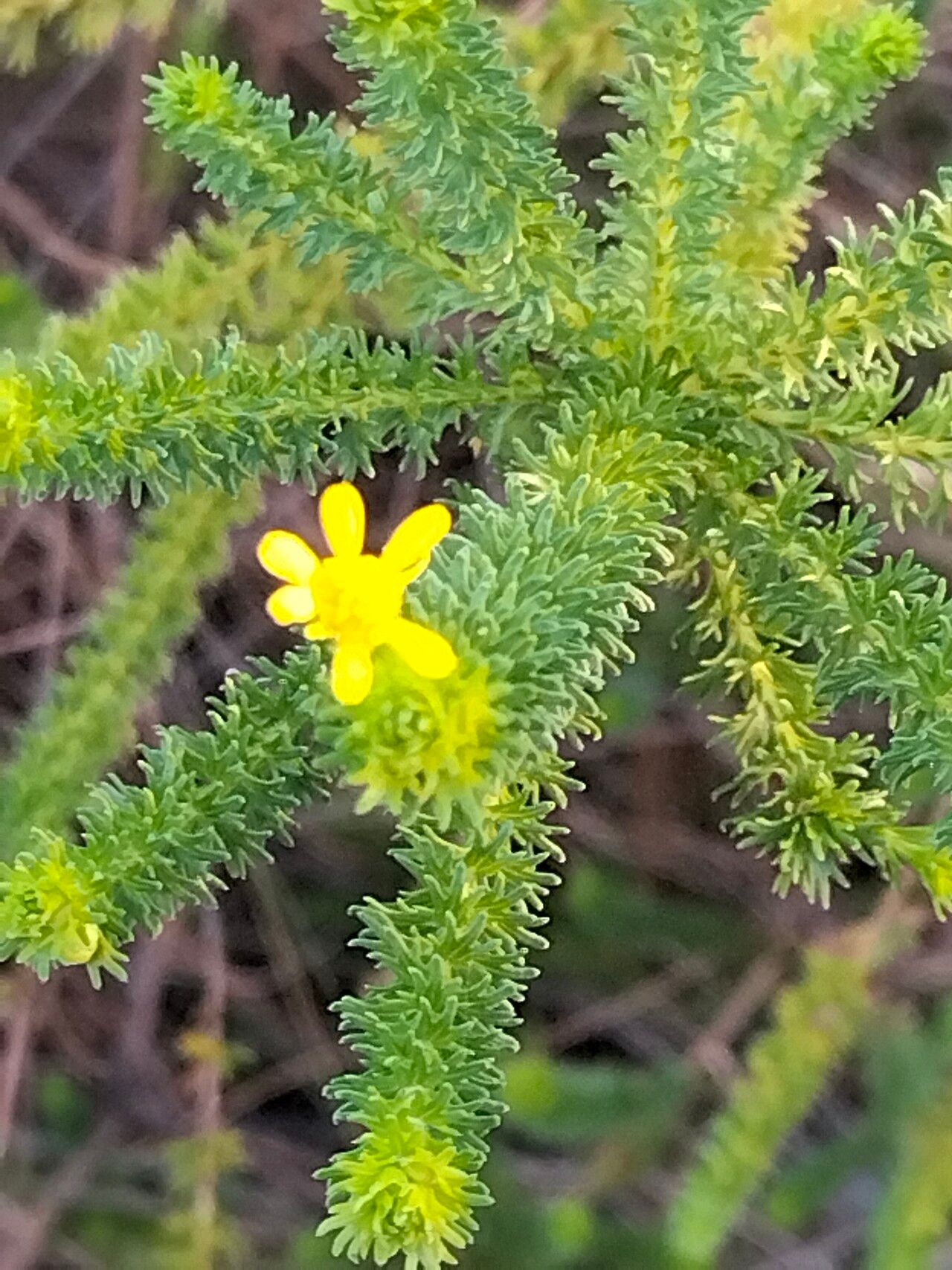
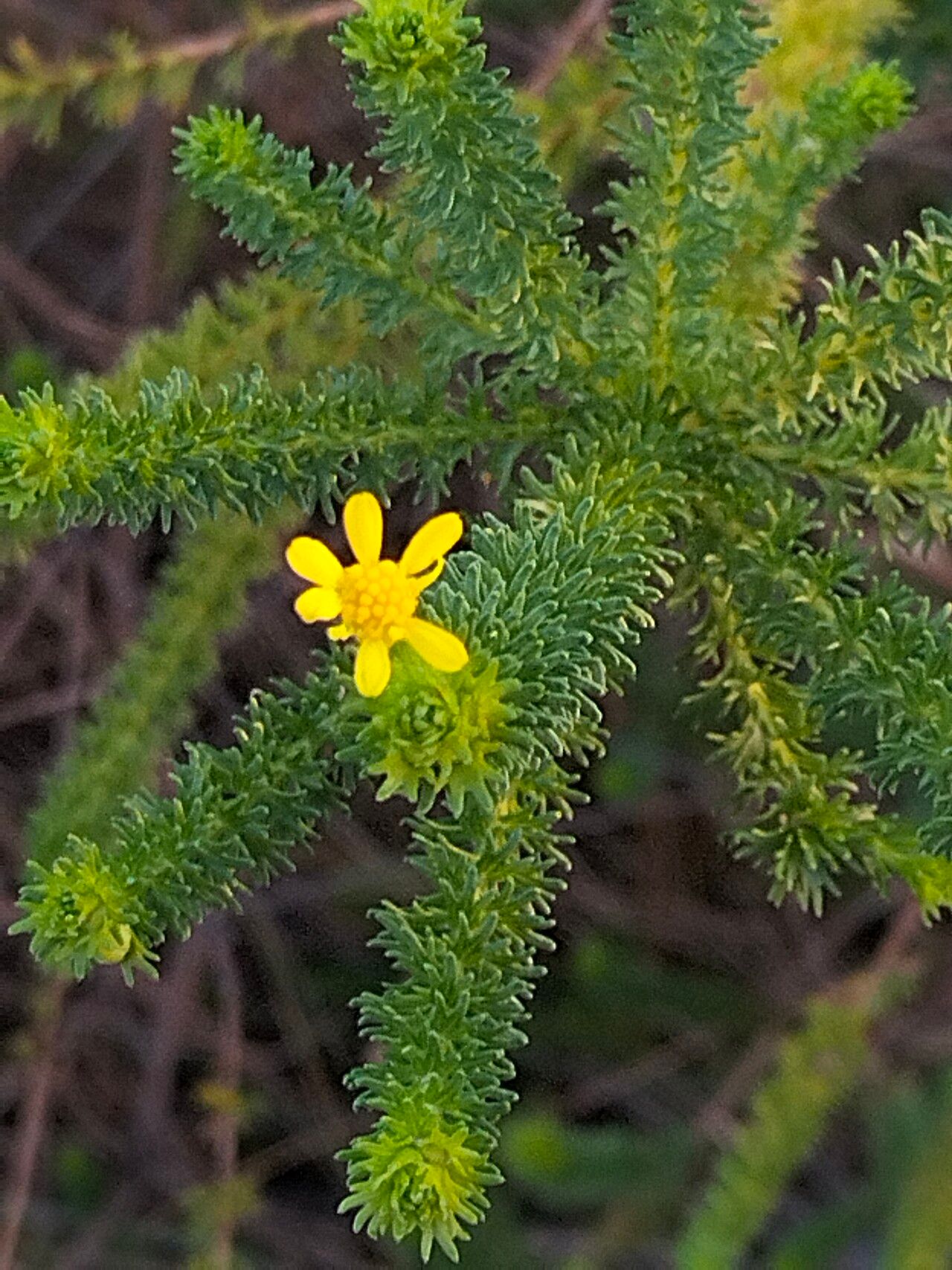
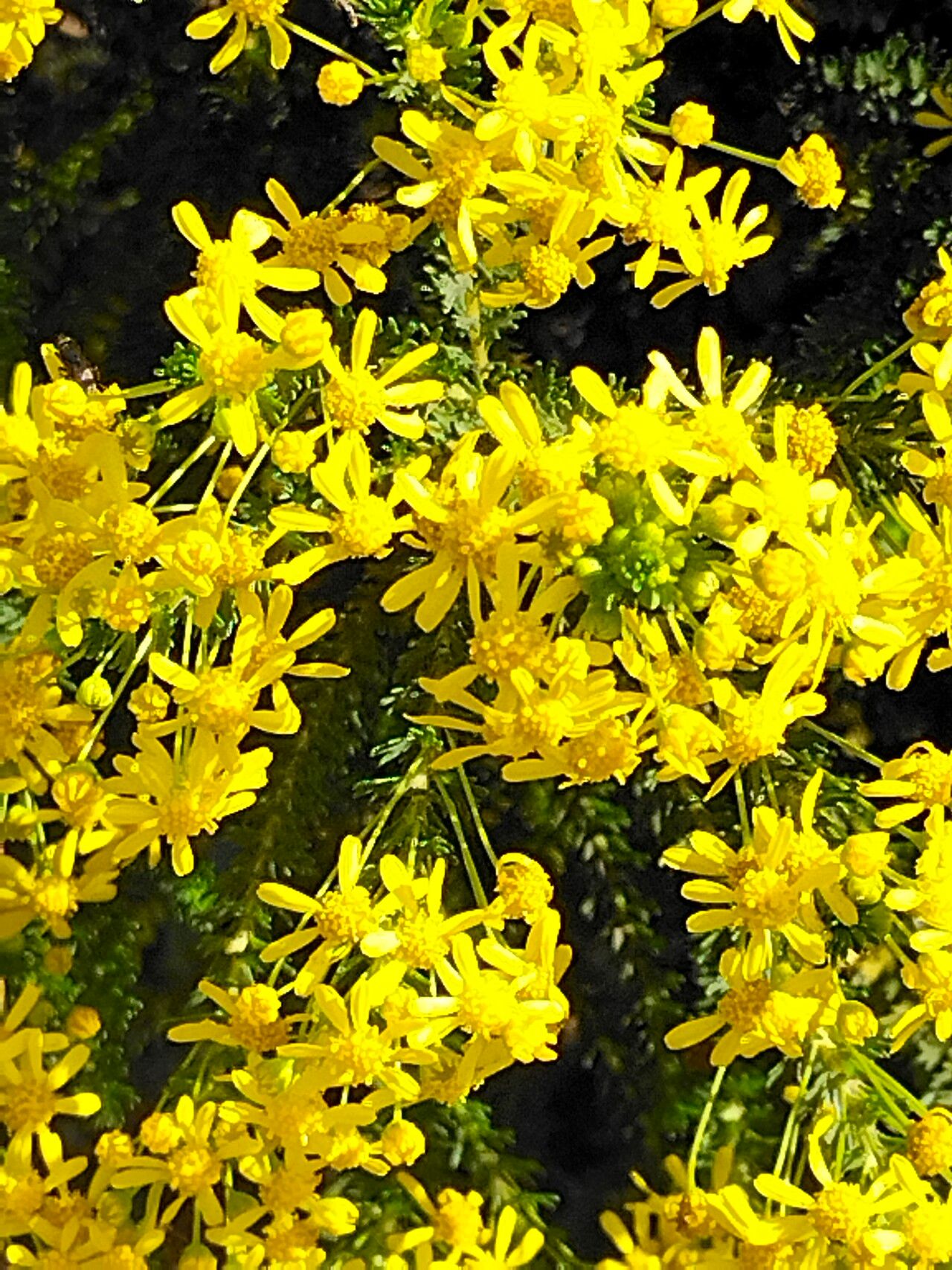
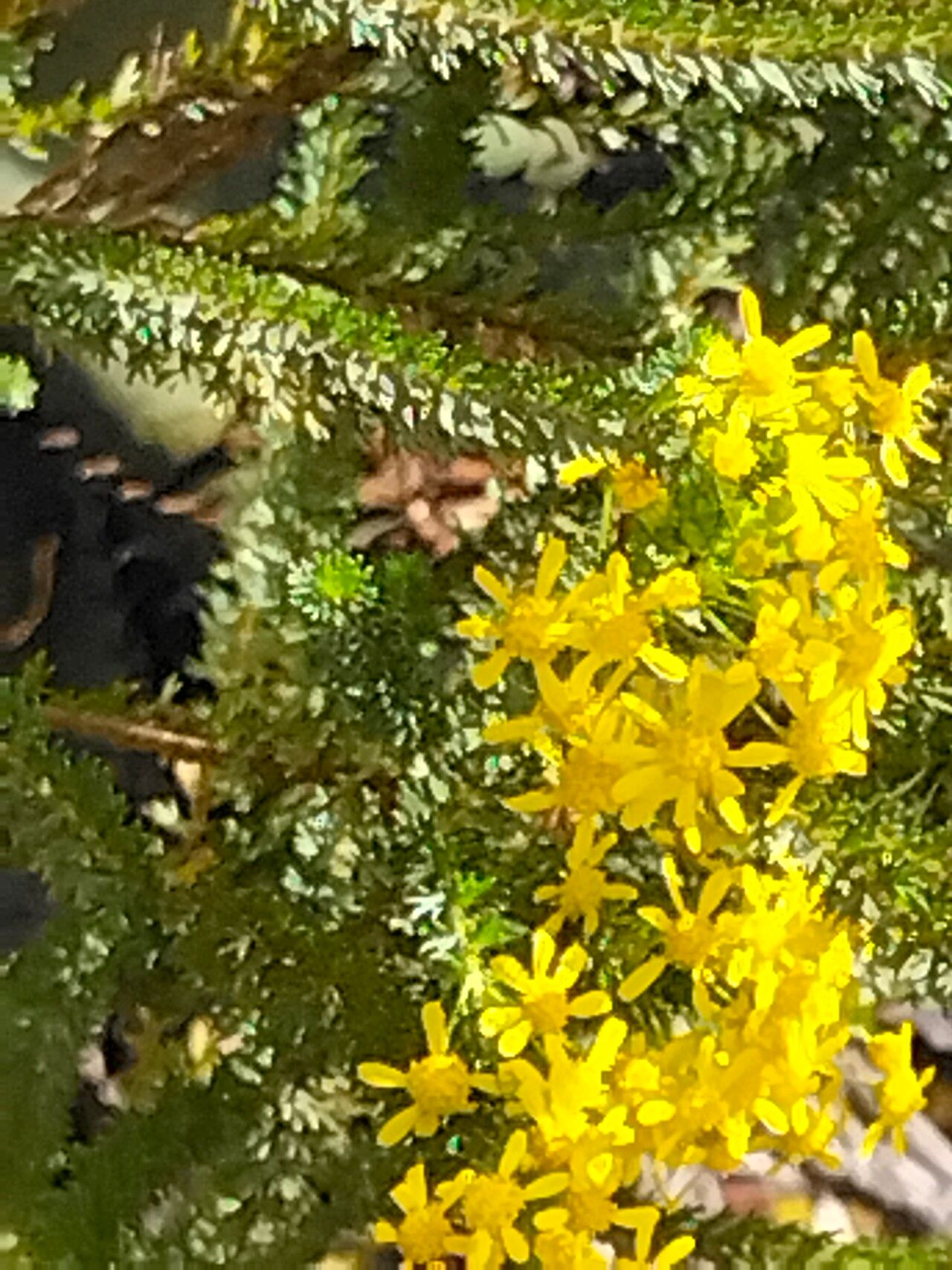
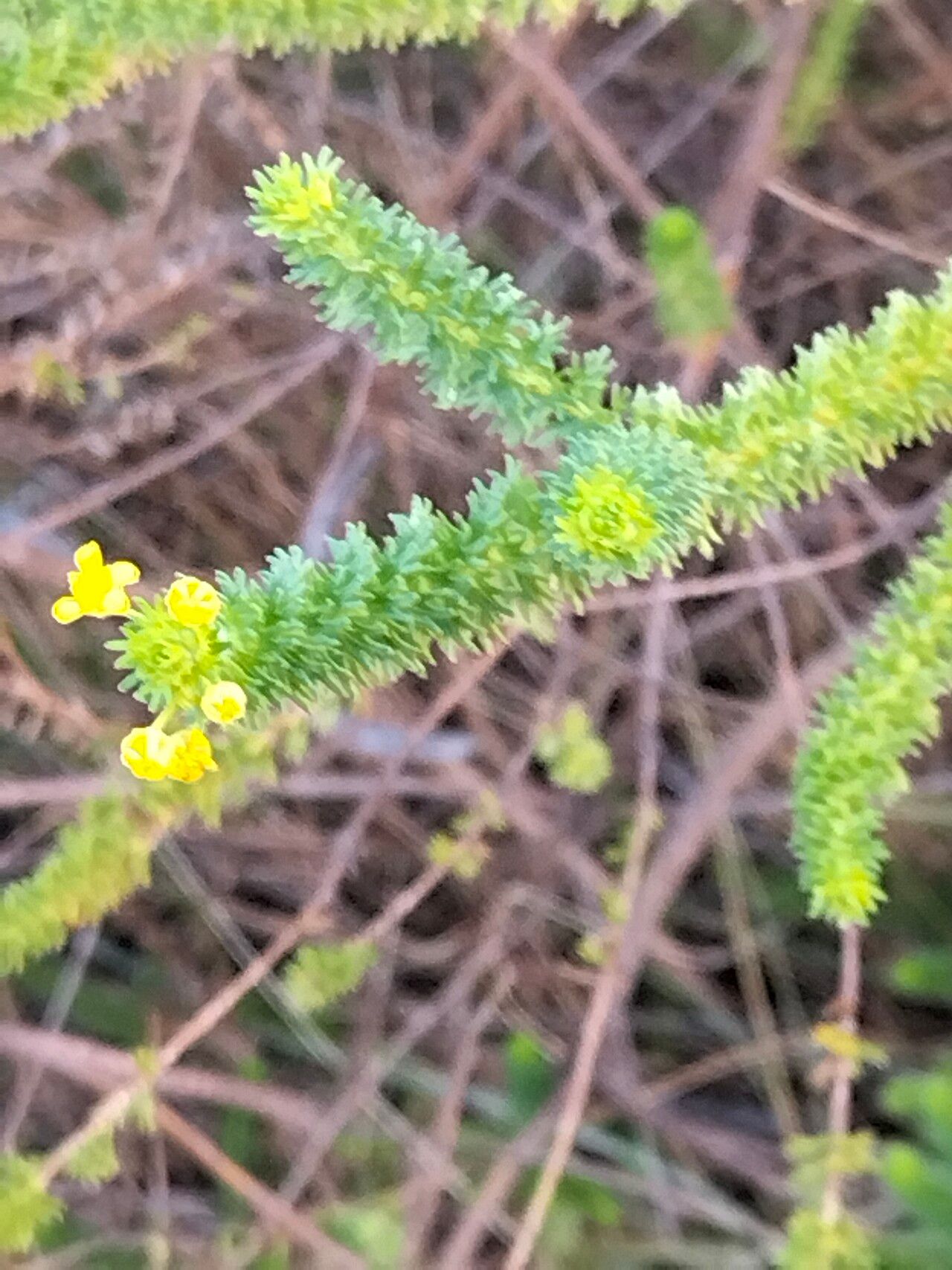
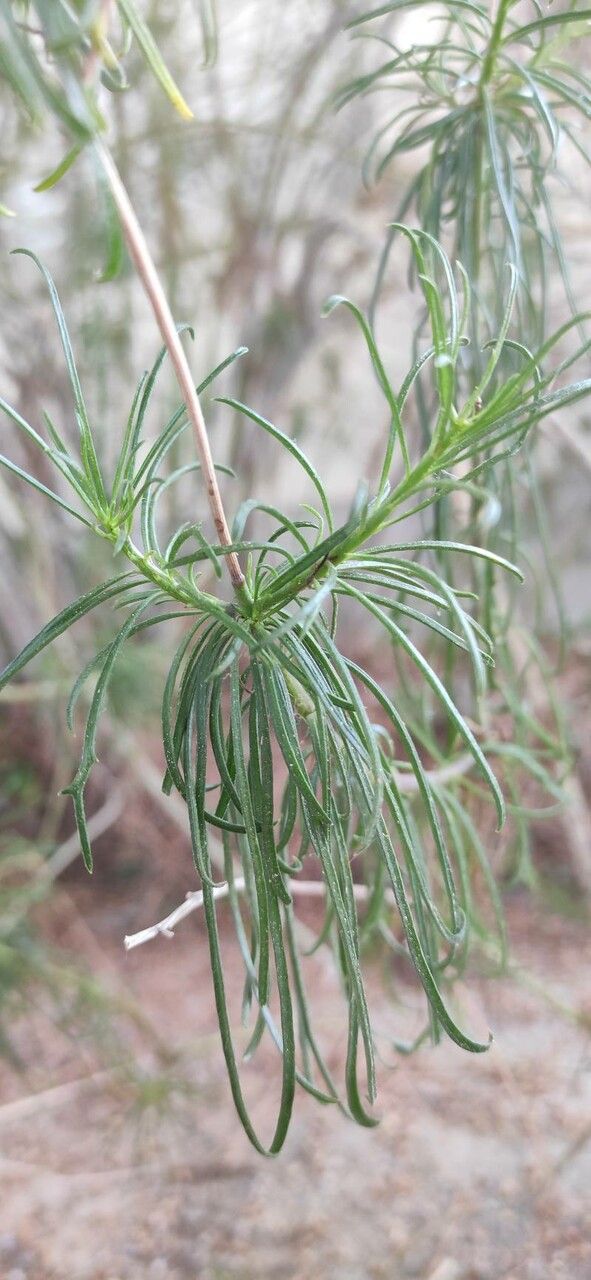
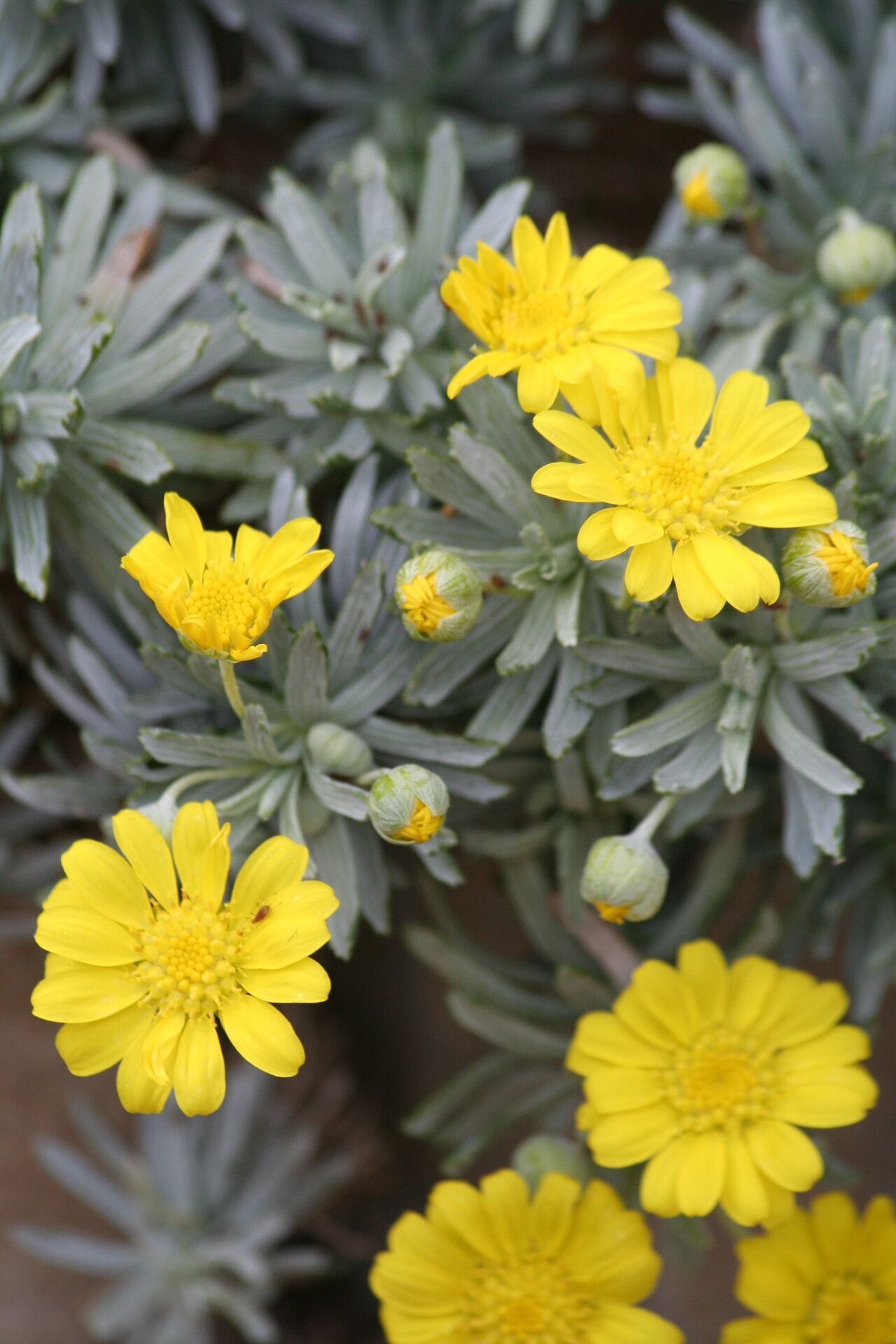
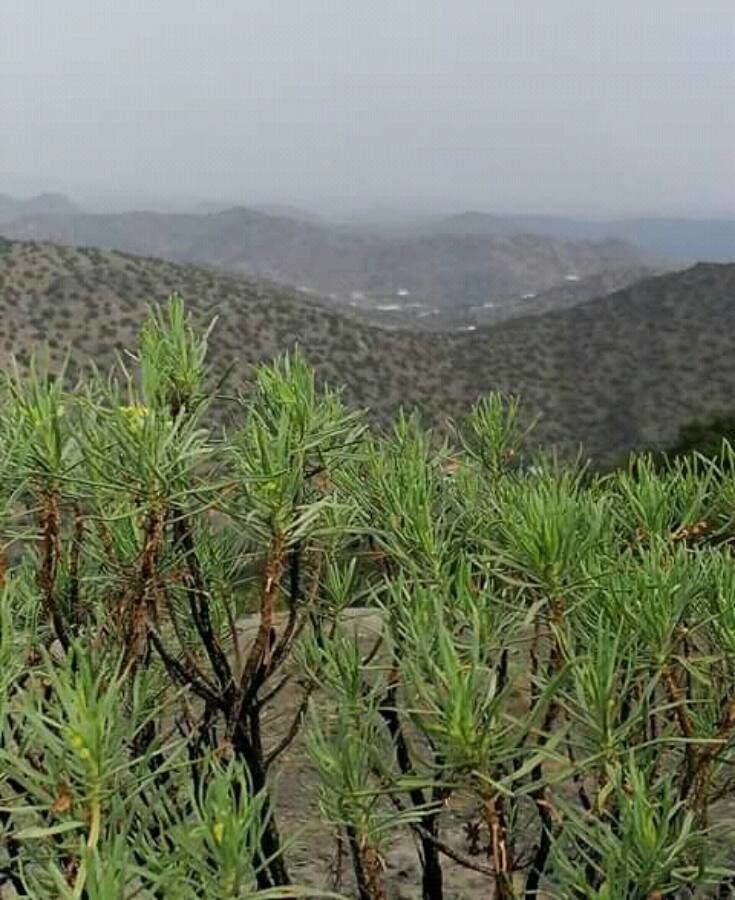
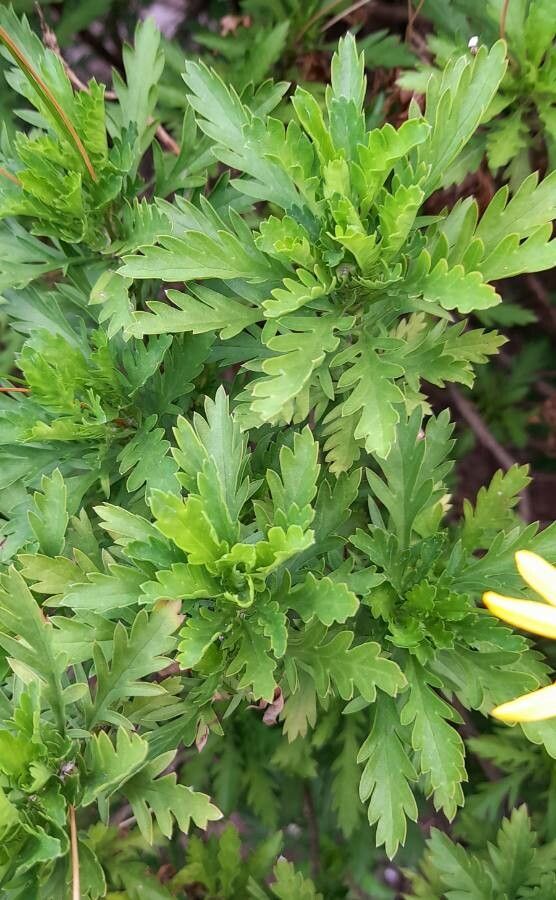
Euryops virgineus is a species of flowering plant with yellow leaves, native to South Africa.
River resin bush possesses good disease resistance and is usually not susceptible to illnesses. Regarding care, this plant is fairly low-maintenance. When grown outdoors, it needs minimal watering, and larger specimens generally do not require pruning. However, smaller plants should be pruned after they finish blooming. River resin busht is suitable for anyone with outdoor space, such as a garden or deck, and does not require much care experience.
How to keep Euryops Virgineus.
Light
The river resin bush prospers when exposed to abundant full-day sunlight. Native to areas with extended daylight periods, it has adapted to absorb plentiful solar energy to secure optimal growth. That does not mean it tolerates low-light conditions. Insufficient sunlight can impede growth, while excessive exposure may cause desiccation.
Water
River resin bush thrives in areas with regular rainfall, needing moderate watering each week to stay healthy. It does best outdoors where the humidity is higher. As an evergreen, it keeps its foliage throughout the year. Keeping the soil consistently moist helps support its growth and overall health, though it can withstand short periods of drought.
Temperature
River resin bush is native to habitats where temperatures range from 68 to 100.4 °F (20 to 38 ℃). It grows best in fairly warm conditions. In colder seasons, temperatures should be gradually raised above freezing to meet its needs.
Fertilizer
The best time to fertilize a River resin bush is in early spring as it comes out of dormancy. This encourages overall growth and supports flower development. Fertilizing improves the foliage, stems, and branches, and promotes large, vibrant flowers that last a long time. It also helps move nutrients from the roots to the flowers and boosts the plant's health and resistance to disease.
Pruning
The River Resin Bush displays bright yellow blooms and has fragrant, resinous leaves. To maintain its shape, promote growth, and improve air circulation, you should prune the plant in late spring after it has finished flowering. Lightly trimming the tips can encourage a fuller appearance and reduce the risk of disease, contributing to the plant’s overall health. For detailed pruning techniques, it's advisable to consult horticultural resources.
Botanical profile.
- Plant Type
- Shrub
- Life Cycle
- Perennial
- Genus
- Euryops
- Family
- Asteraceae
- Hardiness Zone
- 9-11
- Mature Height
- 1.52 m
- Mature Spread
- 91 cm
- Leaf Color
- Green
- Leaf Type
- Evergreen
- Flower Color
- Yellow
- Flower Size
- 2.54 cm
- Bloom Time
- All year round
- Planting Time
- Spring
- Harvest Time
- Late spring, Summer, Fall, Winter, Early spring, Mid spring
- Native Area
- South Africa
Other names.
Reader questions.
What are the sunlight requirements for the River Resin Bush?
The River Resin Bush (Euryops virgineus) thrives in environments that provide an abundance of sunlight, necessitating more than 6 hours of direct sun exposure daily to ensure optimal growth. It originates from regions with extended daylight hours, making it adept at absorbing significant amounts of sunlight. However, while it requires ample sunlight, both too little and too much sun can be detrimental, leading to growth issues or desiccation, respectively. To maintain plant health and happiness, it's crucial to find spots in your garden that offer the right balance of sunlight and shade.
What is the ideal temperature range for River resin bush?
The River resin bush, botanically known as Euryops virgineus, is native to environments with temperatures ranging from 68 to 100.4 °F (20 to 38 °C). It prefers relatively warm conditions for optimal growth. During the cooler seasons, it's crucial to gradually adjust the temperature above freezing to cater to the plant's needs. Extremely heat-loving, River resin bush can be harmed by cold temperatures. In autumn, it's recommended to bring outdoor-grown River resin bush indoors, placing it near a bright window but at a distance from heaters to avoid harm. Keeping the temperatures above 20°C during winter supports its growth, while temperatures approaching 0°C can be harmful.
What is the impact of insufficient sunlight on the River Resin Bush, and what are the symptoms of light deficiency?
Insufficient sunlight can severely affect the River Resin Bush's growth and health, with noticeable symptoms including smaller new leaves, leggy or sparse growth, faster leaf drop, slower or halted new growth, lighter-colored new leaves, and conditions such as chlorosis, sunscald, leaf curling, wilting, and leaf scorching. These symptoms highlight the plant's struggle with inadequate light conditions, leading to compromised vitality and reduced ability to perform photosynthesis efficiently.
How does low temperature affect River resin bush and how can the damage be mitigated?
River resin bush is not tolerant of low temperatures and thrives when the temperature is consistently above 20°C, requiring protection during winter to stay above 0°C. Exposure to temperatures below -5°C may cause the leaves to lighten in color, and following frost damage, they can turn brown or black, exhibiting symptoms such as wilting and drooping. To mitigate low temperature damage, trim off the frost-damaged parts and immediately move the plant indoors to a warmer environment. Choosing a spot near a south-facing window ensures ample sunlight, but it's important to avoid placing the plant near heaters or air conditioning vents to prevent the air from becoming excessively dry.
How can artificial lighting support the growth of the River Resin Bush indoors?
When natural sunlight is insufficient, especially during winter or in less sunlit indoor spaces, artificial lighting can be a vital solution for the River Resin Bush's growth. The right choice of artificial light, such as LED lights, can provide specific wavelengths required for plant growth. For full sun plants, 30-50 W/sq ft of artificial light is recommended, with partial sun plants needing 20-30 W/sq ft, and full shade plants requiring 10-20 W/sq ft. It's important to position the light source 12-36 inches above the plant, simulating natural sunlight conditions, and ensure it receives 8-12 hours of light daily.
What should be done if River resin bush experiences high temperatures?
During summer, it's essential to ensure the River resin bush is kept below 38°C to prevent heat stress. Exposing the plant to temperatures exceeding 43°C can lighten the leaf color and increase the susceptibility to sunburn. To address damage from high temperatures, trim away the sunburned and dried parts of the plant. Relocating the plant to a shaded area, especially protecting it from the midday and afternoon sun, can help. Watering the plant in the morning and evening assists in maintaining soil moisture, which is crucial for the plant's health during hot conditions.
What strategies can be employed to address symptoms of light deficiency in the River Resin Bush?
To combat symptoms of light deficiency in the River Resin Bush, consider gradually moving plants to sunnier locations, ensuring they receive a minimum of 6 hours of direct sunlight daily. For indoor plants, using south-facing windows or supplementing natural light with artificial grow lights for at least 8 hours a day can significantly improve light exposure. Outdoors, it's crucial to avoid sudden changes in light intensity to prevent sunburn. Also, minimizing obstructions and potentially transplanting smaller plants to sunnier areas can optimize their light intake. It's important to note that while some damage from light deficiency might be irreversible, new growth can be healthy with improved light conditions.