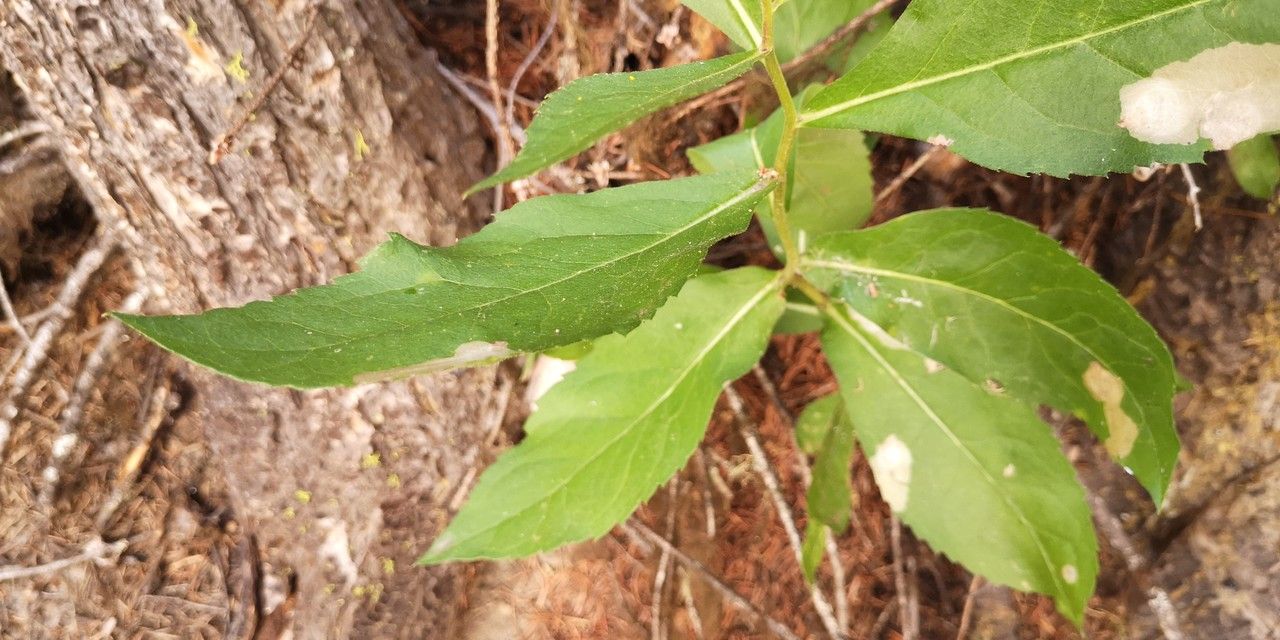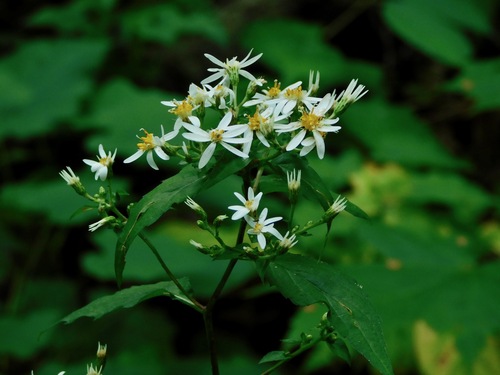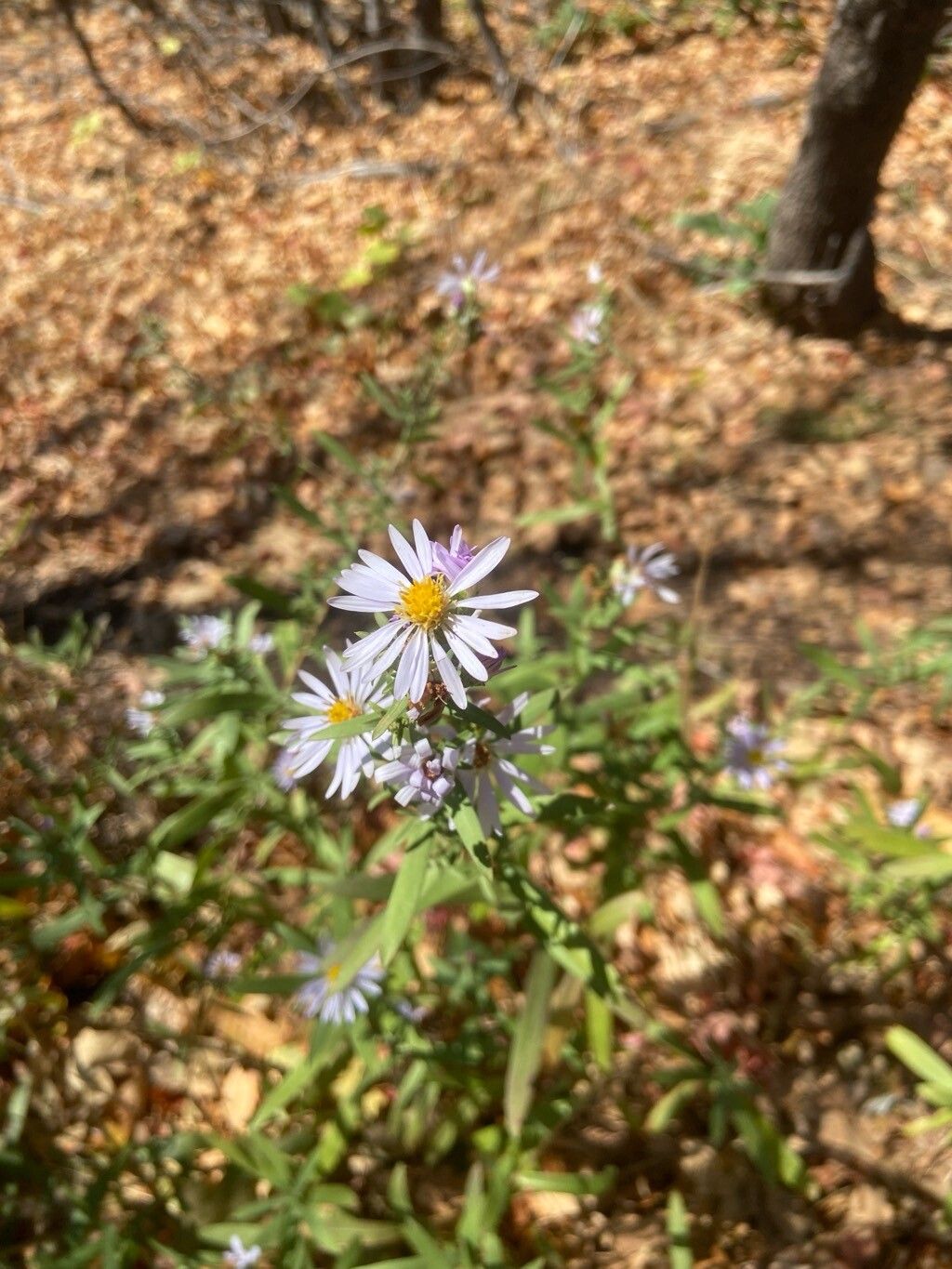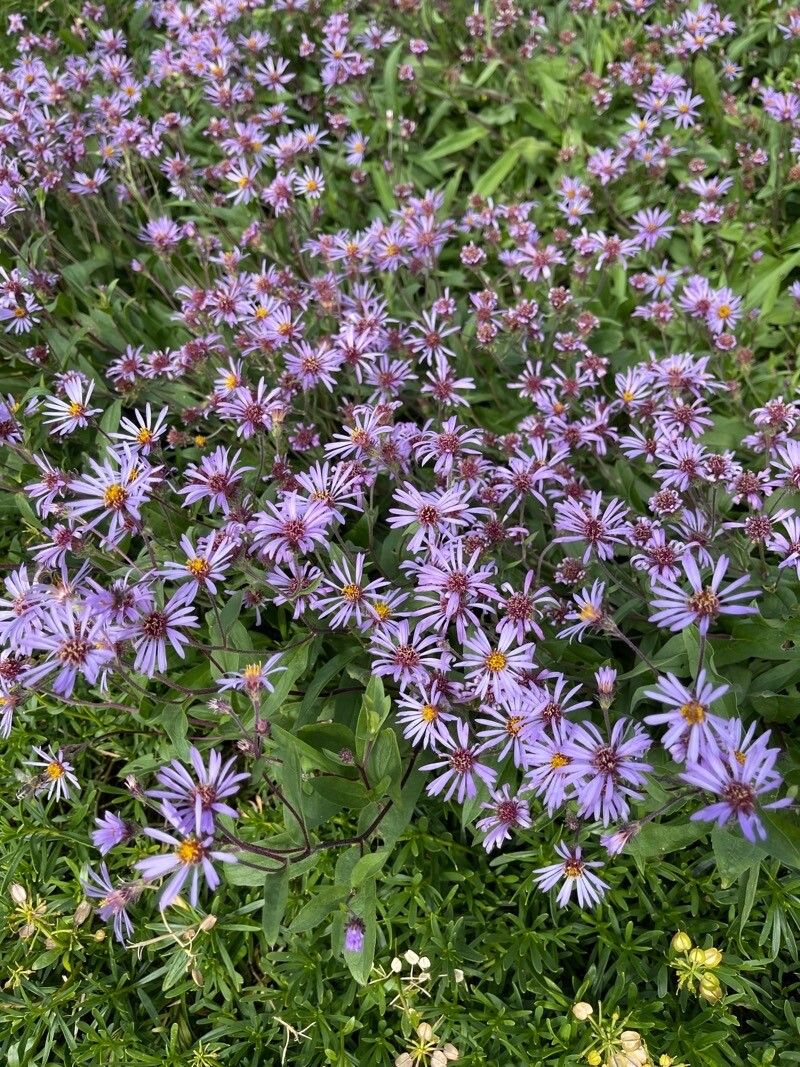
Eurybia sibirica, commonly known as the Siberian aster or arctic aster, is an herbaceous perennial native to north western North America and northern Eurasia. It is found largely in open areas of subarctic boreal forests, though it is also found in a wide variety of habitats in the region. It is similar in appearance to Eurybia merita, but their ranges overlap only near the border between the US and Canada, where E. sibirica is generally found at higher elevations. Eurybia sibirica is a perennial herb up to 60 cm (2 feet) tall, spreading by means of thin underground rhizomes. The plant produces flower heads either one at a time or in dense flat-topped arrays of 2-50 heads. Each head contains 12-50 white, purple, or pale violet ray florets surrounding 25-125 yellow disc florets. The involucral bracts are reddish-purple (anthocyanic).
Arctic aster is fairly disease-resistant and usually not prone to illnesses. Still, it can be affected by pests and diseases present in its environment. These problems are typically mild. For care, the plant needs a moderate amount of maintenance. It should be pruned regularly to preserve its appearance and healthy growth. Fertilizing can also support better flowering. Arctic aster is well suited for anyone with outdoor space, like a garden or patio, and does not demand much care experience. It may call for additional attention if grown indoors.
How to keep Eurybia Sibirica.
Fertilizer
A single fertilizer application in spring is generally enough for Arctic aster, although multiple feedings can maximize growth. Feed every month to six weeks. Fertilizing improves the leaves' appearance and function, helping maintain even color and a healthy texture. It also encourages root growth and better nutrient uptake, supporting long-term plant health.
Pruning
The Arctic aster is known for its striking purple blossoms and is easy to care for. To encourage growth and improve flowering, prune any dead or overgrown stems in early spring. This timing reduces the risk of frost damage and helps maintain the plant's health and size. Always use clean, sharp tools for effective pruning.
Botanical profile.
- Plant Type
- Herb
- Life Cycle
- Perennial
- Genus
- Eurybia
- Family
- Asteraceae
- Hardiness Zone
- 4-8
- Mature Height
- 0 cm to 30 cm
Other names.
Reader questions.
What are the sunlight requirements for Arctic aster (Eurybia sibirica)?
Arctic aster, or Eurybia sibirica, thrives in different sunlight conditions depending on the specific needs. Those that require full sun need above 6 hours of direct sunlight daily to flourish. In contrast, varieties that do well in partial sun need about 3-6 hours of sunlight daily. It's essential to observe how sunlight moves through your garden throughout the day. This observation will help you select the ideal locations that ensure a perfect balance of light and shade that meets the needs of your Arctic aster, ensuring optimal growth and happiness.