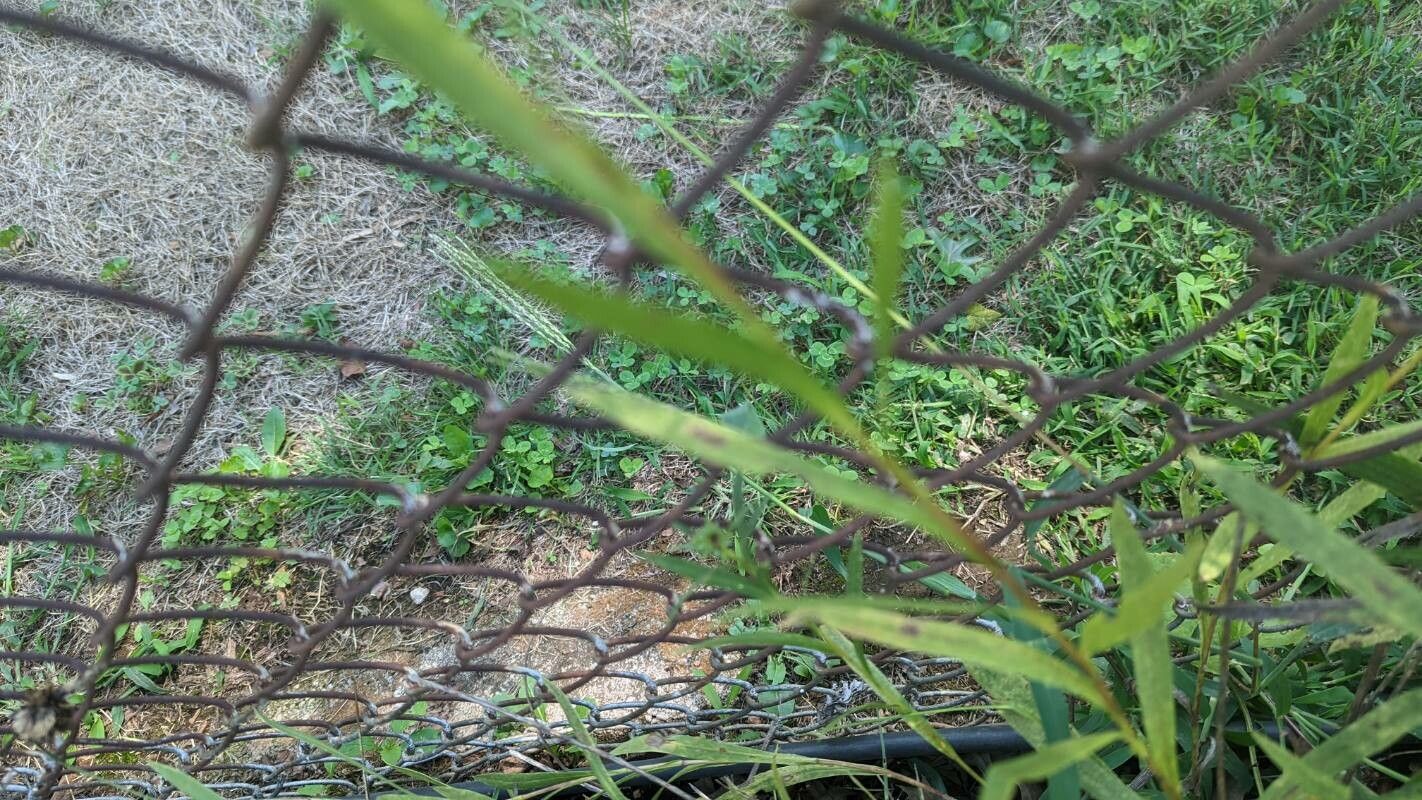
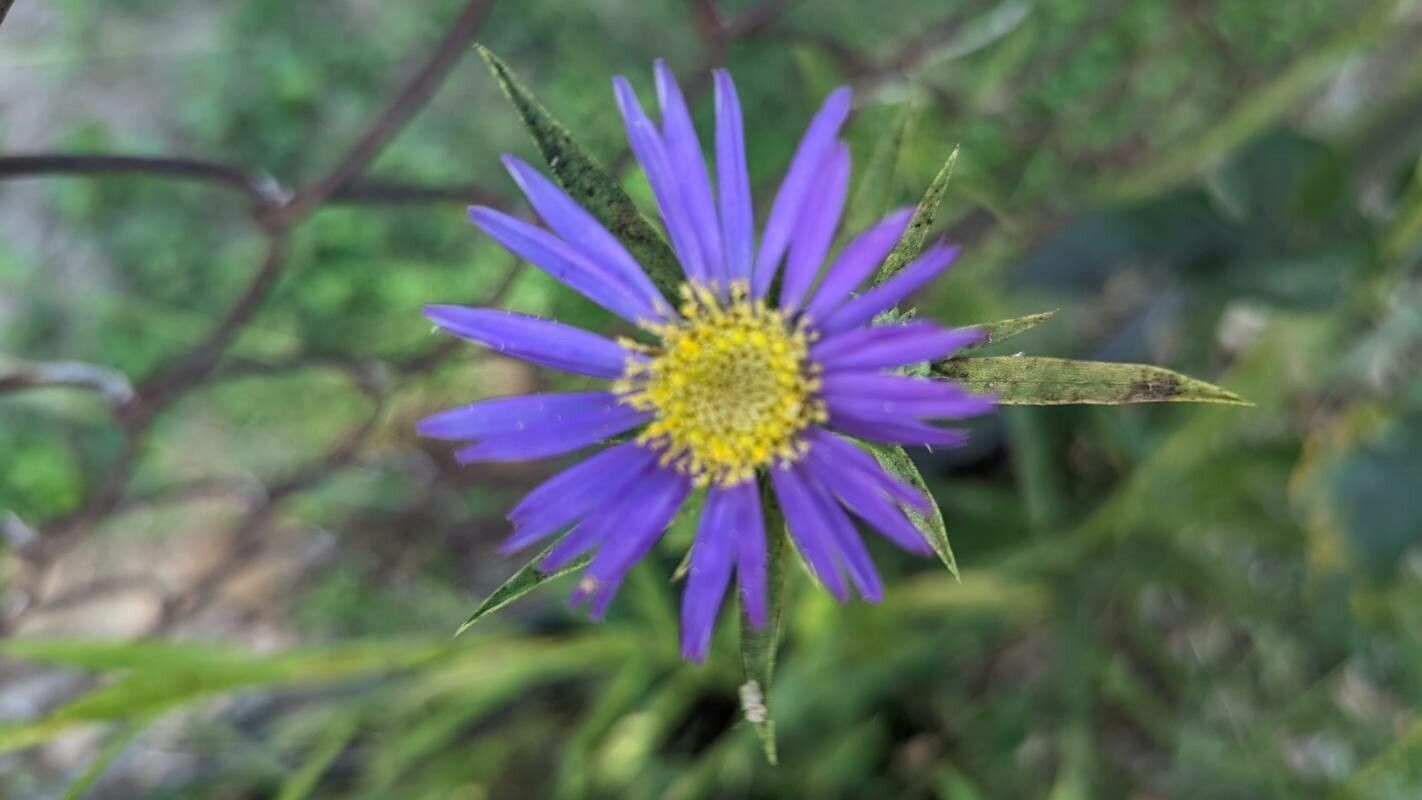
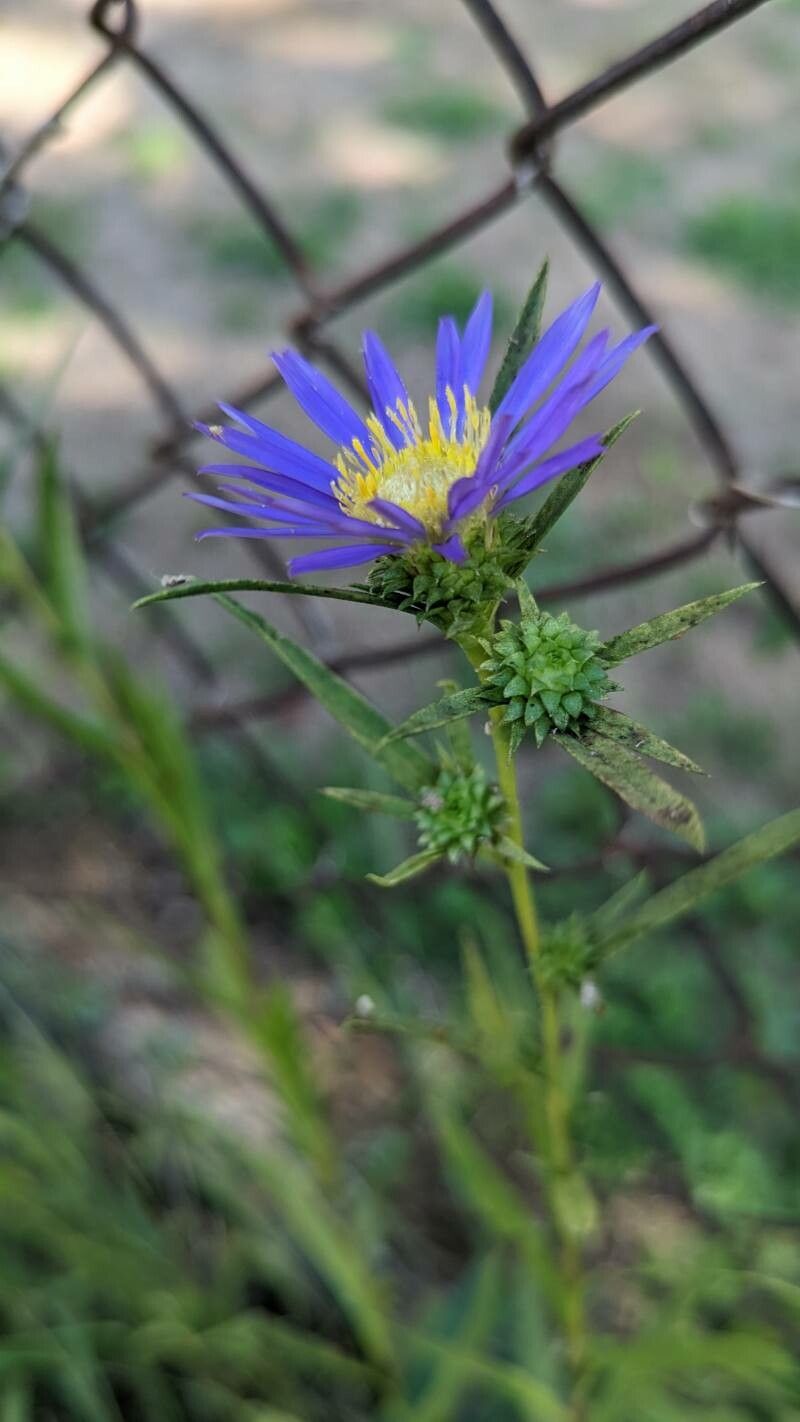
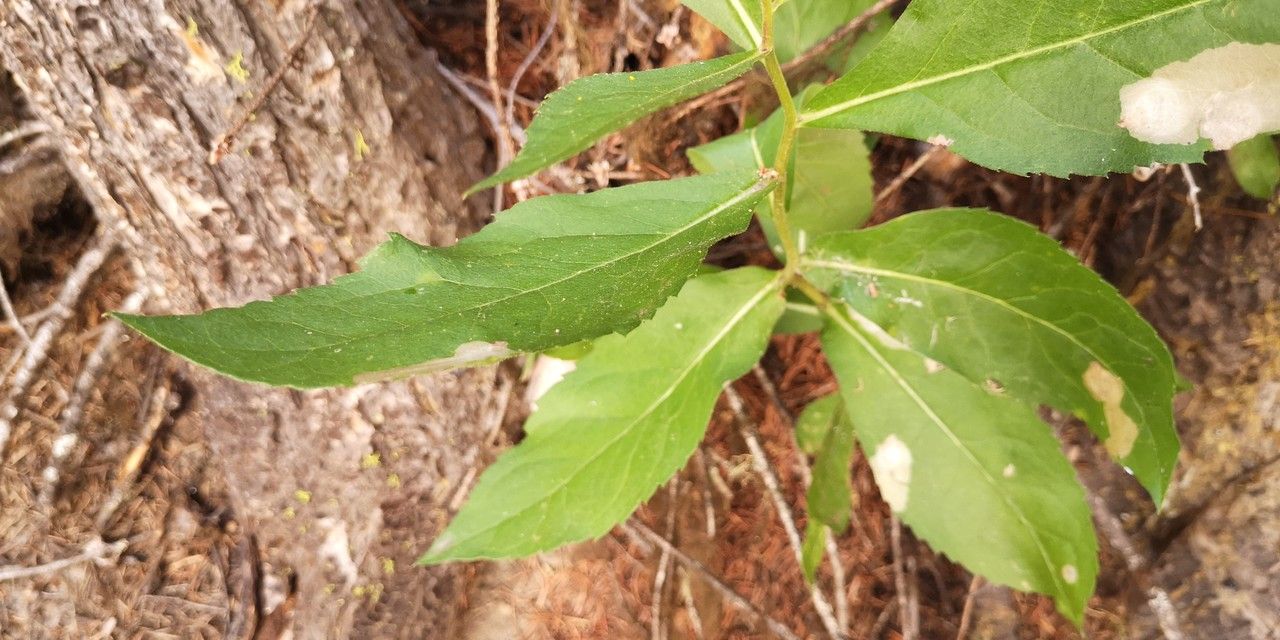
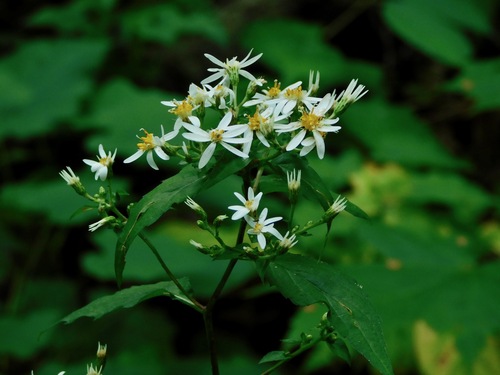
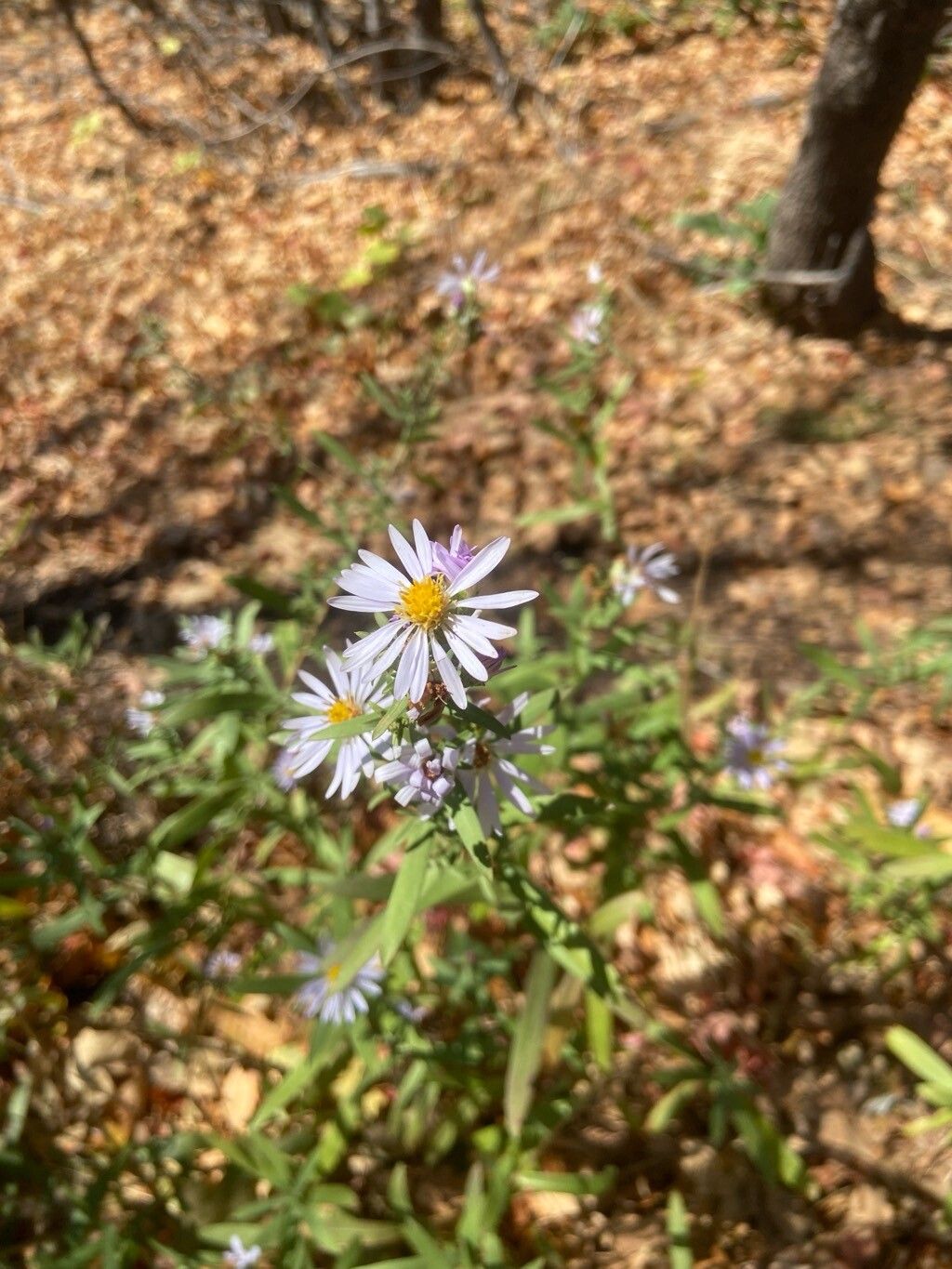
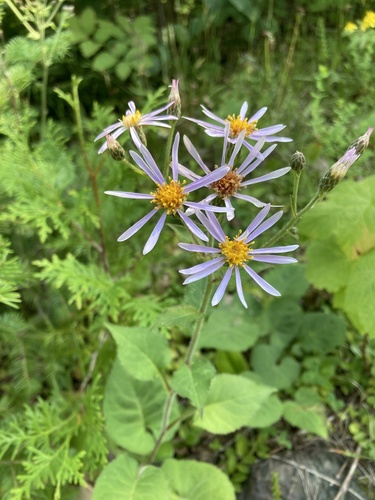
Eurybia hemispherica, commonly known as the southern prairie aster, is an herbaceous plant in the composite family (Asteraceae). It is native to the south-central United States, primarily the lower Mississippi Valley and southeastern Great Plains, from Kansas south to Texas and east to Kentucky, Tennessee, and the Florida Panhandle. Its natural habitat is typically in upland prairies or dry savannas. It is less commonly found in open moist areas, in sandy-loamy soil.
Southern prairie aster is fairly disease-resistant and typically does not suffer many illnesses. However, it can be vulnerable to pests and diseases present in its environment. These problems are usually minor. In terms of care, this plant requires moderate maintenance. It should be pruned regularly to maintain a neat appearance and healthy growth. Fertilizing can also help encourage flowering. Southern prairie aster is suitable for anyone with outdoor space, such as a garden or patio, and does not demand extensive experience in plant care. It may need more attention when grown indoors.
How to keep Eurybia Hemispherica.
Light
The southern prairie aster needs abundant light to grow healthily. Native to areas where the sun is mostly unblocked, it performs best with ample daily sun exposure. It requires plenty of light at every stage of development. However, both too little and too much light can reduce its vigor and affect flowering.
Water
The southern prairie aster, native to regions with moderate rainfall, thrives in consistently moist soil. It needs to be watered weekly to keep it hydrated without causing over-saturation. As a plant typically found in open prairies, it benefits from natural rainfall but can withstand short periods of dryness thanks to its resilience.
Temperature
Southern prairie aster is native to areas with temperatures from 50 to 95°F (10 to 35°C). It does best in warmer climates and tolerates temperature fluctuations fairly well. Seasonal care may involve providing extra shade during severe summer heat.
Fertilizer
The best time to fertilize a Southern prairie aster is in early spring, when it is coming out of dormancy and starting active growth. Fertilizing supplies essential nutrients for healthy development. While the Southern prairie aster has relatively low fertilizer requirements, applying fertilizer annually can improve its survival and encourage better, longer-lasting blooms.
Pruning
The Southern prairie aster is a resilient perennial known for its vibrant purple flowers that bloom in late summer. To maintain and encourage growth, prune the plant from early to late spring to remove any dead stems. After the initial bloom, cutting back the plant can promote a second round of flowering, improve air circulation, and reduce the risk of pests. Always use clean tools when pruning to ensure the health of the plant.
Botanical profile.
- Plant Type
- Herb
- Life Cycle
- Perennial
- Genus
- Eurybia
- Family
- Asteraceae
- Hardiness Zone
- 6-9
- Mature Height
- 76 cm
- Mature Spread
- 91 cm
- Leaf Color
- Green, Dark Green
- Leaf Type
- Deciduous
- Flower Color
- Lavender, White
- Flower Size
- 2.54 cm to 5.08 cm
- Bloom Time
- Late summer, Early fall, Mid fall
- Planting Time
- Spring, Summer, Autumn
- Harvest Time
- Mid fall, Late fall
Other names.
Reader questions.
What are the sunlight requirements for Southern Prairie Aster?
The Southern Prairie Aster requires ample amounts of light for healthy growth, ideally thriving in environments where it can receive significant daily sunlight exposure. Full sun, defined as above 6 hours of sunlight, is essential for its robustness and blooming. However, it can also manage with partial sun, about 3-6 hours of sunlight, but both inadequate and excessive light exposure could impact its growth negatively. Observing the movement of sunlight through your garden to find the perfect balance of light and shade is crucial for ensuring the happiness of your plants.
What is the optimal temperature range for Southern Prairie Aster?
The Southern Prairie Aster (Eurybia hemispherica) is native to environments with temperatures ranging from 50 to 95°F (10 to 35°C). It flourishes best in warmer climates and adapts well to temperature fluctuations. During the hot summer months, providing additional shade can help manage the heat stress on the plant. This species has a strong resistance to cold and typically does not need special frost protection measures. However, in cases where winter temperatures are expected to plummet below -25°C, providing cold protection with materials such as soil or straw is advised. Additionally, watering the plant abundantly before the first freeze in autumn to ensure the soil remains moist can help prevent drought and water scarcity during the winter and early spring.
How does artificial lighting support the growth of Indoor Southern Prairie Aster plants?
Indoor Southern Prairie Aster plants require adequate lighting for optimal growth, especially when natural sunlight is insufficient, such as during winter or in less sunny spaces. Artificial lighting offers a vital solution, promoting faster and healthier growth. LED lights are a popular choice because they can provide specific wavelengths of light needed by the plants. Full sun plants need 30-50W/sq ft of artificial light, partial sun plants need 20-30W/sq ft, and full shade plants need 10-20W/sq ft. It's important to place the artificial light source 12-36 inches above the plant and mimic natural daylight hours, ensuring most plants receive 8-12 hours of light per day.
How does Southern Prairie Aster respond to low temperatures, and what should be done if it fails to sprout in spring?
Southern Prairie Aster is cold-tolerant, thriving best when temperatures are above 10°C. It should be kept above -15°C during the winter. If temperatures fall below -25°C, the plant may not show immediate distress, but you might notice a decreased sprouting rate or absence of sprouting come springtime. To mitigate this issue, remove any parts of the plant that have failed to sprout in the spring. This will help the rest of the plant recover and continue growing.
What are the symptoms of inadequate or excessive sunlight in Southern Prairie Aster?
Symptoms of inadequate sunlight in Southern Prairie Aster include smaller new leaves, leggy or sparse growth, faster leaf drop, slower or no new growth, and lighter-colored or chlorotic new leaves. Excessive sunlight can cause symptoms like chlorosis, sunscald, leaf curling, wilting, and leaf scorching. It's crucial to monitor these symptoms to adjust the plant's light exposure accordingly.
What are the signs of high temperature stress in Southern Prairie Aster, and how can this be addressed?
When temperatures rise above 35°C, the Southern Prairie Aster may exhibit signs of high temperature stress, including leaves becoming lighter in color, curling, and being prone to sunburn. In severe cases, the plant may wilt and dry out entirely. To address this, trim away the sunburned and dried-up parts of the plant. Relocate it to a spot that provides shade during the peak sun hours of midday and afternoon, or use a shade cloth for protection. Ensuring the soil remains moist by watering the plant in the morning and evening can also help alleviate stress from high temperatures.
What are some solutions for managing light exposure for Southern Prairie Aster?
To manage light exposure for Southern Prairie Aster, gradually move plants to a sunnier location each week, ensuring they receive at least 6 hours of direct sunlight daily, especially if they are indoors. Utilize south-facing windows and keep curtains open during the day for maximum sunlight. Consider using artificial light if necessary, keeping lamps on for at least 8 hours daily or investing in plant grow lights. Outdoors, ensure plants are gradually acclimatized to sunnier spots to prevent sunburn. Remove any obstructions blocking sunlight, and for smaller plants, consider transplanting during their dormant period to a location with ample sunlight and good drainage. Note that parts of the plant affected by insufficient light may not recover, but new growth will be healthy once light exposure is improved.