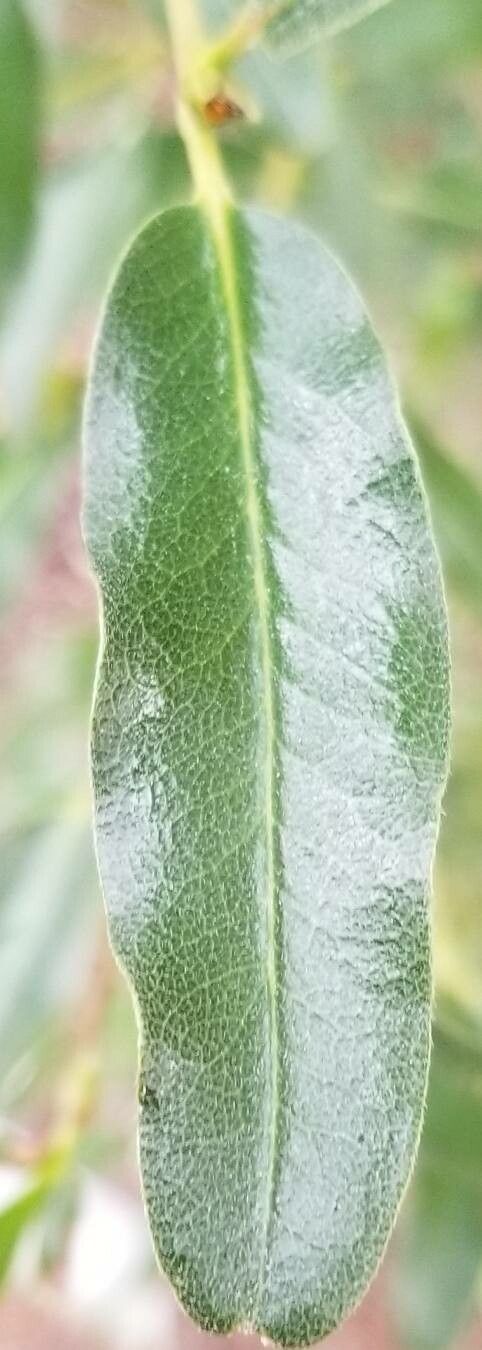
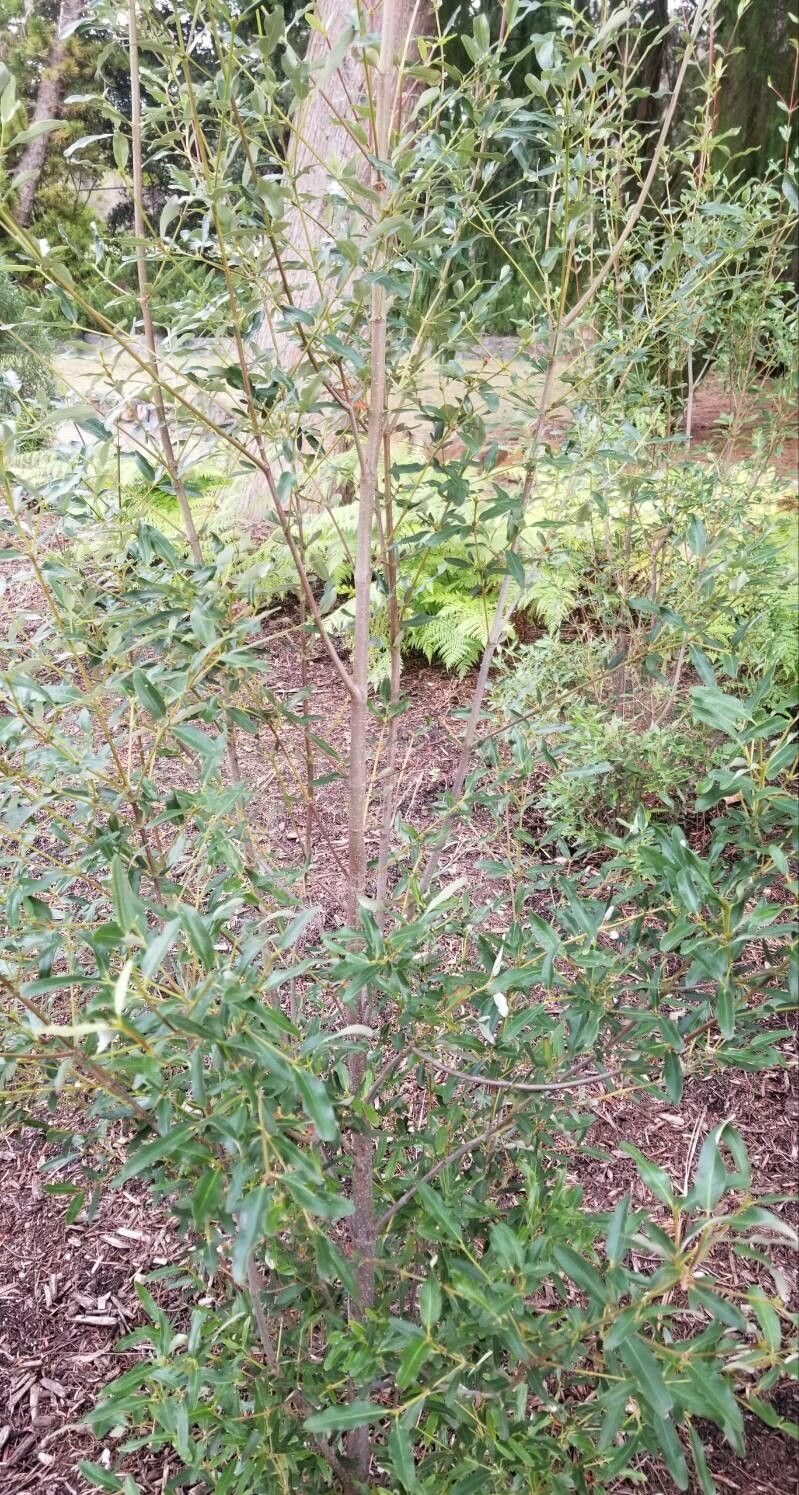
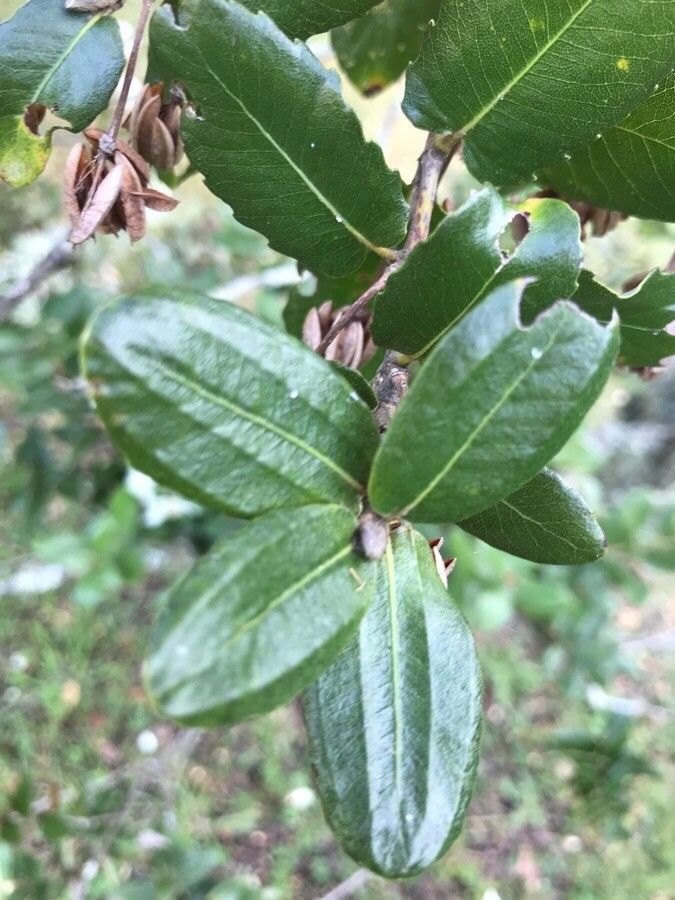
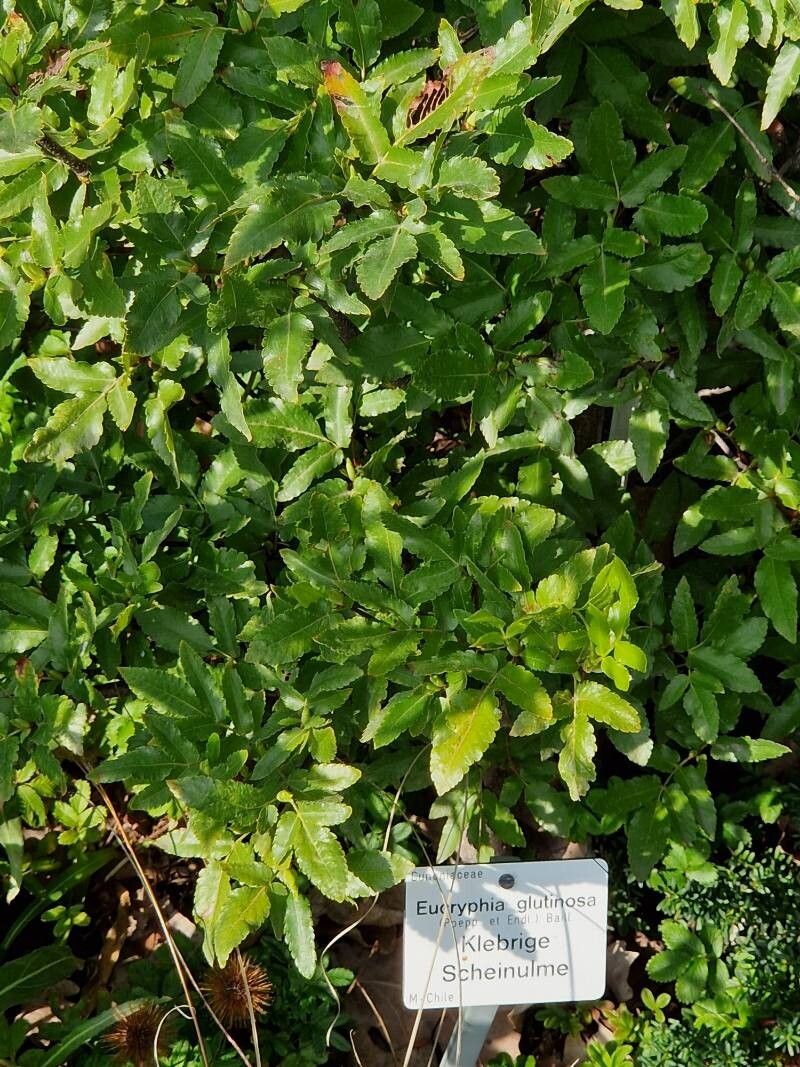
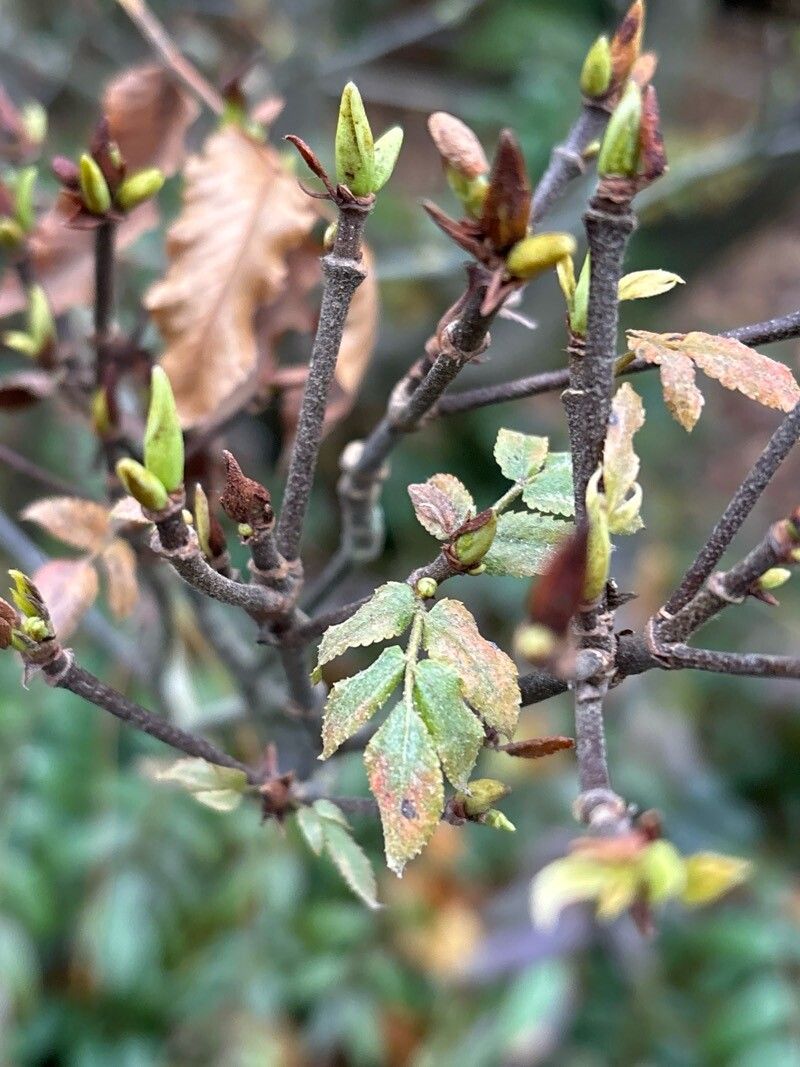
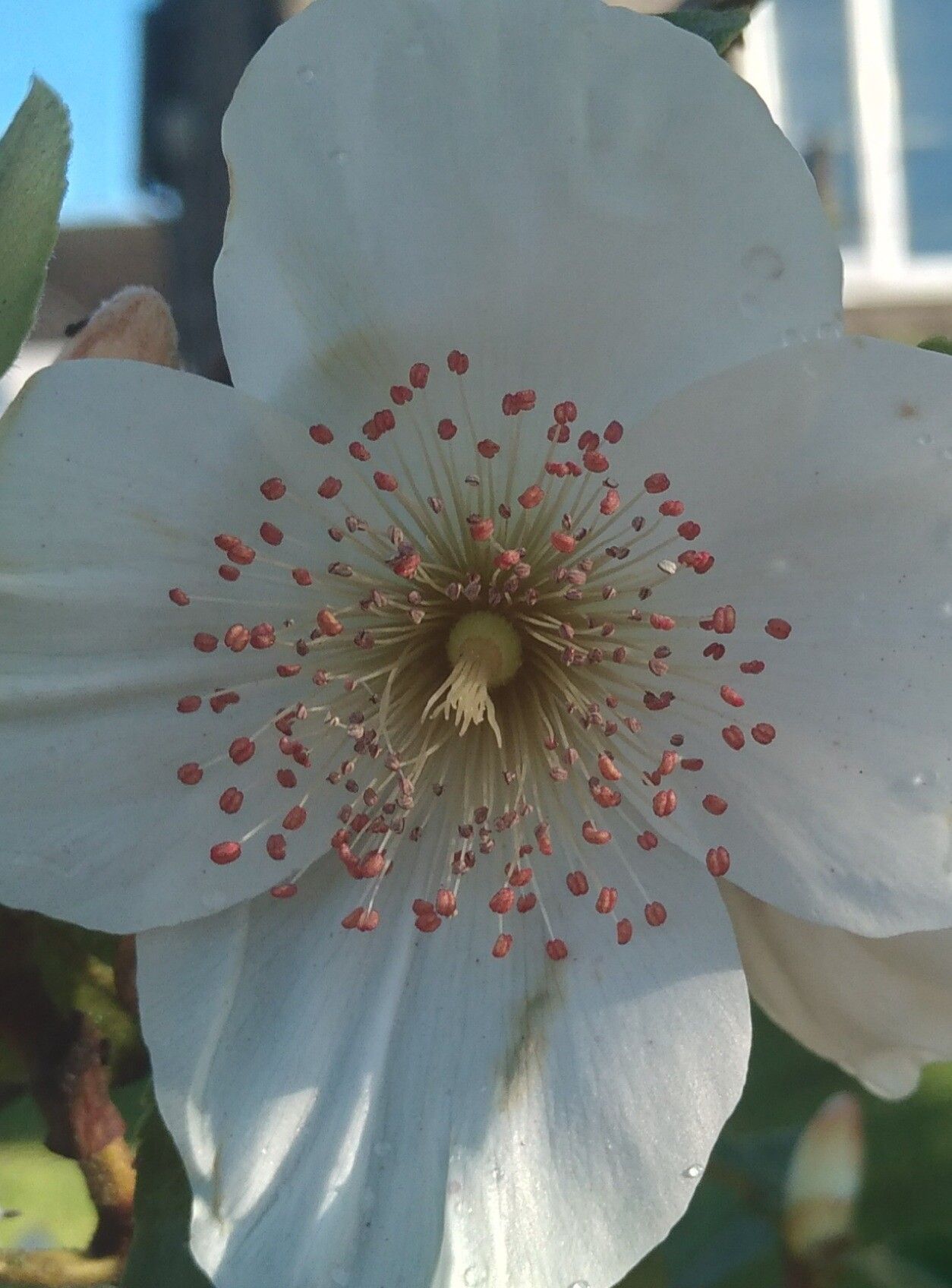
Eucryphia lucida is a species of flowering plant in the family Cunoniaceae, native to Chile and Argentina. Commonly known as the leatherwood tree or ulmo, it can grow up to 20 meters tall. The tree has a dense, rounded crown and glossy, elliptical leaves. Its large, showy flowers, which bloom in late summer or early autumn, have five white petals surrounding a central cluster of yellow stamens.
The wood of Eucryphia lucida is highly valued for its strength and durability, making it popular for furniture making and construction. Additionally, the bark has been traditionally used for medicinal purposes by indigenous peoples.
Eucryphia lucida prefers moist soils with good drainage but can tolerate some drought once established. It thrives best in full sun to partial shade but can also grow in some shade.
The plant is hardy down to -10°C (14°F) but may need protection from frost when young.
Overall, Eucryphia lucida is an attractive ornamental tree that provides year-round interest with its glossy foliage, showy flowers, and appealing bark. It also has practical uses as a source of timber or medicine.
Pinkwood shows strong resistance to disease and is generally not prone to illnesses. Care-wise, this plant is relatively low maintenance. When grown outdoors it needs minimal watering, and larger plants usually do not require pruning. Smaller plants, however, should be pruned after they have finished blooming. Pinkwoodt is suitable for anyone with an outdoor area, such as a garden or deck, and does not demand extensive care experience.
How to keep Eucryphia Lucida.
Light
Pinkwood is indigenous to settings such as forest understories and rocky areas, where it grows in natural shade. It prefers partial sun but can tolerate full sun or full shade, demonstrating its adaptable and hardy nature.
Water
Pinkwood, a plant native to the temperate forests of Tasmania, thrives in conditions of moderate humidity and consistent moisture. To maintain its health, it's important to water it every 1-2 weeks, ensuring the soil remains lightly moist but not waterlogged. Pinkwood is best grown outdoors and benefits from mulching, which helps retain moisture and mimic its natural habitat.
Temperature
Pinkwood is highly adaptable to different climate conditions, from very hot summers to cold winters. However, it has a preferred temperature range for optimal growth. If temperatures become too high, the plant can experience stress from heat and humidity, which may kill it. In areas where temperatures approach the lower limit of its cold tolerance, insulating the plant is necessary to protect it.
Fertilizer
Timing is essential for fertilizing Pinkwood. Apply fertilizer in early spring and continue once a month until early summer. Fertilizer promotes beautiful blooms and supplies energy during both dormant and active growth phases.
Pruning
Pinkwood has attractive foliage and blossoms. To maintain its health and appearance, it's best to prune in early to late winter. This timing allows you to remove dead or diseased wood and any crossing branches, which helps improve the plant's growth and shape while minimizing shock. Regular pruning also promotes air circulation, reducing the risk of disease and enhancing the plant's vitality. For more detailed guidance, consult reliable horticultural sources.
Botanical profile.
- Plant Type
- Tree
- Life Cycle
- Perennial
- Genus
- Eucryphia
- Family
- Cunoniaceae
- Hardiness Zone
- 7-10
- Mature Height
- 10.06 m to 29.87 m
- Mature Spread
- 4.88 m to 10.06 m
- Leaf Color
- Yellow, Blue, Green, Pink, Variegated, Cream
- Leaf Type
- Evergreen
- Flower Color
- White
- Flower Size
- 2.03 cm to 4.06 cm
- Bloom Time
- Early summer, Mid summer
- Planting Time
- Spring, Summer, Autumn
- Harvest Time
- Late summer, Early fall, Mid fall
Other names.