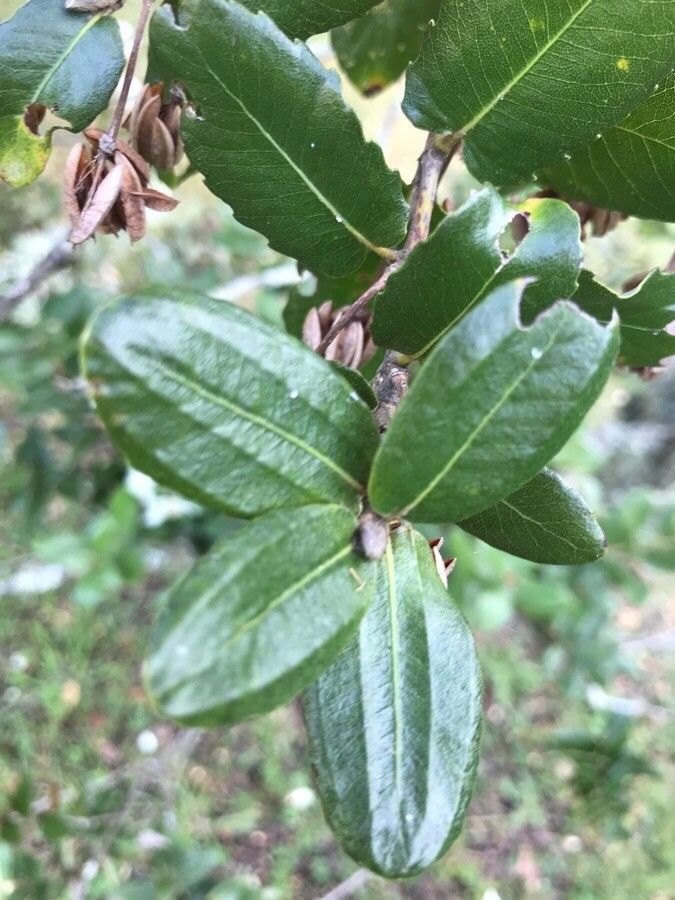
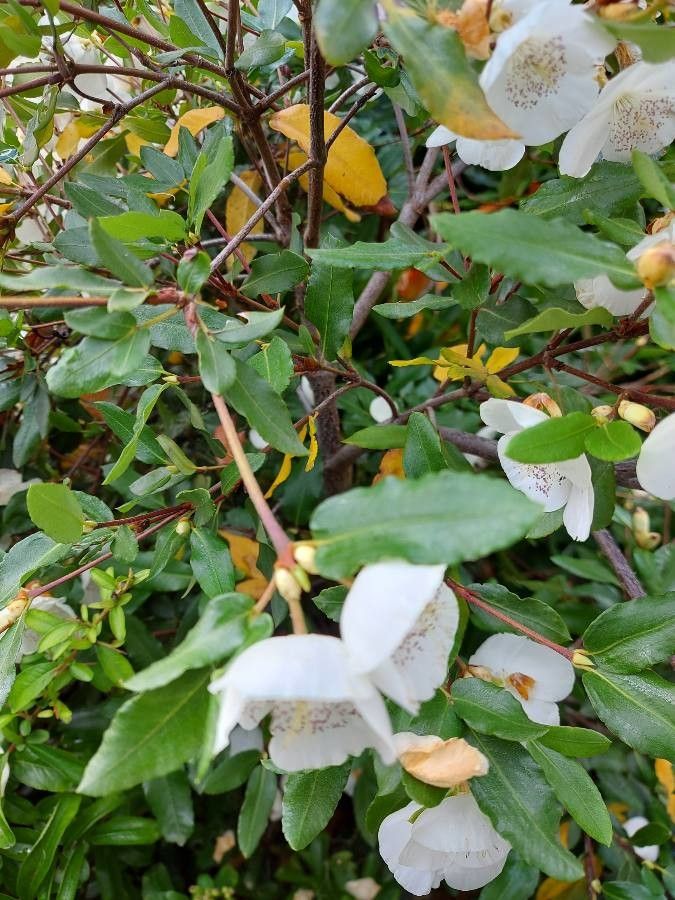
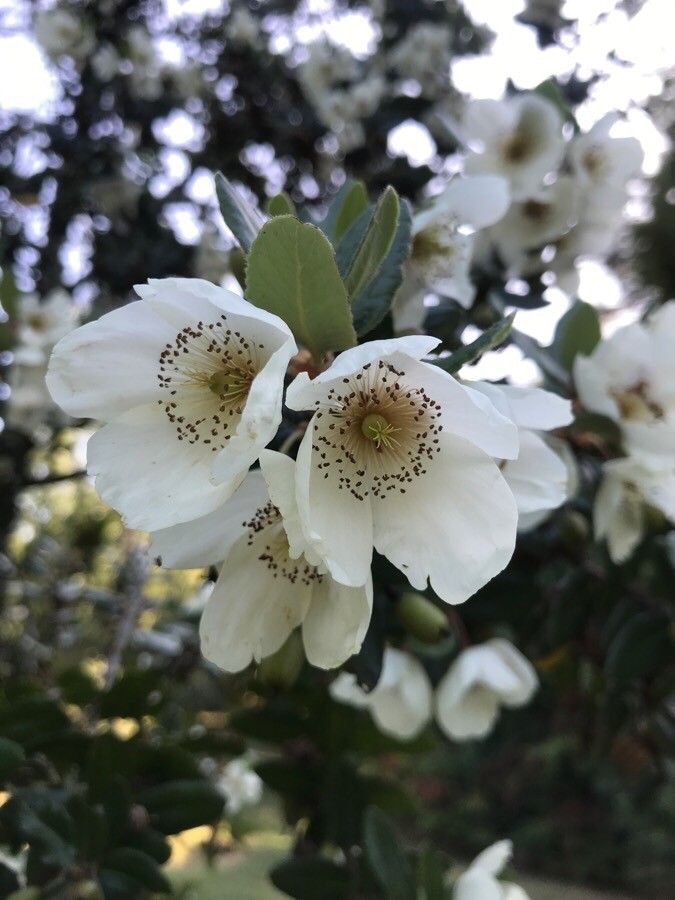
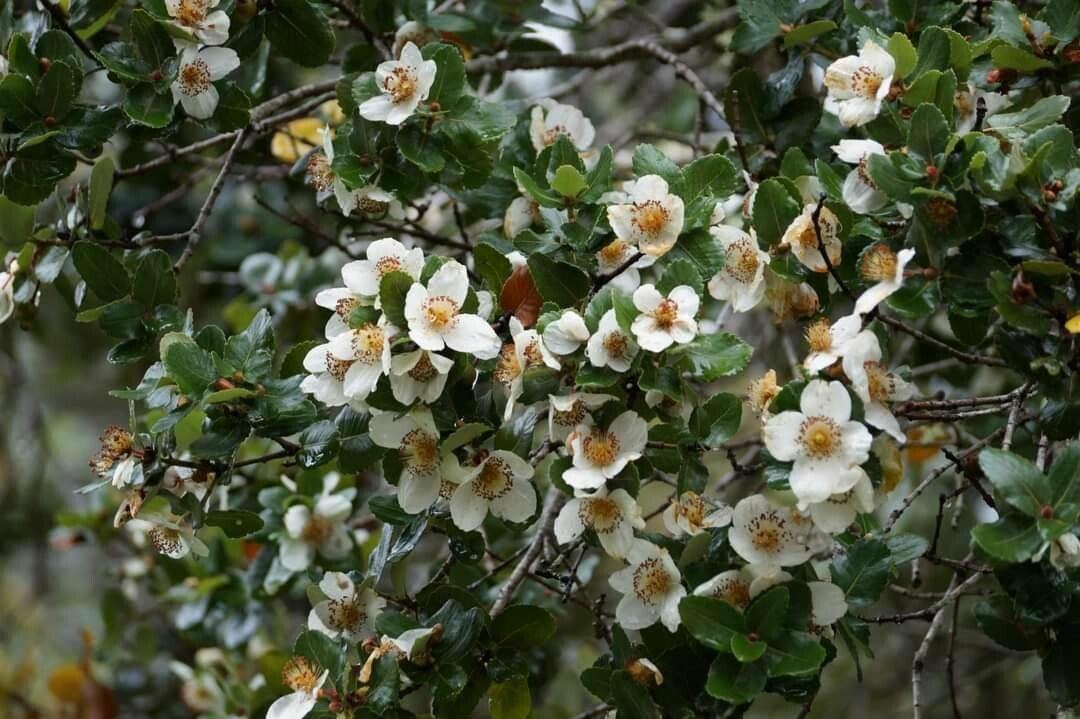
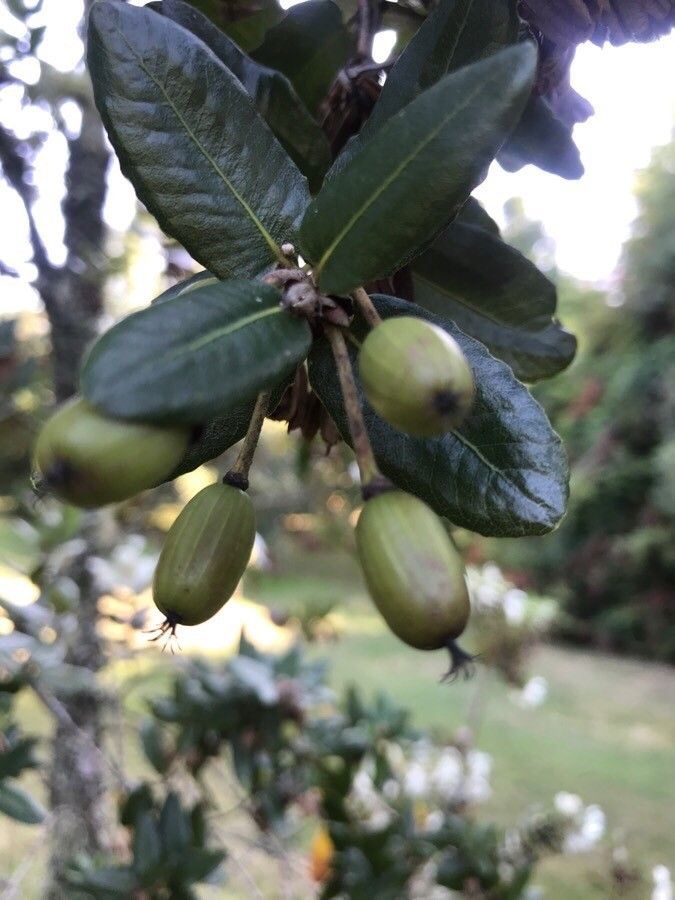
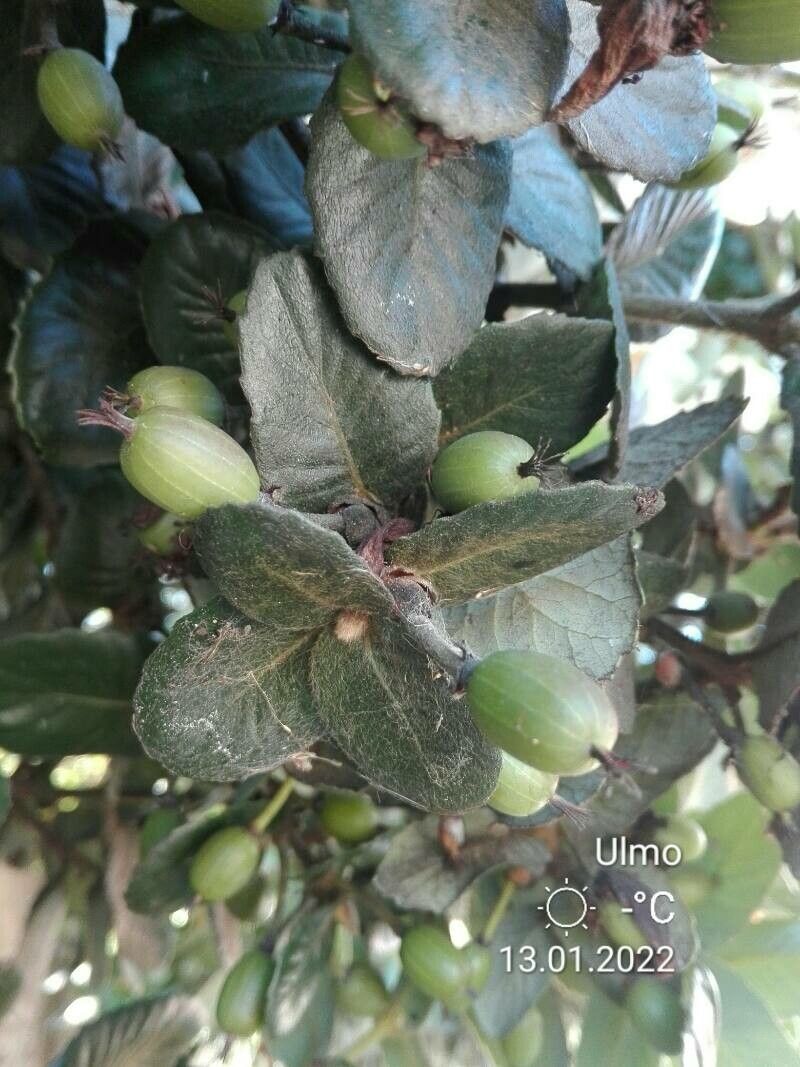
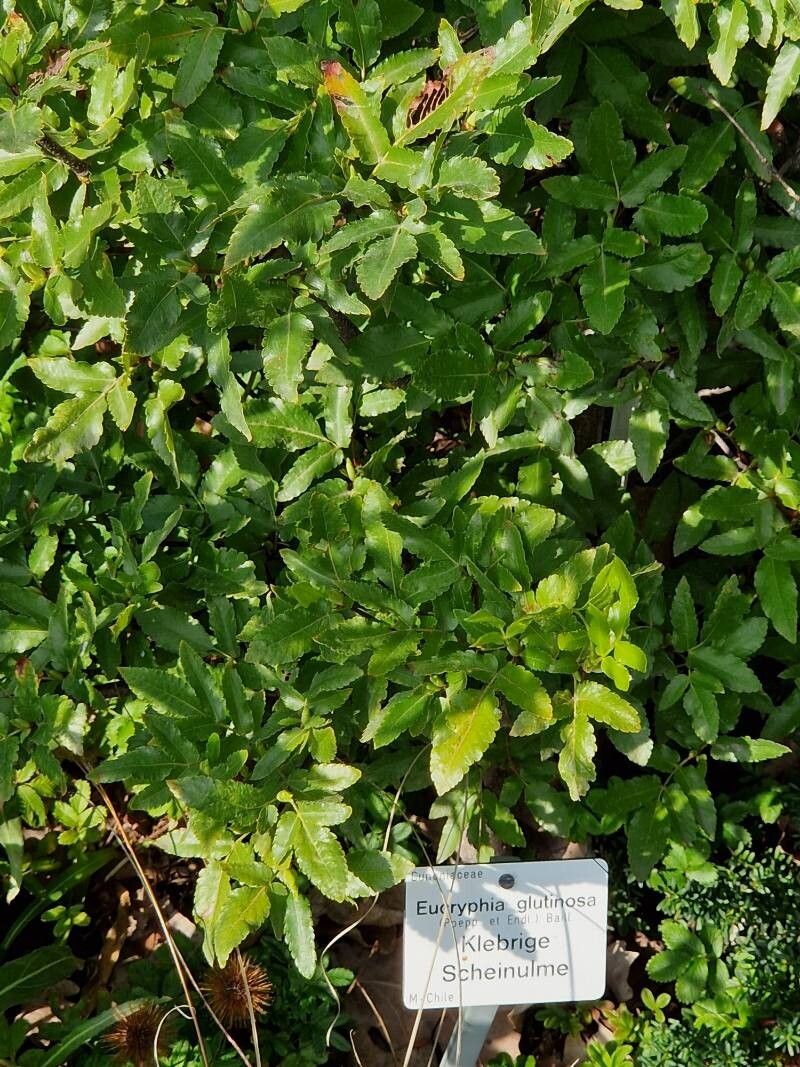
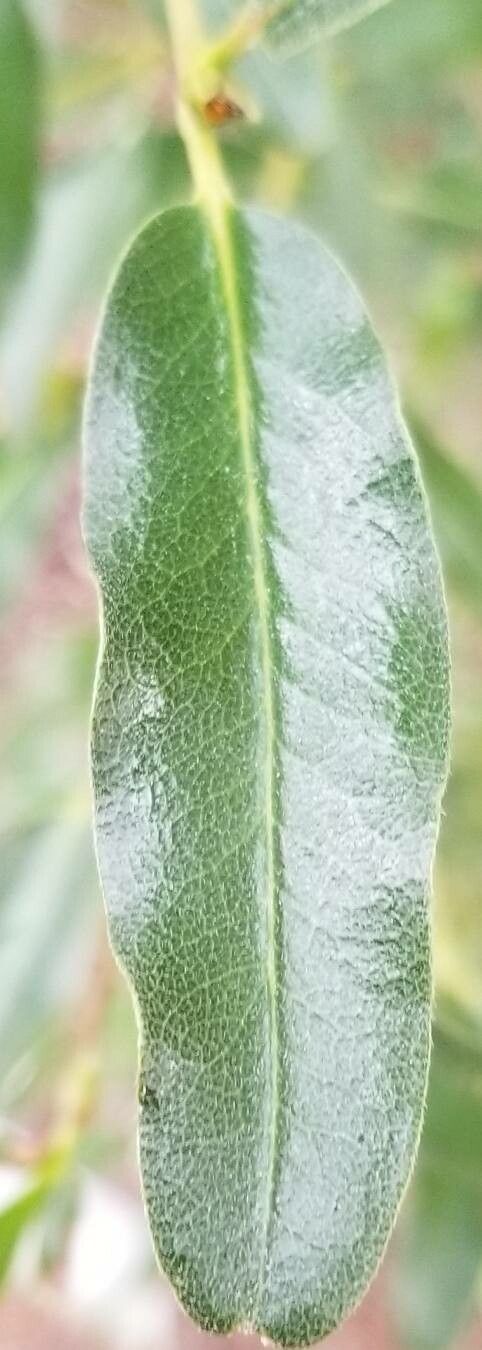
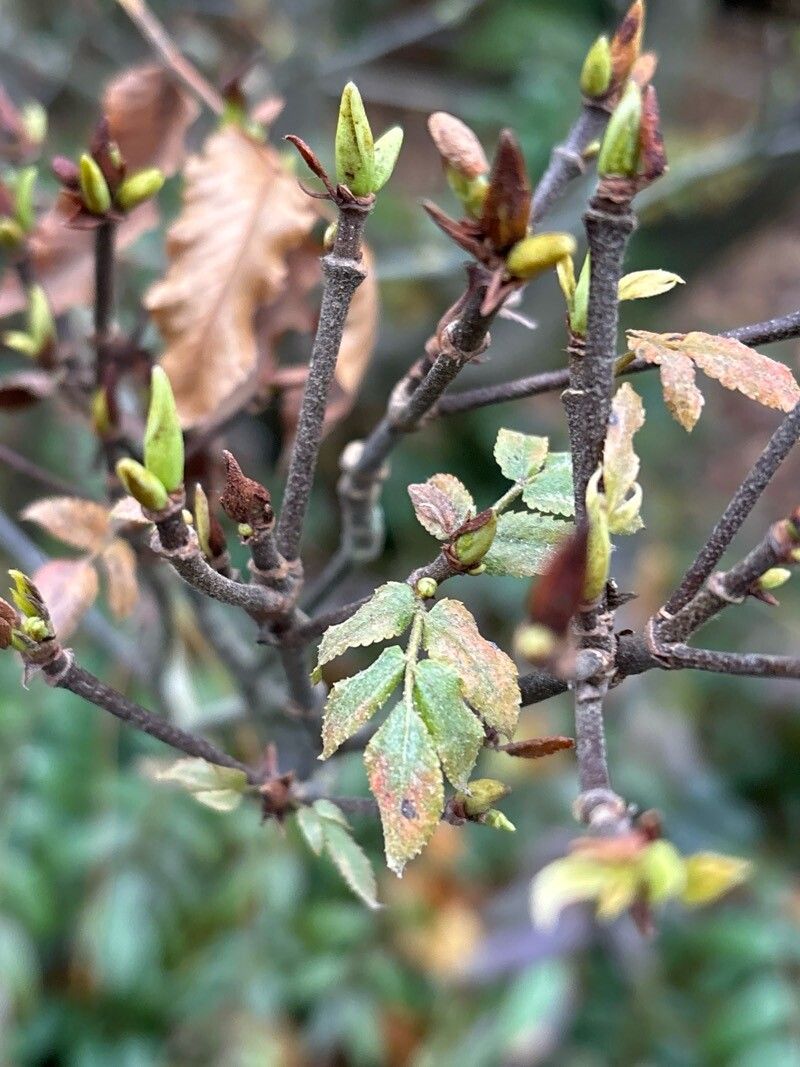
Eucryphia cordifolia, commonly known as the Ulmo tree, is a flowering plant species in the family Cunoniaceae. Native to southern Chile and Argentina, this tree can reach heights of up to 20 meters. It features a straight trunk with smooth bark that can be either gray or brown. The glossy green leaves have a heart-shaped base, which is reflected in the species name "cordifolia."
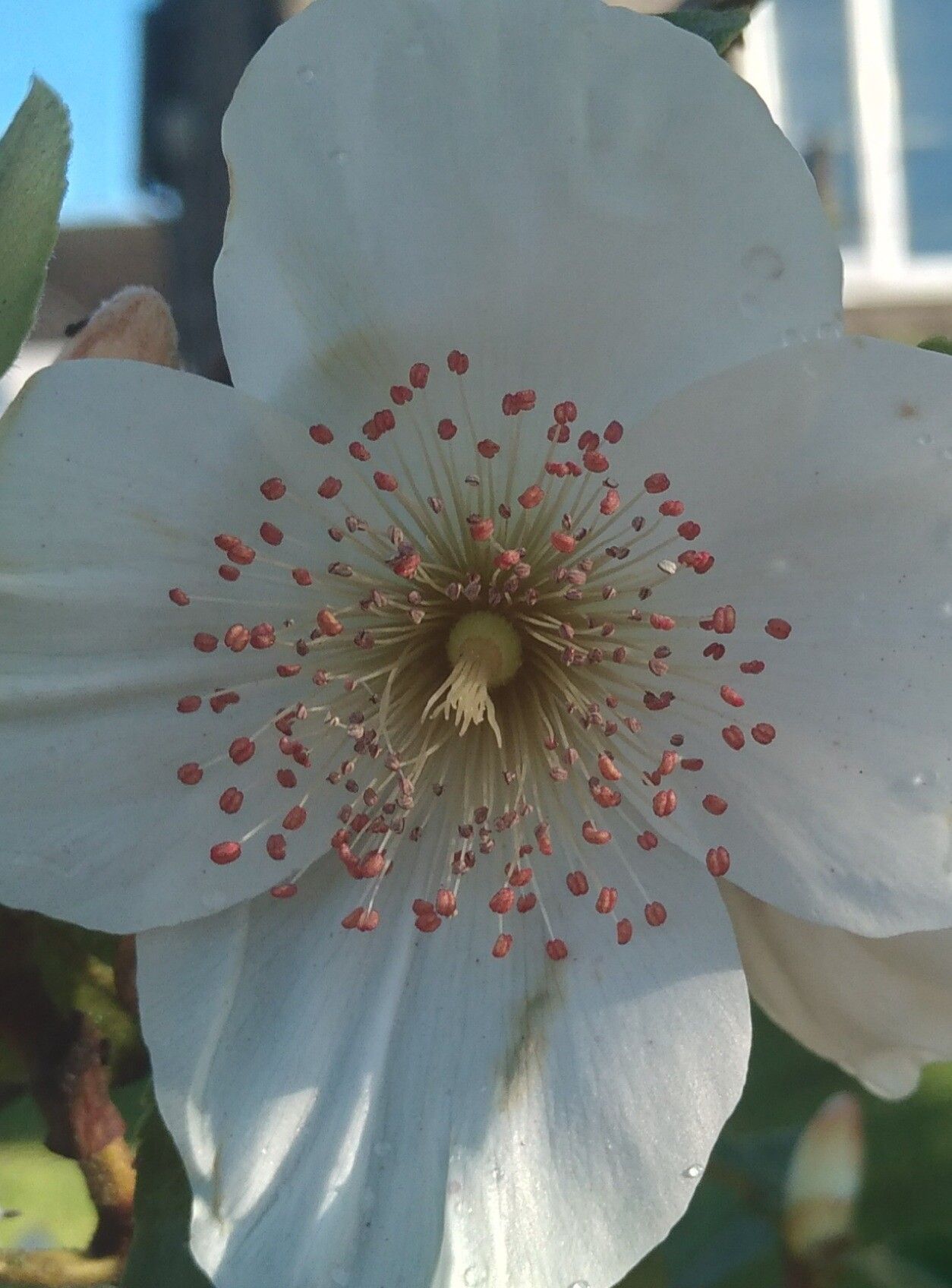
The Ulmo tree produces fragrant white flowers that bloom from December to February in its natural habitat. These flowers are pollinated by bees and other insects, which then produce honey from the tree's nectar-rich blooms. The fruit of Eucryphia cordifolia is a small capsule containing numerous seeds.
The wood of Eucryphia cordifolia is highly valued for its strength and durability, making it popular for use in construction projects such as flooring and furniture making.
In addition to its practical uses, Eucryphia cordifolia holds cultural significance among indigenous communities in Chilean Patagonia, who use it for medicinal purposes, such as treating respiratory ailments.
Overall, Eucryphia cordifolia is an important plant species with both practical applications and cultural significance within its native range.
Ulmo is strongly resistant to disease and is generally not susceptible to illnesses. Regarding care, this plant is fairly low-maintenance. When grown outdoors, it needs minimal watering, and larger specimens typically do not require pruning. However, smaller plants should be trimmed after they have finished blooming. Ulmot suits anyone with an outdoor area, such as a garden or deck, and does not demand much gardening experience.
How to keep Eucryphia Cordifolia.
Light
Ulmo occurs naturally in settings such as forest understories or rocky areas, where it grows in natural shade. It prefers partial sun but can adjust to full sun or full shade, demonstrating its versatile and hardy character.
Temperature
Ulmo shows strong adaptability to a variety of climate conditions, from hot summers to cold winters. Nevertheless, it has a preferred temperature range for optimal growth. If temperatures climb too high, the plant is vulnerable to heat and humidity stress, which can cause it to die. In areas where temperatures approach the lower limit of its cold tolerance, insulating measures should be used to protect the plant.
Fertilizer
Timing is important when fertilizing Ulmo. Start in the beginning of spring and apply fertilizer monthly until early summer. Fertilizer promotes attractive blooms and supplies energy both during dormancy and in active growth periods.
Pruning
The Ulmo plant is characterized by its wide, glossy leaves and fragrant white flowers. To maintain its health and encourage more blooms, prune the plant between early and late winter by removing dead or overcrowded branches to improve air circulation. Regular pruning not only enhances the plant's structure and health but also improves its resistance to diseases. For more detailed information and guidance, consult resources such as the RHS (Royal Horticultural Society).
Botanical profile.
- Plant Type
- Tree
- Life Cycle
- Perennial
- Genus
- Eucryphia
- Family
- Cunoniaceae
- Hardiness Zone
- 8-10
- Mature Height
- 14.94 m to 24.99 m
- Mature Spread
- 7.92 m to 11.89 m
- Leaf Color
- Dark Green, Forest Green
- Leaf Type
- Evergreen
- Flower Color
- White
- Flower Size
- 4.06 cm to 5.08 cm
- Bloom Time
- Early summer, Mid summer
- Planting Time
- Spring, Summer
- Harvest Time
- Late summer, Early fall, Mid fall
Other names.