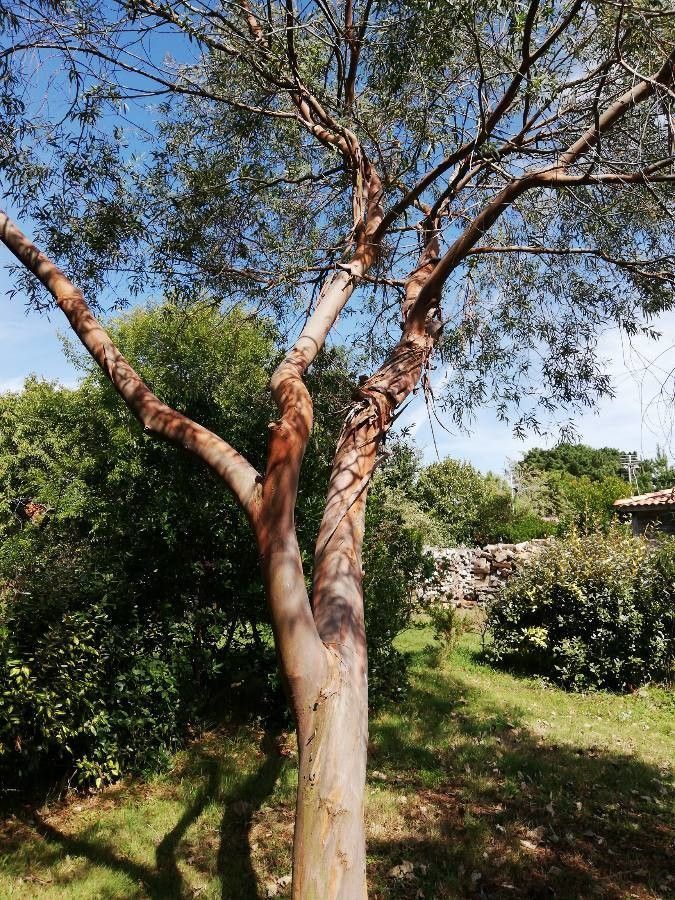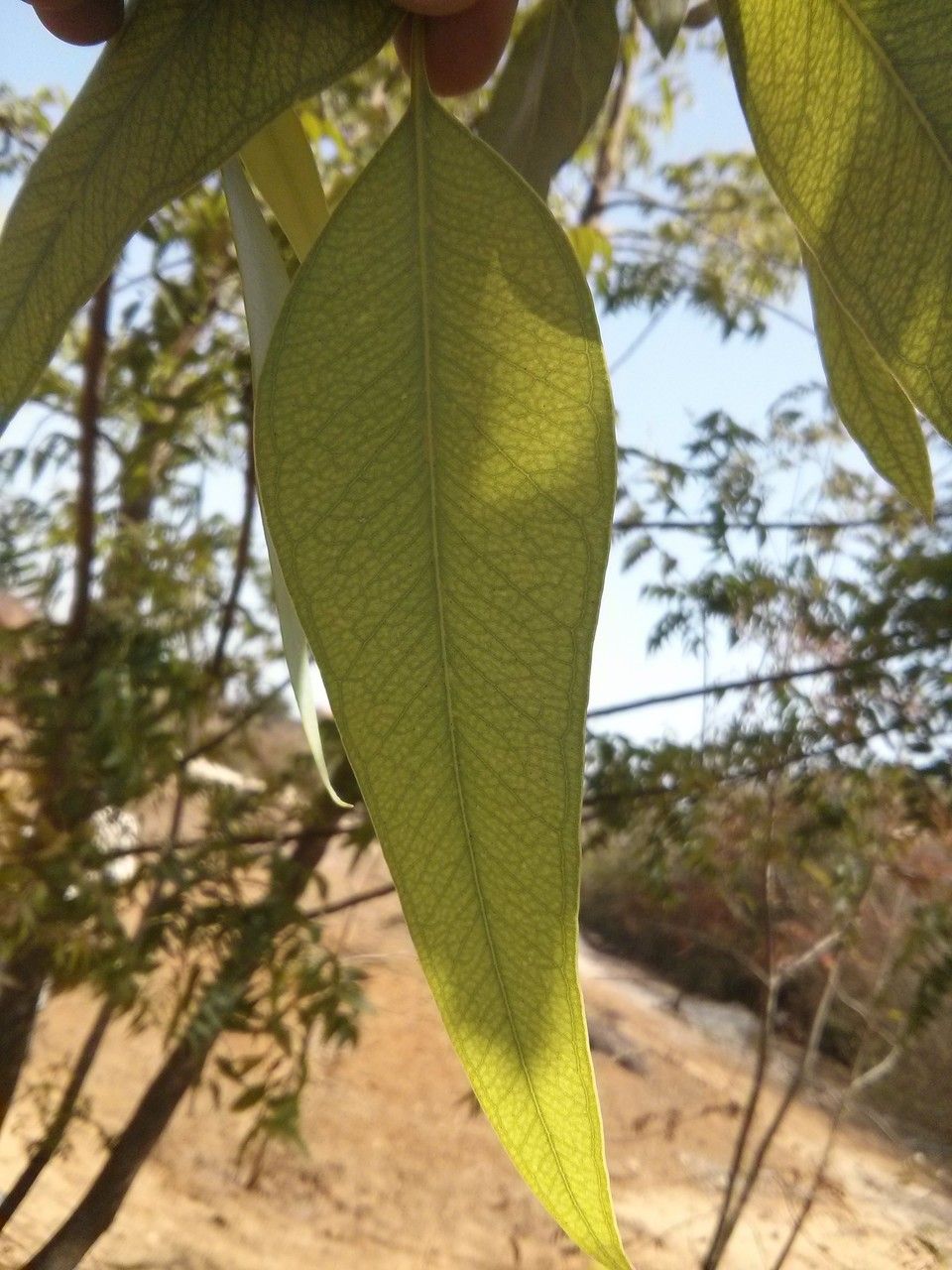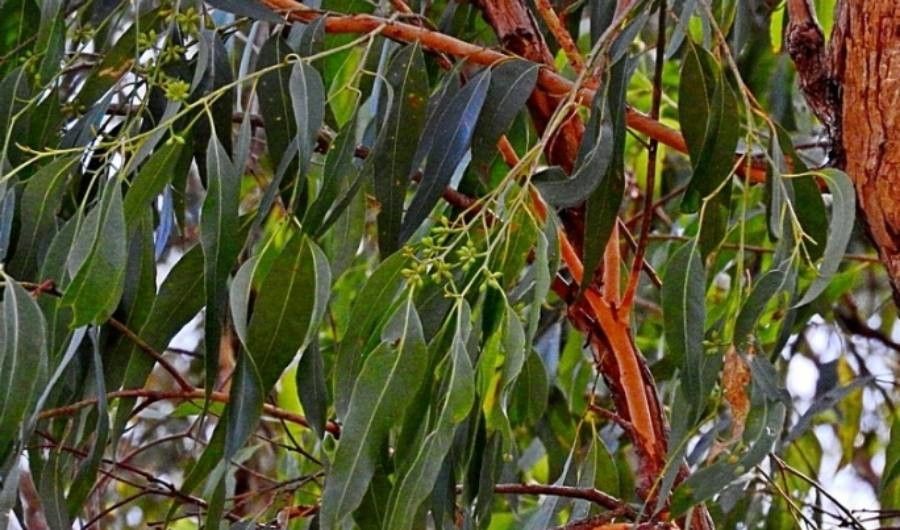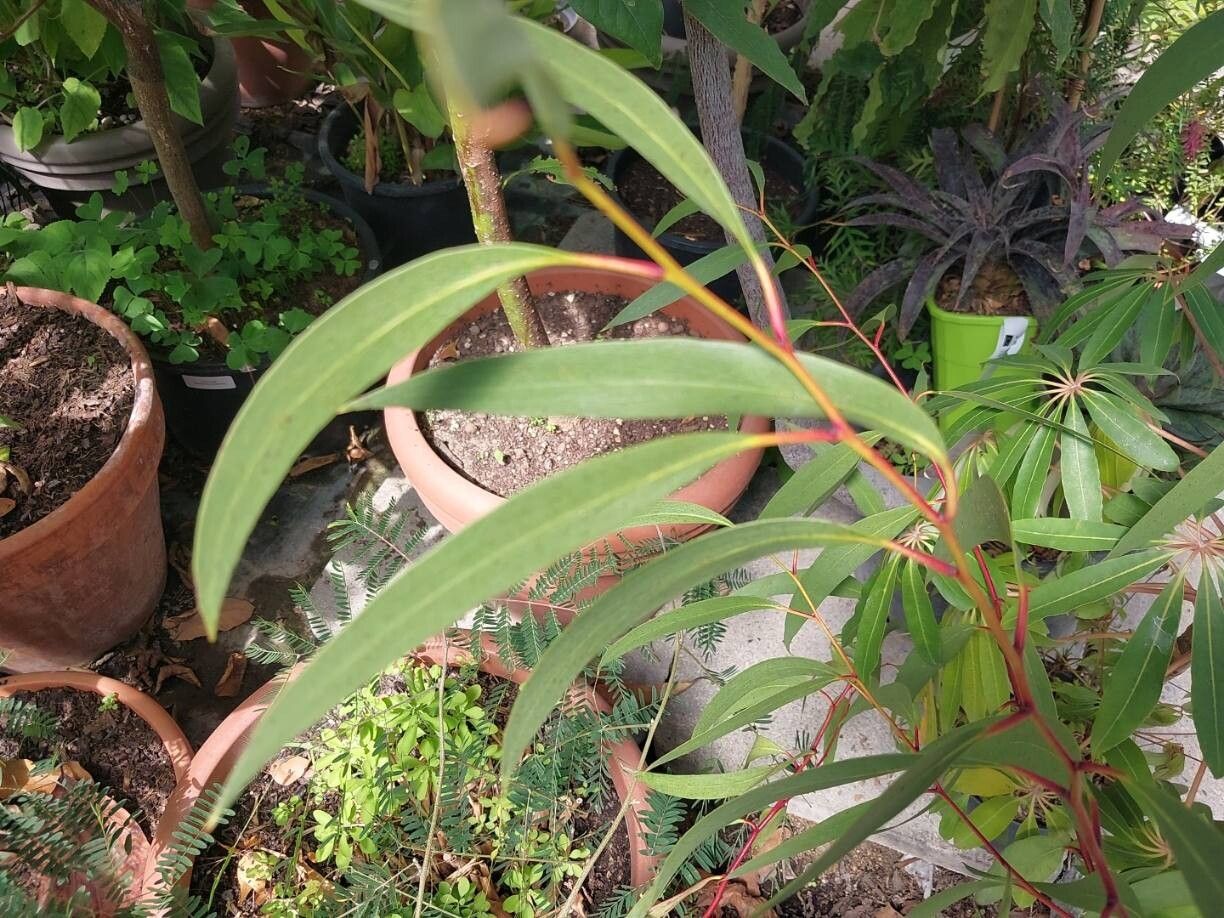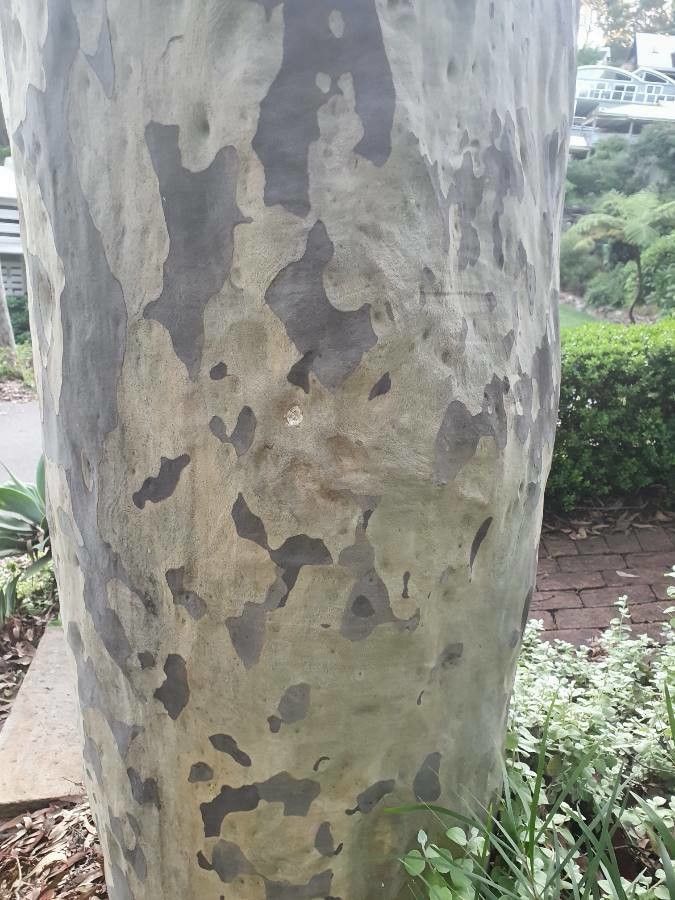
Eucalyptus saligna, commonly known as the Sydney blue gum or blue gum, is a species of medium-sized to tall tree that is endemic to eastern Australia. It has rough, flaky bark near the base of the trunk, smooth bark above, lance-shaped to curved adult leaves, flower buds in groups of seven, nine or eleven, white flowers and cylindrical to conical or cup-shaped fruit.
The Sydney blue gum is fairly disease-resistant and is generally not susceptible to illnesses. In terms of upkeep, this plant is fairly low-maintenance. When grown outdoors it needs little watering, and larger specimens typically do not require pruning. Smaller plants, however, should be pruned after they have finished blooming. The Sydney blue gum is suitable for anyone with an outdoor area—such as a garden or deck—and does not demand extensive gardening experience.
How to keep Eucalyptus Saligna.
Light
Originating from habitats with abundant sunlight, the sydney blue gum thrives in plentiful light. It prefers strong sun for best growth but can tolerate reduced light levels. Excessive light can cause pale leaves, while insufficient light can result in stunted growth.
Water
Originating from Australia's dry climates, the Sydney blue gum thrives with infrequent watering, requiring hydration every 2-3 weeks. This tree prefers well-draining soil and adapts well to open woodlands. Its evergreen foliage, maintained throughout the year, influences its water uptake and transpiration rates.
Temperature
Sydney blue gum is native to areas where temperatures range from 59 to 95 °F (15 to 35 °C). This temperate band matches its preferred growing conditions. Consider adjusting temperature conditions during exceptionally hot or cold periods.
Fertilizer
Fertilize your Sydney blue gum in early spring to encourage healthy growth. Consistent feeding improves overall health, leading to vigorous growth, increased tolerance of harsh conditions, and enhanced resistance to pests and diseases. Follow a regular fertilization schedule for your Sydney blue gum to maintain lively, richly colored foliage and a lush appearance.
Pruning
Sydney blue gum is a fast-growing, tall tree that requires pruning from early to late winter. Important techniques include removing dead branches, enhancing air circulation, and shaping young trees. Regular pruning helps maintain health, aesthetic appeal, and manage height. It's important to make clean cuts and use sanitized tools to prevent disease.
Botanical profile.
- Plant Type
- Tree
- Life Cycle
- Perennial
- Genus
- Eucalyptus
- Family
- Myrtaceae
- Hardiness Zone
- 8-10
- Mature Height
- 29.87 m to 64.92 m
- Mature Spread
- 10.06 m to 24.99 m
- Leaf Color
- Green, Dark Green
- Leaf Type
- Evergreen
- Flower Color
- White
- Flower Size
- 1.27 cm to 1.78 cm
- Bloom Time
- Winter
- Planting Time
- Spring, Summer
- Harvest Time
- Spring
Other names.
Reader questions.
What are the sunlight requirements for Sydney blue gum?
The Sydney blue gum, with its botanical name Eucalyptus saligna, thrives best in areas that receive generous amounts of sunlight. Ideally, it should be situated in spots where it can enjoy full sun exposure, defined as above 6 hours of direct sunlight daily. However, it can also adapt to conditions of partial sun, receiving about 3-6 hours of sunlight per day. It's vital to observe how sunlight moves through your garden throughout the day to find the optimal balance of light and shade that will ensure the well-being of your Sydney blue gum.
What is the native temperature range for Sydney blue gum?
Sydney blue gum thrives in regions where the temperature ranges between 59 to 95°F (15 to 35°C). The tree's preferred growth environment falls within this temperate range, which is essential for its well-being and development. Tailoring care to these temperature conditions is critical, especially during unusually hot or cold weather. Sydney blue gum possesses some degree of cold tolerance, typically requiring no special cold protection measures when temperatures are above -5°C. However, should temperatures dip below -5°C, it becomes necessary to implement temporary cold protection strategies, such as wrapping the plant with materials like plastic film or fabric, to shield it from the extreme cold. These protective coverings should be removed as soon as temperatures begin to rise.
How does sunlight affect the growth and health of Sydney blue gum?
Originating from habitats with abundant sun exposure, the Sydney blue gum flourishes when exposed to plenty of light. Full sun exposure stimulates optimal growth, whereas partial sun is also tolerable. Both excessive and insufficient sunlight can negatively impact the plant's health, leading to symptoms like pale leaves or stunted growth. In environments where natural sunlight is limited, especially during winter or in areas that don't receive enough light, artificial lighting can be a crucial supplement. LED lights, mimicking natural sunlight wavelengths, should be adjusted in intensity and duration based on the plant's specific needs to promote healthy growth.
How does Sydney blue gum respond to low temperatures, and what are the recommended solutions?
Sydney blue gum has a moderate tolerance to low temperatures and prefers to be kept at a temperature greater than 15°C. In winter months, it is crucial to ensure that the temperature does not fall below -5°C. When temperatures drop below -10°C, the plant's leaves may begin to droop. Depending on the severity, the leaves can either recover or, in more extreme cases, wilt and ultimately fall off. The recommended course of action for dealing with frost damage includes trimming the affected parts. To prevent future damage from low temperatures, it's advisable to wrap the plant with non-woven fabric or cloth and set up a windbreak to protect it against cold winds.
What symptoms indicate that Sydney blue gum is receiving inadequate sunlight?
When Sydney blue gum does not receive sufficient sunlight, it may display several indicators of light deficiency. These symptoms include the development of smaller new leaves compared to mature ones, leggy or sparse growth characterized by unusually long spaces between leaves or stems, and faster leaf drop as the plant sheds older leaves to conserve resources. Additionally, there might be a halt in new leaf production, resulting in slowed or completely stopped growth, and the emergence of lighter-colored or yellow leaves, a condition known as chlorosis. Excessive sunlight can also cause issues such as sunscald, leaf curling, wilting, and leaf scorching, indicating the need to adjust the plant's exposure to light.
What steps should be taken if Sydney blue gum experiences high temperatures?
During the warmer months, it is important to monitor and ensure that the Sydney blue gum does not endure temperatures above 35°C. Exposure to temperatures surpassing 41°C can lead to significant stress for the tree, evidenced by a lighter coloration of the leaves, dessication and withering of leaf tips, leaf curl, and increased susceptibility to sunburn. To mitigate these effects, it's advised to trim away any sunburned or dried-up portions of the plant. Additionally, relocating the plant to a shaded area during the peak midday and afternoon sun hours, or installing a shade cloth for protection, can be beneficial. Adequate watering, particularly during the morning and evening hours, is also crucial to ensure the soil remains moist and to support the plant's health during high temperature conditions.
How can you help Sydney blue gum adapt to its light environment, both indoors and outdoors?
To help Sydney blue gum adapt to its light environment, gradually introduce it to increased sunlight, if it's been under inadequate light conditions, moving it to a sunnier spot each week until it receives at least 6 hours of direct sunlight daily. For indoor plants that are large or not easily movable, supplementing with artificial light, such as keeping a lamp on for at least 8 hours a day or investing in professional grow lights, can provide enough light for healthy growth. For outdoor plants, ensure a gradual adaptation to prevent sunburn by avoiding sudden changes in light intensity. Additionally, minimizing obstructions like overhanging branches and, for smaller plants, considering transplantation during their dormant period to a location with ample sunlight, can significantly benefit their growth and health.