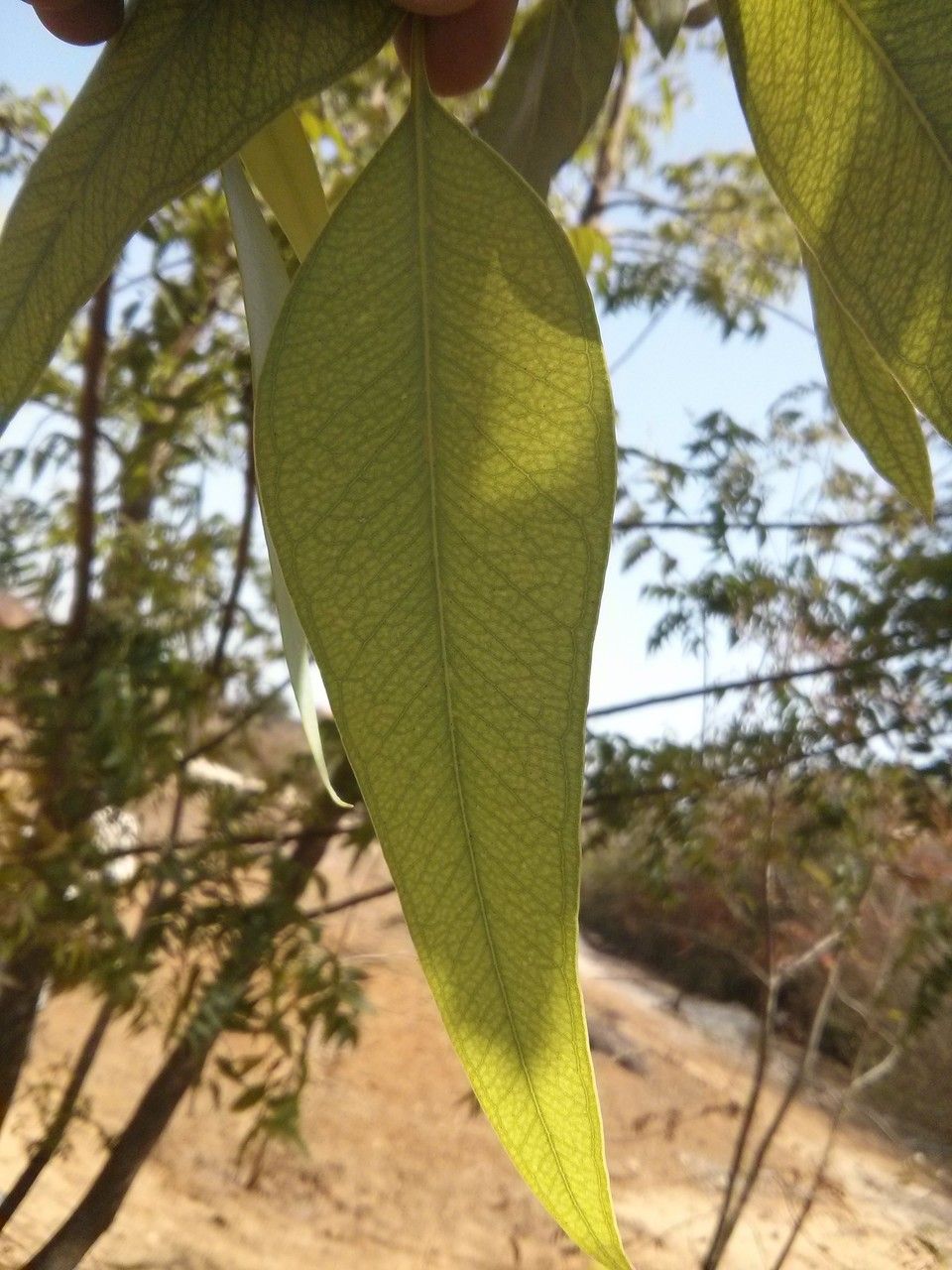
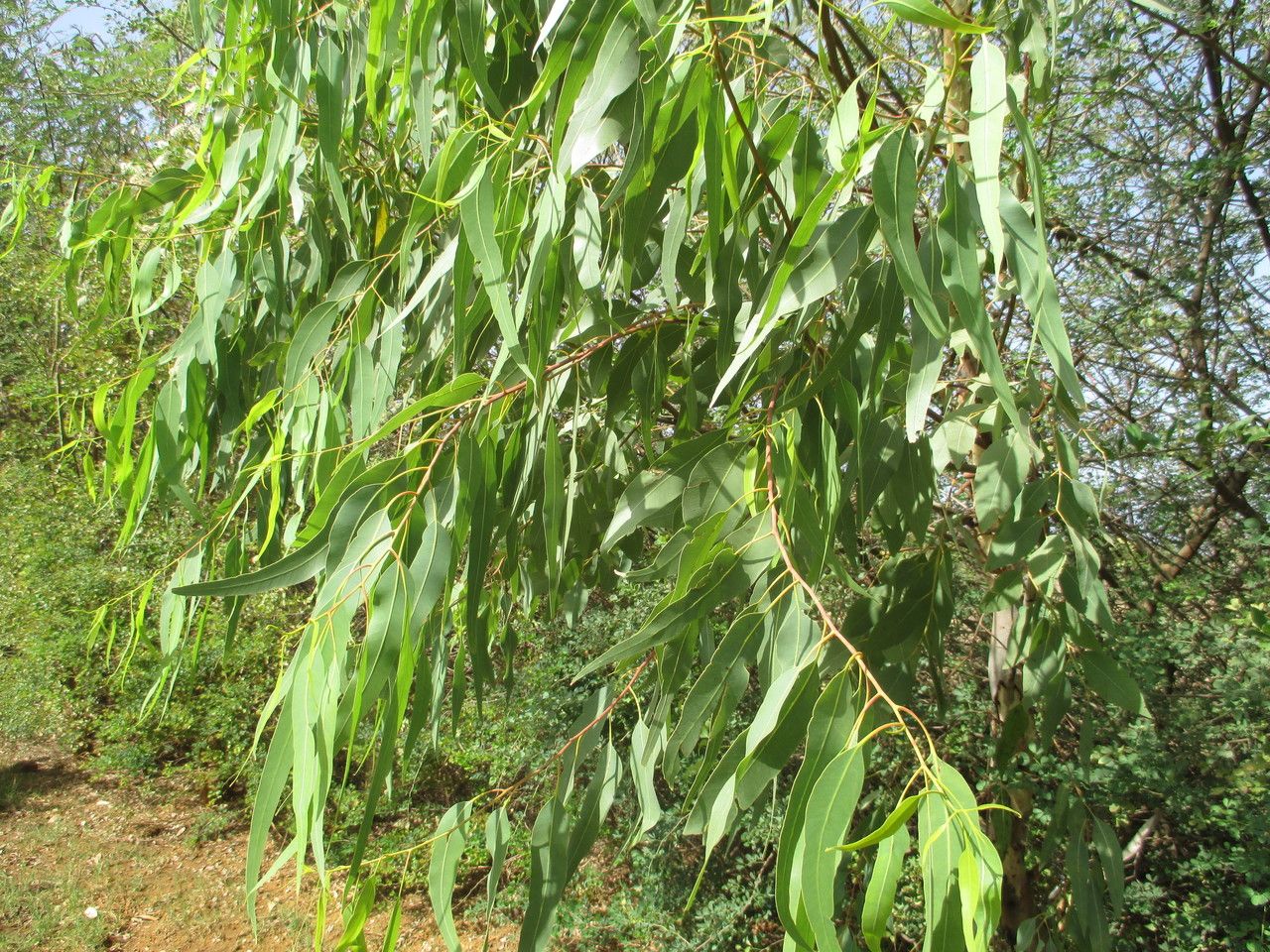
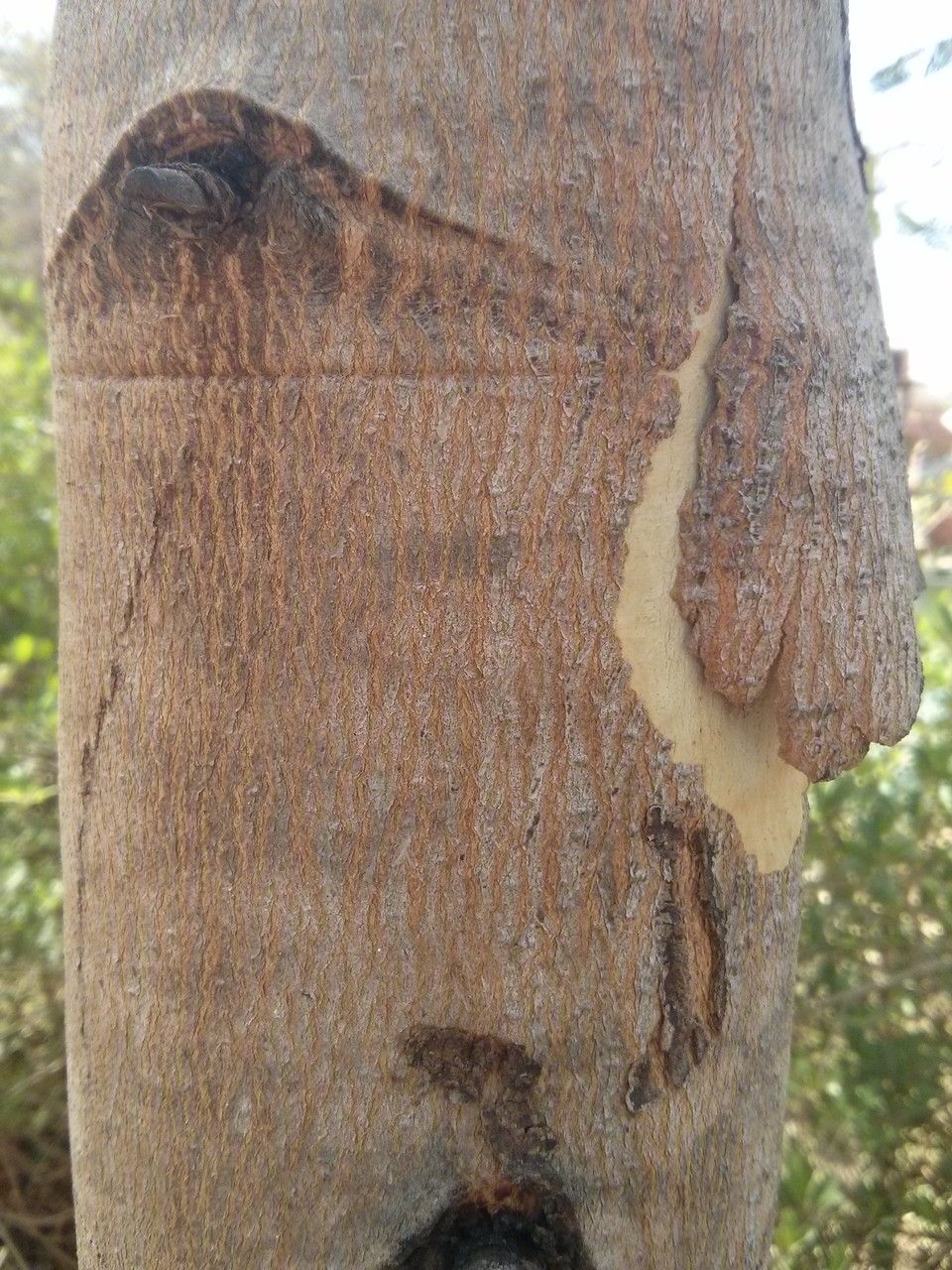
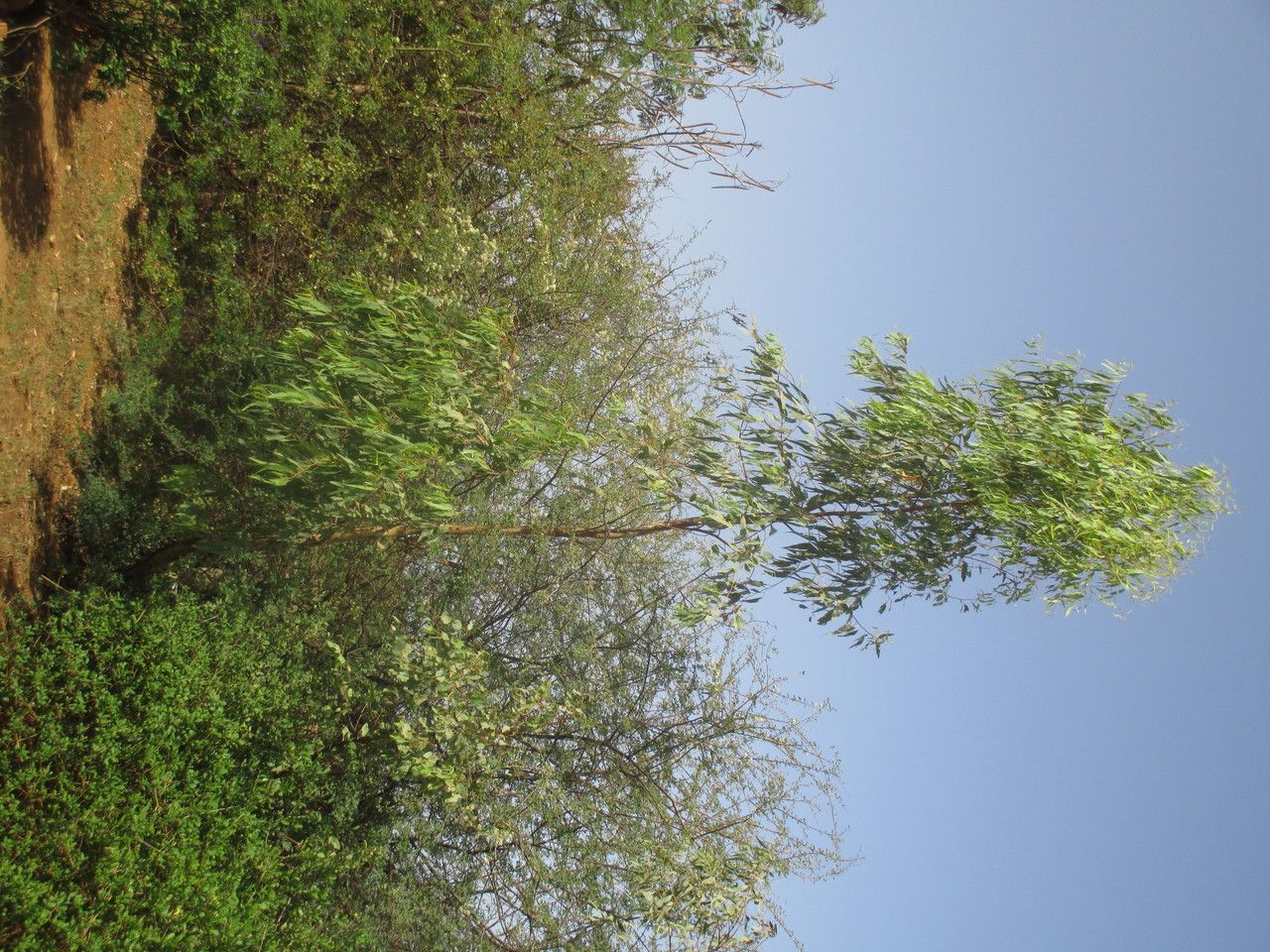
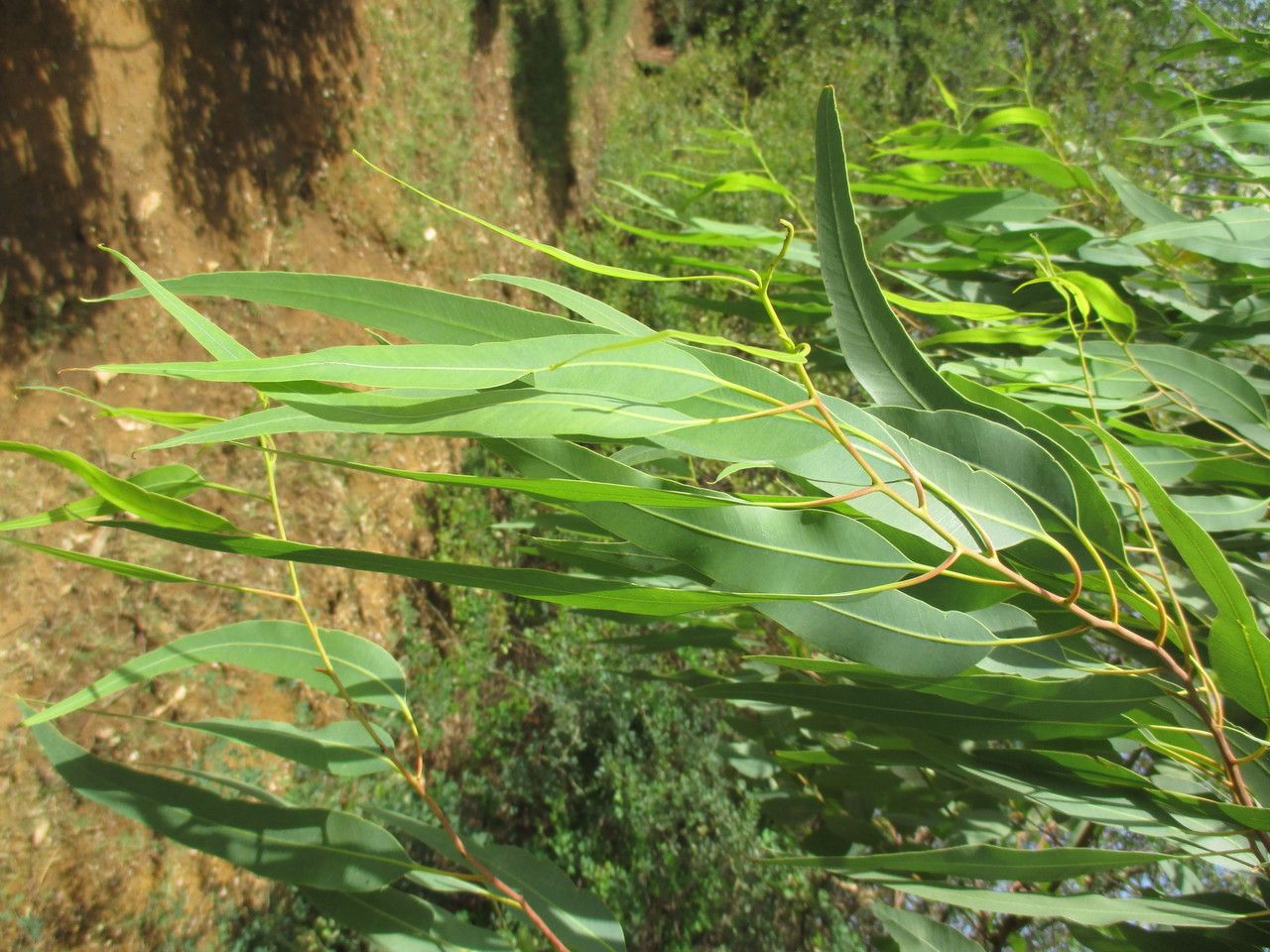
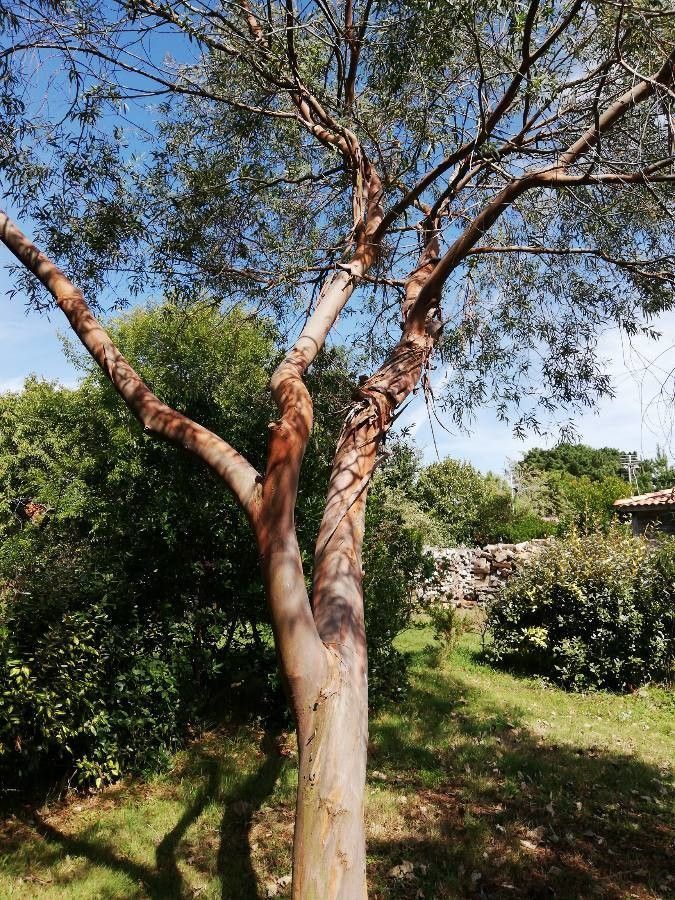
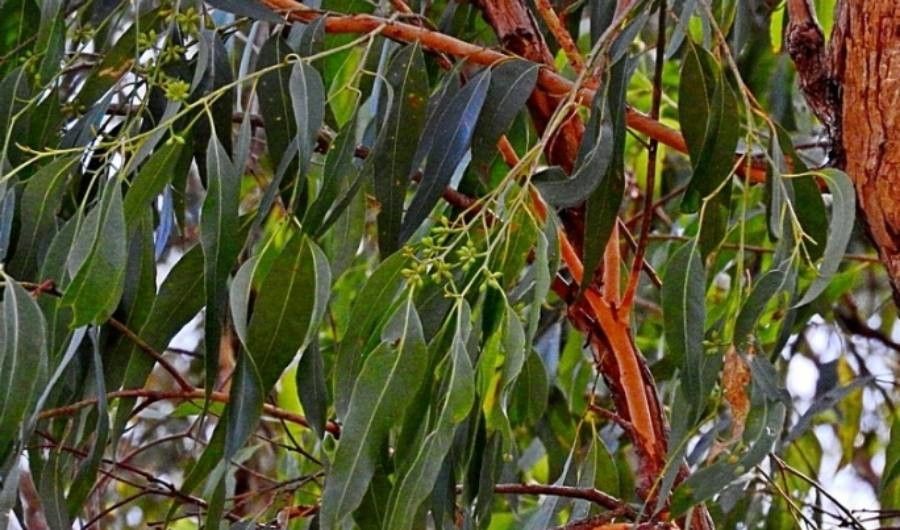
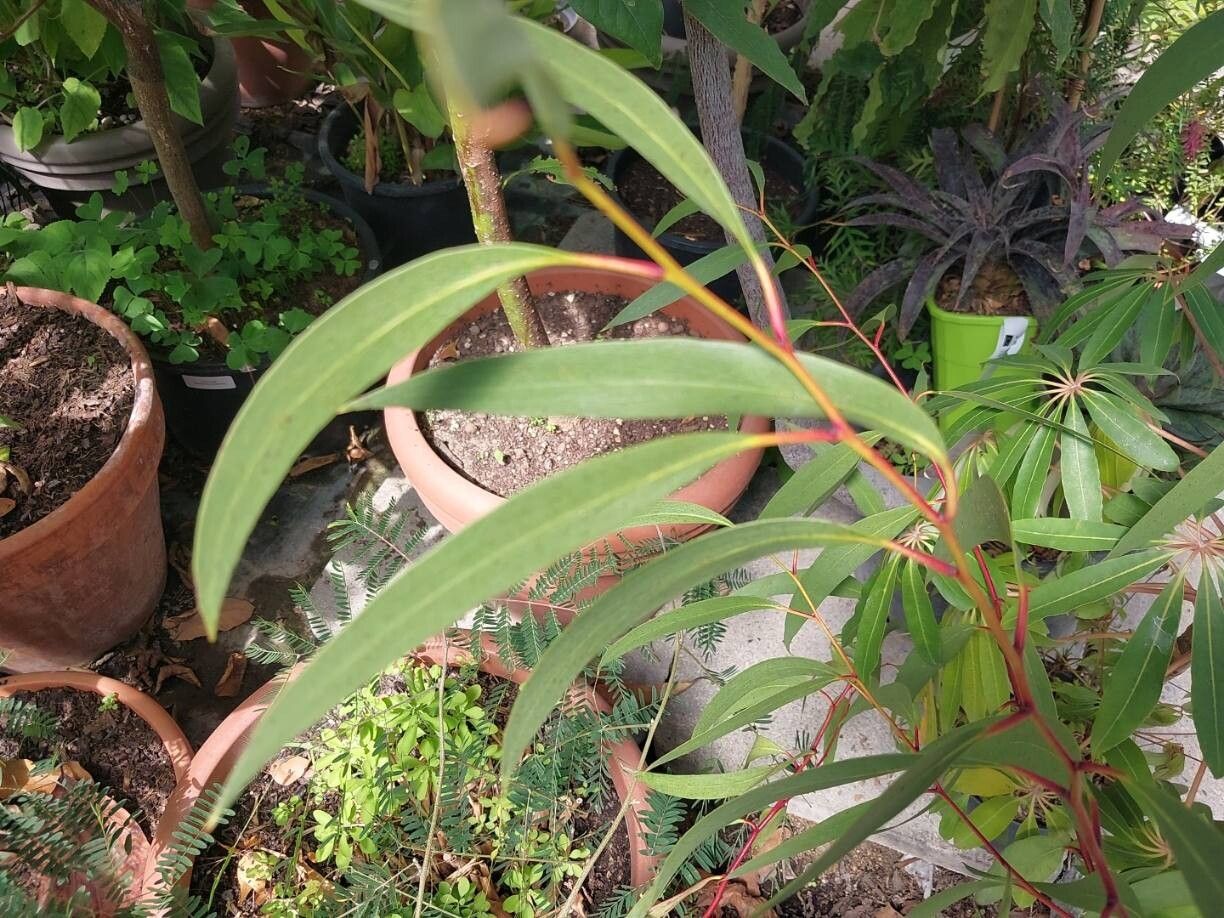
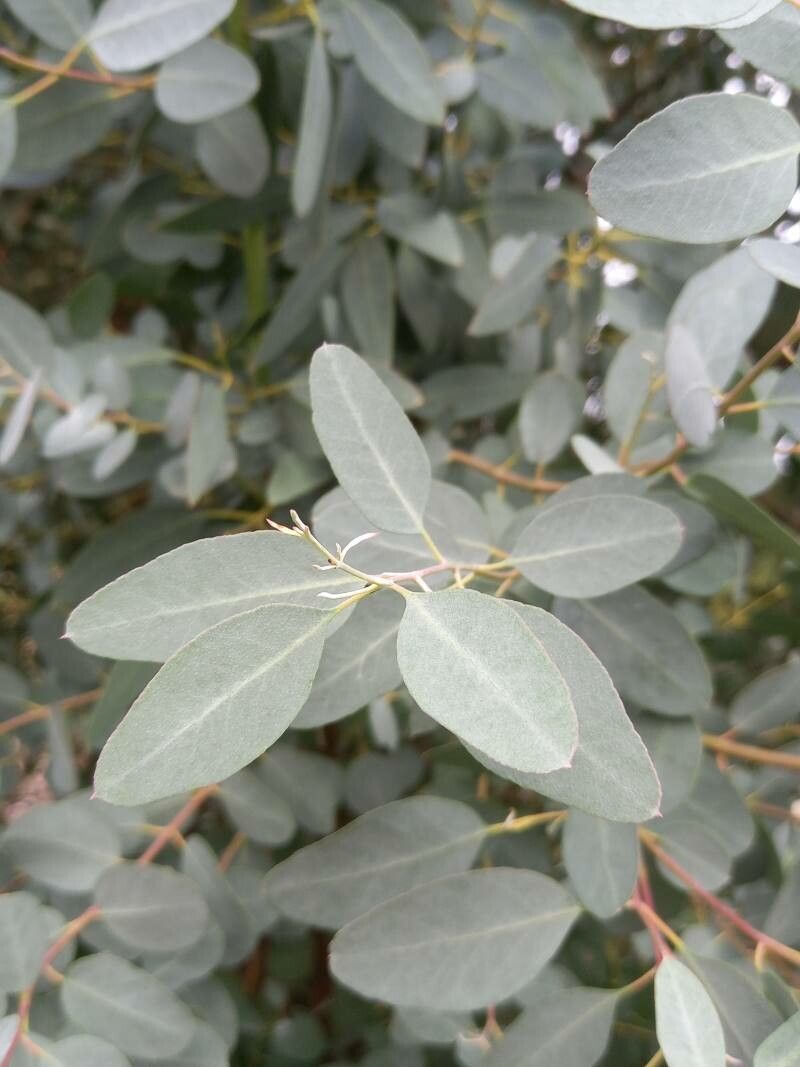
Eucalyptus alba, commonly known as white gum, khaki gum or poplar gum, is a species of tree that is native to Australia, Timor, and New Guinea. It has smooth bark, lance-shaped to egg-shaped leaves, flower buds in groups of seven, white flowers and conical to hemispherical fruits.
White gum is highly resistant to disease and usually does not suffer from illnesses. As for care, this plant is fairly low-maintenance. When grown outdoors it needs only light watering, and larger specimens typically do not require pruning. Smaller plants, however, should be cut back after they finish flowering. White gumt is well suited to anyone who has an outdoor area, such as a garden or a deck, and it does not demand extensive gardening experience.
How to keep Eucalyptus Alba.
Light
White gum occurs in open habitats, for example sunlit meadows and forest margins, which provide plentiful light. It performs best in full sun but will also tolerate partial sun, adjusting well to a range of light conditions.
Water
White gum trees thrive in arid regions due to their drought tolerance and ability to withstand balanced humidity. To keep them healthy, water the trees every 1–2 weeks, ensuring they remain consistently hydrated throughout the year since they are evergreens. It's important to continue caring for them even during the non-growing seasons to support their overall health.
Temperature
White gum comes from tropical areas, where the climate is generally warm and humid. Consequently, it is well suited to high heat and moisture. It does not like abrupt temperature shifts and prefers a consistent temperature, so it is important to prevent indoor temperature fluctuations. It typically cannot endure cold and needs warmer conditions to grow. If the surrounding temperature drops too low, the plant may stop growing or even die.
Fertilizer
Fertilization is essential for caring for White gum. Regular feeding during the growing season maintains energy for its showy leaves and promotes overall growth. Neglecting fertilization can lead to unhealthy leaves, reduced ornamental appeal, and stunted or weak growth that is prone to breakage.
Pruning
White gum trees have smooth, pale bark and can grow to impressive heights. To maintain their health and appearance, it's best to prune them from early to late winter. During this time, remove any dead or damaged branches, thin out dense areas, and shape young trees. Doing so helps to reduce stress, minimize sap loss, and promote growth, improve aesthetics, and enhance stability.
Botanical profile.
- Plant Type
- Tree
- Life Cycle
- Perennial
- Genus
- Eucalyptus
- Family
- Myrtaceae
- Hardiness Zone
- 9-11
- Mature Height
- 4.88 m to 17.98 m
- Mature Spread
- 4.88 m to 14.94 m
- Leaf Color
- Green
- Leaf Type
- Evergreen
- Flower Color
- White
- Flower Size
- 2.54 cm
- Bloom Time
- Summer, Early fall, Mid fall
- Planting Time
- Spring, Summer, Autumn
- Harvest Time
- Fall, Early winter, Mid winter
Other names.
Reader questions.
What is full sun and partial sun?
Full sun refers to areas that receive above 6 hours of sunlight daily, while partial sun is about 3-6 hours of sunlight. It's important to monitor the movement of sunlight through your garden to ensure plants receive the ideal balance of light and shade, contributing to their growth and happiness.
What is the botanical name of White Gum?
The botanical name of White Gum is Eucalyptus alba.
What are the natural light requirements for White gum?
White gum, or Eucalyptus alba, naturally thrives in open, sunny environments like meadows and forest edges, requiring full sun but also tolerating partial sun conditions. This adaptability allows it to grow well under a variety of sunlight conditions, highlighting its resilience to different lighting environments.
How do you compensate for insufficient natural light?
In cases where natural sunlight is inadequate, especially during winter or in less sunny locations, artificial lighting becomes essential for maintaining optimal plant growth. Selecting the right type of artificial light, such as LEDs that can be customized to your plant's needs, is critical. For full sun plants, 30-50W/sq ft of artificial light is recommended; partial sun plants require 20-30W/sq ft, and full shade plants need 10-20W/sq ft. Position the lights 12-36 inches above the plant and ensure they're on for 8-12 hours per day to mimic natural daylight hours.
What are the signs of light deficiency in White gum?
When White gum receives insufficient light, it might show several symptoms including smaller new leaves, leggy or sparse growth, faster leaf drop, slower or halted new growth, lighter-colored new leaves, chlorosis, sunscald, leaf curling, wilting, and leaf scorching. These symptoms indicate that the plant is not receiving enough sunlight to support its normal growth processes.
How can you address light deficiency in indoor and outdoor White gum plants?
To combat light deficiency, gradually introduce your White gum to more sunlight, aiming for at least 6 hours of direct sunlight daily for indoor plants. Use south-facing windows and consider artificial lighting if necessary. For outdoor plants, move them to sunnier spots gradually to avoid sunburn. Removing obstructions, such as pruning nearby tree branches, can also increase sunlight exposure. Remember, parts of the plant already damaged by insufficient light may not recover, but new growth will be healthy once adequate light is provided.