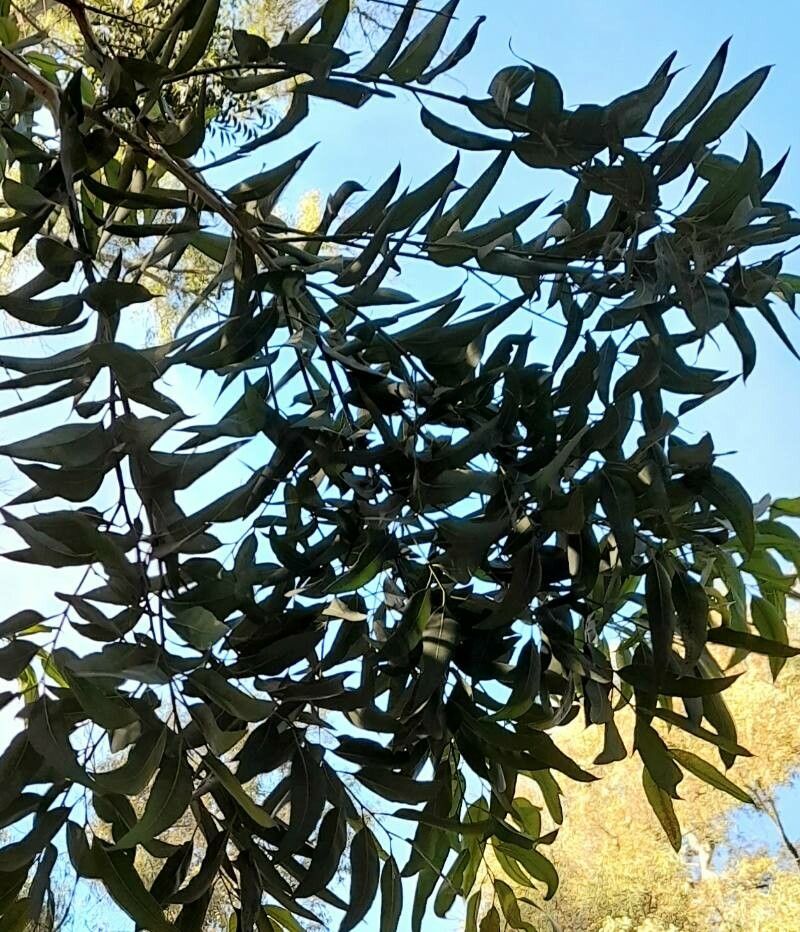
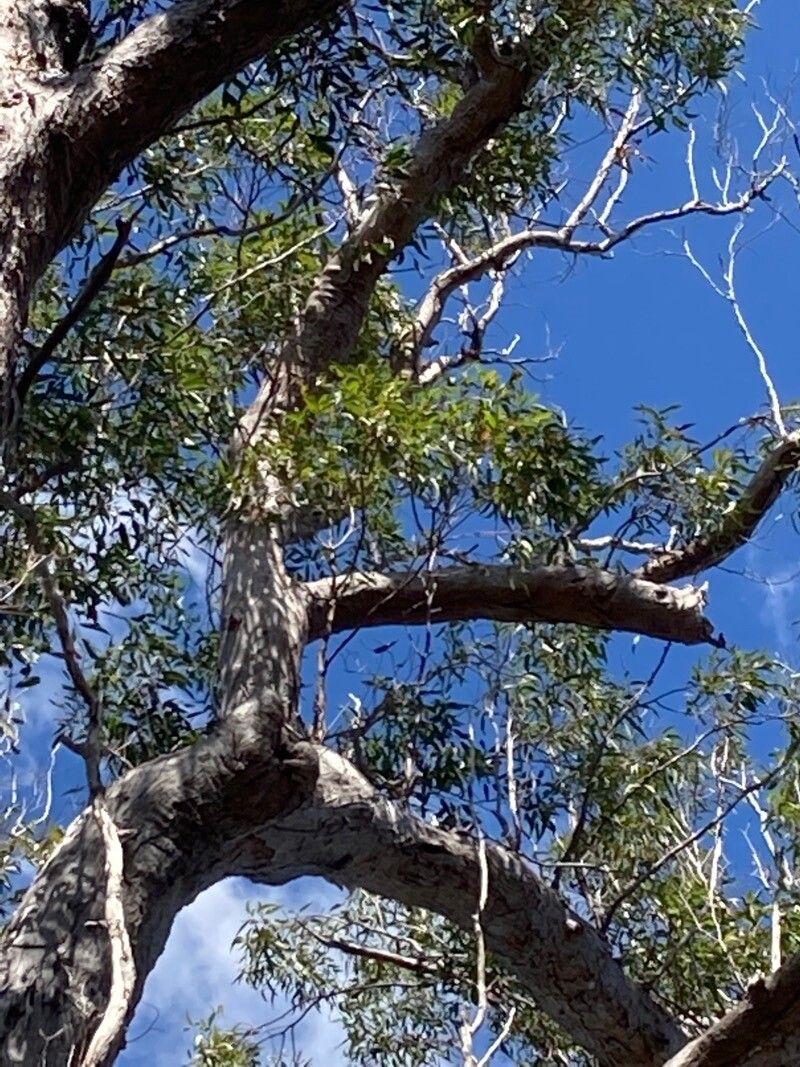
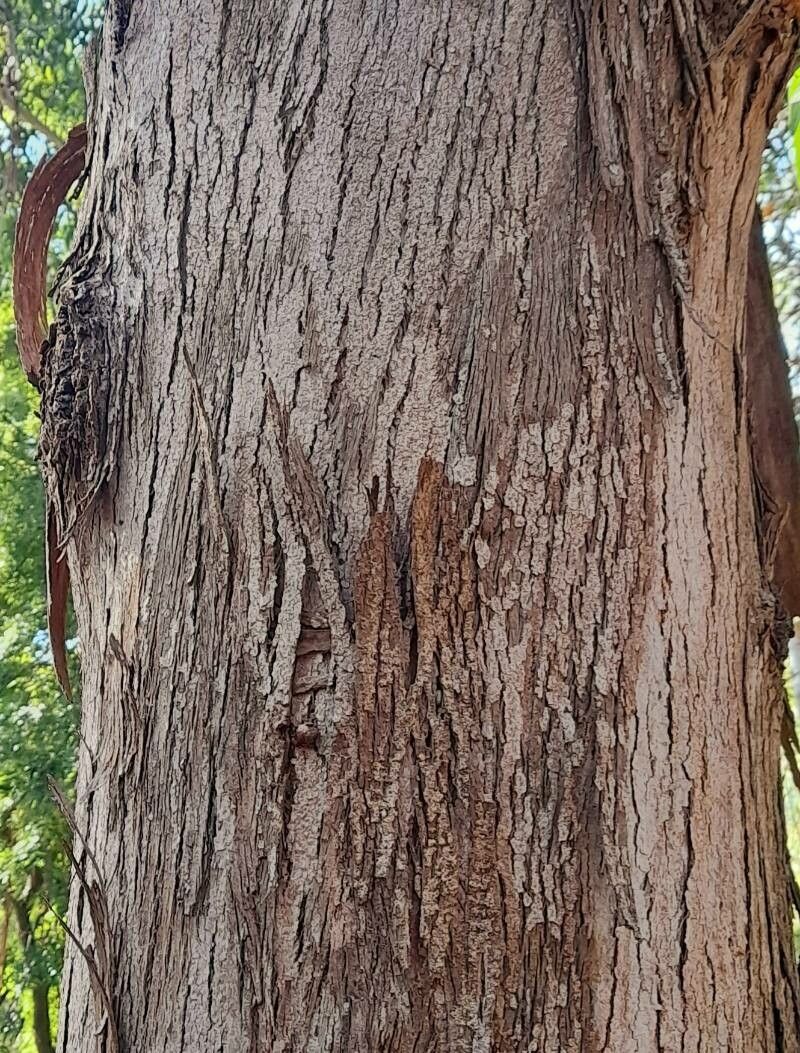
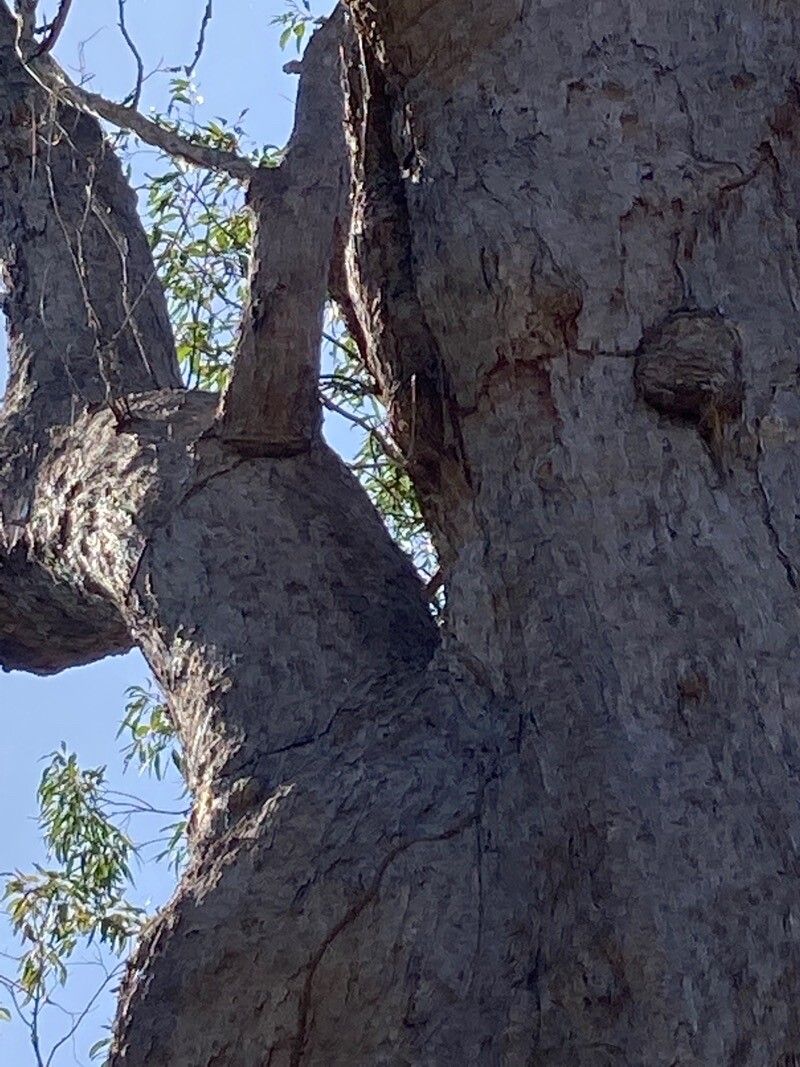
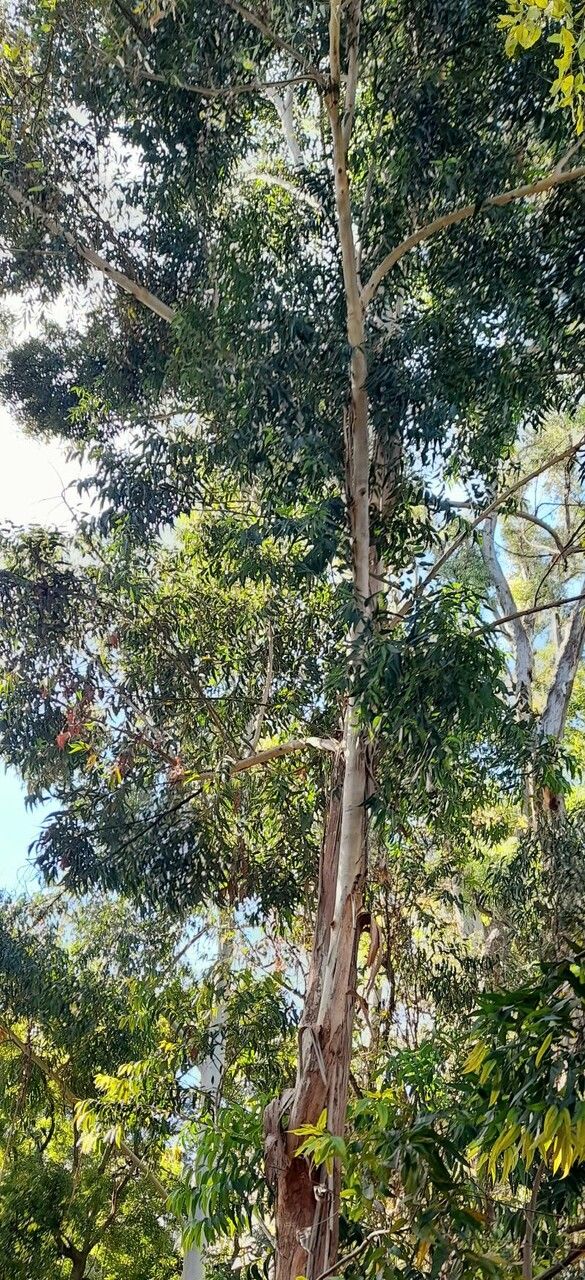
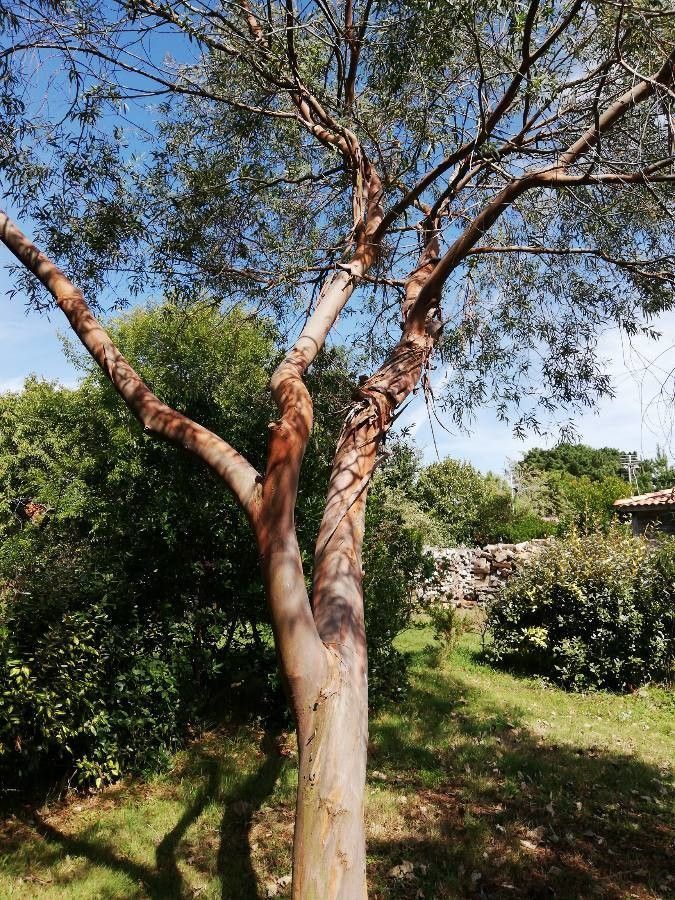
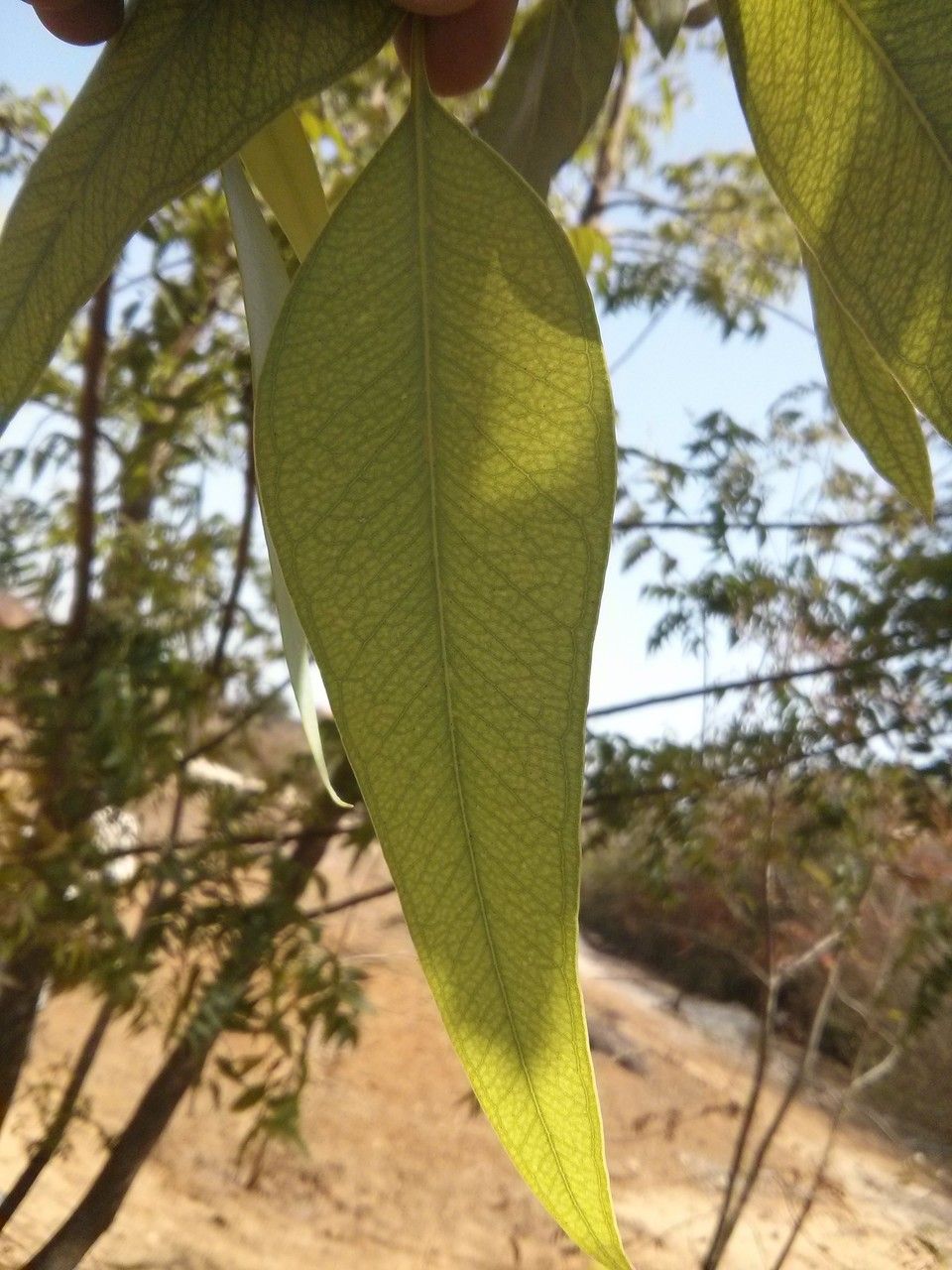
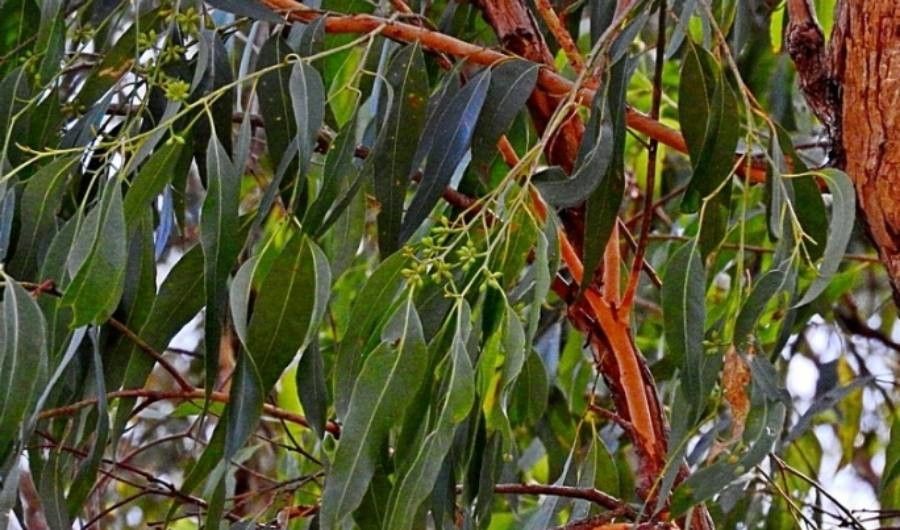
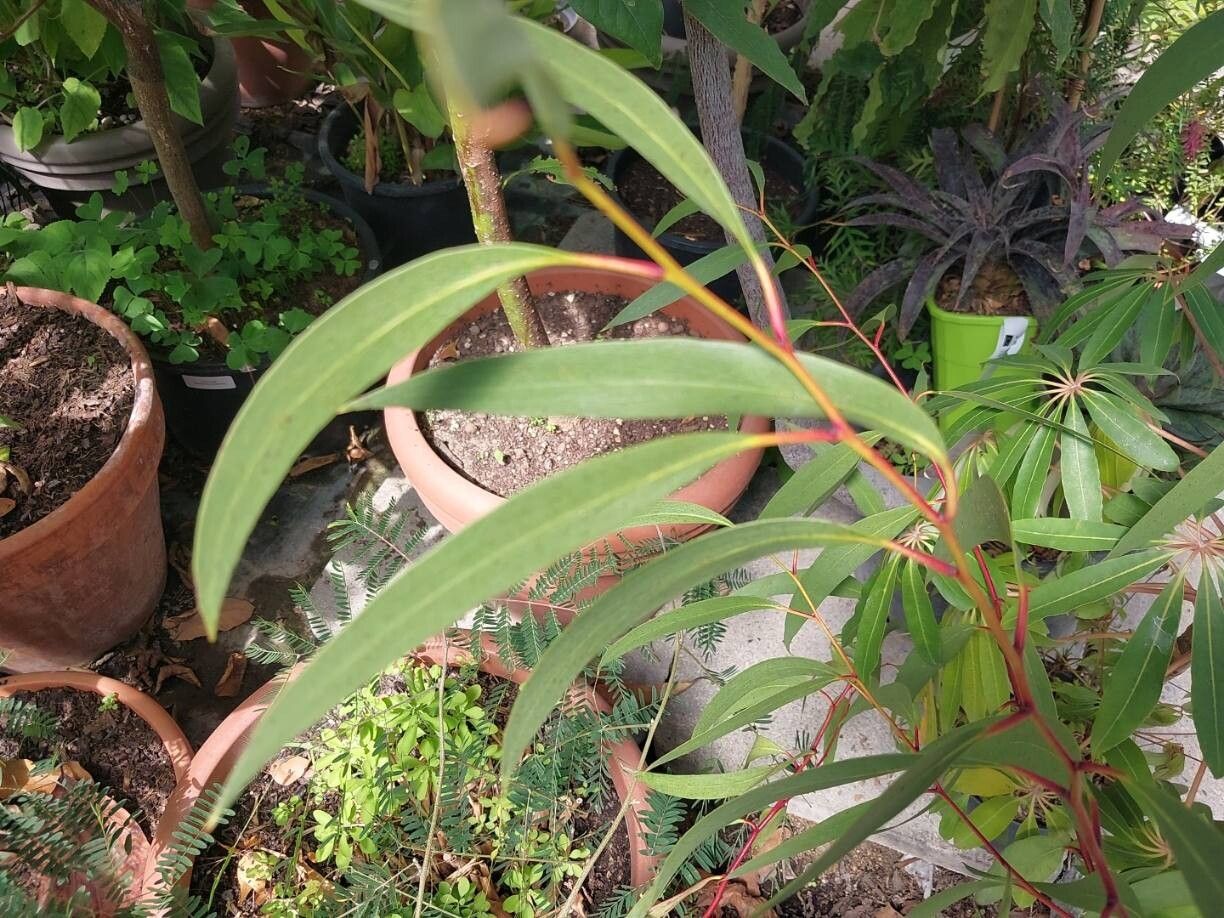
Eucalyptus pilularis, commonly known as blackbutt, is a species of medium-sized to tall tree that is endemic to eastern Australia. It has rough, finely fibrous greyish bark on the lower half of the trunk, smooth white, grey or cream-coloured bark above, lance-shaped to curved adult leaves, flower buds in groups of between seven and fifteen, white flowers and hemispherical or shortened spherical fruit.
Blackbutt has good resistance to disease and is generally not susceptible to illnesses. In terms of upkeep, the plant is fairly low-maintenance. When grown outdoors it needs only minimal watering, and larger plants typically do not require pruning. Smaller plants, however, should be pruned after they finish blooming. Blackbuttt is appropriate for anyone who has an outdoor area, like a garden or a deck, and it does not demand extensive gardening experience.
How to keep Eucalyptus Pilularis.
Light
Blackbutt grows naturally in open habitats, like sunny meadows and forest edges, where light is plentiful. It prospers in Full Sun but can also tolerate Partial Sun, adapting well to a range of sunlight conditions.
Water
Blackbutt, a tree native to Australia's diverse ecosystems, thrives in moderate humidity and can withstand periods of drought. For optimal growth, it should be watered weekly. This evergreen species requires consistent moisture, especially when grown outdoors, to reach its full height.
Temperature
Blackbutt is highly adaptable to a range of climate conditions, from blazing summers to frosty winters. Nevertheless, it has a preferred temperature range for healthy growth. If temperatures become too high, the plant is susceptible to heat and humidity stress, which can be fatal. In areas where temperatures approach the lower end of its cold tolerance, it is necessary to use insulation measures to protect the plant.
Fertilizer
Fertilize your Blackbutt in early spring to encourage healthy growth. Consistent feeding improves its overall health, producing vigorous growth, increased tolerance of harsh conditions, and enhanced resistance to pests and diseases. Keep a defined fertilization routine for your Blackbutt to maintain lively foliage with rich color and a full, lush look.
Pruning
Blackbutt is an evergreen tree known for its tall stature and resilience. Pruning during the winter, from early to late season, helps maintain the tree's health and safety by removing dead branches and thinning the canopy. This process improves light access and reduces the risk of fungal infections.
Botanical profile.
- Plant Type
- Tree
- Life Cycle
- Perennial
- Genus
- Eucalyptus
- Family
- Myrtaceae
- Hardiness Zone
- 9-11
- Mature Height
- 70.1 m
- Mature Spread
- 7.92 m to 10.06 m
- Leaf Color
- Dark Green
- Leaf Type
- Evergreen
- Flower Color
- White
- Flower Size
- 1.02 cm to 1.52 cm
- Bloom Time
- Mid summer, Late summer, Early fall
- Planting Time
- Spring, Summer, Autumn
- Harvest Time
- Mid fall, Late fall, Early winter
Other names.
Reader questions.
How much sunlight does a Blackbutt (Eucalyptus pilularis) need?
The Blackbutt (Eucalyptus pilularis) requires full sun conditions, meaning it needs above 6 hours of sunlight daily. It can also thrive in partial sun with about 3-6 hours of sunlight. It is important to observe how sunlight moves through your garden throughout the day to choose the best spots that offer a good balance of light and shade, ensuring your Blackbutt plants stay happy and healthy.