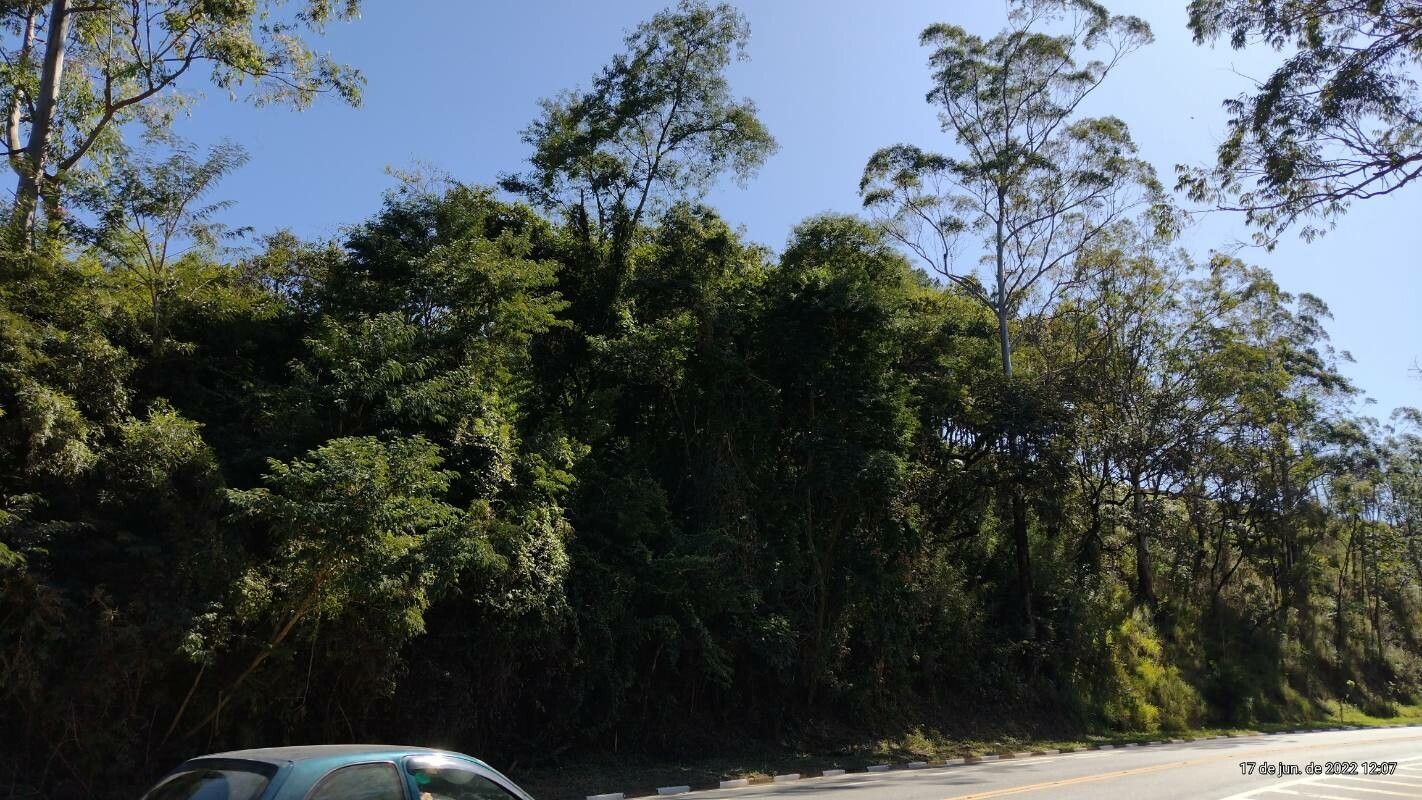
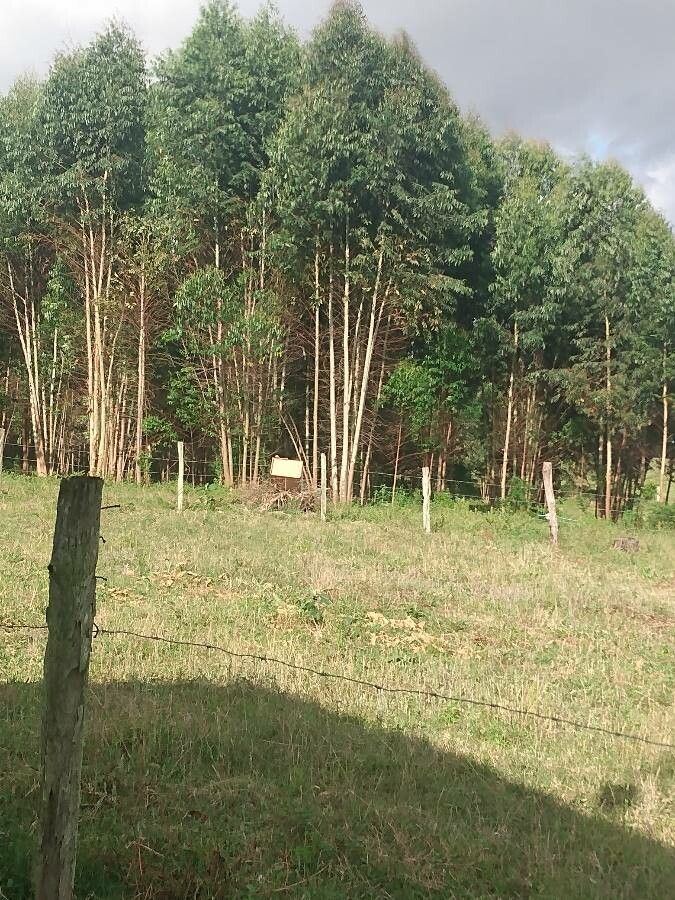
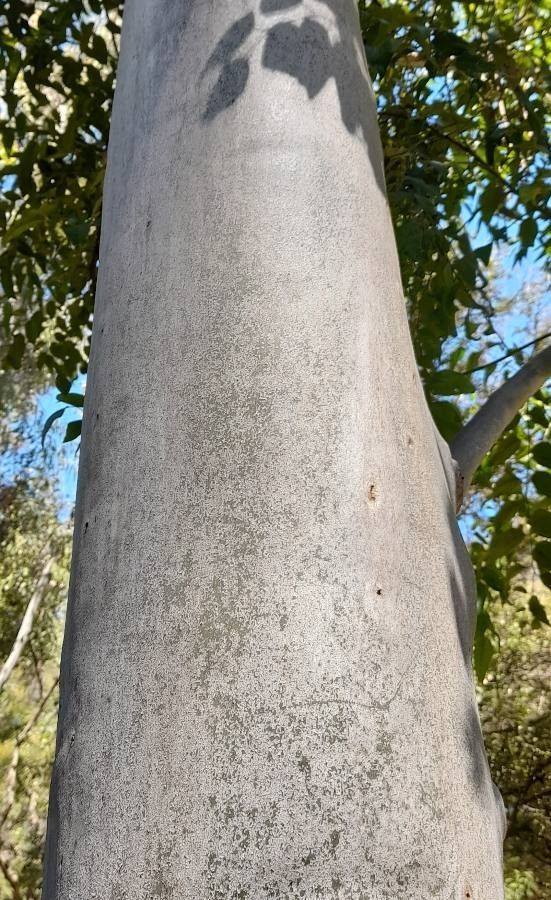
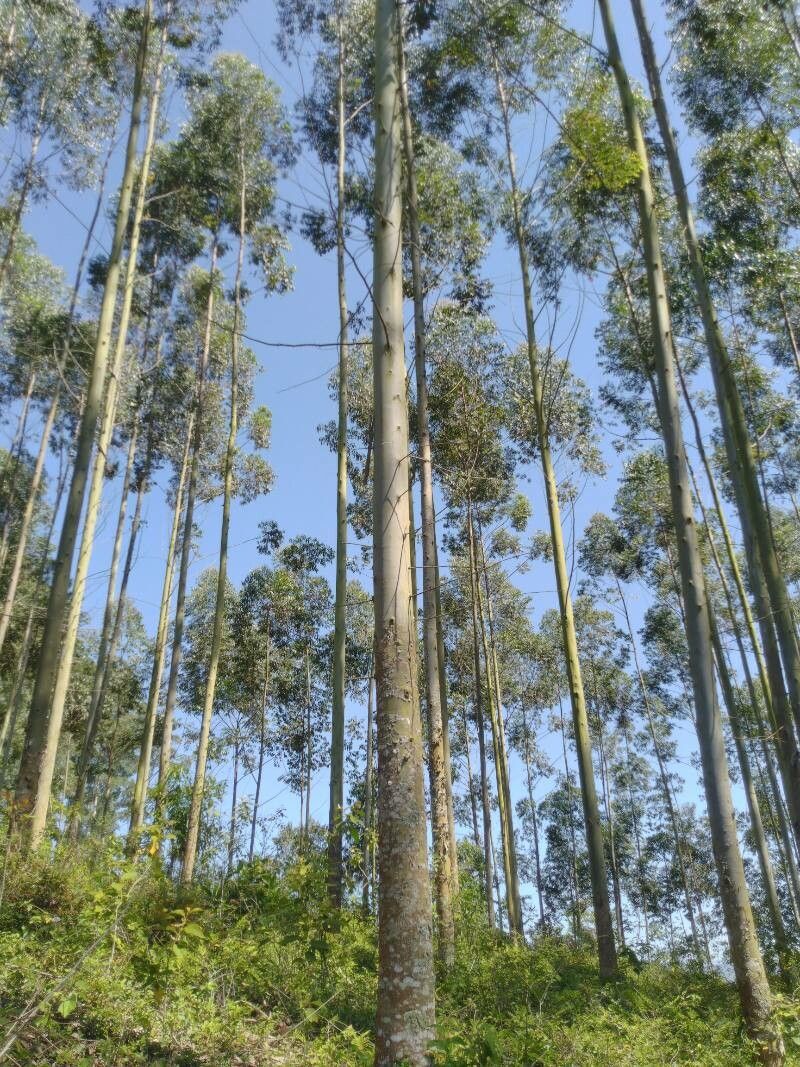
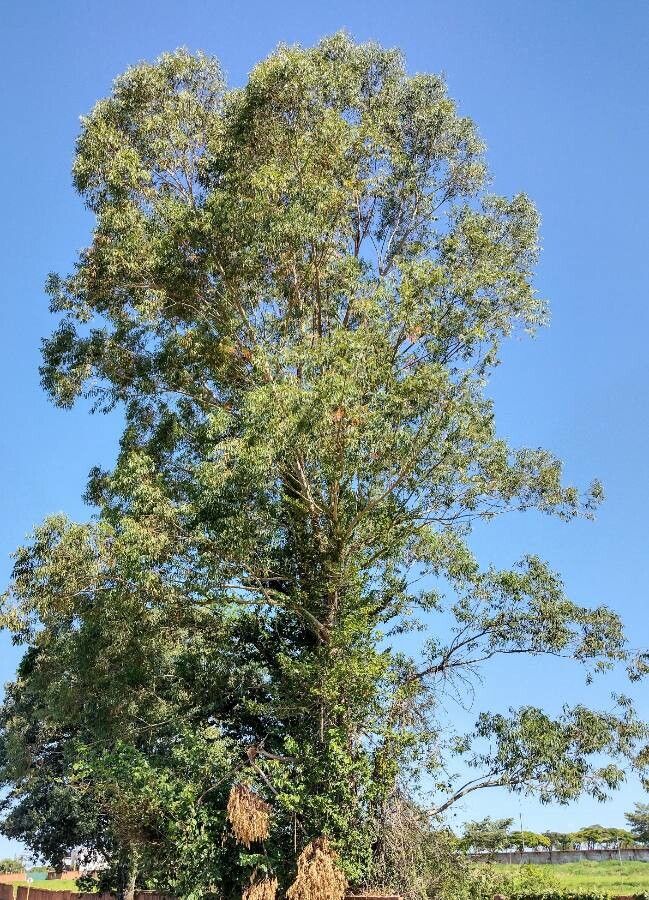
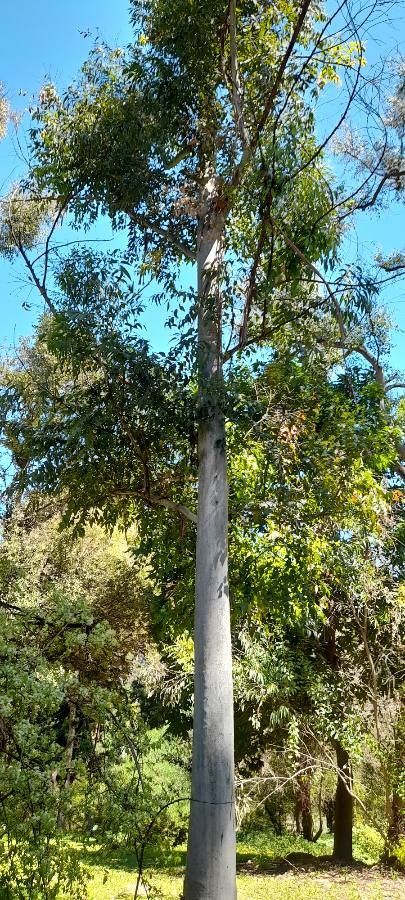
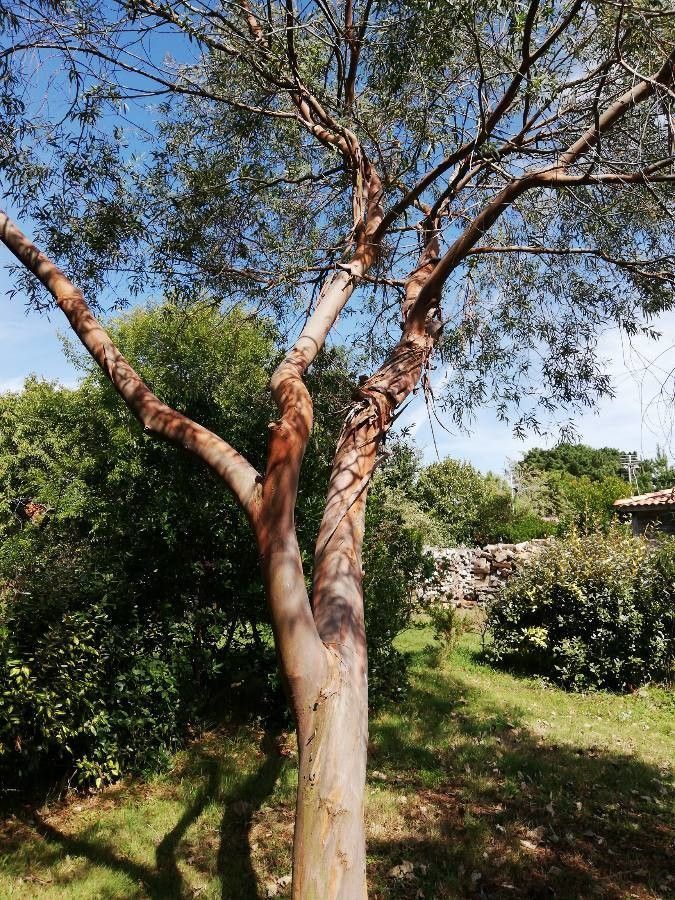
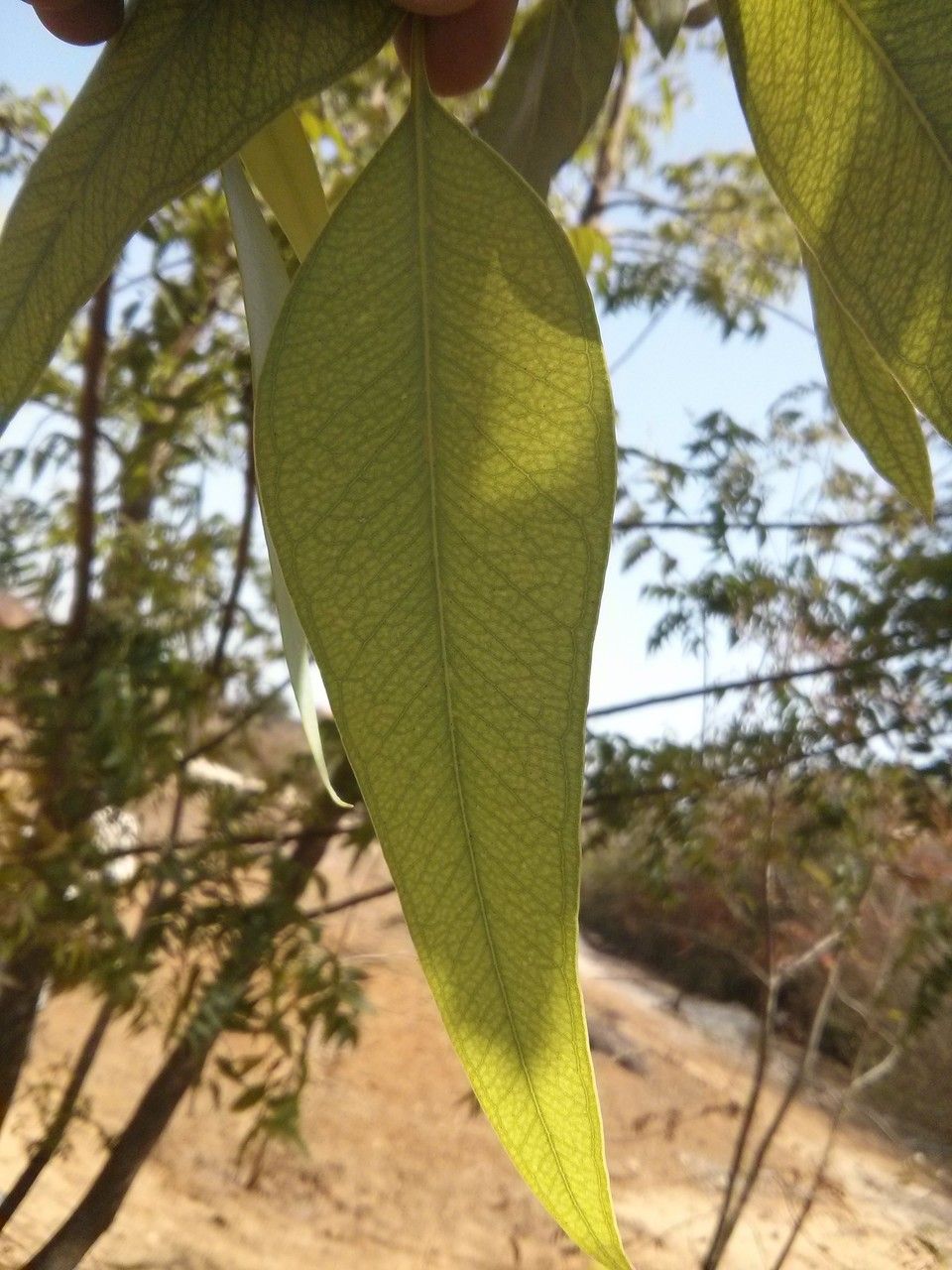
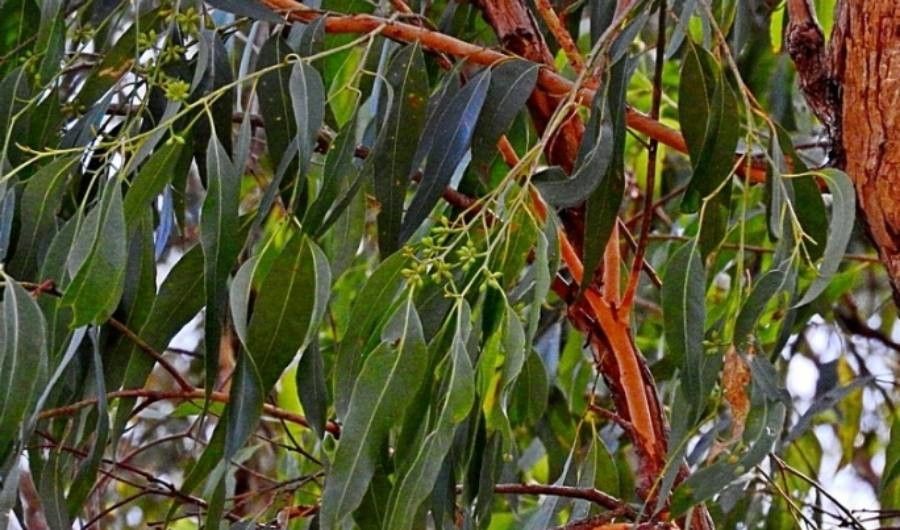
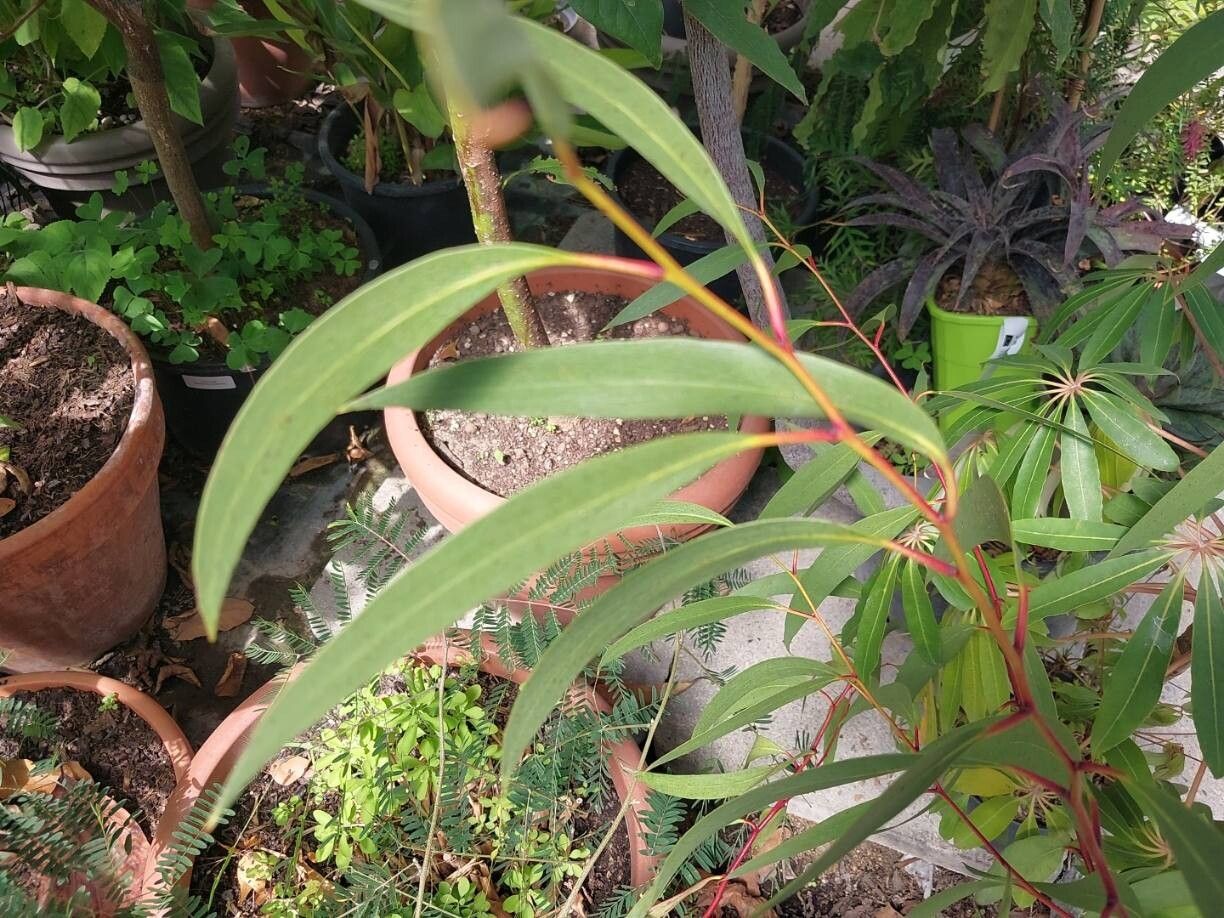
Eucalyptus grandis, commonly known as the flooded gum or rose gum, is a tall tree with smooth bark, rough at the base fibrous or flaky, grey to grey-brown. At maturity, it reaches 50 metres (160 feet) tall, though the largest specimens can exceed 80 metres (260 feet) tall. It is found on coastal areas and sub-coastal ranges from Newcastle in New South Wales northwards to west of Daintree in Queensland, mainly on flat land and lower slopes, where it is the dominant tree of wet forests and on the margins of rainforests.
Grand eucalyptus is resistant to disease and generally not prone to illnesses. In terms of care, this plant is fairly low maintenance. Planted outdoors, it needs only minimal watering, and larger specimens typically do not require pruning. Smaller plants, however, should be pruned after they finish blooming. Grand eucalyptus is suitable for anyone with an outdoor area, such as a garden or a deck, and does not demand extensive care experience.
How to keep Eucalyptus Grandis.
Light
The grand eucalyptus prospers with abundant light and can also tolerate situations where light is scarcer. At every stage of growth, continuous exposure to sufficient sunlight supports healthy development. Its native habitat gave it the capacity to thrive in strong sunlight, though both too little and too much light can be harmful.
Water
The Grand eucalyptus is well-suited for arid environments due to its exceptional drought tolerance. It requires watering only every 2-3 weeks. This tree prefers well-draining soil and can benefit from occasional deep watering during the growing season, which supports its vigorous growth and lush foliage.
Temperature
Grand eucalyptus naturally occurs in climates where temperatures are between 68 and 100 degrees Fahrenheit (20 to 38 degrees Celsius). It performs best within that range, and some adjustments will be required during colder months. Make sure winter temperatures do not fall sharply.
Fertilizer
Fertilization is essential for the care of Grand eucalyptus. Regular feeding during the growing season helps maintain energy for its showy leaves and supports overall growth. Failing to fertilize can lead to unhealthy foliage, reduced ornamental value, and stunted or weak growth that is more likely to break.
Pruning
The grand eucalyptus tree grows quickly and requires regular pruning to maintain its health and structure. The best time to prune is during the winter. When pruning, focus on removing dead branches and thinning the tree to allow more light to penetrate. This practice has several benefits, including better air circulation, a reduced risk of disease, and an improved shape. Additionally, careful monitoring and pruning support sustainable growth.
Botanical profile.
- Plant Type
- Tree
- Life Cycle
- Perennial
- Genus
- Eucalyptus
- Family
- Myrtaceae
- Hardiness Zone
- 9-11
- Mature Height
- 49.99 m
- Mature Spread
- 20.12 m
- Leaf Color
- Light Green, Dark Green
- Leaf Type
- Evergreen
- Flower Color
- White, Cream
- Flower Size
- 2.03 cm
- Bloom Time
- Late winter, Spring
- Planting Time
- Spring
- Harvest Time
- Late spring, Summer
Other names.
Reader questions.
What are the sunlight requirements for Grand eucalyptus?
Grand eucalyptus thrives in conditions ranging from full sun to partial shade. Full sun exposure means the plant should receive more than 6 hours of sunlight daily, while partial sun exposure amounts to about 3-6 hours of sunlight. It's essential to observe the movement of sunlight through your garden to find the ideal spot that provides a balance of light and shade, ensuring your plants grow happily.
What is the ideal temperature range for Grand eucalyptus?
Grand eucalyptus is native to environments where the temperature usually ranges between 68 to 100 degrees Fahrenheit (20 to 38 degrees Celsius). It thrives best within this range and may require protection or adjustments outside of it, particularly in colder weather. Ensure that during winter, the temperature is kept above 20°C to avoid any harm. It's extremely heat-loving, so cold temperatures can be detrimental.
How does sunlight affect the growth of Grand eucalyptus?
The growth and health of Grand eucalyptus significantly benefit from ample light exposure. Originating from environments rich in sunlight, this plant requires consistent access to adequate amounts of sunlight throughout its growth stages for optimal development. Both an excess and a lack of sunlight can be detrimental, affecting the plant's well-being.
What should I do if the temperature drops below the ideal for Grand eucalyptus?
If temperatures drop notably below 20°C, it's essential to protect your Grand eucalyptus. During the cooler months, particularly in autumn, it's recommended to bring any outdoor plants indoors, placing them near a bright window while ensuring they're not too close to heaters, as maintaining a stable temperature above 20°C during winter supports their growth. Any exposure to temperatures nearing 0°C can significantly harm the plant.
What artificial lighting requirements do indoor Grand eucalyptus plants have?
Indoor Grand eucalyptus plants need sufficient lighting to prosper, especially when natural sunlight is limited, like in winter or less sunny spaces. Artificial lights, particularly LED lights customized to provide specific wavelengths, are beneficial. Full sun plants require 30-50W/sq ft of artificial light, partial sun plants need 20-30W/sq ft, and full shade plants 10-20W/sq ft. The light source should be 12-36 inches above the plant, simulating natural sunlight as closely as possible, and plants typically need 8-12 hours of light daily.
How does low temperature affect Grand eucalyptus, and how can I mitigate it?
Grand eucalyptus prefers warmer climates and isn't tolerant of low temperatures. When exposed to temperatures below -5°C, the leaves may lighten before gradually turning brown or black, indicating frost damage. Symptoms also include wilting and drooping. To mitigate this, trim the frost-damaged parts and move the plant to a warmer, brightly-lit environment indoors, away from direct heat sources like heaters or air conditioning vents, to avoid excessive dryness.
What are the symptoms of inadequate sunlight in Grand eucalyptus?
Inadequate sunlight can lead to several noticeable symptoms in Grand eucalyptus, including smaller new leaves, leggy or sparse growth, faster leaf drop, slower or stopped new growth, paler new leaves, chlorosis (leaves turning yellow), sunscald, leaf curling, wilting, and leaf scorching. These symptoms indicate a significant need for better light exposure to maintain plant health.
What should I do if Grand eucalyptus is exposed to high temperatures?
During summer, it's vital to ensure that the Grand eucalyptus does not remain in temperatures exceeding 38°C. Exposure to temperatures above 43°C can lighten the leaves' color and make the plant more prone to sunburn. To aid recovery, trim away any sunburned or dried parts of the plant, and relocate it to a spot where it's protected from the harsh midday and afternoon sun. Watering in the morning and evening can also help maintain soil moisture.
How can I treat Grand eucalyptus plants suffering from insufficient sunlight?
Treating Grand eucalyptus plants suffering from insufficient sunlight involves gradually increasing their light exposure. For indoor plants, move them weekly to sunnier spots until they receive at least 6 hours of direct sunlight a day, use a south-facing window, keep curtains open during the day, or use artificial lighting for additional support. Outdoor plants should also be moved gradually to sunnier locations to avoid sunburn. Removing obstructions and considering transplanting during dormant periods can help ground-planted specimens receive more sunlight. Note that parts of the plant affected by light deficiency might not recover, but new growth should be healthy once light exposure is increased.