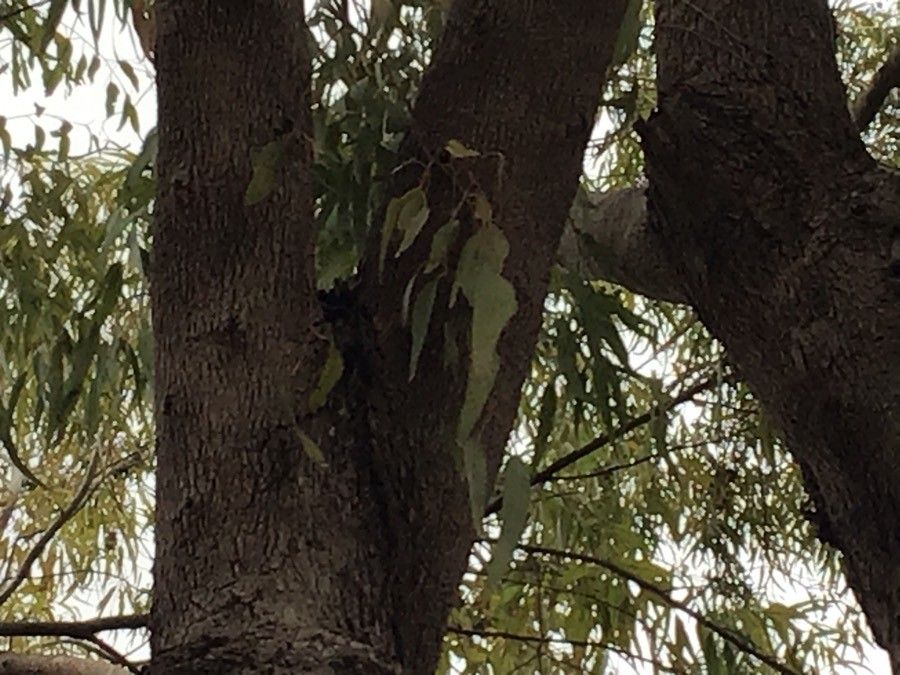
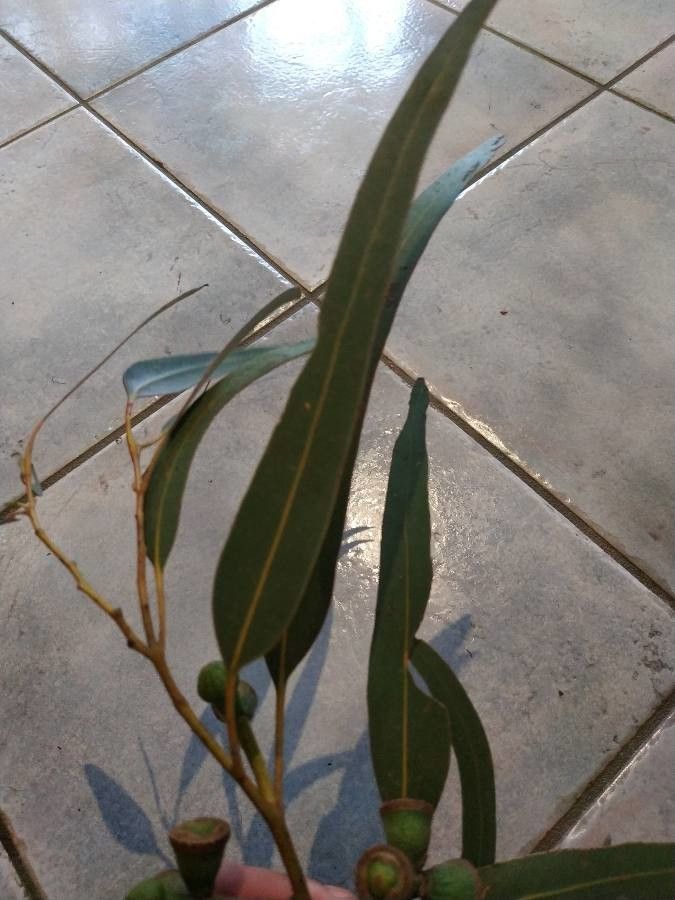
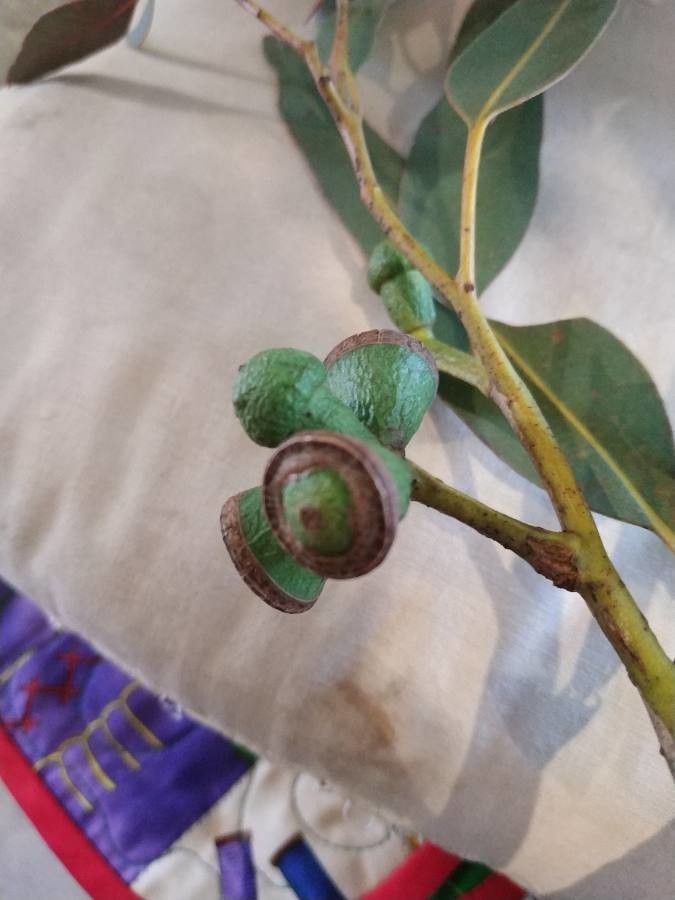
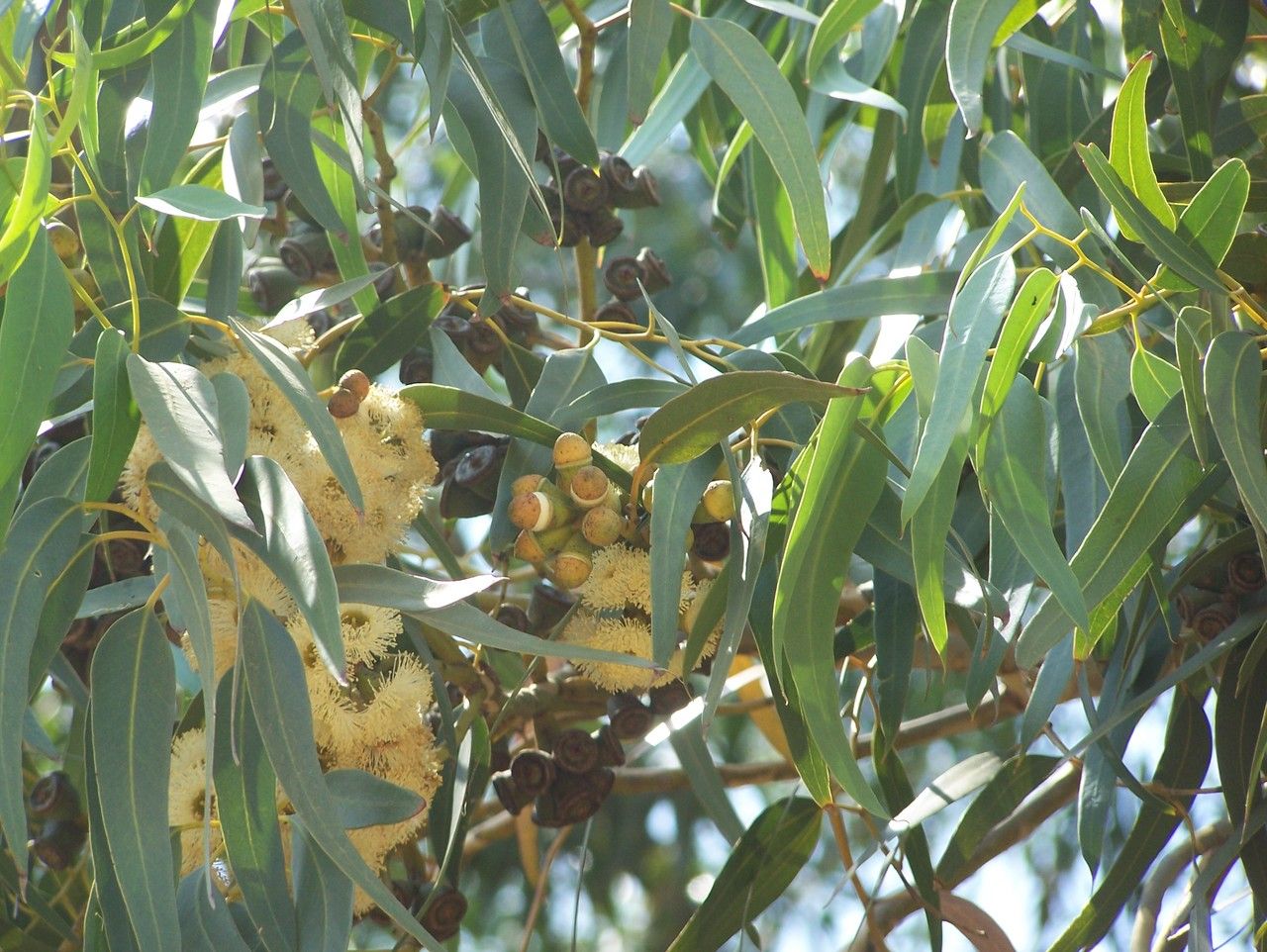
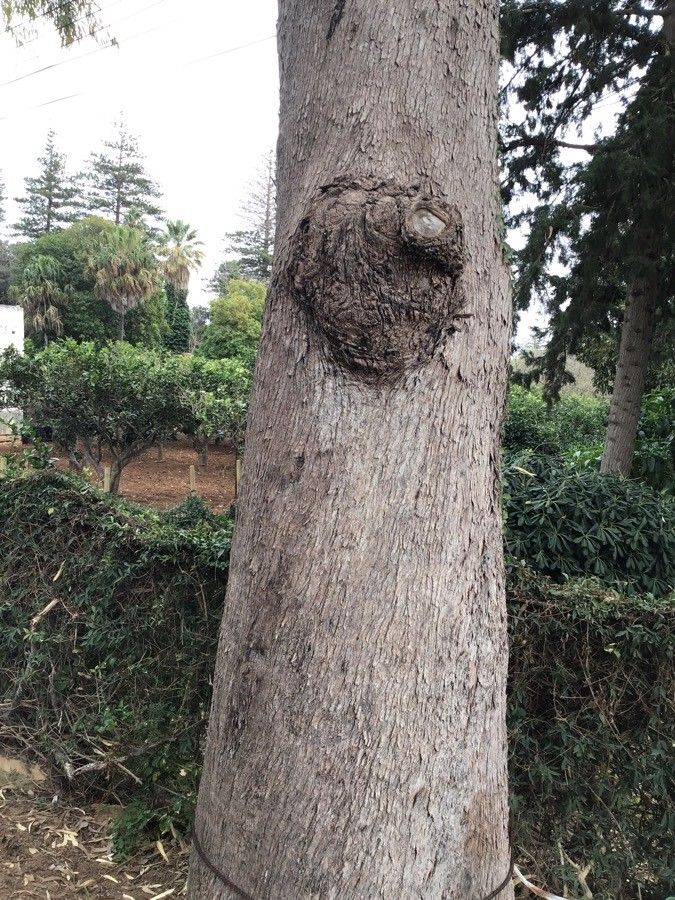
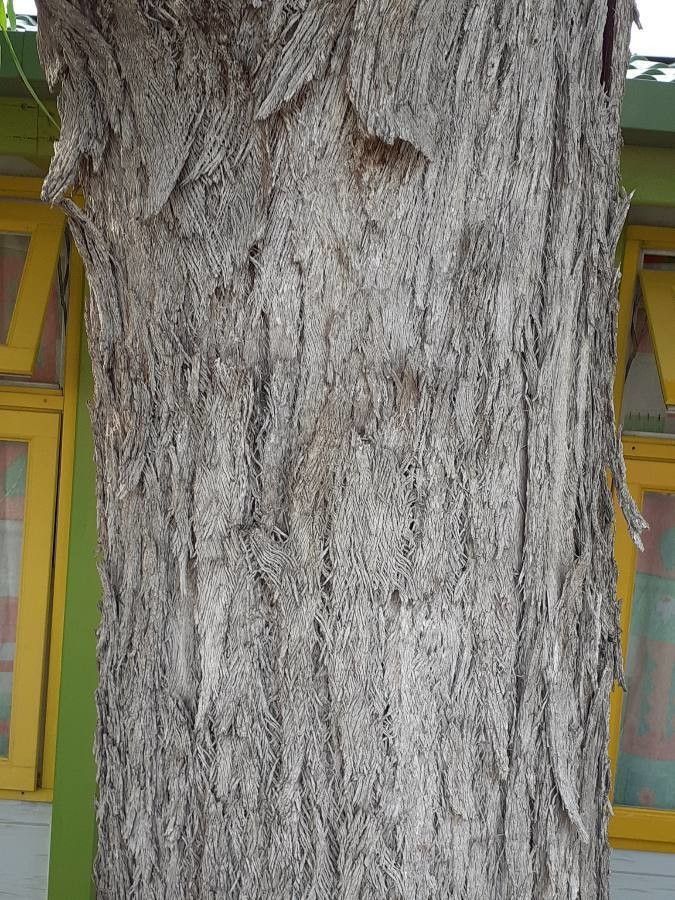
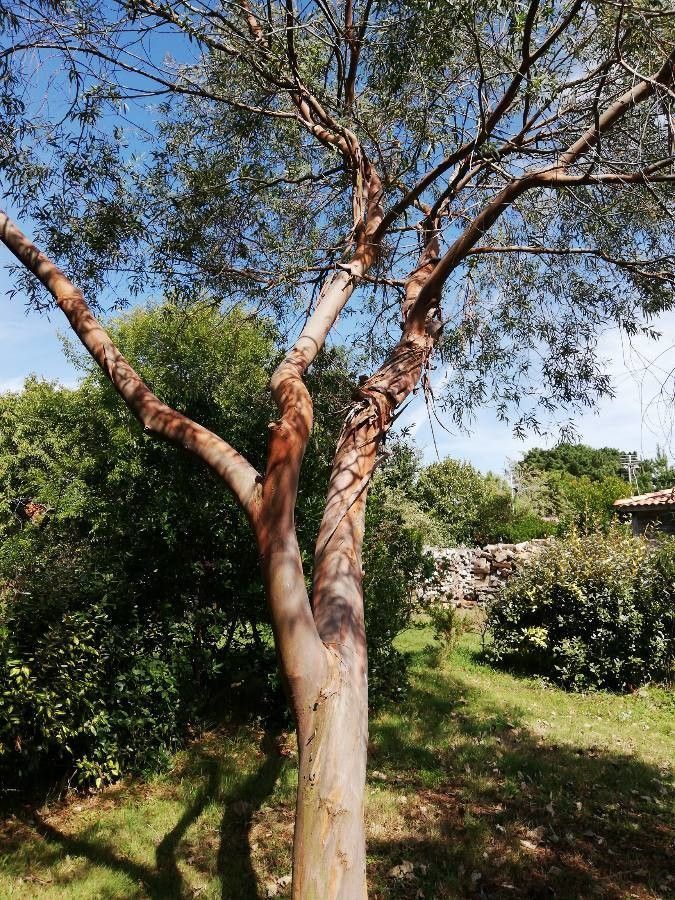
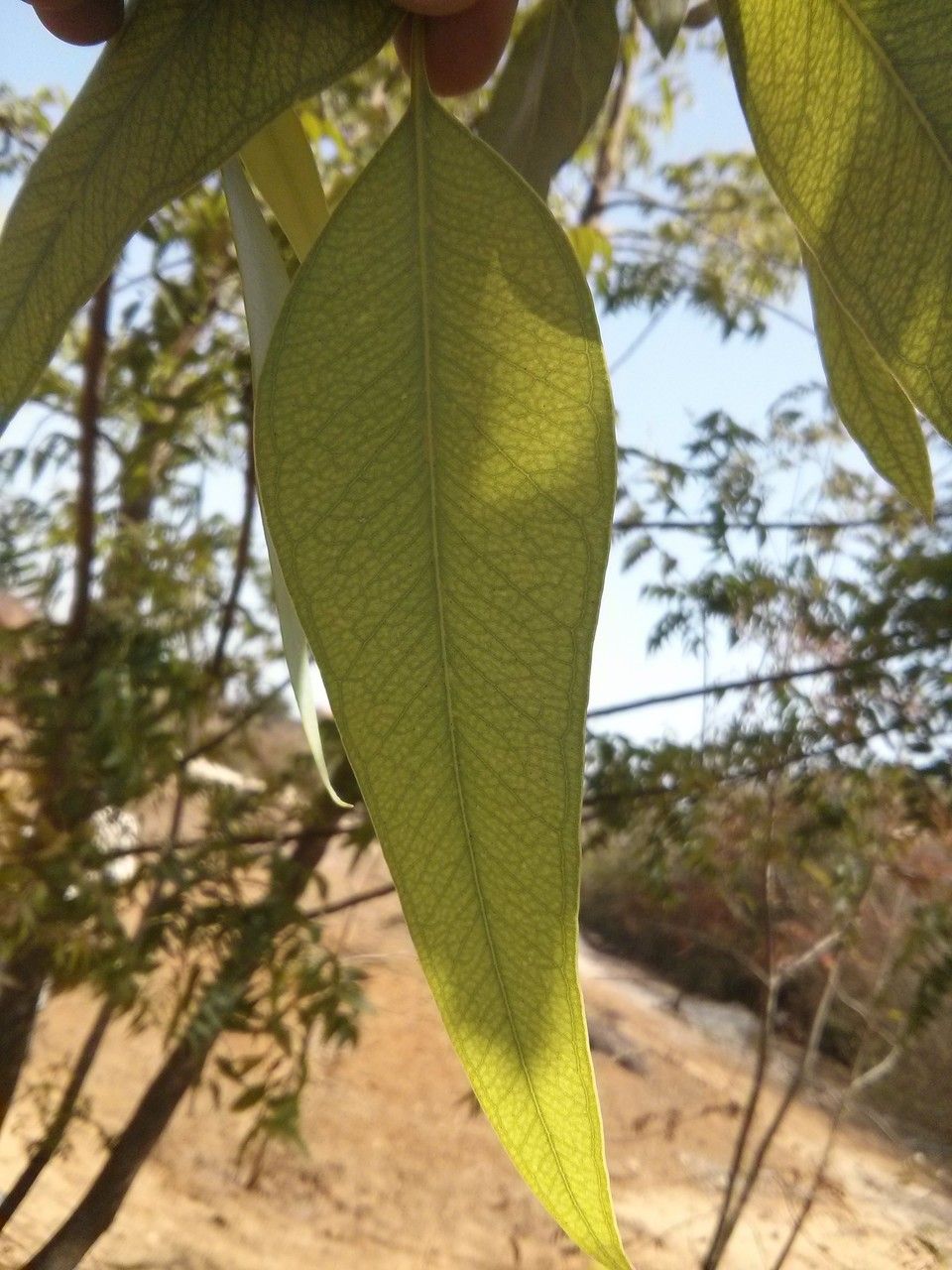
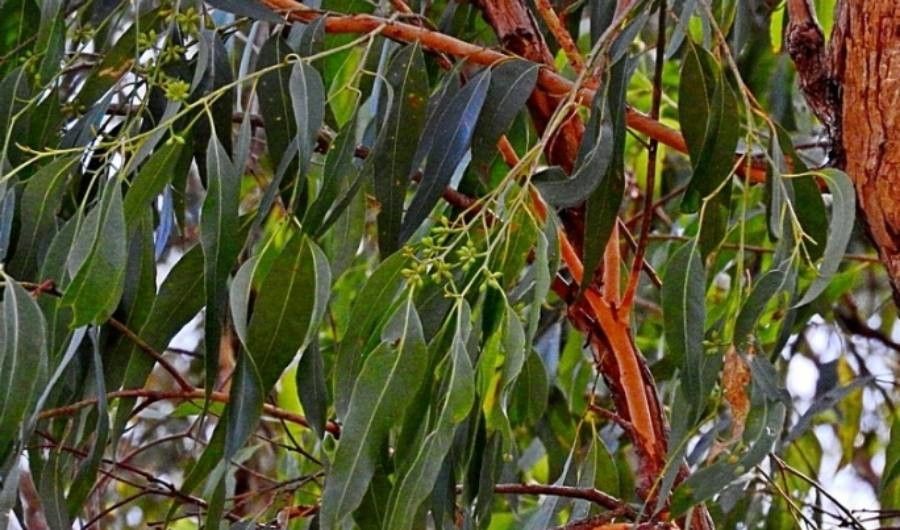
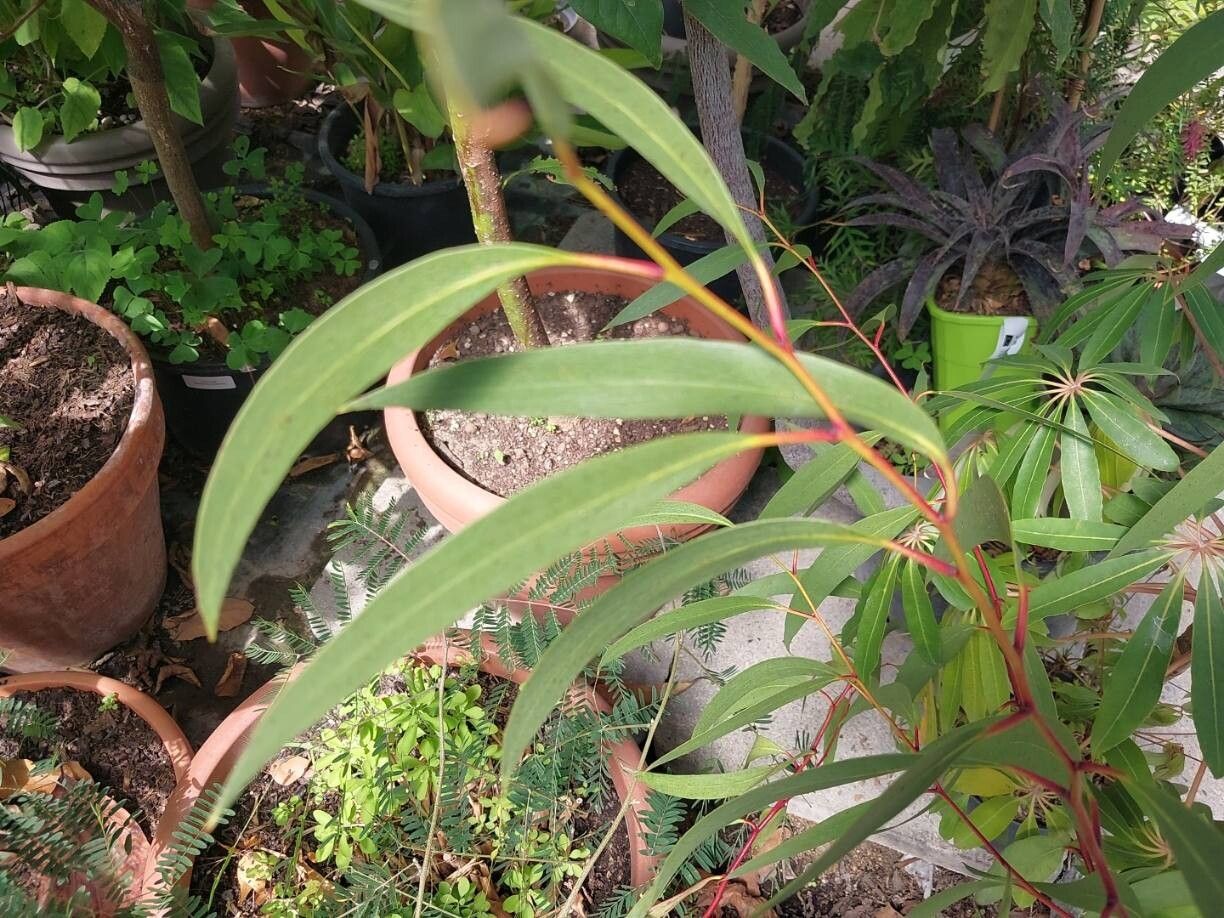
Eucalyptus gomphocephala, known as tuart, is a species of tree, one of the six forest giants of Southwest Australia. Tuart forest was common on the Swan coastal plain, until the valuable trees were felled for export and displaced by the urban development around Perth, Western Australia. The wood is dense, hard, water resistant and resists splintering, and found many uses when it was available. Remnants of tuart forest occur in state reserves and parks, the tree has occasionally been introduced to other regions of Australia and overseas. Remaining trees are vulnerable to phytophthora dieback, an often fatal disorder, including a previously unknown species discovered during analysis of dead specimens.
Tuart possesses good resistance to disease and is generally not susceptible to illnesses. In terms of care, this plant is fairly low-maintenance. When grown outdoors it needs only minimal watering, and larger plants usually do not require pruning. Smaller plants, however, should be trimmed after they have finished blooming. Tuartt is appropriate for anyone who has an outdoor area, like a garden or deck, and does not demand extensive plant-care experience.
How to keep Eucalyptus Gomphocephala.
Light
Tuart is native to open habitats — for example, sunny meadows and forest margins — that provide abundant light. It flourishes in Full Sun but can also tolerate Partial Sun, adapting well to a range of sunlight conditions.
Water
Originating from Australia's dry, sandy soils, the tuart tree is drought-tolerant and typically needs watering about once a week. It thrives in coastal areas and prefers well-draining soil to prevent root rot, mimicking the conditions of its natural habitat.
Temperature
Tuart has good temperature adaptability and can withstand high heat and wide temperature fluctuations. When it is hot, attention should be paid to watering and providing appropriate shade to prevent sunburn. However, Tuart is relatively intolerant of low temperatures. Although it can endure some cold, excessively low temperatures can cause frost damage.
Fertilizer
Fertilize your Tuart in early spring to encourage healthy growth. Regular fertilizing improves its overall health, producing vigorous growth, greater resilience to harsh conditions, and better resistance to pests and diseases. Keep a specific fertilization routine for your Tuart to maintain vibrant, deeply colored foliage and a lush look.
Pruning
Tuart trees benefit greatly from strategic pruning, which is most effective in early spring. Begin by removing dead branches and shaping the young plants to enhance air circulation and light exposure. For older trees, minimal pruning is advised to prevent stress, thereby supporting their overall health and resilience against storm damage year-round.
Botanical profile.
- Plant Type
- Tree
- Life Cycle
- Perennial
- Genus
- Eucalyptus
- Family
- Myrtaceae
- Hardiness Zone
- 9-11
- Mature Height
- 29.87 m to 39.93 m
- Mature Spread
- 14.94 m to 24.99 m
- Leaf Color
- Dark Green
- Leaf Type
- Evergreen
- Flower Color
- White, Cream
- Flower Size
- 1.02 cm to 1.52 cm
- Bloom Time
- Winter
- Planting Time
- Autumn, Winter
- Harvest Time
- Mid spring, Late spring, Early summer
Other names.
Reader questions.
What are the sunlight requirements for Tuart (Eucalyptus gomphocephala)?
Tuart, known botanically as Eucalyptus gomphocephala, thrives in conditions varying from full to partial sun exposure. Full sun exposure means the plant should receive above 6 hours of sunlight daily, while partial sun refers to about 3-6 hours of sunlight. It's important to observe the way sunlight moves through your garden, finding those sweet spots that offer a harmonious balance of light and shade. This mindfulness towards the plant's placement ensures that your Tuart will grow happily and healthily.
What is the name and botanical name of the plant?
The plant is named Tuart, with the botanical name Eucalyptus gomphocephala.