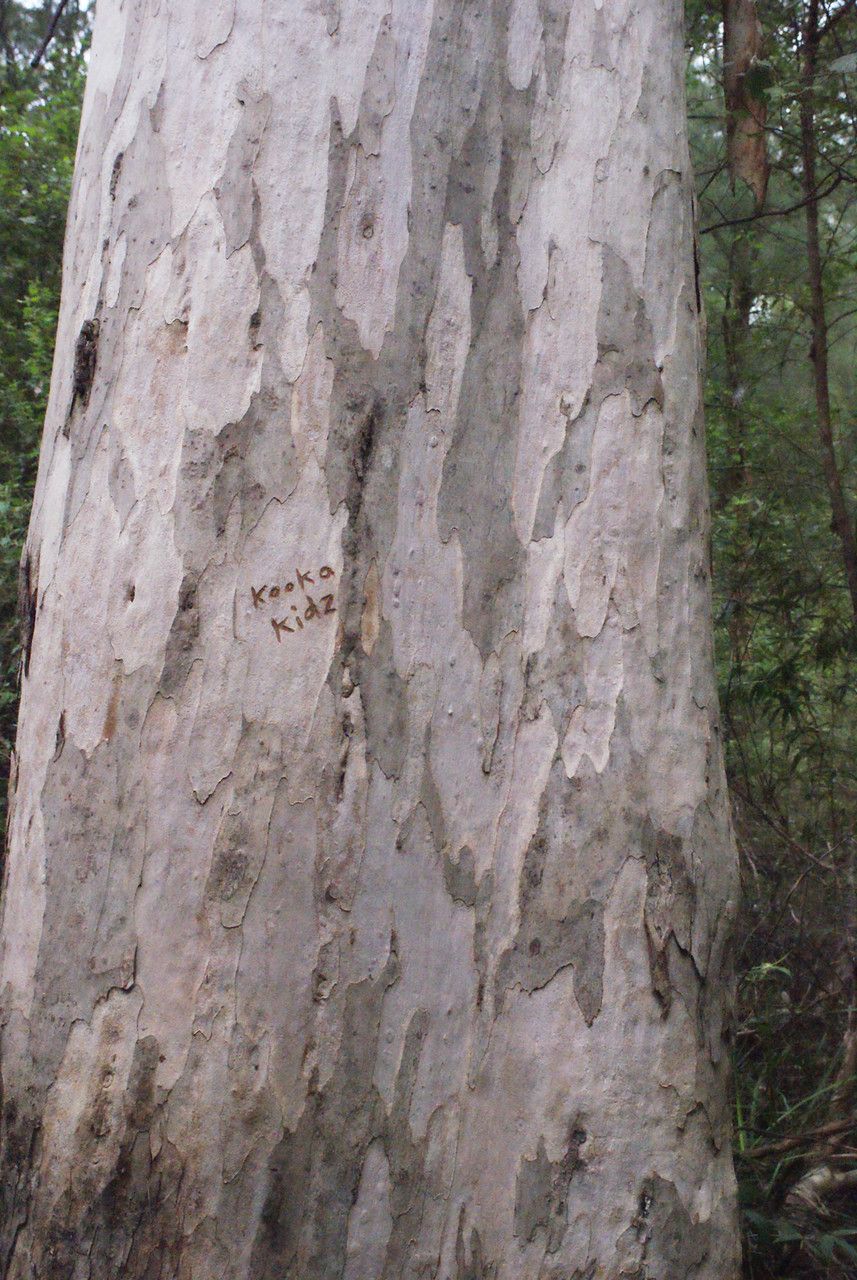
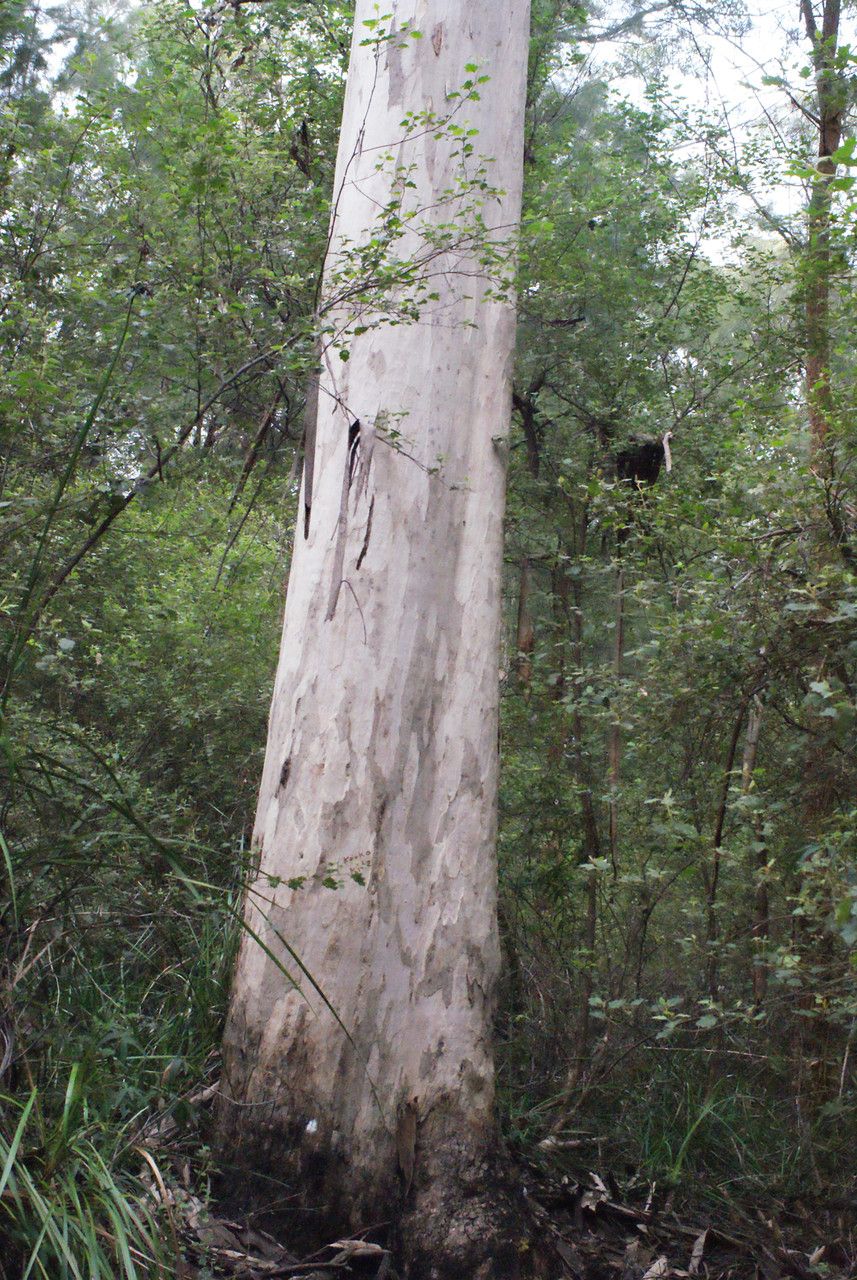
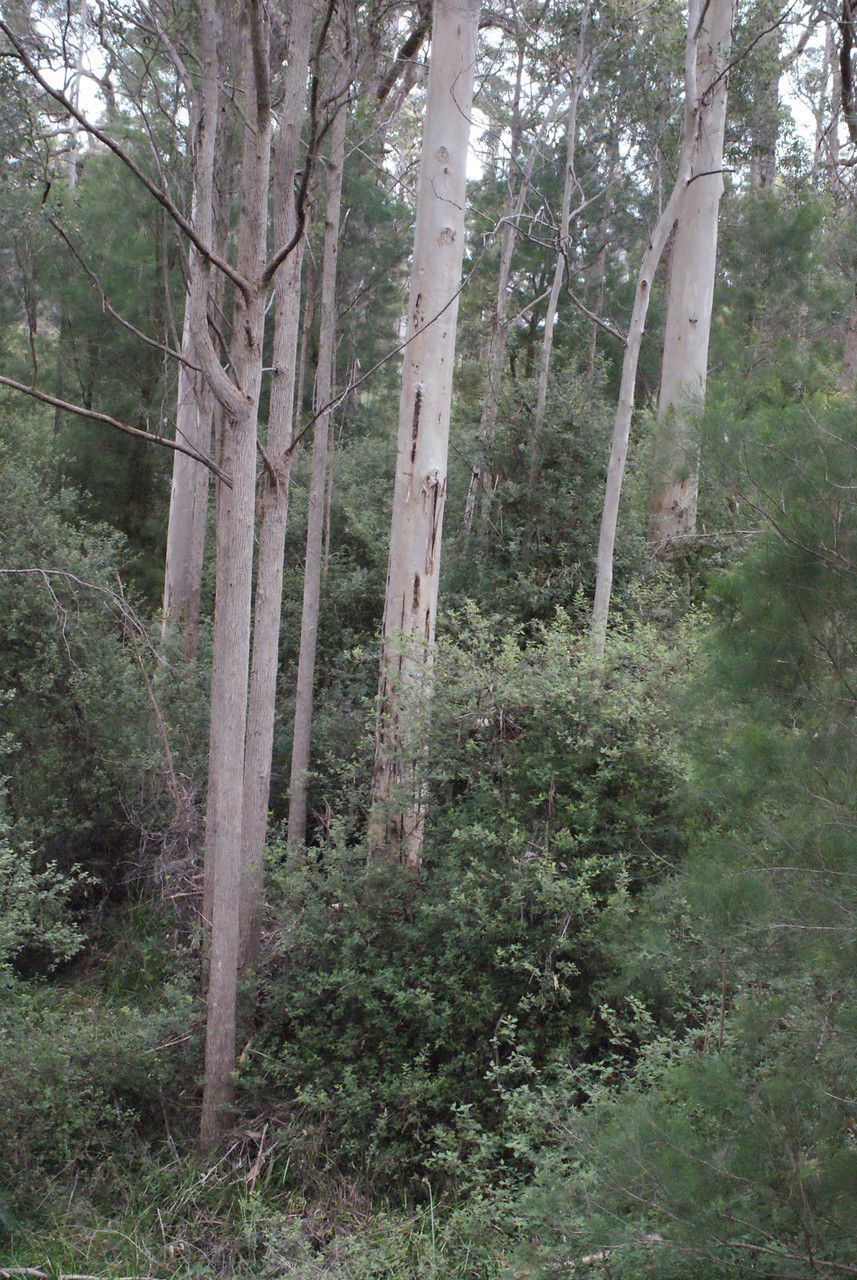
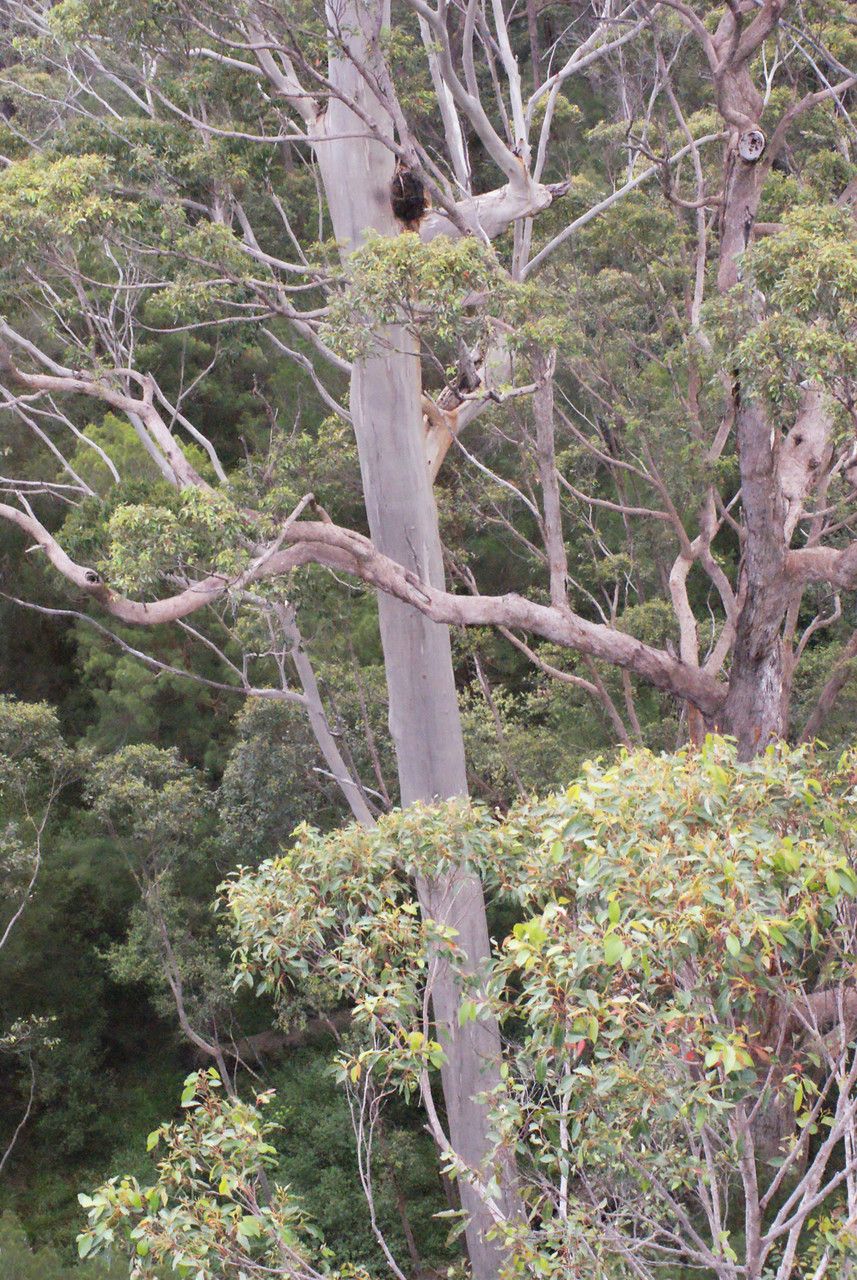
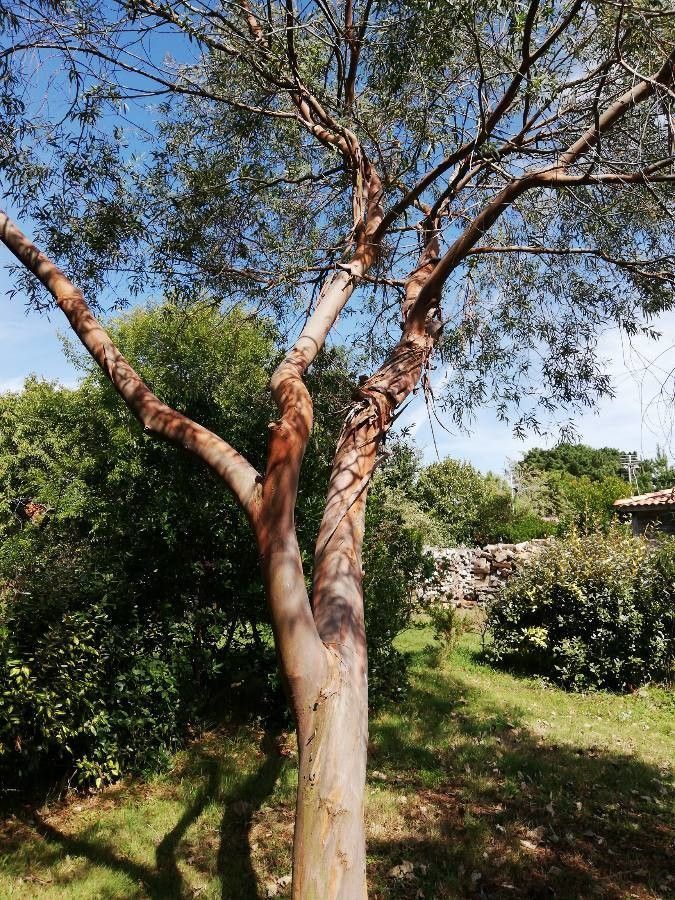
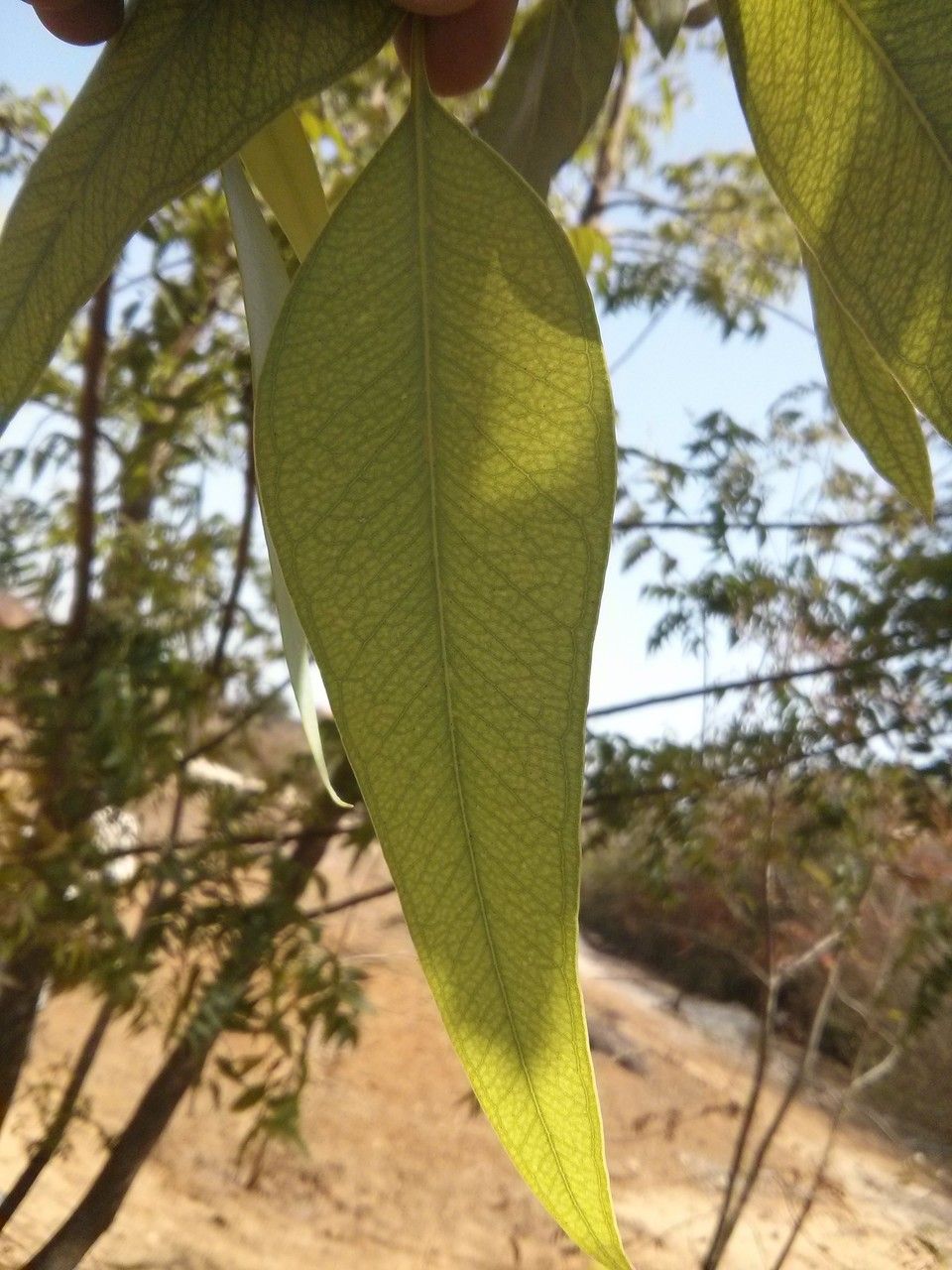
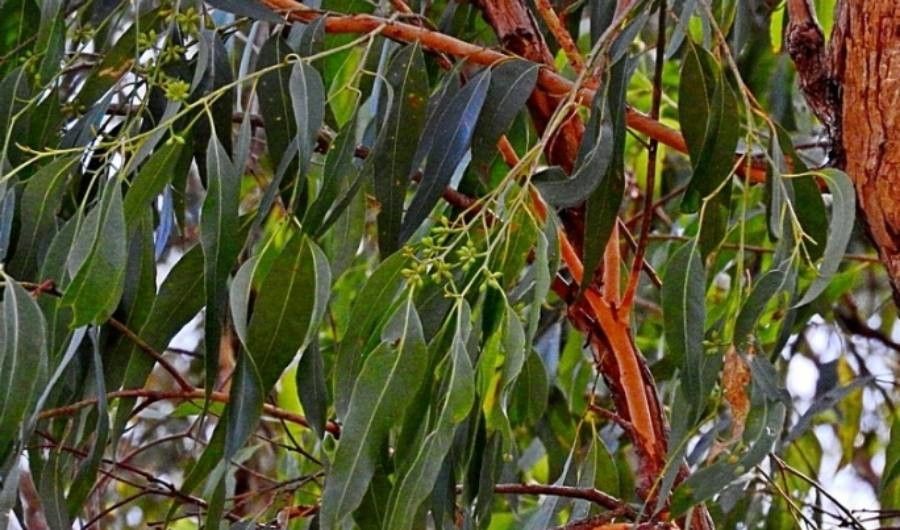
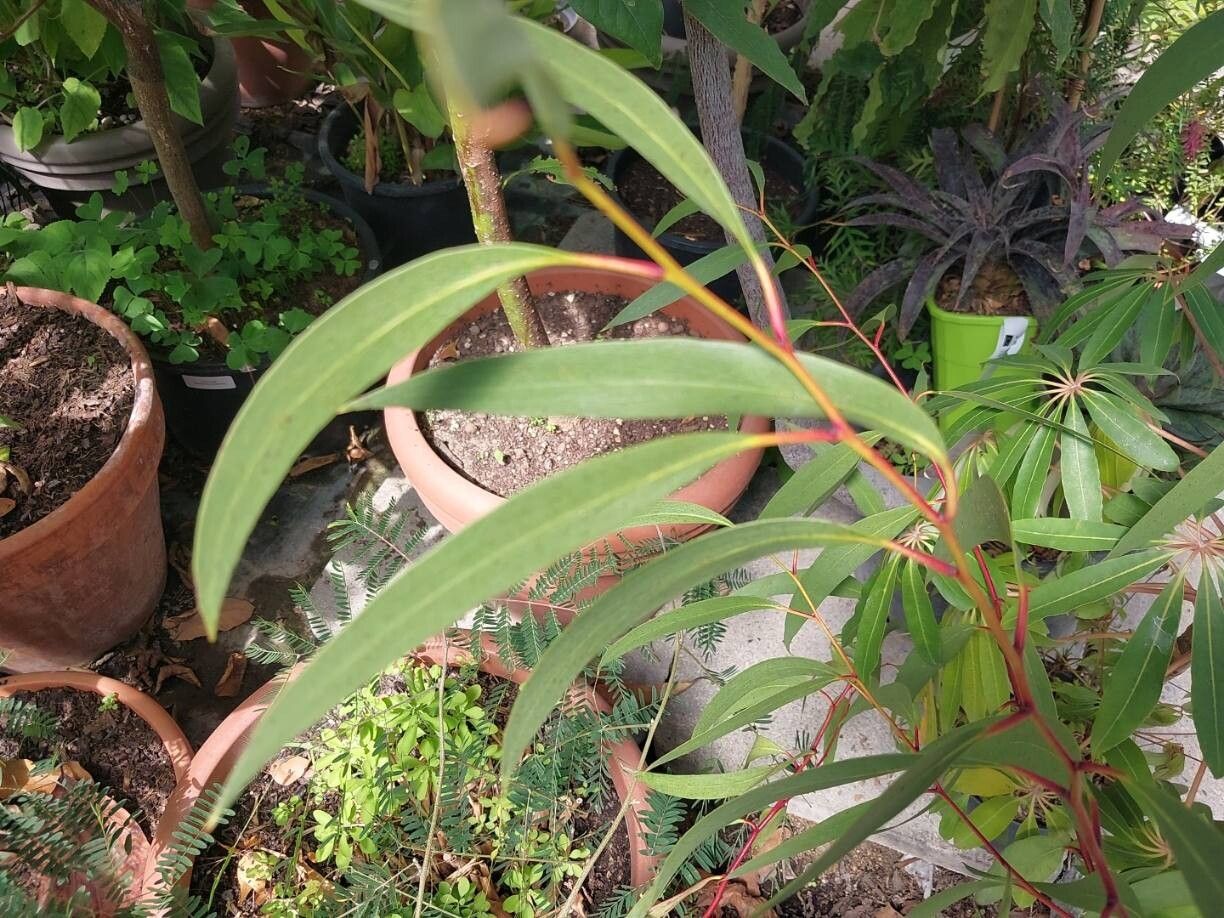
Eucalyptus diversicolor, commonly known as karri, is a species of flowering plant in the family Myrtaceae and is endemic to the south-west of Western Australia. It is a tall tree with smooth light grey to cream-coloured, often mottled bark, lance-shaped adult leaves and barrel-shaped fruit. Found in higher rainfall areas, karri is commercially important for its timber.
Karri exhibits good resistance to disease and is generally not prone to illnesses. In terms of care, this plant is relatively low maintenance. When planted outdoors, it requires minimal watering, and larger plants generally do not need to be pruned. However, smaller plants should be pruned after they have bloomed. Karrit is suitable for anyone with an outdoor space, such as a garden or deck, and does not require a lot of care experience.
How to keep Eucalyptus Diversicolor.
Light
Karri is native to open surroundings like sunlit fields and the fringe of forests, which offer plenty of illumination. It flourishes in Full Sun yet can also withstand Partial Sun, showing great adaptability to diverse lighting scenarios.
Water
Karri trees flourish in humid, moist environments and need weekly watering to simulate their natural habitat. They can tolerate short dry spells and retain moisture in their evergreen leaves, making them well-suited for outdoor growth where they can take advantage of natural rainfall.
Temperature
Karri is highly adaptable to a variety of climate conditions, whether facing very hot summers or cold winters. It nevertheless has an optimal temperature range for growth. When temperatures become too high, the plant is susceptible to heat and humidity stress, which can cause it to die. In areas where temperatures near the lower limit of its cold tolerance, it is important to provide insulation to protect the plant.
Fertilizer
For promoting the growth of your Karri in a healthy manner, it's recommended to fertilize it at the beginning of spring. This consistent fertilization plays a significant role in improving the overall health, boosting growth speed, toughening the plant against harsh conditions, and increasing its resistance against diseases and pests. It is essential to follow a certain fertilization routine for your Karri to keep the leaves vibrant, full of color, and to provide a dense look.
Pruning
The Karri tree is a tall, fast-growing species known for its smooth, pale bark and lance-shaped leaves. To promote healthy growth and prevent diseases, prune the tree in early spring by removing deadwood and crossing branches to improve branching and air circulation. Make sure to use clean, sharp tools to ensure optimal healing.
Botanical profile.
- Plant Type
- Tree
- Life Cycle
- Perennial
- Genus
- Eucalyptus
- Family
- Myrtaceae
- Hardiness Zone
- 9-11
- Mature Height
- 60.05 m to 89.92 m
- Mature Spread
- 20.12 m to 29.87 m
- Leaf Color
- Dark Green, Forest Green
- Leaf Type
- Evergreen
- Flower Color
- White
- Flower Size
- 1.52 cm to 2.03 cm
- Bloom Time
- Winter
- Planting Time
- Spring, Autumn, Winter
- Harvest Time
- Spring
Other names.
Reader questions.
What are the sunlight requirements for Karri (Eucalyptus diversicolor)?
Karri, also known as Eucalyptus diversicolor, thrives in different sunlight conditions depending on the variety. For plants requiring full sun, they need above 6 hours of sunlight to grow healthy. Those that prefer partial sun should receive about 3-6 hours of sunlight daily. It is essential to observe the sunlight patterns in your garden to choose the most suitable spots for your plants. This consideration ensures they receive the perfect balance of light and shade, promoting their growth and well-being.