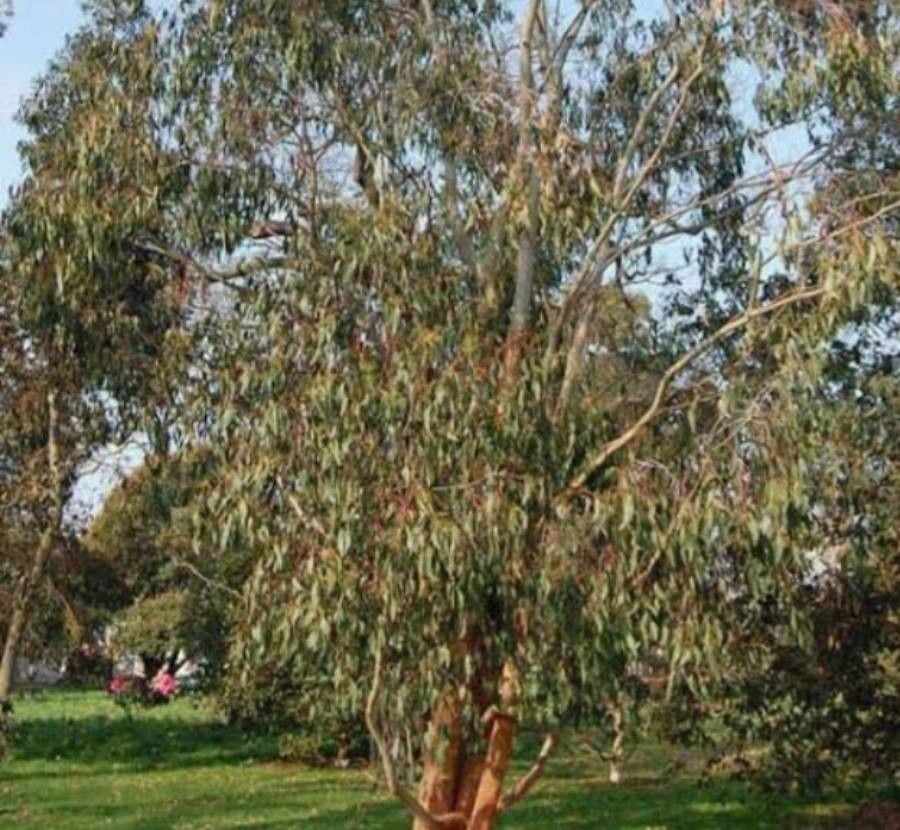
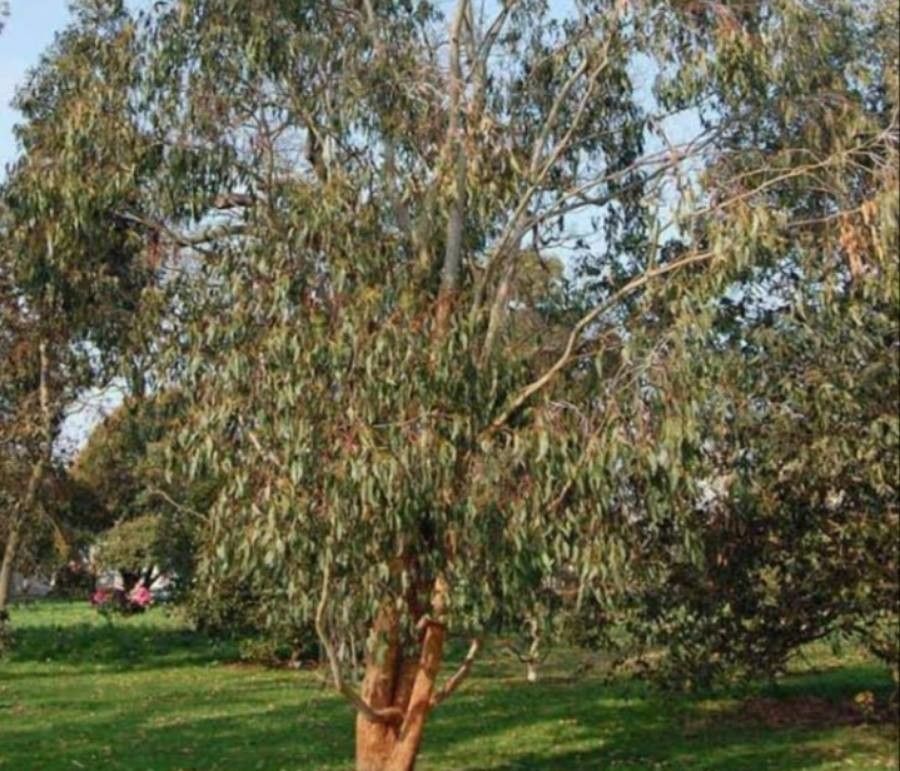
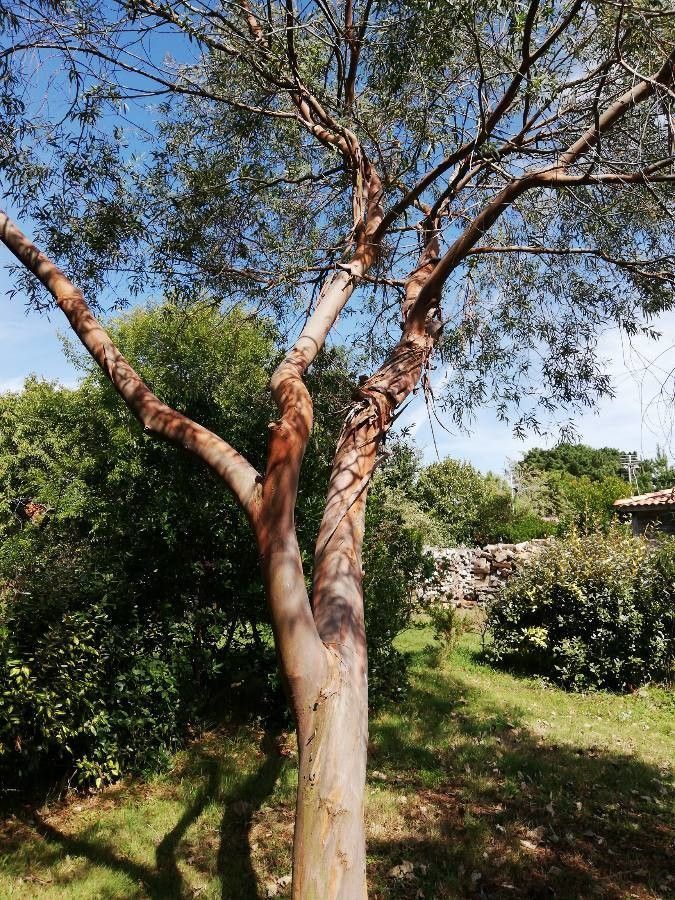
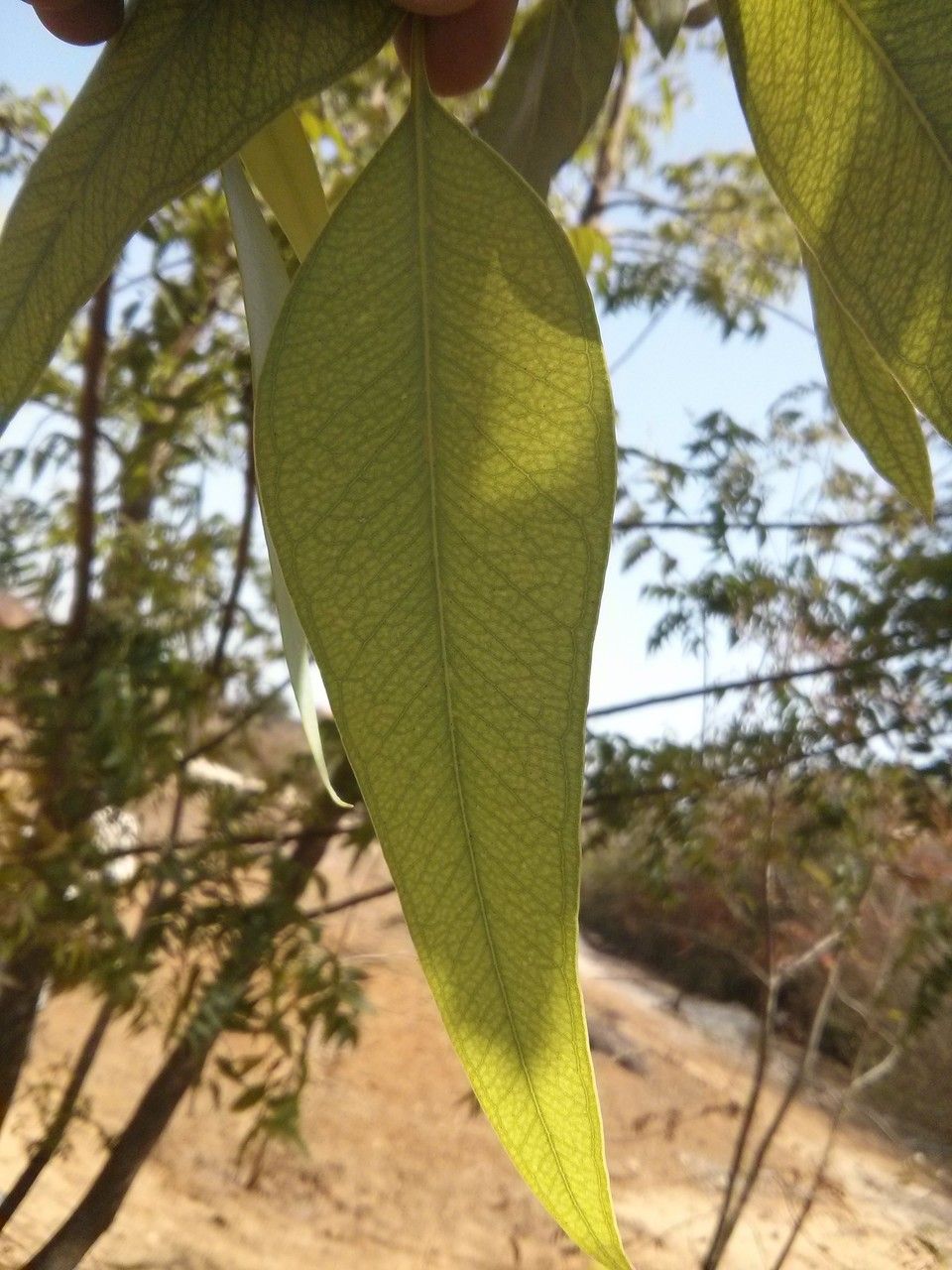
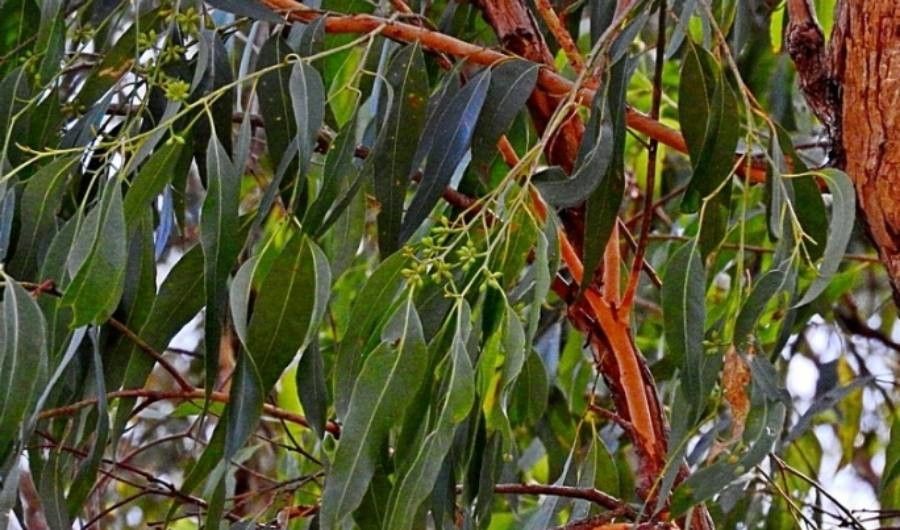
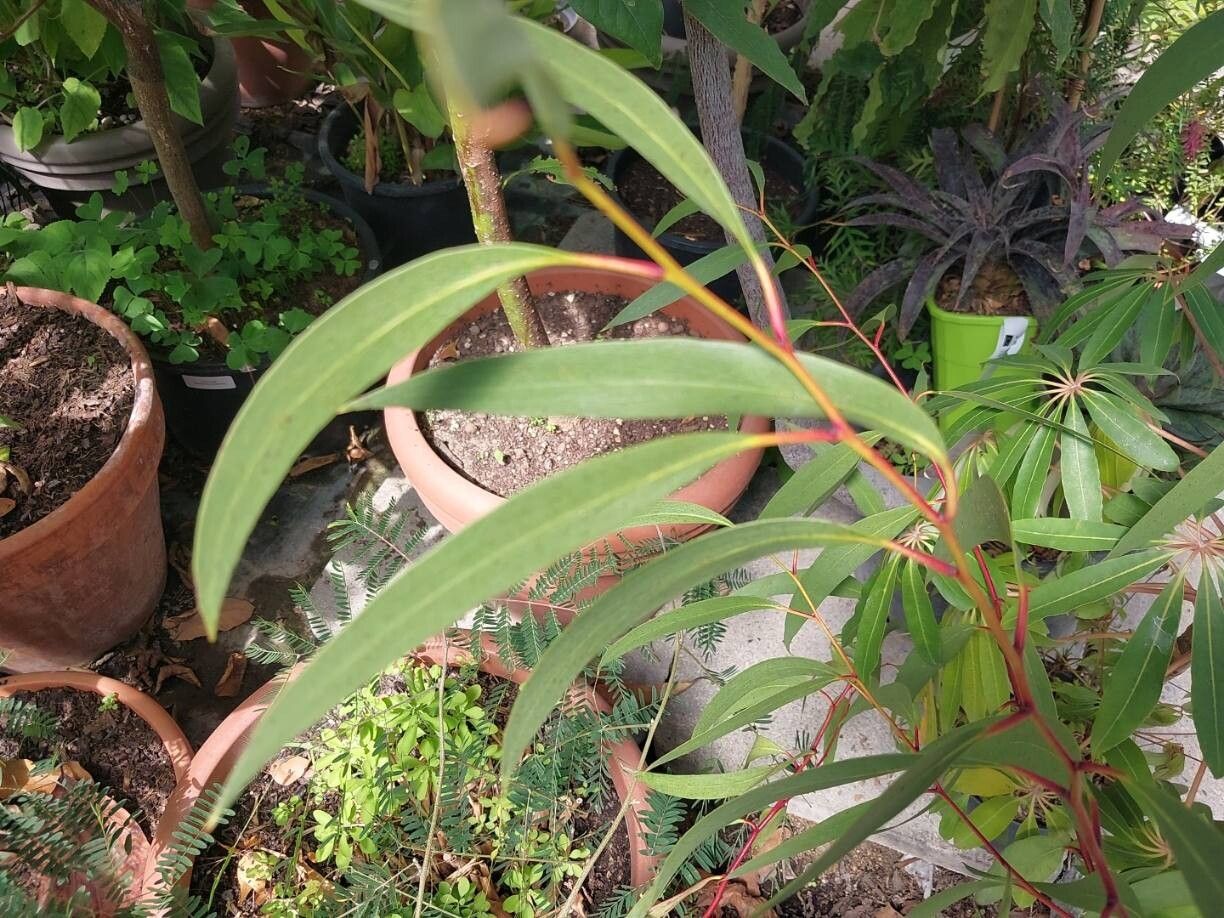
Eucalyptus delegatensis, commonly known as alpine ash, gum-topped stringybark, white-top and in Victoria as woollybutt, is a species of tree that is endemic to southeastern Australia. It has a straight trunk with rough, fibrous to stringy bark on the lower half of the trunk, smooth white bark above, lance-shaped to curved adult leaves, flower buds in groups of between seven and fifteen, white flowers and barrel-shaped or hemispherical fruit.
Alpine ash is fairly resistant to disease and typically does not suffer from many illnesses. In terms of care, the plant is relatively low-maintenance. When grown outdoors it needs little watering, and larger specimens usually do not require pruning. Smaller plants, however, should be pruned after they finish flowering. Alpine ash is suitable for anyone with an outdoor area, such as a garden or deck, and does not demand much experience to care for.
How to keep Eucalyptus Delegatensis.
Light
Alpine ash comes from open habitats, for example sunny meadows and forest edges, where light is plentiful. It thrives in Full Sun but can also tolerate Partial Sun, adapting well to different sunlight levels.
Water
Alpine ash thrives in moist environments and requires thorough watering, particularly during its early growth stages. Even mature plants need regular watering. Make sure to water deeply and then let the top third of the soil dry out before watering again. Use a moisture meter to check the soil's moisture levels, and aim to water either early in the morning or in the evening.
Temperature
Alpine ash is highly adaptable to a variety of climatic conditions, from very hot summers to cold winters. However, it does have an optimal temperature range for growth. When temperatures become too high, the plant is susceptible to heat and humidity stress, which can cause it to die. In locations where temperatures near the lower limit of its cold tolerance, it is important to use insulation to protect the plant.
Fertilizer
Fertilize your Alpine ash in early spring to encourage healthy growth. Regular fertilization boosts its overall health, producing vigorous growth, greater resilience to harsh conditions, and enhanced resistance to pests and diseases. Keep to a specific fertilization schedule for your Alpine ash to maintain foliage that is vibrant in color and lush in appearance.
Pruning
To manage the height and promote healthy growth of alpine ash, prune it in early spring. Start by removing any dead or diseased branches. Next, thin out the inner branches to improve airflow. It's also important to maintain a balanced canopy to prevent damage from the wind. Regular pruning will enhance the tree's shape and encourage robust, attractive growth.
Botanical profile.
- Plant Type
- Tree
- Life Cycle
- Perennial
- Genus
- Eucalyptus
- Family
- Myrtaceae
- Hardiness Zone
- 7-10
- Mature Height
- 39.93 m to 70.1 m
- Mature Spread
- 14.94 m to 24.99 m
- Leaf Color
- Dark Green, Forest Green
- Leaf Type
- Evergreen
- Flower Size
- 1.02 cm to 1.52 cm
- Bloom Time
- Winter
- Planting Time
- Spring, Summer, Autumn
- Harvest Time
- Spring
Other names.
Reader questions.
What are the sunlight requirements for Alpine ash (Eucalyptus delegatensis)?
Alpine ash, or Eucalyptus delegatensis, thrives in conditions that meet its sunlight requirements. It needs full sun, which means it should receive above 6 hours of sunlight daily. Alternatively, it can also grow in partial sun, requiring about 3-6 hours of sunlight a day. It's important to observe the movement of sunlight through your garden to pick spots that provide a perfect balance of light and shade, ensuring the plants grow happily and healthily.
What is the botanical name of Alpine ash?
The botanical name of Alpine ash is Eucalyptus delegatensis. This name helps in scientifically identifying the plant, distinguishing it from other species within the Eucalyptus genus.