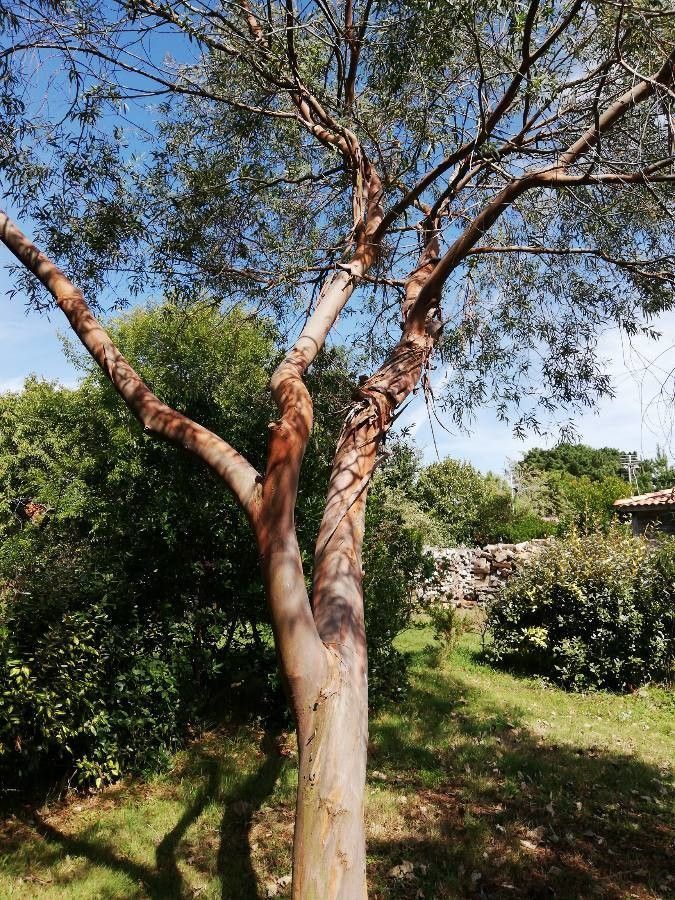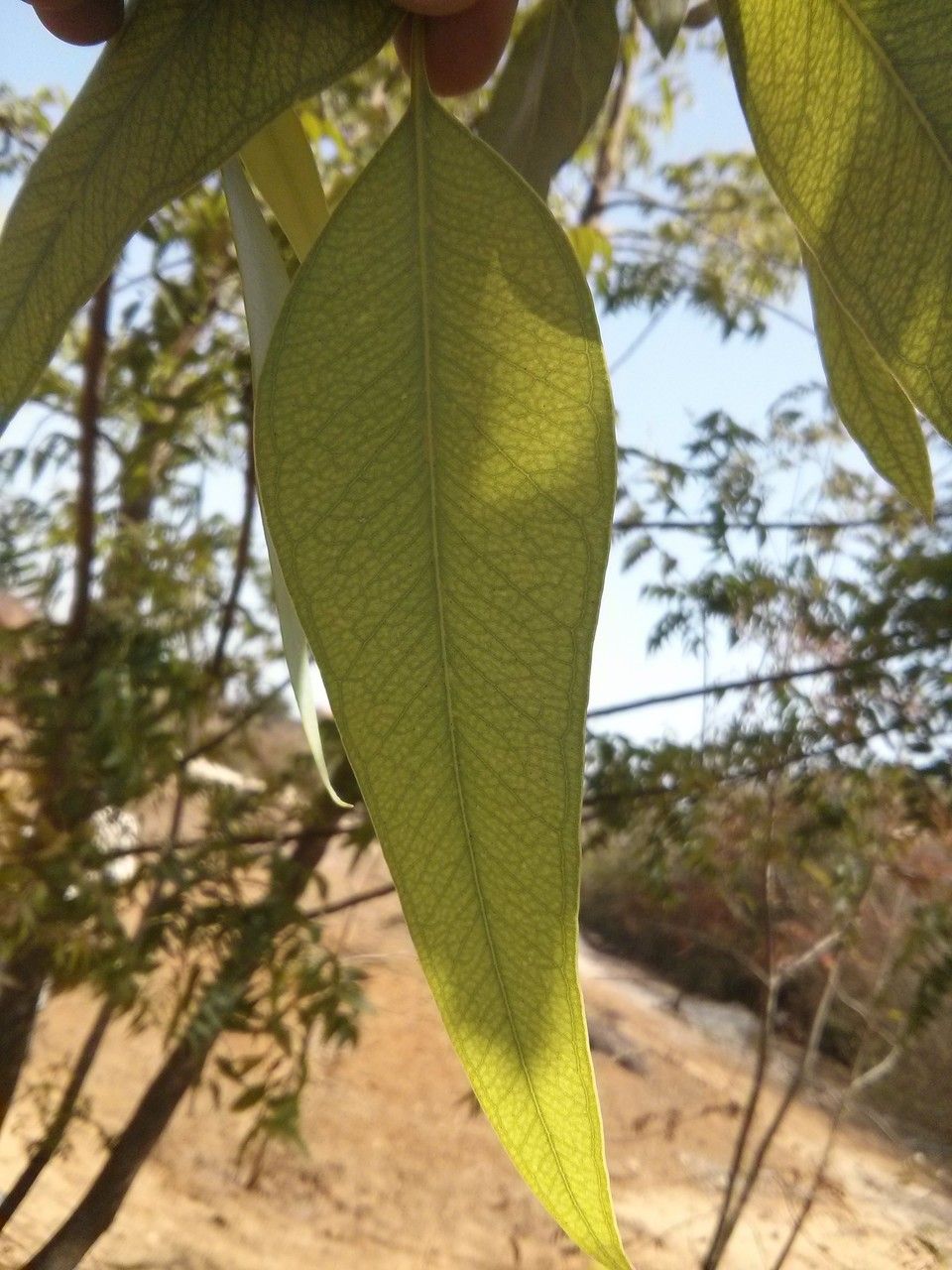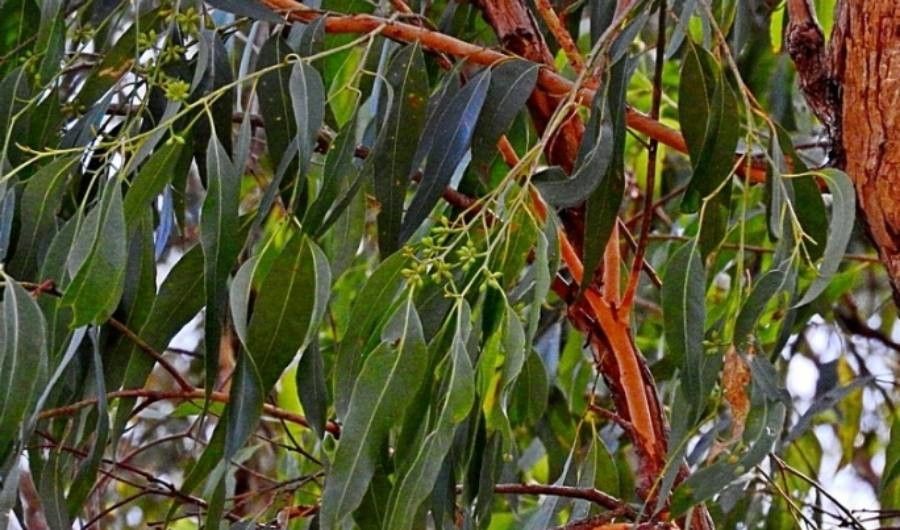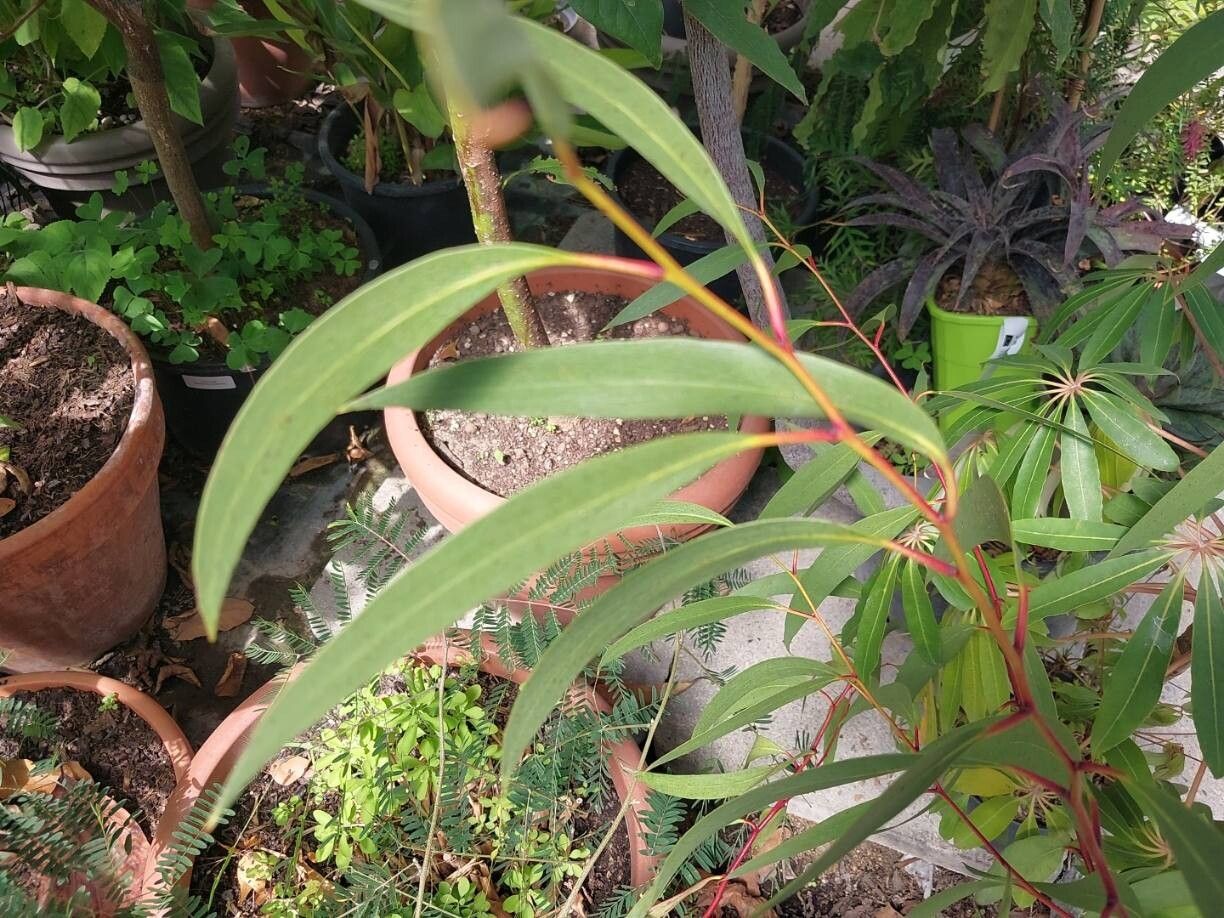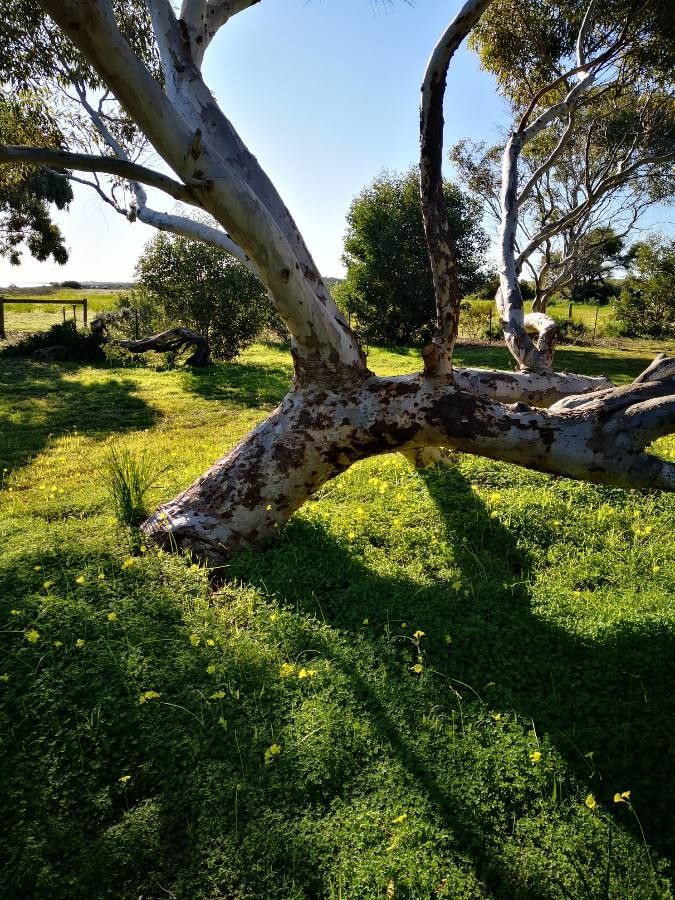
Eucalyptus cladocalyx, commonly known as sugar gum, is a species of eucalypt tree found in the Australian state of South Australia. It is found naturally in three distinct populations - in the Flinders Ranges, Eyre Peninsula and on Kangaroo Island.
Sugar gum shows strong resistance to disease and is generally unlikely to suffer from illnesses. As for care, this plant is fairly low-maintenance. When grown outdoors it needs little watering, and larger specimens typically do not require pruning. Smaller specimens, however, should be pruned after they finish flowering. Sugar gum is appropriate for anyone with an outdoor area, such as a garden or deck, and does not demand much gardening experience.
How to keep Eucalyptus Cladocalyx.
Light
The sugar gum does best with plenty of light, similar to its native environment, which supports strong growth. It can also cope with reduced light levels. Excessive or insufficient light, however, can damage its health and growth, producing issues like leaf scorch or pale foliage.
Water
The sugar gum, a tree native to Australia, thrives in dry conditions and demonstrates excellent drought tolerance. It requires watering every two weeks and does best in well-draining soil to prevent root rot. Deep watering, particularly during its active growing season, encourages strong root development.
Temperature
Sugar gum prefers temperatures between 68 and 95 °F (20 to 35 ℃), reflecting the conditions of its native habitat. Adjust the environment across seasons to replicate this range for optimal growth.
Fertilizer
Fertilize your Sugar gum in early spring to encourage healthy growth. Regular feeding improves overall health, leading to vigorous growth, greater tolerance of harsh conditions, and enhanced resistance to diseases and pests. Follow a consistent fertilization schedule for your Sugar gum to keep the foliage vibrant with deep color and a lush appearance.
Pruning
The sugar gum is a robust and fast-growing evergreen tree known for its attractive bark. To improve its shape and health, prune the tree between early and late winter, focusing on the removal of dead and crossing branches. Careful pruning helps manage the tree's size and prevents limb breakage, while also avoiding the risks associated with over-pruning.
Botanical profile.
- Plant Type
- Tree
- Life Cycle
- Perennial
- Genus
- Eucalyptus
- Family
- Myrtaceae
- Hardiness Zone
- 9
- Mature Height
- 5.79 m to 7.92 m
- Mature Spread
- 3.05 m to 3.96 m
- Leaf Color
- Green, Blue
- Leaf Type
- Evergreen
- Flower Color
- White, Cream
- Flower Size
- 1.02 cm to 2.03 cm
- Bloom Time
- Mid winter, Late winter, Early spring
- Planting Time
- Spring, Autumn
- Harvest Time
- Mid spring, Late spring, Early summer, Mid summer
- Native Area
- Indonesia
Other names.
Reader questions.
What is the optimal temperature range for growing Sugar gum?
Sugar gum flourishes in temperatures ranging from 68 to 95°F (20 to 35°C), which reflects its natural habitat's climate. To ensure optimal growth, it's important to adjust the plant's surroundings to maintain temperatures within this range across different seasons. While the Sugar gum has some degree of cold tolerance, usually no special measures are needed if temperatures stay above 0°C. However, for temperatures expected to drop below 0°C, temporary cold protection measures, such as wrapping the plant with plastic film, fabric, or other protective materials, should be implemented. These protections must be removed when temperatures rise again to avoid any potential damage.
How does Sugar gum react to low temperatures, and what are the recommended solutions?
Sugar gum has a moderate tolerance to low temperatures, preferring conditions above 20°C. It is advised to keep it above 0°C during winter months. When temperatures fall below -5°C, the plant's leaves may begin to droop; while they might recover in mild cases, severe cold can cause wilting and leaf drop. The recommended solution for frost damage includes trimming the affected parts. To prevent cold damage in the future, it's suggested to wrap the plant with non-woven fabric or cloth and construct a barrier to protect it from cold winds.
How should Sugar gum be cared for in high temperatures?
During the summer, it's critical to keep Sugar gum's temperatures below 35°C. Exposure to temperatures above 38°C can lead to lighter leaf color, dry and withered leaf tips, curling leaves, and an increased risk of sunburn. To mitigate these effects, trim away sunburned and dried parts of the plant. Move the plant to a shaded area or use a shade cloth to protect it from the harsh midday and afternoon sun. Additionally, watering the plant in the morning and evening will help keep the soil moist and further protect the plant from high temperature stress.
What is the botanical name of Sugar gum?
The botanical name of Sugar gum is Eucalyptus cladocalyx. Knowing the botanical name can be helpful for research and understanding more about the plant's specific care requirements and characteristics.