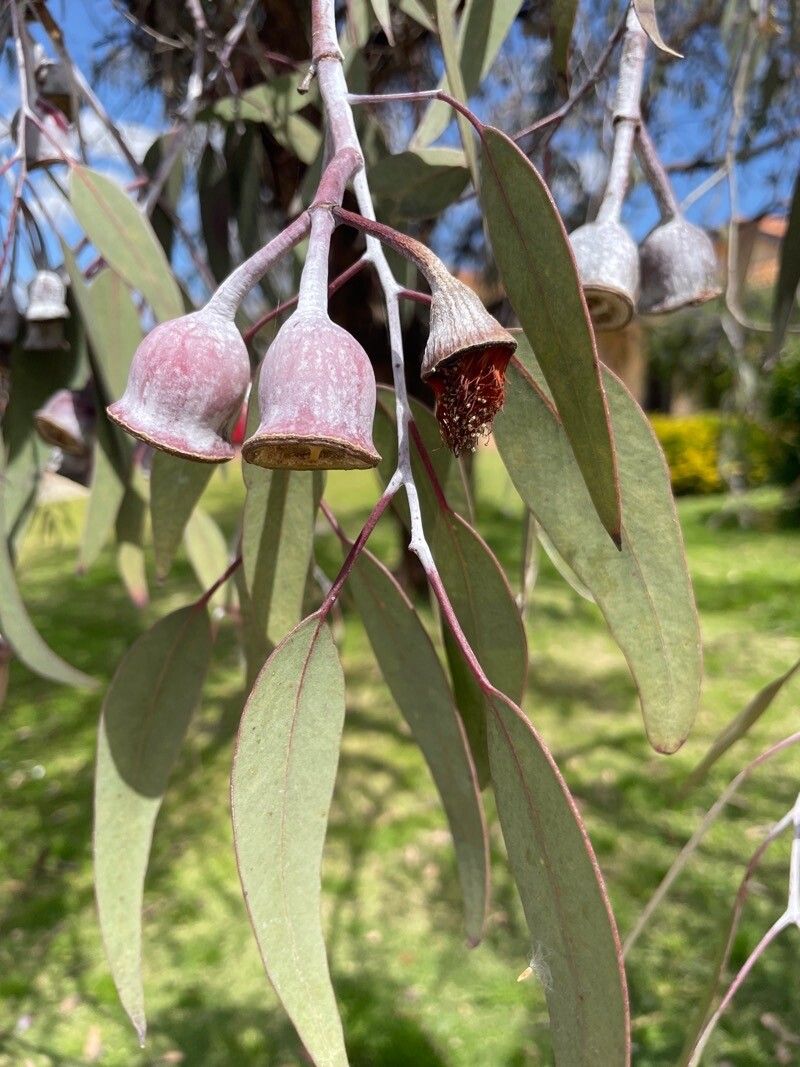
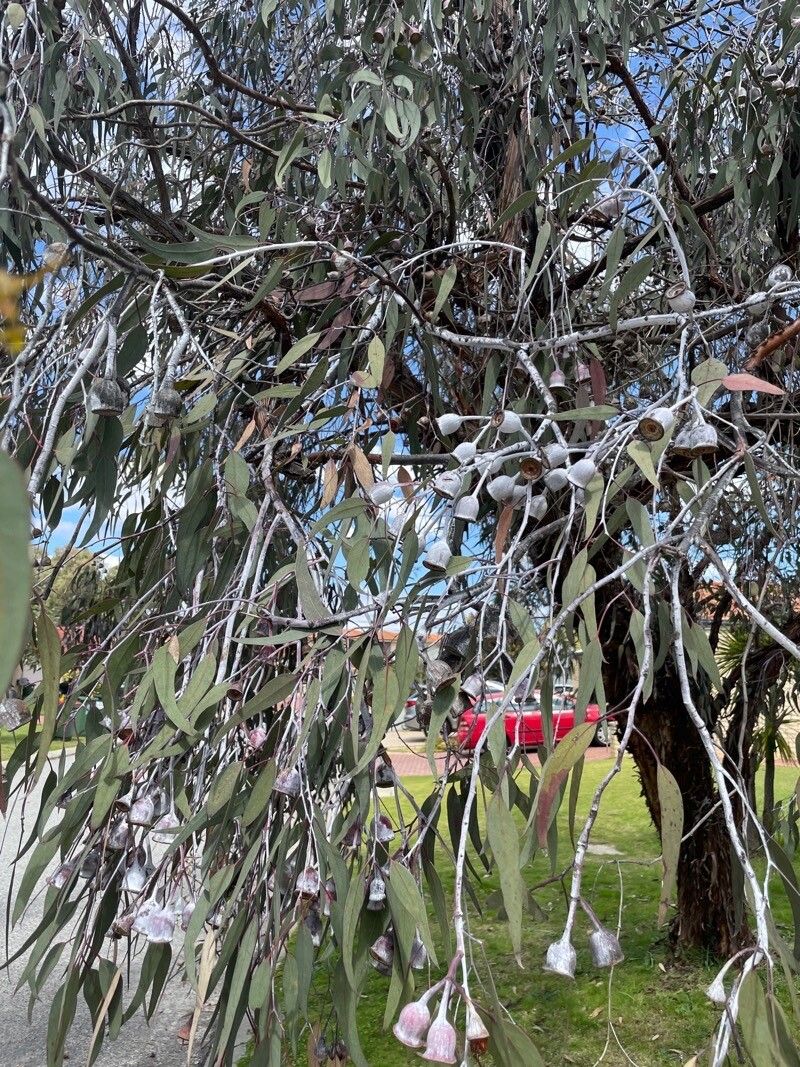
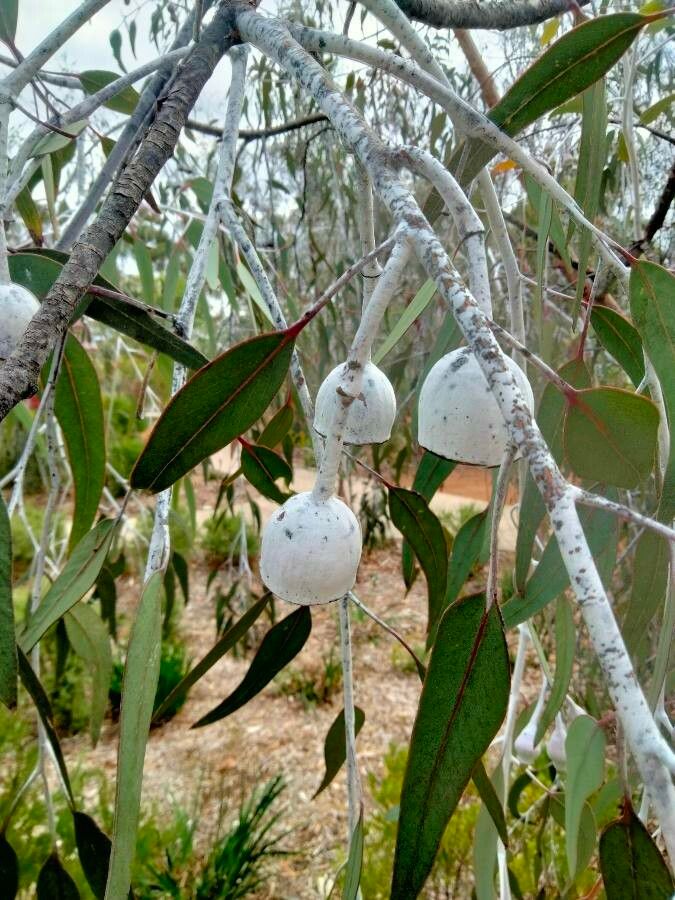
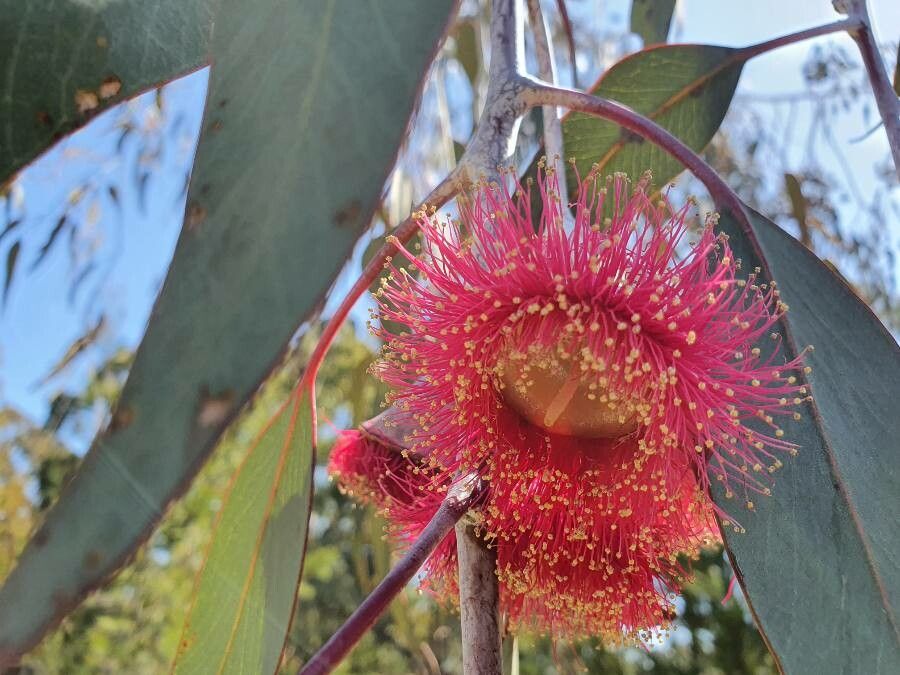
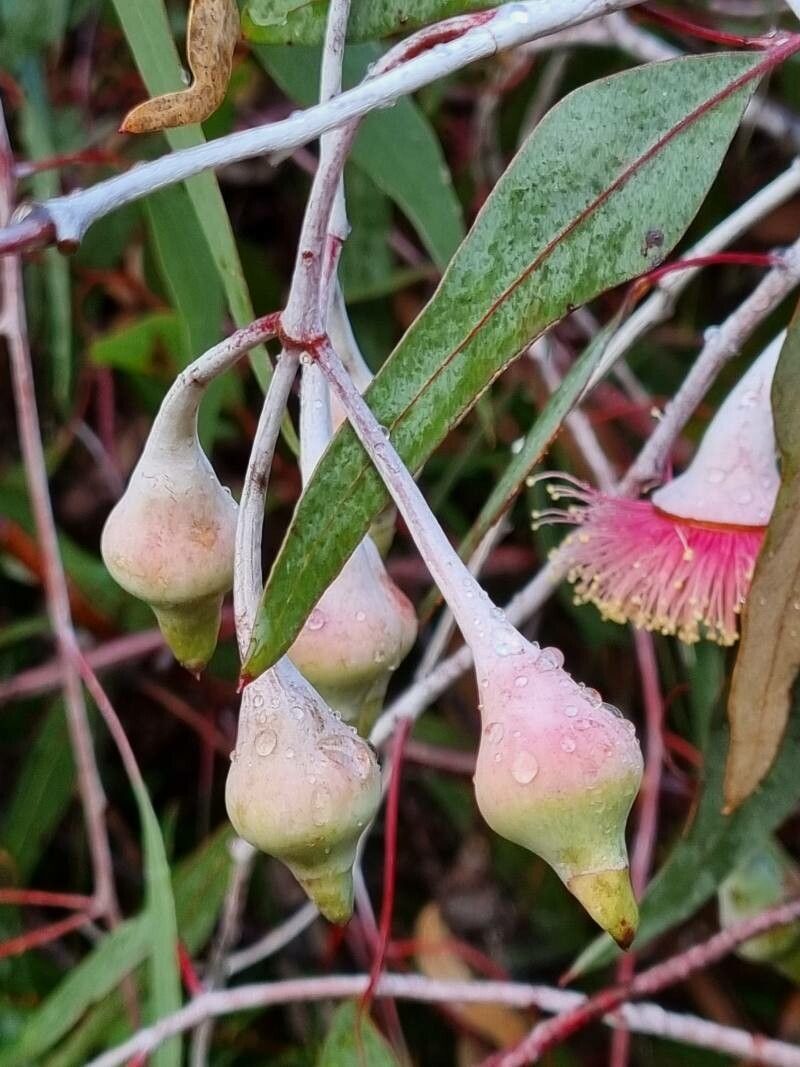
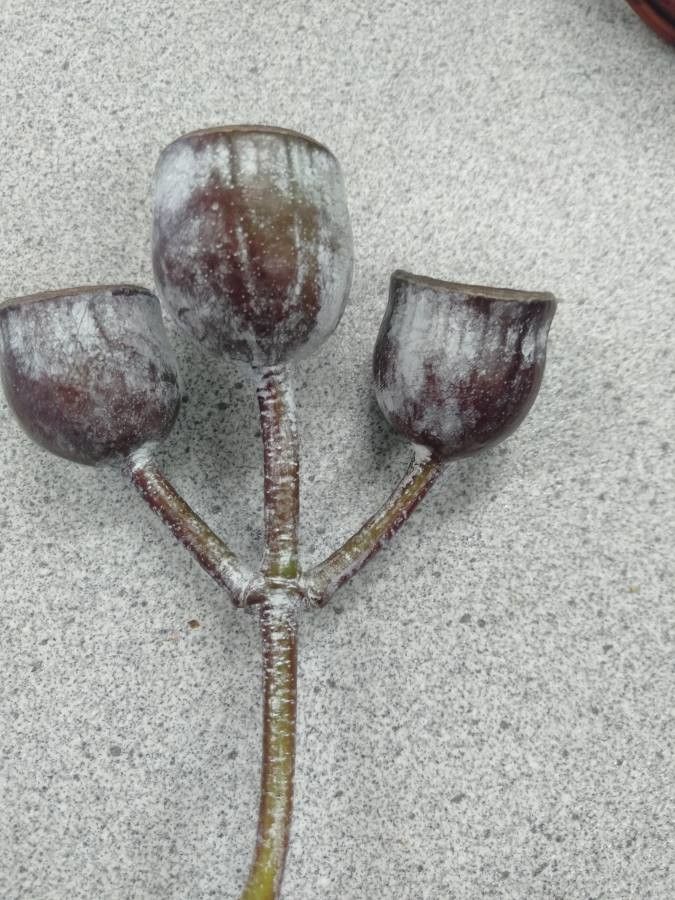
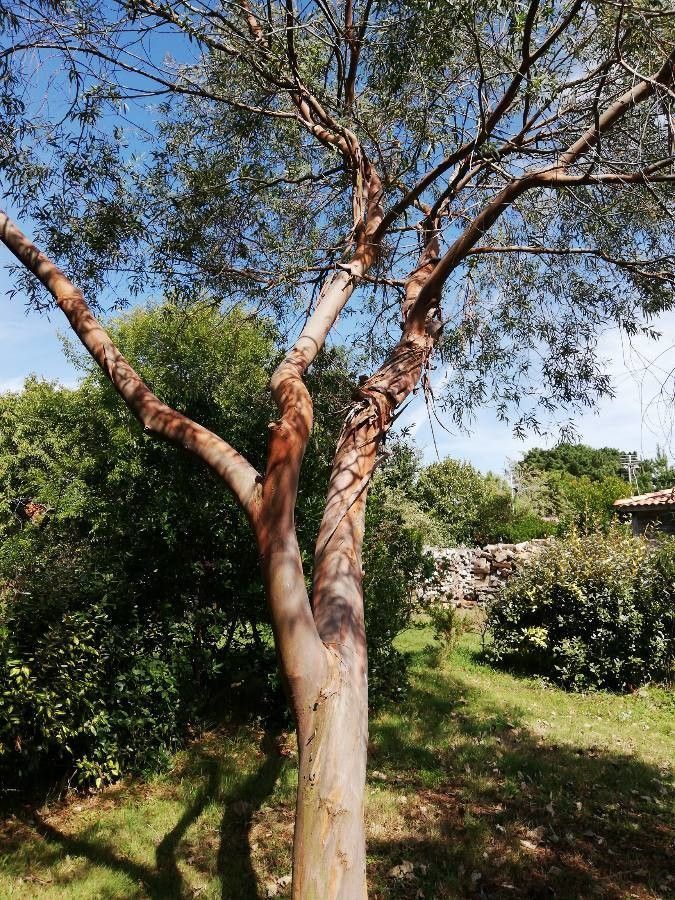
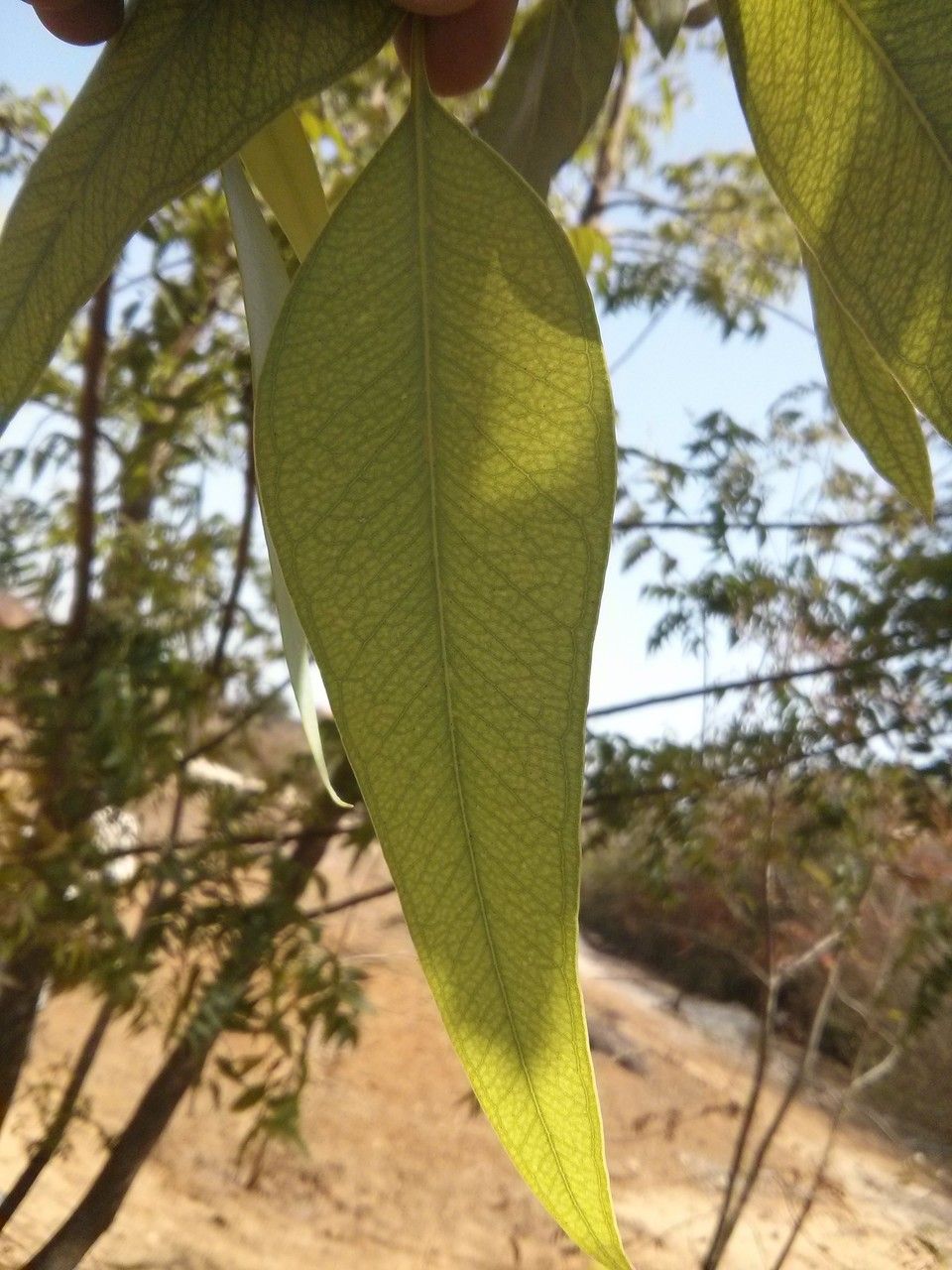
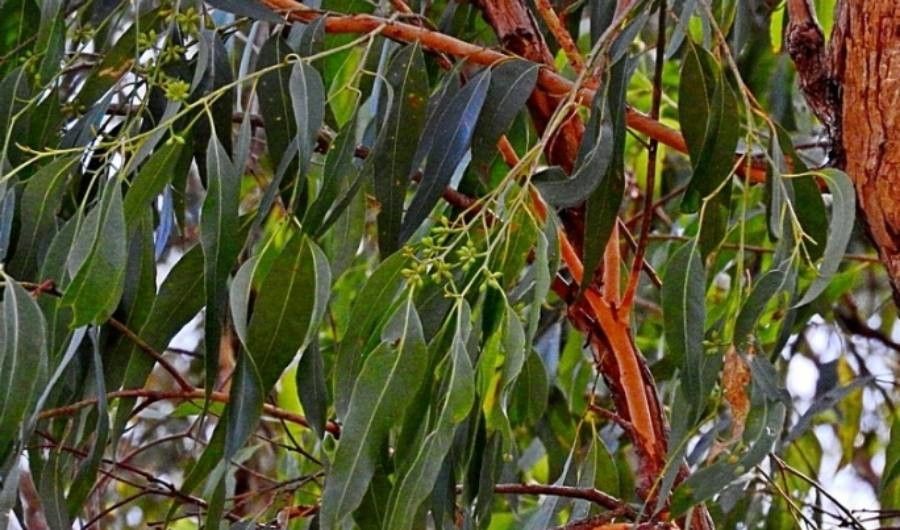
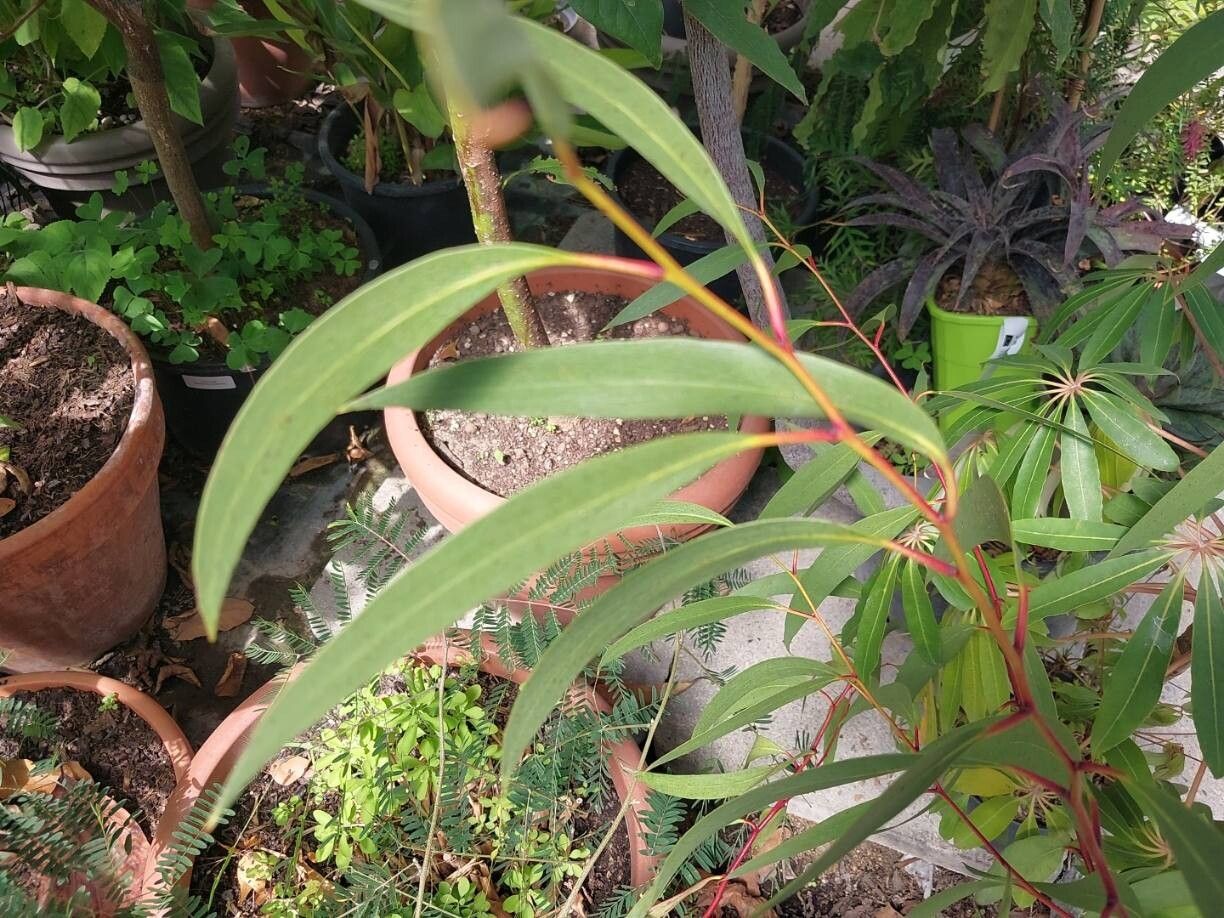
Eucalyptus caesia, commonly known as caesia or gungurru, is a species of mallee that is endemic to the south-west of Western Australia. It has smooth reddish brown bark at first, later shedding in curling flakes, lance-shaped, sometimes curved adult leaves, club-shaped flower buds covered with a waxy, bluish white bloom, pink stamens with yellow anthers and urn-shaped fruit.
Gungurru is highly disease-resistant and typically not prone to illnesses. With respect to care, this plant is fairly low-maintenance. Planted outdoors, it needs little watering, and larger specimens generally do not require pruning. Smaller plants, however, should be trimmed after they finish blooming. Gungurrut is appropriate for anyone with an outdoor area, such as a garden or deck, and does not demand extensive care experience.
How to keep Eucalyptus Caesia.
Light
Gungurru is native to open habitats, like sunny meadows and forest margins, which provide plentiful light. It does best in Full Sun but can also withstand Partial Sun, showing good adaptability to different light levels.
Water
Gungurru is well-suited for arid climates, demonstrating excellent drought tolerance and efficient water storage capabilities. To keep it healthy and thriving, it should be watered once a week. As an evergreen plant, Gungurru maintains its foliage throughout the year, adding greenery to gardens in a variety of climates with varying levels of water availability.
Temperature
Gungurru shows strong adaptability to a range of climate conditions, from blistering summers to freezing winters. It nevertheless has an ideal temperature window for growth. If temperatures become too high, the plant is vulnerable to heat and humidity stress, which can lead to its death. In areas where temperatures approach the lower limit of its cold tolerance, it is necessary to use insulation measures to protect the plant.
Fertilizer
Proper timing is essential for fertilizing Gungurru. Begin feeding in early spring and continue monthly until early summer. Fertilizer promotes attractive blooms and furnishes energy during both dormant and active growth stages.
Pruning
Gungurru is known for its striking silver foliage and beautiful pink flowers. To maintain its health and appearance, it's important to prune the plant from early to late winter. Focus on removing dead branches and thinning out dense areas to improve air circulation. Be sure to sterilize your tools before pruning to prevent the spread of disease. This practice encourages vigorous flowering and helps maintain the plant's shape and visual appeal.
Botanical profile.
- Plant Type
- Tree
- Life Cycle
- Perennial
- Genus
- Eucalyptus
- Family
- Myrtaceae
- Hardiness Zone
- 9-11
- Mature Height
- 6.1 m to 10.06 m
- Mature Spread
- 3.96 m to 6.1 m
- Leaf Color
- Blue
- Leaf Type
- Evergreen
- Flower Color
- Pink, Red
- Flower Size
- 3.05 cm to 4.06 cm
- Bloom Time
- Late summer, Early fall, Mid fall
- Planting Time
- Spring, Autumn
- Harvest Time
- Late fall, Early winter, Mid winter
Other names.