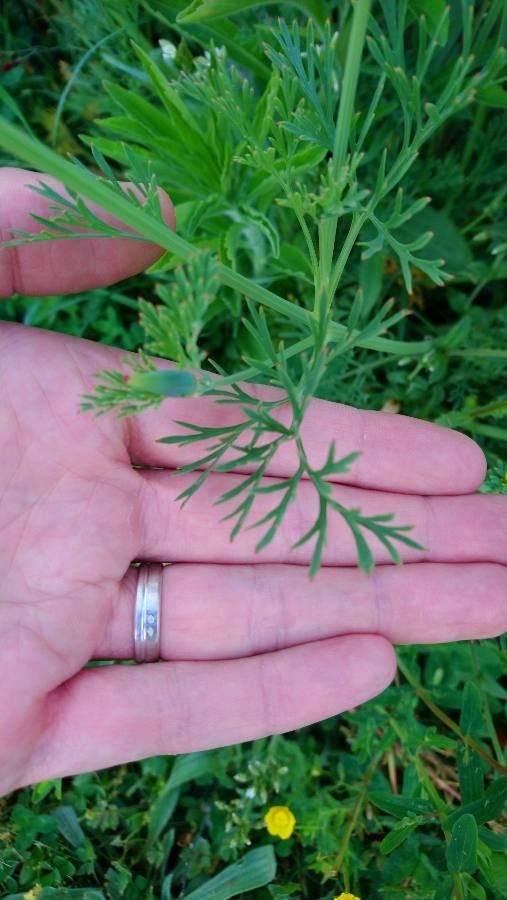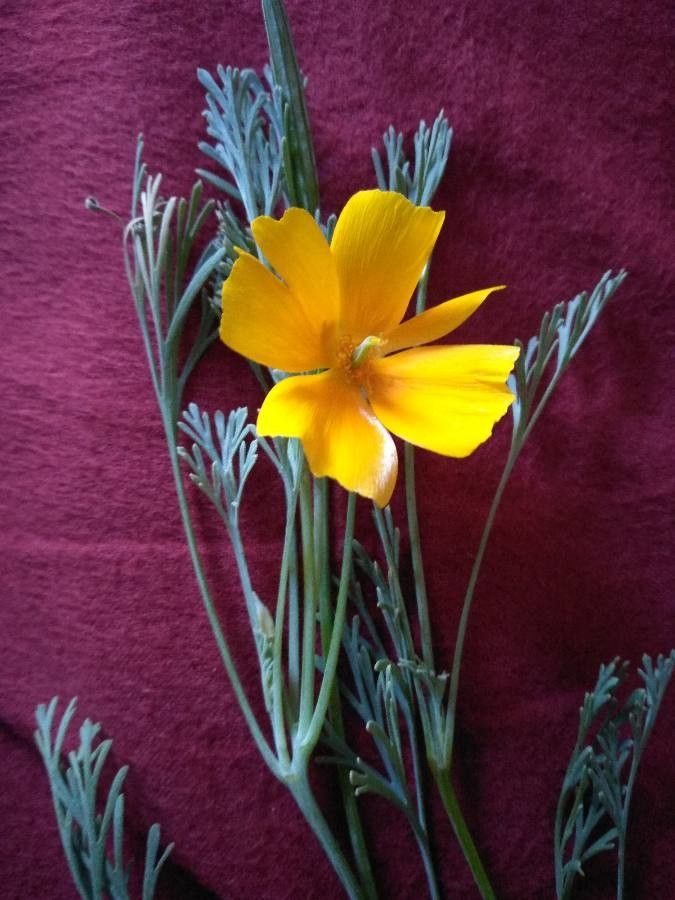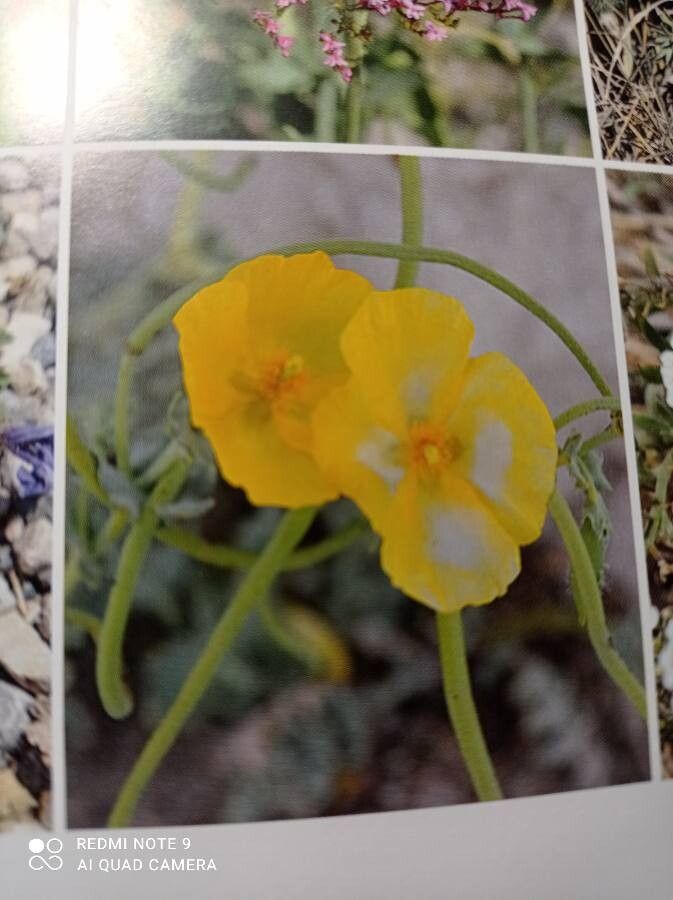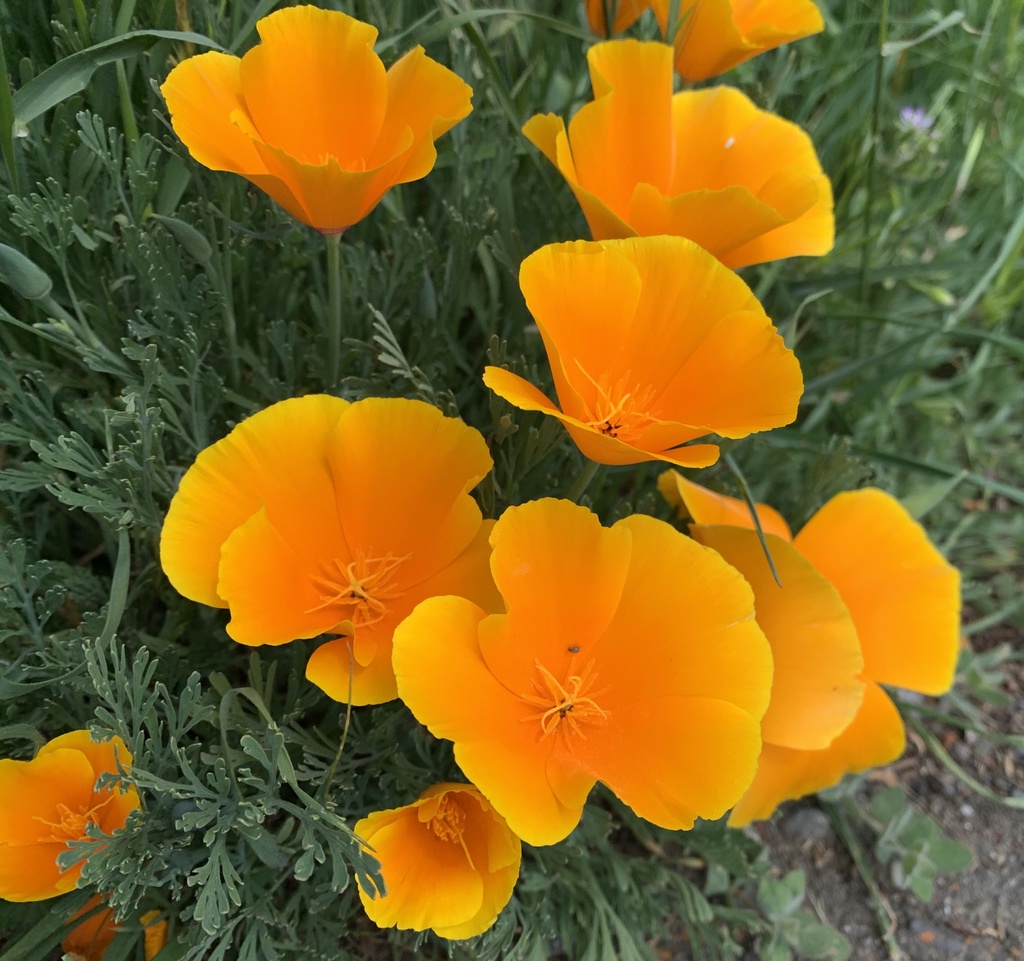
Eschscholzia californica, commonly known as the California poppy, is a flowering plant native to the western United States and Mexico. It belongs to the Papaveraceae family and can be either an annual or perennial herb, growing up to 60 cm tall. The plant features feathery blue-green leaves and produces striking orange or yellow flowers that bloom from late winter through early summer.
The California poppy is a favored garden plant due to its attractive flowers and ease of cultivation. It thrives in well-drained soil under full sun but can tolerate some shade in hotter climates. Additionally, the plant has medicinal properties, with its extract used as a natural sedative.
Moreover, the California poppy holds cultural significance for Native American tribes, who used it for medicinal purposes and spiritual ceremonies. Today, it remains an important symbol of California's natural beauty and heritage.
The California poppy was first documented in 1815 when Russian explorers and a botanist arrived in the Bay Area. Early Spanish settlers referred to the California poppy as the "cup of gold." According to legend, its petals could transform into gold and enrich the surrounding soil. FUN FACT · FROM THE LIBRARY
In summary, Eschscholzia californica is a beautiful and culturally significant flowering plant that can be enjoyed in both gardens and natural settings throughout the western United States.
The California poppy may look familiar to you, as it is widely cultivated across the state. Not only is it California's state flower, but it also appears on many of the welcoming signs along the highways. For this reason, it is commonly referred to as the California poppy.
The California poppy has strong resistance to disease and typically does not develop illnesses. Still, it can be affected by pests and diseases present in its environment. Such infections are generally mild. In terms of care, this plant requires moderate upkeep. It should be pruned regularly to preserve an attractive appearance and healthy growth. Applying fertilizer can also encourage flowering. The California poppy is suitable for people with outdoor spaces like a garden or patio and does not demand extensive care experience. When grown indoors, it may need more attention.
How to keep Eschscholzia Californica.
Light
The california poppy flourishes in abundant sunlight, receiving unobstructed light throughout the day for optimal growth. However, it also tolerates conditions with reduced sun exposure. Its various growth stages are unaffected by changes in light. Excessive exposure can cause stress, while insufficient exposure impedes flowering. It is naturally adapted to habitats with substantial sunlight.
Water
The California poppy thrives in dry habitats due to its excellent drought tolerance. It should be watered moderately, about once a week, as it prefers dry conditions. This plant performs best outdoors, where it can benefit from natural rainfall and the seasonal climate changes that mimic its native environment.
Humidity
This plant will thrive in moderate humidity, which is probably the level in your home. However, misting it a few times a week can be very beneficial. Make sure the room has good ventilation.
Temperature
The California poppy originates in temperate regions and specifically thrives at temperatures of 68 to 95 °F (20 to 35 ℃). For optimal growth, adjust its placement to meet these thermal needs, moving it indoors during colder seasons if necessary.
Fertilizer
Begin feeding the California poppy again once most of its flowers have opened to full size. At about the time of peak bloom, fertilize every three to four weeks, as weather allows. Then stop fertilizing after the plant begins to produce fewer new flowers; there's no need to feed it when it can no longer produce additional blooms.
Pruning
To encourage blooming and maintain the shape of California poppies, prune them in the spring. Remove spent flowers to prevent self-seeding, and trim back any leggy stems to promote vigorous growth. This approach enhances air circulation, reduces the risk of disease, and results in a strong, abundant display of flowers throughout the season.
Pot & Repot
When repotting California poppy, choose a pot about 1–2 inches (2.5–5.1 cm) larger in diameter and ensure it has good drainage. Use a well-draining potting mix and consider adding perlite for extra drainage. Repot in spring or early summer, then water thoroughly and place it in a shady location at first.
Botanical profile.
- Plant Type
- Herb
- Life Cycle
- Annual, Perennial, Biennial
- Genus
- Eschscholzia
- Family
- Papaveraceae
- Hardiness Zone
- 7-10
- Mature Height
- 30 cm to 61 cm
- Mature Spread
- 15 cm to 20 cm
- Leaf Color
- Green, Blue, Gray
- Leaf Type
- Deciduous
- Flower Color
- Orange, Yellow
- Flower Size
- 2.03 cm to 11.43 cm
- Bloom Time
- Spring, Summer, Early fall
- Planting Time
- Autumn, Spring, Summer
- Harvest Time
- Mid spring, Late spring, Summer, Fall
- Native Area
- Western United States
Other names.
Reader questions.
When should I water my California Poppy?
To determine the right time to water your California Poppy (Eschscholzia californica), check the soil for dryness by inserting a finger or a soil moisture meter into the soil to about 1-2 inches depth. If the soil is dry, it's time to water. Additionally, look for signs such as wilting or droopy leaves, a change in leaf color to a duller shade or yellowish tone, and slower growth or blossoms not opening as these indicate the plant needs water. Watering too early or too late can lead to root rot or stunted growth respectively, so monitoring for these signs is essential for the plant's health.
When should I fertilize my California poppy for best results?
California poppy thrives early in the growing season once the risk of frost has passed. It is recommended to fertilize the plant during planting, whether it is in the ground or in planters. This initial dose of fertilizer is enough until the blooms are in full force later in the year. Once the plant is producing abundant blooms, it's time to resume fertilizing every three to four weeks as weather allows. However, once the plant starts producing fewer new blooms, there is no need to continue fertilizing.
What are the sun requirements for a California Poppy?
The California Poppy thrives in conditions ranging from full sun to partial sun. Full sun means the plant should receive above 6 hours of sunlight daily, while partial sun refers to about 3-6 hours of sunlight. It's crucial to watch how sunlight moves through your garden and choose spots that provide a perfect balance of light and shade, ensuring your plants' happiness and health.
What are the optimal growing temperatures for California poppy?
The California poppy, known botanically as Eschscholzia californica, thrives in temperate areas with optimal temperatures ranging between 68 to 95 °F (20 to 35 °C). To ensure optimal growth, it's important to adjust the plant's location based on the current climate, moving it indoors during colder seasons if necessary. Although the California poppy possesses strong cold resistance and does not usually require special frost protection measures, precautions should be taken if winter temperatures are expected to drop significantly.
How should I water my California Poppy?
Water your California Poppy using a bottom-watering method by placing the plant pot in a tray or saucer filled with water, allowing the roots to absorb water from the bottom up. This technique prevents excessive moisture on the foliage, which can reduce the risk of fungal diseases. Use a watering can with a narrow spout to water directly at the plant's base to avoid wetting the foliage. Employ a moisture meter for accurate watering needs assessment, focusing on watering when the top inch of soil feels dry. Avoid overwatering the foliage and adjust your watering schedule based on the specific environmental conditions.
What kind of plant food should I use for my California poppy?
Most types of California poppy require a specific balance of nutrients from fertilizer, which should be a high-yield blooming plant formula with a higher level of phosphorus. It is recommended to choose a fertilizer with a higher P number in its NPK number, like 10-30-10. Many fertilizer brands offer suitable options for blooming plants like California poppy, making it easy to provide the necessary nutrients. If using a pre-mixed fertilizer, follow the package instructions to prevent the plant from receiving excessive or insufficient fertilizer, as both can result in poor growth or wilting.
How does the California Poppy react to different sunlight exposures?
The California Poppy shows remarkable resilience in various sunlight conditions. It flourishes under ample sunlight throughout the day for optimal growth and displays resilience even in less sun-exposed conditions. Although its growth stages remain unaffected by changes in light exposure, overexposure can lead to stress, and insufficient sunlight may inhibit flowering. This adaptation allows it to thrive naturally in environments with considerable sun presence.
How does low temperature affect California poppy and what are the solutions?
California poppy is cold-tolerant, best thriving in temperatures above its minimum suitable growth temperature. During winter, it is crucial to keep it above its tolerable growing temperature minimum. Should temperatures fall below its growth limit, while no immediate changes may be noticed in winter, there could be a reduction in sprouting or no sprouting at all come spring. To mitigate this, any parts of the plant that have failed to sprout in spring should be removed.
How much water does California Poppy really need?
The water requirement for California Poppy depends on several factors including the pot size, root depth, and plant size. Typically, a mature plant in a small pot may need around 250-500 milliliters per watering session, whereas a larger plant might need up to 1-2 liters. A well-hydrated California Poppy will have bright green leaves, sturdy stems, and vibrant flowers. Overwatering can lead to root rot, indicated by yellowing leaves and a mushy root appearance, while underwatering causes wilting and reduces flower production. To ensure proper watering, check the soil’s moisture level with a moisture meter or by feeling the soil, and use well-draining soil and containers with drainage holes.
Why do I have to add fertilizer to my California poppy?
Plants, including California poppy, require nutrients to survive. This is common knowledge among most gardeners, regardless of their experience. However, if California poppy doesn't receive enough nutrients, it will die soon after the first pollination. To ensure the plant thrives throughout the blooming season and produces beautiful flowers, it's important to provide the right type and amount of nutrients. Fertilizer is especially beneficial for California poppy due to its thin and delicate root system, which can easily be damaged. By fertilizing during planting, the plant can develop a strong and stable root structure, setting the stage for an impressive flowering performance. Furthermore, when timing the fertilization correctly, it can significantly extend the flowering period of California poppy.
What solutions are available for indoor California Poppies lacking natural sunlight?
For indoor California Poppies lacking natural sunlight, artificial lighting serves as an essential solution. Adequate lighting promotes faster, healthier growth. LED lights are recommended as they can be customized to provide specific wavelengths needed by plants. Full sun plants require 30-50W/sq ft, partial sun plants need 20-30W/sq ft, and full shade plants should get 10-20W/sq ft of artificial light. It's important to place the light source 12-36 inches above the plant and mimic natural daylight hours, typically 8-12 hours per day, to ensure optimal growth.
How does high temperature affect California poppy and what are the solutions?
In the summertime, it is vital to ensure the California poppy's environment does not exceed its maximum suitable growth temperature. Exceeding its tolerable growing temperature maximum can lead to leaves becoming lighter in color, prone to curling, susceptible to sunburn, and in severe cases, causing the entire plant to wilt and dry up. To address this, trim away any sunburned or dried-up parts of the plant. Moving the plant to a location with shade, especially from midday and afternoon sun, or using a shade cloth can offer protection. Additionally, watering the plant in the mornings and evenings helps keep the soil moist and supports plant health.