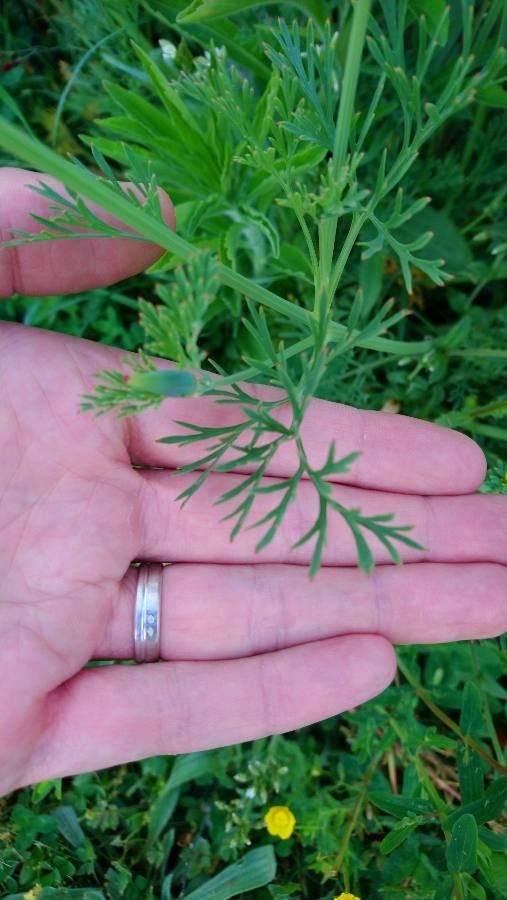
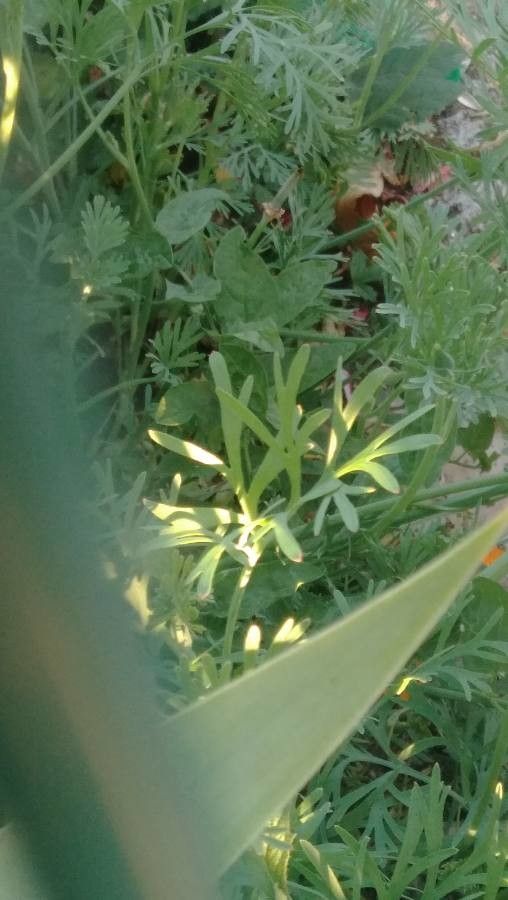
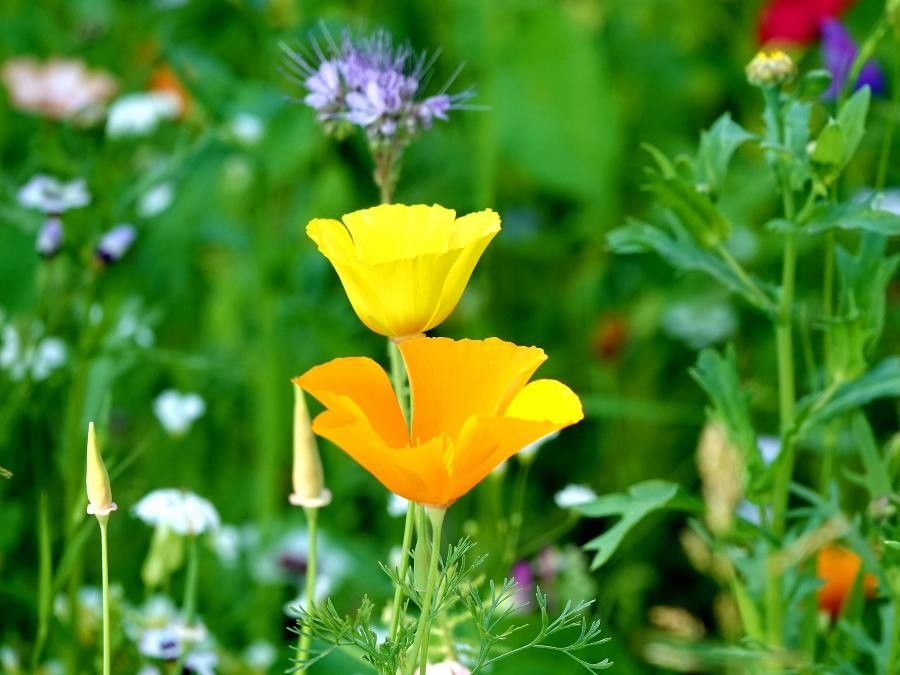
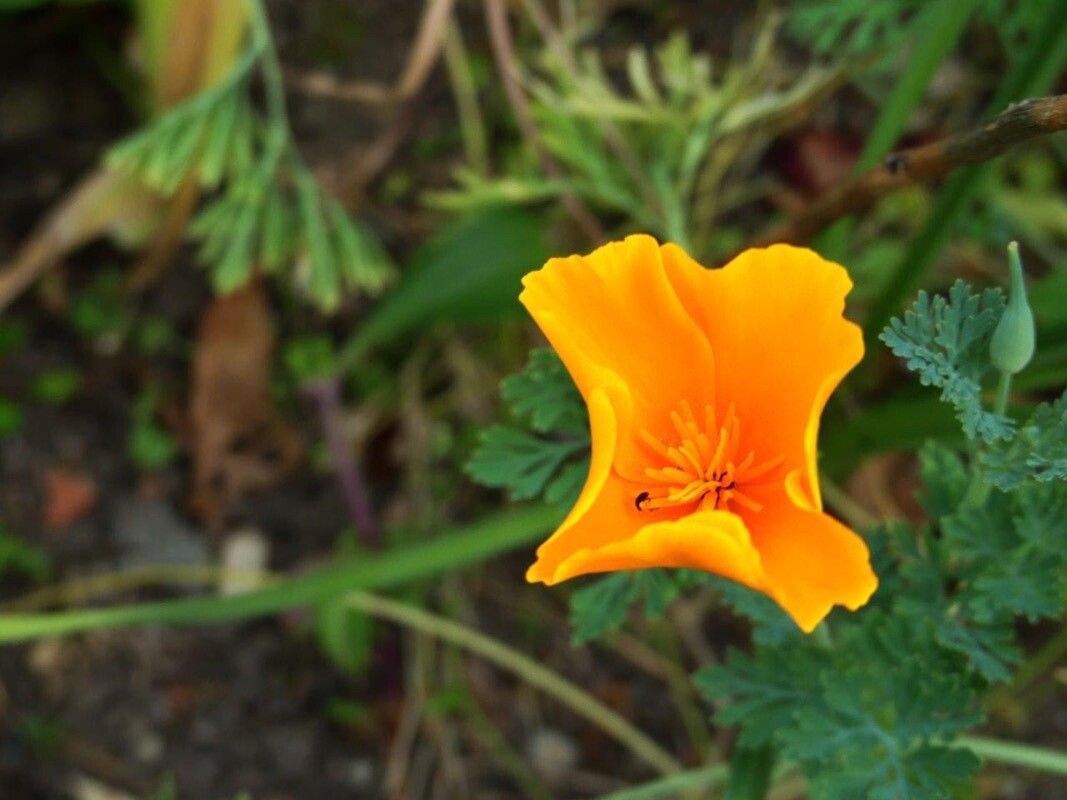
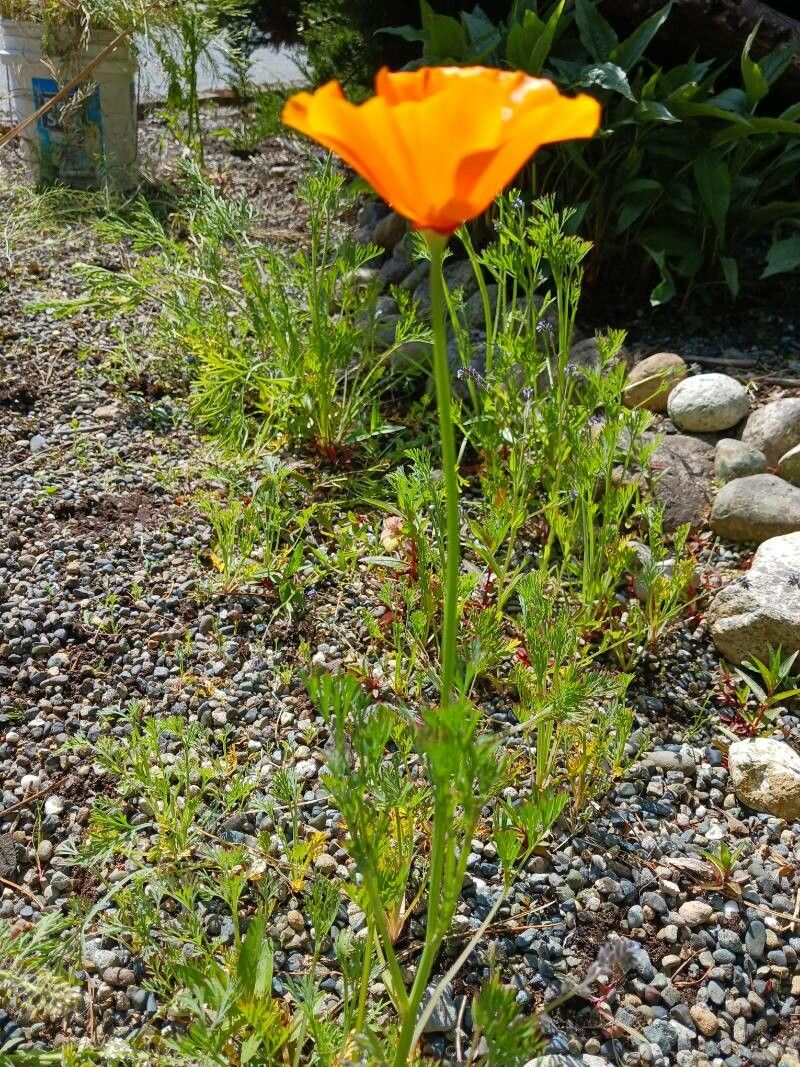
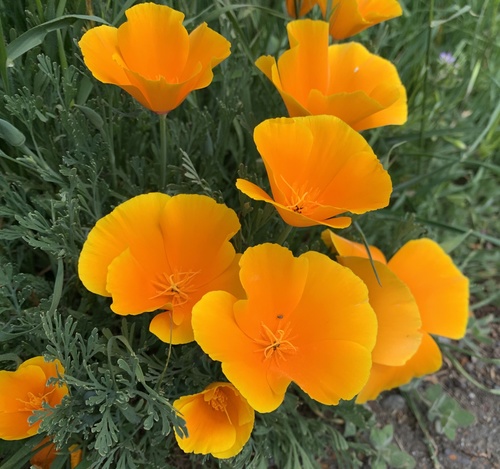
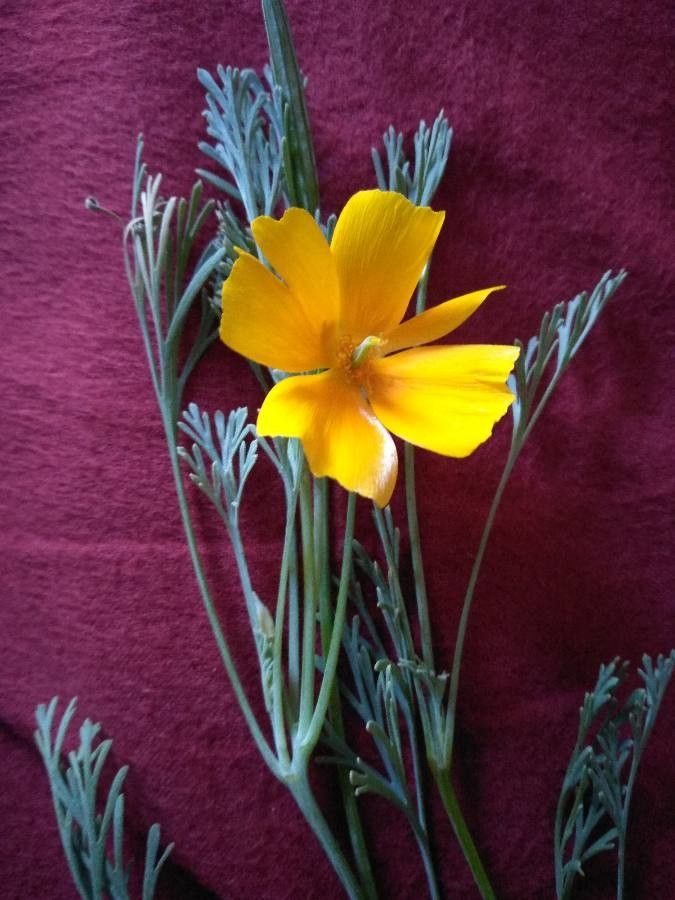
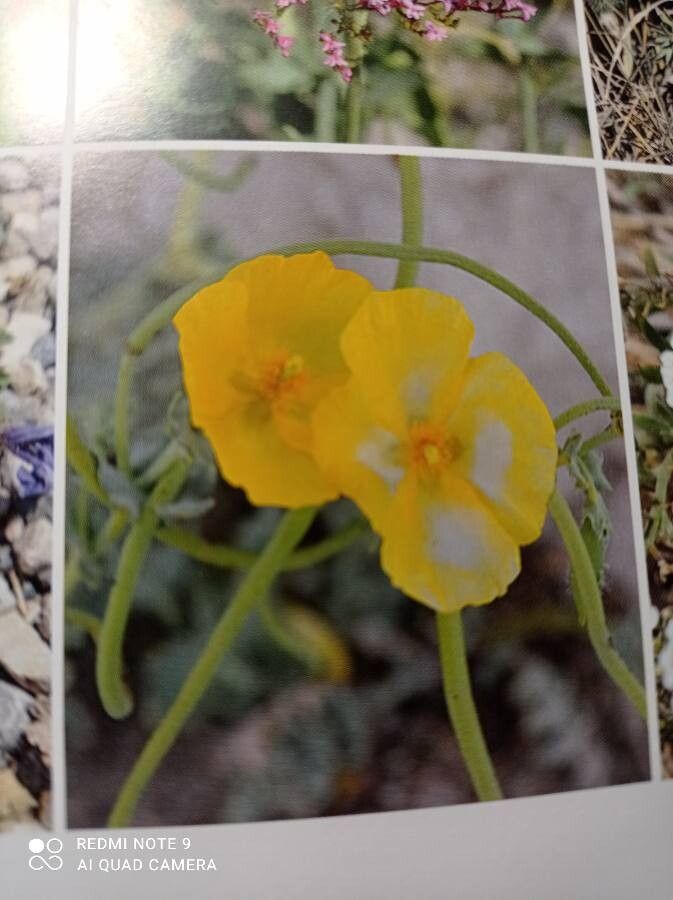
Eschscholzia caespitosa is a species of poppy known by the common names foothill poppy, tufted poppy and collarless California poppy. It is native to western North America from Oregon, across California, to Baja California where it is a member of the chaparral plant community.
Tufted poppy is fairly resistant to disease and typically not prone to illnesses. However, it can be vulnerable to pests and diseases found in its surroundings. These infections are usually mild. Regarding care, this plant needs moderate maintenance. It should be pruned regularly to preserve a good appearance and support healthy growth. Fertilizing can also help encourage flowering. Tufted poppy is suitable for anyone with outdoor space, such as a garden or patio, and does not require extensive care experience. It may need more attention when grown indoors.
How to keep Eschscholzia Caespitosa.
Light
The tufted poppy grows best in constant sunlight and can tolerate partly sunny conditions. Intense sun is important for its health, although too much can cause damage such as sun-scorch. Its natural habitat provides unshaded sunlight throughout the day, which aids its growth and flowering. Likewise, a lack of sun can impair metabolic functions and extend its growth period.
Water
Tufted poppy is well-suited to arid regions, needing very little moisture and only weekly watering when cultivated. It flourishes in a well-draining environment similar to its natural habitat. The plant also benefits from dry periods that mimic natural rain patterns, which improve its drought tolerance.
Temperature
Tufted poppy is native to climates with temperatures of 68 to 95 °F (20 to 35 ℃). It thrives in these warm conditions for optimal growth. In cooler seasons, measures like planting indoors or applying a warming mulch are recommended.
Fertilizer
When a Tufted poppy has opened most of its blooms to full size, resume fertilizing. At the time the blooms are at their peak production, fertilize again every three to four weeks, weather permitting. Then, once the Tufted poppy begins producing fewer new blooms, stop fertilizing; there's no need to fertilize when the plant can no longer produce additional blooms.
Pruning
To keep your tufted poppy healthy and vibrant, consider these pruning tips: - Perform early spring pruning to remove dead stems and improve the plant's shape. - Deadhead spent blooms regularly to extend the flowering period. - Avoid heavy pruning during peak bloom to prevent stress on the plant. - Proper pruning enhances the plant’s vitality, boosts flower production, and reduces the risk of disease. For more detailed information, consult reputable horticultural sources.
Botanical profile.
- Plant Type
- Herb
- Life Cycle
- Annual, Biennial, Perennial
- Genus
- Eschscholzia
- Family
- Papaveraceae
- Hardiness Zone
- 8
- Mature Height
- 30 cm
- Mature Spread
- 30 cm
- Leaf Color
- Green, Gray
- Leaf Type
- Evergreen
- Flower Color
- Yellow, Orange
- Flower Size
- 2.03 cm to 5.08 cm
- Bloom Time
- Spring
- Planting Time
- Autumn
- Harvest Time
- Late spring, Early summer, Mid summer
- Native Area
- Mexico
Other names.
Reader questions.
How should I water my Tufted poppy in the best way?
Tufted poppy is not particular about how it's watered, so you have various options such as a garden hose, watering can, or any other typical watering tool. However, it's best not to water this plant from above as it can harm the leaves and flowers, and even lead to disease. Instead, a drip irrigation system is recommended as it provides even and direct watering to the soil. If you have a Tufted poppy in a container, you can use a cup, watering can, or your tap to water it directly at the soil.
Why should I put fertilizer on my Tufted poppy plant?
Plants, including the Tufted poppy, require nutrients to survive. This is a well-known fact among gardeners, regardless of their experience level. Without proper nourishment, the Tufted poppy will die out shortly after its first pollination. To ensure the plant thrives throughout the blooming season and produces large, beautiful flowers, it is crucial to provide the right nutrients in the correct amounts. Fertilizer plays a pivotal role in helping the Tufted poppy develop a sturdy root system, which is necessary as its roots are delicate and prone to damage. By fertilizing the plant at the time of planting, a strong foundation is established, offering both stability and setting the stage for an impressive floral display. If timed appropriately, fertilization can significantly prolong the blooming period of the Tufted poppy.
What are the sun requirements for Tufted poppy?
The Tufted poppy requires full sun, which means it needs more than 6 hours of sunlight daily to thrive. It can also tolerate partial sun conditions, implying about 3-6 hours of sunlight. The right amount of sunlight is crucial for the plant's growth, flowering, and overall wellbeing. Observing how sunlight moves through your garden and choosing spots that provide the perfect balance of light and shade can ensure your plants' happiness.
What are the ideal temperature conditions for growing a Tufted Poppy?
Tufted Poppy, known botanically as Eschscholzia caespitosa, thrives in warm climates with temperatures ranging from 68 to 95°F (20 to 35°C). These conditions are optimal for the plant's growth. During colder seasons, it is recommended to adjust the temperature by indoor planting or using warming mulch to maintain these optimal conditions. Despite its strong cold resistance, special frost protection measures are not typically necessary. However, if temperatures are expected to drop below -10°C during winter, providing cold protection by covering the plant with soil or straw is crucial. It's also beneficial to water the plant abundantly before the first freeze in autumn to keep the soil moist and protect against drought and water scarcity during the colder months.
If I give my Tufted poppy too much water or not enough, what should I do?
The remedy for underwatering Tufted poppy is simple - just water it regularly when you notice it lacks moisture. However, overwatering can be a more serious issue, potentially leading to diseases and even death for the plant. To prevent this, choose a sunny location with good drainage to avoid waterlogged soil. If your potted Tufted poppy is overwatered, consider changing to a new pot with proper drainage. Use loose soil and a pot that drains efficiently while repotting.
When should I fertilize my Tufted poppy for the best results?
Tufted poppy experiences rapid growth in the early part of the growing season, once the last frost has passed. This is the best time to fertilize the plant, ideally during planting. Whether you choose to plant it in the ground or in planters, make sure to apply the fertilizer at this stage. This will be the only fertilizer dose until later in the year, when the plant is in full bloom. Once the growing season is in full swing and the Tufted poppy has bloomed most of its flowers, it's time to resume fertilizing. Start fertilizing once every three to four weeks, depending on the weather, when the blooms are at their peak. However, once the plant starts producing fewer new blooms, you can stop fertilizing. There's no need to fertilize when the plant is no longer capable of producing more blooms.
How important is sunlight for the Tufted poppy's health?
Sunlight is essential for the Tufted poppy's health, as the plant thrives best under continual sun exposure and can manage in semi-sunny conditions. Extreme sun exposure is vital for its health, although excessive sunlight may cause issues such as sun-scorch. The plant's natural habitat is unshadowed, providing it with full sun throughout the day. This aids in its growth and flowering, whereas a lack of sunlight can hinder its metabolic functions and prolong the growth period.
How does the Tufted Poppy react to low temperatures?
The Tufted Poppy is cold-tolerant and prefers temperatures above 20°C. During the winter, it is essential to keep the plant above 0°C. Although the plant may not show noticeable changes when temperatures fall below -10°C, this could lead to a reduction in sprouting or even no sprouting during the spring. The solution to this issue is to remove any parts of the plant that have failed to sprout as spring arrives.
How often should I give water to my Tufted poppy?
Tufted poppy requires regular watering throughout the growing season. In spring, water the plant about once per week. As the season progresses and the weather gets warmer, you may need to water it two to three times per week. However, be careful not to overwater, as this can harm the plant. It's important to keep the soil moist but not wet, regardless of how often you need to water. Watering a potted Tufted poppy is slightly different. Generally, you'll need to water it more frequently because the soil in pots can dry out faster than ground soil. In most cases, plan to water a potted Tufted poppy a few times per week, compared to just once per week for a plant in the ground.
When is the best time to not put fertilizer on my Tufted poppy?
Regular fertilizing is important for Tufted poppy, but it is crucial to apply it at the right time. In certain situations, it is necessary to hold back on fertilizing. These situations are often related to the climate, but can also involve controllable factors. When there is an issue with the plant, the soil, or the climate, it is best to wait until the problem is resolved and the plant has recovered. For instance, if there are sudden and severe changes in the weather, such as a cold spell during the summer, it is advisable to wait until the weather warms up before fertilizing. Similarly, if the soil becomes excessively dry or compacted, it is not recommended to apply fertilizer. In such cases, the fertilizer will bypass the soil and directly reach the roots, which is not ideal for the Tufted poppy's roots. Moreover, during the hottest parts of the day when temperatures reach 90 degrees Fahrenheit, it is important to refrain from fertilizing. This is because high temperatures can cause the fertilizer to break down too quickly. Additionally, it is crucial to address any pest or disease issues before re-fertilizing.
What solutions are available for Tufted poppies that don't receive enough natural sunlight?
For Tufted poppies that don't receive enough natural sunlight, artificial lighting is a viable solution. Indoor plants require adequate lighting for optimal growth, especially when natural sunlight is insufficient. LED lights are recommended for indoor plant lighting as they can be customized to provide specific wavelengths needed by plants. The light intensity should be 30-50W/sq ft for full sun plants, 20-30W/sq ft for partial sun plants, and 10-20W/sq ft for full shade plants. The light source should be placed 12-36 inches above the plant and turned on for 8-12 hours per day to mimic natural daylight hours.
What should be done if a Tufted Poppy experiences high temperatures?
During summer, it's important to ensure that the temperature around a Tufted Poppy does not exceed 35°C. Temperatures above 38°C can cause the leaves to lighten in color, become prone to curling, suffer from sunburn, and in severe cases, lead to the entire plant wilting and drying out. To mitigate these effects, it's advisable to trim away any sunburned and dried-up parts of the plant. Moving the plant to a shaded location or using a shade cloth to protect it from midday and afternoon sun can also be beneficial. Additionally, watering the plant in the morning and evening will help keep the soil moist and further protect the plant from heat stress.