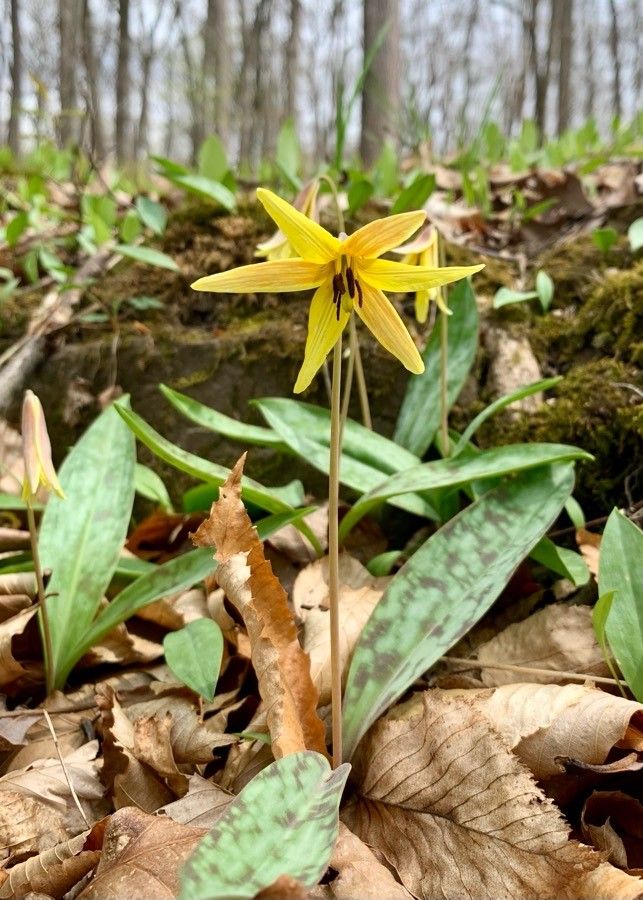
Erythronium rostratum, commonly known as the Yellow Trout Lily, is a perennial plant species in the Liliaceae family. It is native to North America and can be found in various regions such as Texas, Oklahoma, Missouri, and Arkansas.
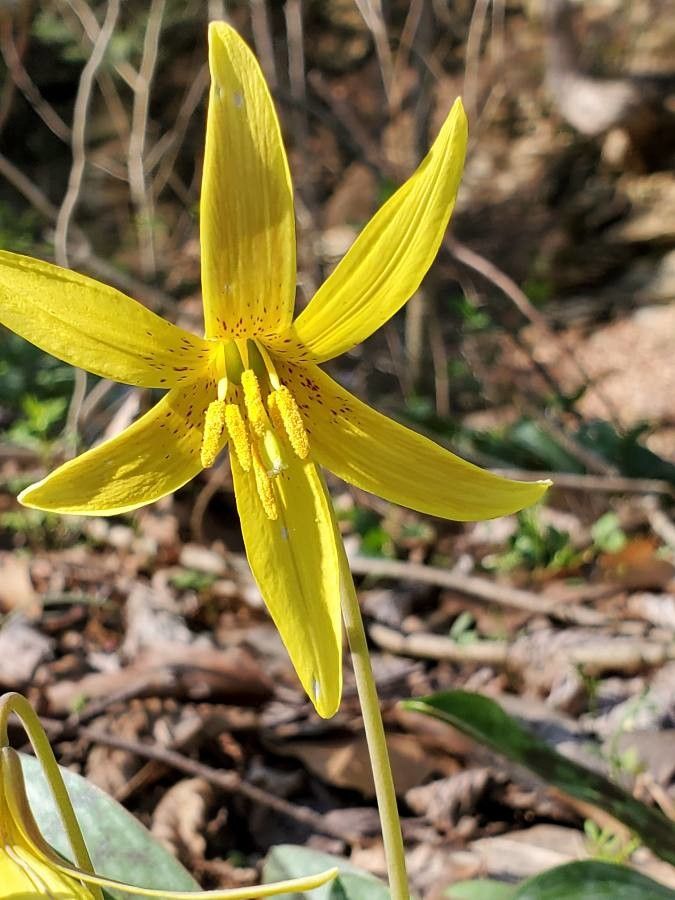
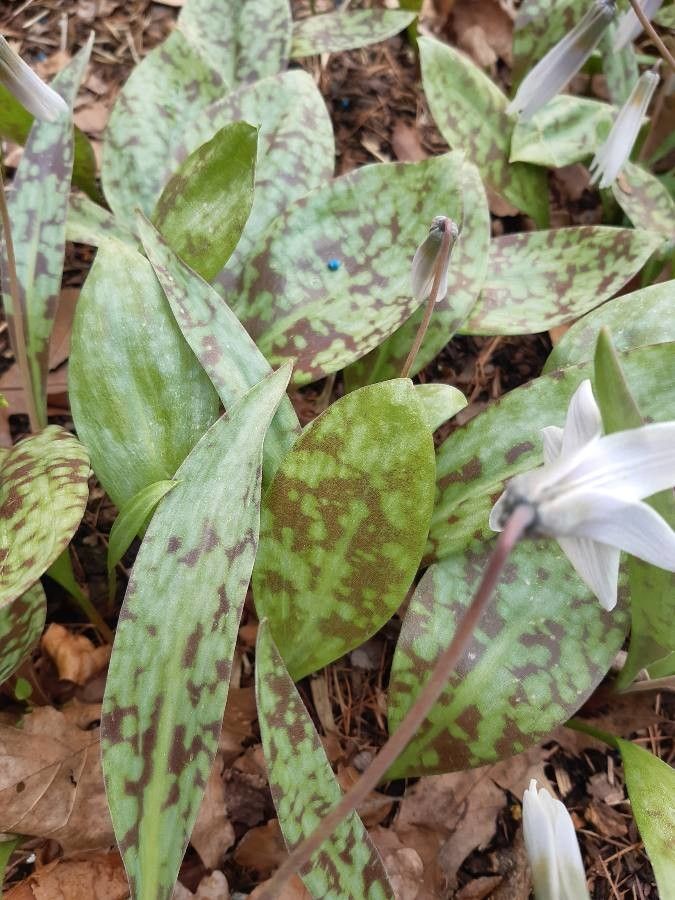
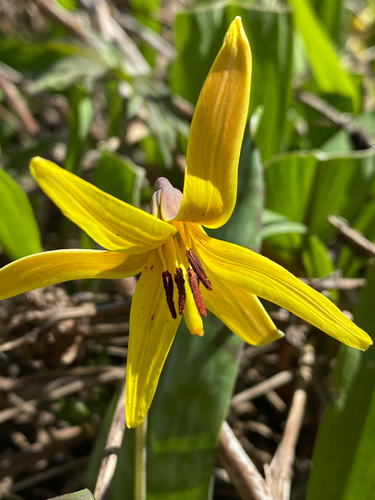
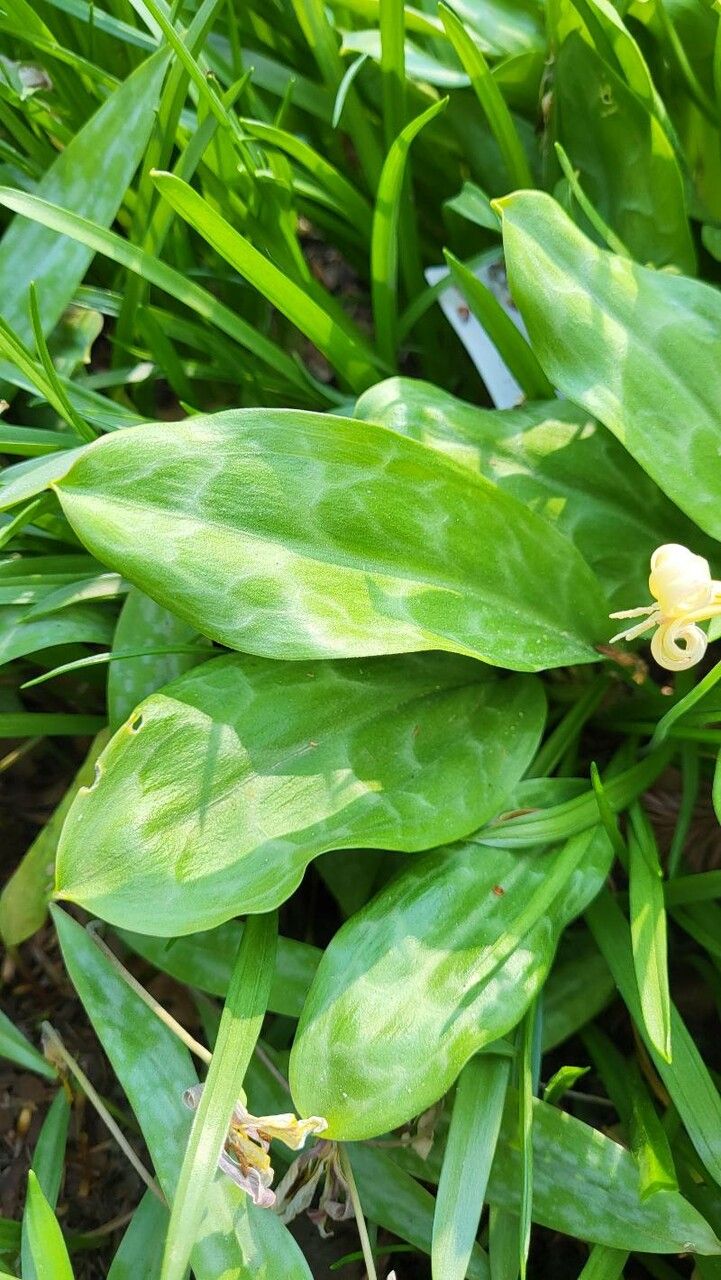
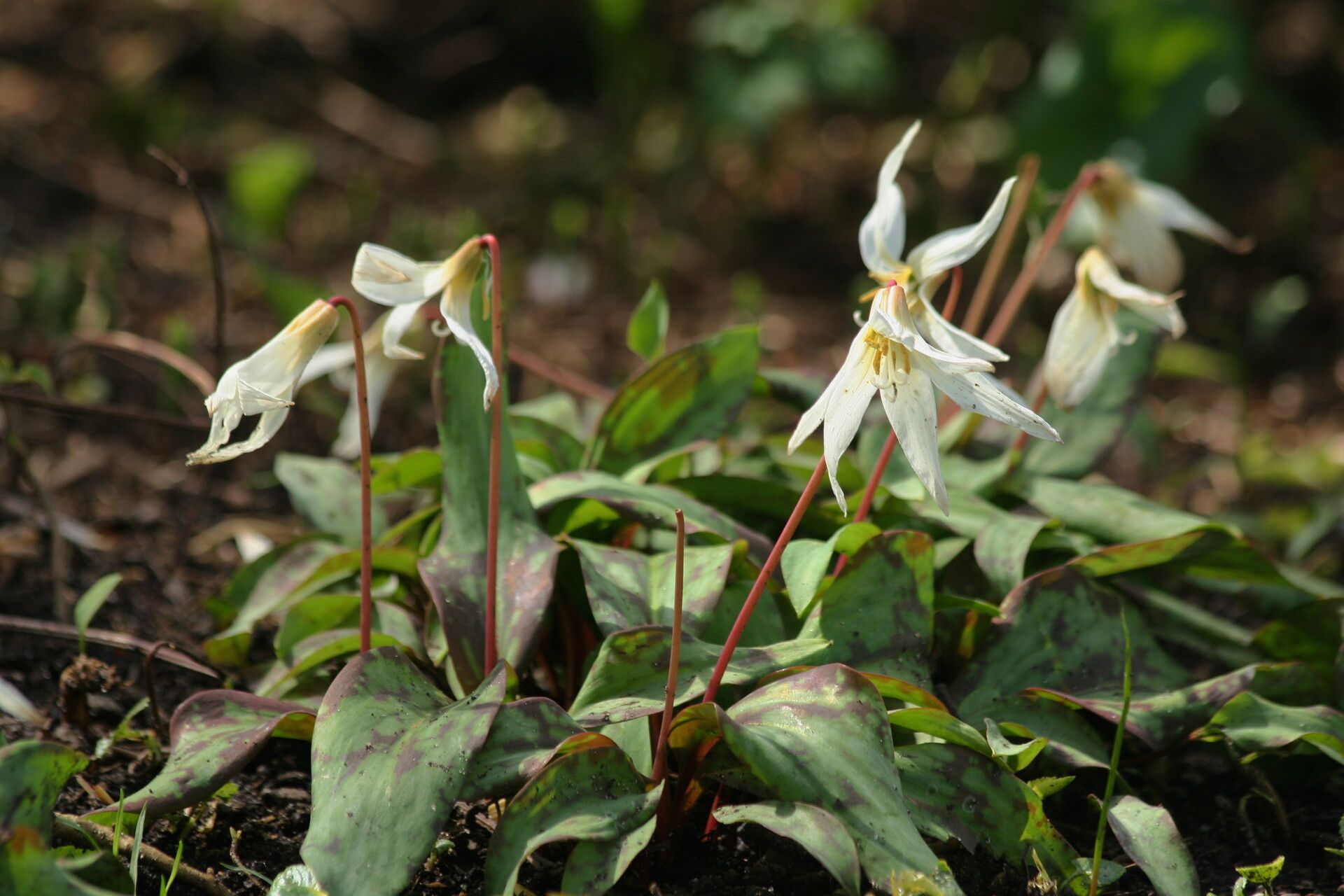
The plant can grow up to 30 cm tall and features a basal rosette of lance-shaped leaves with pointed tips. The green leaves are distinctively marked with brownish-purple spots, which give them a unique appearance. The flowers of Erythronium rostratum are yellow, with six petals that curve backward, lending the plant an elegant look.
The Yellow Trout Lily thrives in moist soil conditions and is typically found in woodlands or along streamsides, where it receives partial shade or dappled sunlight. It blooms in early spring, from March to April.
Historically, Native Americans have utilized Erythronium rostratum for medicinal purposes, treating ailments such as coughs, colds, and sore throats due to its anti-inflammatory properties.
Overall, Erythronium rostratum is an attractive plant species that enhances the beauty of its natural habitat while also providing medicinal benefits when used appropriately.
How to keep Erythronium Rostratum.
Pruning
The yellow trout lily is known for its vibrant yellow flowers and mottled leaves. To enhance its health, prune this plant in early spring by removing dead leaves and spent stems. Light pruning encourages more blooms and improves its appearance. However, avoid heavy pruning, as this delicate species thrives best with minimal interference, which helps maintain its vitality and longevity.
Botanical profile.
- Plant Type
- Herb
- Life Cycle
- Perennial
- Genus
- Erythronium
- Family
- Liliaceae
Other names.
Reader questions.
What are the sunlight requirements for Yellow troutlily?
Yellow troutlily (Erythronium rostratum) thrives in full shade, needing less than 3 hours of sunlight per day. It's important to monitor the sunlight moving through your garden to find the ideal balance of light and shade to ensure the plant's well-being.