Erythronium dens-canis, commonly known as the dog's tooth violet or adder's tongue, is a perennial plant in the Liliaceae family. Native to Europe and Asia, it flourishes in woodlands, meadows, and rocky areas.
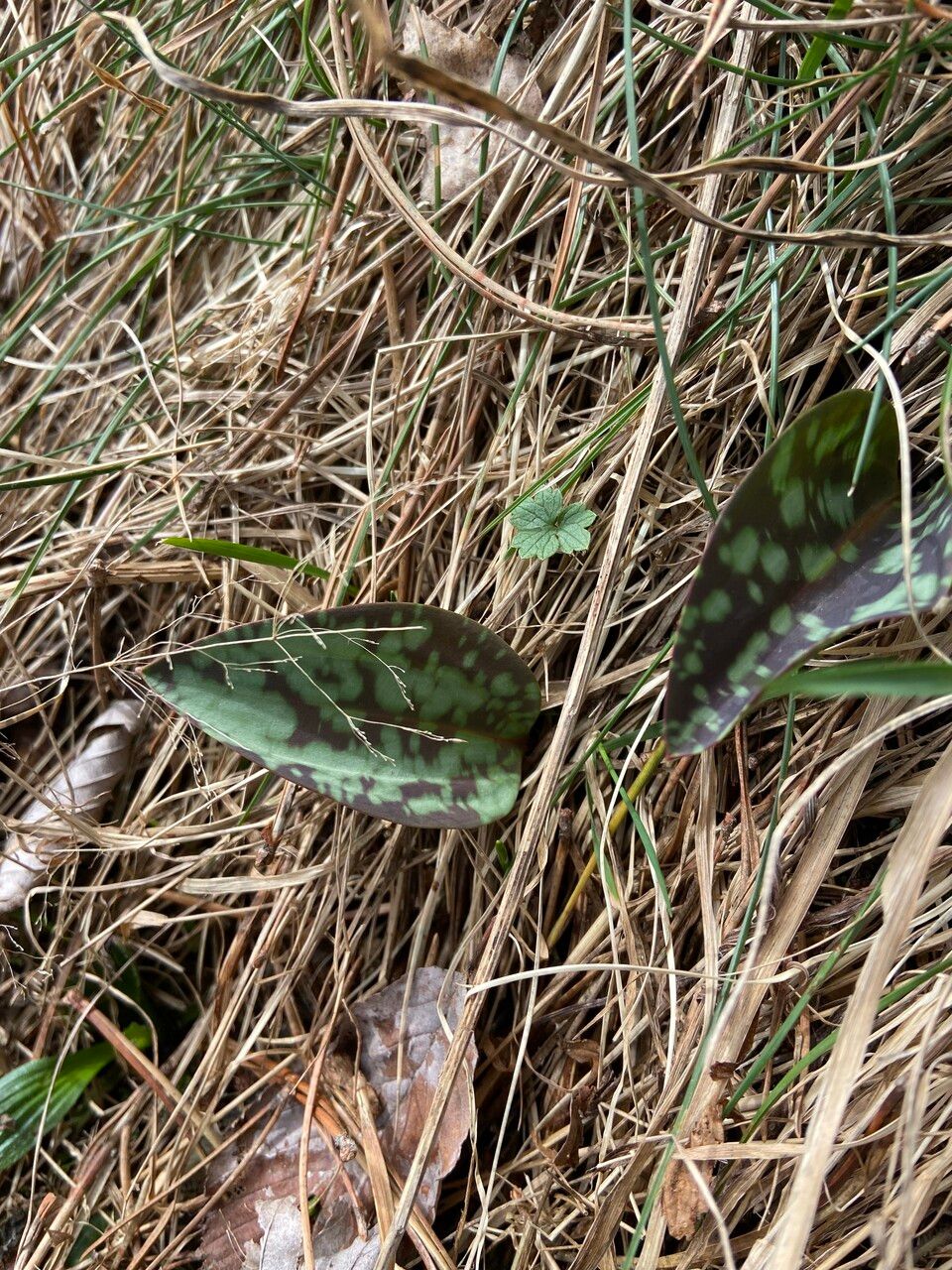
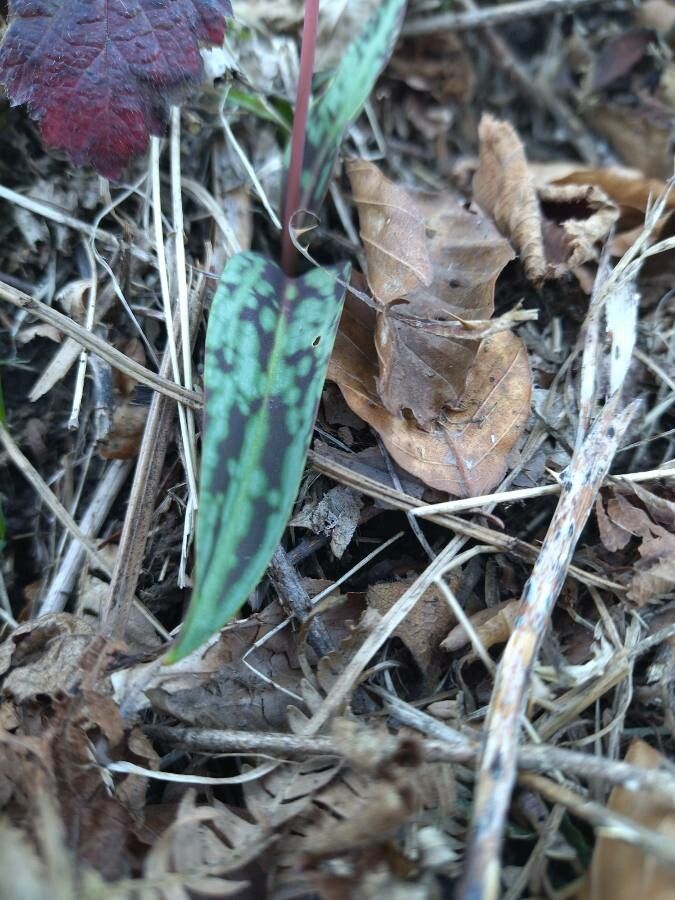
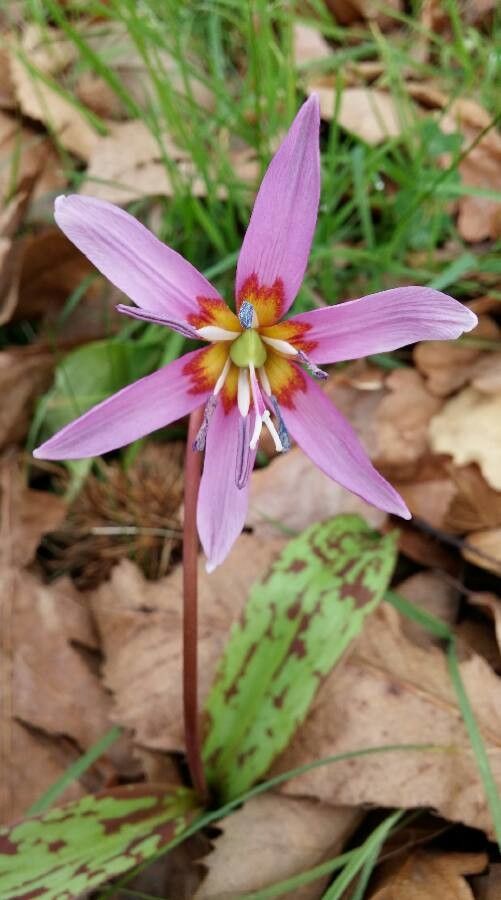
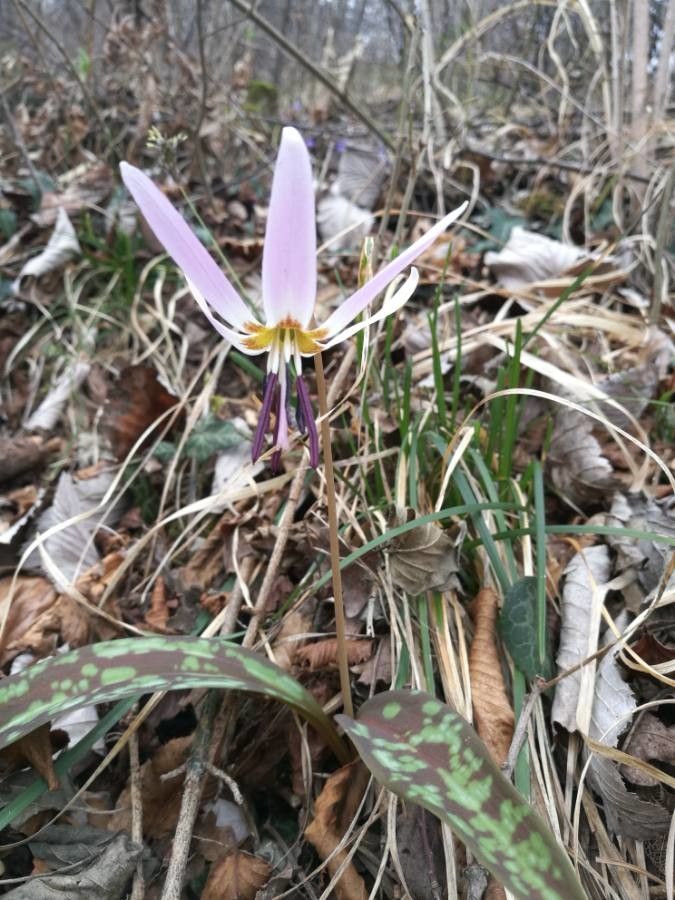
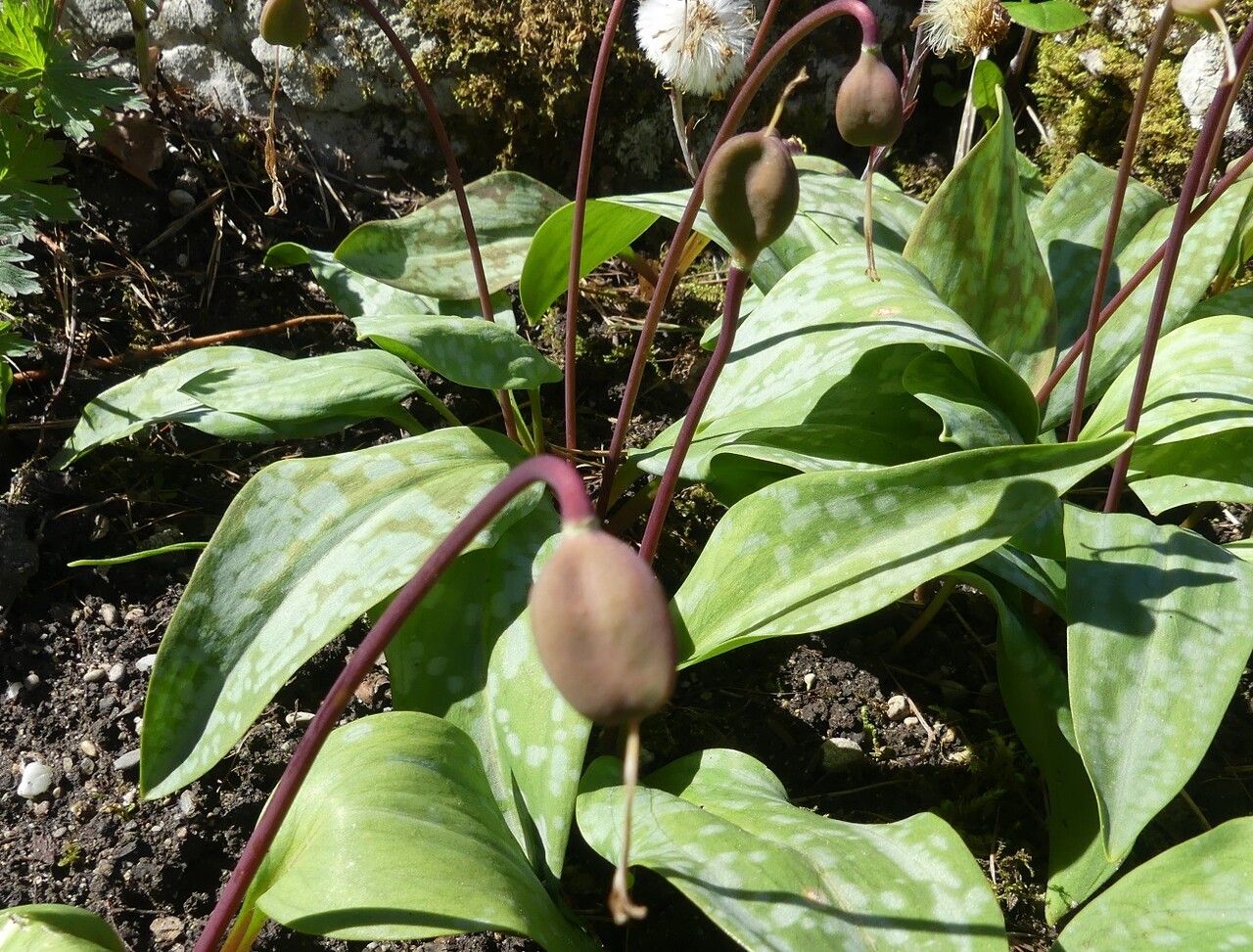
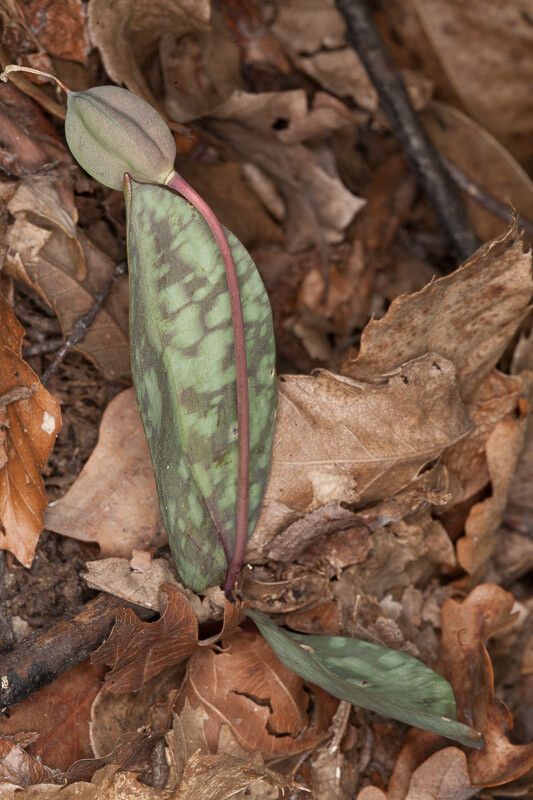
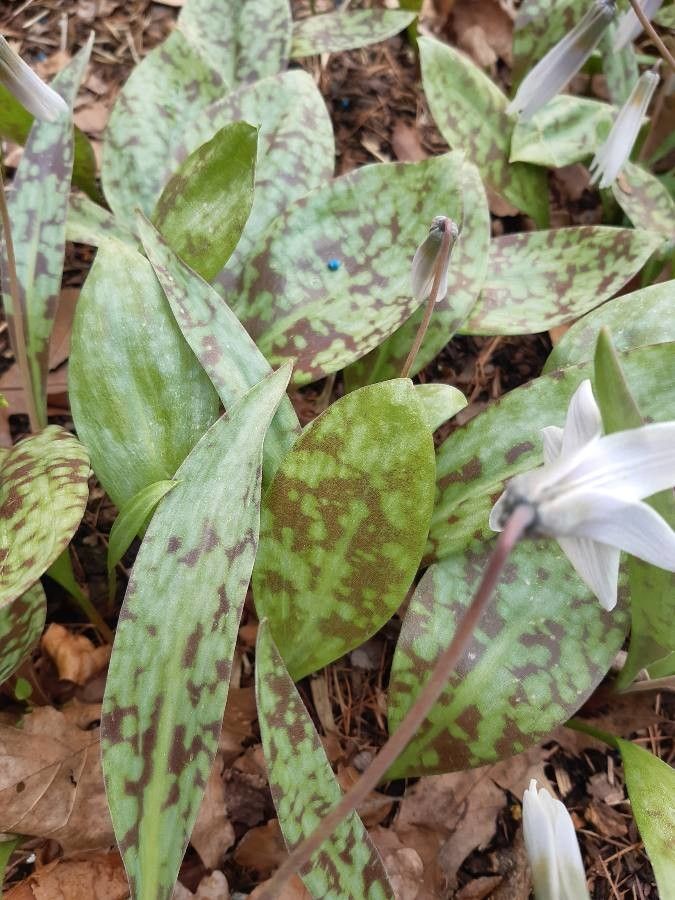
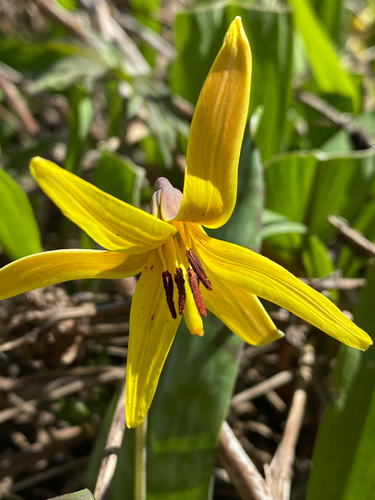
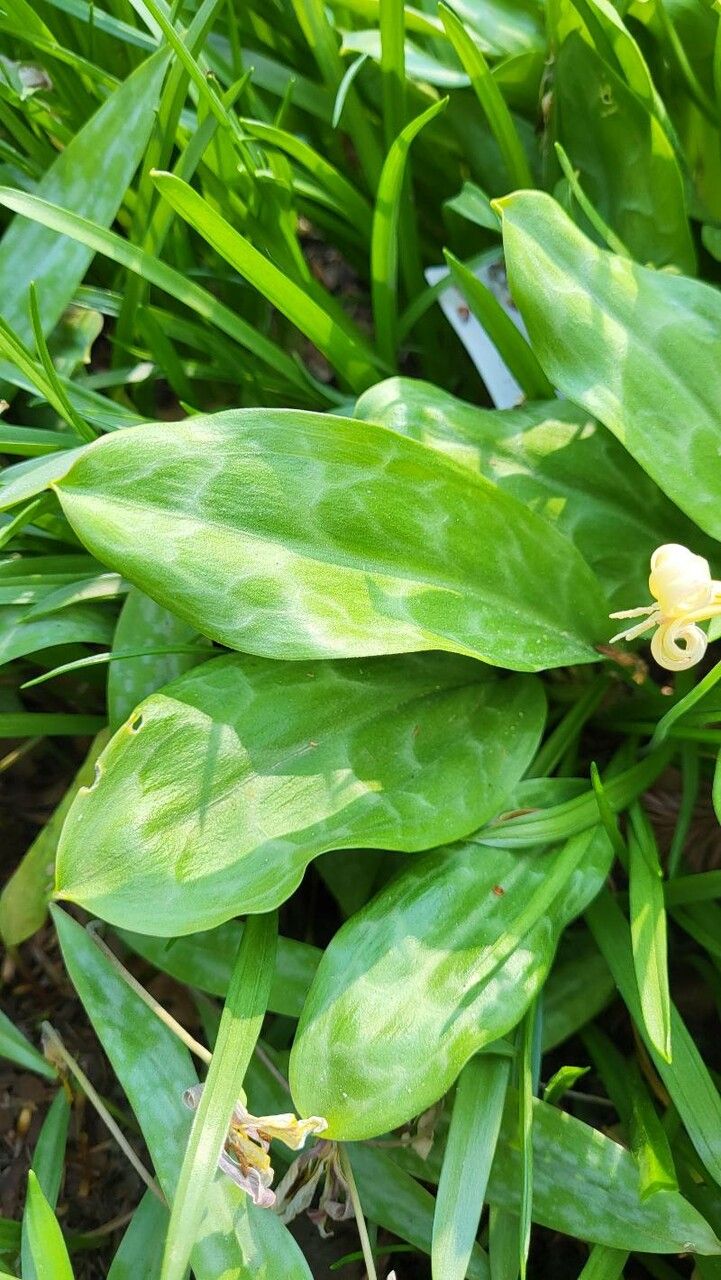
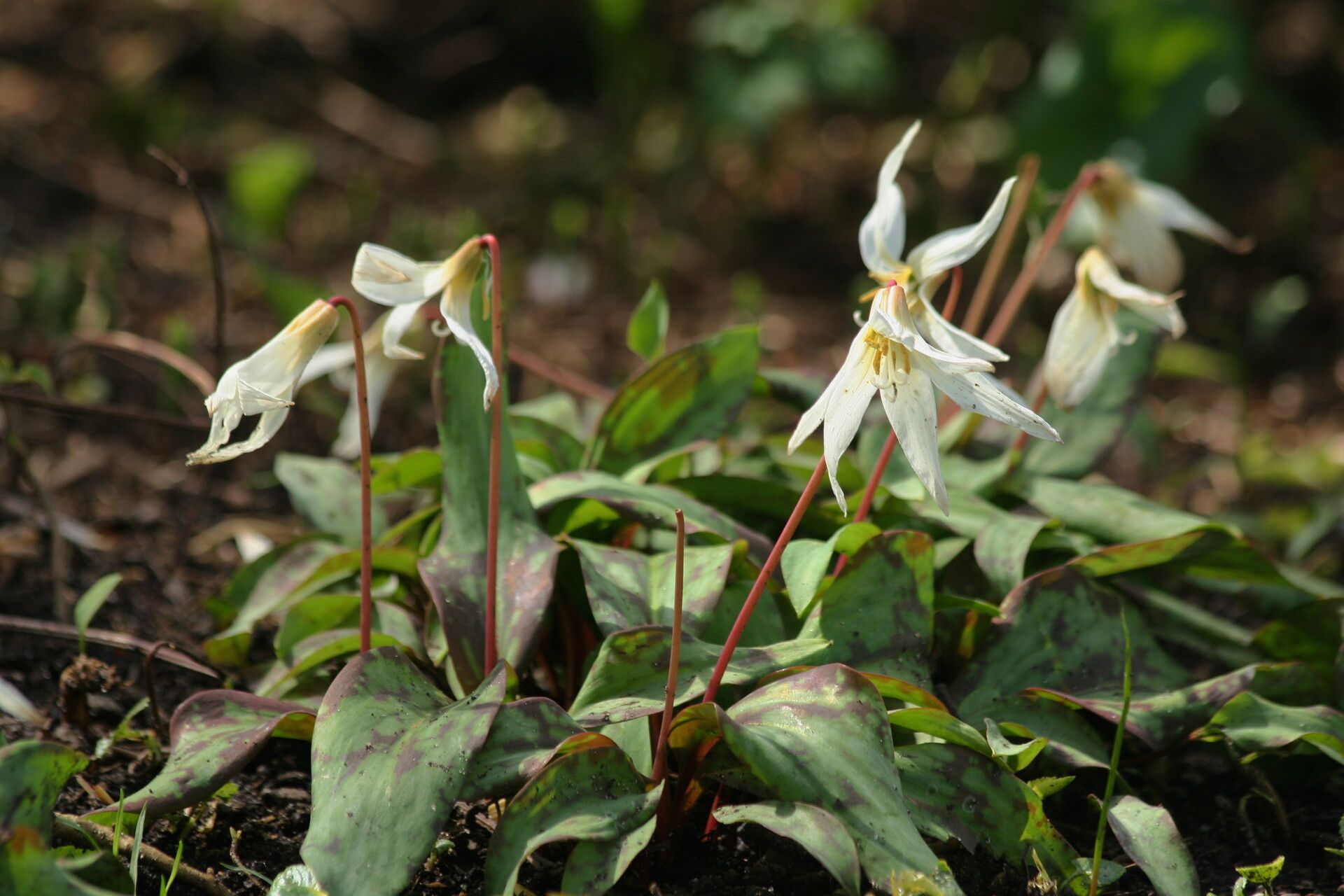
This plant features a bulbous root system that produces one or two leaves in early spring. The lance-shaped leaves are mottled with green and brown markings. In mid-spring, flowers bloom on stalks separate from the leaves, typically showcasing pink or white petals with yellow centers.
Erythronium dens-canis thrives in well-drained soil rich in organic matter. While it can tolerate partial shade, it prefers full sun exposure. The plant requires regular watering during its growing season but should be allowed to dry out during its dormant period.
Traditionally, the dog's tooth violet has been utilized for its anti-inflammatory properties in medicinal practices. However, due to its toxic compounds, it should not be consumed without proper medical supervision.
Overall, Erythronium dens-canis is a stunning addition to any garden. Its unique foliage and delicate early spring flowers make it a standout feature.
Botanical profile.
- Plant Type
- Herb
- Life Cycle
- Perennial
- Genus
- Erythronium
- Family
- Liliaceae
- Hardiness Zone
- 3-7
- Mature Height
- 25 cm
- Mature Spread
- 6 cm to 10 cm
- Leaf Color
- Green, Brown
- Leaf Type
- Deciduous
- Flower Color
- Lavender
- Flower Size
- 5.08 cm
- Bloom Time
- Early spring, Mid spring
- Planting Time
- Spring
- Harvest Time
- Late spring, Early summer
- Native Area
- Austria, Slovakia, Romania, Montenegro, Bulgaria, Greece, Croatia, Slovenia, Ukraine, Serbia, Italy, Spain, Switzerland, France, Albania, Hungary, Portugal
Other names.