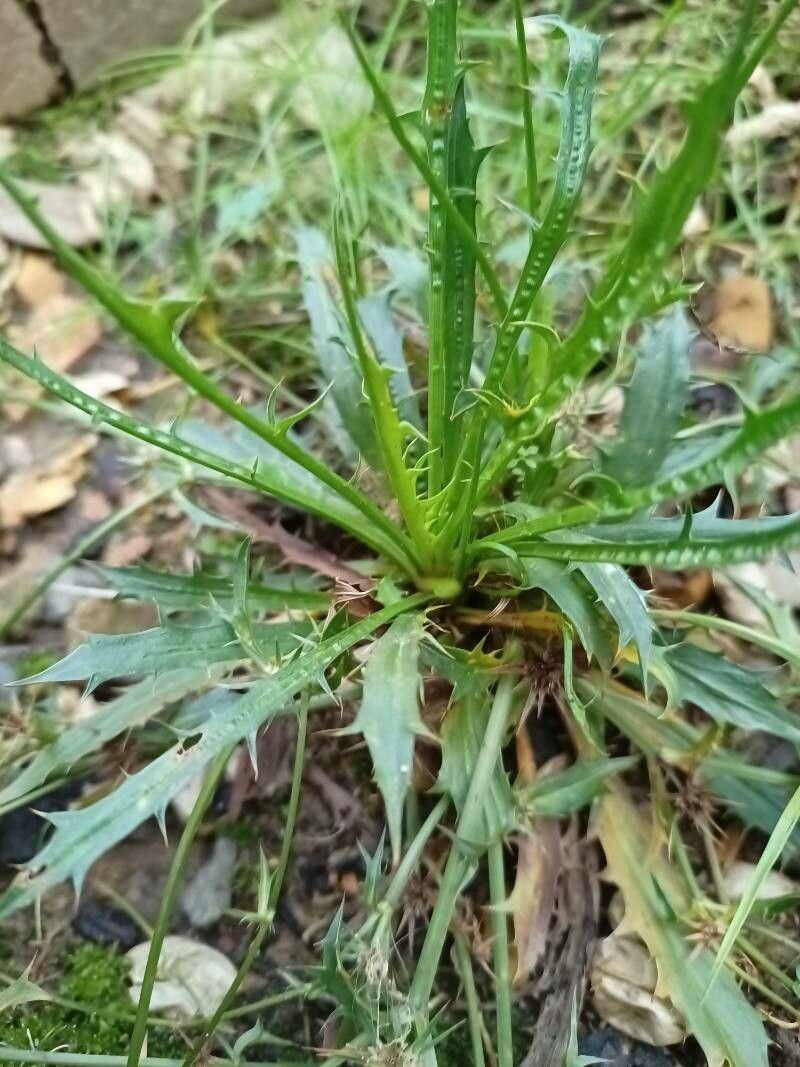
Sea holly is fairly resistant to disease and is generally not prone to illness. However, it can be vulnerable to pests and diseases present in its surroundings, and these issues are usually mild. In terms of upkeep, this plant needs a moderate amount of care. It should be pruned regularly to keep a good appearance and promote healthy growth. Fertilizing can also help encourage flowering. Sea holly is suitable for anyone with outdoor space, such as a garden or patio, and does not require extensive care experience. It may need more attention when grown indoors.
How to keep Eryngium Vesiculosum.
Light
The sea holly plant is a perennial herb that thrives under sunny conditions and originally hails from open landscape environments like meadows and grasslands. While it has a strong preference for full sunlight, it can also withstand conditions of partial sun.
Temperature
Sea holly possesses the capacity to adjust to a broad spectrum of temperature environments, however, various combinations of hydrological and thermal conditions may still restrict its dispersion. It flourishes optimally in high-temperature climates during summer, provided there is enough rain or irrigation. Extended spells of overcast, rainy weather or extreme heat can heighten the chance of Sea holly perishing. During winter, appropriate safeguarding from the cold can enhance the plant's prospects for survival.
Fertilizer
The primary fertilization period for Sea holly is in the early spring when the flowers are developing. The appropriate fertilizer promotes improved blooming and assists the Sea holly in producing beautiful flowers. Early spring fertilization guarantees superior blossoms throughout the season and supplies energy for the stages of dormant growth.
Pruning
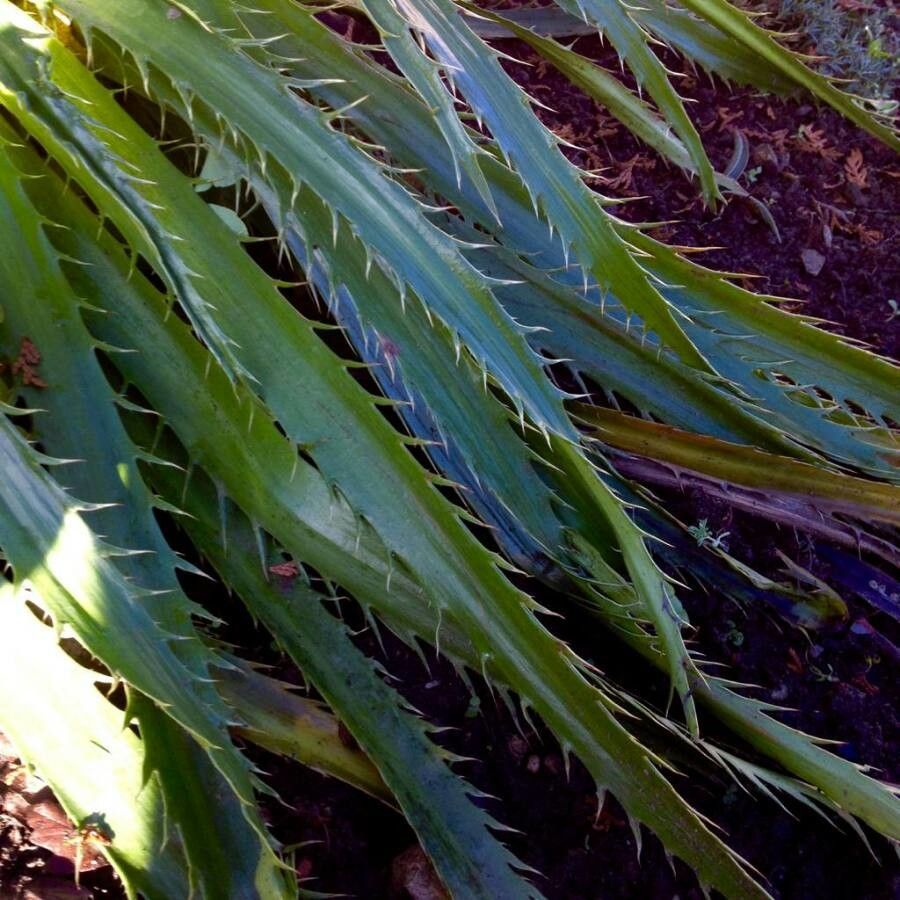
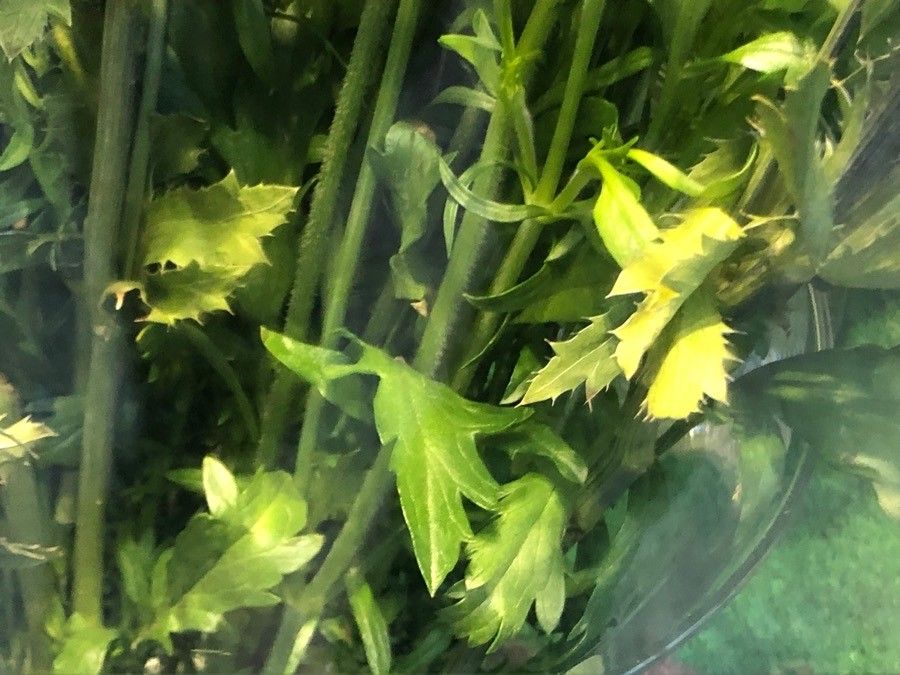
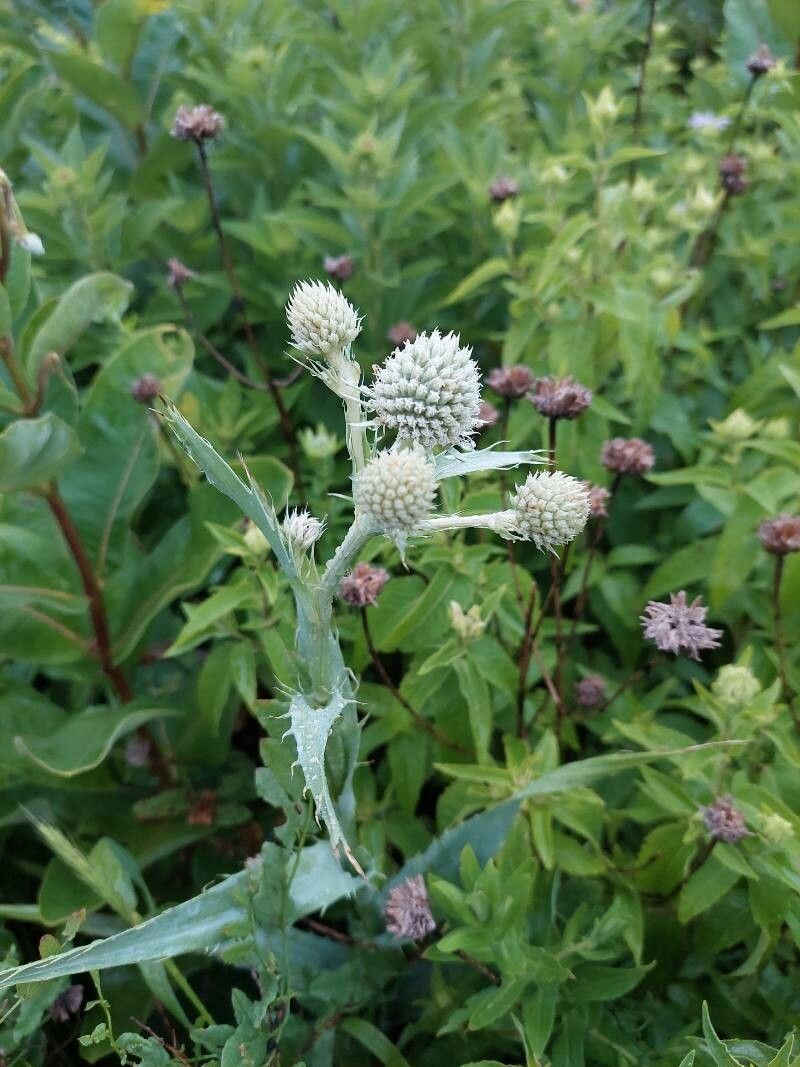
Sea holly features distinctive thistle-like leaves and vibrant flowers. To promote healthy growth and maintain an attractive shape, prune the plant in early spring by removing dead stems and spent blooms. Proper pruning improves air circulation, which reduces the risk of disease. Be sure to use clean, sharp tools to minimize stress on the plant and prevent the spread of disease.
Botanical profile.
- Plant Type
- Herb
- Life Cycle
- Perennial
- Genus
- Eryngium
- Family
- Apiaceae
- Hardiness Zone
- 7-10
- Mature Height
- 10 cm to 30 cm
- Mature Spread
- 20 cm to 40 cm
- Leaf Color
- Green, Dark Green
- Leaf Type
- Deciduous
- Flower Color
- White
- Flower Size
- 0.51 cm to 1.02 cm
- Bloom Time
- Early summer, Mid summer
- Planting Time
- Spring, Summer, Autumn
- Harvest Time
- Late summer, Early fall
- Native Area
- New Zealand