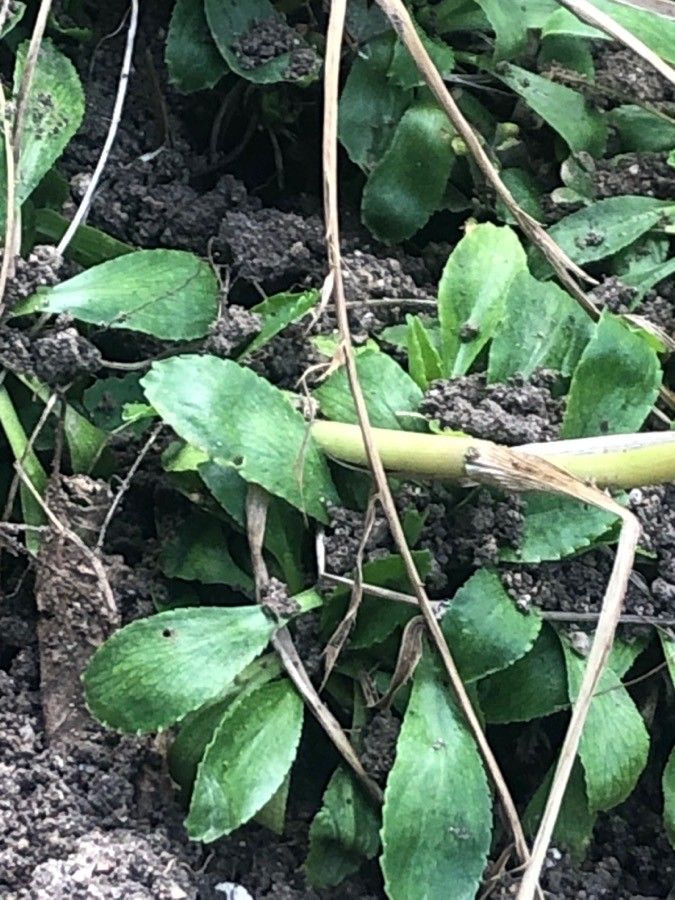
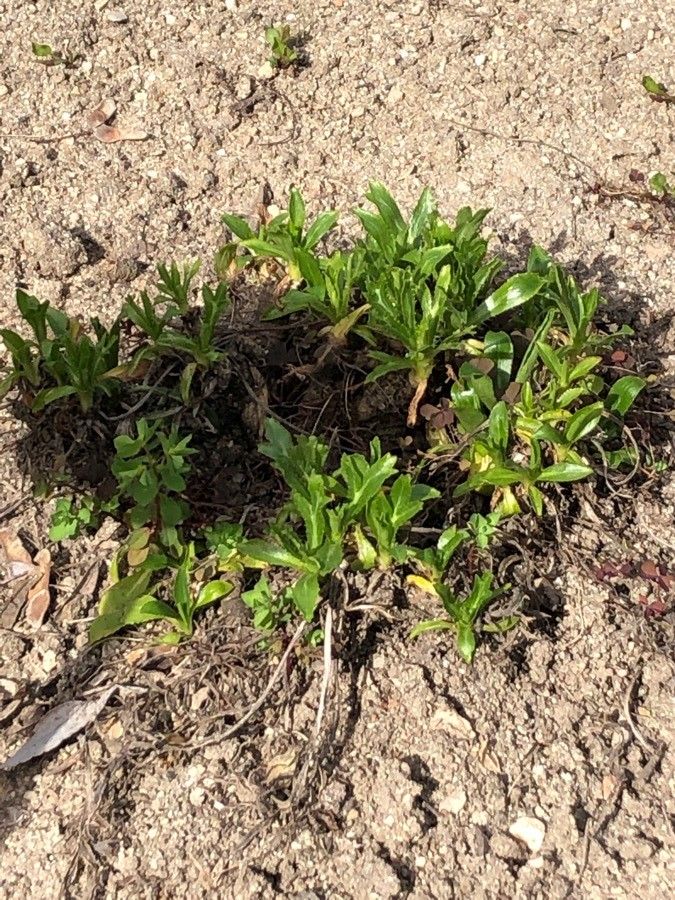
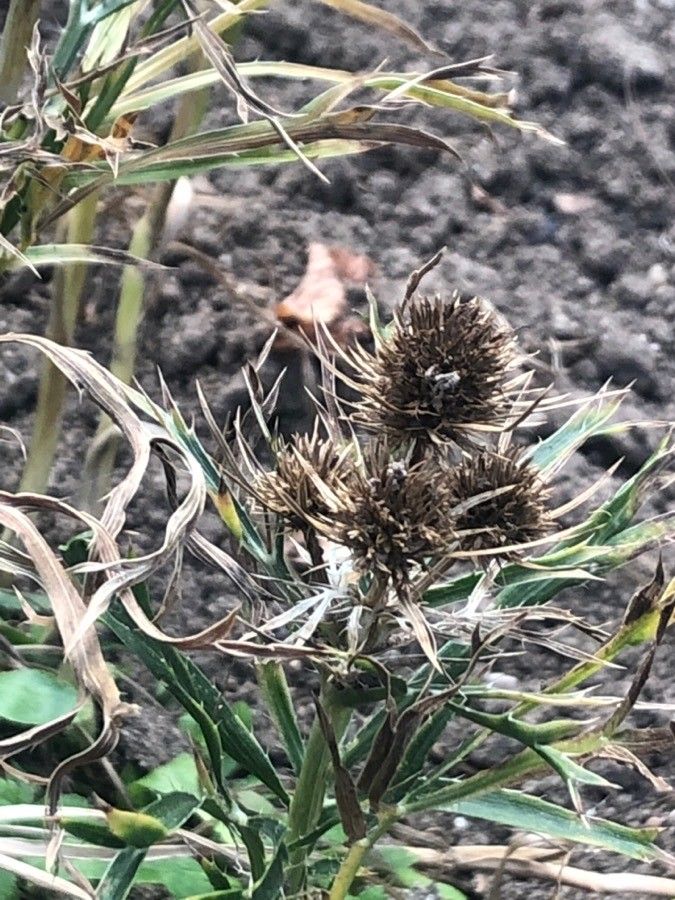
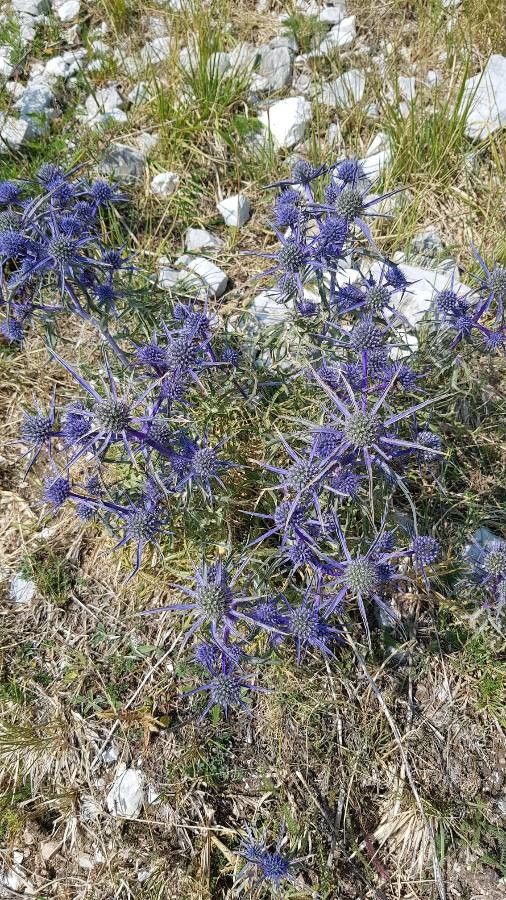
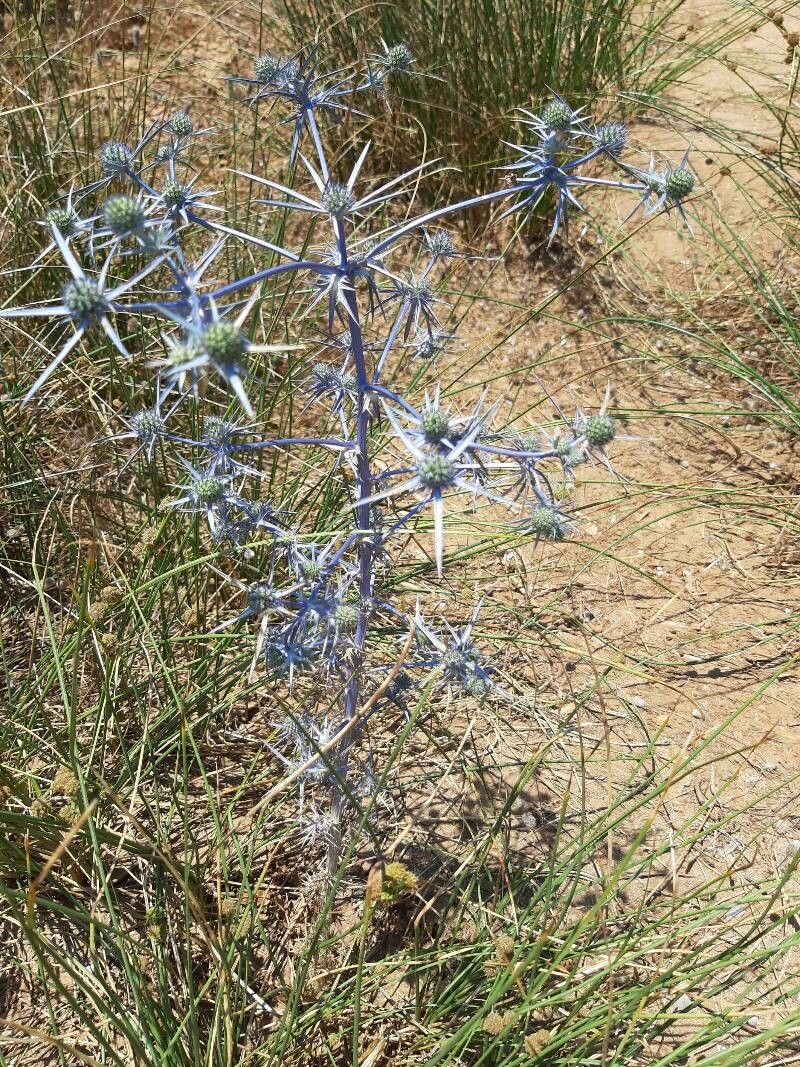
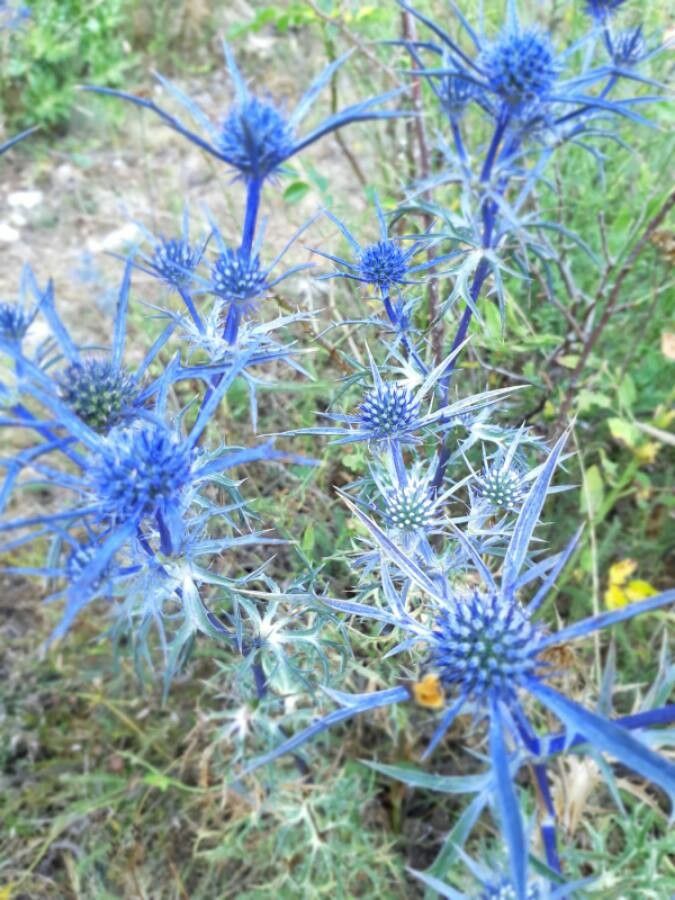
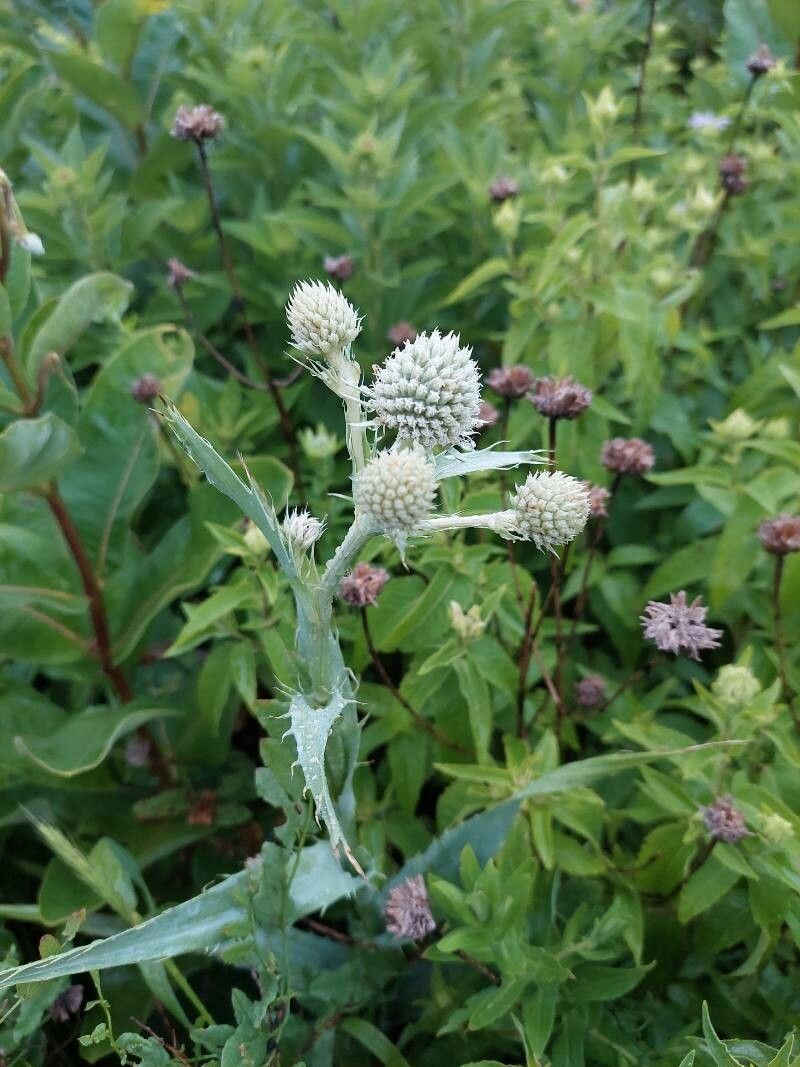
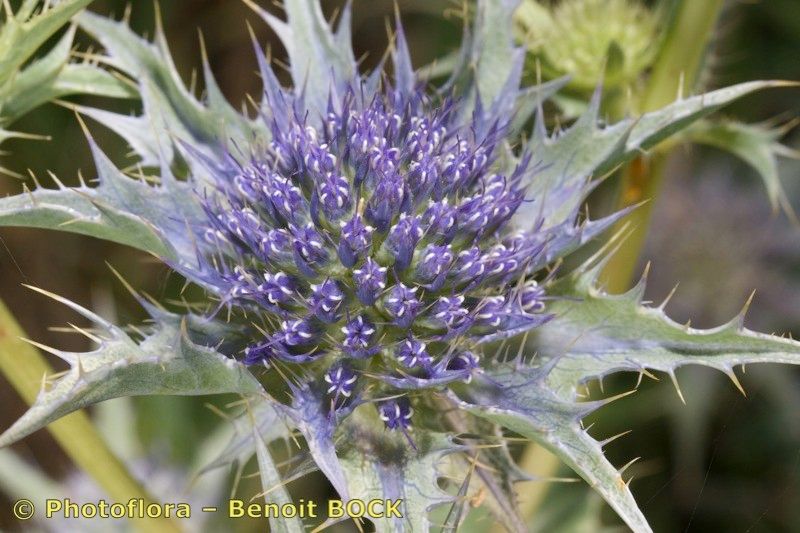
Eryngium amethystinum, commonly known as Amethyst Sea Holly, is a perennial herbaceous plant in the Apiaceae family. Native to Europe and Asia, it can grow up to 1.5 meters in height.
This plant features a unique look with its spiky, blue-violet flowers that bloom in summer and fall. These flowers are surrounded by spiny bracts, giving the plant a distinctive texture.
Eryngium amethystinum prefers well-drained soil and full sun but can tolerate partial shade. While it is drought-tolerant once established, it requires regular watering during its initial growth period.
The plant boasts several medicinal properties, including anti-inflammatory, diuretic, and antiseptic benefits. Traditional medicine uses its roots to treat urinary tract infections, kidney stones, rheumatism, and gout, among other ailments.
Additionally, Eryngium amethystinum attracts pollinators such as bees and butterflies, making it an excellent choice for pollinator gardens or naturalized landscape areas.
Overall, Eryngium amethystinum is an attractive ornamental plant with unique features that make it a standout addition to any garden or landscape. It also offers numerous health benefits through traditional medicinal practices.
Amethyst eryngo is fairly disease-resistant and typically does not suffer from many illnesses. However, it can be vulnerable to pests and diseases present in its surroundings. Such infections are usually not severe. In terms of care, this plant needs moderate maintenance. Regular pruning is required to keep a neat appearance and support healthy growth. Applying fertilizer can also help encourage flowering. Amethyst eryngo is suitable for anyone with outdoor space, such as a garden or patio, and does not demand much care experience. It may need more attention when grown indoors.
How to keep Eryngium Amethystinum.
Light
Amethyst eryngo does best under open skies with abundant sunlight. This reflects its native habitat, where the ground gets uninterrupted sunshine. Needing lots of light, amethyst eryngo may become less vibrant and less healthy when kept in shade or given insufficient exposure.
Water
Amethyst eryngo, native to dry, rocky areas, is highly drought-tolerant and thrives with weekly watering. This outdoor plant prefers well-draining soil and adds a pop of purple to rock gardens or xeriscapes, making it perfect for water-conserving landscapes.
Temperature
Amethyst eryngo comes from regions where temperatures range from 32 to 90 °F (0 to 32 ℃). It favors mild climates and may need temperature management during extreme seasons. Adjustments can include providing shade in hot periods or adding insulation in cold periods.
Fertilizer
The best time to fertilize an Amethyst eryngo is in early spring, as it comes out of dormancy and starts active growth. Fertilizing supplies essential nutrients needed for healthy growth. Although an Amethyst eryngo requires relatively little fertilizer, giving it fertilizer annually can improve its survival and encourage better, longer-lasting flowers.
Pruning
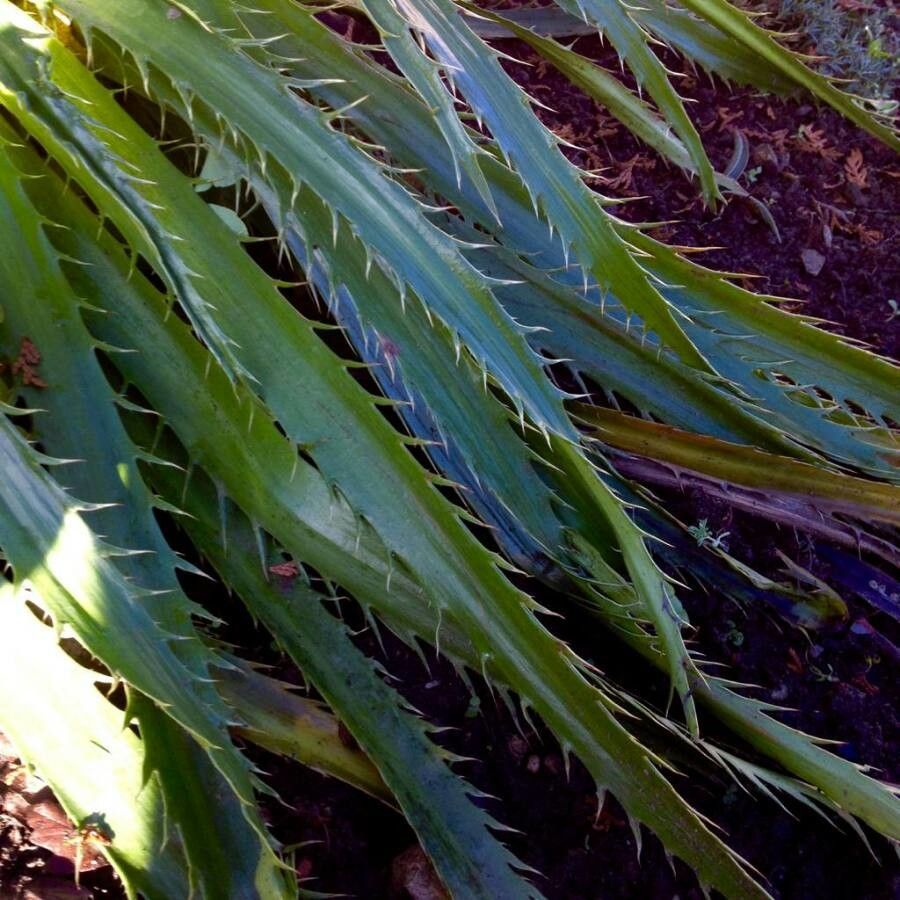
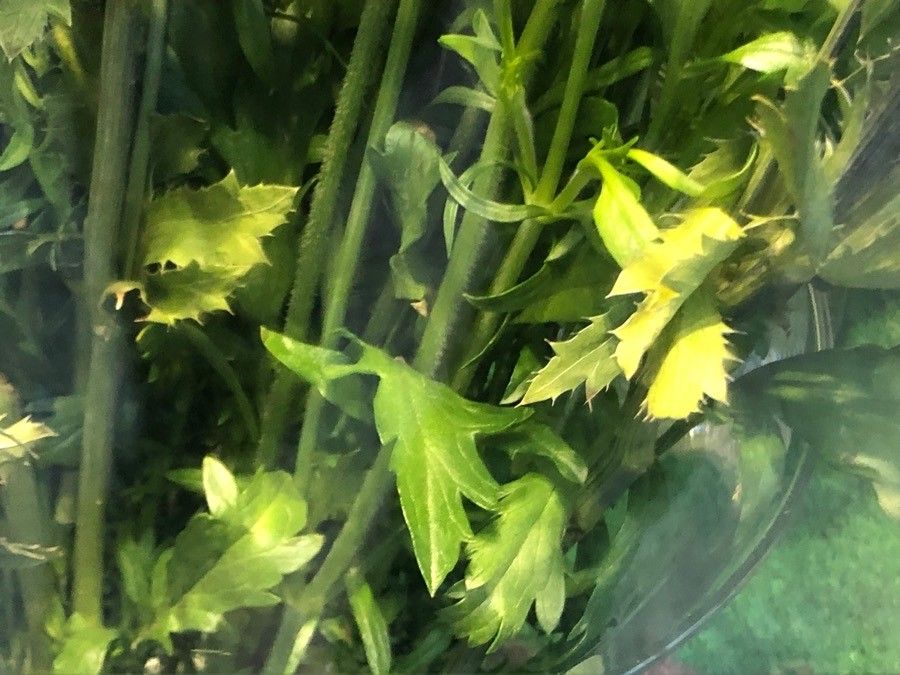
Amethyst eryngo is characterized by its spiky leaves and amethyst-colored flowers. To keep the plant healthy and promote fuller growth, it's best to prune it in early spring and late winter. This helps remove damaged stems, encourages more blooms, and reduces the risk of disease. For the best results and to maintain plant health, always use sharp, clean tools when pruning.
Botanical profile.
- Plant Type
- Herb
- Life Cycle
- Perennial
- Genus
- Eryngium
- Family
- Apiaceae
- Hardiness Zone
- 3-8
- Mature Height
- 61 cm
- Mature Spread
- 61 cm
- Leaf Color
- Green, Gray
- Leaf Type
- Evergreen, Semi-evergreen, Deciduous
- Flower Color
- Blue, Purple
- Flower Size
- 2.03 cm to 3.05 cm
- Bloom Time
- Summer
- Planting Time
- Spring, Summer
- Harvest Time
- Late summer, Early fall, Mid fall
- Native Area
- Turkey, Syria, Italy, Serbia, Montenegro, Iran, Cyprus, Bulgaria, Greece, Croatia, Slovenia, Albania, Lebanon
Other names.
Reader questions.
How can I water my Amethyst eryngo effectively?
When watering the Amethyst eryngo, it is important to use filtered water at room temperature. Tap water may contain harmful particles for this plant, so it is better to use filtered water. The water should be at room temperature or slightly warmer because the Amethyst eryngo is accustomed to a warm environment and cold water could be a shock to its system. Avoid overhead watering as it can cause issues with the foliage. Instead, slowly apply the filtered room temperature water directly to the soil until it is completely soaked. This method is beneficial as it moistens the roots and helps them to continue spreading through the soil and gathering the necessary nutrients.
Why should I put fertilizer on my Amethyst eryngo?
Fertilization is important for the Amethyst eryngo because it provides key nutrients for growth. Although their fertilization needs are relatively low, annual fertilization is beneficial to keep the plant alive and promote better, longer-lasting flowers. Therefore, those wanting their Amethyst eryngo to thrive should prioritize annual fertilization.
What are the sunlight requirements for Amethyst eryngo?
Amethyst eryngo requires full sun, which means it needs above 6 hours of sunlight daily. It thrives best under clear skies, with ample radiation from the sun, a preference that is deeply tied to its origin where the terrain experiences unobstructed sunshine. It's essential to watch how sunlight gracefully moves through your garden and choose spots that provide the perfect balance of light and shade, ensuring the plants' happiness. Insufficient light exposure can make amethyst eryngo less vibrant and healthy.
What is the native climate for Amethyst eryngo?
Amethyst eryngo is native to regions that experience temperatures ranging from 32 to 90 °F (0 to 32 °C). It thrives in mild climates and may need adjustments for temperature control during extreme weather conditions to protect it from excessive heat or cold. For instance, providing shade during hot periods or insulation during cold spells can help maintain a conducive environment for its growth.
What should I do if I give my Amethyst eryngo plant too much or too little water?
Overwatering is a more common issue than underwatering for the health of your Amethyst eryngo. When this plant gets too much water, its stems and leaves can wilt and turn yellow, and it may also develop diseases like root rot, mold, and mildew that can kill it. On the other hand, underwatering is less common because the Amethyst eryngo is drought-tolerant. However, if you do underwater, the leaves may become brittle and brown. It's important to recognize the signs of overwatering early and take action promptly. Some diseases, like root rot, may be irreversible if not addressed quickly. If you notice signs of overwatering, reduce your watering schedule and check if the soil drains properly. Replace the soil if it doesn't. If you see signs of underwatering, simply water more regularly until the signs disappear.
When should I fertilize my Amethyst eryngo?
The best time to fertilize an Amethyst eryngo is in late winter to early spring. This is when the plant is transitioning from dormancy to active growth, so fertilizing at this time helps promote healthy development. While early spring is generally the most beneficial time for fertilization, it is also acceptable to fertilize in the fall. However, it is not recommended to fertilize during summer or winter.
How can artificial lighting help indoor Amethyst eryngo plants?
Indoor plants, including Amethyst eryngo, require adequate lighting for optimal growth, especially when natural sunlight is insufficient, like in winter or in less sunny spaces. Artificial lights provide a vital solution, promoting faster, healthier growth. LED lights, which can be customized to provide specific wavelengths of light that plants need, are a popular choice. Full sun plants need 30-50W/sq ft of artificial light, partial sun plants need 20-30W/sq ft, and full shade plants need 10-20W/sq ft. The light source should be placed 12-36 inches above the plant, and most plants need 8-12 hours of light per day.
Does Amethyst eryngo need frost protection in winter?
Amethyst eryngo has a strong resistance to cold and usually does not require special frost protection measures during winter. Nonetheless, in extreme conditions where temperatures are expected to plummet below -35°C, it is vital to protect the plant from the cold. Covering the plant with soil or straw and ensuring the soil around it is moist before the first freeze can help the plant stay hydrated and increase its chances of surviving the colder months without significant damage.
How often should I water my Amethyst eryngo plant?
If your Amethyst eryngo plant is in a pot, the best way to determine if it needs water is to stick your finger into the soil. If the top two to three inches of the soil are dry, it's time to water it. The same method applies if you're growing the plant outdoors in the ground. Once the first few inches of soil have dried out, it's time to water. In spring and early fall, you'll likely need to water about once a week using this method. During extremely hot weather, you may need to water twice or more per week. However, it's worth noting that mature and well-established Amethyst eryngo plants can withstand drought quite well.
When is it not a good idea to fertilize my Amethyst eryngo?
To avoid overfertilizing your Amethyst eryngo, it is best to fertilize during late winter and early spring. This plant has low fertilization needs, so one annual feeding is sufficient. Extra fertilization during spring, summer, and fall should be avoided as it can lead to complications. The only exception is if you didn't fertilize in spring, then it's fine to fertilize in fall. During winter, when the plant is in a dormant phase and not growing, there is no need to fertilize.
What are the symptoms of light deficiency in Amethyst eryngo?
Symptoms of light deficiency in Amethyst eryngo include small new leaves, leggy or sparse growth, faster leaf drop, slower or no new growth, and lighter-colored new leaves. These symptoms indicate the plant is not receiving enough light, which is crucial for its health and vibrancy.
What are the effects of low temperatures on Amethyst eryngo?
Amethyst eryngo can tolerate cold weather well, thriving best in temperatures above 0°C. However, during extremely cold winters where temperatures drop below -35°C, you might not observe immediate distress, but the plant's ability to sprout in the spring could be compromised, resulting in decreased sprouting or complete failure to sprout. To mitigate this, it is advised to remove any parts of the plant that do not sprout come spring.