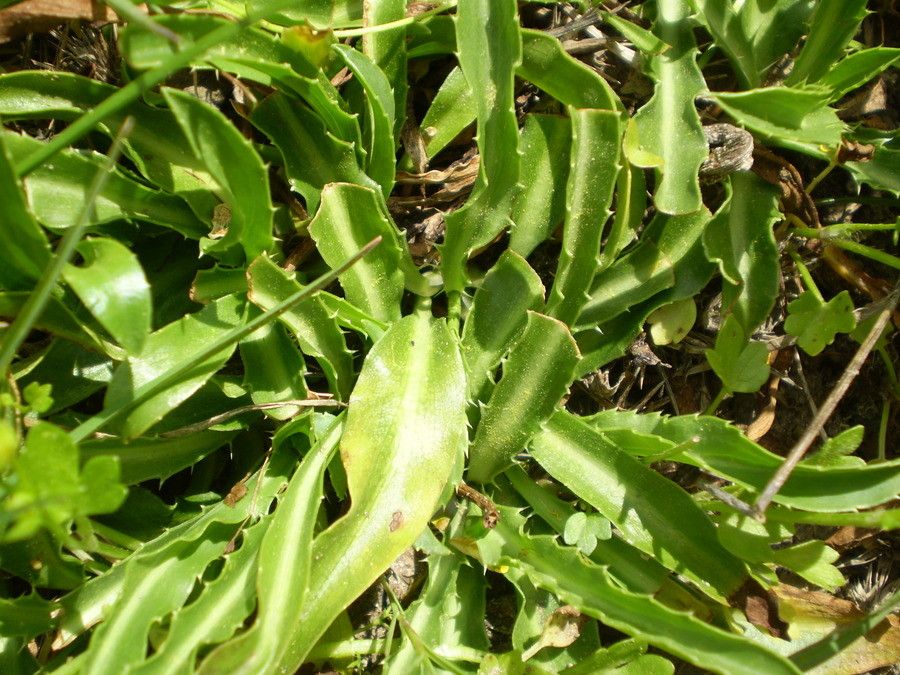
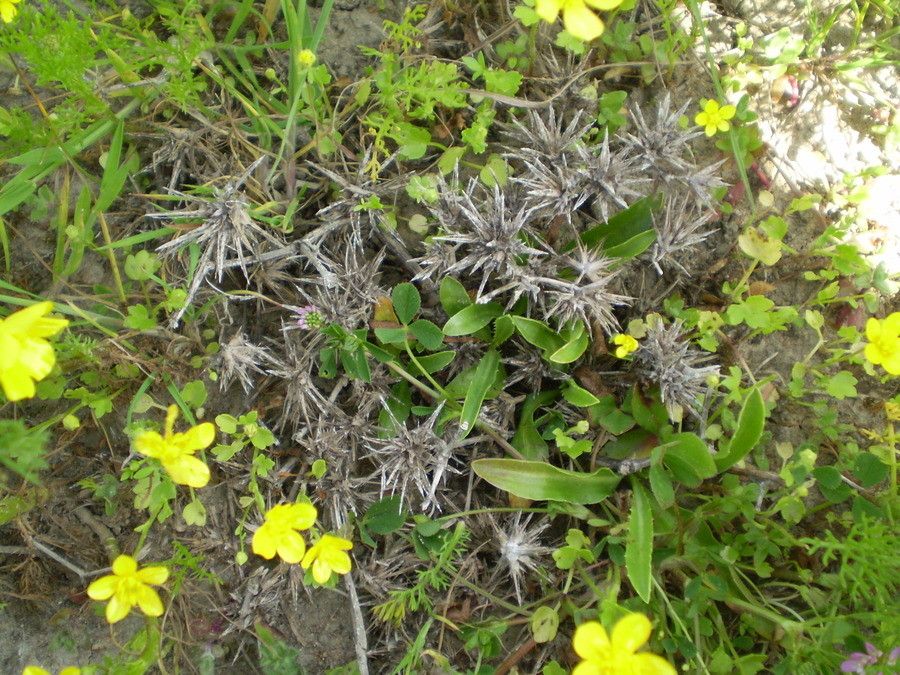
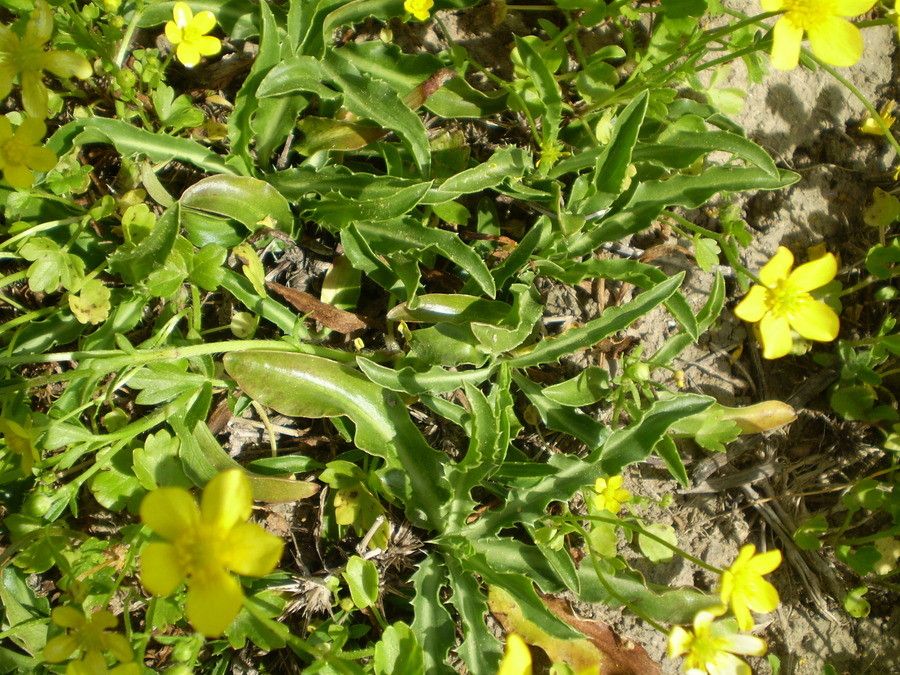
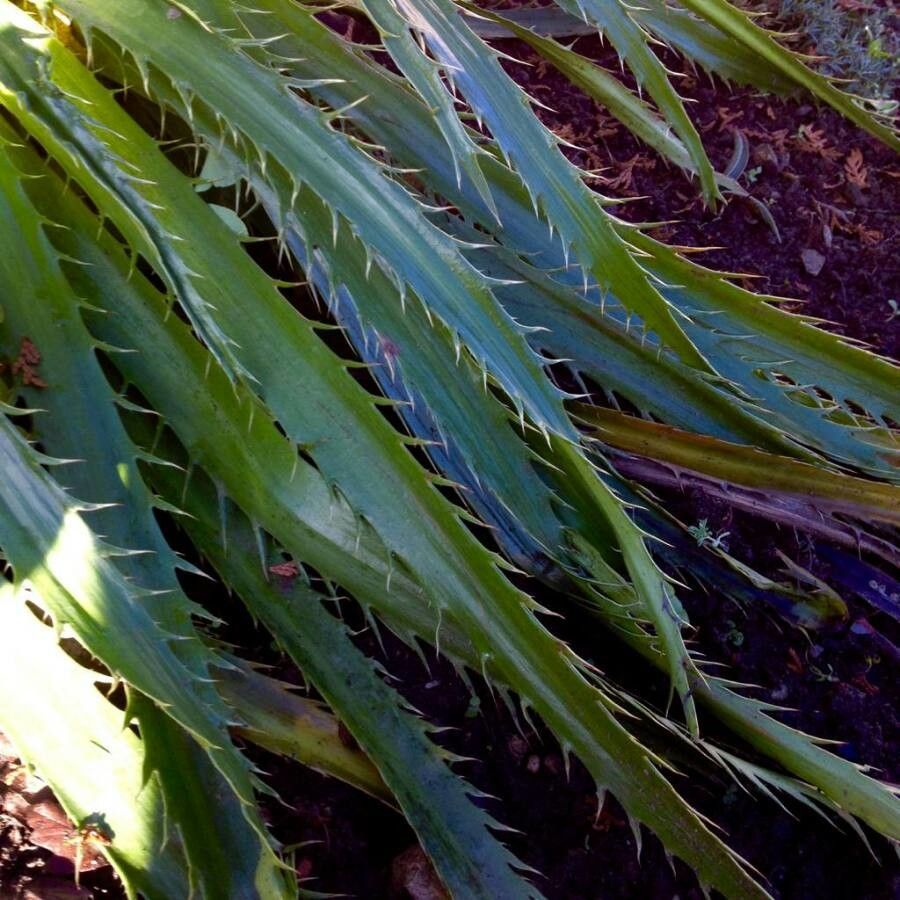
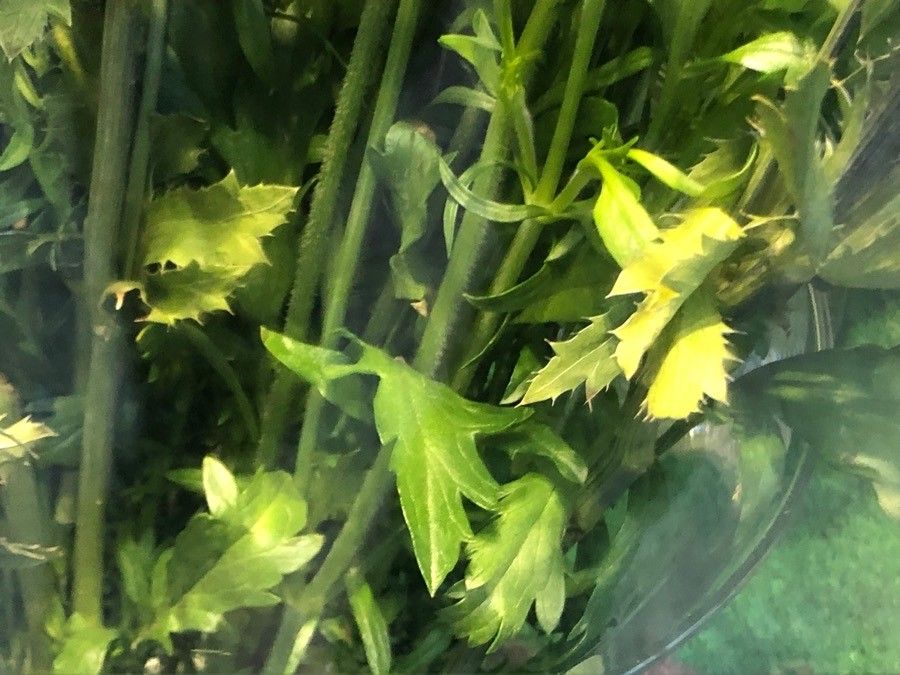
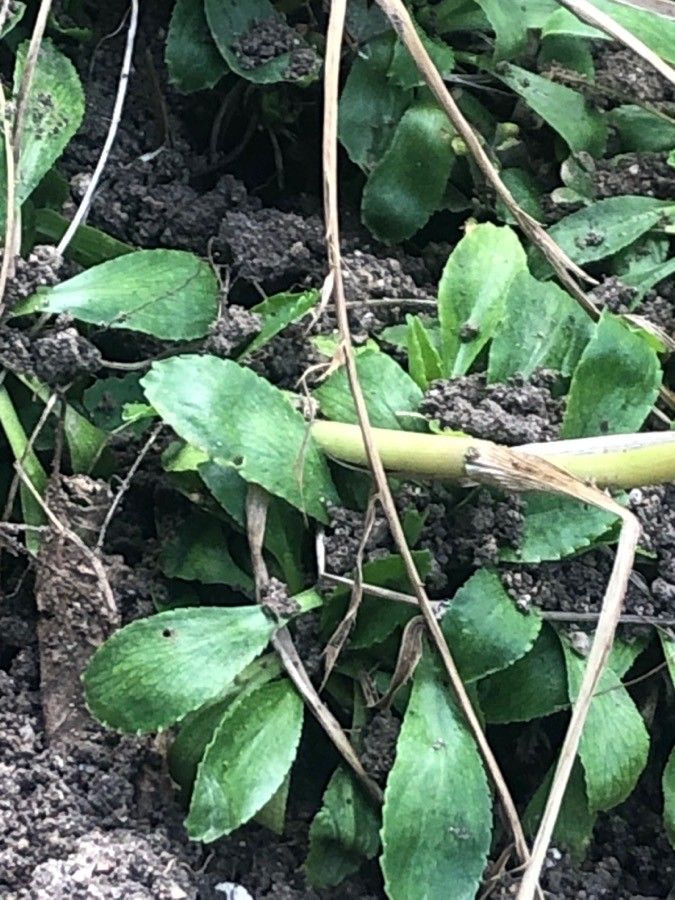
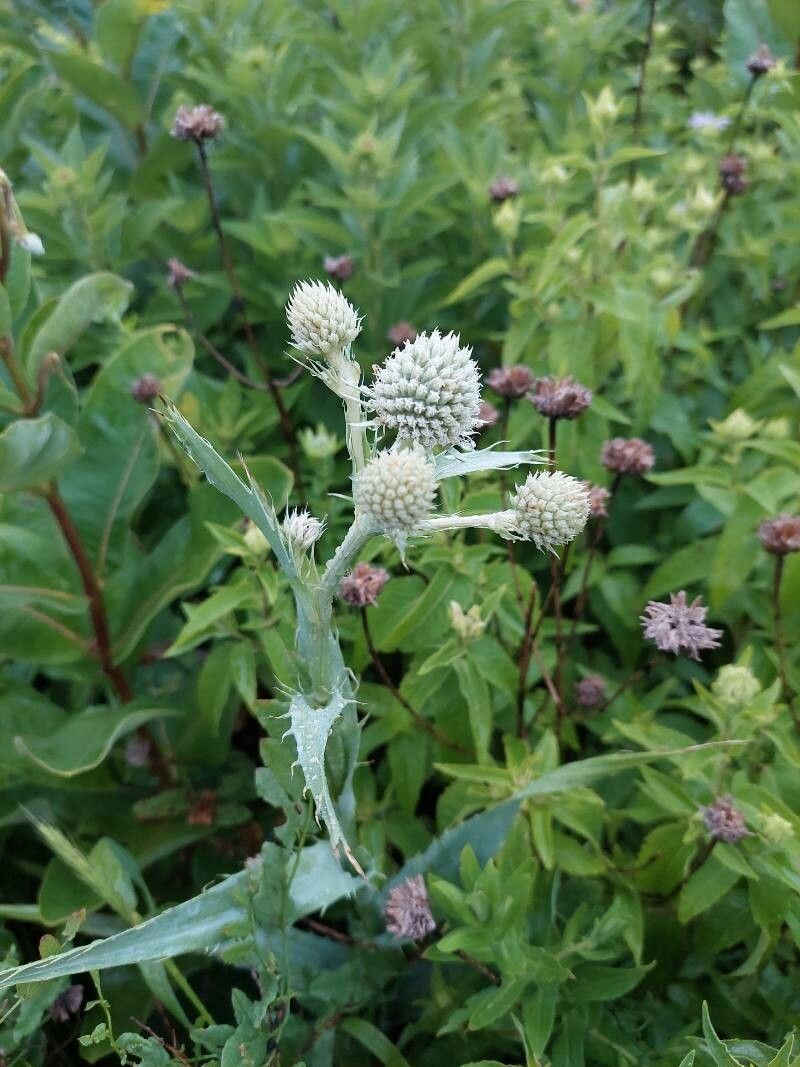
Blue eryngo has strong disease resistance and is generally not vulnerable to illnesses. It can, however, be affected by pests and diseases present in its environment. Those infections are typically mild. Regarding care, the plant needs moderate maintenance. Regular pruning is necessary to preserve its appearance and encourage healthy growth. Fertilizing can also help stimulate flowering. Blue eryngo is appropriate for anyone with an outdoor area, such as a garden or patio, and does not require extensive plant-care experience. It may need extra attention if grown indoors.
How to keep Eryngium Pusillum.
Light
Blue eryngo prefers a spot that is consistently exposed to plenty of sunlight throughout the day. Native to naturally sunlit habitats, this plant does best under those conditions. However, both excessive sun exposure and too little sunlight can interfere with its growth, producing wilted leaves or stunted development, respectively.
Temperature
Blue eryngo originates from temperate regions and does well in temperatures of 41 to 95 °F (5 to 35 ℃). Its frost tolerance and heat resistance let it withstand seasonal variations. Adjust care as needed, and shield it from extreme heat or cold.
Fertilizer
The best time to fertilize Blue eryngo is in early spring, as it emerges from dormancy and starts active growth. Fertilizing supplies essential nutrients for healthy development. Although Blue eryngo has relatively low fertilizer requirements, applying fertilizer once a year can improve its survival and encourage better, longer-lasting blooms.
Botanical profile.
- Plant Type
- Herb
- Life Cycle
- Perennial
- Genus
- Eryngium
- Family
- Apiaceae
- Hardiness Zone
- 5-9
- Mature Height
- 76 cm
- Mature Spread
- 46 cm to 61 cm
- Leaf Color
- Green, Blue, Gray, Silver
- Leaf Type
- Deciduous
- Flower Color
- Blue
- Flower Size
- 1.02 cm to 1.27 cm
- Bloom Time
- Early summer, Mid summer
- Planting Time
- Spring
- Harvest Time
- Mid summer
- Native Area
- India, Austria, Czech Republic, Slovakia, Armenia, Poland, Croatia, Belarus, Ukraine, China, Russia, Serbia, Hungary, Germany, Kazakhstan, Mongolia, Azerbaijan, Romania, Moldova