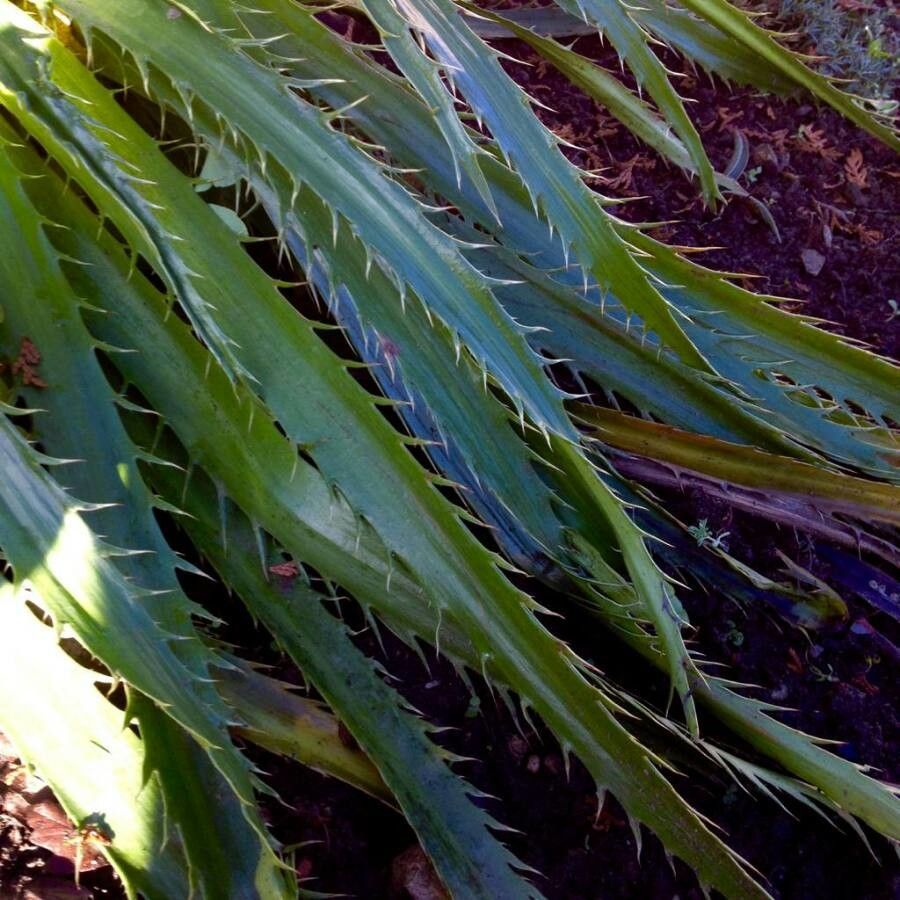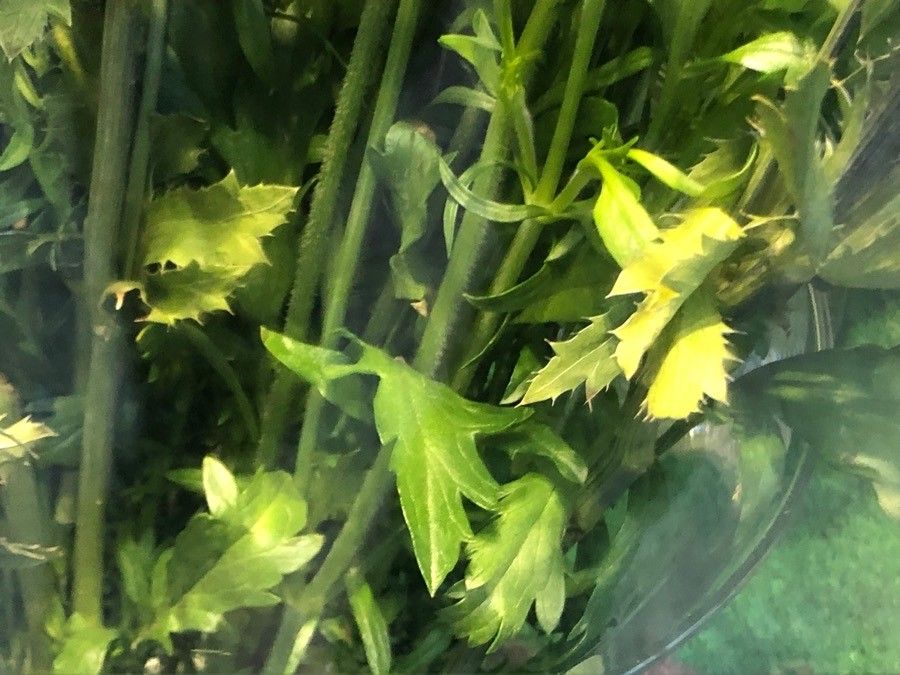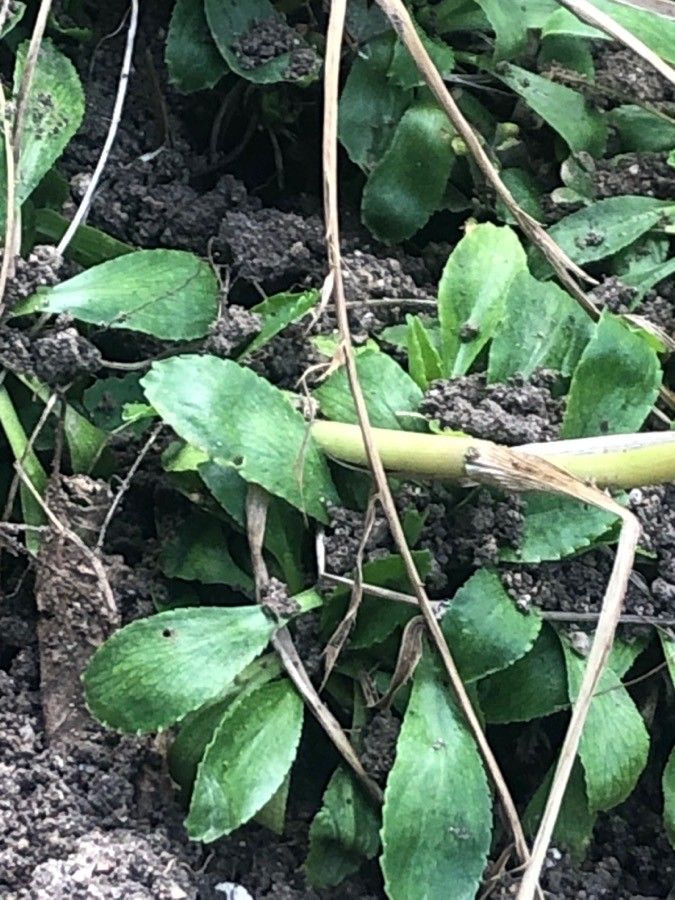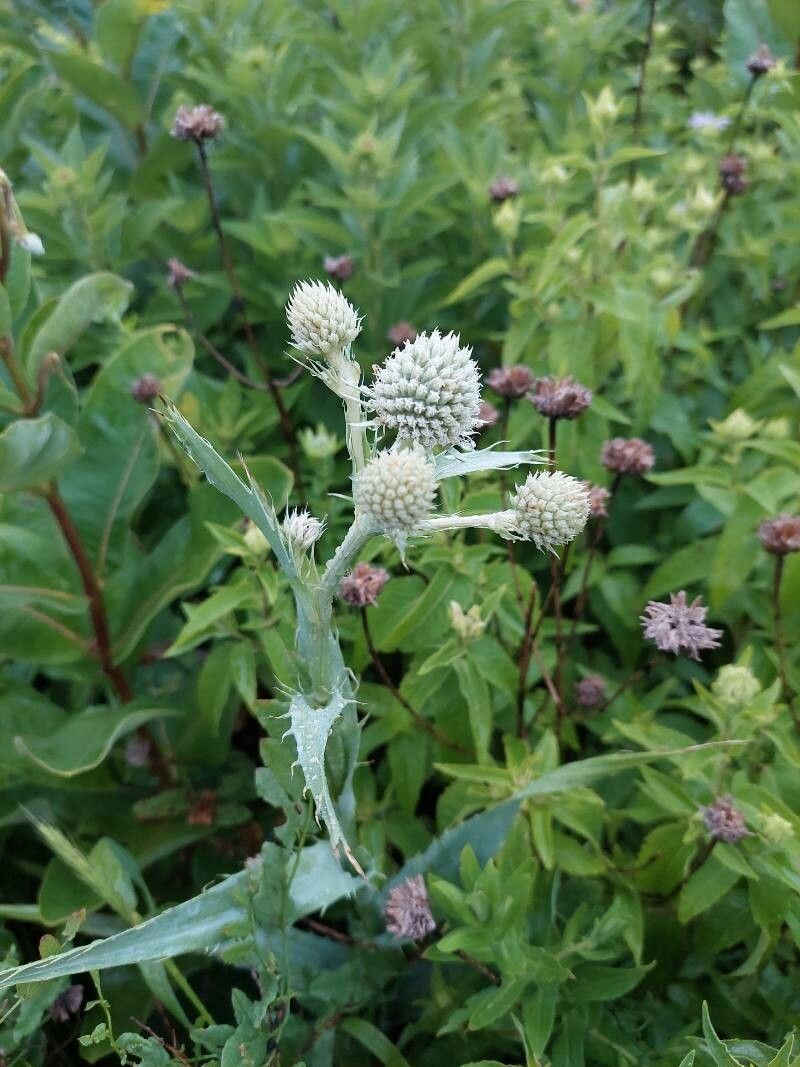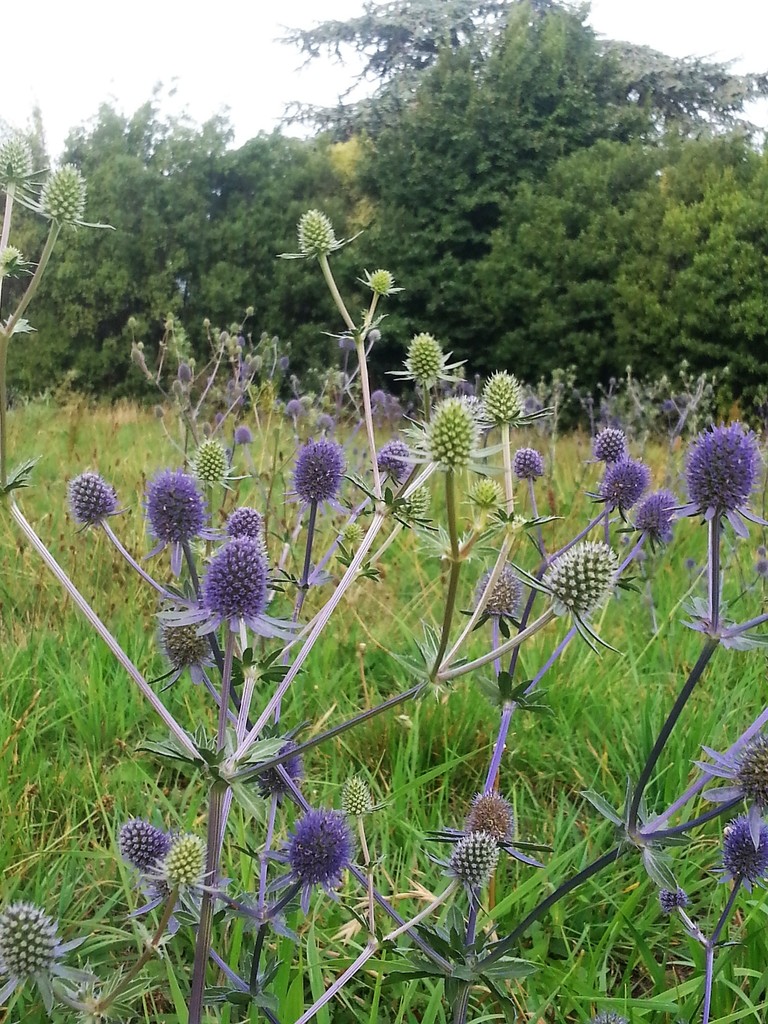
Eryngium planum, commonly known as blue eryngo or flat sea holly, is a perennial herbaceous plant in the Apiaceae family. Native to Europe and Asia, it can grow up to 60 cm in height. The plant features a basal rosette of spiny, green-grey, deeply lobed leaves. Its erect, branched stem is also covered with spiny leaves. The small yet numerous flowers of Eryngium planum have a distinctive blue color, making them a striking feature in any garden or landscape. These flowers bloom from mid-summer to early autumn, held aloft on tall stems above the foliage. Eryngium planum thrives in well-drained soil and full sun but can also tolerate partial shade. It is drought-tolerant once established, though it requires regular watering during its first growing season. The plant possesses several medicinal properties, particularly its anti-inflammatory effects on skin conditions like eczema or psoriasis, thanks to its high content of essential oils such as camphene and limonene. Overall, Eryngium planum is an excellent addition to any garden. Its unique appearance adds texture and contrast, and its low-maintenance nature makes it an ideal choice for novice gardeners seeking an easy-to-grow yet distinctive plant.
Blue eryngo has strong disease resistance and is generally not vulnerable to illnesses. It can, however, be affected by pests and diseases present in its environment. Those infections are typically mild. Regarding care, the plant needs moderate maintenance. Regular pruning is necessary to preserve its appearance and encourage healthy growth. Fertilizing can also help stimulate flowering. Blue eryngo is appropriate for anyone with an outdoor area, such as a garden or patio, and does not require extensive plant-care experience. It may need extra attention if grown indoors.
How to keep Eryngium Planum.
Light
Blue eryngo prefers a spot that is consistently exposed to plenty of sunlight throughout the day. Native to naturally sunlit habitats, this plant does best under those conditions. However, both excessive sun exposure and too little sunlight can interfere with its growth, producing wilted leaves or stunted development, respectively.
Water
Blue eryngo, a plant that hails from dry grasslands, is highly drought-tolerant and thrives with minimal moisture. For optimal growth and vigor, it benefits from weekly watering. Its resilience and decorative appeal make it an excellent choice for xeriscaped gardens that prioritize water conservation and outdoor cultivation.
Humidity
This plant will thrive in moderate humidity, which is probably the level in your home. However, misting it a few times a week can be very beneficial. Make sure the room has good ventilation.
Temperature
Blue eryngo originates from temperate regions and does well in temperatures of 41 to 95 °F (5 to 35 ℃). Its frost tolerance and heat resistance let it withstand seasonal variations. Adjust care as needed, and shield it from extreme heat or cold.
Fertilizer
The best time to fertilize Blue eryngo is in early spring, as it emerges from dormancy and starts active growth. Fertilizing supplies essential nutrients for healthy development. Although Blue eryngo has relatively low fertilizer requirements, applying fertilizer once a year can improve its survival and encourage better, longer-lasting blooms.
Pruning
Blue eryngo is a perennial plant known for its spiky blue flowers and silvery foliage. To encourage growth, it's best to prune the plant in early to late spring by removing any dead stems. After the blooming period, trim the spent flowers to improve appearance and possibly encourage a second bloom. Regular pruning helps maintain the plant's shape and health, while using sanitized tools reduces the risk of disease.
Botanical profile.
- Plant Type
- Herb
- Life Cycle
- Perennial
- Genus
- Eryngium
- Family
- Apiaceae
- Hardiness Zone
- 5-9
- Mature Height
- 76 cm
- Mature Spread
- 46 cm to 61 cm
- Leaf Color
- Green, Blue, Gray, Silver
- Leaf Type
- Deciduous
- Flower Color
- Blue
- Flower Size
- 1.02 cm to 1.27 cm
- Bloom Time
- Early summer, Mid summer
- Planting Time
- Spring
- Harvest Time
- Mid summer
- Native Area
- India, Austria, Czech Republic, Slovakia, Armenia, Poland, Croatia, Belarus, Ukraine, China, Russia, Serbia, Hungary, Germany, Kazakhstan, Mongolia, Azerbaijan, Romania, Moldova
Other names.
Reader questions.
How should I water my Blue eryngo plant?
To properly water the Blue eryngo plant, follow these guidelines for best results. First, it is recommended to use filtered water at room temperature. This is because tap water may contain harmful particles that can affect the plant's health. Additionally, it is important to consider the temperature of the water. The Blue eryngo comes from a warm environment, so using cold water can be a bit of a shock to its system. As for the watering technique, it is advisable to avoid overhead watering as this can lead to complications with the foliage. Instead, focus on thoroughly saturating the soil with filtered, room temperature water. This method is beneficial as it helps moisten the roots and allows them to spread through the soil, collecting the necessary nutrients for the plant's growth.
Why should I add fertilizer to my Blue eryngo plant?
Fertilization plays a crucial role in the growth of the Blue eryngo and other plants. It provides essential nutrients for both above and below ground development. Despite the Blue eryngo's relatively low fertilization needs, annual fertilization can greatly benefit the plant. It not only aids in its survival but also promotes the production of better and longer-lasting flowers. Therefore, those looking to enhance the appearance of their Blue eryngo should remember to fertilize it annually.
What are the sunlight requirements for Blue eryngo?
Blue eryngo requires a location that is persistently exposed to a generous amount of sunlight throughout the day, thriving best with over 6 hours of sunlight. Originating from sun-drenched environments, it flourishes under such conditions. However, both overexposure to sunlight and inadequate exposure can disrupt its growth. Symptoms of overexposure include wilted leaves, sunscald, chlorosis, and leaf curling, while insufficient sunlight can lead to smaller leaves, leggy growth, faster leaf drop, slower or no new growth, and lighter-colored new leaves. It's crucial to watch how sunlight moves through your garden and choose spots that provide the perfect balance of light and shade, ensuring the plant's happiness.
What is the native climate of Blue eryngo and how does it adapt to seasonal fluctuations?
Blue eryngo is native to temperate zones and thrives best in temperatures ranging from 41 to 95 °F (5 to 35 °C). It possesses a strong tolerance against both frost and heat, which allows it to adapt to seasonal fluctuations quite effectively. To ensure the plant remains healthy throughout the year, it is recommended to adjust its care according to the current season and protect it from extreme temperatures. Despite its strong cold resistance, in regions where winter temperatures are expected to fall below -25°C, additional measures, such as covering the plant with soil or straw, should be taken to provide protection against the cold. Additionally, watering the plant abundantly before the first freeze in autumn helps keep the soil moist and prevents drought and water scarcity for the plant during the winter and early spring.
What should I do if I give too much or too little water to my Blue eryngo?
Overwatering is a more common issue than underwatering for the health of your Blue eryngo plant. When overwatered, the stems and leaves may wilt and turn yellow. Over time, this can lead to diseases like root rot, mold, and mildew, which can kill the plant. On the other hand, underwatering is less common because the Blue eryngo has good drought tolerance. However, when underwatered, the leaves may become brittle and brown. It's important to notice the signs of overwatering early on because some diseases, like root rot, can't be fixed if you wait too long. If you see early signs of overwatering, reduce your watering schedule and check the soil drainage. If the soil drains poorly, replace it with a loose, well-draining potting mix. If the signs indicate that your plant is receiving too little water, increase your watering frequency until the signs go away.
When should I fertilize my Blue eryngo?
The best time to fertilize a Blue eryngo is in the late winter to early spring when it is transitioning from dormancy to active growth. Fertilizing at this time promotes healthy growth and sets the plant up for a great season. Although it is generally best to fertilize in the early spring, fall fertilization is also acceptable. However, it is not recommended to fertilize during summer and winter.
How can I provide adequate lighting for Blue eryngo indoors?
For indoor Blue eryngo plants requiring adequate lighting, artificial lights offer a vital solution when natural sunlight is insufficient, especially in winter or less sunny spaces. LED lights are a popular choice because they can provide the specific wavelengths of light plants need. For full sun plants, 30-50W per square foot of artificial light is needed, partial sun plants require 20-30W per square foot, and full shade plants need 10-20W per square foot. The artificial light source should be placed 12-36 inches above the plant to mimic natural sunlight. Most plants need 8-12 hours of light per day to mimic the length of natural daylight hours.
What are the symptoms of Blue eryngo when exposed to low temperatures and how can they be addressed?
Blue eryngo is notably cold-tolerant, flourishing best when temperatures are above 5°C. During the winter season, it is important to maintain the temperature above -20°C to ensure the plant's wellbeing. In cases where temperatures drop below -25°C, Blue eryngo may not show immediate signs of distress; however, there could be a noticeable decrease in sprouting, or in some instances, no sprouting at all come springtime. To address this issue, it is advised to remove any parts of the plant that have failed to sprout in the spring, supporting its recovery and promoting new growth.
How often should I water my Blue eryngo plant?
If your Blue eryngo plant is in a pot, the most precise way to determine if it needs water is to check the soil by inserting your finger into it. If the first two to three inches of soil feel dry, it's time to water it. For Blue eryngo plants grown outdoors in the ground, you can use a similar method to test the soil. Once the first few inches of soil have dried out, it's time to add water. During spring and early fall, this watering method usually means watering once a week. In extremely hot weather, you may need to water twice a week or more. However, it's important to note that mature, well-established Blue eryngo plants have a remarkable ability to withstand drought.
When is it best not to put fertilizer on my Blue eryngo plant?
To avoid overfertilizing, it is best to only fertilize your Blue eryngo in late winter or early spring. This plant has low fertilization needs, so one annual feeding is usually sufficient. Fertilizing during spring, summer, and fall can easily lead to overfertilization and its associated complications. However, if you didn't fertilize in spring, it is okay to feed the plant in the fall. Additionally, there is no need to fertilize the Blue eryngo during winter because it is in a dormant growth phase and does not produce new growth. Therefore, it is not advisable to fertilize the plant for most of the winter.
What are common symptoms of improper lighting in Blue eryngo?
Common symptoms of improper lighting in Blue eryngo include small or lighter-colored new leaves, leggy or sparse growth, and faster leaf drop. These symptoms indicate the plant is not receiving adequate sunlight. Conversely, too much sunlight can lead to chlorosis, sunscald, leaf curling, wilting, and leaf scorching. Observing these symptoms can help identify whether the plant is suffering from overexposure or insufficient sunlight.
How should Blue eryngo be cared for during high temperatures?
During the summer months, it is crucial to keep the temperature below 35°C to prevent heat stress on Blue eryngo. Exposure to temperatures exceeding 38°C can lead to symptoms such as leaves becoming lighter in color, more prone to curling, susceptible to sunburn, and in severe cases, causing the entire plant to wilt and become dry. To mitigate these issues, it is recommended to trim away the sunburned and dried-up parts of the plant. Relocating the plant to a shaded area or using a shade cloth can provide protection from the midday and afternoon sun. Additionally, watering the plant in the morning and evening will help maintain soil moisture, thus helping the plant to cope with the high temperatures.