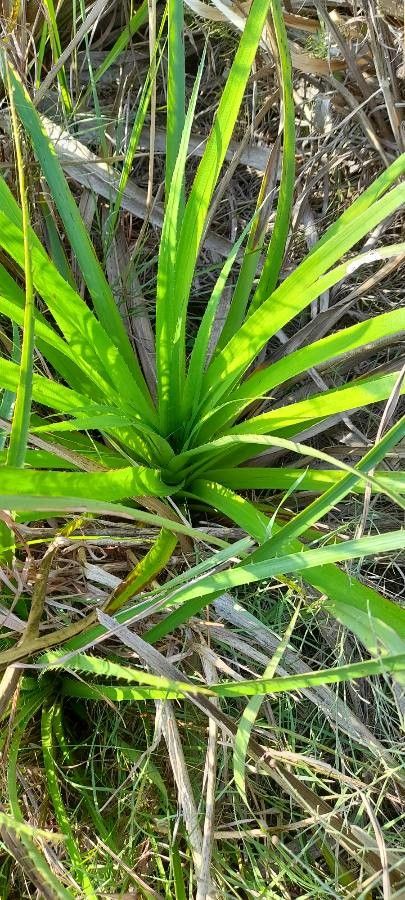
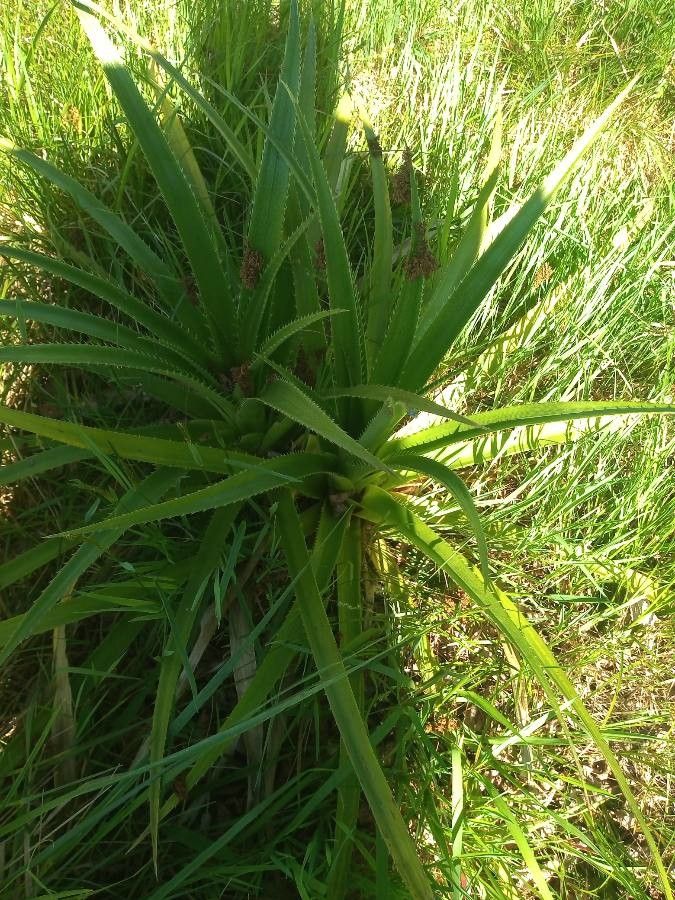
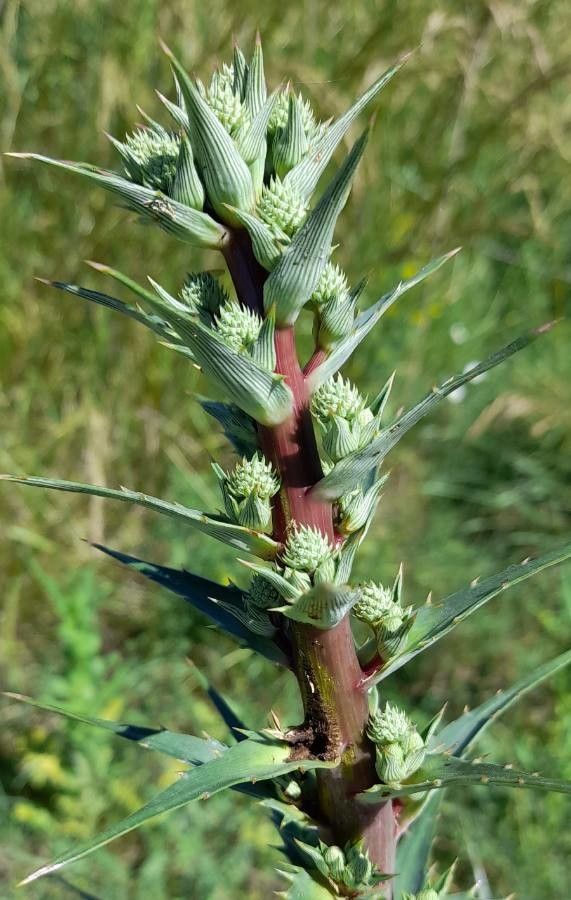
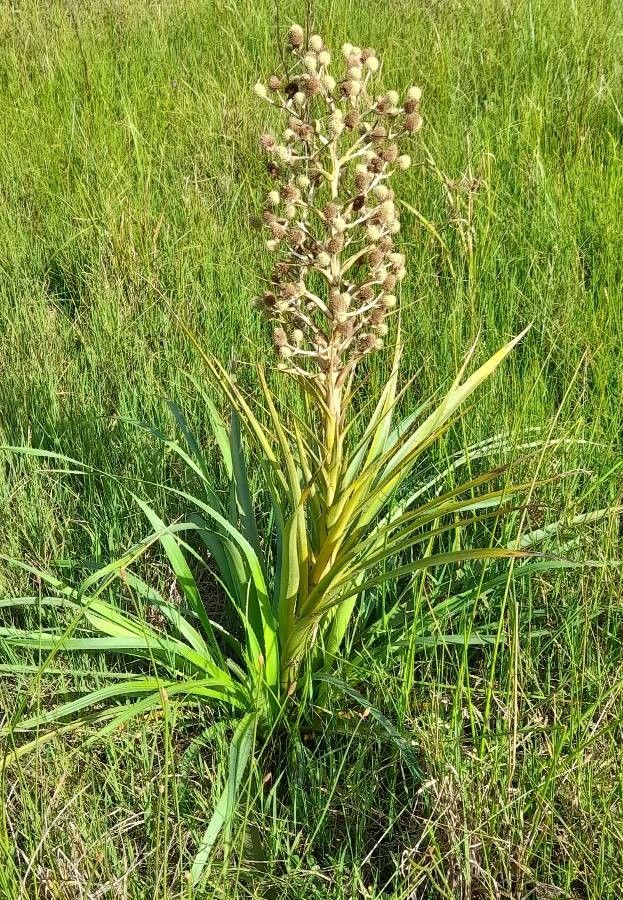
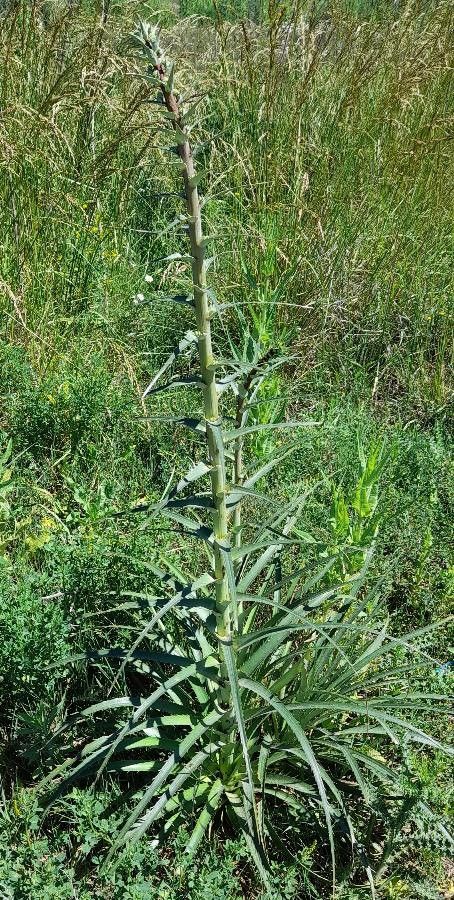
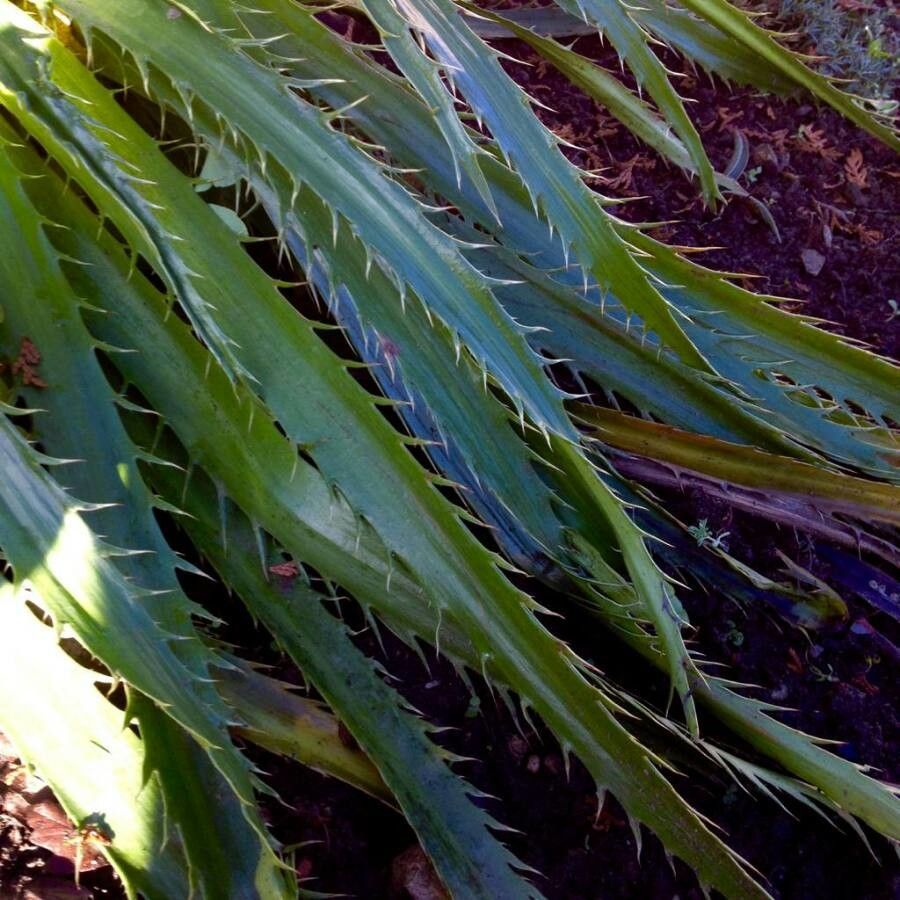
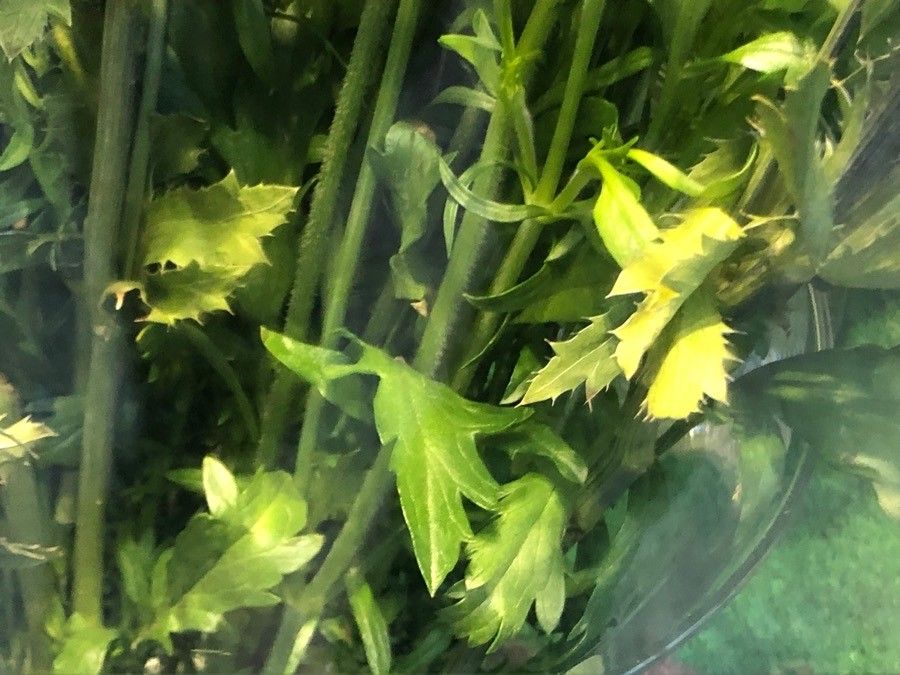
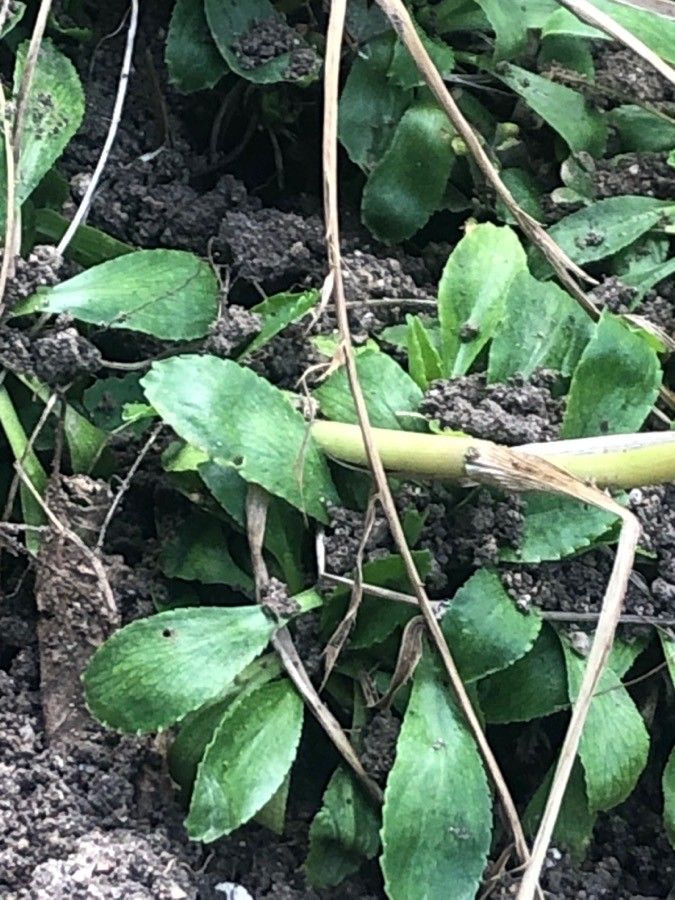
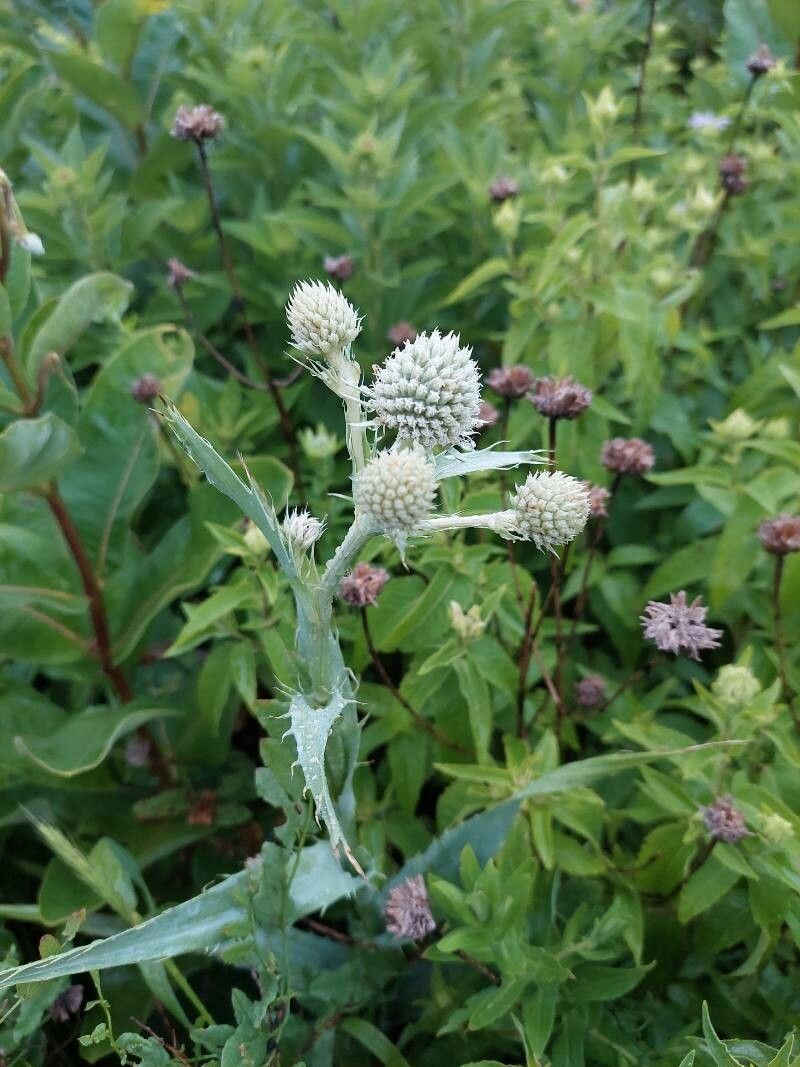
Eryngium paniculatum, commonly known as Panicled Sea Holly, is a perennial herbaceous plant belonging to the Apiaceae family. Native to South America, it can be found in countries such as Brazil, Argentina, and Uruguay. The plant typically grows up to 1 meter in height and is noted for its distinctive blue-green color and spiny leaves arranged in a rosette at the base of the stem. Panicled Sea Holly produces small, dense clusters of flowers at the top of its stem. The flowers are surrounded by spiky bracts, giving them an almost thistle-like appearance. These blooms appear from late spring through summer and attract pollinators such as bees. Eryngium paniculatum prefers well-drained soils and full sun exposure but can also tolerate partial shade. While it is drought-tolerant once established, it requires regular watering during its initial growth period. Traditionally, indigenous people have used the plant for medicinal purposes, thanks to its anti-inflammatory properties, which are beneficial for treating conditions such as arthritis and rheumatism. In addition to its medicinal uses, Eryngium paniculatum is also valued for its ornamental qualities. Its unique appearance makes it an attractive addition to gardens or landscapes, where it adds texture and color contrast among other plants. Overall, Eryngium paniculatum is an intriguing plant species appreciated for both its ornamental value and medicinal properties, making it popular among gardeners who seek both beauty and functionality in their plants.
Eryngium humboldtii is fairly disease-resistant and is generally not prone to illnesses. Nevertheless, it can be affected by pests and diseases present in its surroundings. These infections are usually mild. In terms of care, this plant needs moderate maintenance. Regular pruning is necessary to maintain its appearance and support healthy growth. Fertilizing can also help encourage flowering. Eryngium humboldtii is suitable for anyone with outdoor space, such as a garden or patio, and does not require extensive care experience. It may need more attention when grown indoors.
How to keep Eryngium Paniculatum.
Light
Eryngium humboldtii is a sun-loving, perennial herbaceous species native to open habitats and frequently found in meadows and grasslands. It prefers full sun but can also tolerate partial sun conditions.
Fertilizer
For Eryngium humboldtii, the primary time to apply fertilizer is in early spring when the flowers are developing. The appropriate fertilizer encourages better blooms and helps Eryngium humboldtii produce attractive flowers. Fertilizing in early spring ensures excellent flowering during the season and supplies energy for dormant growth phases.
Botanical profile.
- Plant Type
- Herb
- Life Cycle
- Perennial
- Genus
- Eryngium
- Family
- Apiaceae
- Hardiness Zone
- 8-11
- Mature Height
- 61 cm to 91 cm
- Mature Spread
- 30 cm to 46 cm
- Leaf Color
- Green, Dark Green
- Leaf Type
- Evergreen
- Flower Size
- 1.02 cm to 2.03 cm
- Bloom Time
- Early summer, Mid summer
- Planting Time
- Spring, Summer, Autumn
- Harvest Time
- Late summer, Early fall
- Native Area
- Colombia, Venezuela
Other names.