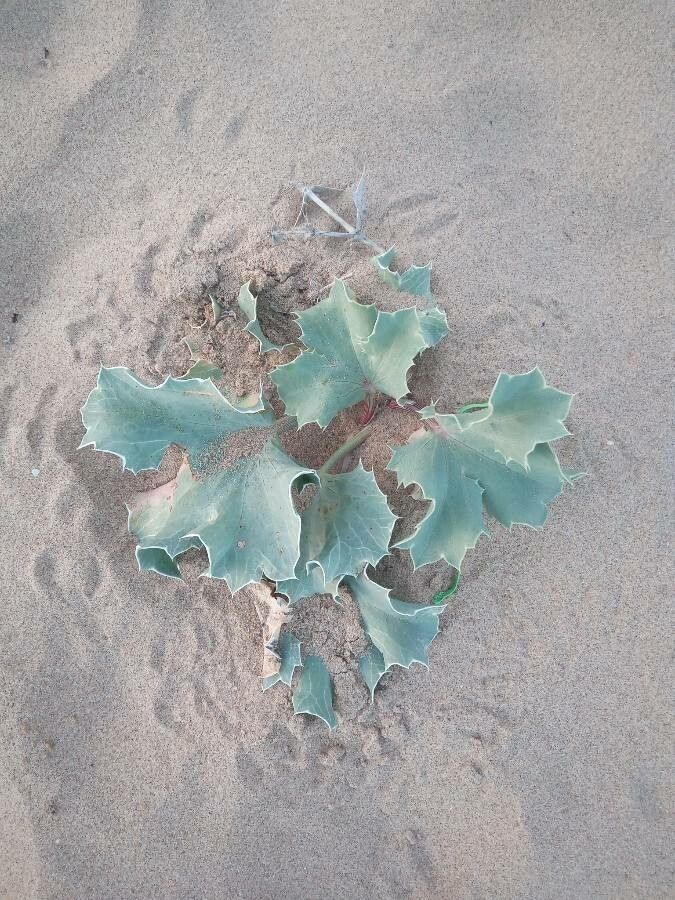
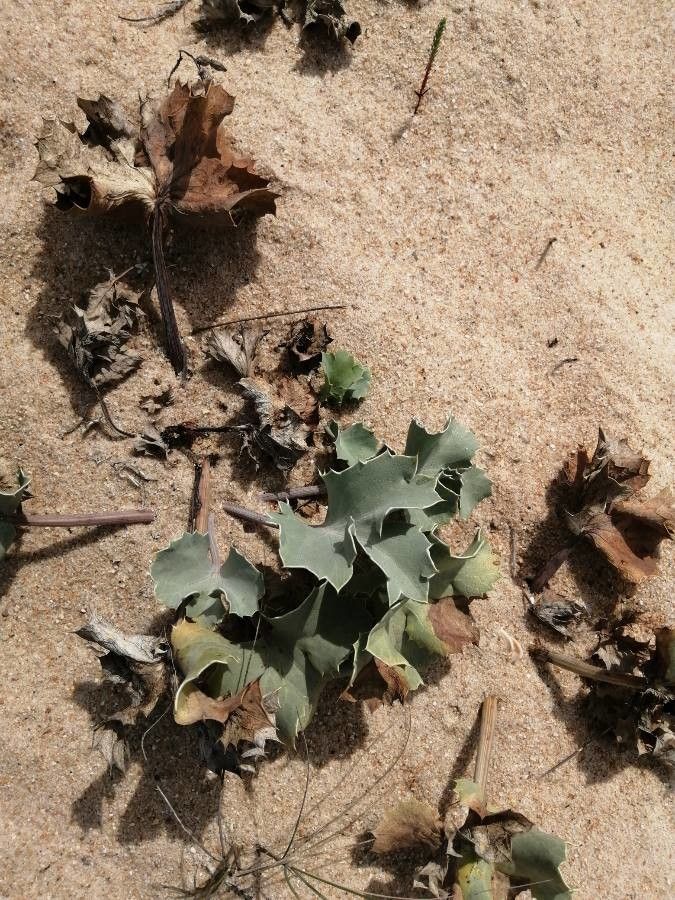
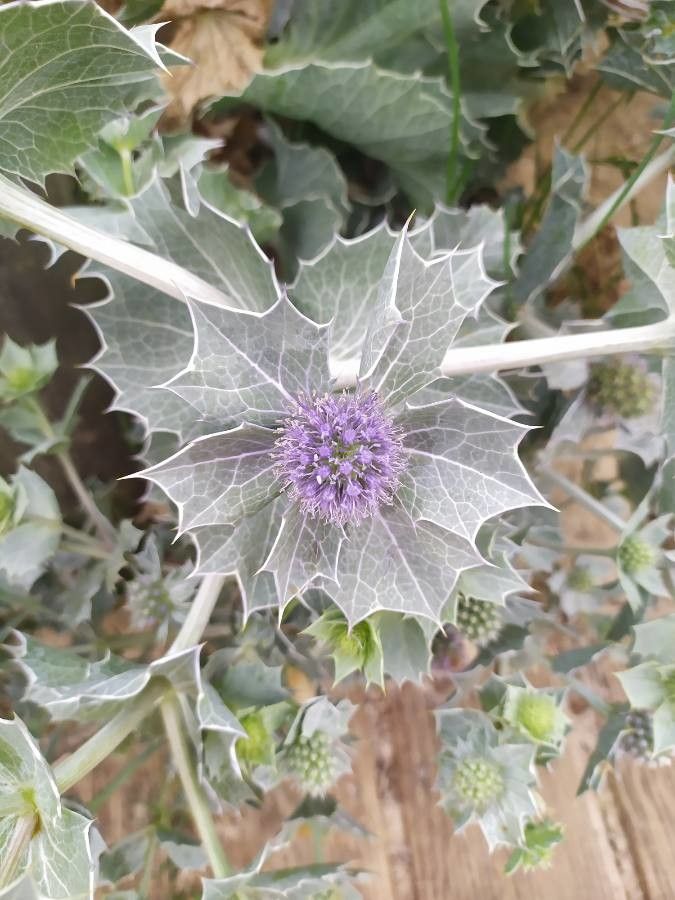
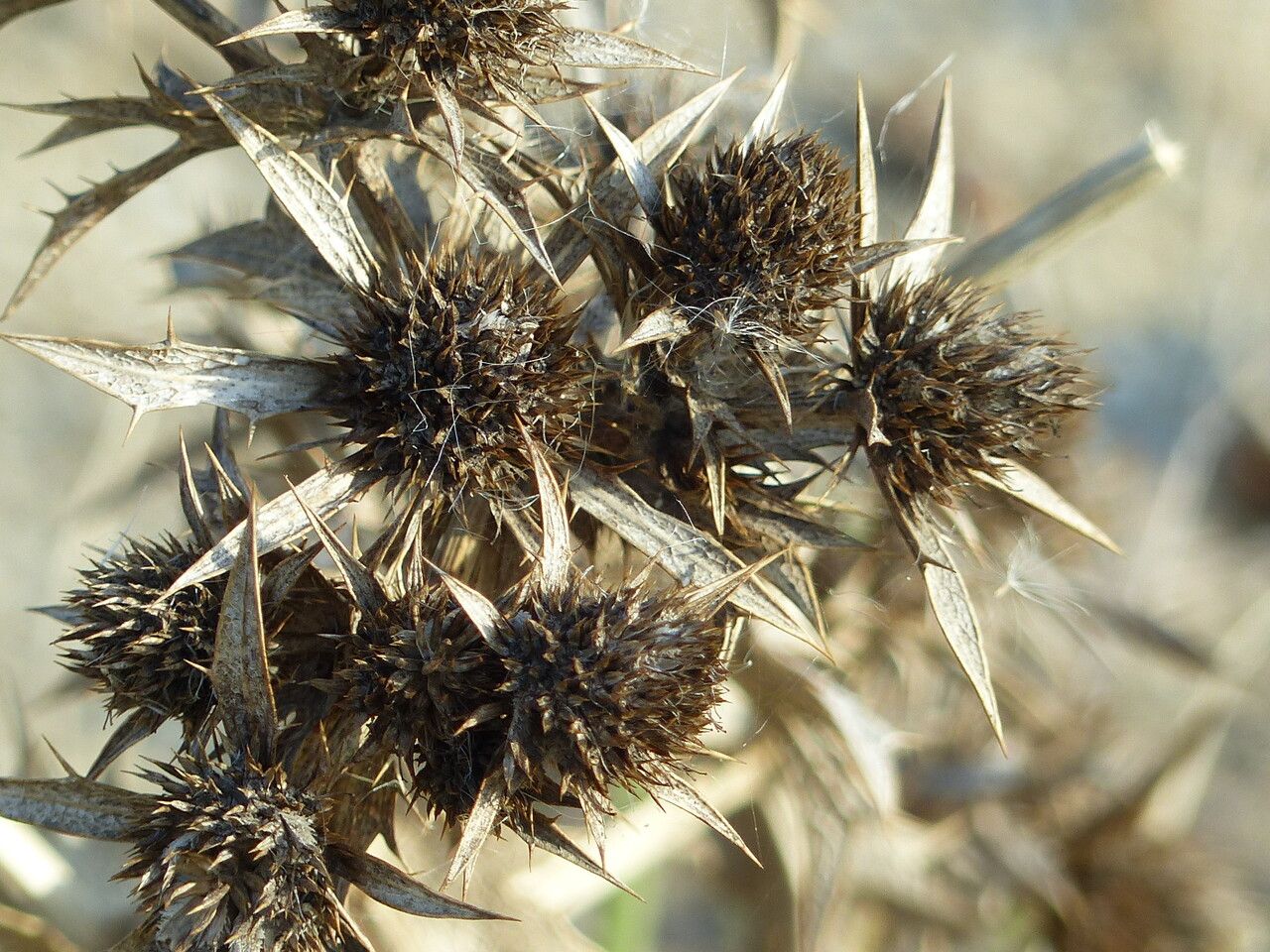
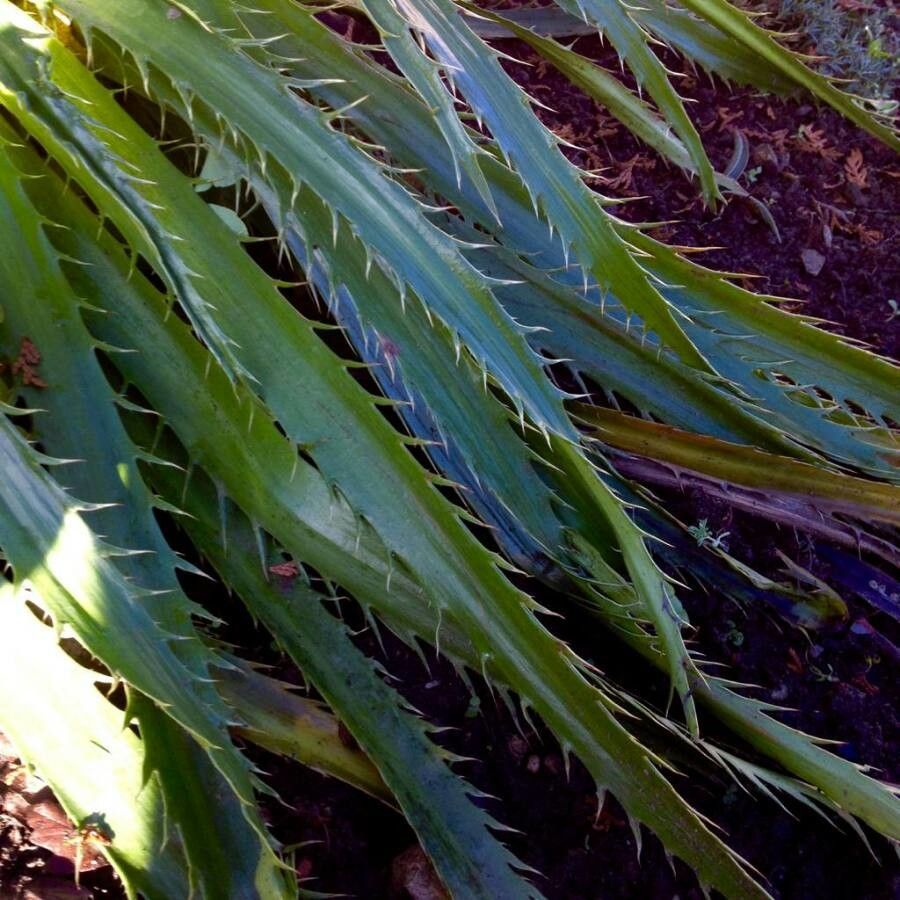
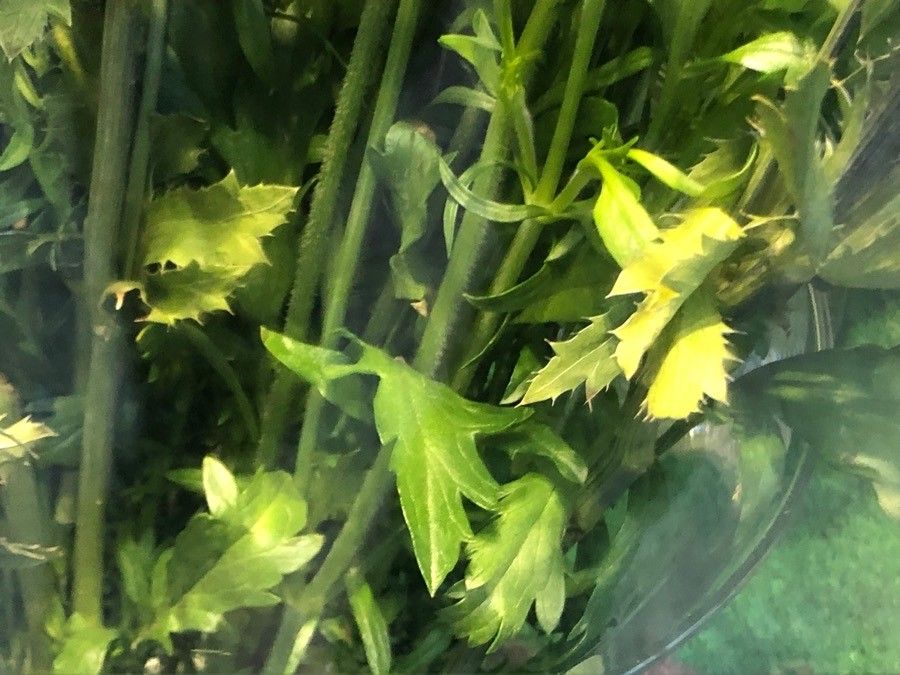
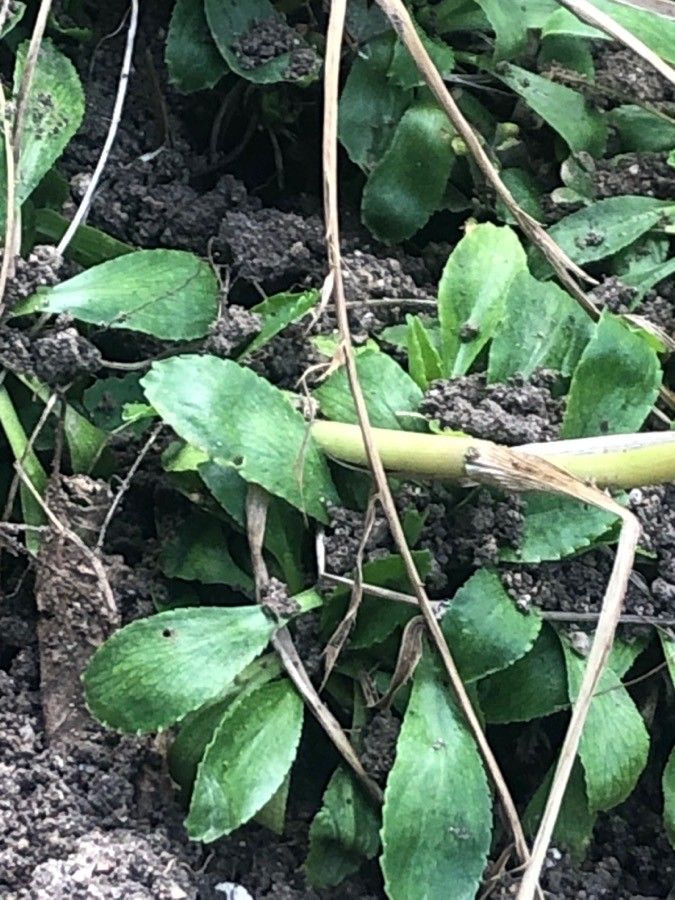
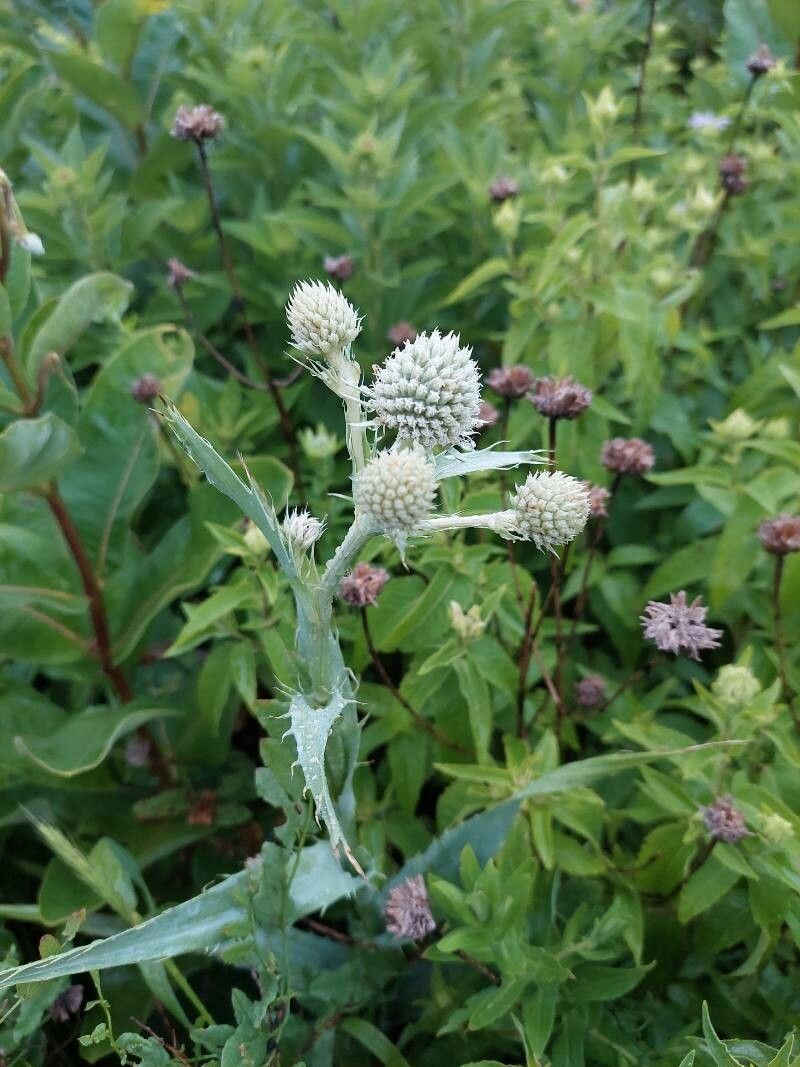
Eryngium maritimum, the sea holly or sea eryngo, or sea eryngium, is a perennial species of flowering plant in the family Apiaceae and native to most European coastlines. It resembles a plume thistle in appearance on account of its burr-shaped flower. Despite its common name, it is not related to true holly, but is an umbellifer.
Sea holly is fairly resistant to disease and is generally not prone to illness. However, it can be vulnerable to pests and diseases present in its surroundings, and these issues are usually mild. In terms of upkeep, this plant needs a moderate amount of care. It should be pruned regularly to keep a good appearance and promote healthy growth. Fertilizing can also help encourage flowering. Sea holly is suitable for anyone with outdoor space, such as a garden or patio, and does not require extensive care experience. It may need more attention when grown indoors.
How to keep Eryngium Maritimum.
Light
Sea holly does best in spots that get unobstructed sunlight all day, since its native habitat is open areas. It shows the healthiest growth when conditions mimic that exposure. Too little light can cause weaker growth, while too much sun usually does not harm it.
Water
Sea holly thrives in coastal environments with salty winds and sandy soils, demonstrating excellent drought tolerance. Although it is a hardy plant, it benefits from weekly watering for optimal growth. It has the ability to store excess water, enabling it to withstand dry spells. This makes sea holly an ideal choice for xeriscaping, as it is a versatile evergreen.
Temperature
Sea holly is native to temperate regions and generally does well in moderate warmth, specifically 68 to 95°F (20 to 35℃). Only minimal temperature adjustments across seasons are necessary to keep conditions similar to its natural habitat.
Fertilizer
The primary fertilization period for Sea holly is in the early spring when the flowers are developing. The appropriate fertilizer promotes improved blooming and assists the Sea holly in producing beautiful flowers. Early spring fertilization guarantees superior blossoms throughout the season and supplies energy for the stages of dormant growth.
Pruning
Here is a revised version of the text with improved readability and corrected grammar: "Prune sea holly from early to late spring to keep it tidy and well-shaped. Trim away any dead foliage and spent flowers during this time. Moderate pruning encourages new growth and leads to more vibrant blooms in the future, boosting the plant’s health and visual appeal while maintaining its natural form."
Botanical profile.
- Plant Type
- Herb
- Life Cycle
- Perennial, Biennial
- Genus
- Eryngium
- Family
- Apiaceae
- Hardiness Zone
- 4-8
- Mature Height
- 61 cm to 91 cm
- Mature Spread
- 61 cm to 91 cm
- Leaf Color
- Green, White, Silver, Blue, Gray
- Leaf Type
- Semi-evergreen, Deciduous
- Flower Color
- Blue
- Flower Size
- 1.02 cm to 2.03 cm
- Bloom Time
- Summer
- Planting Time
- Spring, Autumn, Winter
- Harvest Time
- Late summer, Early fall, Mid fall
- Native Area
- Libya, Turkey, Sweden, Montenegro, Slovenia, Morocco, Croatia, Russia, Germany, Estonia, Romania, Latvia, Belgium, Netherlands, Portugal, France, Tunisia, Cyprus, Bulgaria, Poland, Greece, Ukraine, Lebanon, Lithuania, Norway, Syria, Italy, Spain, Denmark, Albania, Ireland, United Kingdom, Algeria
Other names.
Reader questions.
How should I water my Sea holly?
To properly water the Sea holly, follow these guidelines for best results: 1. Use filtered water at room temperature. Tap water may contain harmful particles that can negatively affect the plant's health. 2. Ensure that the water is at room temperature or slightly warmer. Sea holly is accustomed to a warm environment, so cold water may shock its system. 3. Avoid overhead watering. This can cause complications with the foliage. 4. Instead, apply the filtered room temperature water directly to the soil. Keep adding water until the soil is completely soaked. Soaking the soil is highly beneficial as it helps moisten the roots and enables them to spread and collect necessary nutrients from the soil.
Why should I put fertilizer on my Sea holly plant?
The Sea holly's leaves are an essential part of its structure. Fertilization is one of the most effective ways to make sure the leaves not only look good but also function properly. Proper fertilization promotes consistent leaf color and a healthy texture. Additionally, fertilization benefits the Sea holly by supporting root growth. It helps generate new roots and maintain the existing ones, ensuring the plant's health and improving its ability to absorb nutrients from the soil in the long run.
What are the sunlight requirements for Sea Holly?
Sea Holly requires full sun, meaning it needs above 6 hours of direct sunlight daily. Watching how sunlight moves through your garden helps in choosing spots that provide a balance of light and shade, ensuring the plants' optimal growth and happiness. The Sea Holly thrives best in open habitats where the sun's presence is unobstructed, mirroring its natural growing conditions. Although too little sunlight leads to weaker growth, excessive sunlight usually doesn't harm it.
What are the ideal temperature conditions for Sea Holly?
Sea Holly thrives in temperate climates, preferring temperatures between 68 to 95°F (20 to 35°C). It requires minimal adjustments to temperature across different seasons to mirror its natural habitat closely. Despite its strong resistance to cold, it's important to maintain temperatures above 0°C during winter. However, if temperatures are forecasted to dip below -30°C, protective measures should be taken, such as covering the plant with soil or straw. It's also advisable to water the plant abundantly before the first freeze in autumn to keep the soil moist through winter and early spring, helping to prevent drought and water scarcity.
What do I need to do if I give my Sea holly too much or too little water?
Overwatering your Sea holly can cause wilting, yellowing leaves, and potentially deadly diseases like root rot, mold, and mildew. Underwatering is less common but can still occur, resulting in brittle, brown leaves. It's important to detect signs of overwatering early to prevent irreversible damage. Reduce watering if you notice these signs and check the soil's drainage. Replace poorly draining soil with a loose, well-draining potting mix. Conversely, if your Sea holly shows signs of underwatering, simply water it more frequently until the signs disappear.
When should I fertilize my Sea holly for the best results?
When you grow Sea holly outdoors, it will start growing new shoots in early spring. This is a sign that it's time to fertilize the plant. Normally, a single application of fertilizer in spring is enough for Sea holly to thrive. However, if you want to encourage maximum growth, you can fertilize multiple times during spring and early summer. In this case, you can feed the plant around once every month to a month and a half.
Can artificial lighting be used for Sea Holly, and if so, how?
Yes, artificial lighting can be used for Sea Holly, especially when natural sunlight is insufficient. This is particularly useful in winter or in spaces that don't receive much sunlight. For optimal growth under artificial light: (1) LED lights are advisable as they can be tailored to provide specific light wavelengths needed by plants. Full sun plants require 30-50W/sq ft, partial sun plants need 20-30W/sq ft, and full shade plants need 10-20W/sq ft of artificial light. (2) The right distance is crucial, so the light source should be placed 12-36 inches above the plant to mimic natural sunlight. (3) The duration of lighting should mimic natural daylight hours, with most plants benefiting from 8-12 hours of light per day.
How does Sea Holly react to low temperature conditions?
Sea Holly is cold-tolerant, optimally growing at temperatures above 20°C. When winter temperatures are expected to remain above 0°C, the plant generally does not need special frost protection. However, if the temperature falls below -30°C, it could adversely affect the plant's ability to sprout in spring, without showing noticeable changes during the winter. The recommended solution for spring is to remove any parts of the plant that have failed to sprout.
How frequently do I need to water my Sea holly plant?
Determining if your Sea holly plant needs water is easier when it is in a pot. Simply stick your finger into the soil and check the top two to three inches. If it feels dry, it's time to water. The same method can be used if your Sea holly is planted outdoors. When the first few inches of soil have dried out, it's time to water. In the spring and early fall, watering once a week is typically sufficient. However, in hot weather, you may need to water twice a week or more. It's worth noting that mature Sea holly plants are capable of tolerating drought conditions quite well.
When is the best time to not fertilize my Sea holly?
During the late fall and winter, your Sea holly goes into a dormant phase and stops producing new growth. During this time, it's best to avoid fertilizing it. In spring and summer, if you choose to fertilize, gradually reduce the amount as summer arrives and the growth rate slows down. It's important to note that fertilizing your Sea holly during extremely hot weather or when the soil is very dry is not recommended. Doing so can stress the plant and lead to premature death.
What are the symptoms of inadequate light for Sea Holly?
Inadequate light for Sea Holly can lead to several symptoms: new leaves might grow smaller, the plant may display leggy or sparse growth with longer spaces between leaves or stems, there might be faster leaf drop as the plant tries to conserve resources, growth can become slower or even stop, and new leaves might appear lighter colored or pale, indicating insufficient chlorophyll. Additionally, chlorosis (leaves turning yellow) can occur from excessive sunlight, as well as sunscald, leaf curling, wilting, and leaf scorching as a result of intense sunlight exposure.
What should be done if Sea Holly is exposed to high temperatures?
During the summer months, keeping Sea Holly below 35°C is ideal. Exposure to temperatures above 38°C may cause the leaves to lighten in color, become prone to curling, suffer from sunburn, and in severe cases, the plant may wilt and dry out entirely. To mitigate high temperature damage, trim away any sunburned or dried parts of the plant. Moving the plant to shaded areas during the midday and afternoon or using a shade cloth can provide necessary protection. Additionally, watering the plant in the morning and evening helps keep the soil moist, reducing stress from heat.