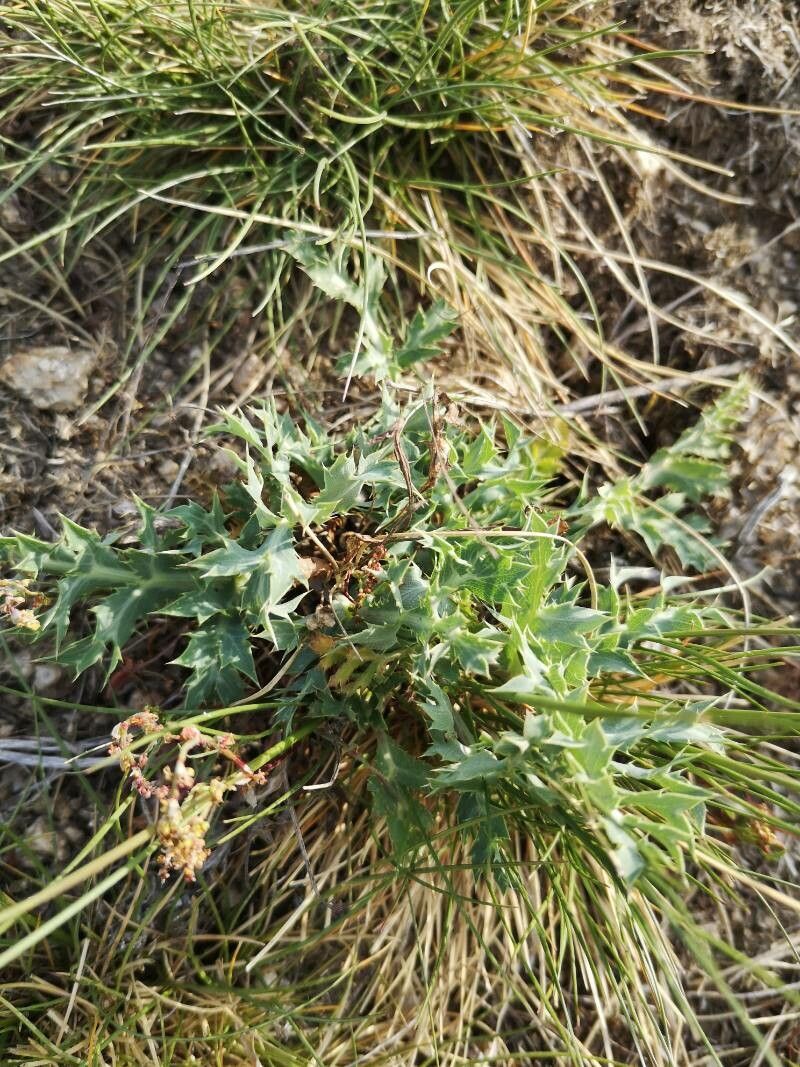
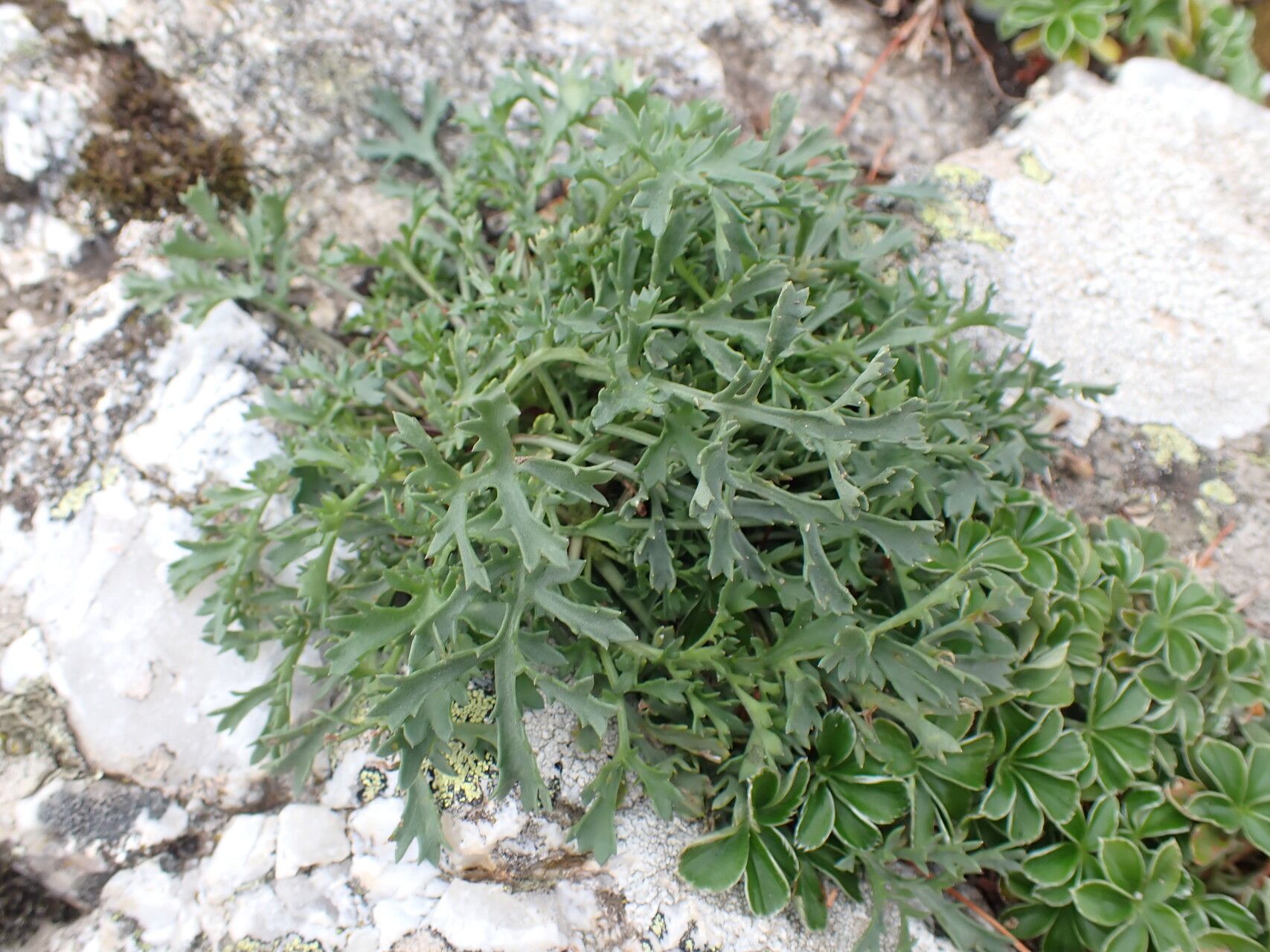
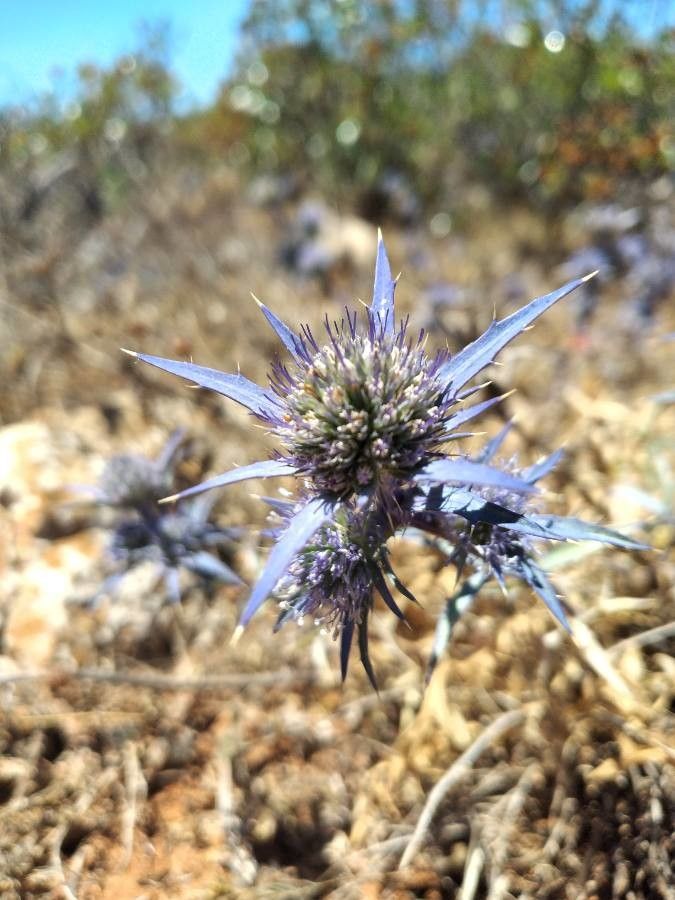
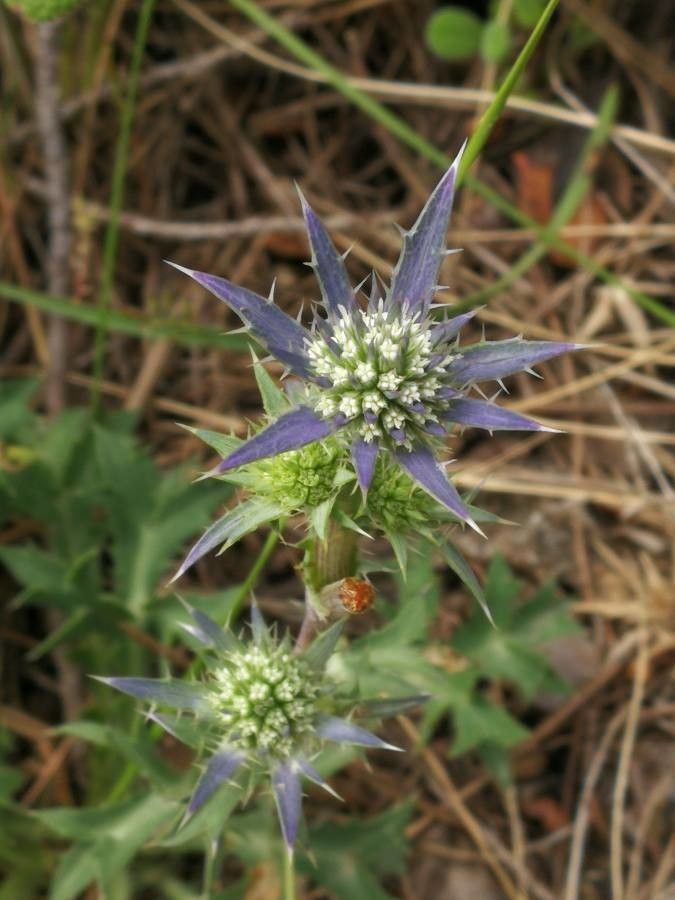
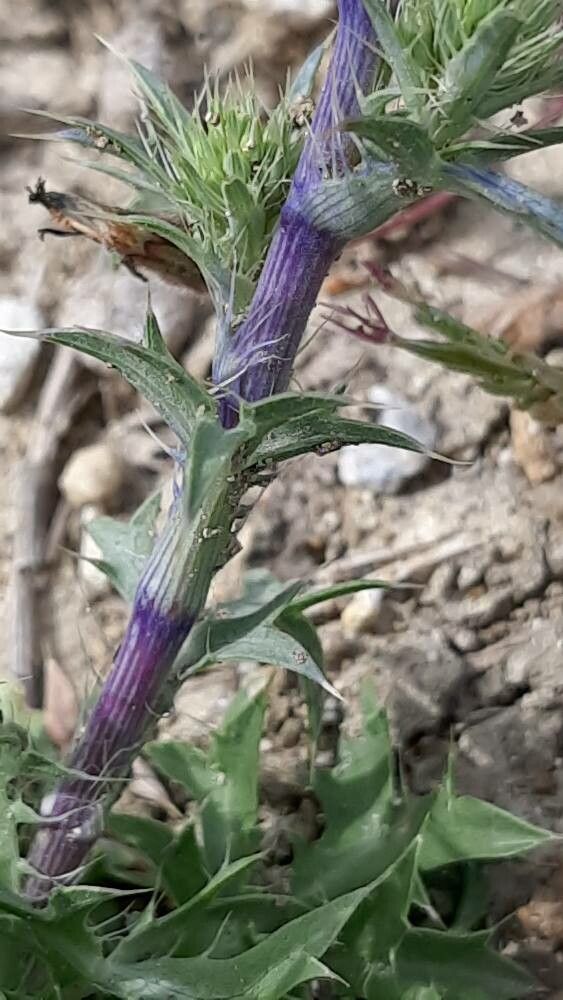
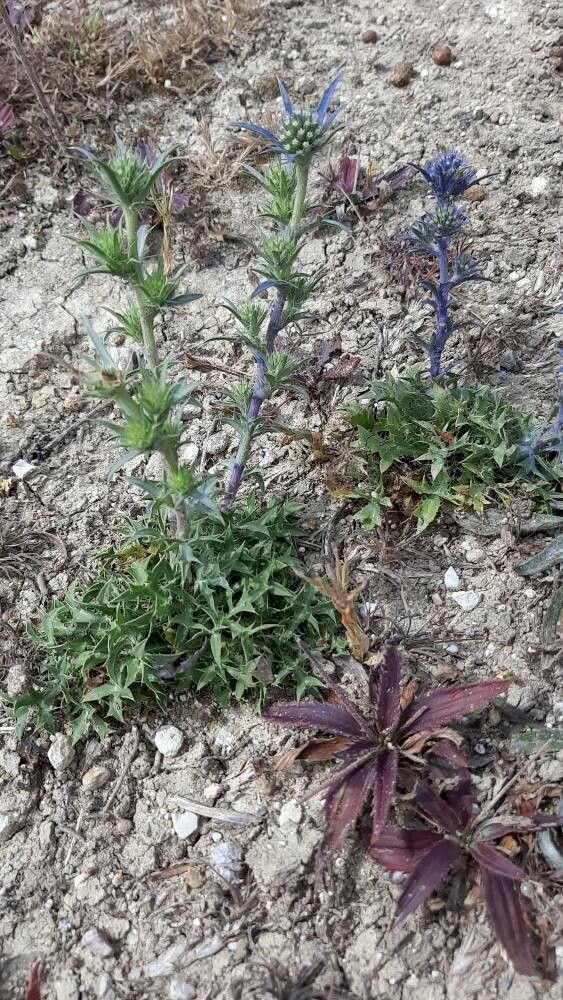
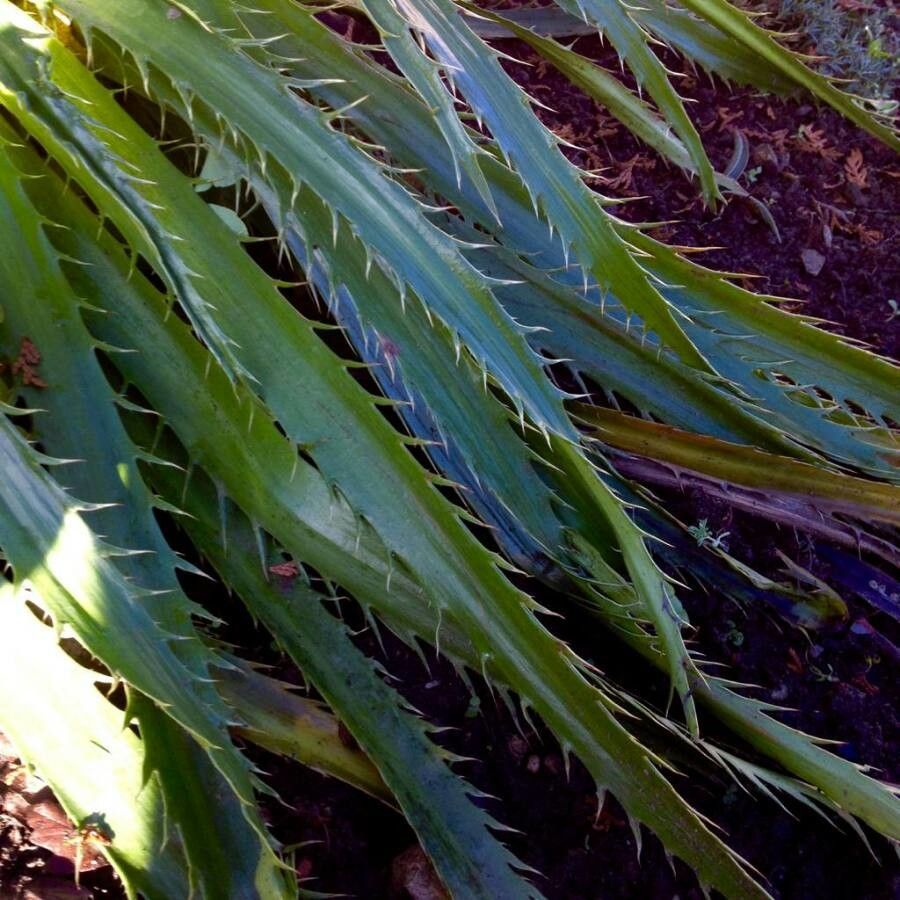
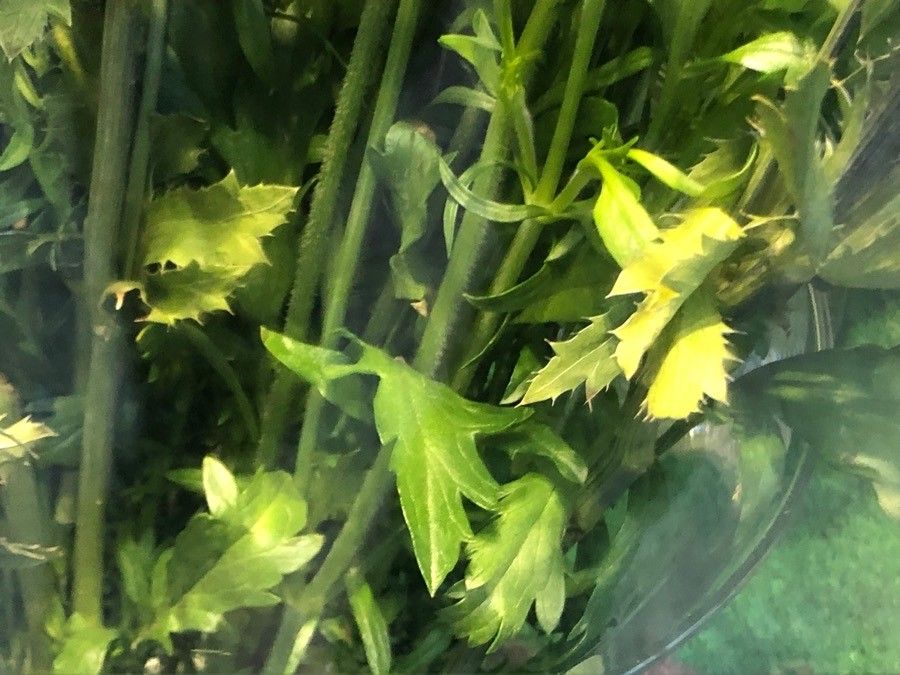
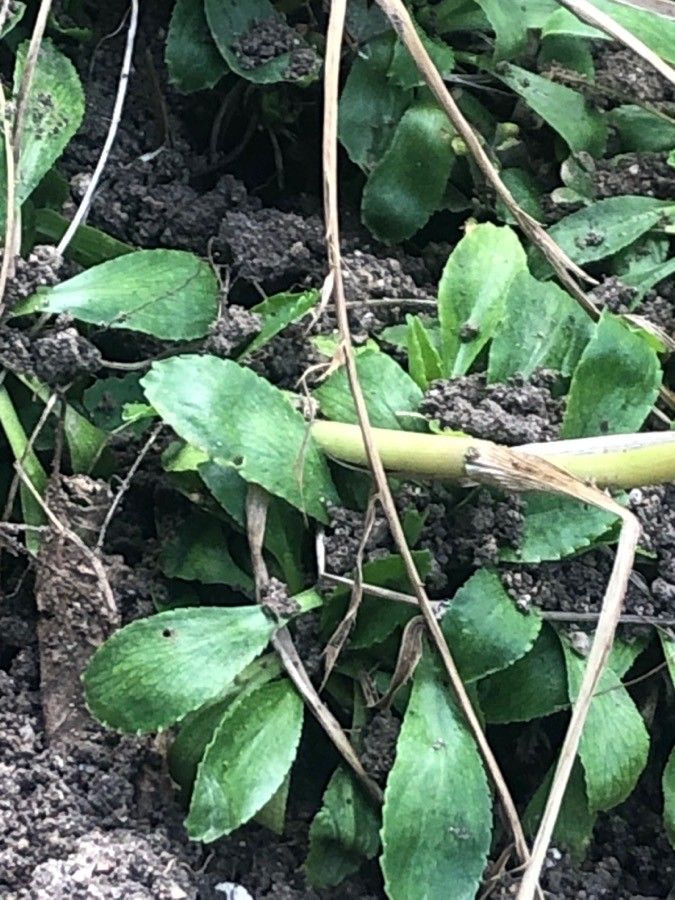
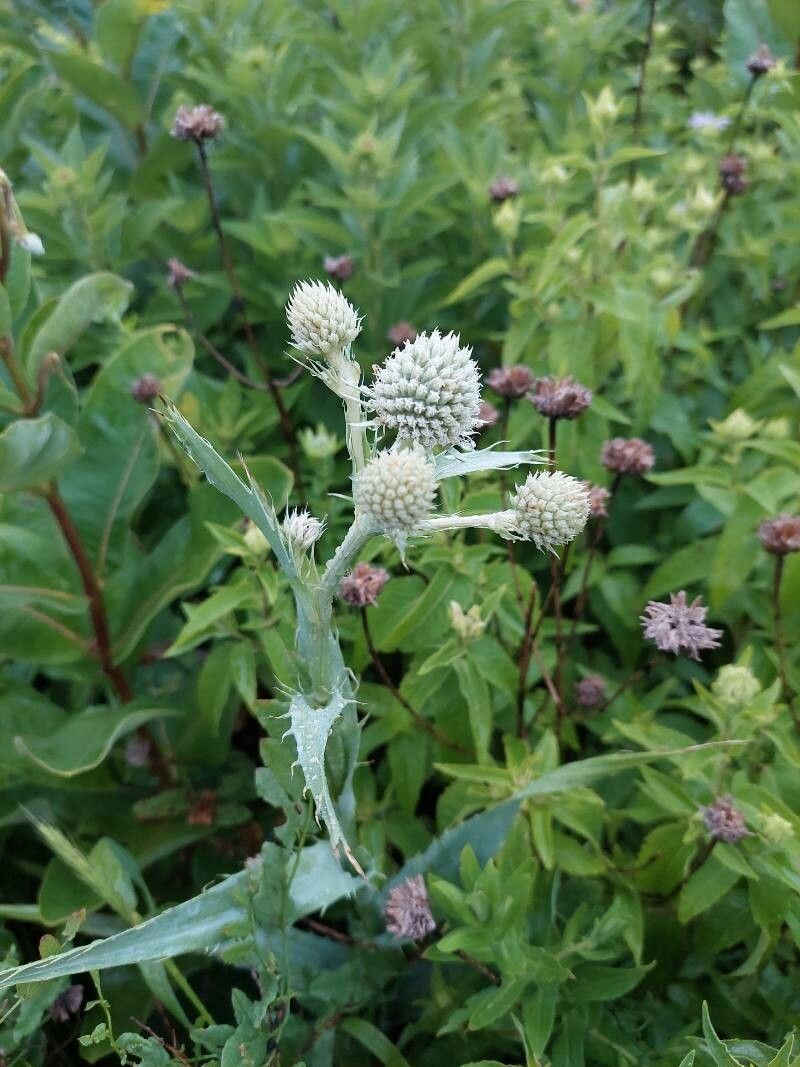
Amethyst eryngo is fairly disease-resistant and typically does not suffer from many illnesses. However, it can be vulnerable to pests and diseases present in its surroundings. Such infections are usually not severe. In terms of care, this plant needs moderate maintenance. Regular pruning is required to keep a neat appearance and support healthy growth. Applying fertilizer can also help encourage flowering. Amethyst eryngo is suitable for anyone with outdoor space, such as a garden or patio, and does not demand much care experience. It may need more attention when grown indoors.
How to keep Eryngium Dilatatum.
Light
Amethyst eryngo does best under open skies with abundant sunlight. This reflects its native habitat, where the ground gets uninterrupted sunshine. Needing lots of light, amethyst eryngo may become less vibrant and less healthy when kept in shade or given insufficient exposure.
Temperature
Amethyst eryngo comes from regions where temperatures range from 32 to 90 °F (0 to 32 ℃). It favors mild climates and may need temperature management during extreme seasons. Adjustments can include providing shade in hot periods or adding insulation in cold periods.
Fertilizer
The best time to fertilize an Amethyst eryngo is in early spring, as it comes out of dormancy and starts active growth. Fertilizing supplies essential nutrients needed for healthy growth. Although an Amethyst eryngo requires relatively little fertilizer, giving it fertilizer annually can improve its survival and encourage better, longer-lasting flowers.
Pruning
To promote healthy growth and vibrant flowering in Eryngium dilatatum, it's best to prune the plant from early to late spring. During this time, remove any damaged stems and thin out overcrowded areas to improve airflow. This practice not only encourages better growth and flowering but also prevents the plant from becoming leggy. Be sure to use sterilized tools while pruning to prevent the spread of diseases, ensuring the plant's longevity and enhancing its aesthetic appeal.
Botanical profile.
- Plant Type
- Herb
- Life Cycle
- Perennial
- Genus
- Eryngium
- Family
- Apiaceae
- Hardiness Zone
- 3-8
- Mature Height
- 61 cm
- Mature Spread
- 61 cm
- Leaf Color
- Green, Gray
- Leaf Type
- Evergreen, Semi-evergreen, Deciduous
- Flower Color
- Blue, Purple
- Flower Size
- 2.03 cm to 3.05 cm
- Bloom Time
- Summer
- Planting Time
- Spring, Summer
- Harvest Time
- Late summer, Early fall, Mid fall
- Native Area
- Turkey, Syria, Italy, Serbia, Montenegro, Iran, Cyprus, Bulgaria, Greece, Croatia, Slovenia, Albania, Lebanon
Reader questions.
What are the sunlight requirements for Eryngium dilatatum?
Eryngium dilatatum requires full sun, needing above 6 hours of sunlight daily. It's important to observe how sunlight moves through your garden to choose spots that offer a balanced environment of light and shade. This careful observation ensures the plants remain happy and healthy.