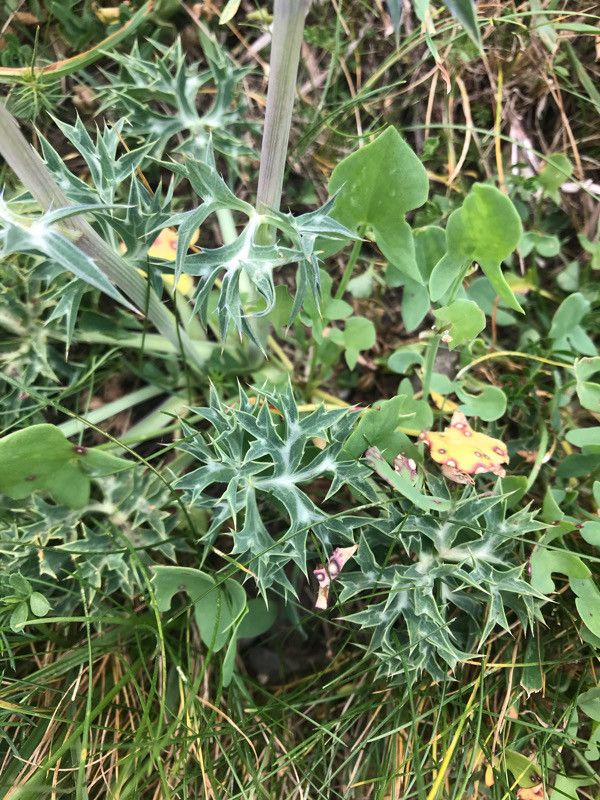
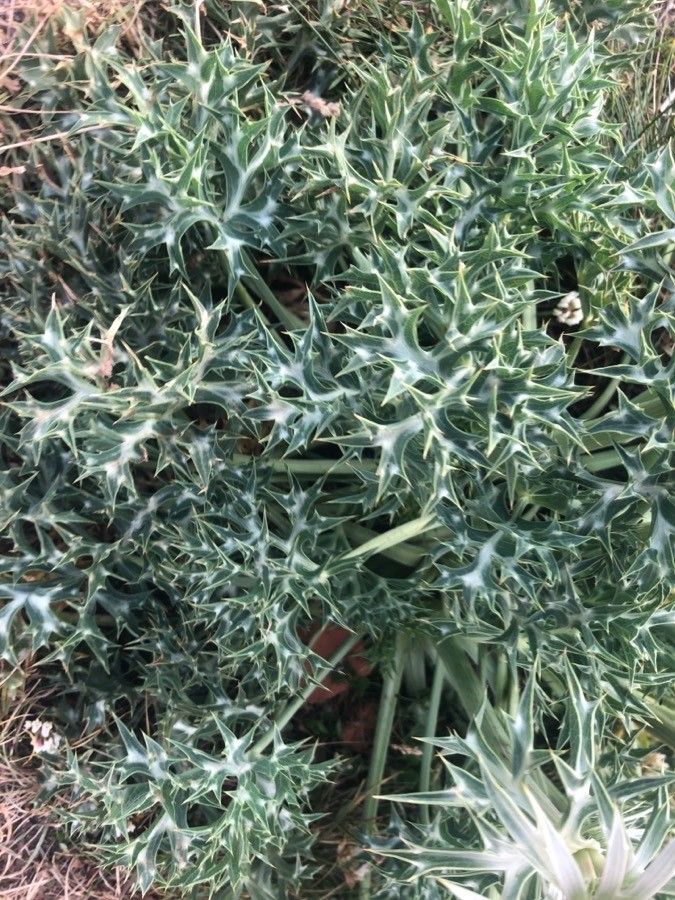
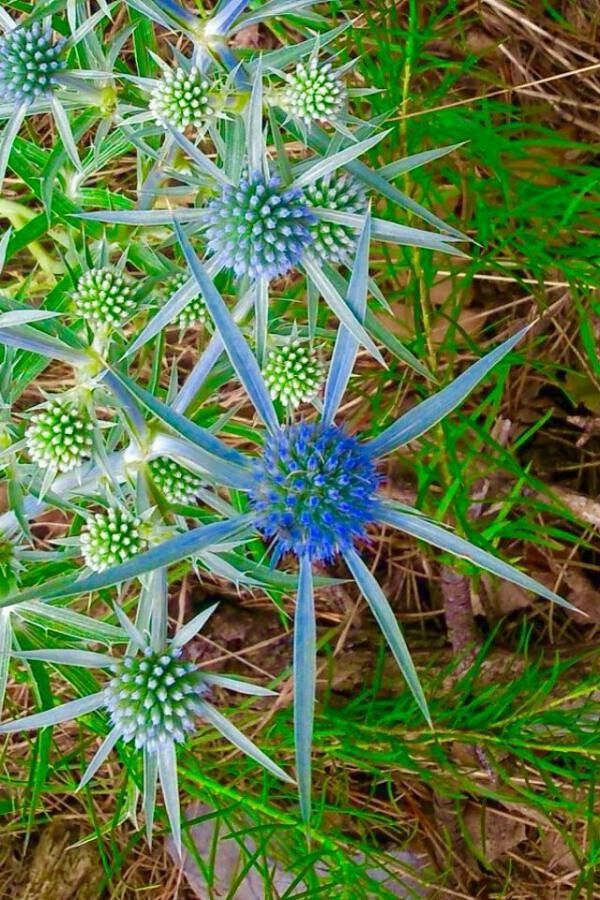
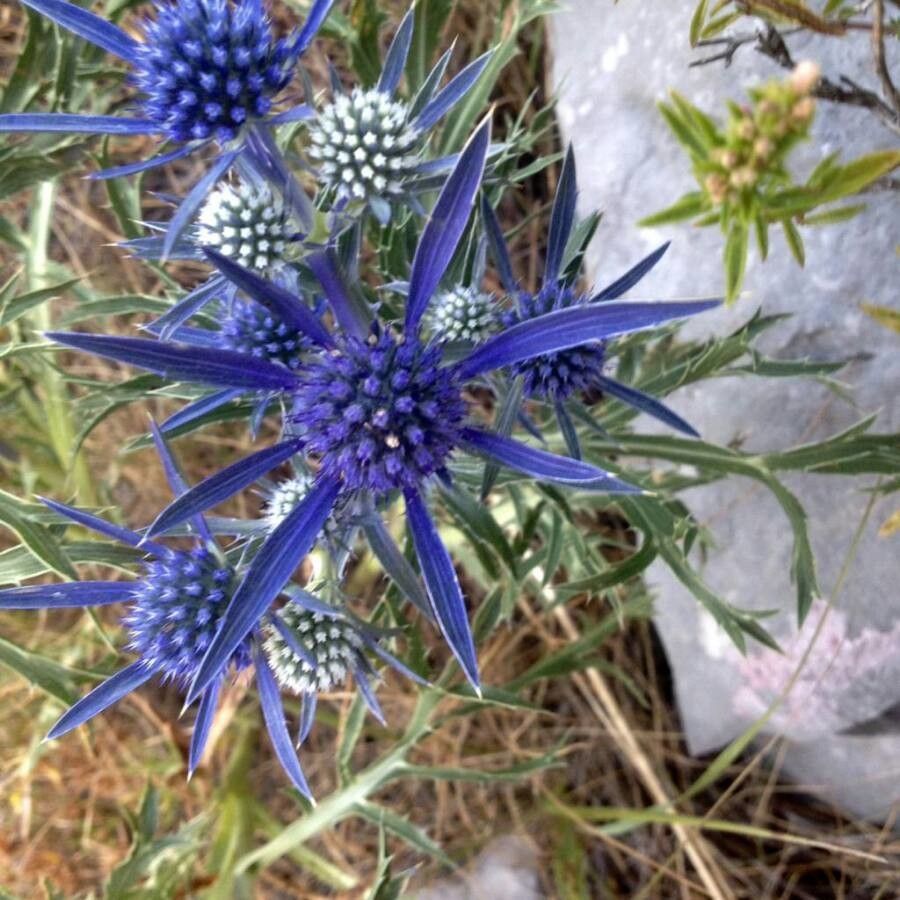
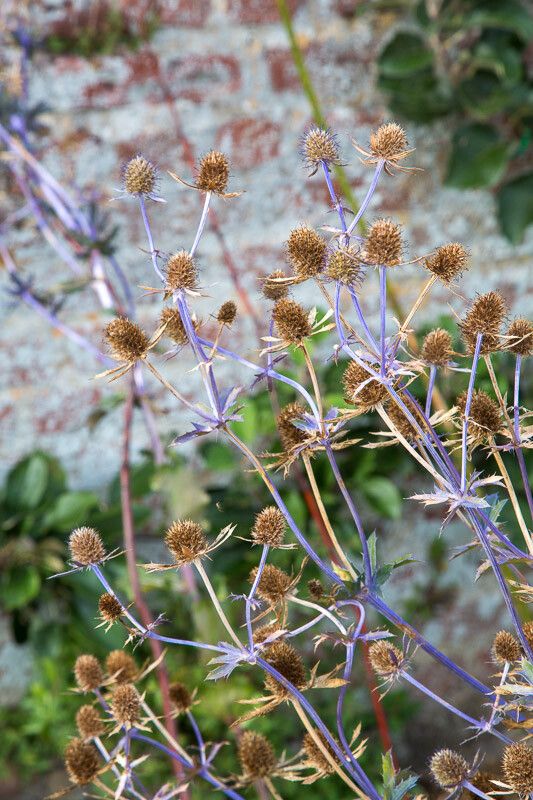
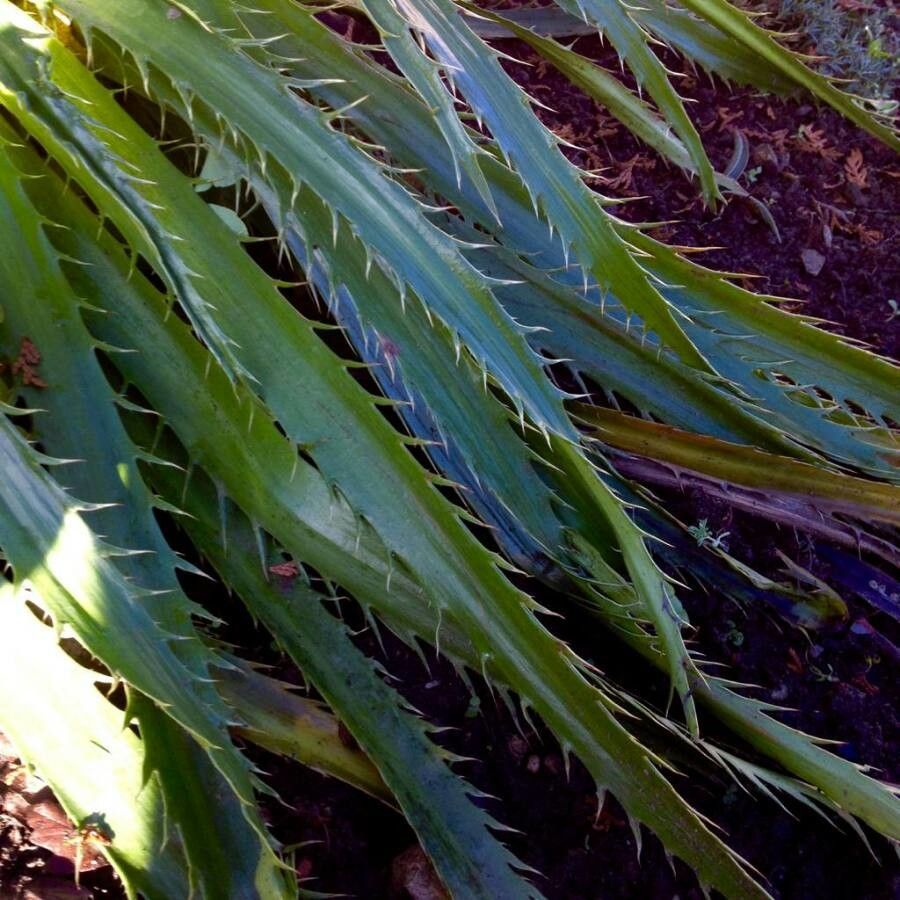
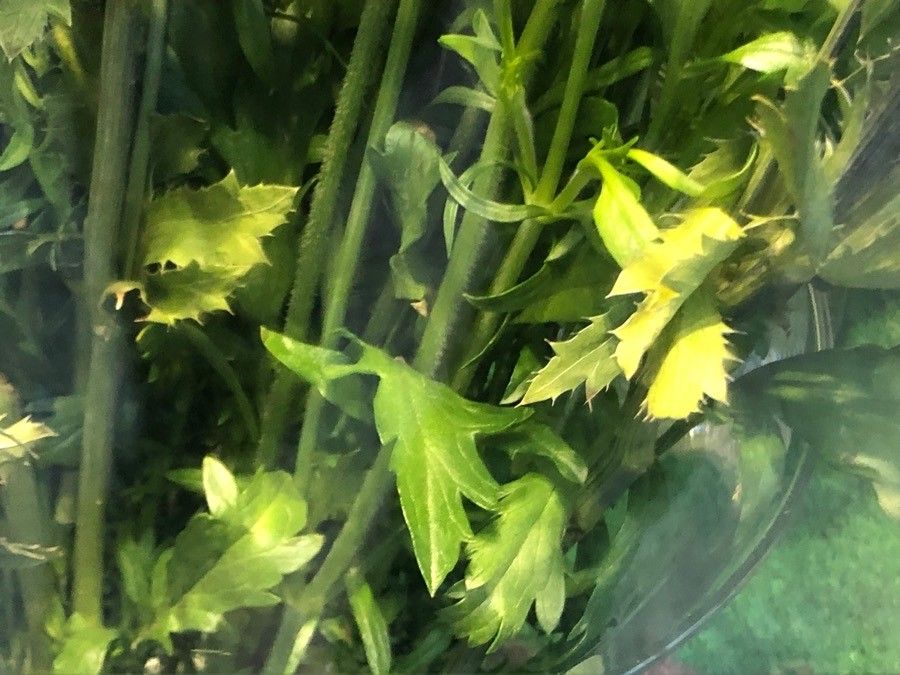
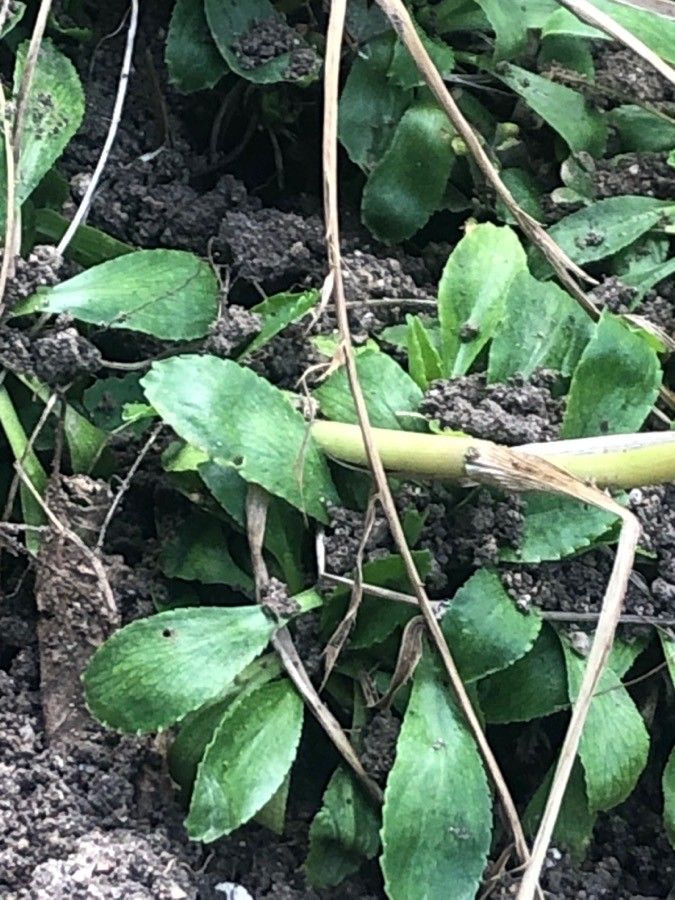
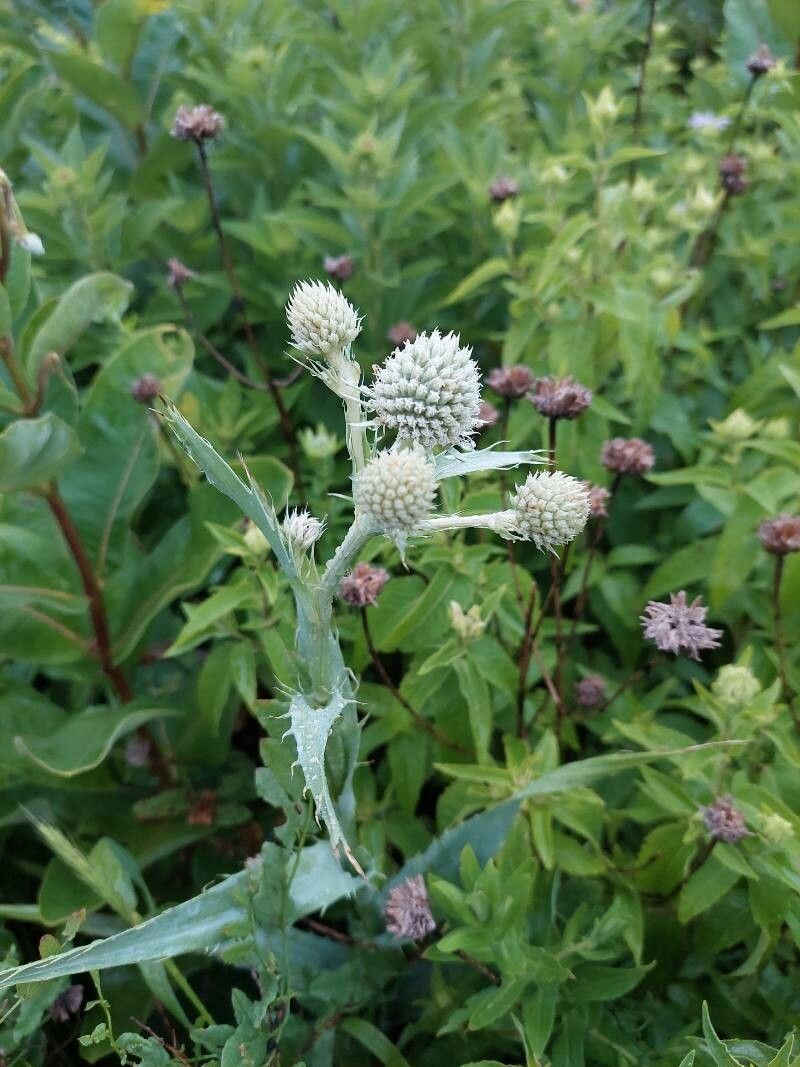
Eryngium bourgatii, commonly known as the Mediterranean sea holly, is a perennial herbaceous plant belonging to the Apiaceae family. Native to the Mediterranean region, it thrives in rocky and dry habitats. The plant is notable for its distinct appearance, characterized by spiky blue-grey leaves that form a rosette at its base.
The stem of Eryngium bourgatii can reach up to 60 cm in height and produces numerous small flowers in shades of blue or purple during the summer. These flowers are arranged in spherical clusters at the top of each stem, making the plant an attractive addition to any garden.
Eryngium bourgatii is renowned for its medicinal properties, as it contains compounds with anti-inflammatory and diuretic effects. Traditionally, it has been used to treat a variety of ailments, including arthritis, rheumatism, kidney stones, and urinary tract infections.
In addition to its medicinal benefits, Eryngium bourgatii also attracts pollinators such as bees and butterflies with its nectar-rich flowers. The plant is deer-resistant, making it an ideal choice for gardens in areas where deer are common.
Overall, Eryngium bourgatii is a striking plant with unique features that distinguish it from others. Its medicinal properties enhance its value, while its beauty adds to the attractiveness of gardens, making them more appealing to pollinators like bees and butterflies.
Mediterranean sea holly has strong disease resistance and is generally not easily affected by illnesses. Still, it can be vulnerable to pests and diseases present nearby. These problems are typically mild. Care-wise, the plant needs a moderate level of maintenance. It should be pruned regularly to preserve a neat appearance and support healthy growth. Fertilizing can also encourage flowering. This plant is well suited to anyone with an outdoor area, such as a garden or patio, and does not demand extensive gardening experience. It may need more attention when cultivated indoors.
How to keep Eryngium Bourgatii.
Light
The Mediterranean sea holly does best when exposed to a substantial amount of sunlight during the day. It comes from a habitat with abundant sunshine. Too little light can lead to less-than-optimal growth and reduced vigor. Conversely, too much light, while not ideal, is unlikely to cause significant harm.
Water
Mediterranean sea holly thrives in rocky, dry environments and is highly drought-tolerant, requiring minimal watering—ideally, just once a week. It prefers full sunlight and is best grown outdoors in well-draining soil to prevent root rot, especially in wetter climates.
Temperature
Mediterranean sea holly comes from Mediterranean climates and prefers temperatures between 41 and 90 °F (5 and 32 °C). In colder seasons it may need adjustments, as it has difficulty when temperatures fall below 41 °F (5 °C).
Fertilizer
With Mediterranean sea holly, the best time to apply fertilizer is in early spring when the flowers are forming. The proper fertilizer promotes better blooms and helps Mediterranean sea holly produce attractive flowers. Fertilizing in early spring ensures strong flowering during the season and supplies energy for dormant growth phases.
Pruning
The Mediterranean sea holly is characterized by its spiny, silver-blue leaves and thistle-like flowers. To encourage growth and maintain its shape, prune the plant from early to late spring by removing dead foliage and spent flower stems. Cutting back the plant after it flowers helps enhance its vigor, reduces legginess, and improves air circulation, contributing to overall plant health.
Botanical profile.
- Plant Type
- Herb
- Life Cycle
- Perennial
- Genus
- Eryngium
- Family
- Apiaceae
- Hardiness Zone
- 5-8
- Mature Height
- 15 cm to 46 cm
- Mature Spread
- 30 cm
- Leaf Color
- Green, Silver, Gray
- Leaf Type
- Deciduous
- Flower Color
- Blue, Violet
- Flower Size
- 2.54 cm
- Bloom Time
- Early summer, Mid summer
- Planting Time
- Summer
- Harvest Time
- Late summer, Early fall
Other names.
Reader questions.
How should I water my Mediterranean sea holly plant?
To properly water the Mediterranean sea holly, it is recommended to use filtered water at room temperature or slightly warmer. Tap water may contain harmful particles, so filtered water is preferable. Since the plant originated in a warm environment, cold water can be a shock to its system. It is also advised to avoid overhead watering as it can lead to issues with the foliage. Instead, apply the filtered room temperature water directly to the soil, ensuring the soil is completely soaked. This method benefits the plant by keeping the roots moist and aiding in their spread through the soil to gather essential nutrients.
Why should I add fertilizer to my Mediterranean sea holly?
Fertilization plays a vital role in the growth of Mediterranean sea holly and other plants. It delivers essential nutrients that support the plant's growth both above and below the ground. While the fertilization needs of Mediterranean sea holly are generally low, annual fertilization can greatly benefit the plant. It ensures the plant's survival and promotes the development of longer-lasting, more beautiful flowers. Therefore, those who want their Mediterranean sea holly to thrive should prioritize annual fertilization.
What are the sunlight requirements for Mediterranean sea holly?
Mediterranean sea holly requires full sun, which means it needs above 6 hours of sunlight daily to thrive best. Originating from environments with generous sunlight exposure, it performs optimally when it receives a substantial amount of daylight. Insufficient light can lead to less than ideal growth and vitality, although too much sunlight, while not ideal, usually doesn't pose significant harm. It's important to observe the movement of sunlight through your garden to ensure that your plants receive a healthy balance of light and shade, promoting their overall happiness and growth.
What is the native climate for Mediterranean sea holly?
Mediterranean sea holly, or Eryngium bourgatii, is native to Mediterranean climates, thriving in temperatures ranging from 41 to 90°F (5 to 32°C). It is well-suited to its namesake climate, enduring the characteristic warm, dry summers and mild, wet winters of the Mediterranean region.
What should I do if I give too much water or not enough water to my Mediterranean sea holly?
Overwatering is a more common issue than underwatering for the health of your Mediterranean sea holly. When this plant receives too much water, it may wilt, turn yellow, and develop diseases like root rot, mold, and mildew. Underwatering is less common due to the plant's drought tolerance, but it can still happen, causing brittle and brown leaves. It's important to notice the signs of overwatering early to prevent irreversible damage. Reduce watering immediately if you notice early signs. Check the soil's drainage and replace it with a well-draining mix if needed. If you see signs of underwatering, simply water more regularly until the symptoms improve.
When should I fertilize my Mediterranean sea holly for the best results?
Fertilizing a Mediterranean sea holly is best done in late winter to early spring when the plant is coming out of dormancy and starting to grow. This helps promote healthy growth and sets the plant up for a successful season. Although it is generally recommended to fertilize in the early spring, it is also fine to fertilize in the fall if desired. However, it is not advised to fertilize in summer or winter.
How can artificial lighting be used for Mediterranean sea holly?
For indoor Mediterranean sea holly or in areas with insufficient natural sunlight, especially during winter, artificial lighting is a critical alternative. Optimal growth can be achieved by selecting the right type of artificial light—LED lights are recommended due to their ability to mimic natural sunlight's specific wavelengths. Full sun plants should have 30-50W/sq ft of artificial light, partial sun plants 20-30W/sq ft, and full shade plants 10-20W/sq ft. The light source should be placed 12-36 inches above the plant to best imitate the sun, and the duration should mirror natural daylight hours, typically 8-12 hours daily.
How does Mediterranean sea holly handle cold temperatures?
Despite its preference for warmer climates, Mediterranean sea holly possesses strong cold resistance. It generally does not require special frost protection measures during winter, as it can handle temperatures down to about -25°C. However, to aid in its winter survival, especially if temperatures are expected to drop below -25°C, it's advised to provide additional protection by covering the plant with soil or straw. Watering the plant abundantly before the first freeze of autumn to ensure moist soil can also help prevent drought stress during colder months.
How often do I need to water my Mediterranean sea holly plant?
If your Mediterranean sea holly is in a pot, the most accurate way to determine if it needs water is by checking the soil with your finger. If the top two to three inches of soil feel dry, it's time to water it. If you have your Mediterranean sea holly planted in the ground outdoors, you can use a similar method to test the soil. Once again, if the first few inches of soil are dry, it's time to water. Typically, during the spring and early fall, watering once a week is recommended. However, in extremely hot weather, you may need to water twice a week or more. It's worth noting that mature, well-established Mediterranean sea holly can withstand drought impressively.
When is the best time to not use fertilizer on my Mediterranean sea holly?
To properly fertilize your Mediterranean sea holly, remember to only do so in late winter or early spring. This plant has low fertilization requirements, so one annual feeding is sufficient. Avoid fertilizing during spring, summer, and fall to prevent overfertilization and related issues. However, if you missed fertilizing in spring, it is acceptable to feed the plant in the fall. Additionally, refrain from fertilizing during the winter because the Mediterranean sea holly enters a dormant growth phase and does not produce new growth during this time.
What are the symptoms of inadequate sunlight for Mediterranean sea holly?
When Mediterranean sea holly is placed in areas with insufficient lighting, several symptoms may manifest. These include smaller, new leaves; leggy or sparse growth; quicker leaf drop; delayed or halted growth; pale or irregularly colored new leaves indicating a lack of chlorophyll; chlorosis or yellowing leaves; sunscald causing pale, bleached areas on the plant; leaf curling as a defense against excessive light; wilting from loss of water through transpiration; and leaf scorching evidenced by brown, dry edges. These symptoms indicate either too little or too much sunlight exposure.
What should be done if the Mediterranean sea holly is exposed to temperatures below its tolerance level?
In cases where the Mediterranean sea holly experiences temperatures below its cold tolerance threshold, particularly below -25°C, it might not show immediate distress but could have a decreased ability to sprout or fail to sprout at all in the spring. The recommended course of action for plants that have parts which fail to sprout in spring due to cold damage is to simply remove these unproductive parts.