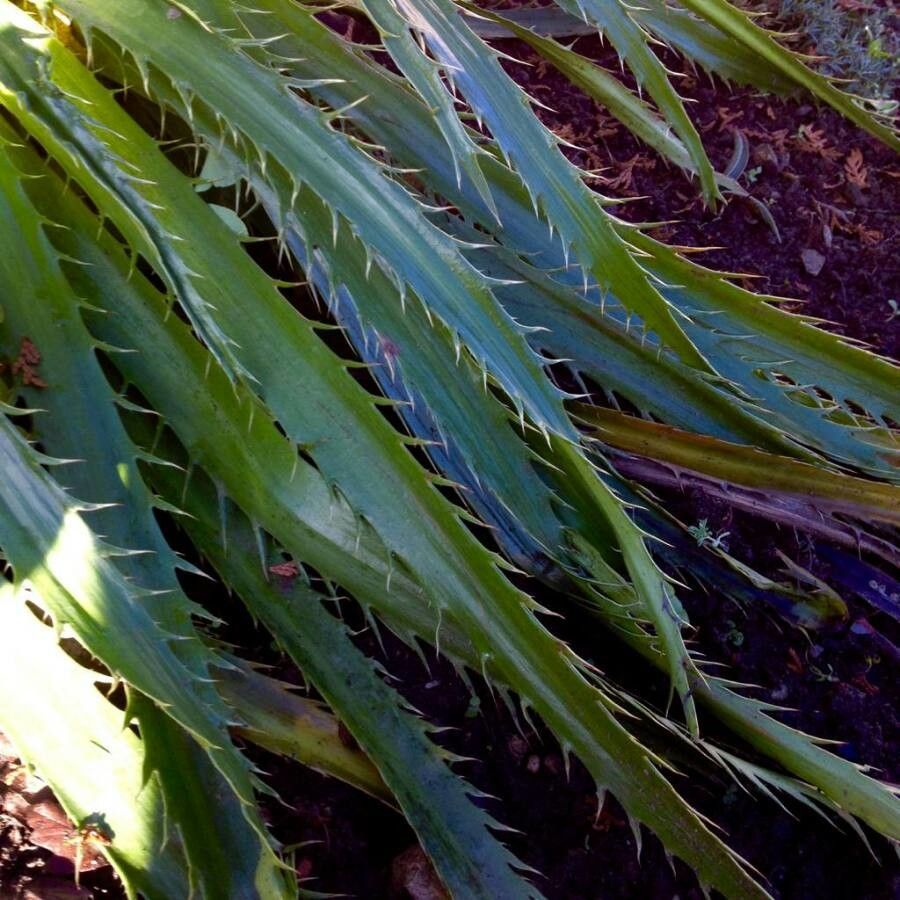
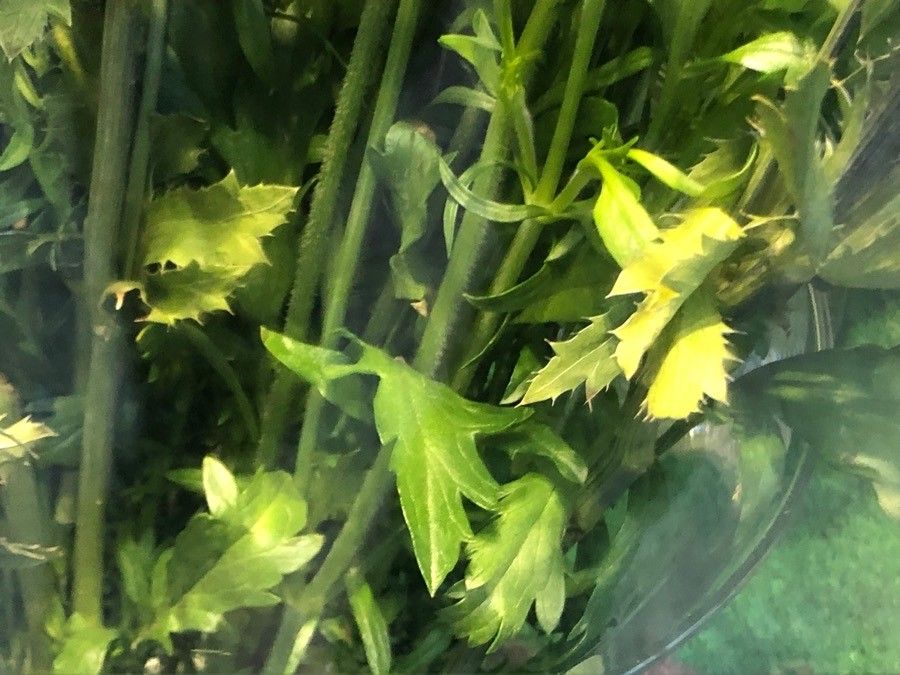
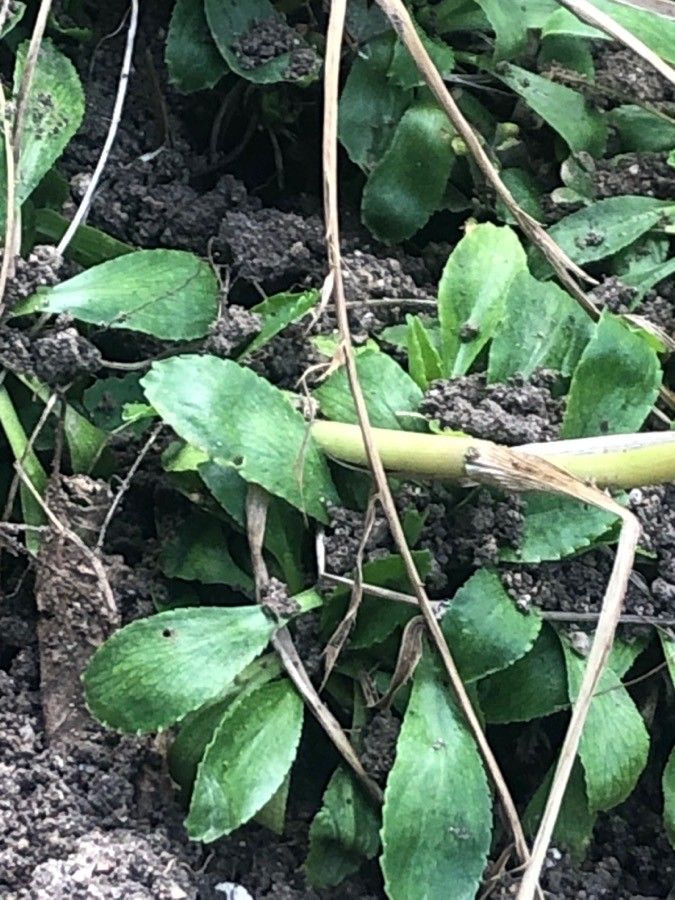
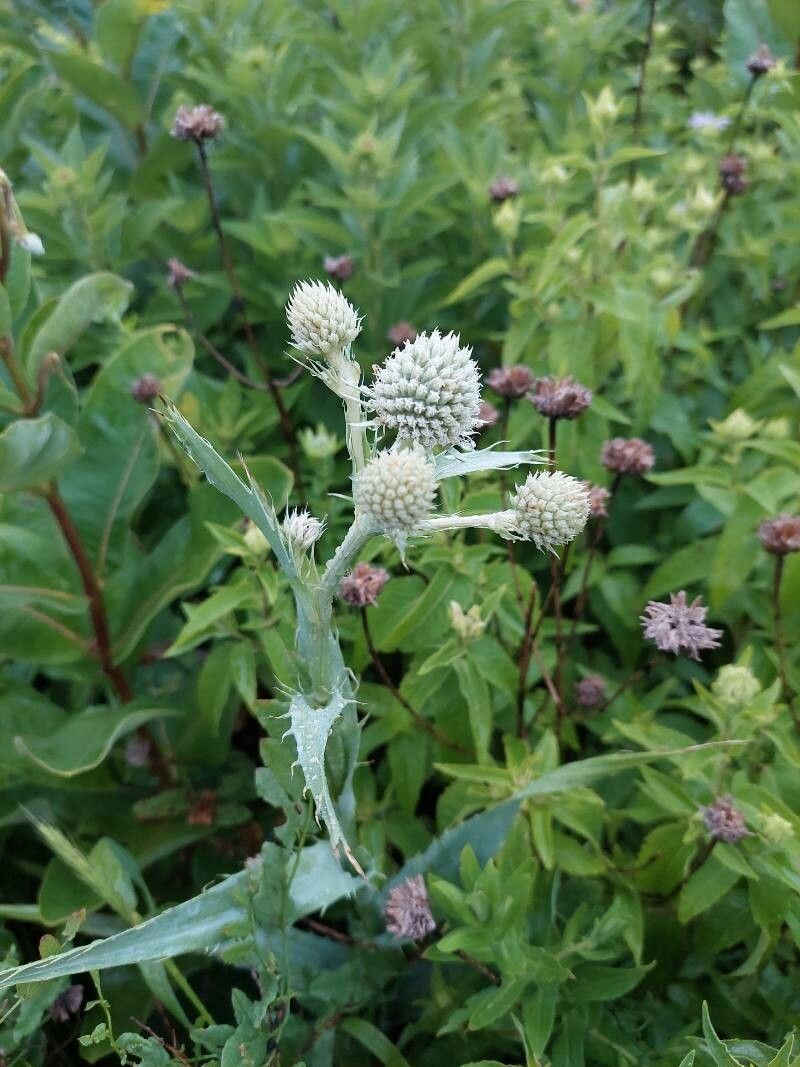
Eryngium armatum, known by the common names coastal eryngo and prickly coyote thistle, is a species of flowering plant in the family Apiaceae. It is endemic to the coastline of northern and central California, where it along beaches and coastal bluffs. Many populations are in the San Francisco Bay Area.
Blue eryngo has strong disease resistance and is generally not vulnerable to illnesses. It can, however, be affected by pests and diseases present in its environment. Those infections are typically mild. Regarding care, the plant needs moderate maintenance. Regular pruning is necessary to preserve its appearance and encourage healthy growth. Fertilizing can also help stimulate flowering. Blue eryngo is appropriate for anyone with an outdoor area, such as a garden or patio, and does not require extensive plant-care experience. It may need extra attention if grown indoors.
How to keep Eryngium Armatum.
Light
Blue eryngo prefers a spot that is consistently exposed to plenty of sunlight throughout the day. Native to naturally sunlit habitats, this plant does best under those conditions. However, both excessive sun exposure and too little sunlight can interfere with its growth, producing wilted leaves or stunted development, respectively.
Water
Coastal eryngo, native to coastal regions, thrives in environments with periodic moisture and salt exposure. It needs to be watered once a week to stay healthy, though it does show moderate resistance to drought. Usually cultivated outdoors, coastal eryngo has a robust root system designed for efficient water use during its growing season.
Temperature
Blue eryngo originates from temperate regions and does well in temperatures of 41 to 95 °F (5 to 35 ℃). Its frost tolerance and heat resistance let it withstand seasonal variations. Adjust care as needed, and shield it from extreme heat or cold.
Fertilizer
The best time to fertilize Blue eryngo is in early spring, as it emerges from dormancy and starts active growth. Fertilizing supplies essential nutrients for healthy development. Although Blue eryngo has relatively low fertilizer requirements, applying fertilizer once a year can improve its survival and encourage better, longer-lasting blooms.
Pruning
Coastal eryngo is known for its spiky foliage and distinctive flowers. To promote bushier growth and remove any damaged stems, it's best to prune this plant between early and late spring. Doing so also improves air circulation and reduces the risk of disease. Be cautious when handling coastal eryngo due to its sharp leaves. Proper pruning not only enhances the plant's structural integrity but also its visual appeal.
Botanical profile.
- Plant Type
- Herb
- Life Cycle
- Perennial
- Genus
- Eryngium
- Family
- Apiaceae
- Hardiness Zone
- 5-9
- Mature Height
- 76 cm
- Mature Spread
- 46 cm to 61 cm
- Leaf Color
- Green, Blue, Gray, Silver
- Leaf Type
- Deciduous
- Flower Color
- Blue
- Flower Size
- 1.02 cm to 1.27 cm
- Bloom Time
- Early summer, Mid summer
- Planting Time
- Spring
- Harvest Time
- Mid summer
- Native Area
- India, Austria, Czech Republic, Slovakia, Armenia, Poland, Croatia, Belarus, Ukraine, China, Russia, Serbia, Hungary, Germany, Kazakhstan, Mongolia, Azerbaijan, Romania, Moldova
Other names.
Reader questions.
What are the sunlight requirements for Coastal eryngo?
Coastal eryngo (Eryngium armatum) thrives in locations that receive full sun, defined as areas getting above 6 hours of sunlight daily. It's important to observe the patterns of sunlight in your garden, selecting spots that offer a harmonious balance of light and shade. This careful placement ensures your plants, including the Coastal eryngo, grow healthy and happy.